At the southern tip of Africa, two mighty ocean systems come together. The warm Indian Ocean and the cool Atlantic Ocean meet along our coastline, creating one of the most diverse and fascinating marine environments in the world.
The Two Oceans Aquarium is uniquely positioned to showcase the incredible marine life living in these two very different ocean systems. From colourful tropical fishes and coral reefs to giant kelp forests, mysterious octopuses, and graceful jellies, every exhibit tells part of the story of the ocean surrounding South Africa.
The warm waters of the Indian Ocean
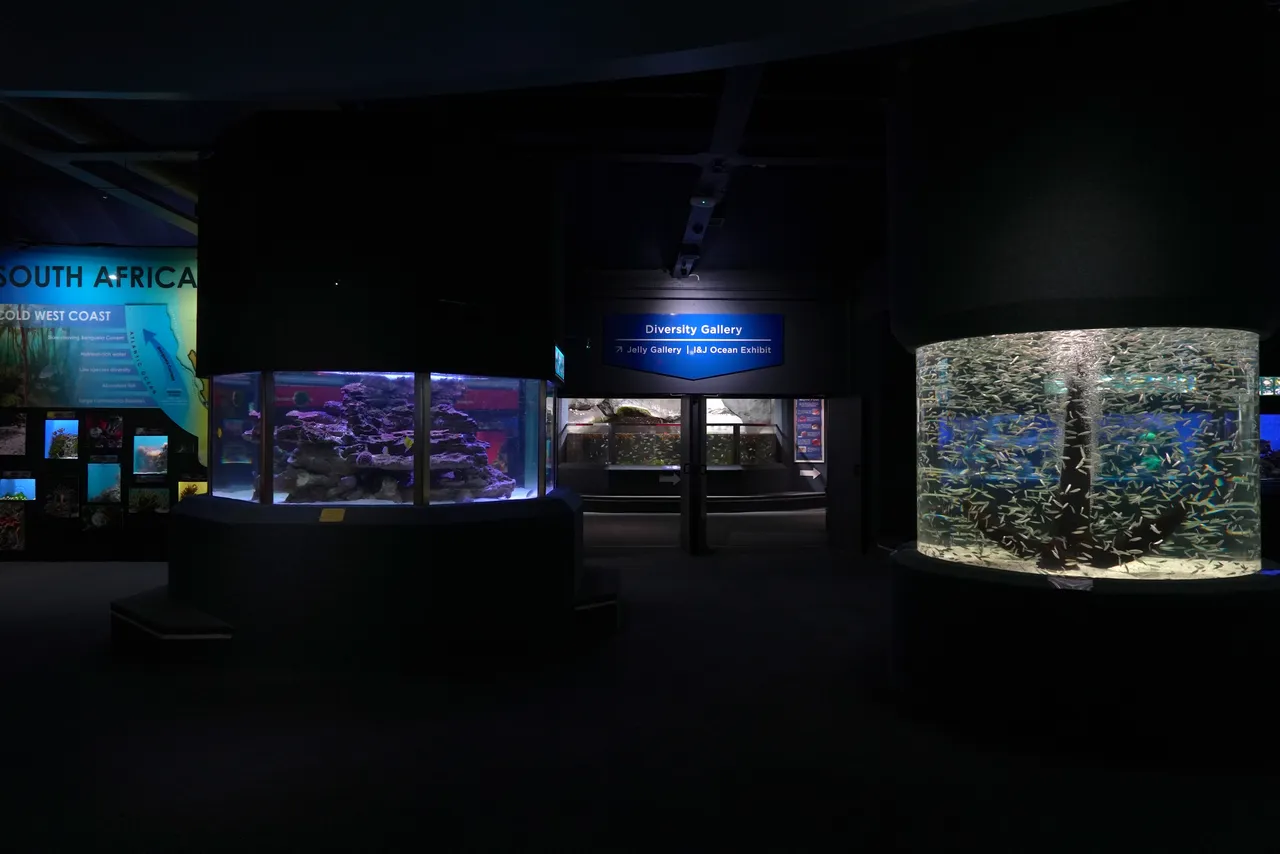
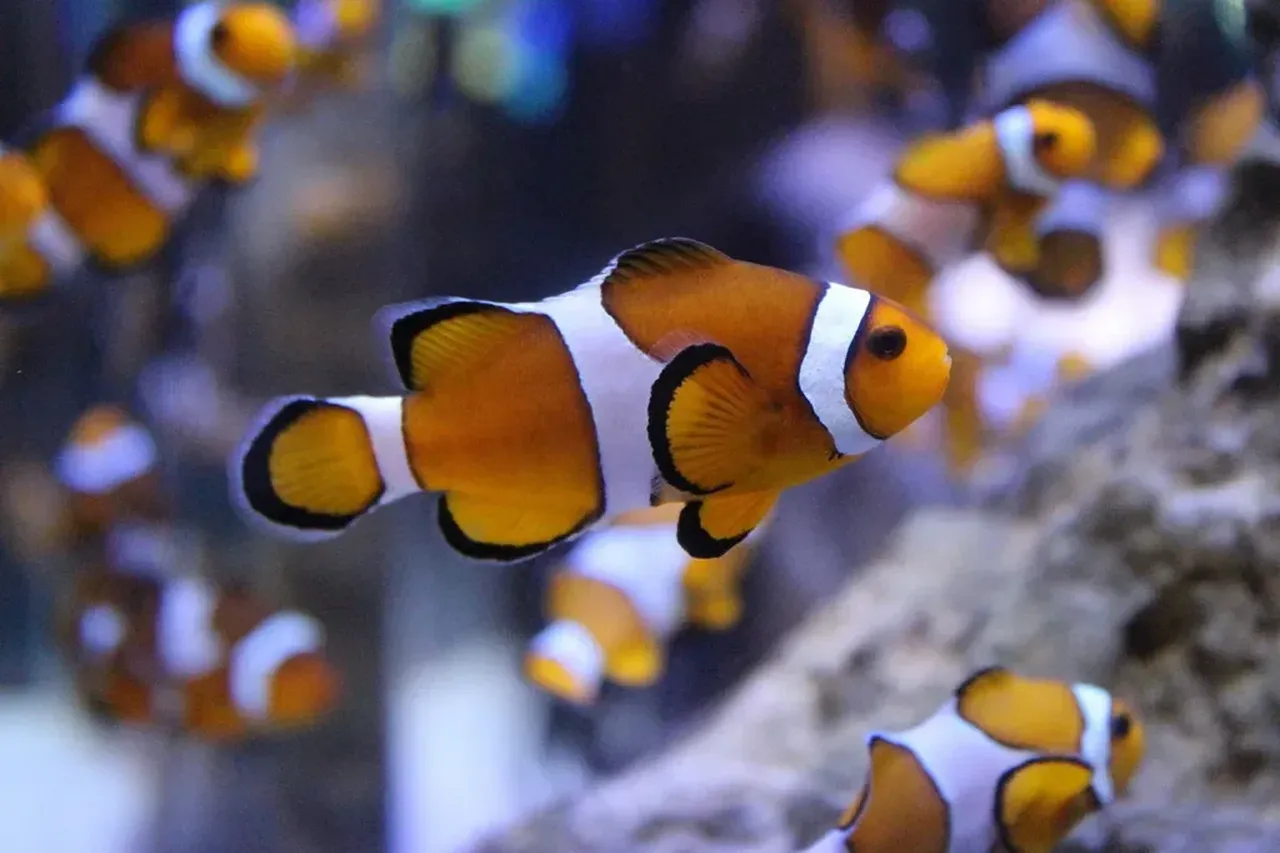
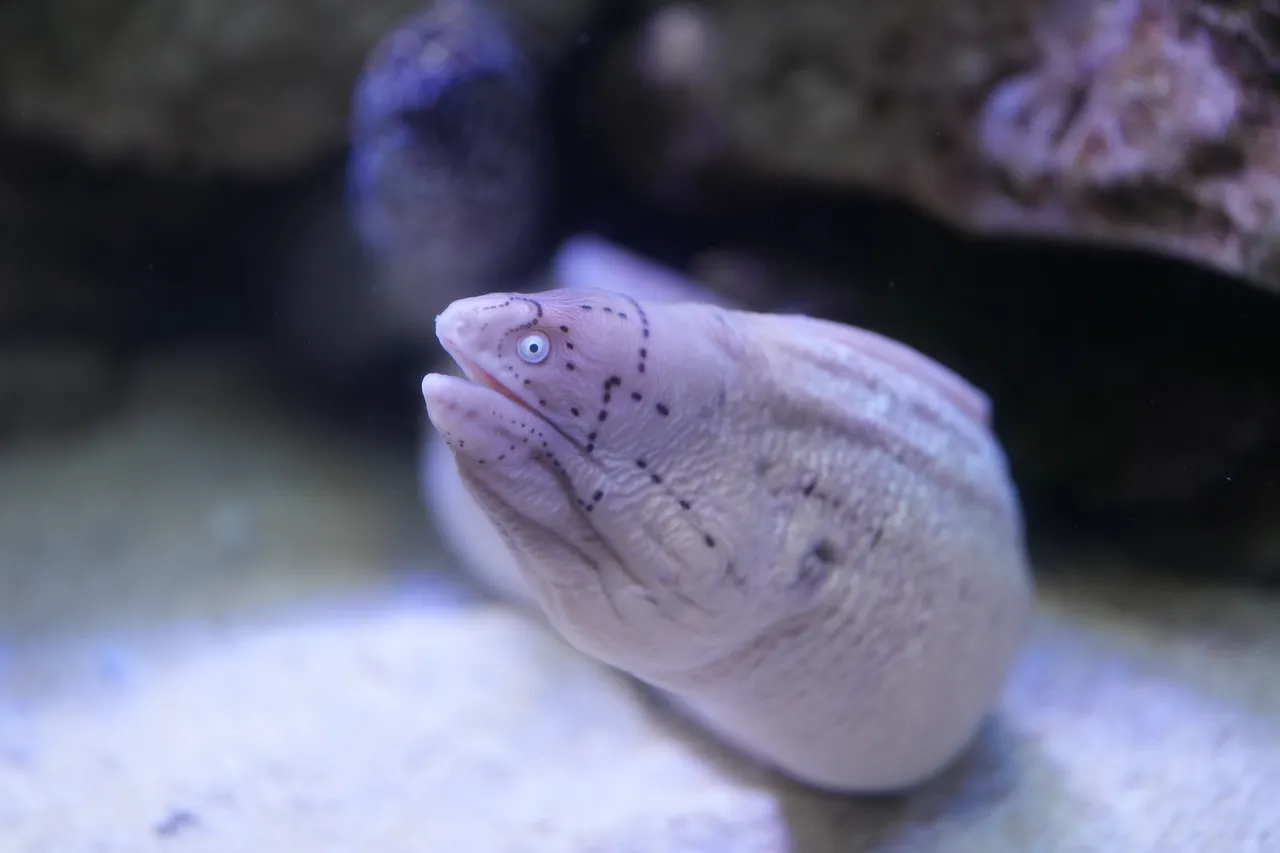
The warm-water exhibits in the Diversity Gallery transport visitors into the vibrant world of the Indian Ocean. Here, dazzling colours and fascinating marine animals bring this tropical underwater world to life. The exhibits include the ever-popular western clownfish, recognisable to many as “Nemo”, as well as honeycomb, floral, and geometric moray eels.
Visitors can also discover the beautiful Coral Reef Exhibit, home to a variety of colourful fishes and other marine life. The Diversity Gallery features a striking 3m-wide cylindrical exhibit that offers another glimpse into the dazzling diversity of Indian Ocean fishes.
South African seas are home to approximately 2 200 fish species, representing around 15% of all marine fish species worldwide. What makes this even more remarkable is that up to 13% of these species are endemic, meaning they live nowhere else on Earth. The warm waters of the Indian Ocean are a celebration of colour, diversity, and life.
The cool waters of the Atlantic Ocean
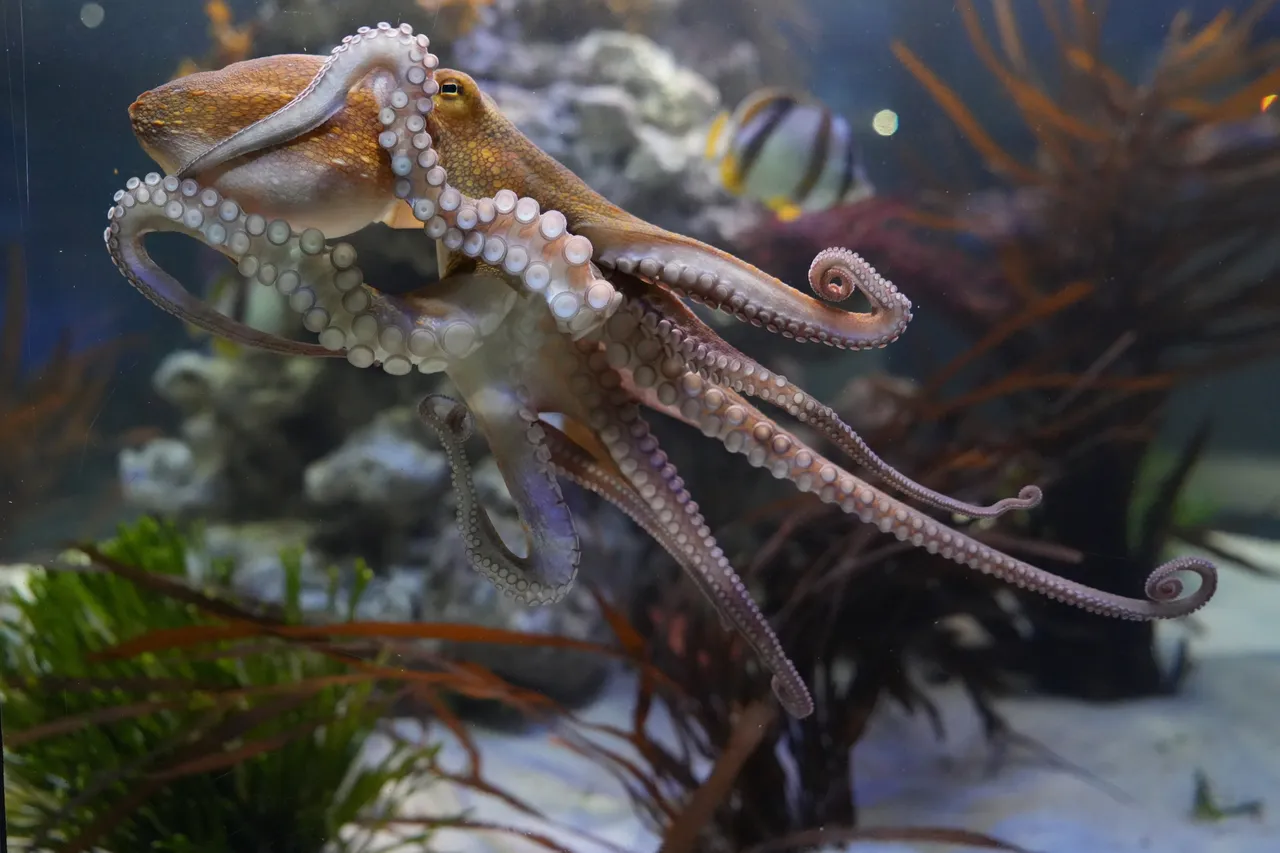
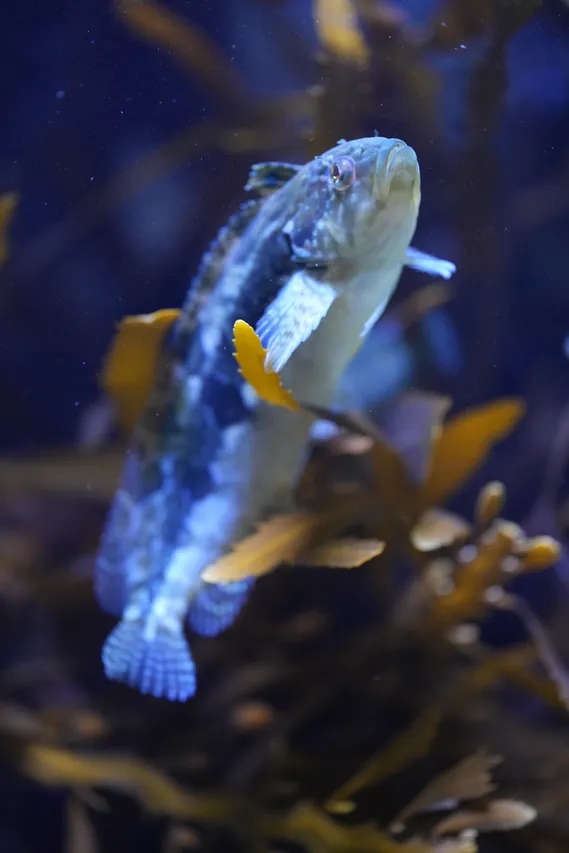
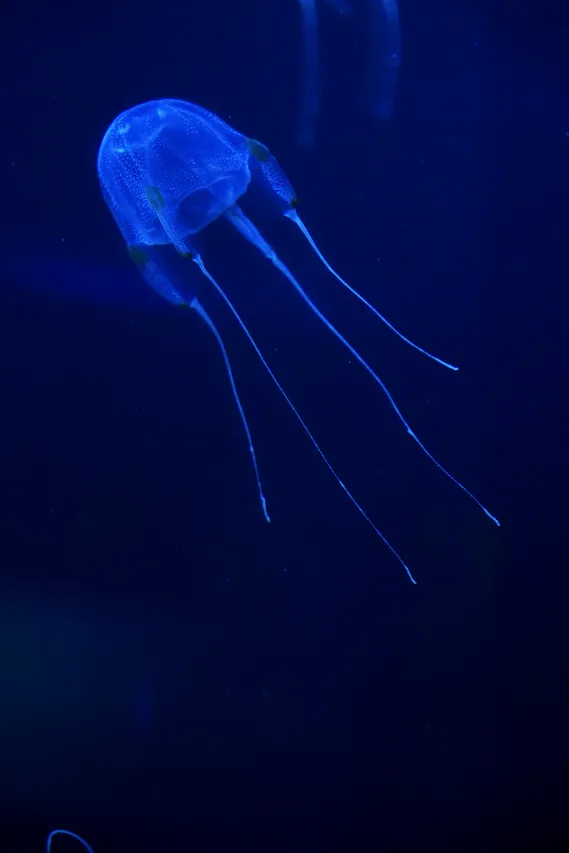
Travel to the cooler waters of the Atlantic Ocean and discover a completely different underwater world. The cold-water exhibits are home to fascinating animals with remarkable adaptations. Cryptic fishes play hide-and-seek among their surroundings, translucent jellies drift gracefully through the water, and a common octopus uses its incredible camouflage abilities to disappear into the background.
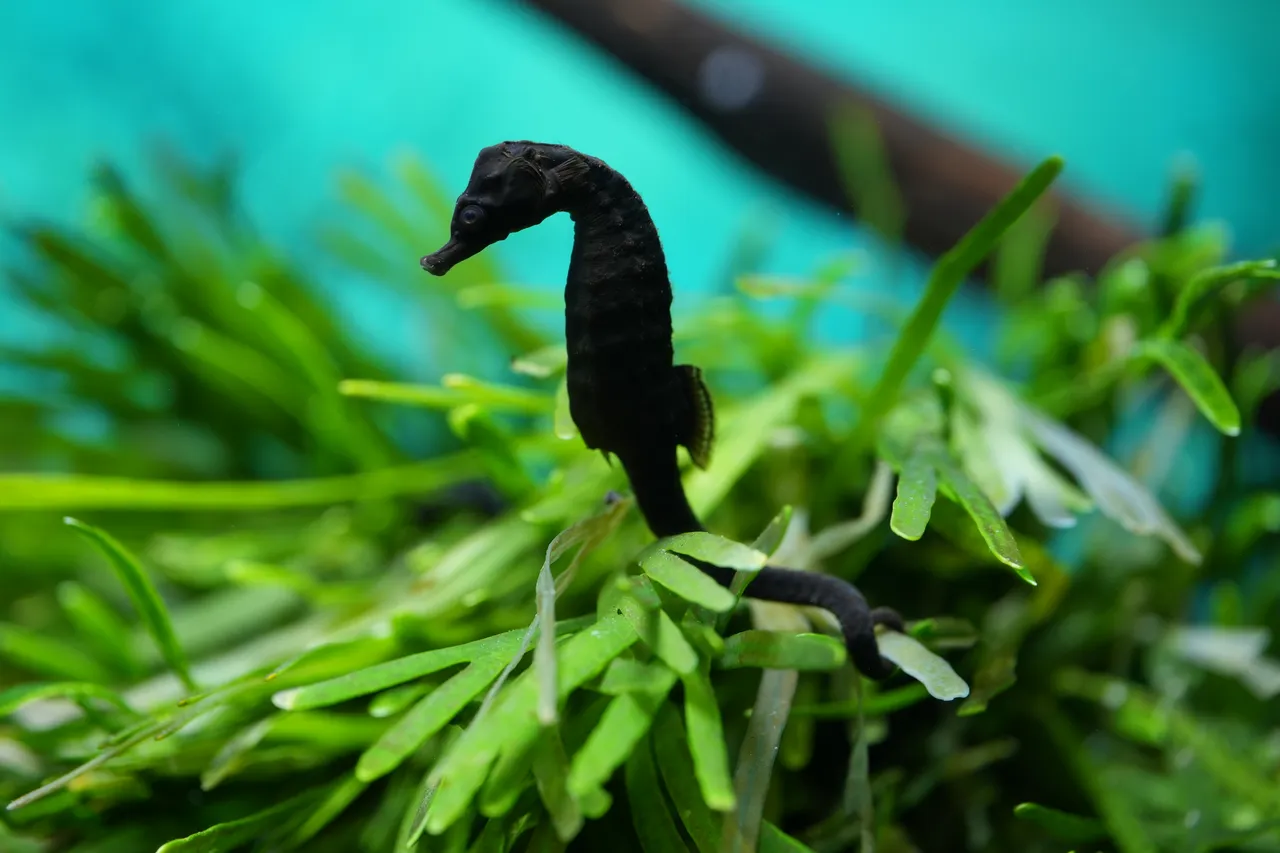
Visitors can also see the endangered Knysna seahorse, several species of shysharks, and many other animals adapted to life in the cooler waters of the Atlantic Ocean. These exhibits reveal that some of the ocean’s most remarkable animals are not the biggest or brightest. Sometimes, you need to look a little closer.
Where two ocean systems meet
Cape Agulhas, the southernmost tip of Africa, is officially recognised as the meeting place of the Indian and Atlantic Oceans.
The meeting of these warm and cold ocean systems plays an important role in shaping South Africa’s extraordinary coastline. Powerful ocean currents, changing water temperatures, and unique habitats support an incredible diversity of marine life.
From the nutrient-rich waters of the west coast to the warm, clear waters of the east coast, each ocean system has its own story to tell.
The cold Benguela Current
Along South Africa’s west coast, the cold Benguela Current flows northwards, bringing icy, nutrient-rich water that supports an abundance of marine life.
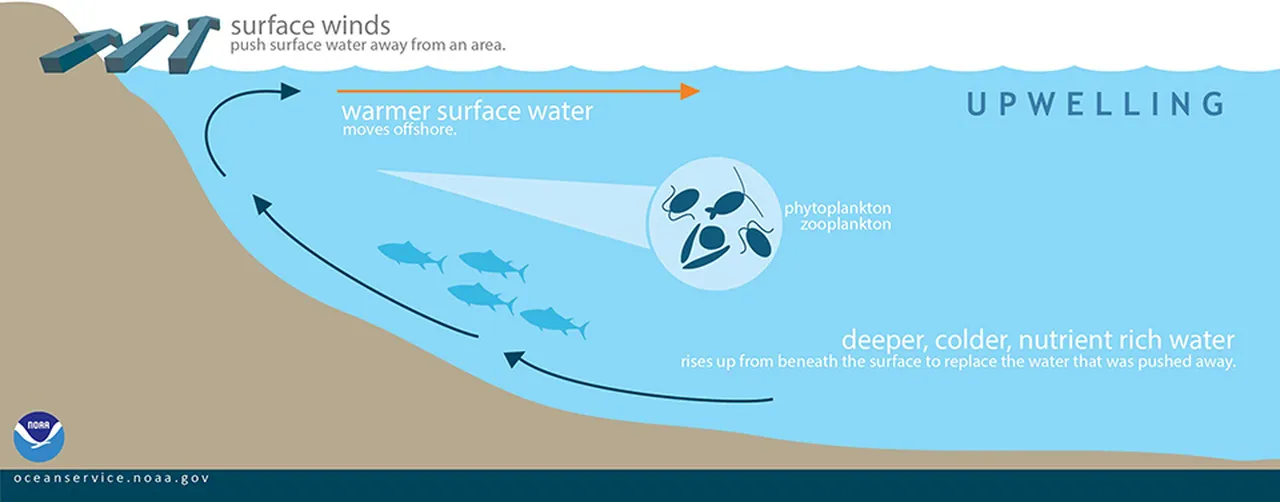
During summer, strong south-easterly winds blow along the coastline, causing cold, nutrient-rich water from deeper in the ocean to rise towards the surface. This process is known as upwelling. The nutrients help phytoplankton (microscopic plants that form the basis of the food web) to flourish, supporting the rich web of life along the west coast. Prolific forests of giant kelp also dominate the shoreline, creating important habitat for a wide variety of marine animals.
Upwelling causes phytoplankton blooms and attracts zooplankton (microscopic animals), which are then eaten by animals such as pilchards and anchovies. This abundance of food supports huge commercial fisheries, large colonies of Cape fur seals, and endangered African penguins. This region is one of the most productive marine ecosystems in the world.
The mighty Agulhas Current
On the opposite side of the country, the mighty Agulhas Current brings warm Indian Ocean water southwards along South Africa’s east coast. As one of the most powerful currents in the world, the Agulhas Current carries warm water from tropical regions, creating a very different marine environment.
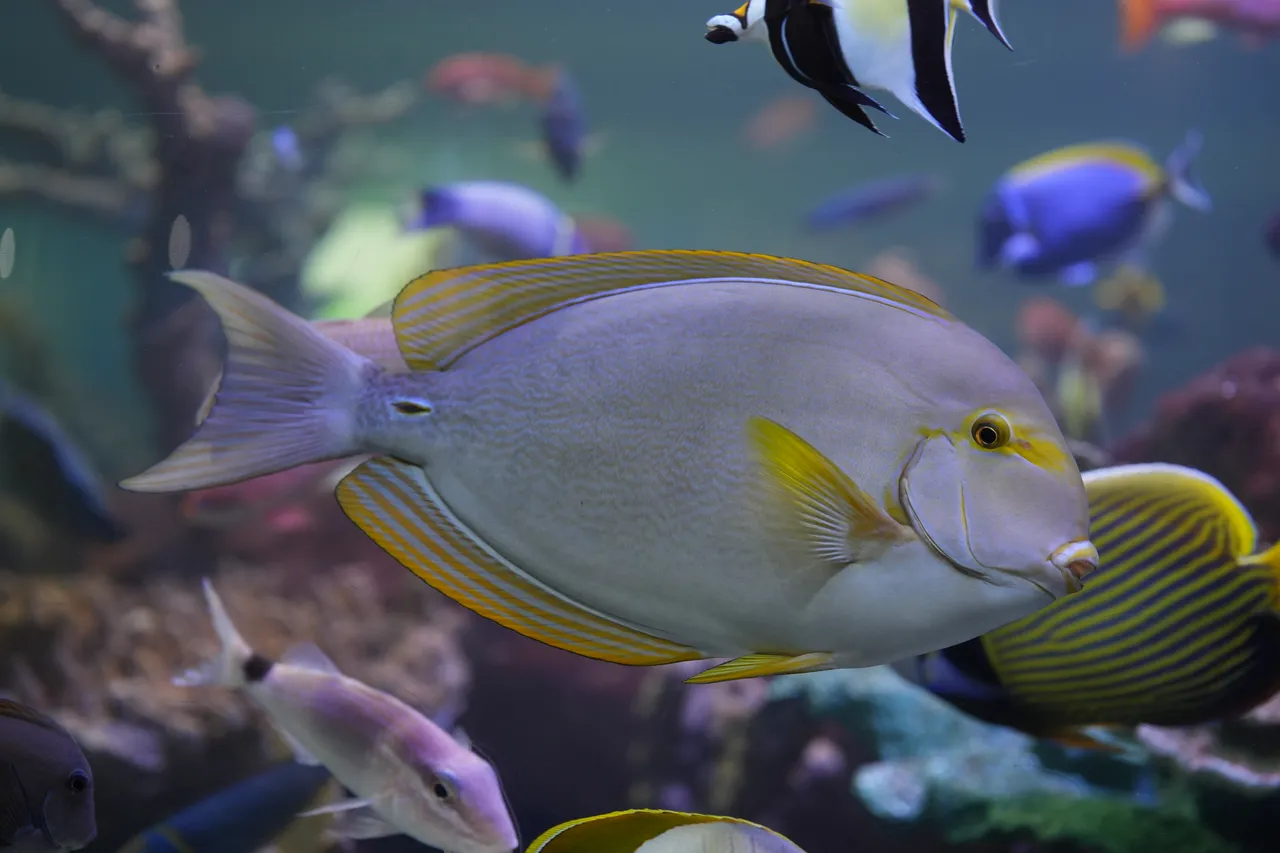
The coastal waters are generally warm, clear, and lower in nutrients. Here, diversity takes centre stage. A great variety of colourful fishes, including butterflyfish, damselfish, surgeonfish, and angelfish, bring the reefs to life. But life on the reef is highly competitive. Food can be limited, space is restricted, and predators are always nearby.
While the east coast is home to an incredible variety of species, competition means that each species’ population size may be smaller. It is a very different world from the highly productive waters of the west coast, but both are equally important.
Discover the stories of our two oceans
The ocean surrounding South Africa may be connected, but its warm and cold-water environments are wonderfully different.
The cold, nutrient-rich waters of the Atlantic Ocean support abundant marine life, while the warm waters of the Indian Ocean are home to an extraordinary variety of colourful species. Together, these contrasting ocean systems create the unique marine environment that surrounds the southern tip of Africa.
At the Two Oceans Aquarium, visitors can discover the beauty and diversity of both worlds without leaving Cape Town. From tiny seahorses and colourful clownfish to fascinating moray eels, mysterious octopuses, and graceful jellies, there is always something new to discover.
Come and explore the incredible diversity of the Indian and Atlantic Ocean waters and experience the stories of the two oceans for yourself.
Related News
Sign up to our Newsletter
Receive monthly news, online courses and conservation programmes.