Hidden marine life: What’s living in the V&A Waterfront canals?
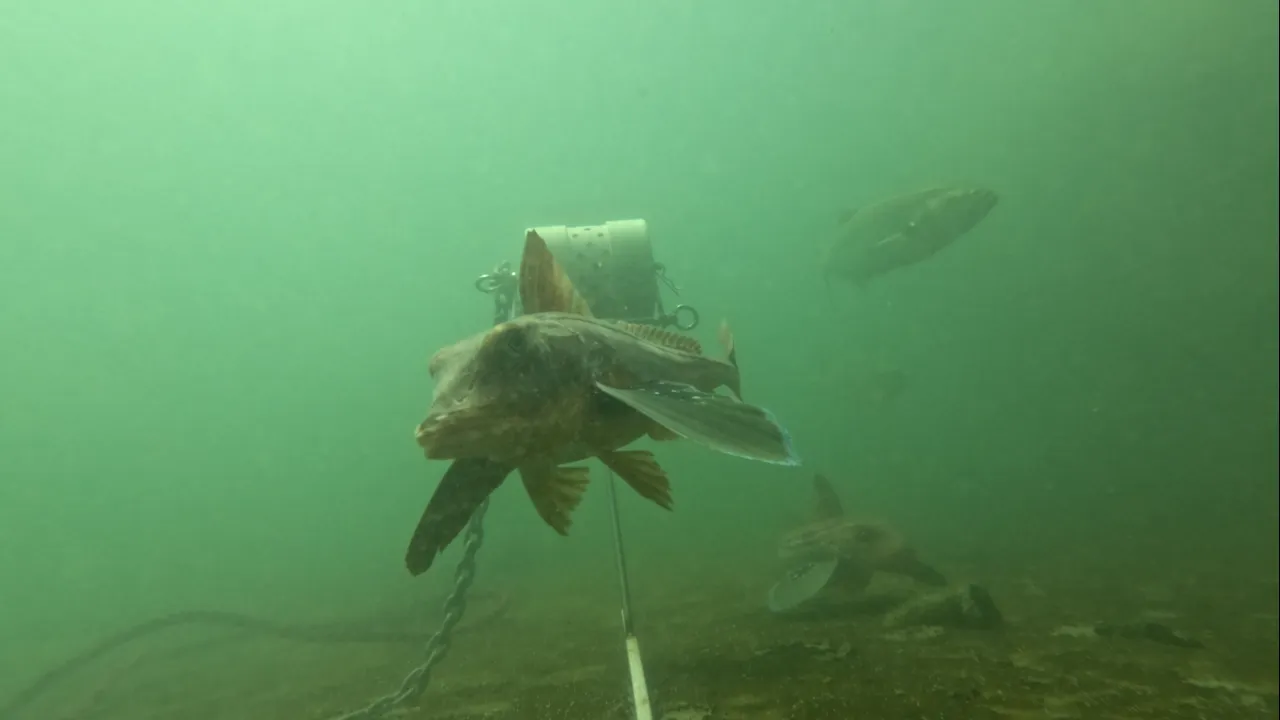
Beneath the bustling V&A Waterfront lies a fascinating world of marine life. While thousands of people visit the precinct every day, few realise just how much is happening beneath the surface of its harbour, marina, and canals.
Over the past few months, the Two Oceans Aquarium Foundation's research team has been collaborating with the V&A Waterfront to uncover the marine biodiversity hidden within these waterways. Through the V&A Marine Biodiversity Mapping Project, the team is discovering some surprising marine residents and helping to reveal the natural heritage of this unique urban environment.
How do you study marine life beneath the Waterfront?
The V&A Marine Biodiversity Mapping Project focuses on the V&A Waterfront’s harbour, marina, and adjoining canals, which form part of a unique urban environment. These waterways are connected to the Atlantic Ocean and form part of the greater Benguela Marine Ecosystem, one of the world's most productive marine environments. Although the harbour and marina are sheltered from waves, they are still influenced by the tides.
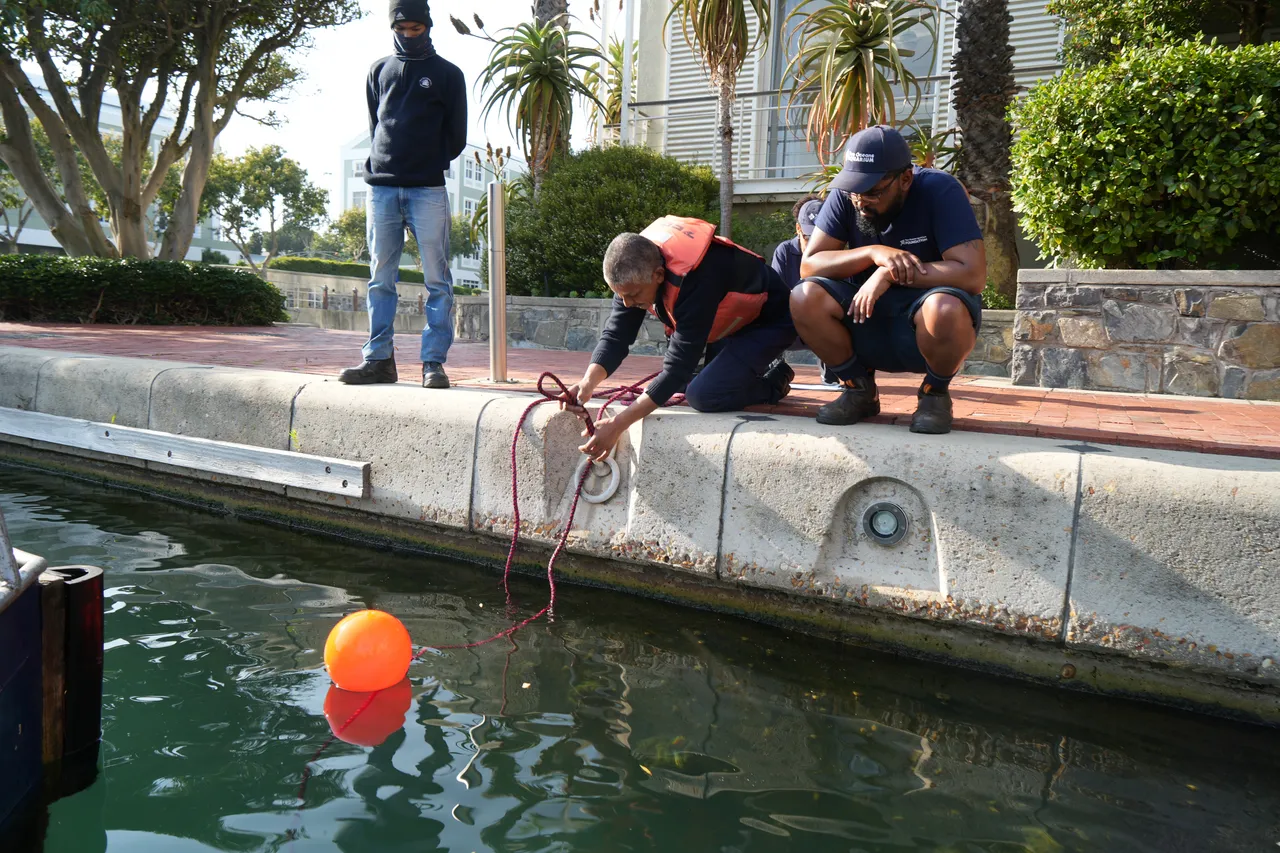
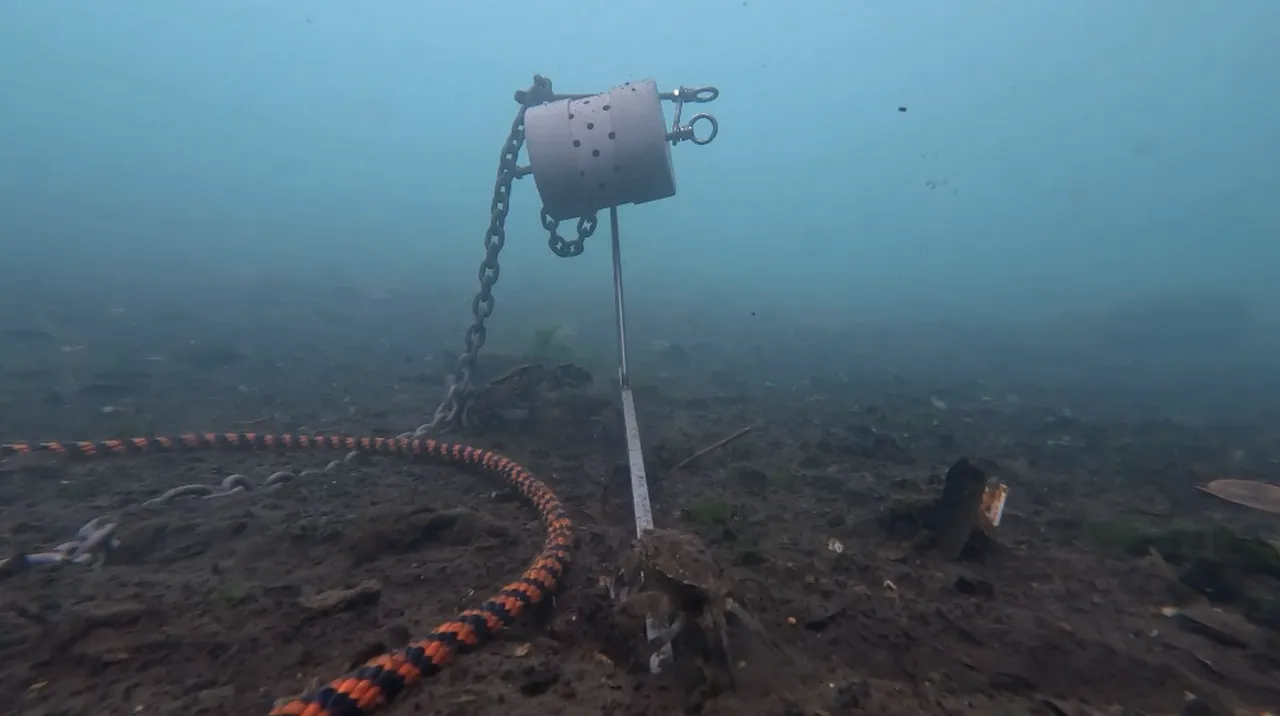
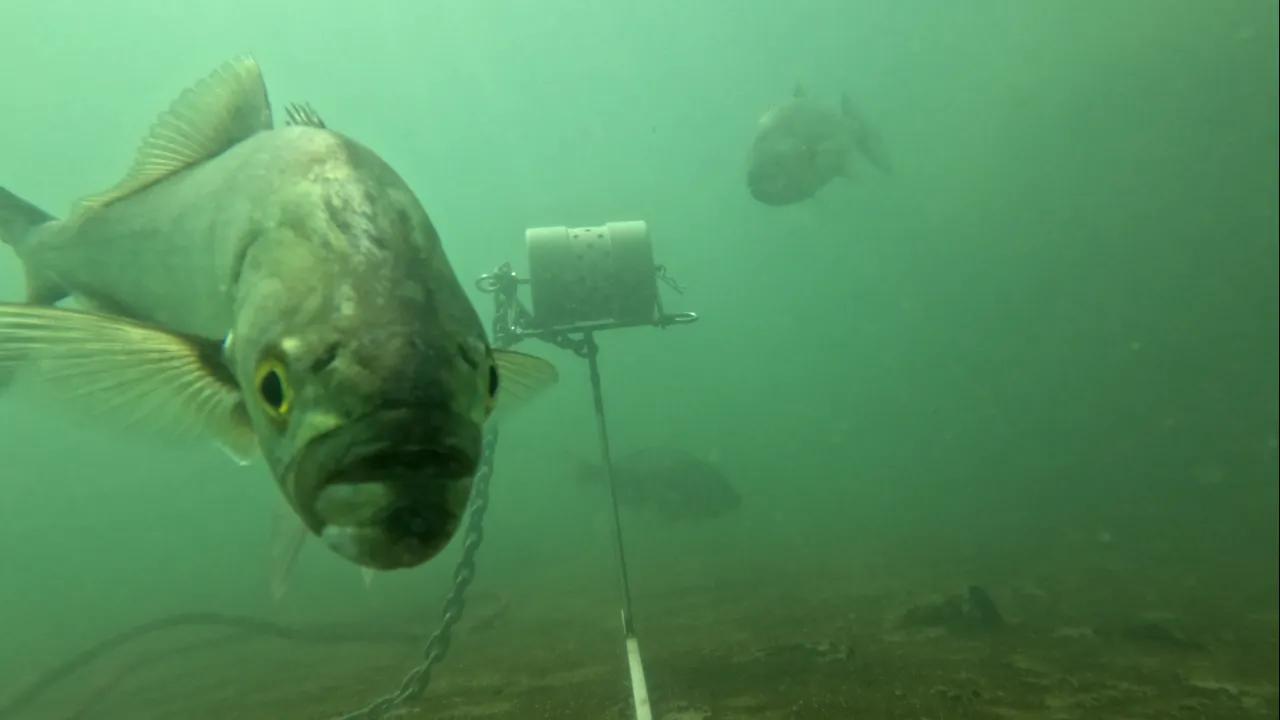
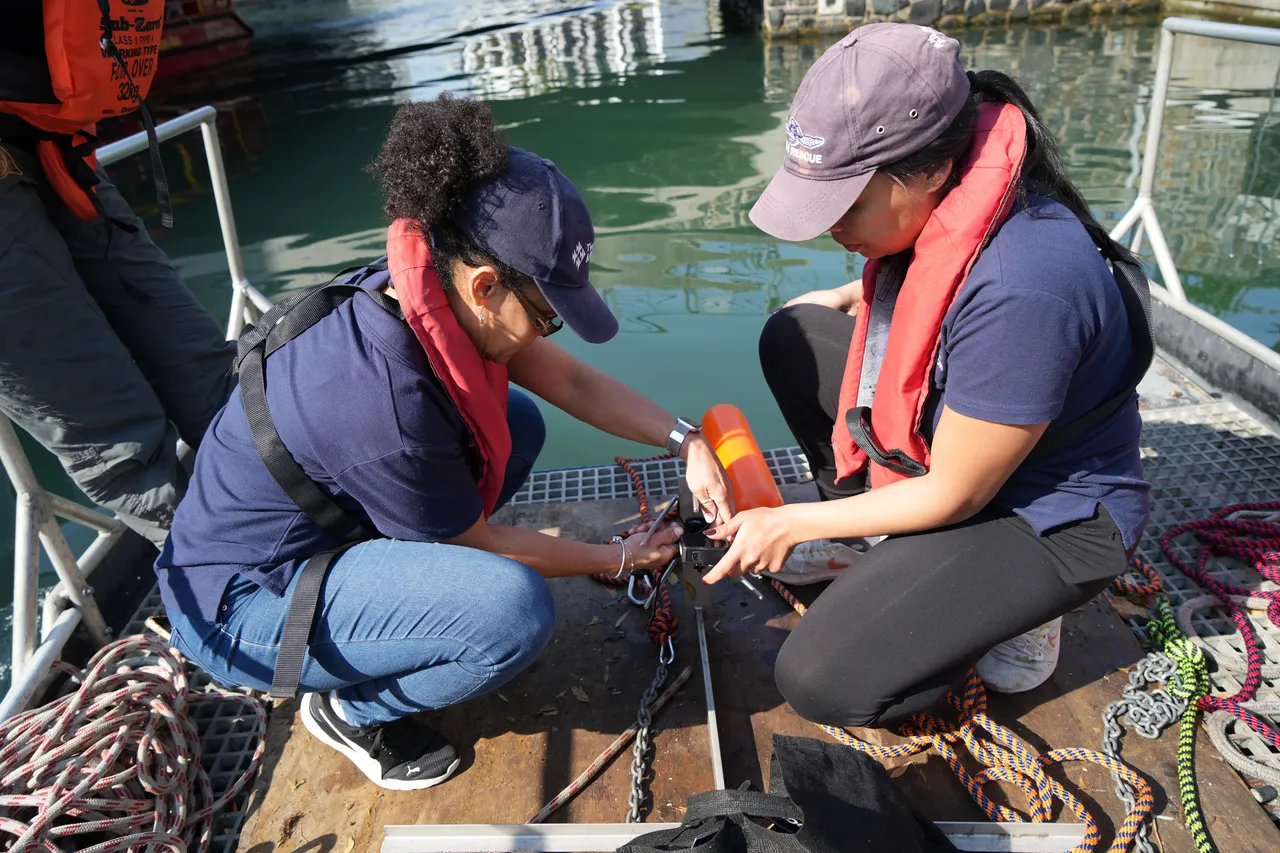
The team uses Baited Remote Underwater Video systems (BRUVs) to observe marine life beneath the surface. These underwater cameras are mounted on frames with bait (often mashed sardines) that attract carnivorous fish and other marine life into view. By lowering the cameras onto the seabed and leaving them to record, researchers can observe animals in their underwater habitats without having to capture or handle them. This makes BRUVs a valuable, non-invasive tool for studying marine biodiversity.
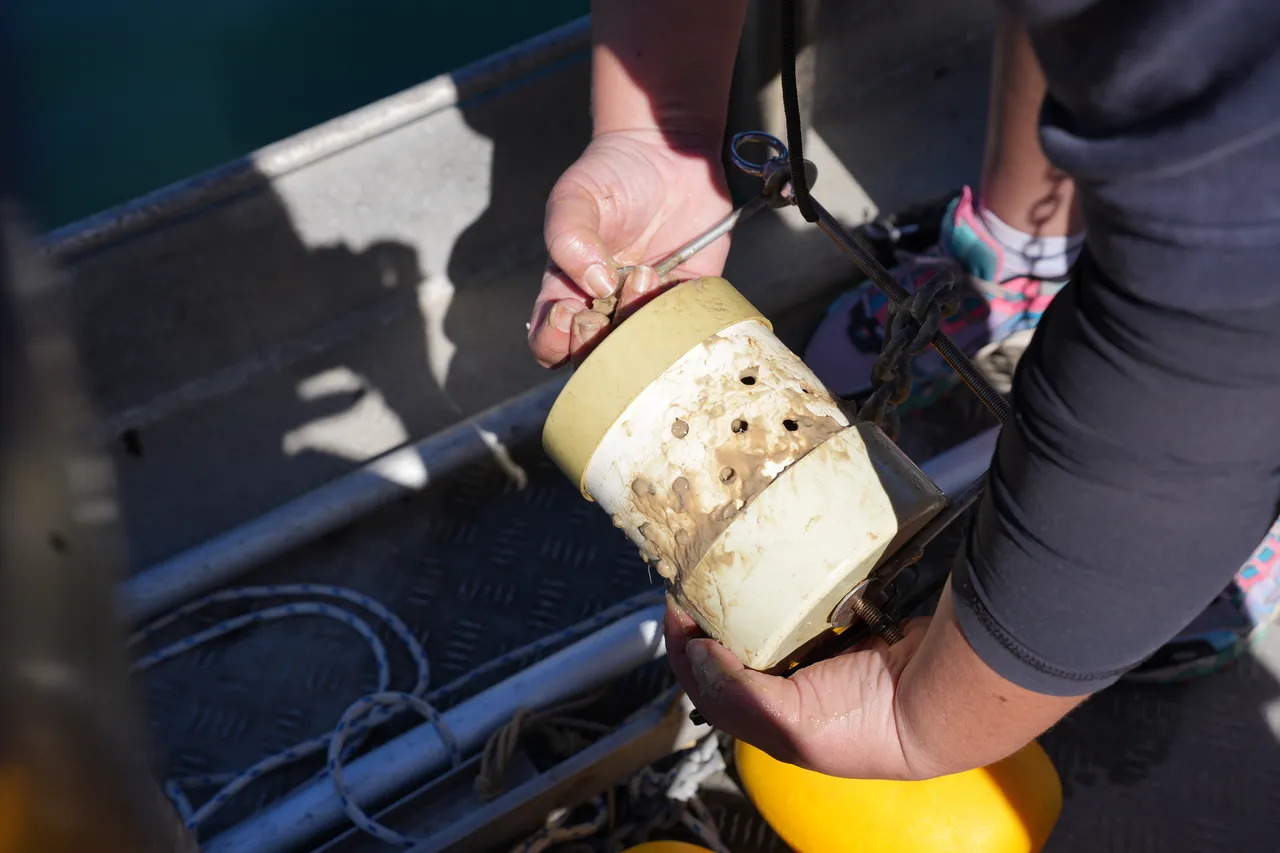
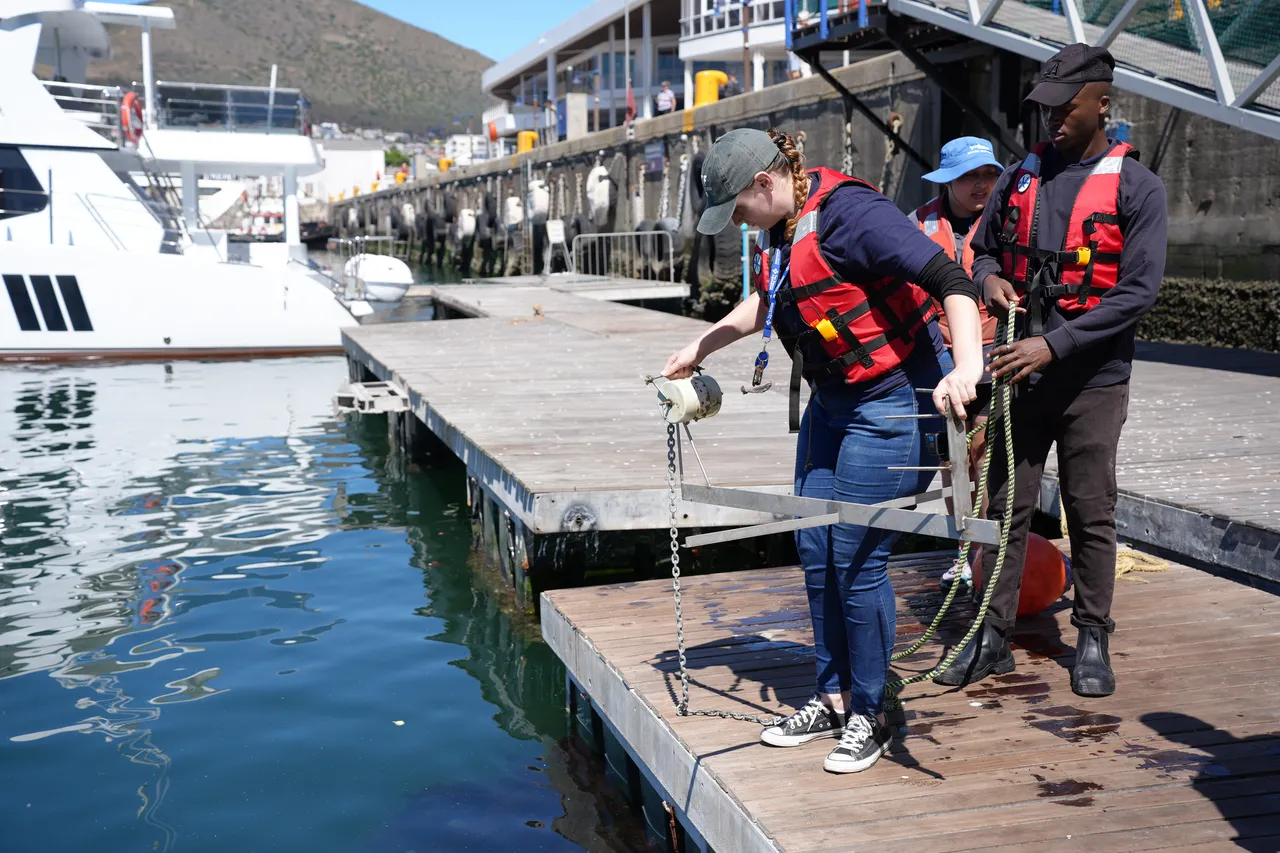
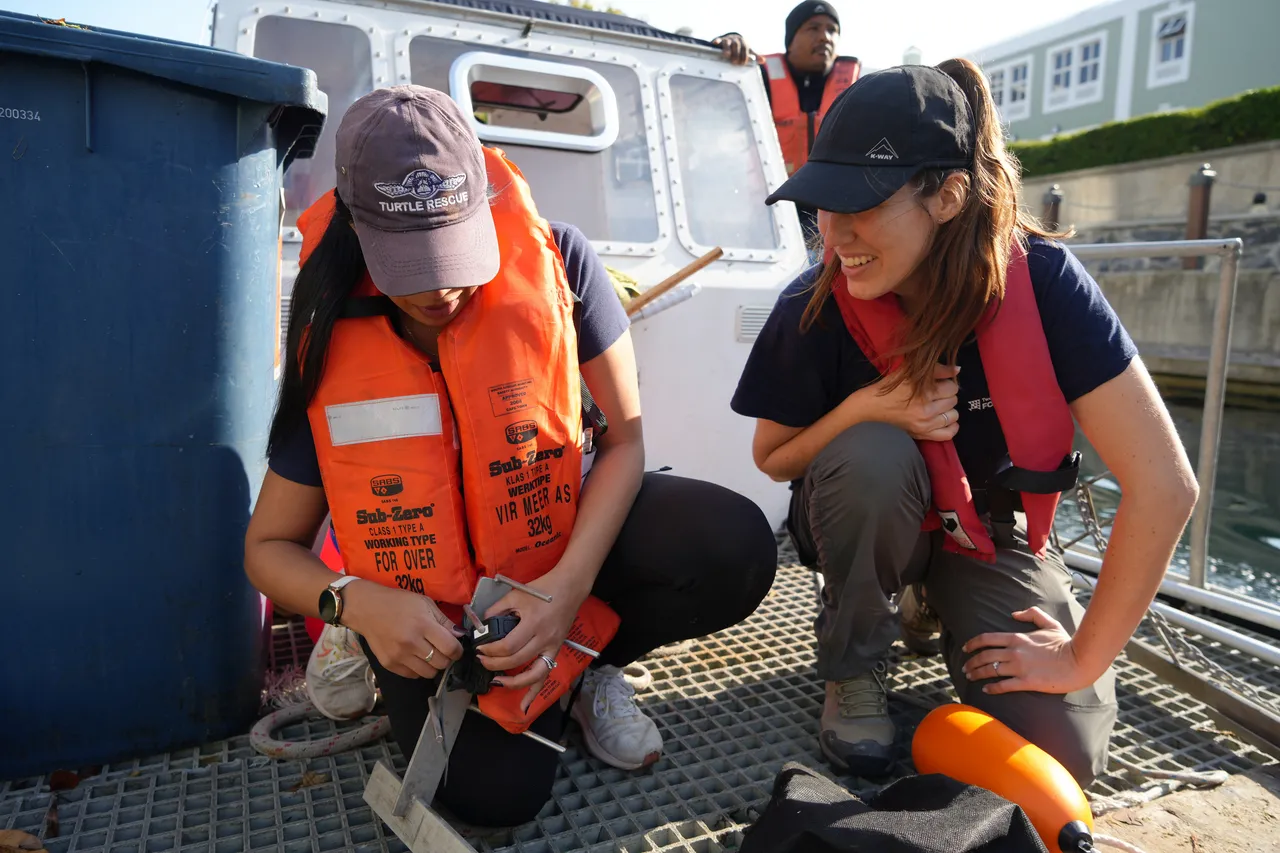
During the first survey in July 2026, the team deployed BRUVs at eight sites across the Waterfront's harbour, marina, and canals, recording an hour of footage at each location. They also used GoPro drop cameras to investigate the seabed and smaller organisms that might otherwise be overlooked.
The team recorded species diversity and the number of individuals of each species to the lowest level possible. For instance, animals like fish and sharks were counted individually, while colonial animals (animals that live together in groups, with many small individuals forming one larger colony), algae, and the seabed were recorded as percentage cover.
“By documenting the species present at each site, we can start building a picture of how these different environments support marine life,” says Calley Chateau-Cyster, Head of Pathways and Research at the Two Oceans Aquarium Foundation. “Our findings will also contribute to the Waterfront’s planned digital map of the precinct, helping visitors discover the wildlife living right on their doorstep and supporting future environmental planning and monitoring.”
Surprising discoveries beneath the surface
When the V&A Marine Biodiversity Mapping Project began, the team expected the marina to have a greater diversity and abundance of fish relative to the canals. However, they were surprised to find that more fish species were recorded in the canals than in both the marina and harbour.
Several factors could help explain this unexpected finding. Although the canals are physically separated from the surrounding harbour waters, differences in predation pressure, pollution, habitat conditions, and water circulation may influence which species can thrive in each environment.
One possible explanation lies in the canal's seawater inlet pipe, which regularly introduces water from outside the system. Our team believes this pipe may also allow fish to enter the canals, potentially establishing populations that can reproduce and support larger predators. Water movement from the inlet pipe and a nearby fountain also helps circulate and oxygenate the canal water, potentially creating favourable conditions for marine life. Together, these factors may help support the canal's surprisingly diverse fish community.
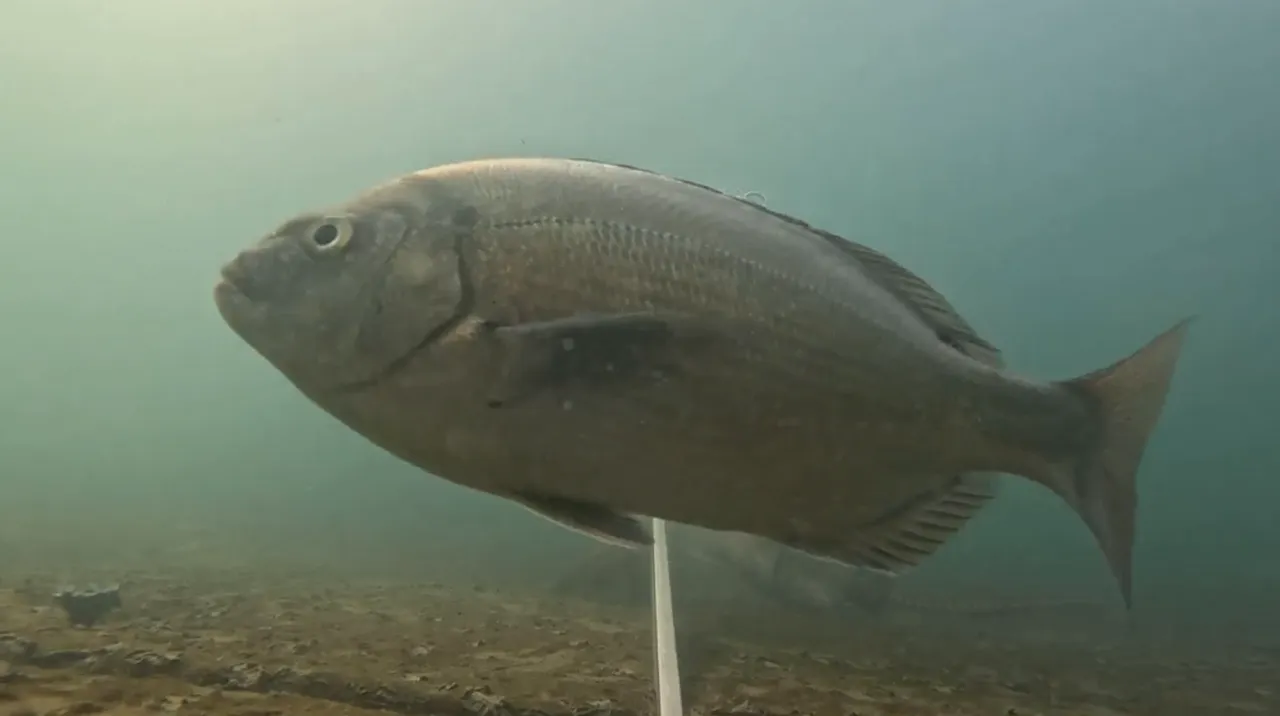
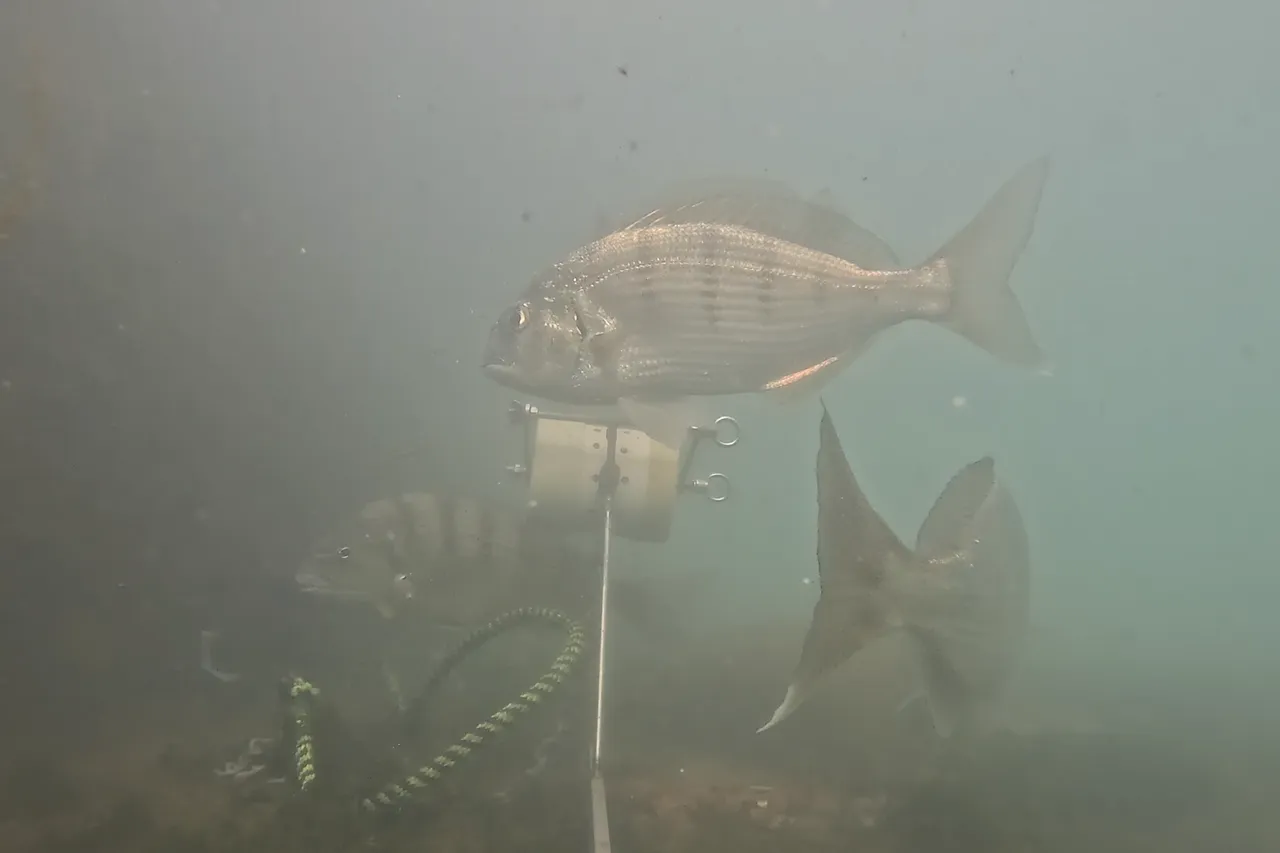
Indeed, the BRUVs revealed an impressive eight fish species living in the canal’s protected space, including barehead gobies and white stumpnose.
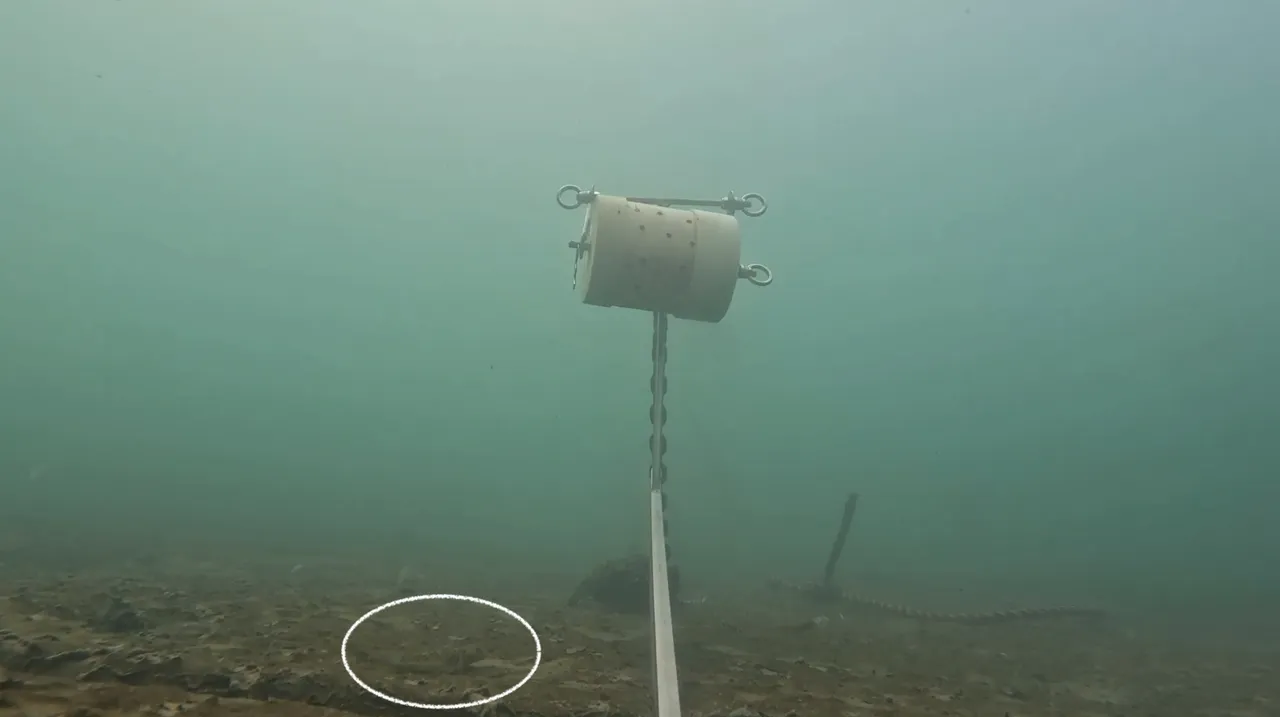
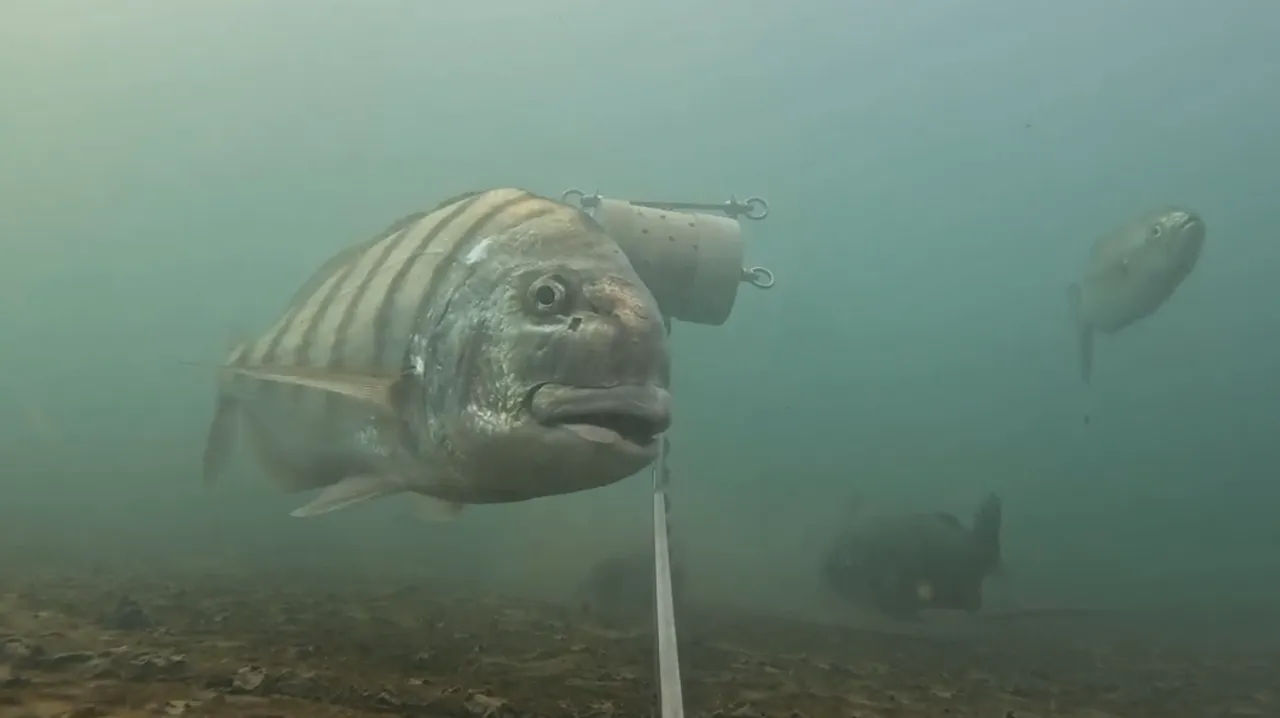
Watch this video to see how many marine species you know.
The marina and harbour spaces were no less interesting, though. At one of the marina’s BRUV submersion sites, the team observed large schools of Cape horse mackerel, green foliose algae, sea slugs, and molluscs, as well as two notable invasive species. The European shore crabs and a type of seasquirt called sea vases probably arrived in South Africa on the hulls of ships travelling from foreign waters.
Perhaps even more surprising was how different the fish communities were. Although the canals and marina are separated by just two metres at the lock, the hottentot seabream was the only fish species recorded in both environments during the survey. “We’re still trying to understand why this might be the case. Differences in water quality, food availability, habitat, and disturbance could all play a role, but more research is needed before we can draw any firm conclusions,” says Chateau-Cyster.
Shysharks in the canals
Perhaps one of the most exciting discoveries was the presence of shysharks in the canals! At two of the survey sites, the underwater cameras captured both puffadder and dark shysharks investigating the bait and their surroundings.
These small, bottom-dwelling sharks likely forage among the algae for fish and marine invertebrates. Both species are endemic to South Africa, making their presence in such a highly developed urban environment particularly interesting.
“Finding shysharks in the canals was a great reminder that even highly developed urban spaces can provide habitat for marine species of conservation interest,” says Chateau-Cyster.
So far, the V&A Marine Biodiversity Mapping Project’s research has had some fascinating findings. Throughout the study, the team identified 12 fish species, one cnidarian (marine animals such as jellyfish, corals, and sea anemones), three ascidians (marine invertebrates), and three types of algae.
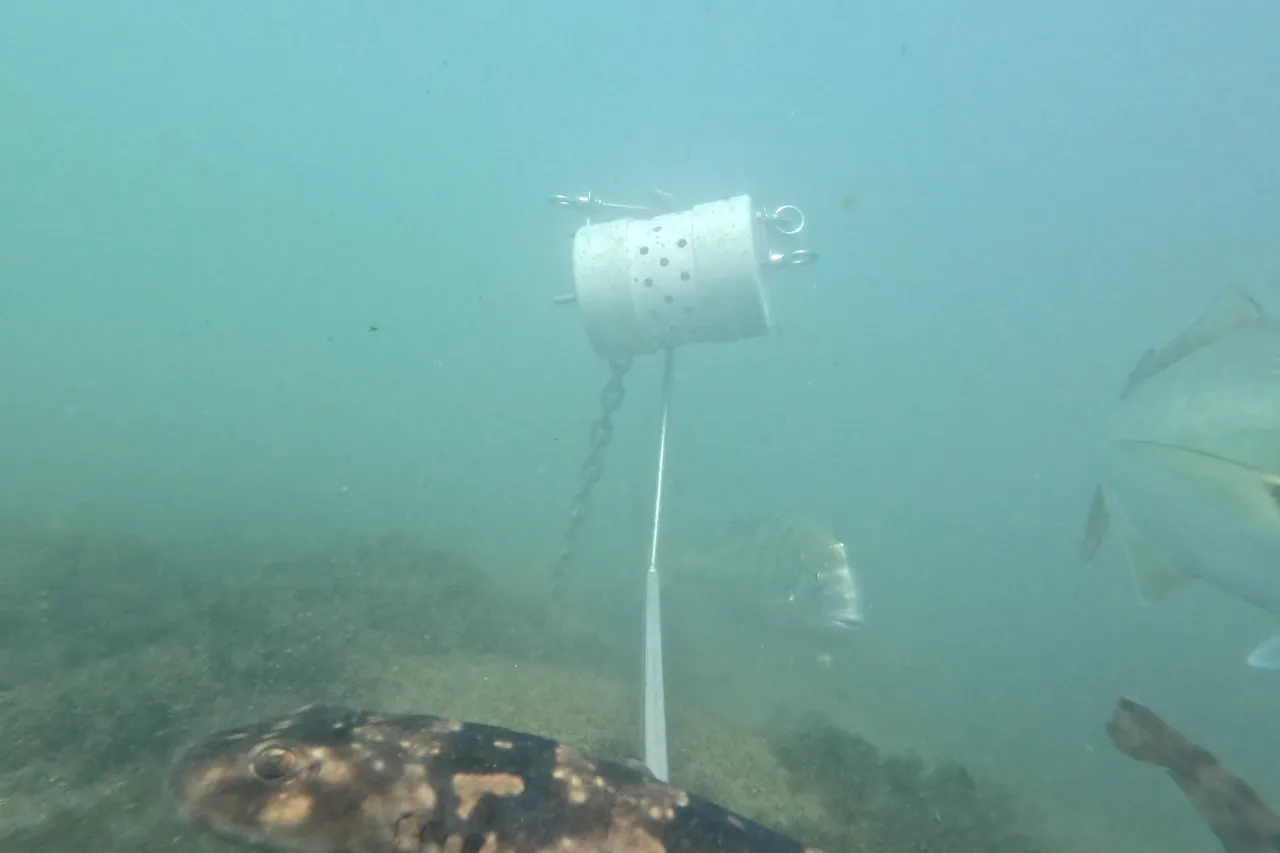
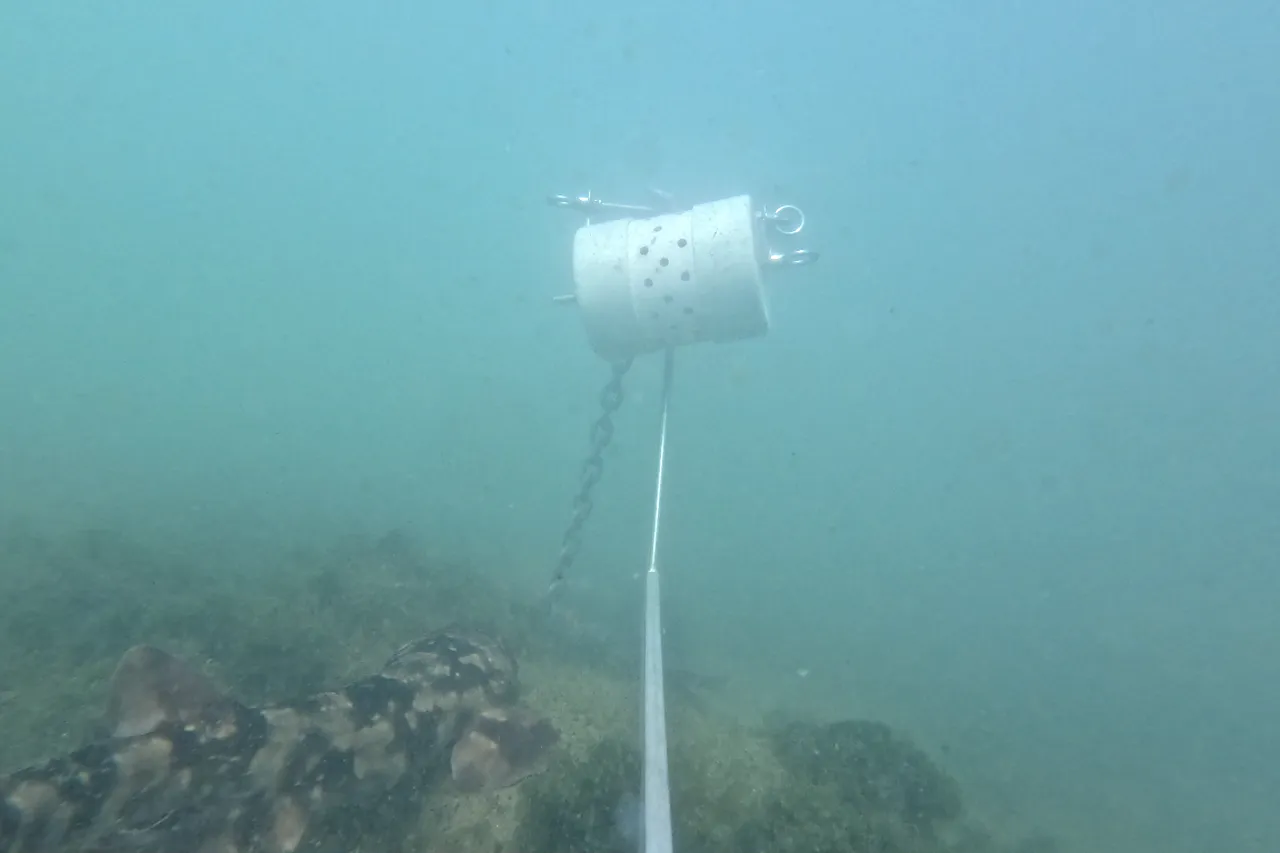
Watch this video and see if you can spot the shysharks.
Why mapping the Waterfront's marine life matters
The first survey has given our research team a valuable starting point for the V&A Marine Biodiversity Mapping Project, but there is still much to learn. Our cameras mainly captured life on or near the seabed, and we know that the canal and marina walls may support additional species that were not recorded, like limpets, anemones, and mussels. These walls provide hard surfaces for marine organisms to attach to, as well as nooks and crannies where smaller animals can shelter.
“Future surveys could explore these habitats and revisit the sites to see whether the patterns we observed remain consistent over time. This will help us build a more complete understanding of the biodiversity in the Waterfront and how it may be affected by human activities,” says Chateau-Cyster.
Ultimately, the V&A Marine Biodiversity Mapping Project is about looking a little closer at the natural world around us. Beneath one of Cape Town's busiest urban spaces lies a thriving marine environment, home to an extraordinary variety of species and ecological interactions.
By uncovering and documenting this hidden biodiversity, the team hopes to inspire a greater appreciation for the marine life on our doorstep, while providing valuable information to support its future management and conservation.
Related News
Sign up to our Newsletter
Receive monthly news, online courses and conservation programmes.