World Blind Awareness Day: A fully immersive event
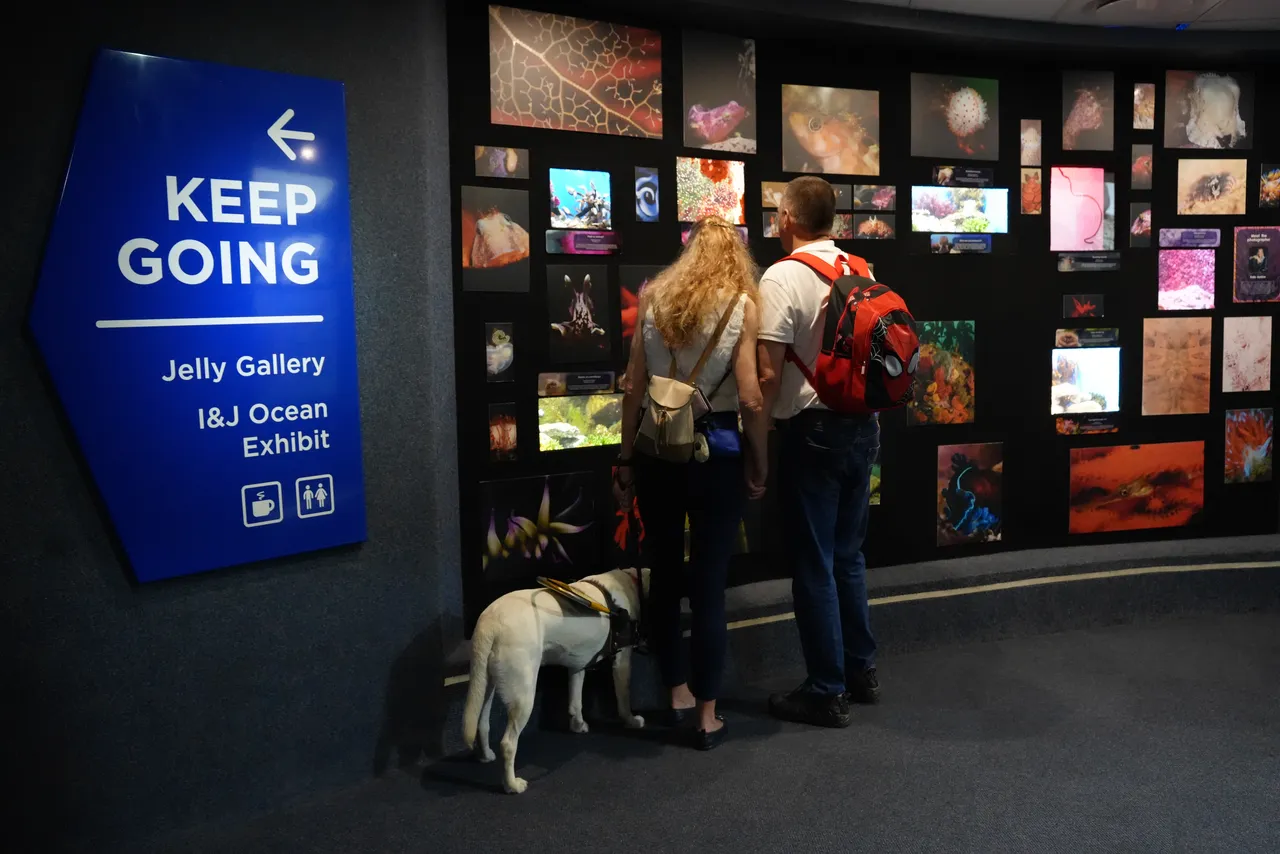
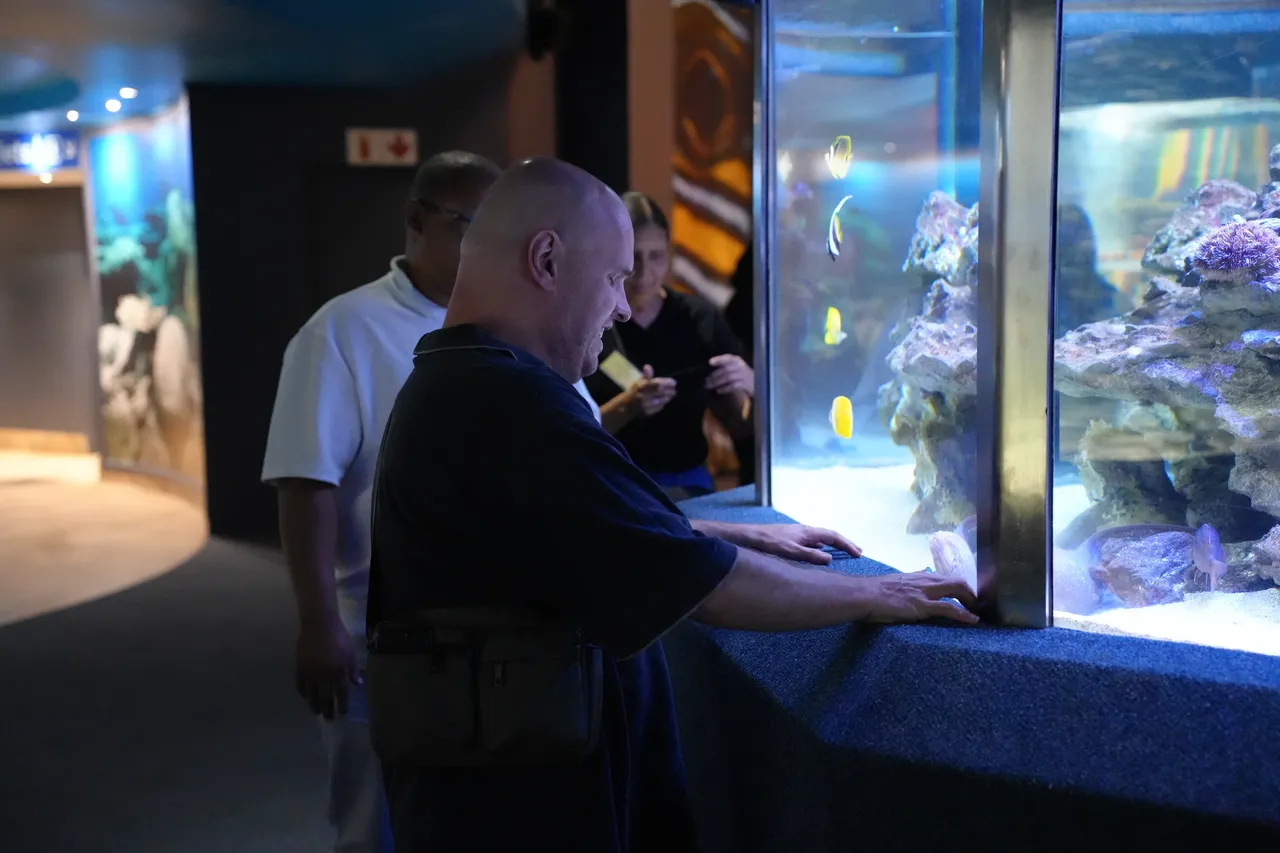
Each year, the Two Oceans Aquarium opens for a few extra hours in the evening to celebrate a very special event: Blind Awareness Day. Developed in collaboration with St Dunstan’s and Innovations for the Blind, the initiative aims to give visually impaired visitors the opportunity to engage with marine life through touch, sound, and guided interactions.
Following a successful pilot event in 2024, the Aquarium established this as an annual initiative, held during National Blind Awareness Month in October.
Each year, we strive to make the event more interactive and immersive, and this year was no exception.
Bringing rock pools to life through touch
In mid-July this year, the Two Oceans Aquarium’s Ocean Campus collaborated with the Cape Town Creative Academy for the second annual Creatures and Creators workshop. The workshop brings Marine Sciences and Design learners together through a cross-disciplinary experience that combines design, science, and storytelling.
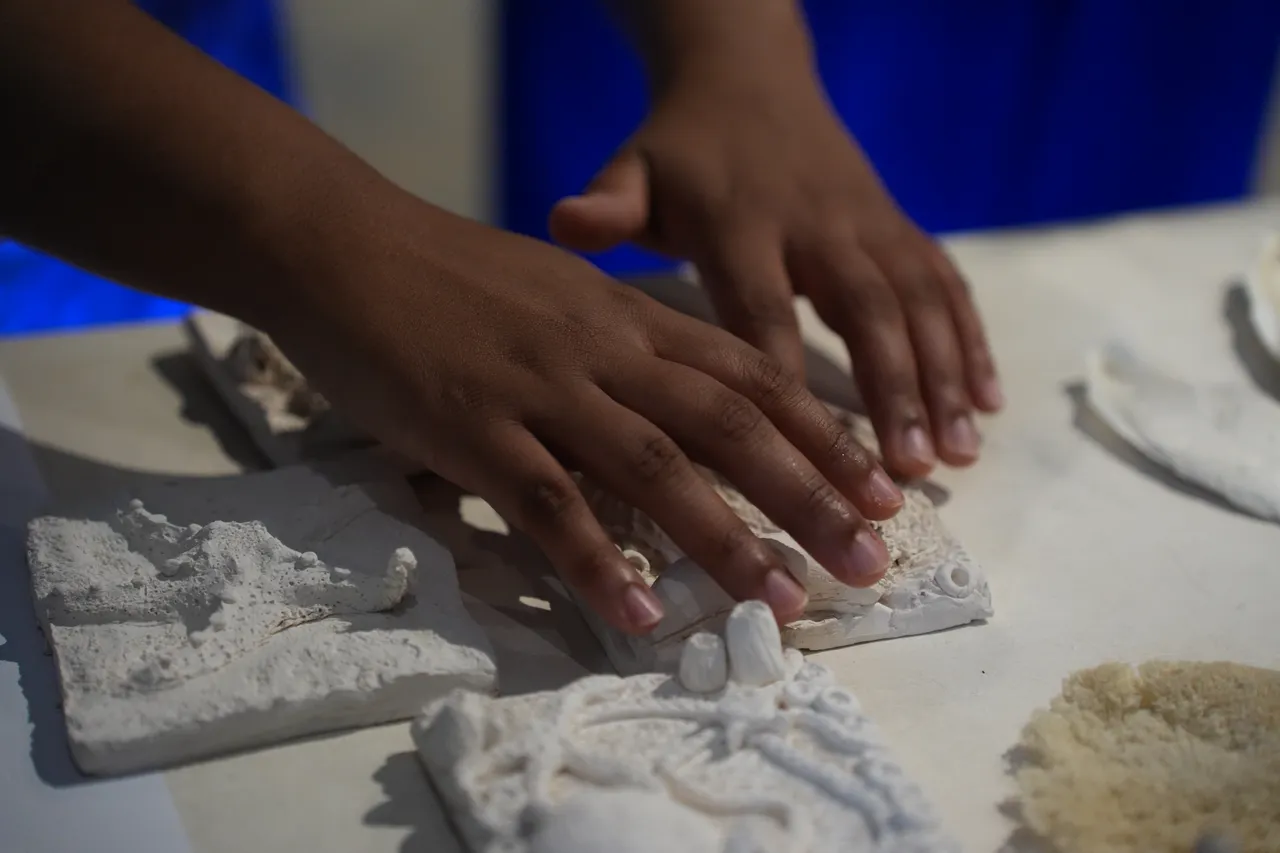
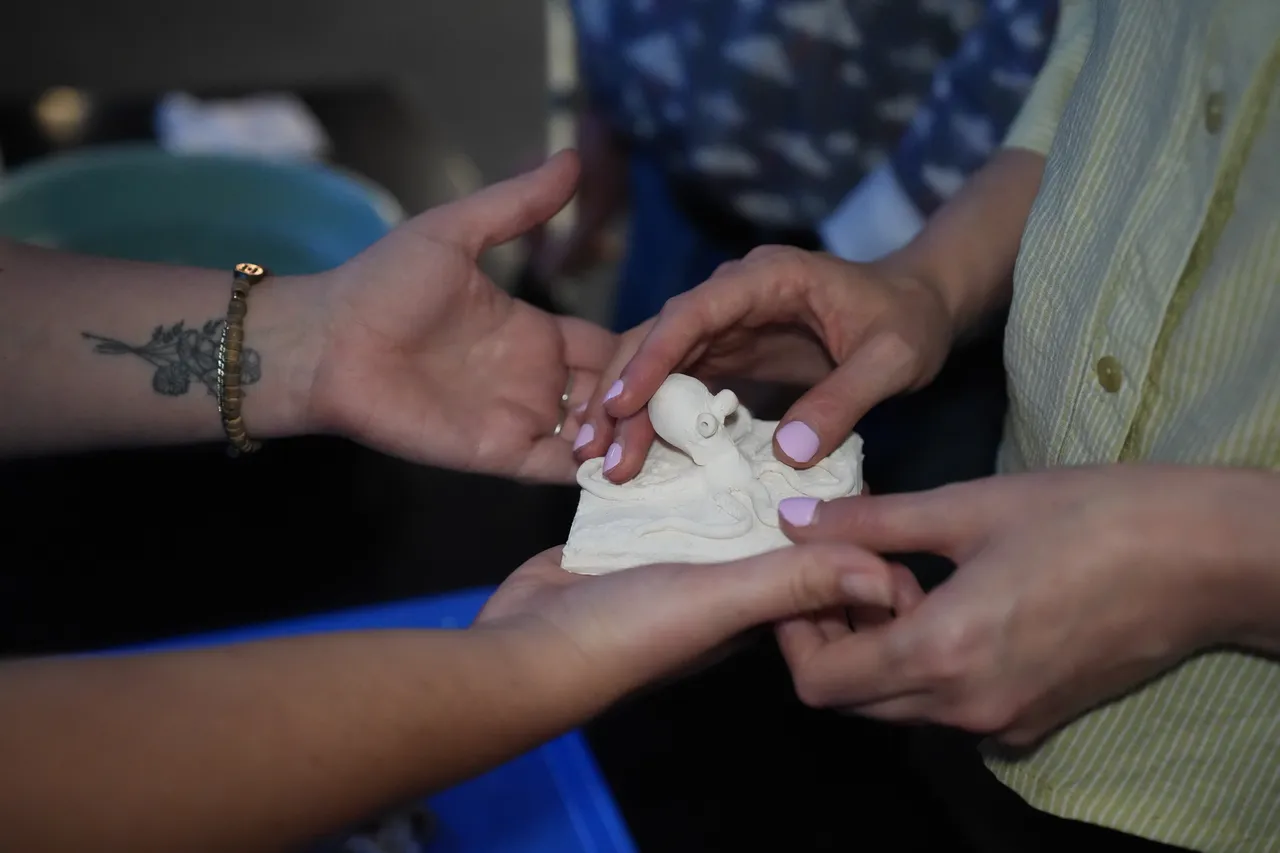
This year’s theme was “Life in Rock Pools”. Working in pairs, learners set out to capture the unique designs and intricate forms found along South Africa’s rocky shores. This year, the focus shifted from sight to touch, with the aim of showcasing the resulting artworks at the Aquarium’s blind awareness event later in the year.
Learners sketched the species that caught their eyes before moulding them onto tiles, striving to capture accurate anatomy and texture while incorporating their own creative flair. Later, to prepare the artworks for use, all the tiles were bisque-fired. This made them more durable and comfortable to touch, while reducing the risk of breakage and ensuring they were as accessible and tactile as possible for October’s Blind Awareness Day.
Tactile immersion
In addition to the specially designed tiles, the Two Oceans Aquarium showcased many of its exhibits through tactile displays.
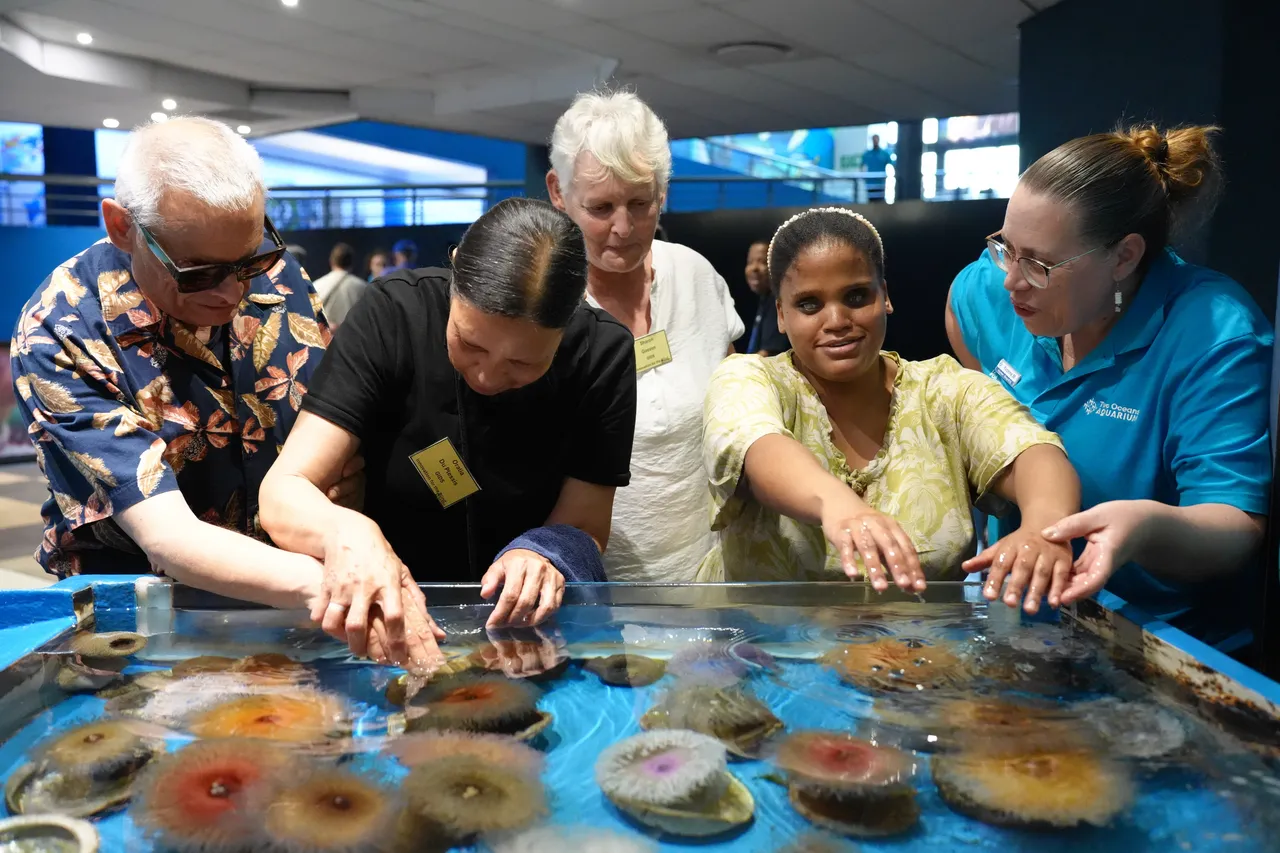
Tactile immersion creates a sensory experience designed to translate visual, spatial, and social environments into rich, touch-based formats. Moving beyond audio descriptions, tactile immersion provides people across the spectrum of visual impairment with the opportunity to interact with and map out the world around them in real time.
Throughout the evening, our dedicated volunteers manned stations featuring objects that complemented and highlighted the exhibits around them. Exciting examples included a kelp holdfast that visitors could touch in front of the Kelp Forest Exhibit, coral skeletons that offered an immersive, hands-on experience in the Diversity Gallery, and a taxidermied African penguin that visitors could interact with next to the African Penguin Beach, to name a few.
Sound immersion
Sensory immersion takes many forms, and sound plays a huge part.
Sound immersion utilises spatial audio and sensory substitution to map virtual surroundings through hearing. The sounds selected for this evening event were carefully chosen to highlight unique aspects of the exhibits near which they were played.
This year, we showcased sound immersion more prominently through the use of speakers throughout the Aquarium. Some of these sounds were particularly unique, including the kob “drumming” that played within the tunnel of the Save Our Seas Foundation Shark Exhibit.
Another special sound we featured was the call of the Western leopard toad, which is rarely heard outside of its breeding season in August and September. We were able to bring these sounds to life and immerse visitors in them throughout the space.
QR Codes
In an effort to create an even more immersive event, we added one final element: QR codes.
Usually used to link to websites, open digital restaurant menus, or scan tickets, QR codes have a much more powerful application for the visually impaired community. They can essentially bridge the gap between physical items and digital audio information.
We put this to the test this year by showcasing some of our most popular video stories and website pages as QR codes, allowing visitors or their carers to scan the codes and gain direct access to the content.
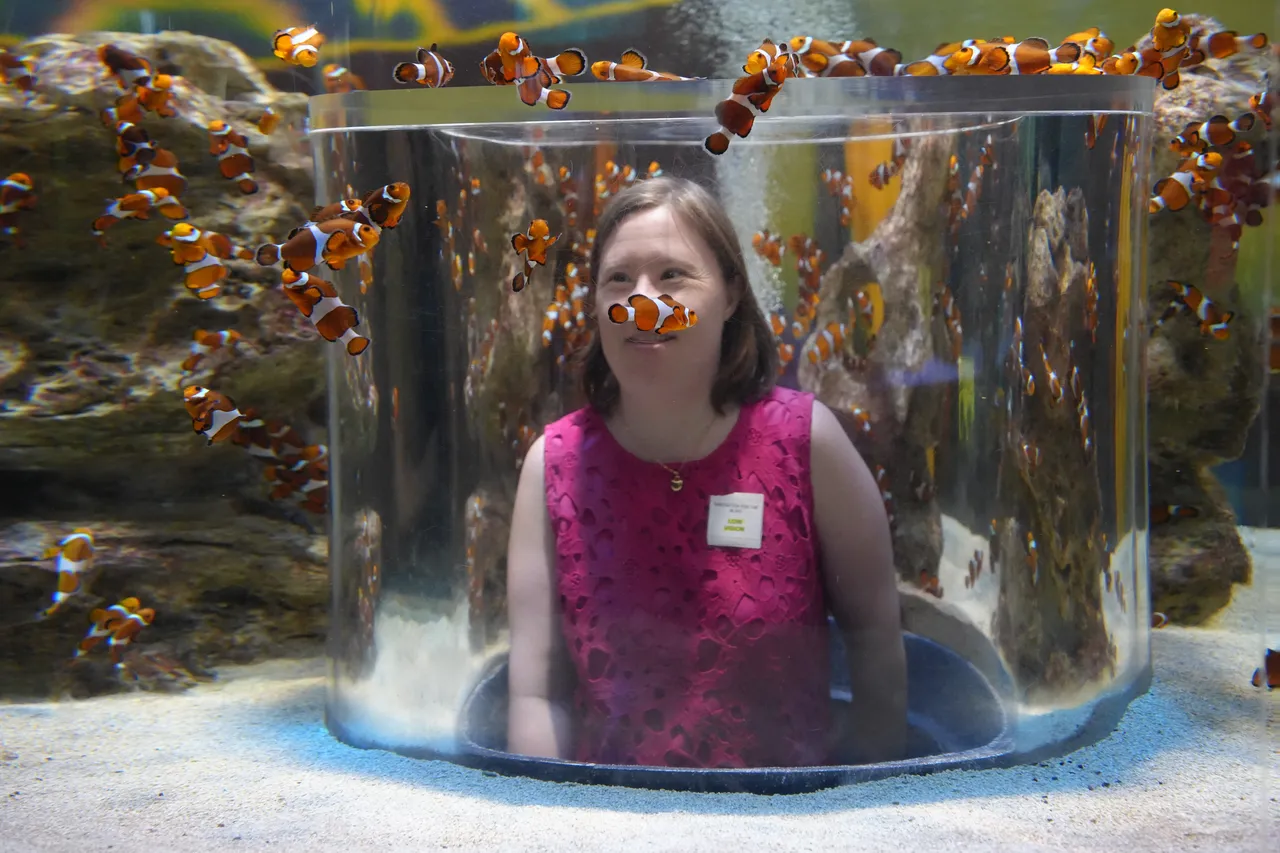
Thank you to everyone who joined us for this incredible event! If you would like to get involved, please contact St Dunstan’s or Innovations for the Blind to find out how you can participate.
Related News
Sign up to our Newsletter
Receive monthly news, online courses and conservation programmes.