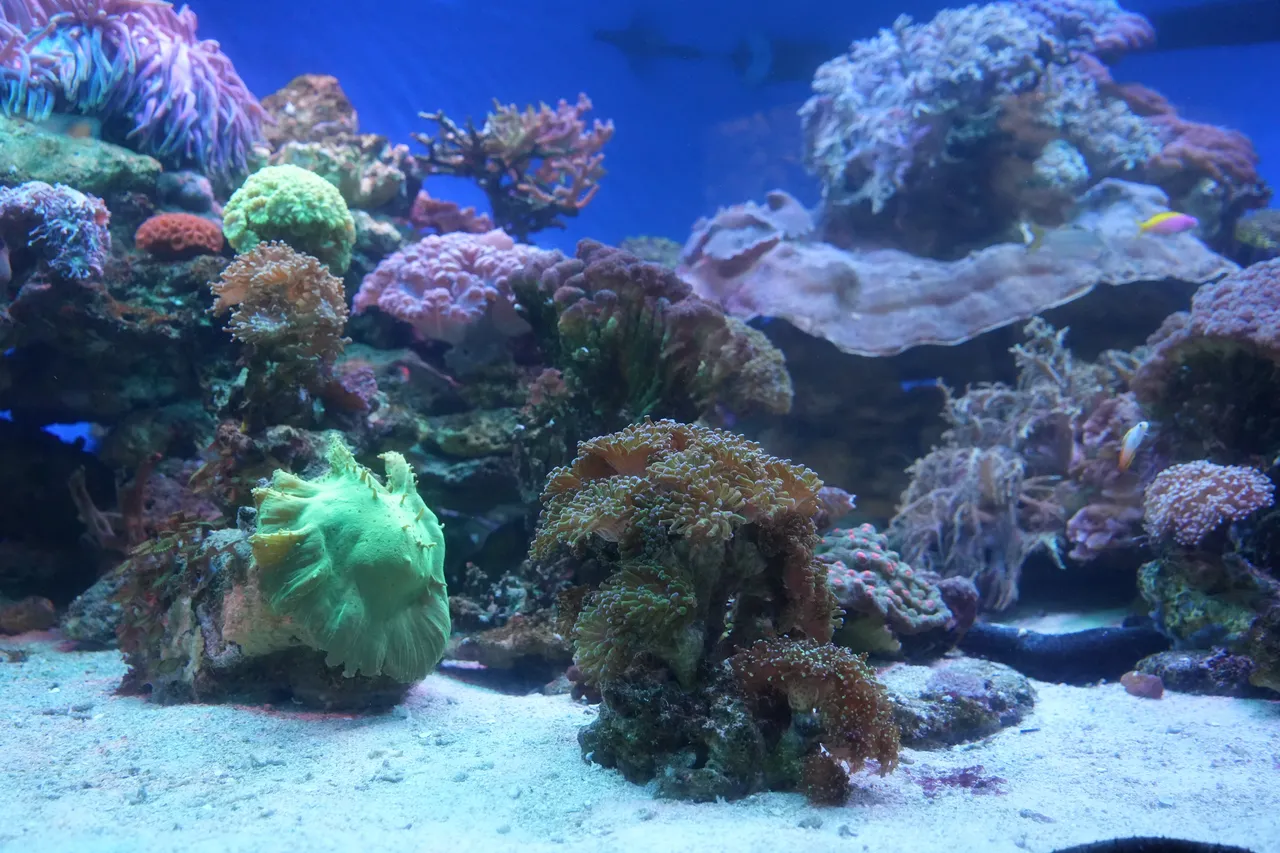
Caring for corals at the Two Oceans Aquarium
Go to: Buy tickets todayHave you ever wondered what it takes to keep the colourful inhabitants of the Two Oceans Aquarium’s vibrant Coral Exhibit healthy, thriving, and looking their best? From water chemistry and filtration to dedicated maintenance and coral fragging, there is far more happening behind the scenes than meets the eye. Here is an in-depth look at everything that goes into growing and caring for our own coral.
What is a coral?
Corals are small colonial marine animals closely related to jellies and sea anemones. While they may look like plants or colourful rocks, they are actually invertebrates made up of hundreds or even thousands of tiny animals called polyps living together as a colony.
Many corals have a fascinating day-and-night routine. During the day, they rely on symbiotic algae (zooxanthellae) within their tissues for energy through photosynthesis. At night, their feeding tentacles emerge to capture zooplankton and other microscopic food drifting through the water. Corals can also absorb and re-emit light in a spectacular display of biofluorescence, glowing in vivid neon colours under blue or UV light. Visitors can experience this incredible natural phenomenon in our Coral Exhibit.
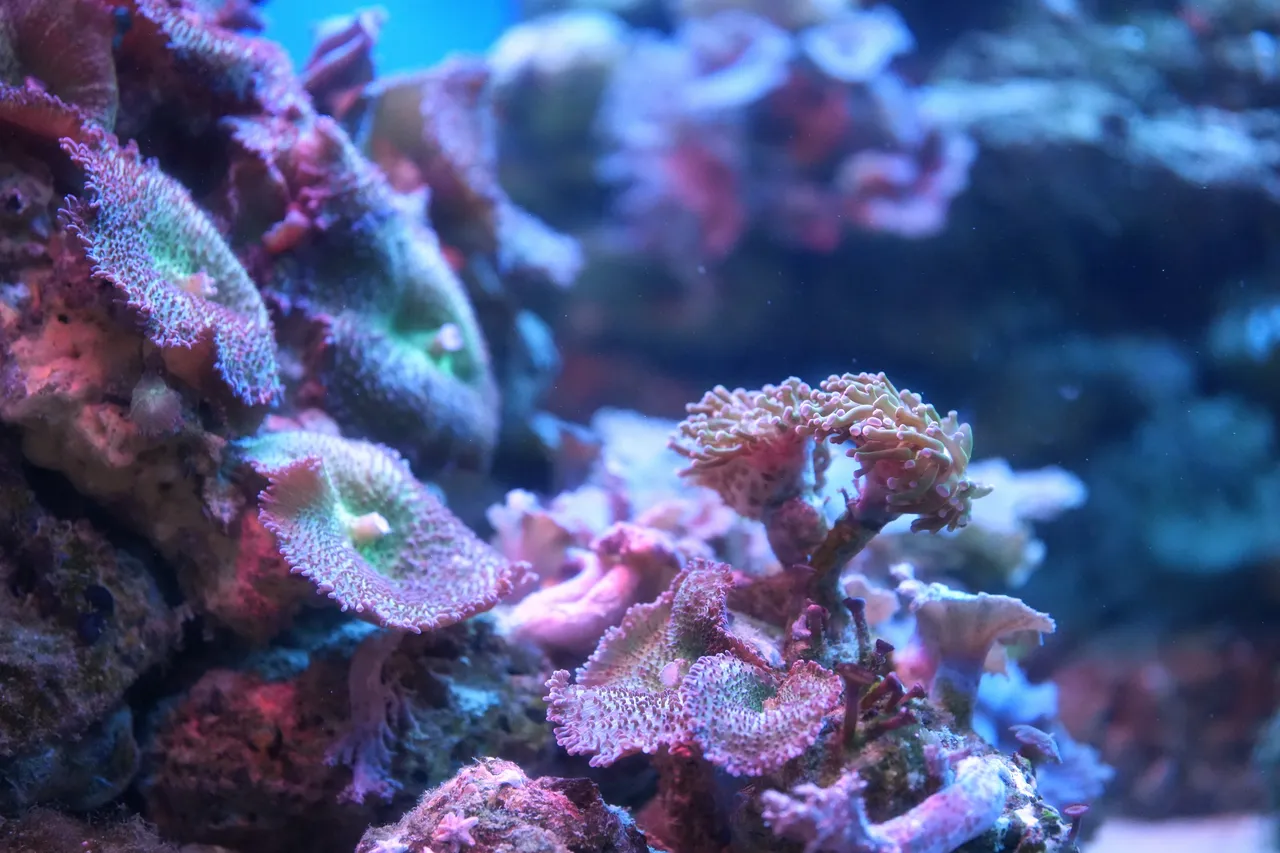
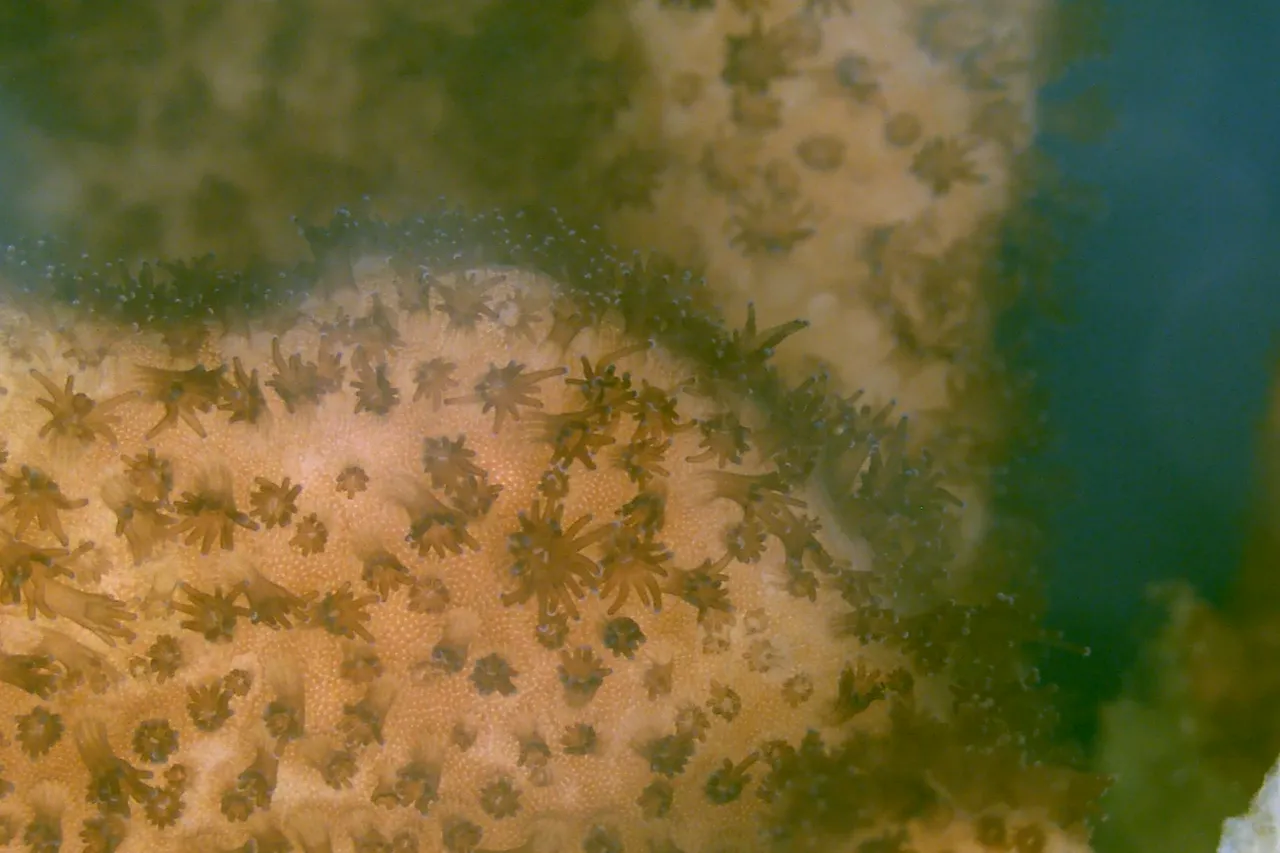
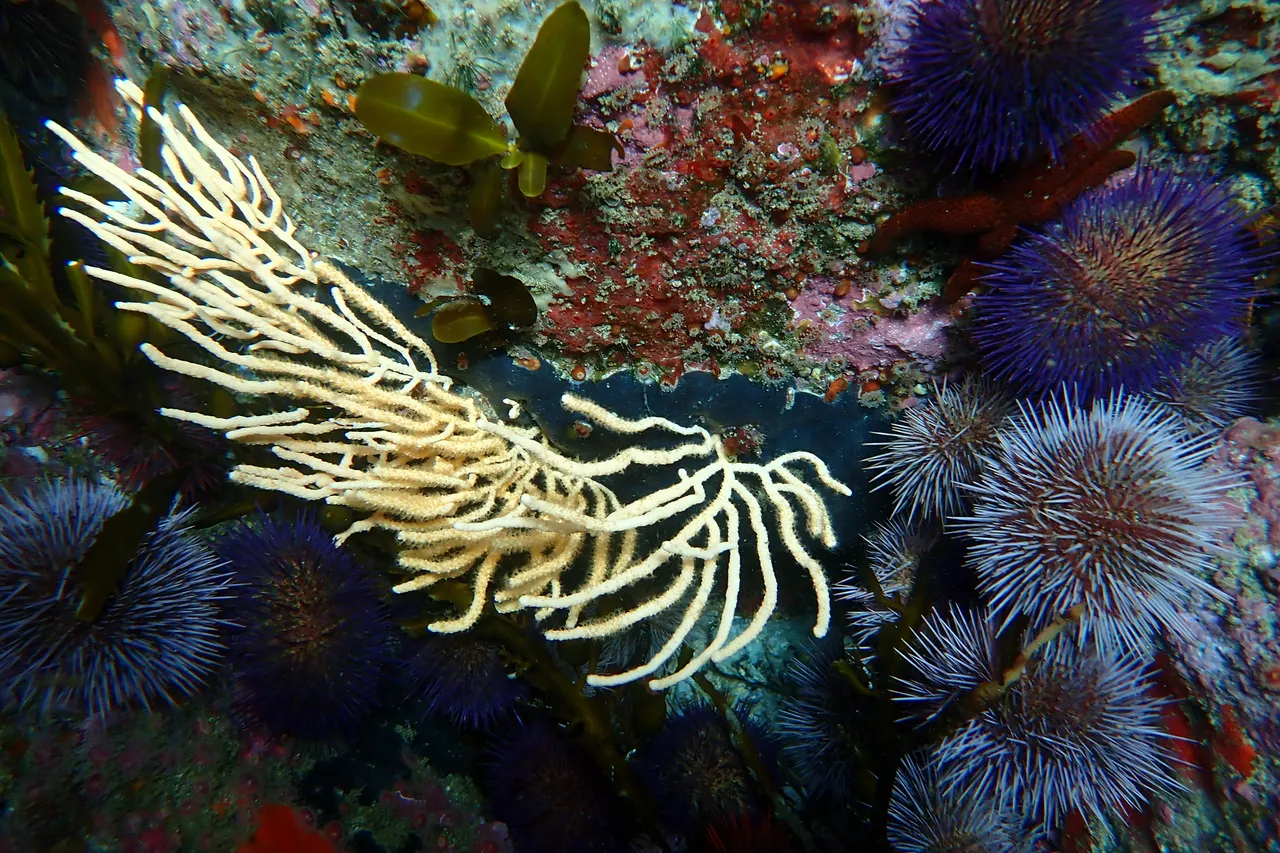
While tropical coral reefs are built by hard corals in warm, sunlit waters like those in the Indian Ocean, Cape Town's colder, darker Atlantic Ocean supports a very different coral community. Here, soft corals, sea fans, and sponges dominate the underwater landscape, creating rich habitats for countless marine animals without forming the large limestone reefs found in warmer waters. Although they look very different, both warm- and cold-water coral ecosystems play a vital role in supporting marine biodiversity and are essential to healthy oceans. At the Two Oceans Aquarium, we are well-placed to represent this incredible diversity.
What’s the difference between soft and hard corals?
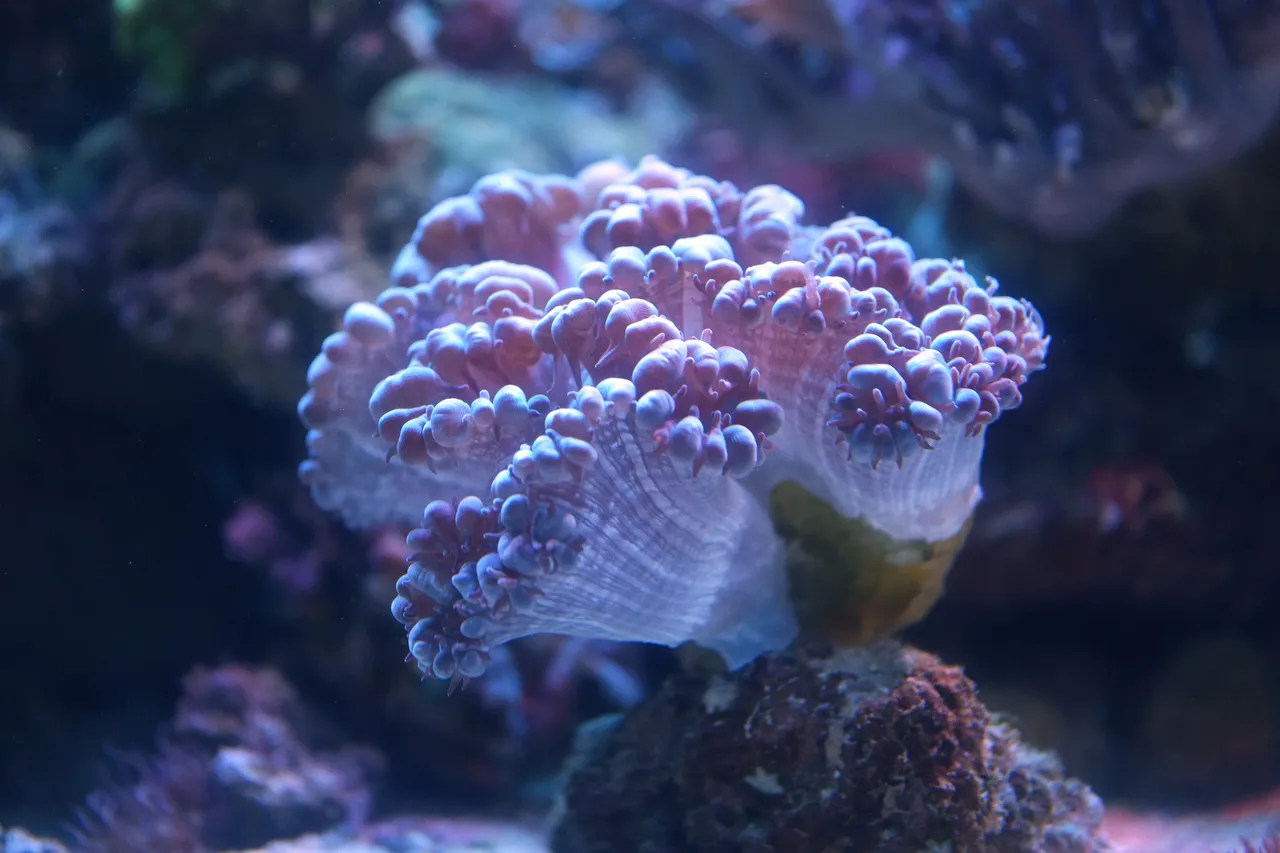
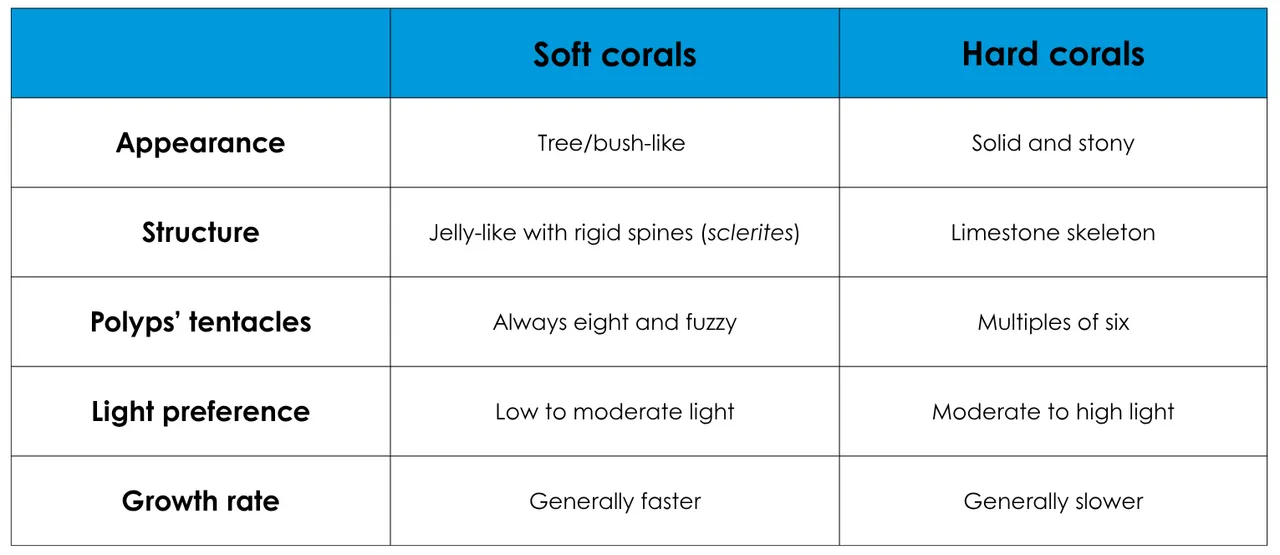
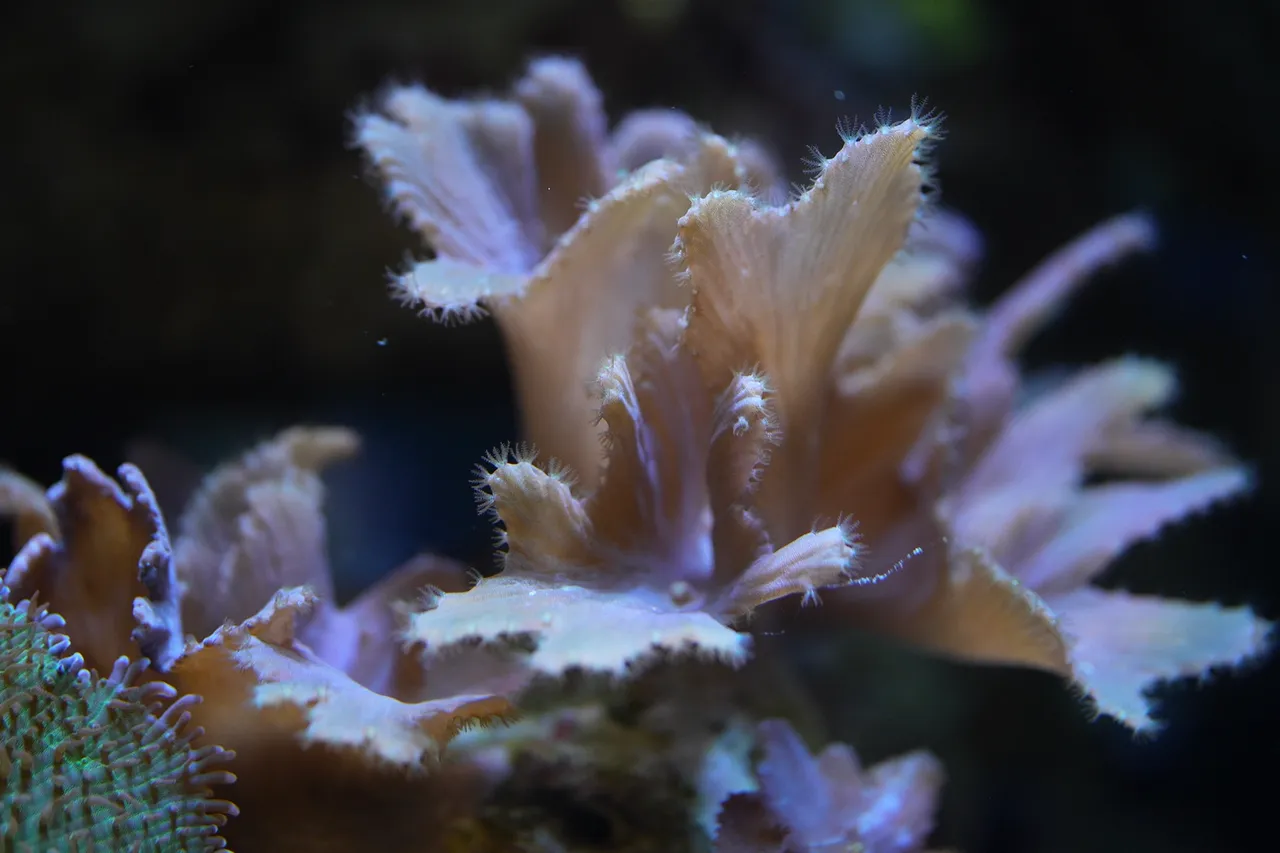
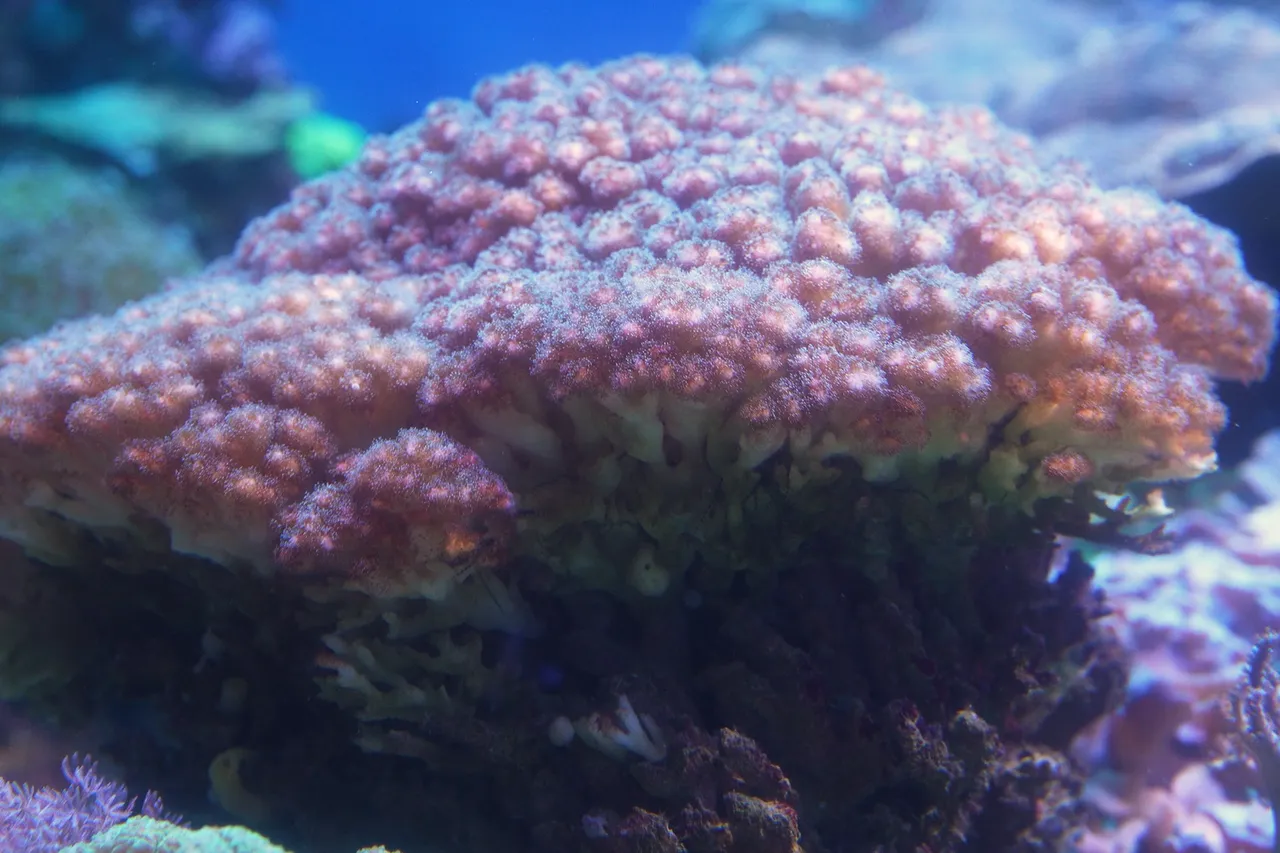
One of the biggest differences between soft and hard corals is their structure. Hard corals build rigid limestone skeletons that form the foundation of coral reefs, creating habitats for countless marine species. Soft corals do not produce hard skeletons – instead, their flexible bodies sway with ocean currents and often resemble underwater plants, trees, or fans.
Beyond their appearance, soft and hard corals have different lighting, water flow, feeding, and growth requirements. Understanding these differences is essential for maintaining a thriving Coral Exhibit.
Building our Coral Exhibit
The first iteration of our Coral Exhibit was built around 2006, but it was not as successful as it is today in growing and showcasing corals. At that time, coral growth was limited, and it was clear that something needed to change.
Ever in problem-solving mode, our aquarists carried out a detailed investigation to identify the issues. Interestingly, the fish in the exhibit were thriving, so the aquarists deduced that the issue was specific to the corals rather than the entire system. Rock, water, and sand samples were collected and sent for testing. The results revealed that metal levels within the rockwork were exceptionally high. This discovery made it clear that the only effective solution was to start again, so the team rebuilt the exhibit using brand-new sandstone rock, essentially resetting the system from the ground up.
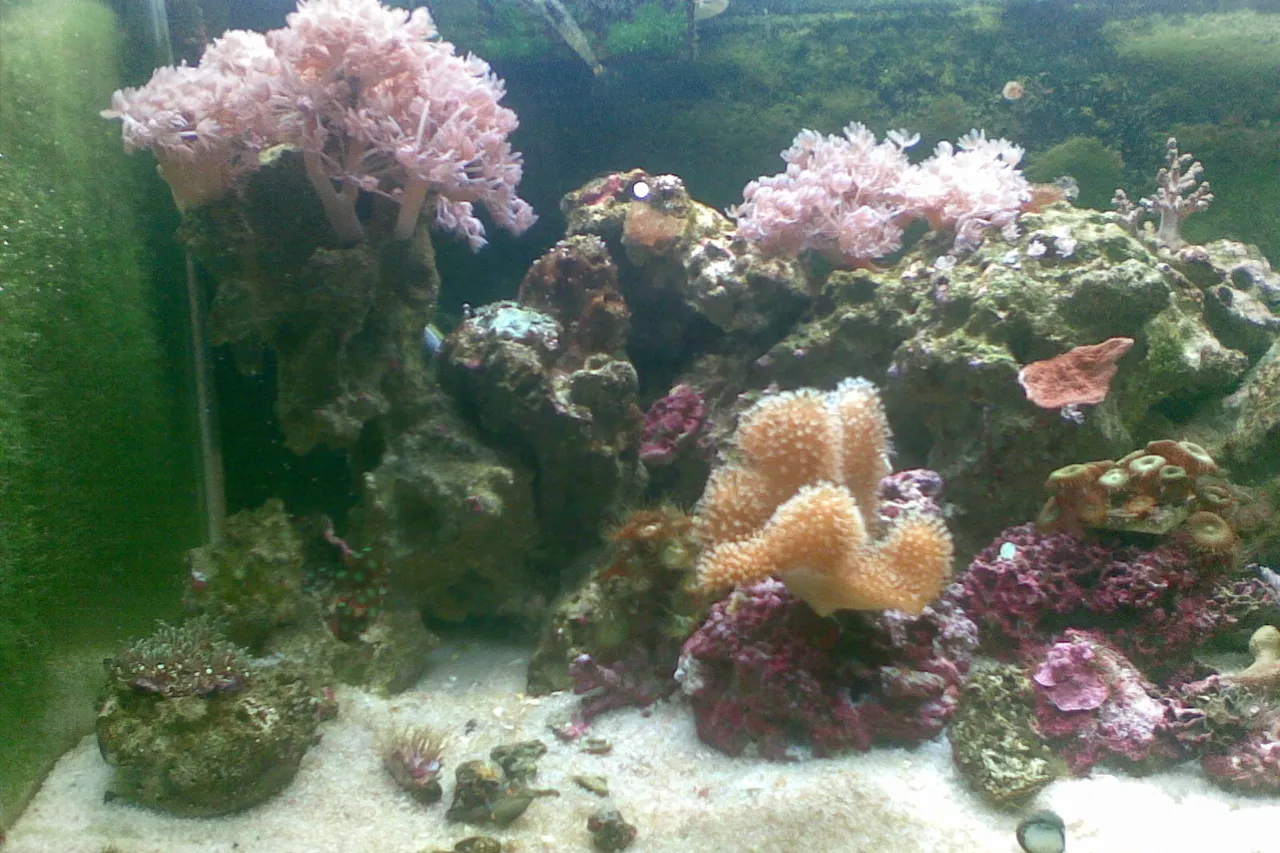
Because corals are highly sensitive to changes in their environment, and since all the Aquarium’s exhibits’ water is sourced from the harbour, the decision was made to run the Coral Exhibit as a closed system. This means we create and carefully manage all the water used within the exhibit. This has been one of the key factors in its success, allowing us to maintain a stable and carefully balanced environment.
Filtering the water in our Coral Exhibit
Filtration is a crucial part of ensuring the water in this special closed system nurtures a stable Coral Exhibit.
To form the “base” of the exhibit’s water, we use Reverse Osmosis (RO) water rather than ordinary tap water. RO water has been highly purified by forcing it through a semipermeable membrane that removes up to 99% of dissolved salts, minerals, and other contaminants. This exceptionally pure water provides the ideal foundation for a stable marine environment, which is essential for the health and well-being of our sensitive coral species.
The next step is adding salt to our purified water. Our corals demand the very best, so we use a specialised aquarium salt mix, often referred to as “an ocean in a bag”. This carefully formulated salt contains the same essential minerals and elements found in natural seawater. It is mixed in precise quantities to create water that closely replicates ocean conditions, providing the ideal environment for our corals to thrive.
Even after this painstaking process, we still need several other systems working together behind the scenes to keep the exhibit running smoothly and looking its best.
Algae curtain
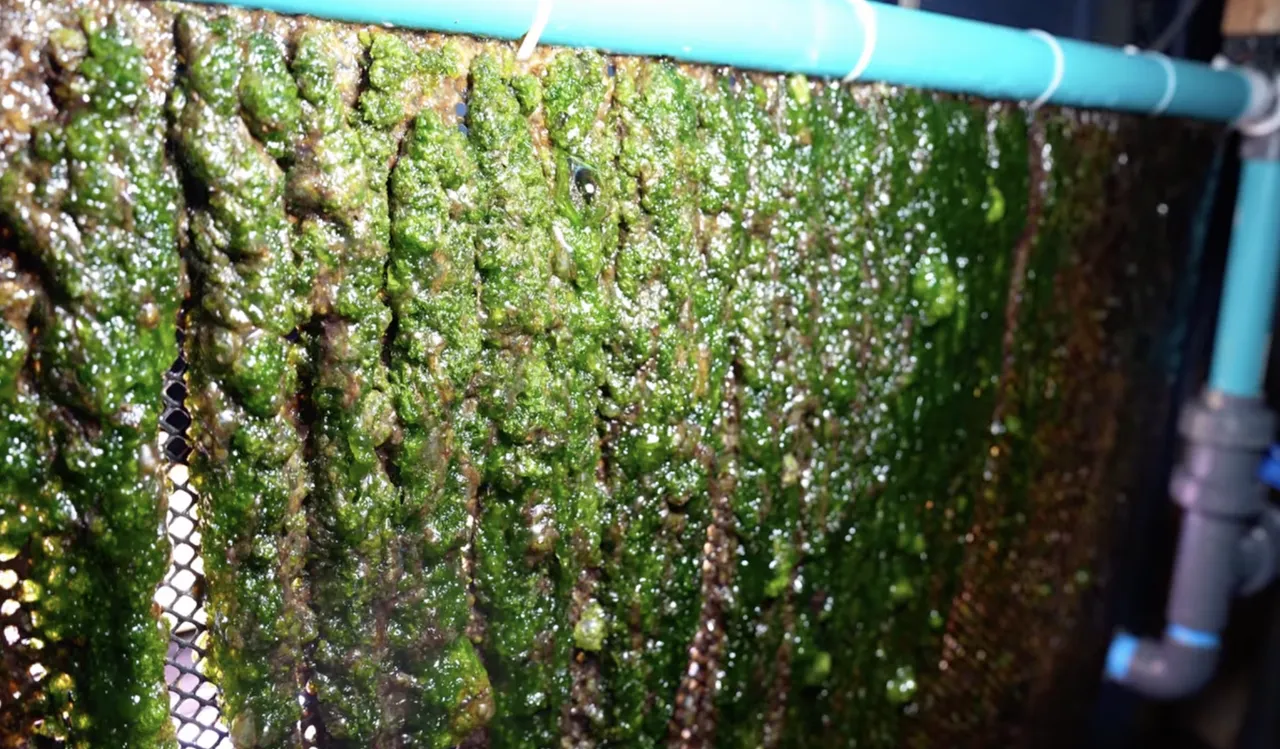
The algae curtain or algae scrubber is a unique and dedicated biological filtration system. Under carefully controlled lighting conditions to stimulate growth, it is designed to grow algae outside the main exhibit. The algae absorb excess nutrients from the water, helping to maintain a balanced and healthy ecosystem. Our aquarists periodically remove the curtain and scrub away the accumulated algae to maintain excellent water quality without disturbing the delicate corals.
Biotowers
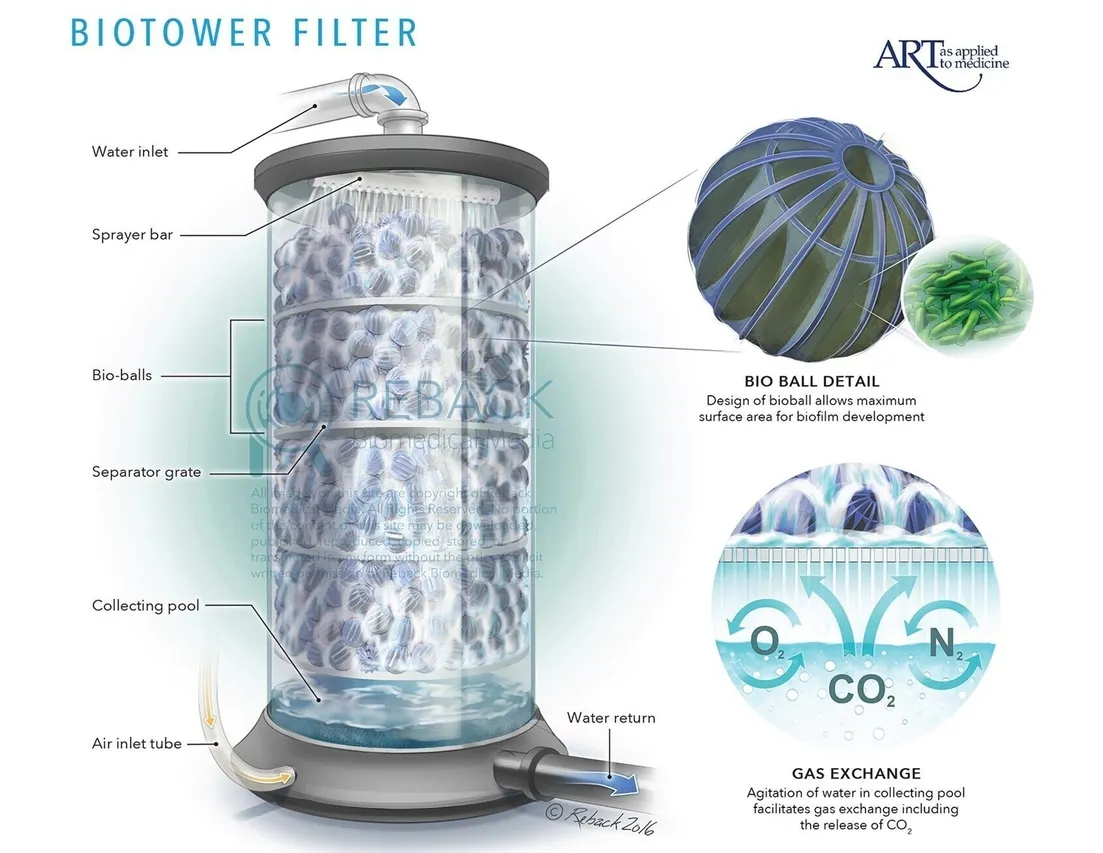
Other key filtration devices are our biotowers, cylindrical pumps that force water to the top of a chamber filled with plastic, sponge, and ceramic materials. The water becomes highly oxygenated as it trickles down through this medium, creating ideal conditions for beneficial bacteria to thrive. These bacteria break down harmful waste products in the system.
Protein skimmers
Lastly, specialised filtration devices called protein skimmers remove dissolved organic waste from the water before it can decompose and negatively affect water quality. This includes substances such as uneaten food, fish waste, and oils. By removing these materials early, protein skimmers help prevent the buildup of nitrates and phosphates, which contribute to unwanted algae growth and place stress on the exhibit's corals.
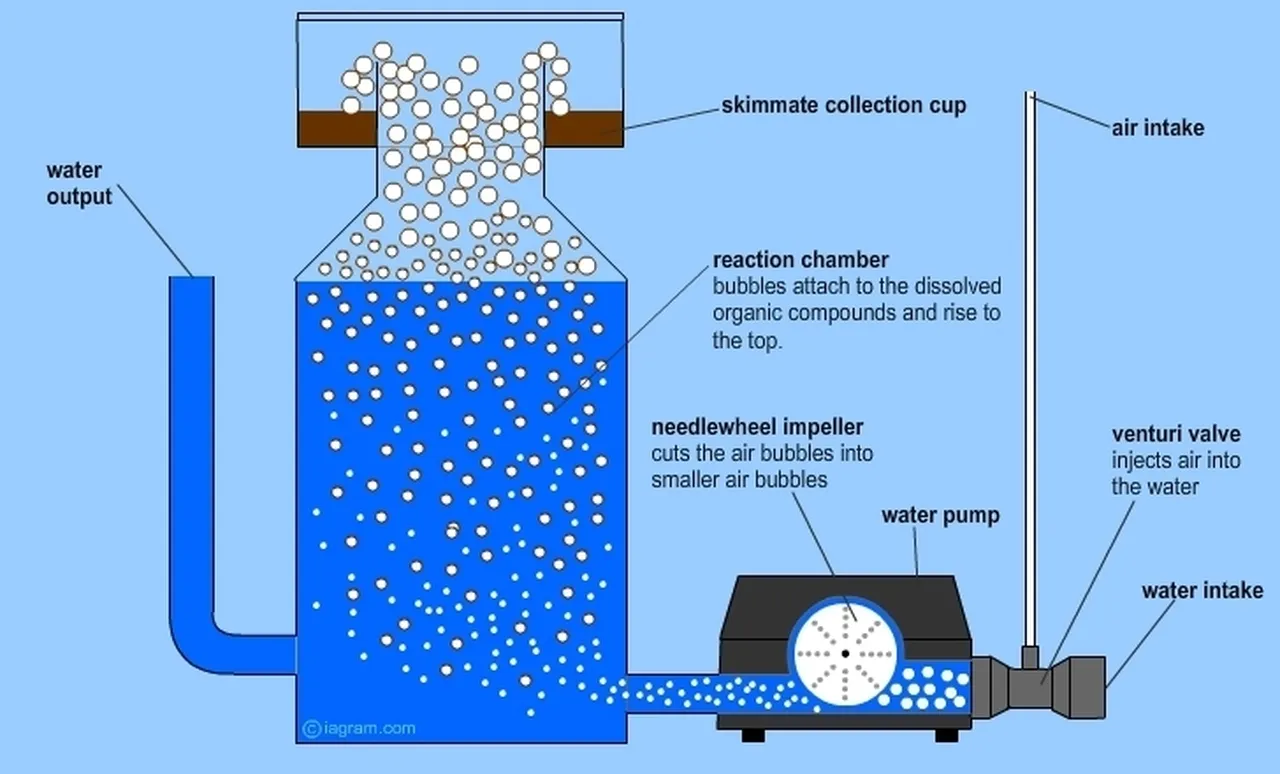
Together, these filtration systems work continuously behind the scenes to keep the water clean, balanced, and suitable for a thriving coral ecosystem.
Aquarist Ayrton King explains why water quality is so important and how maintaining the correct water chemistry helps keep our Coral Exhibit healthy and thriving.
The importance of grazing fish for healthy coral
Fish play an important role in maintaining a healthy coral ecosystem. One of the main reasons they are selected for coral exhibits is their ability to graze on algae. Without these natural "lawnmowers," algae could quickly overgrow the exhibit, smother corals, and prevent them from thriving.
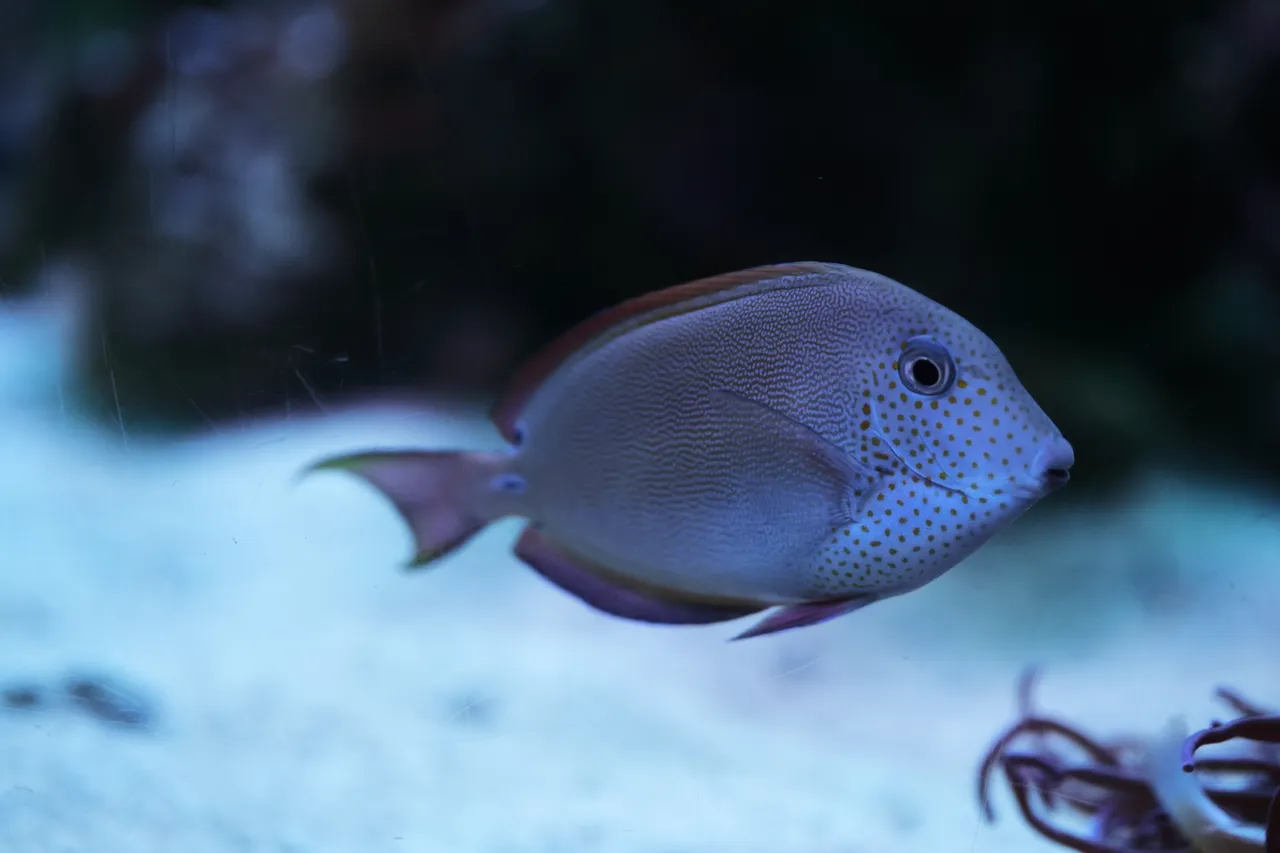
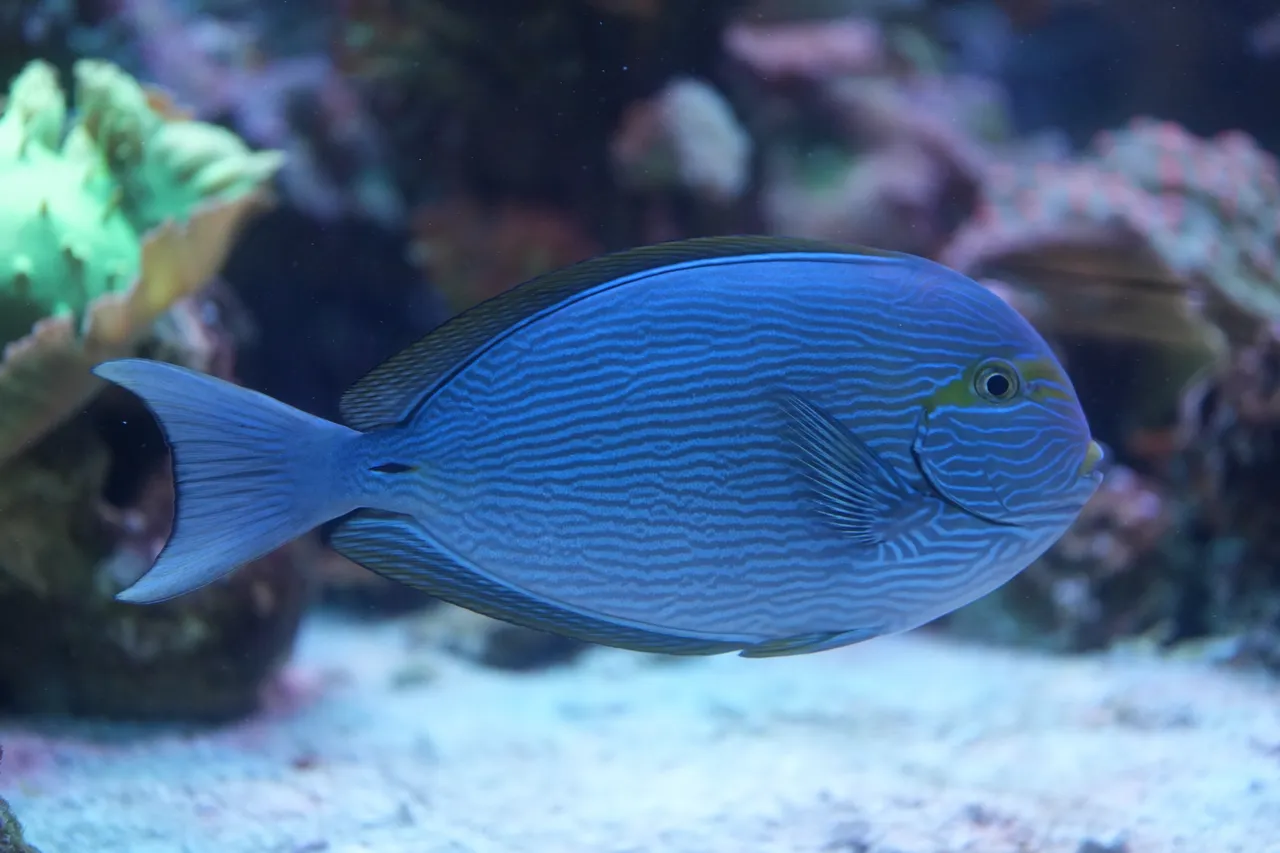
Among the most valuable algae grazers are surgeonfish and tangs, which belong to the Acanthuridae family. These fish get their name from a specialised, razor-sharp spine located at the base of their tail, known as the caudal peduncle. This spine is used for defence, so aquarists must take extra care when handling, netting, or transferring it.
As herbivores, surgeonfish and tangs feed primarily on algae. In managed environments, their diet is supplemented with nori (dried seaweed sheets) and algae-based pellets to support their nutritional needs and maintain good digestive health.
By constantly grazing throughout the day, these fish help keep algae levels under control, creating a cleaner and healthier environment for the corals to flourish.
How do you grow a coral?
At the Two Oceans Aquarium, we actually grow our own coral for our exhibits!
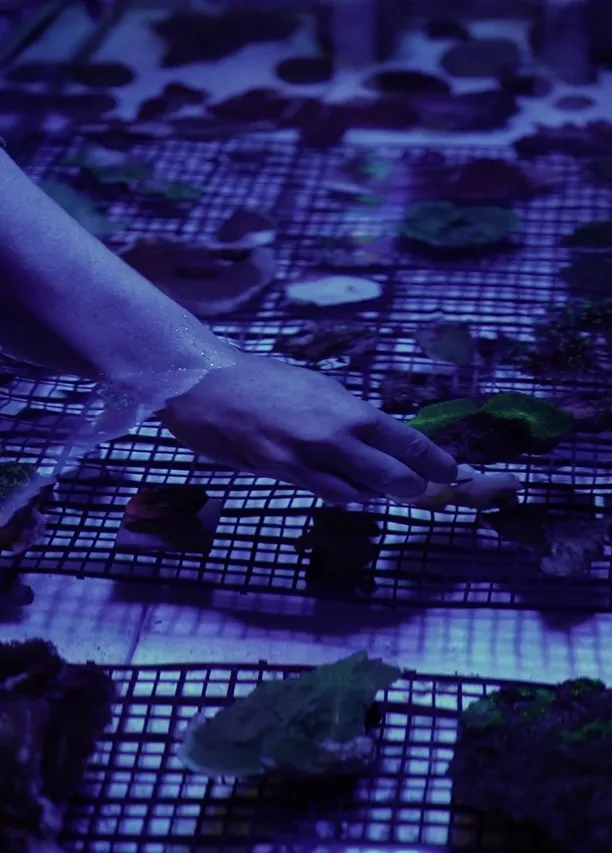
Fragging, or fragmenting, is the process of meticulously cutting, snapping, or slicing a coral colony into smaller fragments, also called frags. These pieces of coral are attached to anchoring “frag plugs” that provide a base for them to grow independently within the frag tank, eventually forming their own colonies. Fragging can be likened to propagating a plant and is a technique used worldwide to nurture and grow coral reefs.
At the Aquarium, fragging is used to propagate specimens for the larger Coral Exhibit, ensuring a continuous supply of healthy coral colonies that can quickly replace weaker or damaged corals.
Fragging the three varieties of corals
Our aquarists’ methods of fragging depend on the coral species in question: These are soft, Small Polyp Stony (SPS), and Large Polyp Stony (LPS) corals. Each species requires a different approach when being fragged.
For example, soft corals produce a protective slime coat, so they cannot be glued immediately. Instead, they are placed in a basket with crushed coral or rock rubble to rest. After a few days, they naturally attach to the substrate, at which point they can be secured onto a standard frag plug.
SPS and LPS corals, in contrast, have hard skeletons and must be cut using bone cutters. Once fragged, SPS corals can be immediately attached to a frag plug, while LPS corals require extra care to avoid damaging the living tissue around their mouths.
Now, when you visit our Coral Exhibit, you may have a new appreciation for the effort that goes into growing each of our beautiful corals.
How lighting helps grow corals
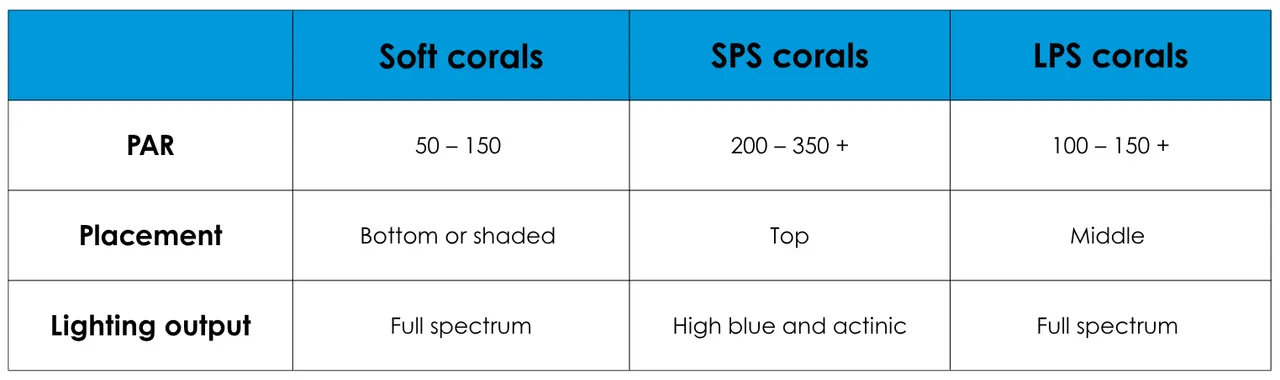
Coral health depends on a very specific set of lighting requirements that support photosynthesis and provide the energy corals need to grow and remain strong. When spectrum, intensity, and duration are correctly balanced, the symbiotic algae living within the corals can carry out photosynthesis, providing essential energy for survival and development, giving the corals their vibrant colours, and reducing the risk of coral bleaching.
As with fragging, corals are also grouped into three main types when it comes to lighting needs, with different species requiring different intensities and conditions to thrive. In general, most require a strong blue or UV spectrum to support healthy growth, with Photosynthetically Active Radiation (PAR) and light spectrum being key factors.
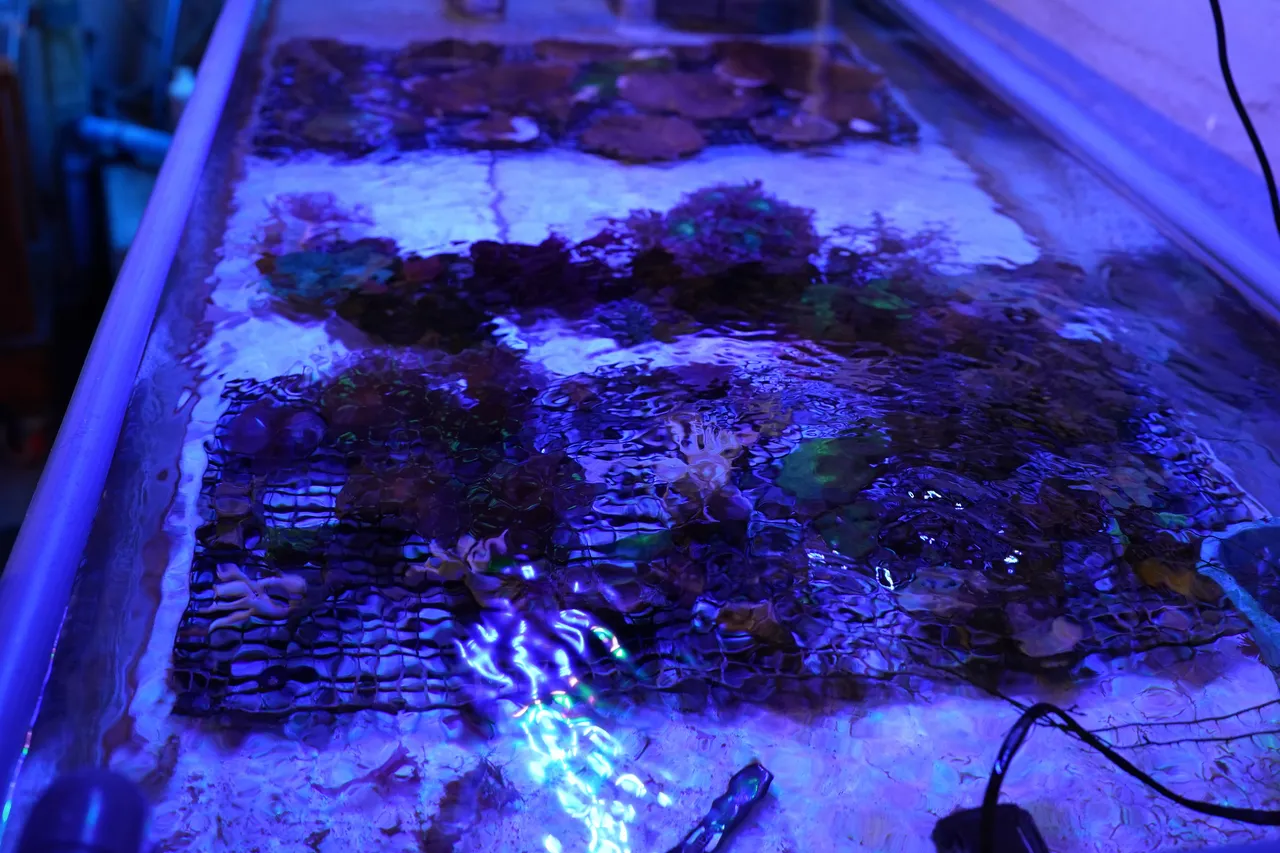
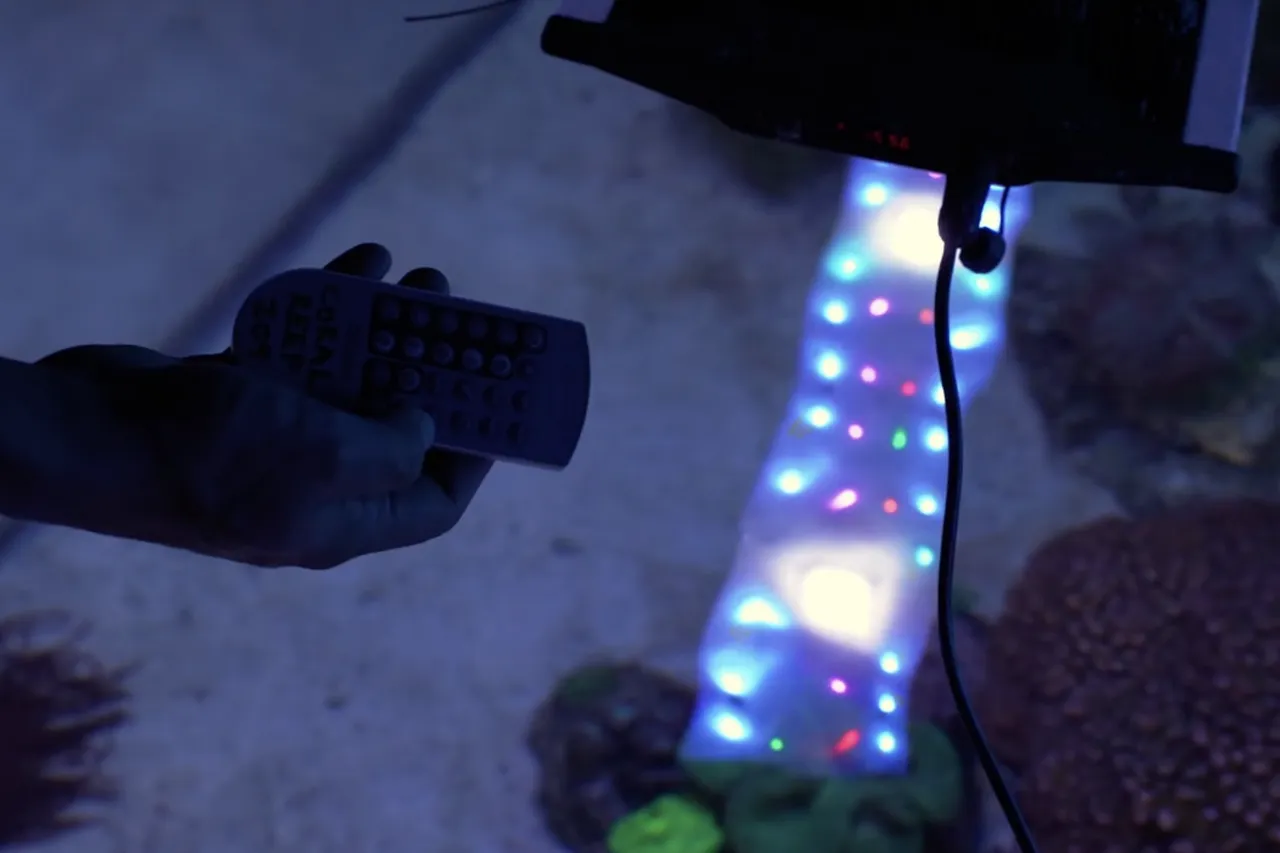
Behind the scenes, our coral fragging area is lit with all the different lights that our corals need, highlighting how much care goes into their growth.
How do we feed our corals?
At the Two Oceans Aquarium, enrichment plays an important role in keeping all our animals stimulated throughout their time in our care. Because corals are living animals, they require enrichment, and this comes in the form of feeding.
Microscopic foods such as artemia, phytoplankton, and rotifers are cultivated in our Culture Lab for use across the Aquarium. For corals, these are combined into a specialised mix that is regularly dispensed into the Coral Exhibit. The mixture disperses through the water column, circulating throughout the system and allowing the corals to capture food as it passes by.
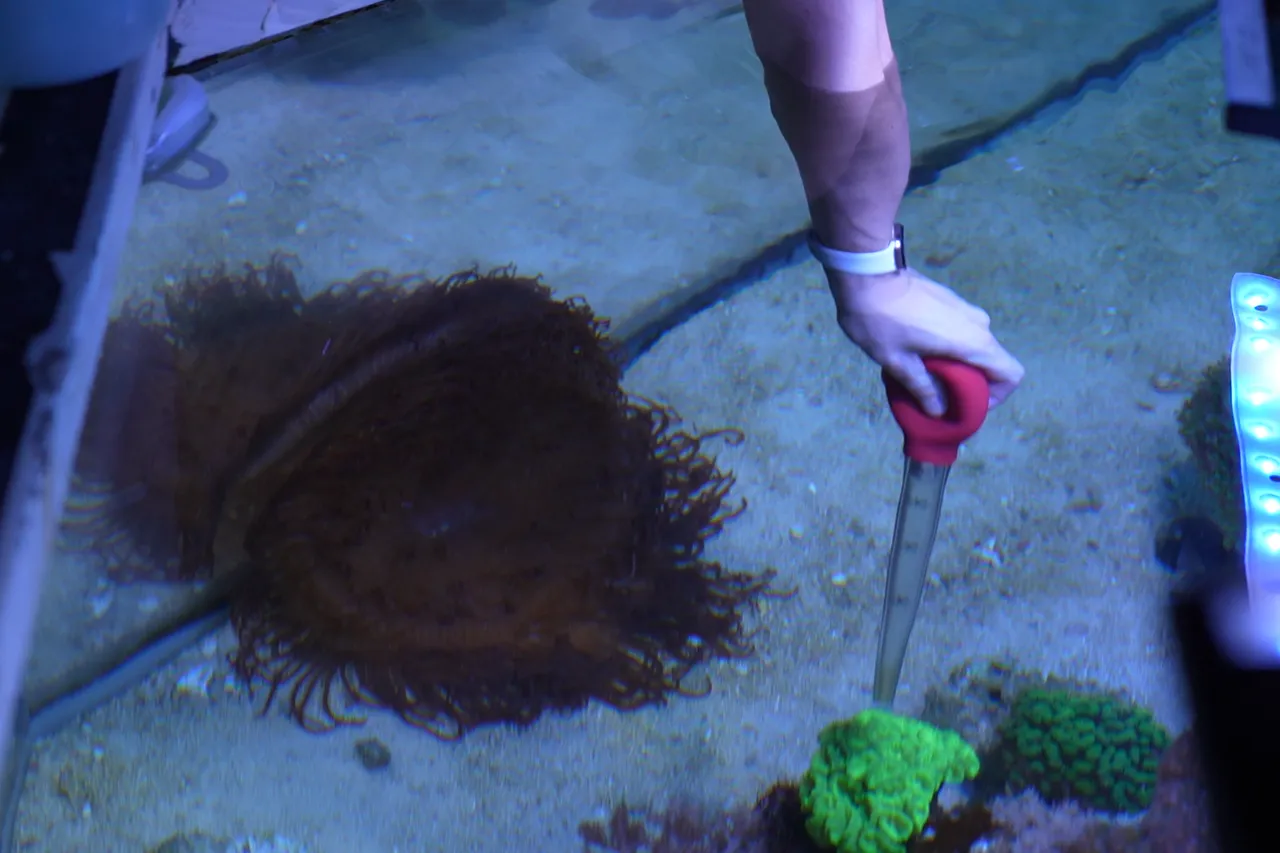
However, not all corals are equally efficient at feeding this way. Some species, such as sunburst corals, need additional support. Our aquarists target feed these corals directly, using a turkey baster to draw up the nutrient-rich mixture and gently release it directly over the coral polyps. This ensures that more selective or less efficient feeders receive the nutrition they need to thrive consistently.
Aquarist Ayrton King explains the process of feeding the corals at the Two Oceans Aquarium.
What is coral bleaching?
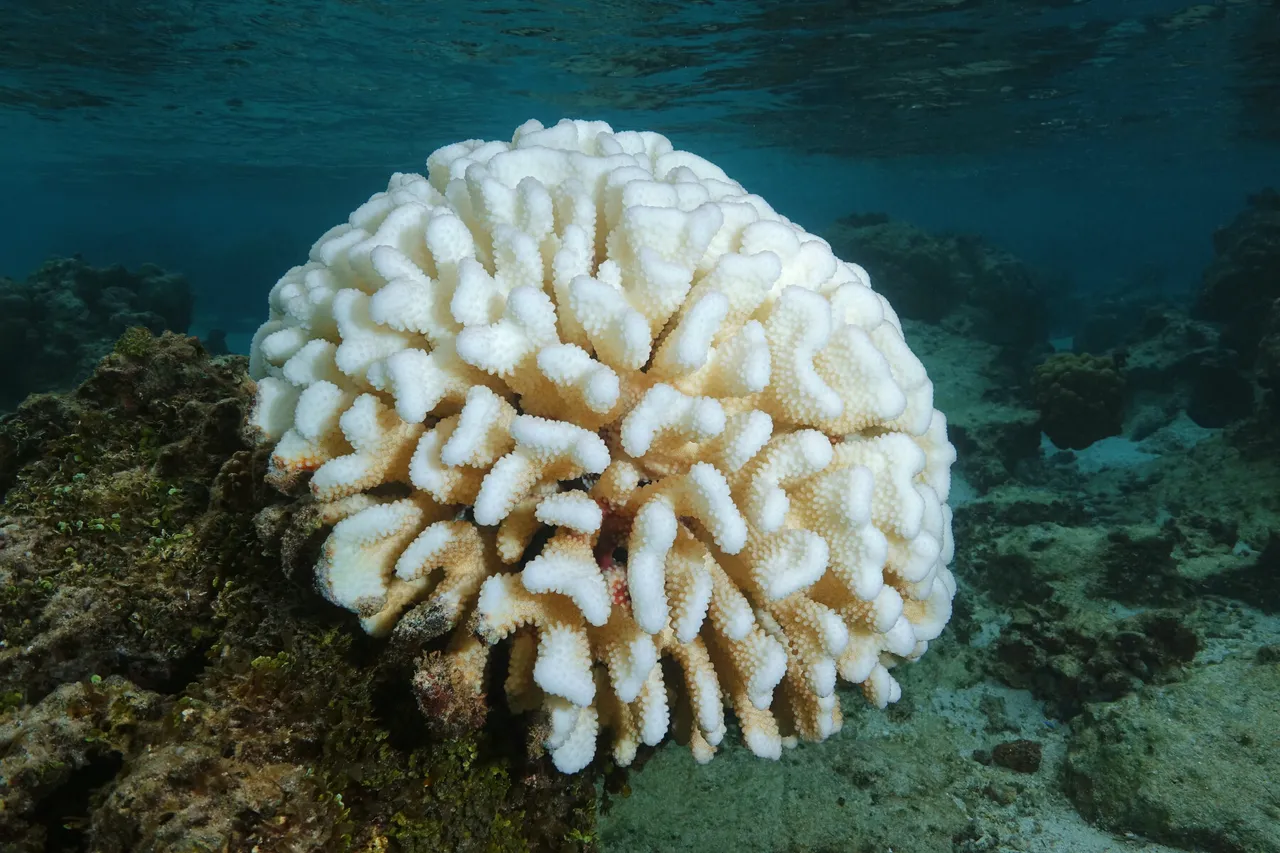
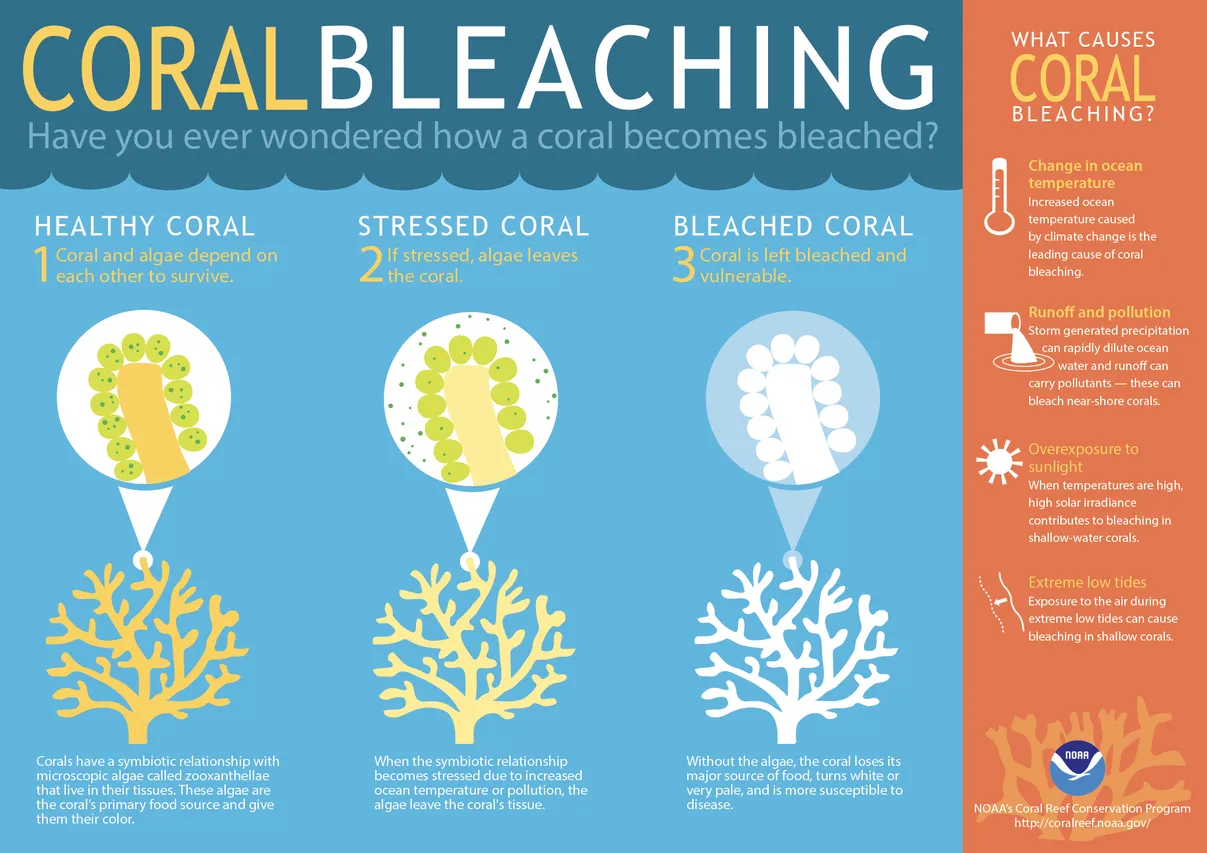
Coral bleaching occurs when corals become stressed. The main factors that cause this stress include changes in temperature, light, and nutrient levels. When stressed, corals expel the symbiotic algae living within their tissues, causing them to turn white.
Corals are sensitive to environmental conditions and do not tolerate water that is too warm or too cold. Either extreme can trigger bleaching. However, bleached corals are not dead. There is still hope for recovery, as bleaching simply indicates stress and an increased risk of mortality if conditions do not improve.
Cold water can also damage tropical corals, which are adapted to stable, warmer environments. However, this is not an issue for Cape Town’s natural marine environment, where cold-water corals thrive in the nutrient-rich waters of the Atlantic Seaboard and False Bay.
The big picture: Why are coral reefs important?
Although coral reefs cover less than 0.2% of the ocean floor, they are often called the rainforests of the sea. They support around 25% of all marine life, providing food, shelter, breeding grounds, and nursery habitats for thousands of species of fish and invertebrates.
Their importance reaches far beyond the ocean. Coral reefs help protect coastlines from storms and erosion, support fisheries that feed millions of people, and contribute billions of dollars to economies through tourism and recreation. Healthy reefs are also an important indicator of healthy oceans, which regulate the Earth's climate and sustain life on our planet.
Unfortunately, coral reefs around the world are under increasing pressure from climate change, pollution, overfishing, and habitat destruction. As reefs decline, marine biodiversity decreases, fisheries suffer, and coastal communities become more vulnerable to storms and erosion.
The Two Oceans Aquarium's Coral Exhibit offers a glimpse of what thriving coral reefs can look like. By carefully recreating the conditions corals need to survive, the exhibit highlights both the extraordinary beauty of these ecosystems and the importance of protecting them for future generations.