Tracking our turtles: Twirling travels with Nori and Kai
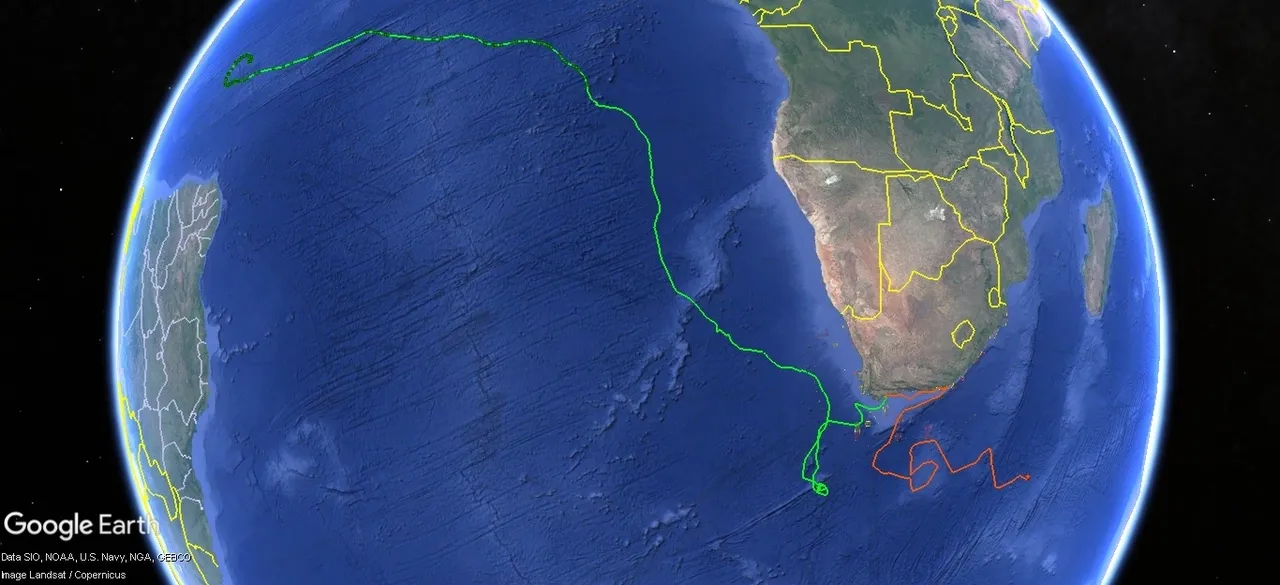
Our Turtle Conservation Centre team has just received the latest tracking update from Nori and Kai, our satellite-tagged turtles! Green turtle Nori has clocked nearly 12 000km since her release, while loggerhead turtle Kai has averaged about 50km every day.
Let's find out more about their travels...
Nori, the green turtle
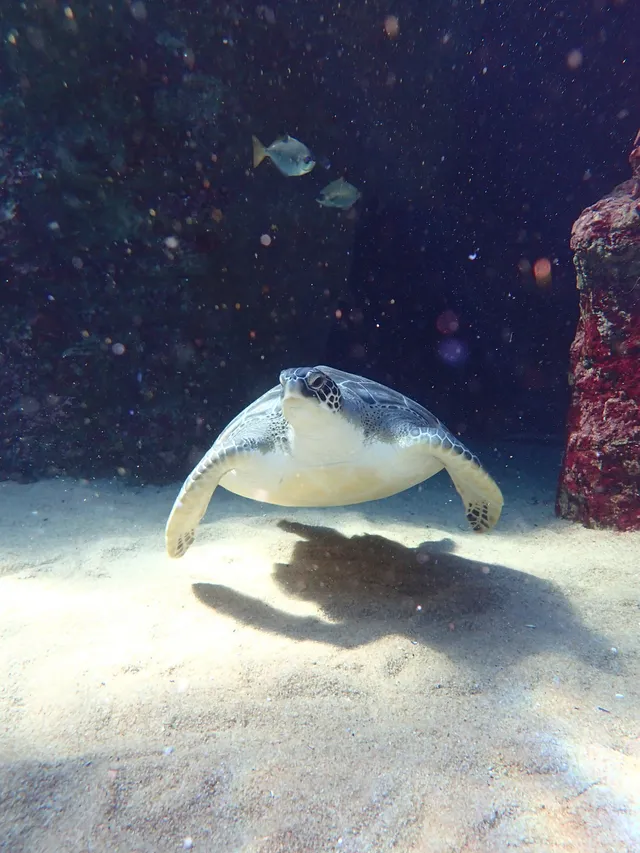
Nori, our rehabilitated green turtle, has been travelling the Atlantic Ocean for 271 days, and it has been remarkable to watch her journey.
Nori was released into the De Hoop Marine Protected Area on 26 November 2025. Straight after her release, Nori headed southwest for an exploration of some significant offshore seamounts. However, it wasn’t long into this adventure before she started to display very intentional movements, heading up the west coast of Africa.
For months, her trajectory was incredibly straight – she zoomed past Namibia, Angola, and St Helena Island. When we last caught up with her, Nori was travelling within the west-moving, warm North Equatorial Current and the Canary Current. These waters support an abundance of marine life, meaning that Nori was probably feasting.
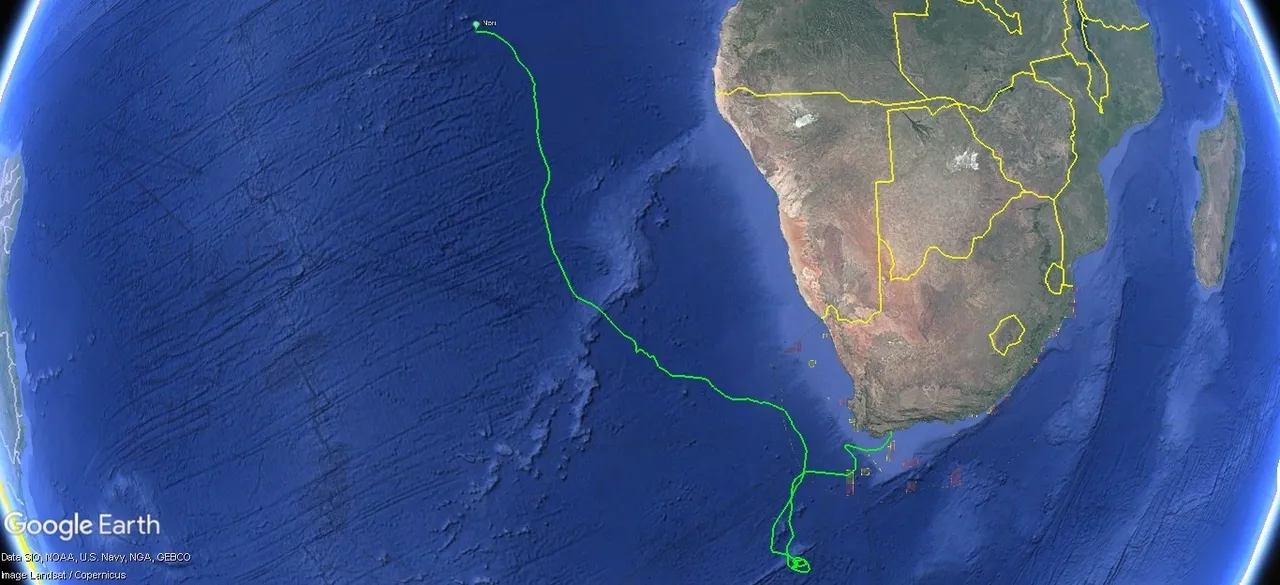
At the beginning of August 2026, Nori began to turn north, and in the last week, she has looped back on herself.
In her current location, just between Guinea-Bissau and Brazil, Nori has the choice of several fascinating destinations at her flipper-tips. About 1 300km northeast, Cabo Verde is an important foraging area for green turtles like Nori. Guinea-Bissau, which is 1 800km east, supports both nesting and foraging green turtles. Nori’s closest option is Northern Brazil, around 1 200km west, where more great foraging areas lie. Each of these regions would be a natural fit for Nori, as a subadult green turtle looking for delicious food and a safe space to rest.
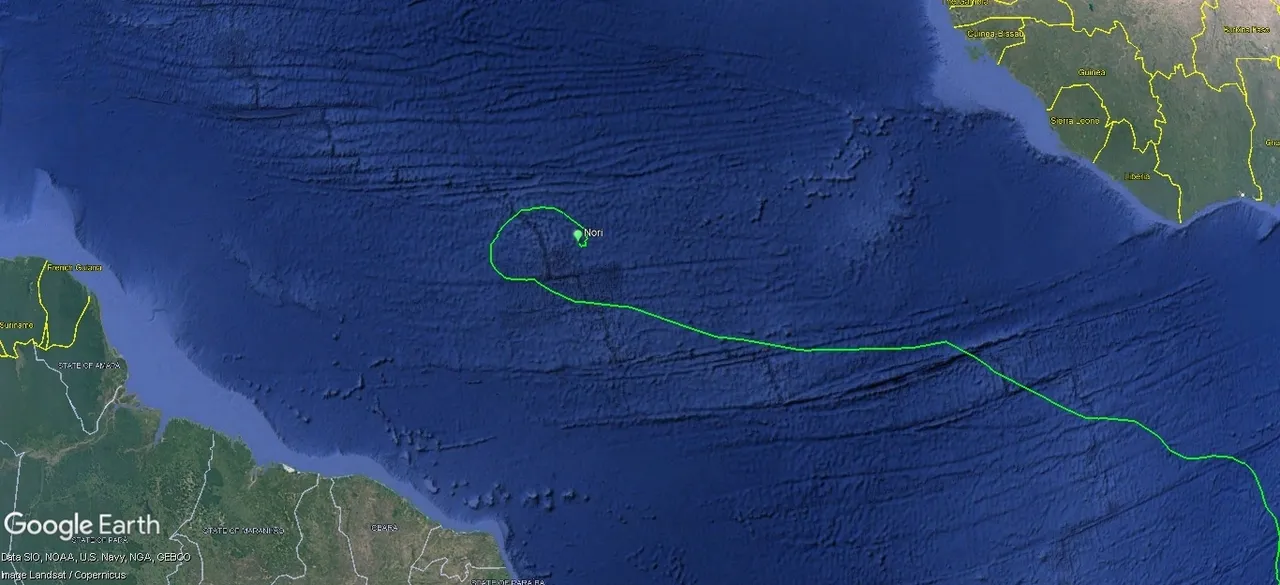
At the moment, Nori is averaging 42.4km per day, so we will soon find out which destination she chooses! While most of her journey since release has been active, intentional swimming, she has recently been making use of the currents while crossing the North Atlantic Ocean basin. To date, she has travelled an incredible 11 500km!
Kai, the loggerhead turtle
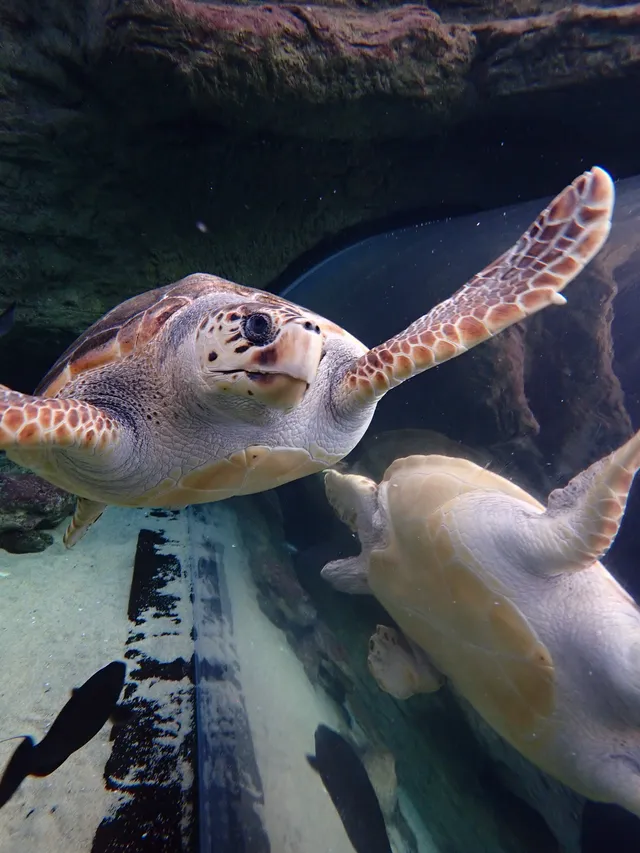
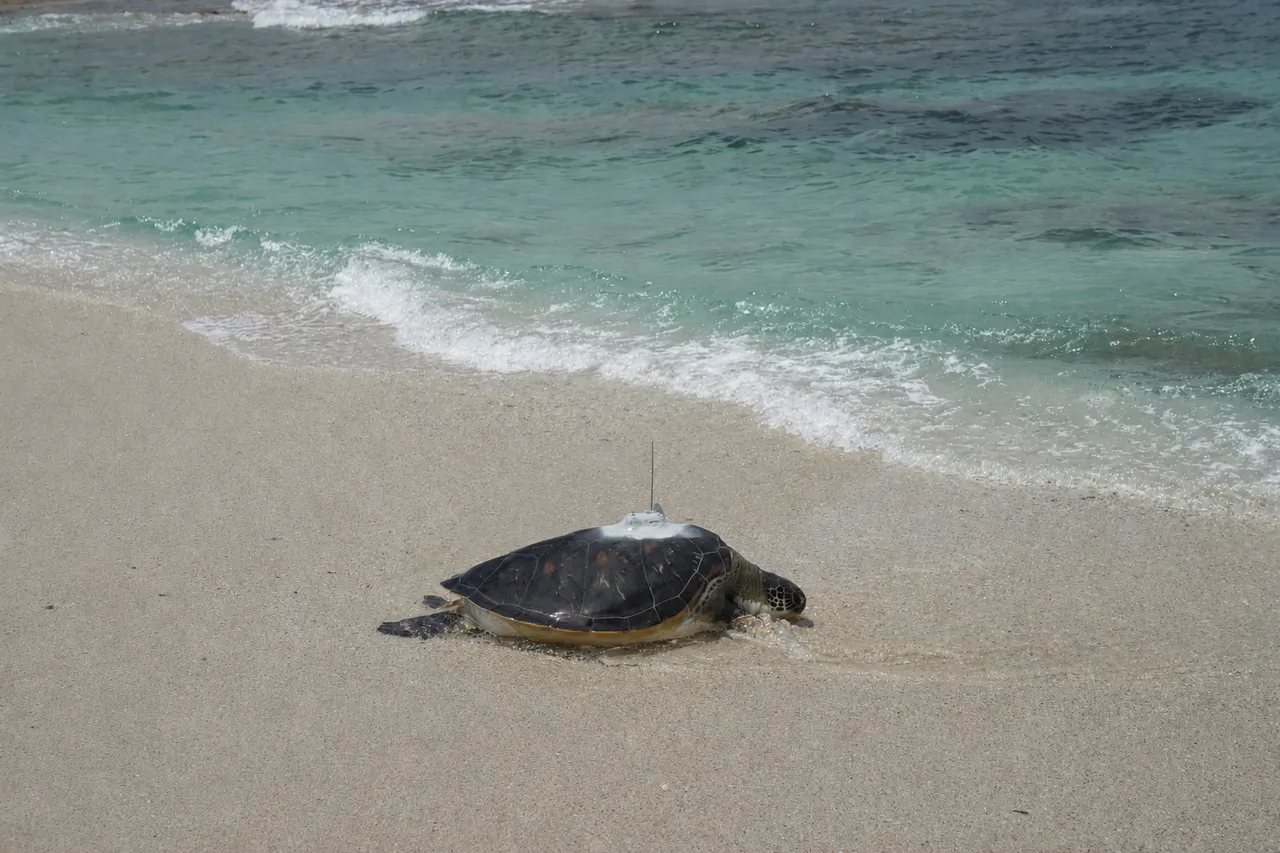
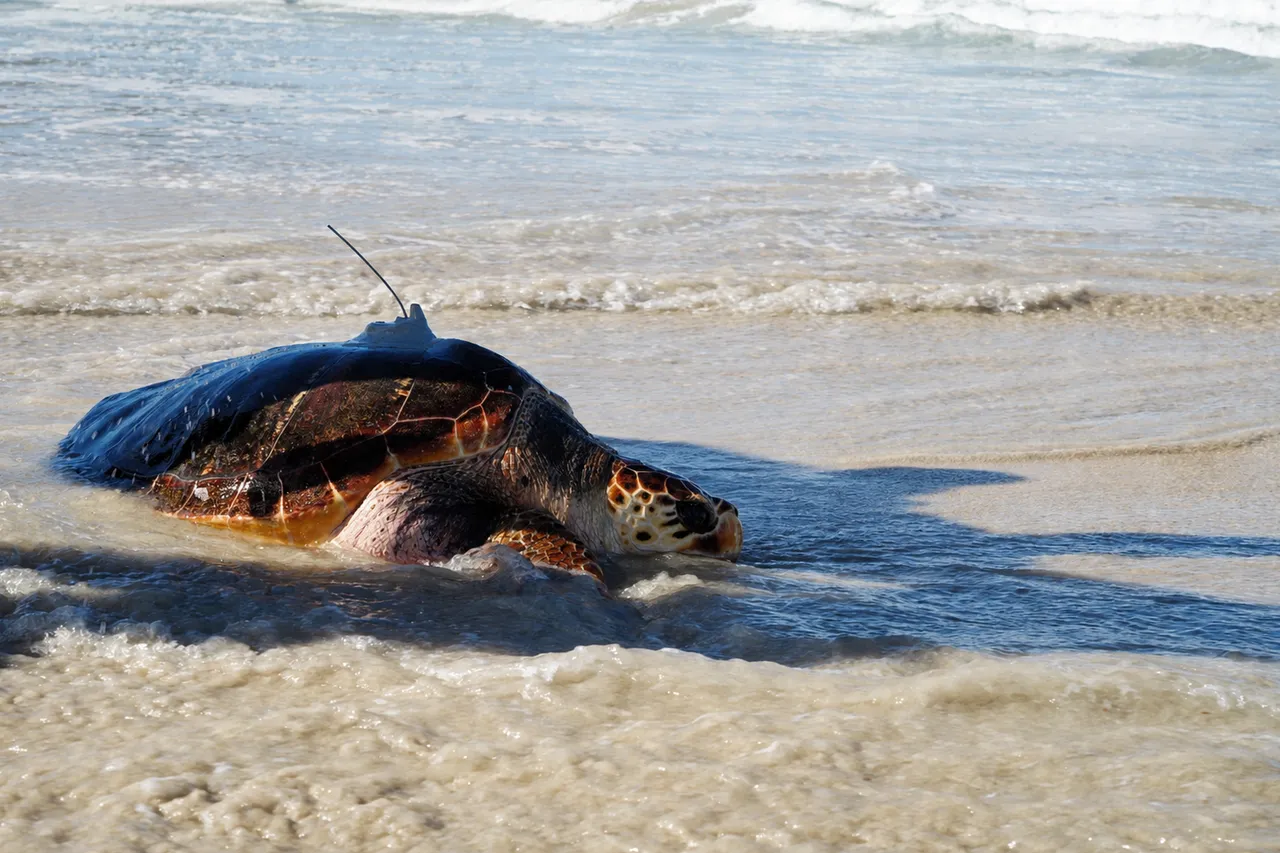
Loggerhead turtle Kai was also released into the De Hoop Marine Protected Area and has been at sea for 101 days. In the early days after his release, he spent some time meandering up the east coast of South Africa – totally natural for a young turtle acclimatising to life back in the ocean after six years of rehabilitation.
On 24 June, however, he entered the fast-flowing Agulhas Current, dramatically increasing his speed. Since then, he has been following the current as it retroflects (turns back on itself) almost to a T. Rather than diverting from the Agulhas Current’s path, he seems quite content to go wherever this powerful current takes him.
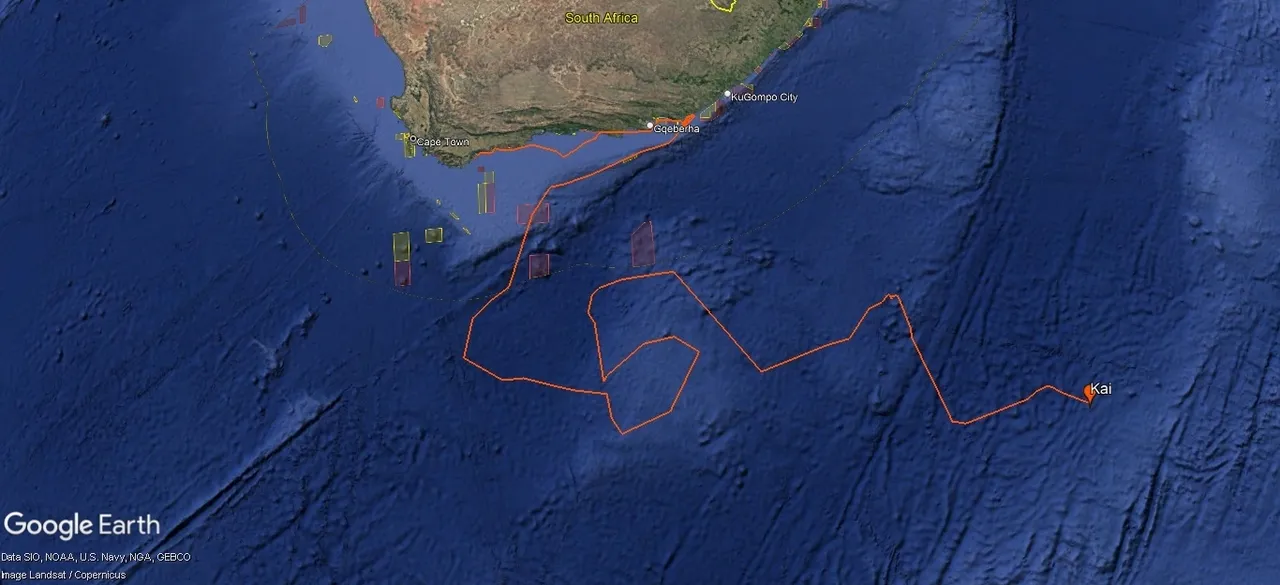
This helps explain how Kai has already covered more than 5 000km in just 101 days in the ocean, averaging an impressive 49.5km per day. Currently, he is in the warm waters of the Southwest Indian Ocean, where high productivity is most likely keeping him well-fed. Following the current’s retroflection like this is very natural turtle behaviour, and something research has observed across different turtle species and life stages.
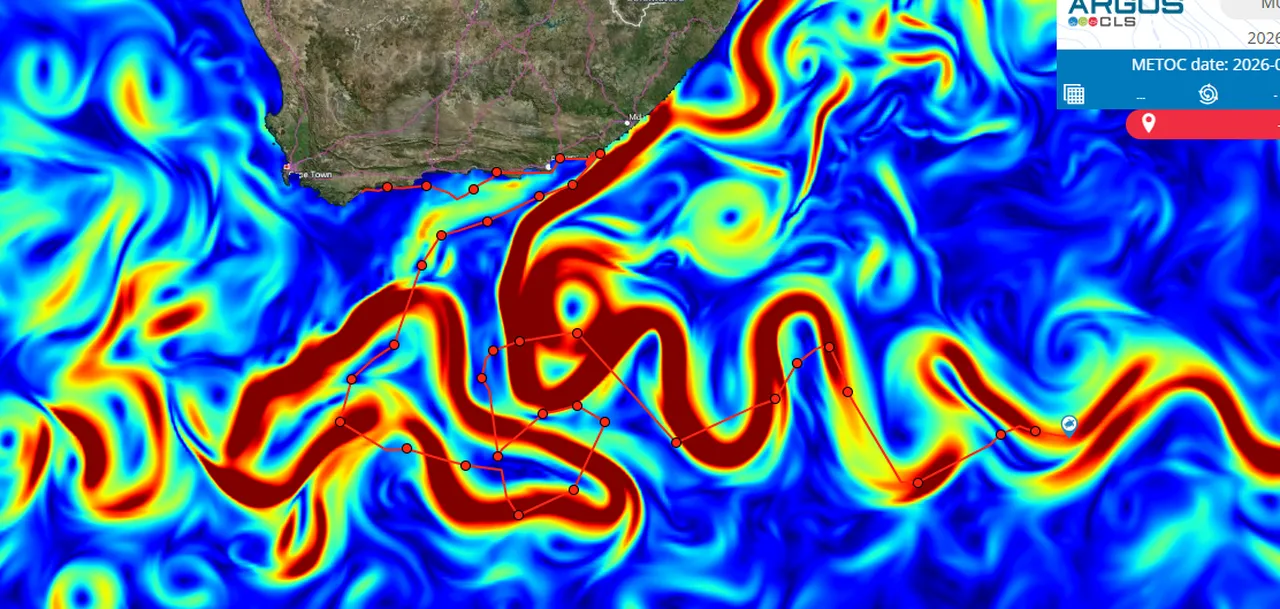
For example, satellite tracking has shown inter-nesting leatherback turtles (females travelling between nesting events) using the Agulhas Current retroflection (Robinson et al. 2018), while our tagging collaboration with Upwell Turtles has recorded similar current-assisted movements in post-hatchling loggerhead turtles. Older turtles that we have tagged and released, such as Bob, Bheni, and Nobomvu, have also made use of this warm ocean highway.
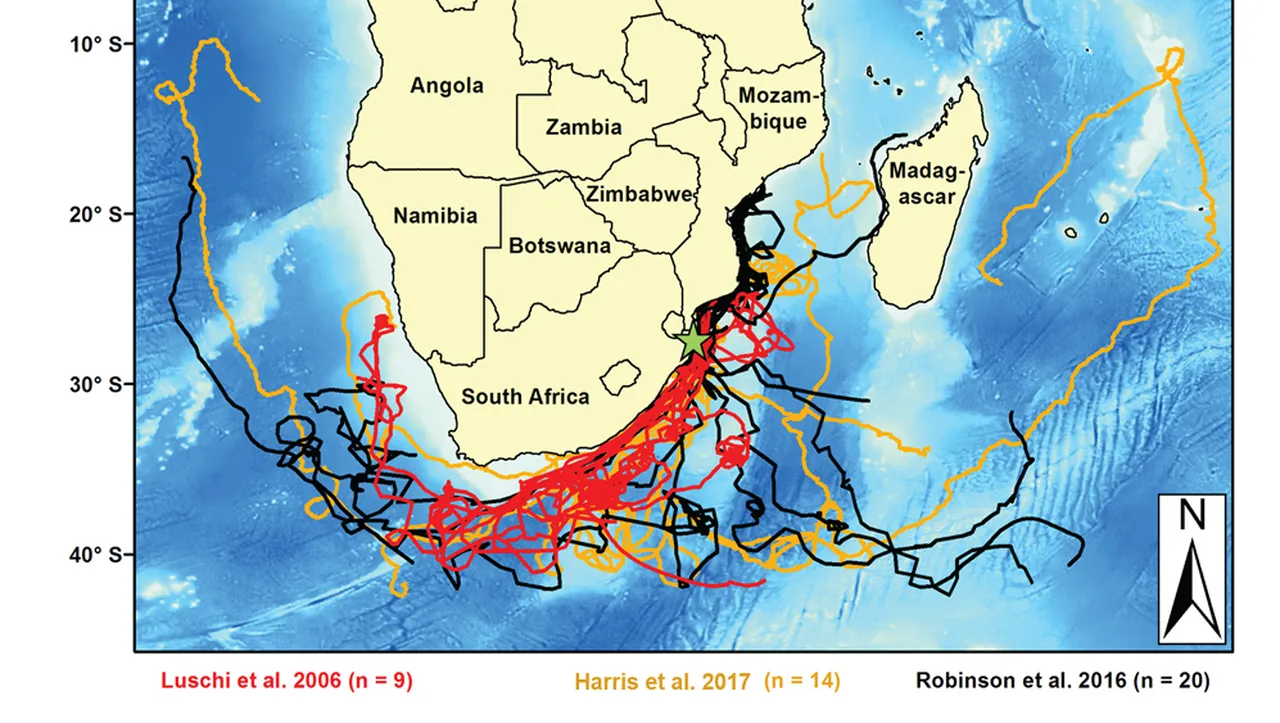
Through his satellite tag, Kai is giving us another wonderful example of just how effectively sea turtles can use the ocean’s currents to move through their environment.
Both Nori’s and Kai’s satellite tags were sponsored by their adopters, Morukuru Goodwill Foundation, helping the Turtle Conservation Centre team to track their movements and gather valuable data on how rehabilitated turtles adapt after returning to the wild. Insights gained from their journeys will contribute to ongoing sea turtle conservation and research.
Related News
Sign up to our Newsletter
Receive monthly news, online courses and conservation programmes.