Our Turtle Conservation Centre released four turtles into De Hoop Marine Protected Area
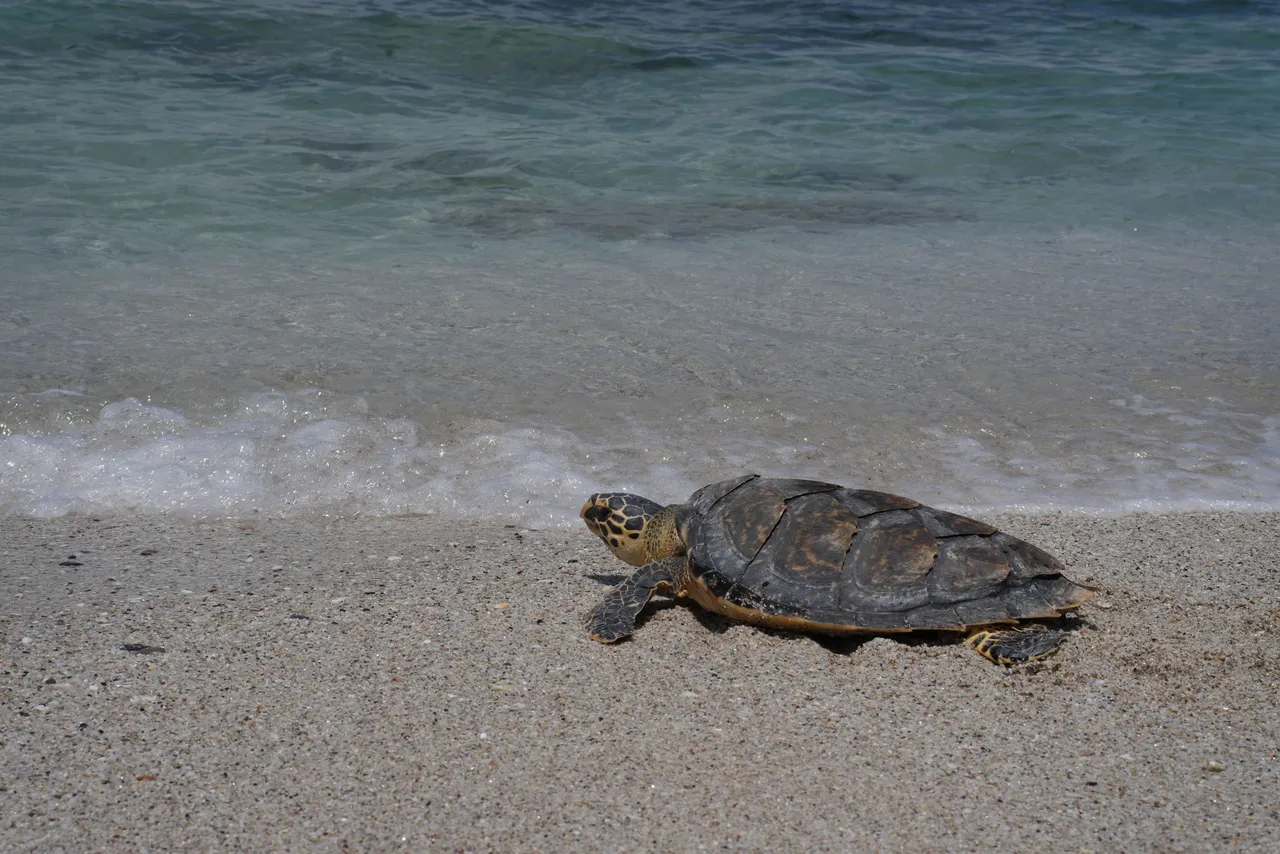
On 26 November 2025, our Turtle Conservation Centre team released turtles Nori, Stella, Pebbles, and Cinnamon into the De Hoop Marine Protected Area (MPA)!
Each of the turtles has had a fascinating and unique rehabilitation journey at our Foundation’s Turtle Conservation Centre, so their release into the stunning De Hoop MPA was extra-special. With the onset of summer, the coastal waters of the De Hoop MPA warm up, making the conditions perfect to return these incredible turtle ambassadors to their wild ocean home.
Let’s dive a bit deeper into the turtles’ journeys and reminisce on the excitement of release day…
Nori’s story
Nori, a green turtle, has been in rehabilitation at the Turtle Conservation Centre since she was rescued in Witsand in 2023.
When she first arrived, Nori appeared completely healthy. However, the turtle team soon noticed that Nori swam in clockwise circles repeatedly and frequently bit at her front flippers. A neurological examination by our veterinary team revealed that Nori’s right eye did not respond normally.
In July 2023, our team was surprised when a specialist determined both of Nori’s eyes were healthy and fully functional despite the lack of response on her right side. This pointed towards a deeper neurological issue, but Nori’s MRI results did not reveal anything abnormal.
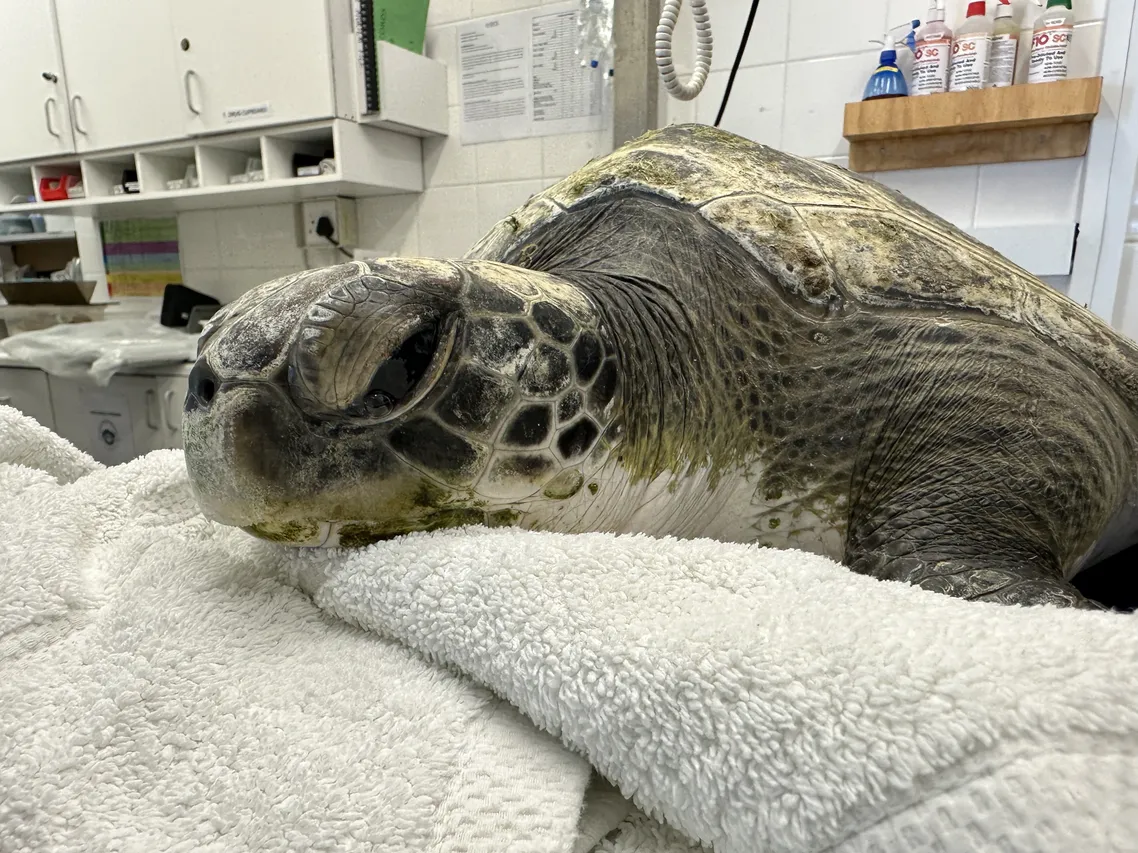
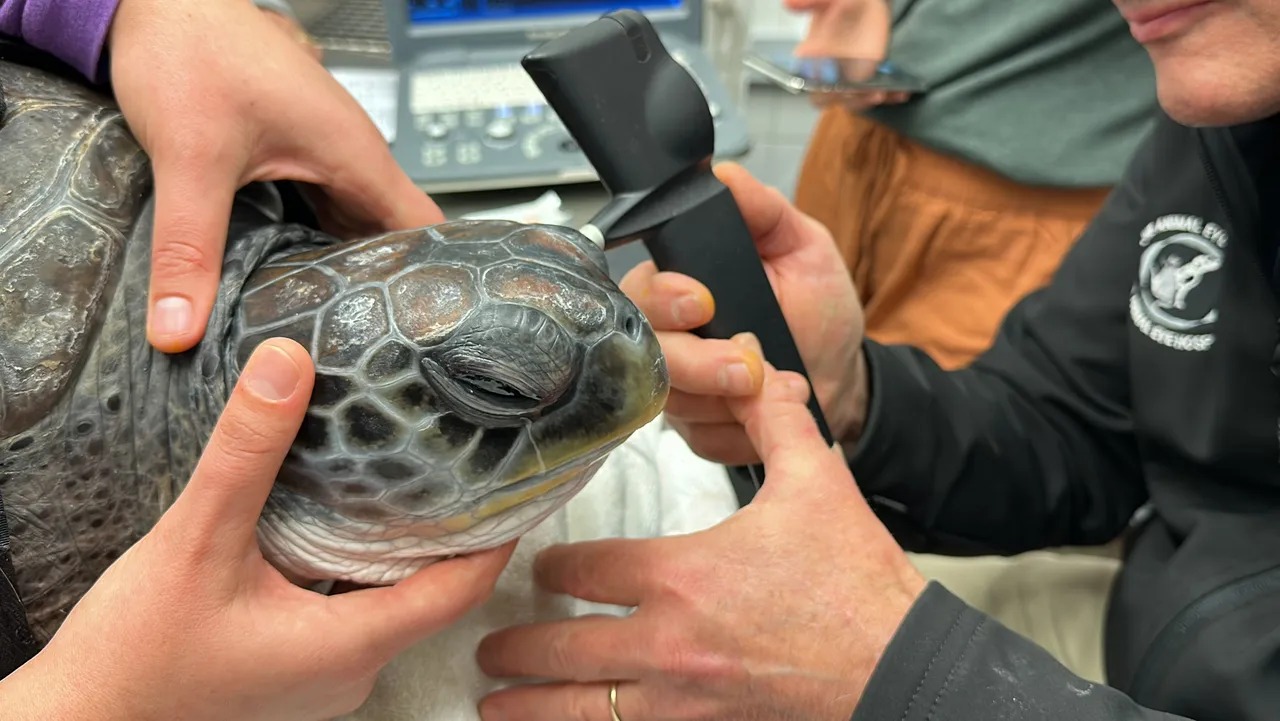
In the process of getting to the root of Nori’s problems, the team decided she was well enough to move into bigger housing. They also introduced sensory and feeding enrichment for her overall development. These actions had an immediate positive impact, eliminating her stressful and irregular behaviours!
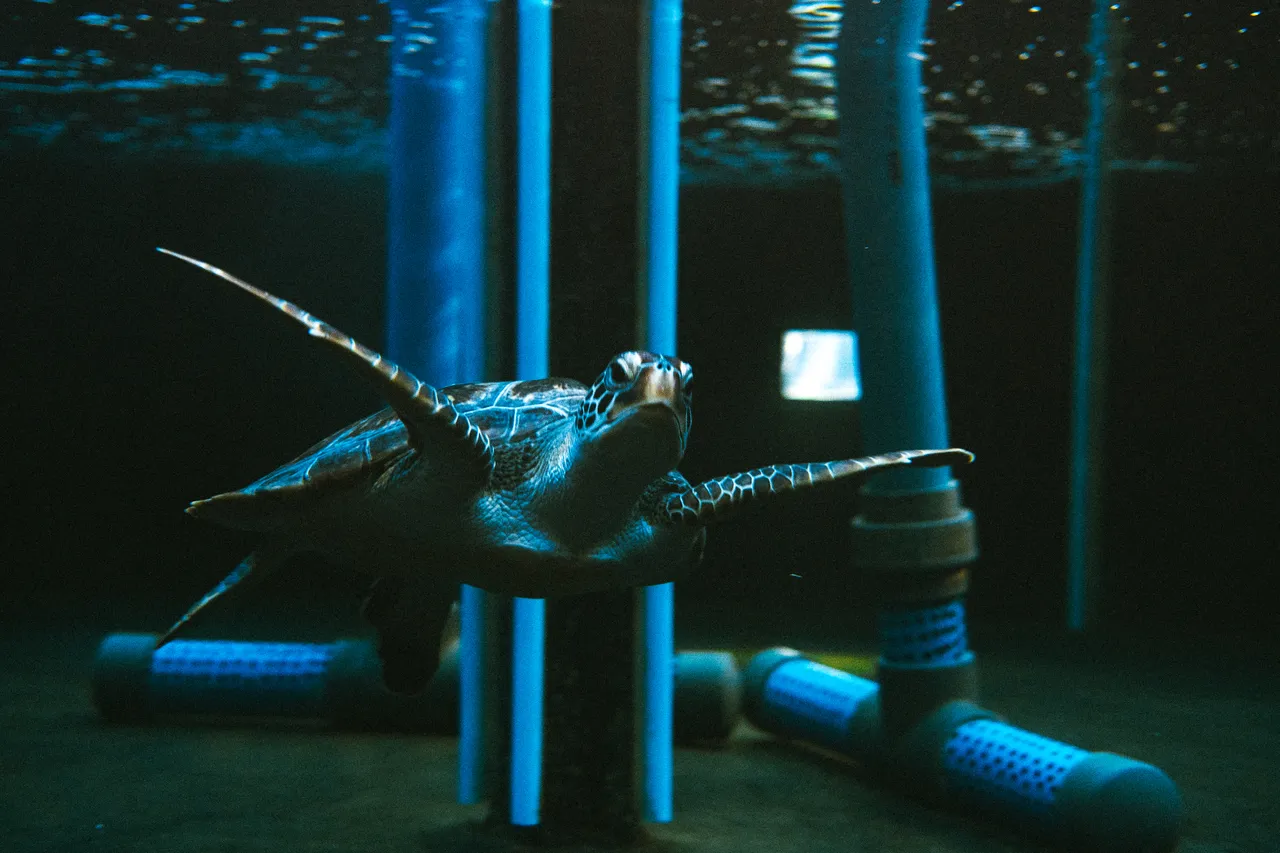
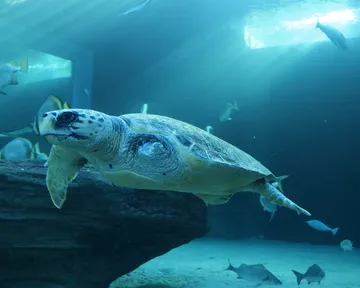
Finally, in October 2023, Nori was introduced to the I&J Ocean Exhibit, which is the perfect space for the turtles in rehabilitation to experience a "soft release" or a taste of ocean life while our team observes and treats them before their eventual release. As Nori’s eyesight is still an issue, this move allowed her to benefit from the bigger space and variety of stimuli while still being carefully monitored.
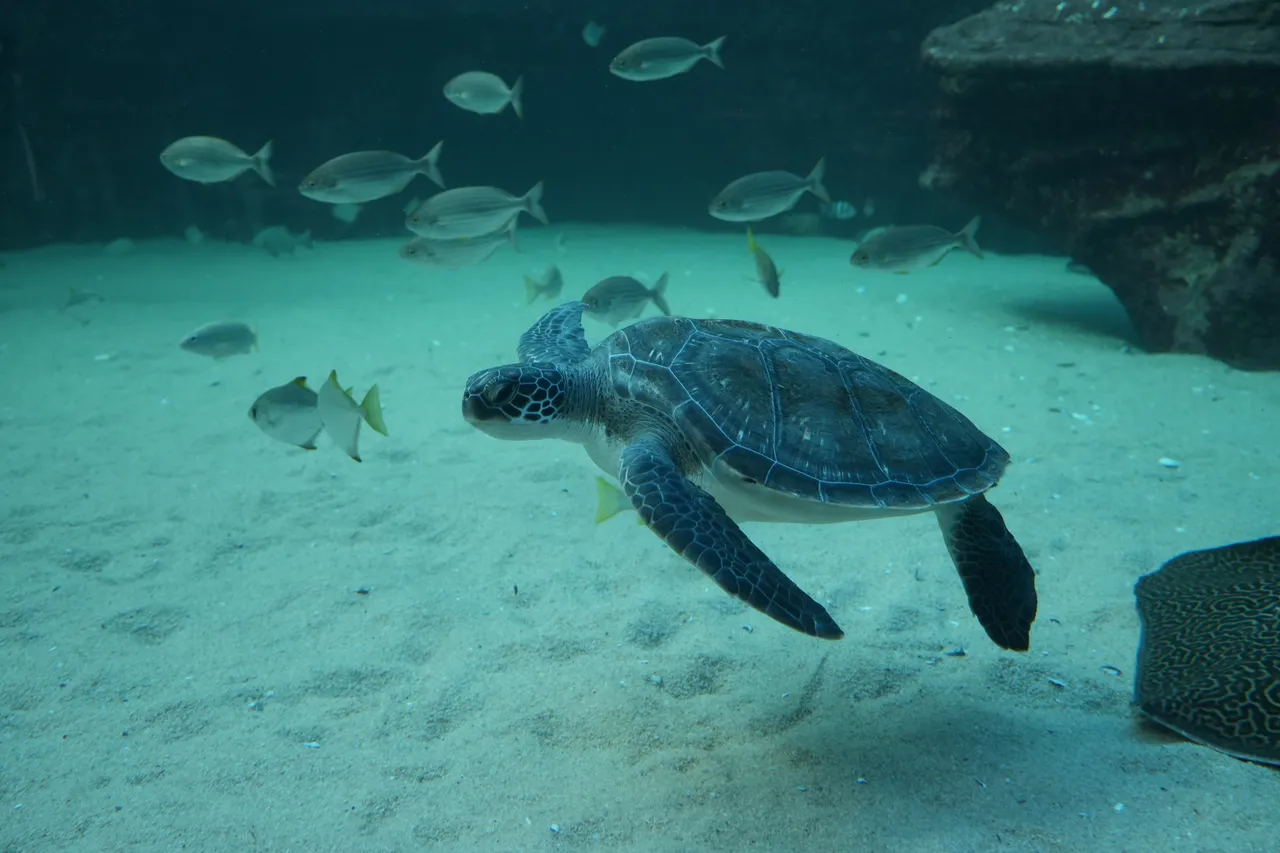
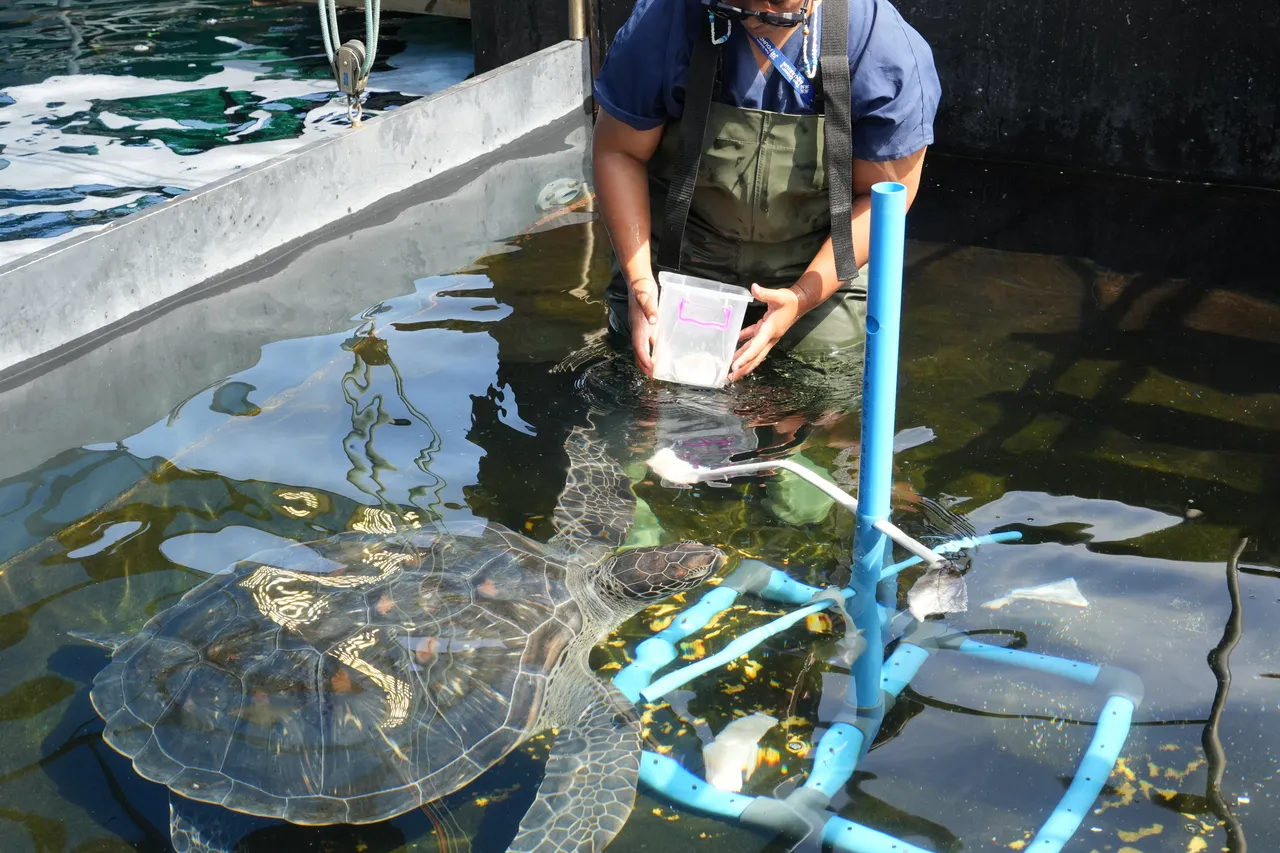
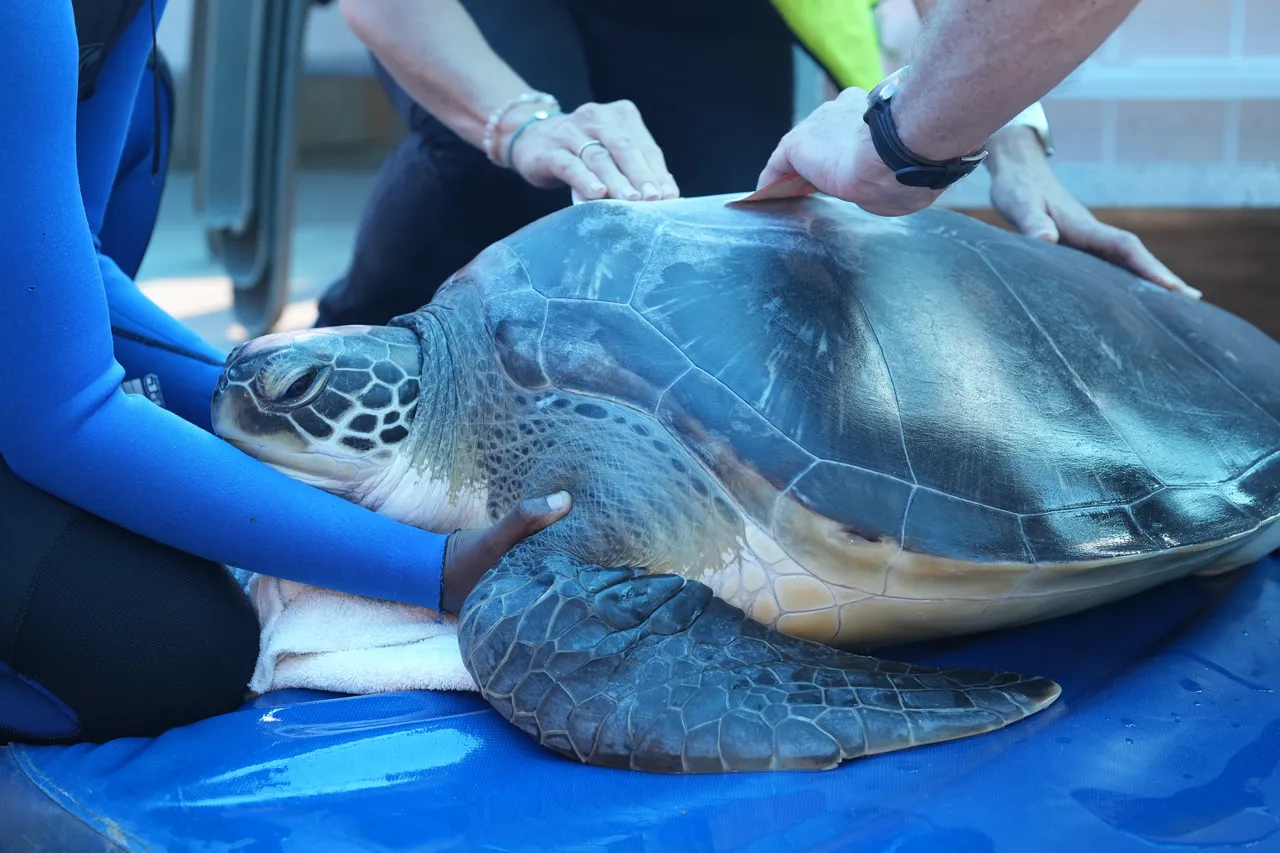
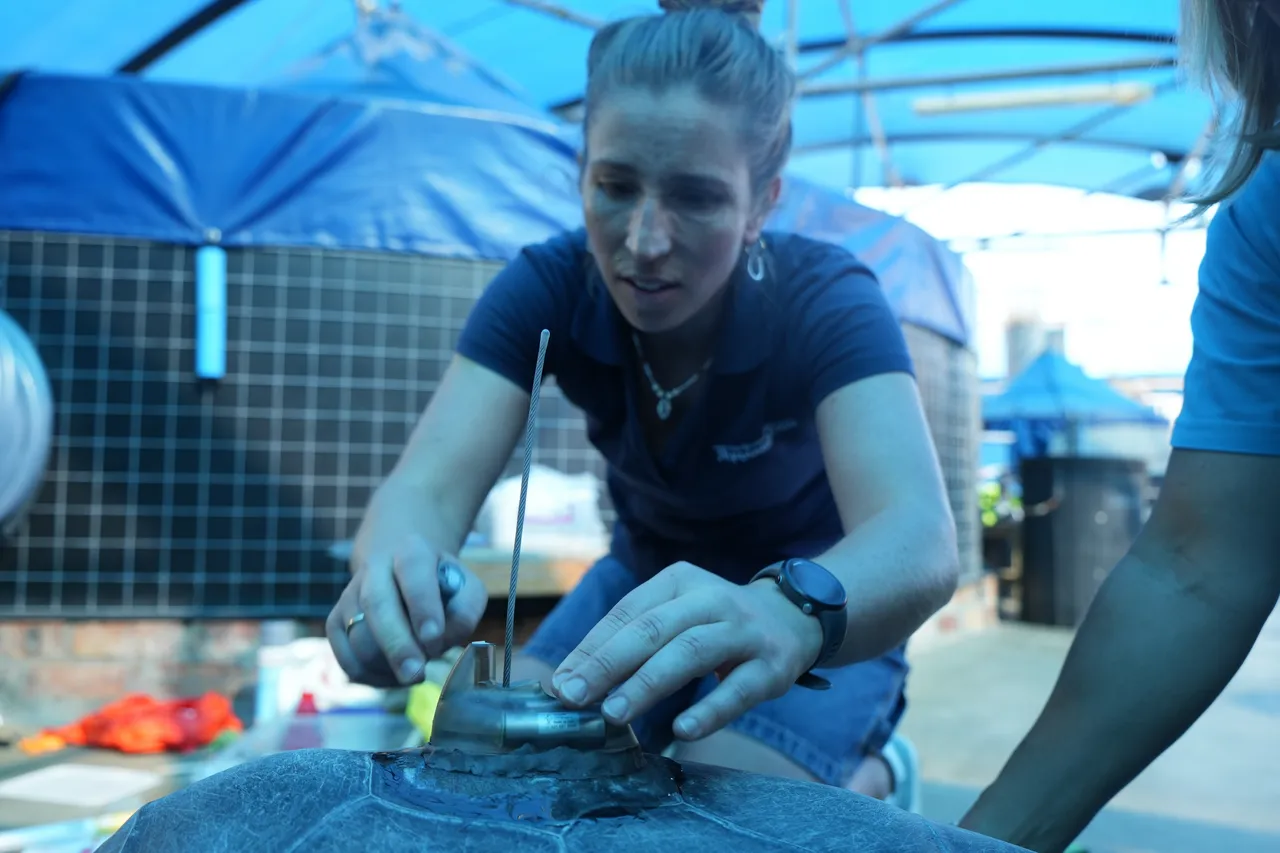
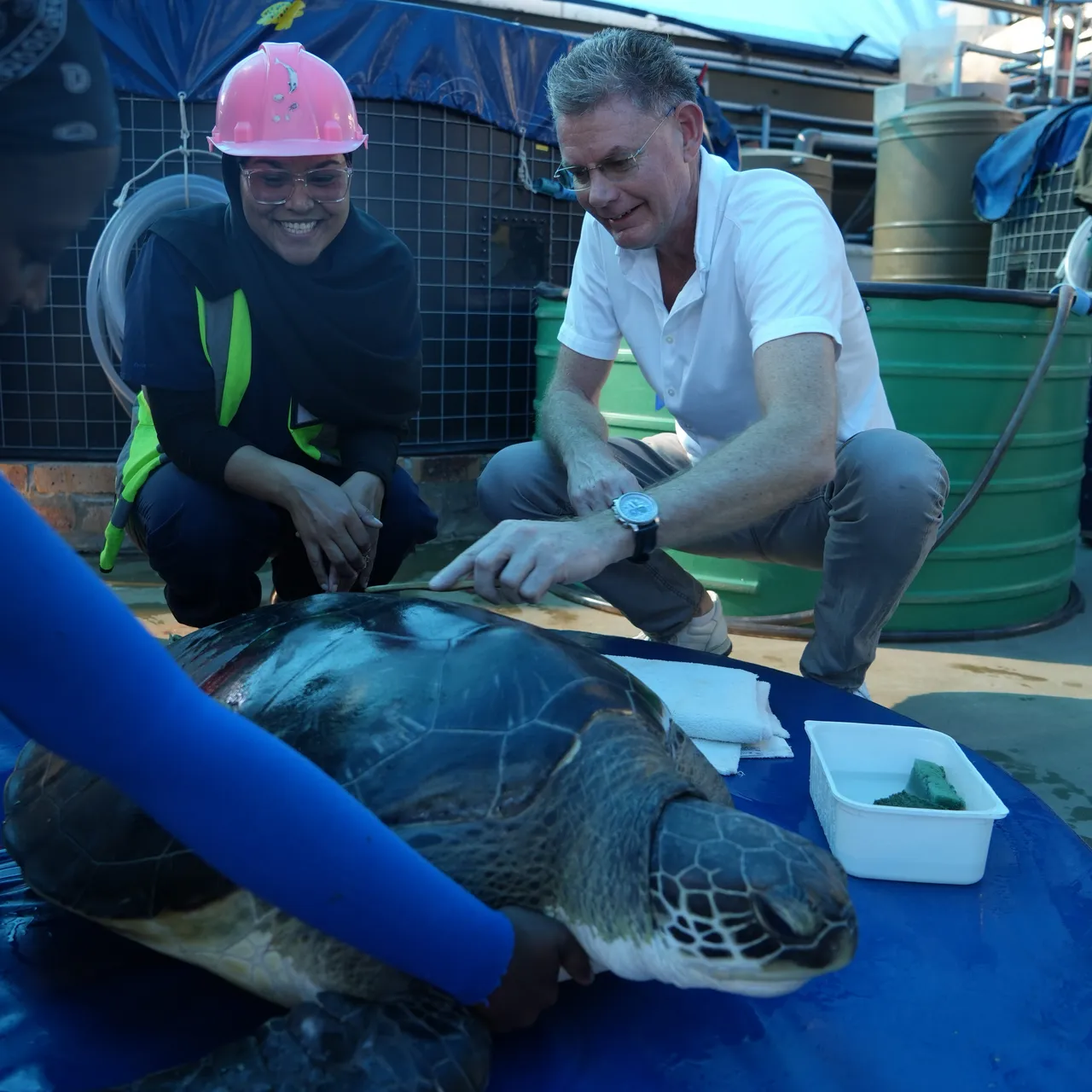
After an intensive programme of environmental enrichment, in which Nori particularly benefited from cognitive enrichment, she was declared ready for release! Morukuru Goodwill Foundation generously adopted Nori, supporting her care and even sponsoring a satellite tag to track her movements post-release.
The Turtle Conservation Centre team was thrilled when Rinse Wassenaar, Marketing Manager at the Morukuru Family, joined for Nori’s tagging. The satellite tag will allow us to follow Nori’s journey, tracking her movements through the ocean and contributing to the global database for turtle conservation.
Stella’s story
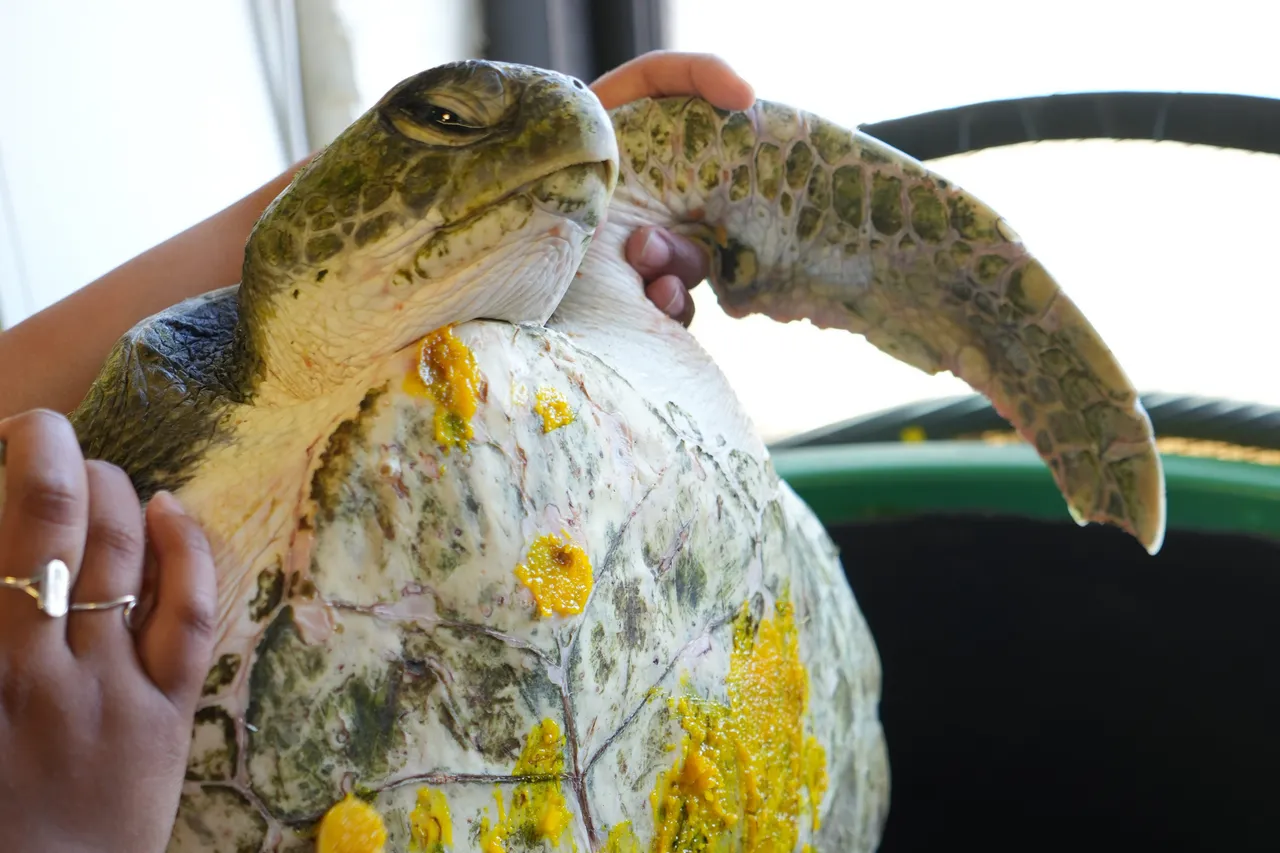
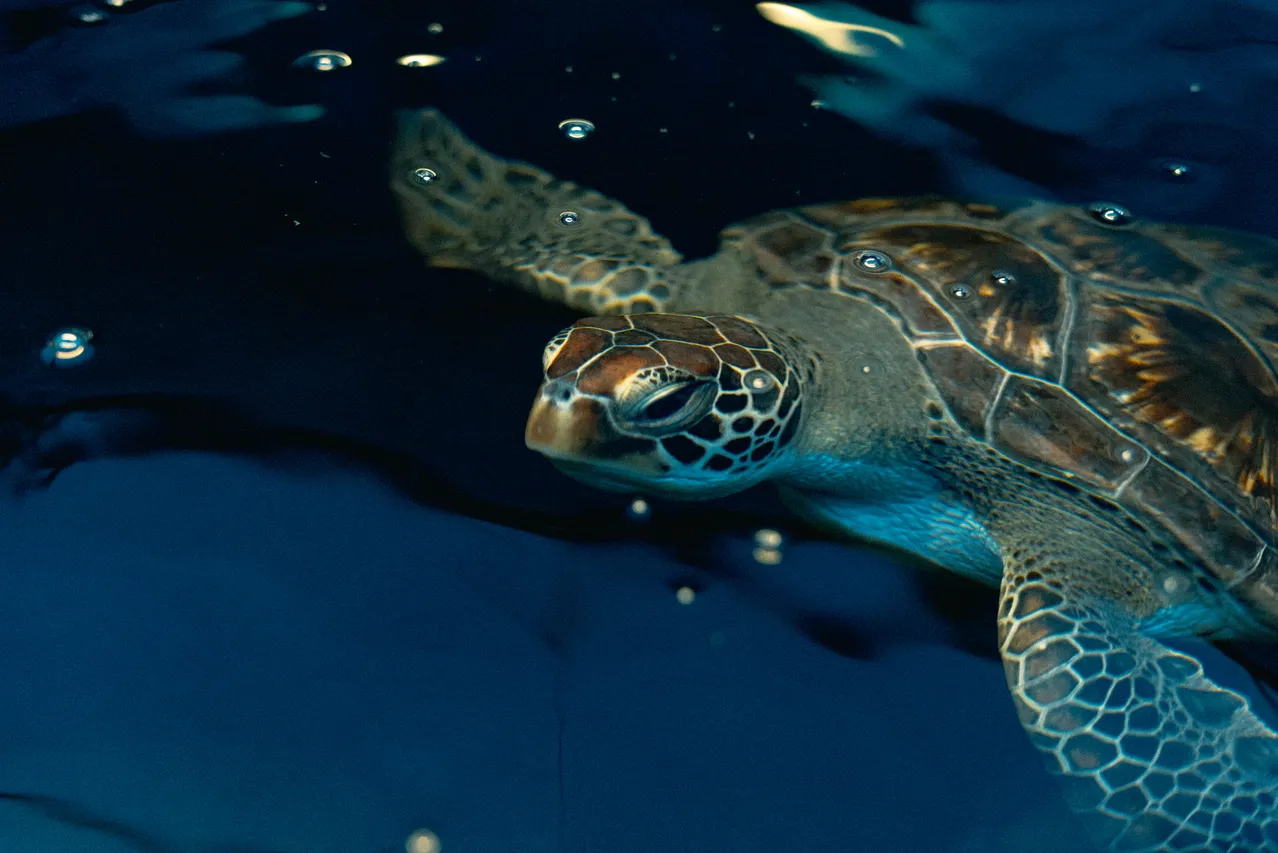
In October 2024, a green turtle was found stranded in Plettenberg Bay, covered in algae, immobile, and with several injuries to her carapace (top shell). Chanel Visser, a CapeNature ranger and turtle ambassador, provided first-response care for the turtle before she was flown to the Turtle Conservation Centre. Later, the turtle was named Stella!
At the safety of our turtle hospital, the team gave Stella a freshwater bath to help her rehydrate and applied a special wound treatment made of honey, turmeric, and disinfectant.
Once she had recovered enough to be moved into deeper, saltwater housing, the turtle team discovered Stella had a pneumocoeloem – an air pocket in her body cavity that was causing severe buoyancy issues. A CT scan at Winelands Radiology revealed Stella had a lung infection which was leaking fluid into the body cavity. Dr Bernice decided to start Stella on a course of antibiotics, and she also intermittently removed trapped air to help her stabilise.
These measures proved successful, and Stella’s lung infection cleared! Her appetite returned and so did her fighting spirit. Finally, she was declared ready for release.
Pebbles’ story
Shortly after Stella was rescued, another green turtle was discovered stranded in rock crevices above the high-tide line in Nature's Valley. In fact, she was initially presumed dead. A second rescue attempt saved her life, thanks to the efforts of Chanel Visser and volunteers.
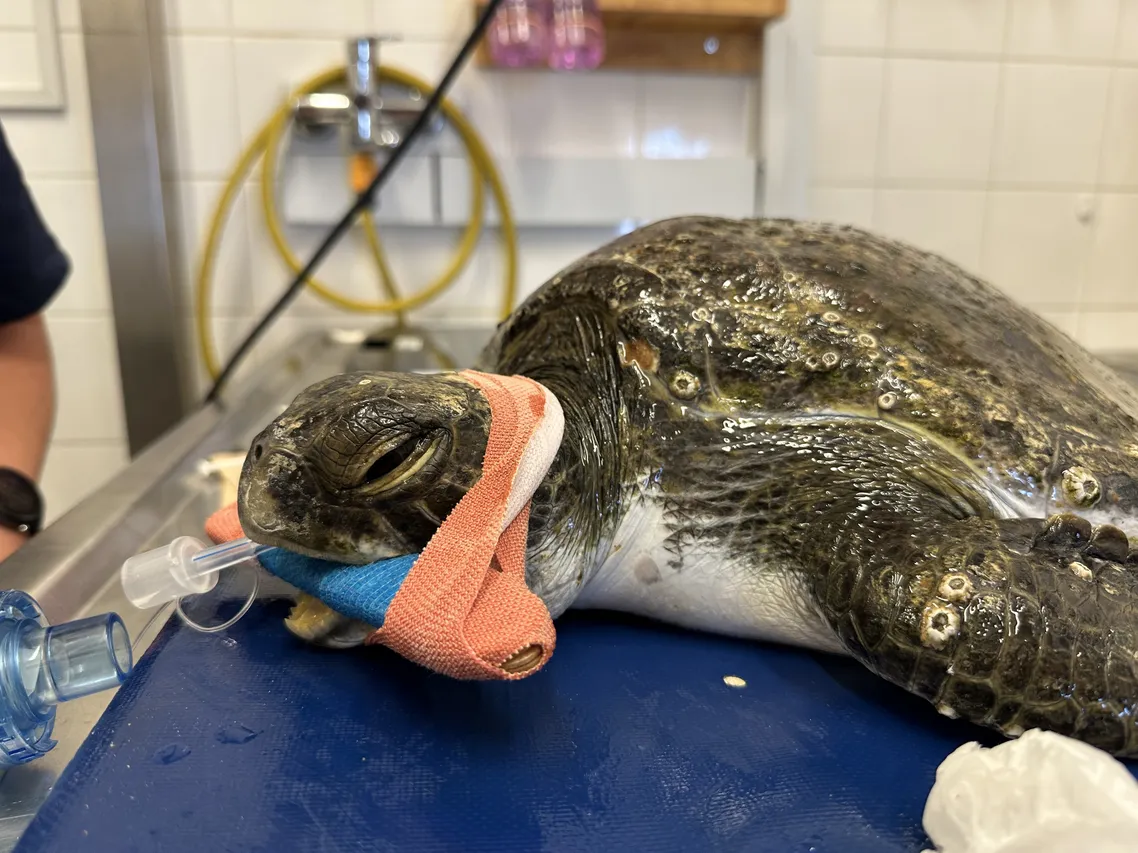
Dubbed Pebbles by one of the Turtle Conservation Centre volunteers, she was safely transported to Cape Town. Upon arrival, Pebbles was so weak that our team had to breathe for her using a special apparatus that mimics lung movement. After several tense hours, she finally drew her first breath unaided.
At first, Pebbles’ appetite was nonexistent, and she was sustained by total parenteral nutrition (TPN), which delivered nutrients directly into her bloodstream. Pebbles also struggled with a lung infection and buoyancy issues, just like Stella.
Over months of intensive care, including oxygen therapy, antibiotics, physiotherapy, enriched diet and foraging-style feeding, Pebbles began to regain strength. Her health improved dramatically – her appetite returned, lungs healed, buoyancy problems resolved, and her zest for life bounced back.
Cinnamon’s story
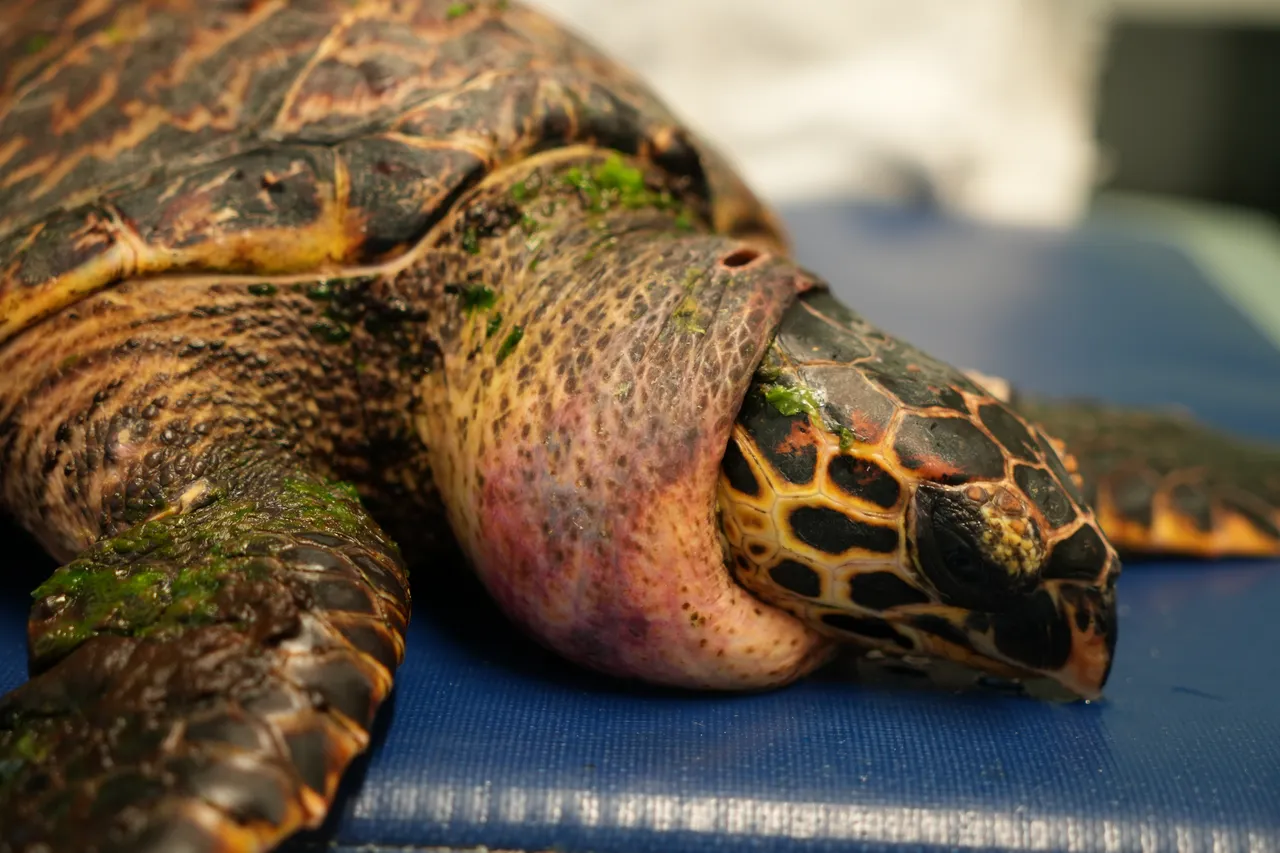
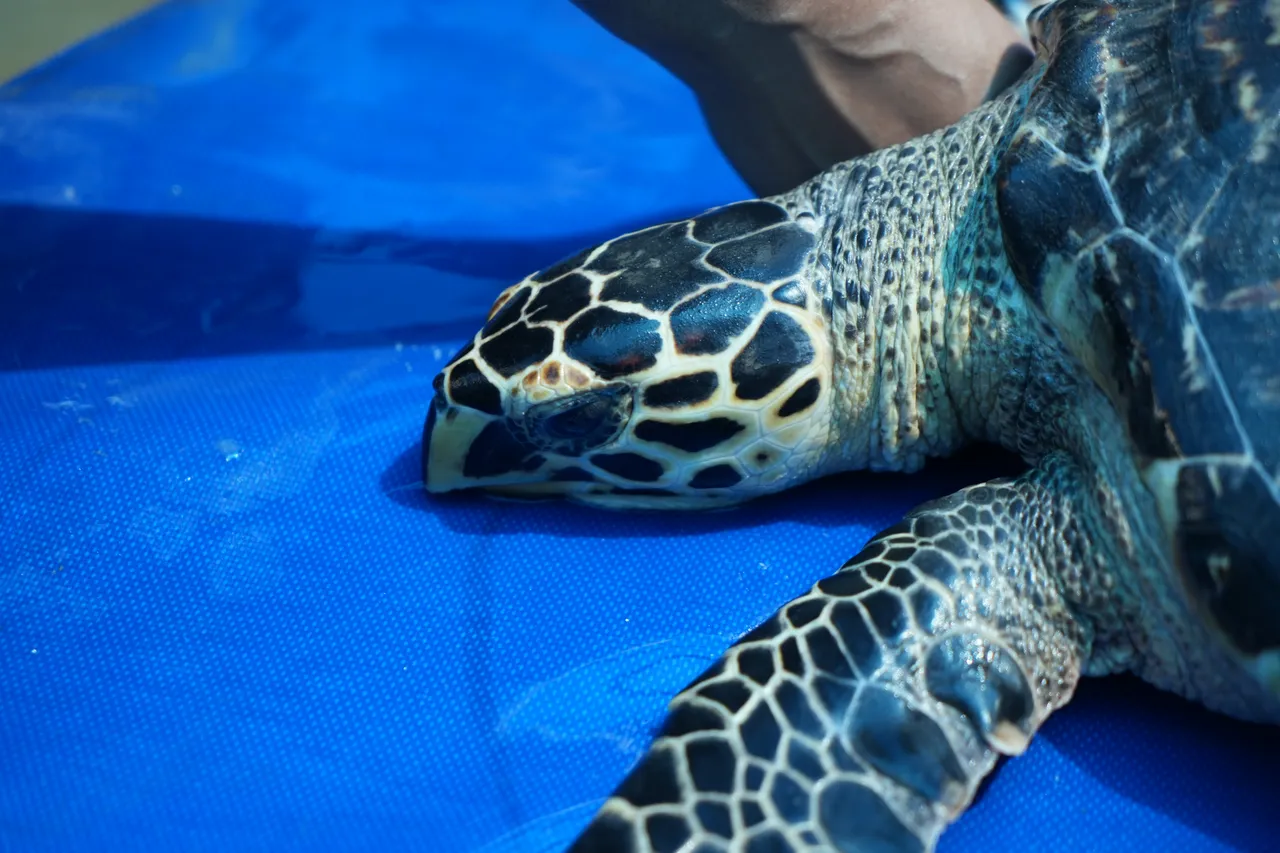
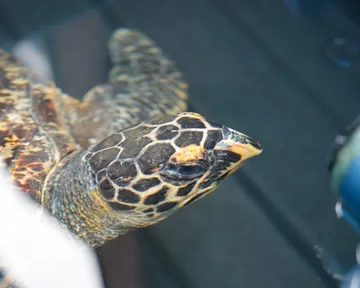
In February 2025, a hawksbill turtle was found floating in a tidal pool at Cape Point. Rescued by SANParks, she arrived at the Turtle Conservation Centre in a dire state, suffering from a deep, badly infected neck wound that had formed an abscess and threatened her survival.
Named Cinnamon by the turtle team, Dr Bernice immediately began round-the-clock treatment. This intensive rehabilitation process included systemic antibiotics, pain relief, wound cleaning (debridement), physiotherapy, and careful husbandry. At first, Cinnamon was too weak to eat, so the team tube-fed her special, nutrient-rich meals several times a week.
Gradually, the swelling in her neck subsided, the infection cleared, and Cinnamon regained her strength and appetite. As she recovered, the team introduced enrichment activities, such as hiding squid and mussels in kelp holdfasts, to encourage natural foraging behaviour.
After months of dedicated care, Cinnamon’s transformation back into a lively and energetic turtle has been remarkable. Her journey is a powerful reminder that each rescued turtle, especially a Critically Endangered hawksbill, adds hope for marine conservation and the health of our coral reefs.
De Hoop is a magical turtle release site
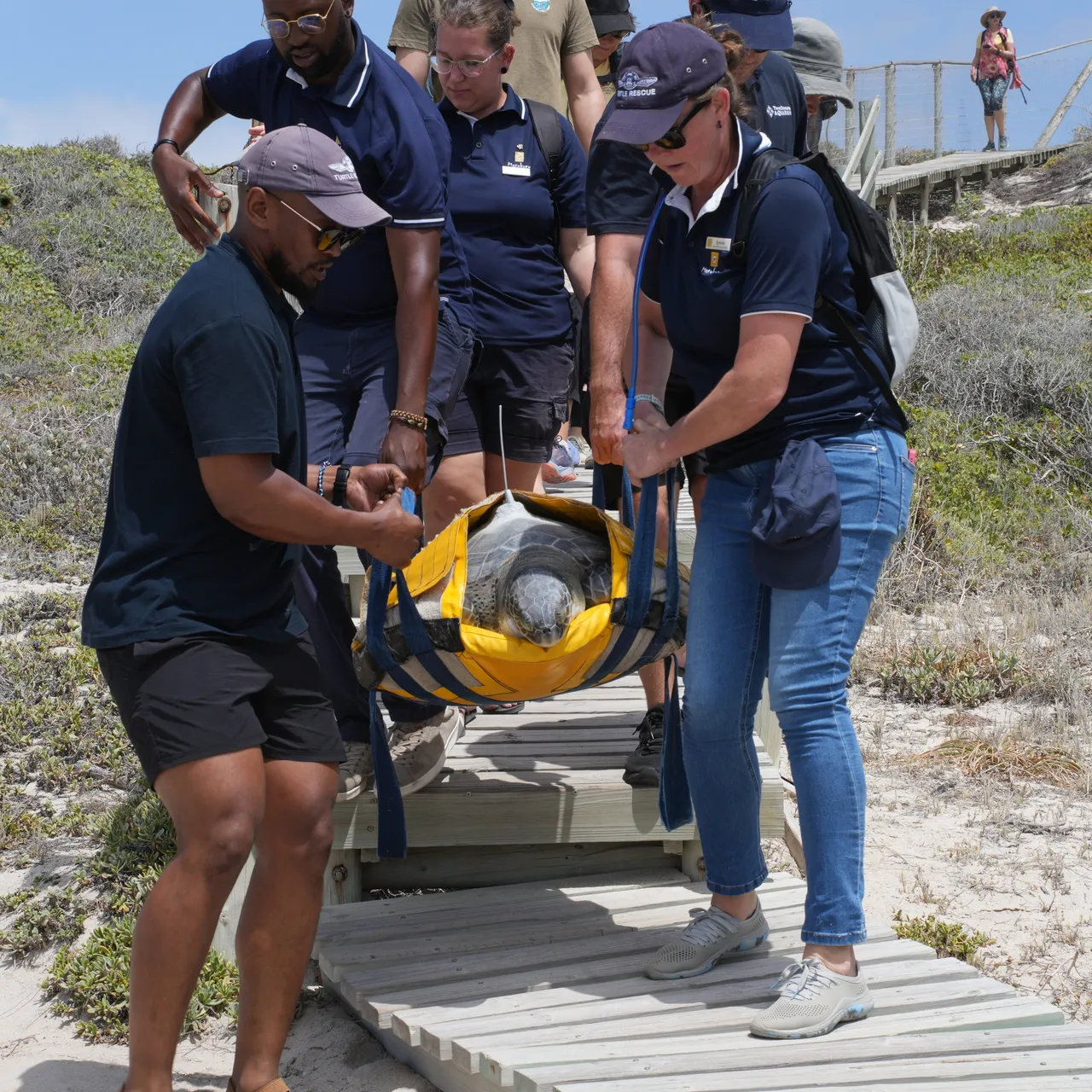
On the morning of release, 26 November 2025, the four turtles were carefully loaded onto vehicles to begin the drive to De Hoop Marine Protected Area. Once they had arrived safely at the beach, the turtles were carried in their specially designed stretchers onto the beach, where the ocean waited to welcome the turtles back into its embrace.
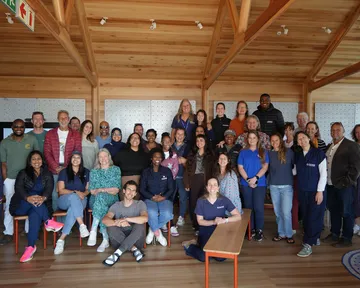
Joining the release were dedicated volunteers, interns, and supporters of the Turtle Conservation Centre. Each of these people plays a valuable role in our work, from spotting stranded turtles on the beach and transporting them to Cape Town to devotedly feeding them or cleaning their housing. This team of people are moving the needle for these turtle species.
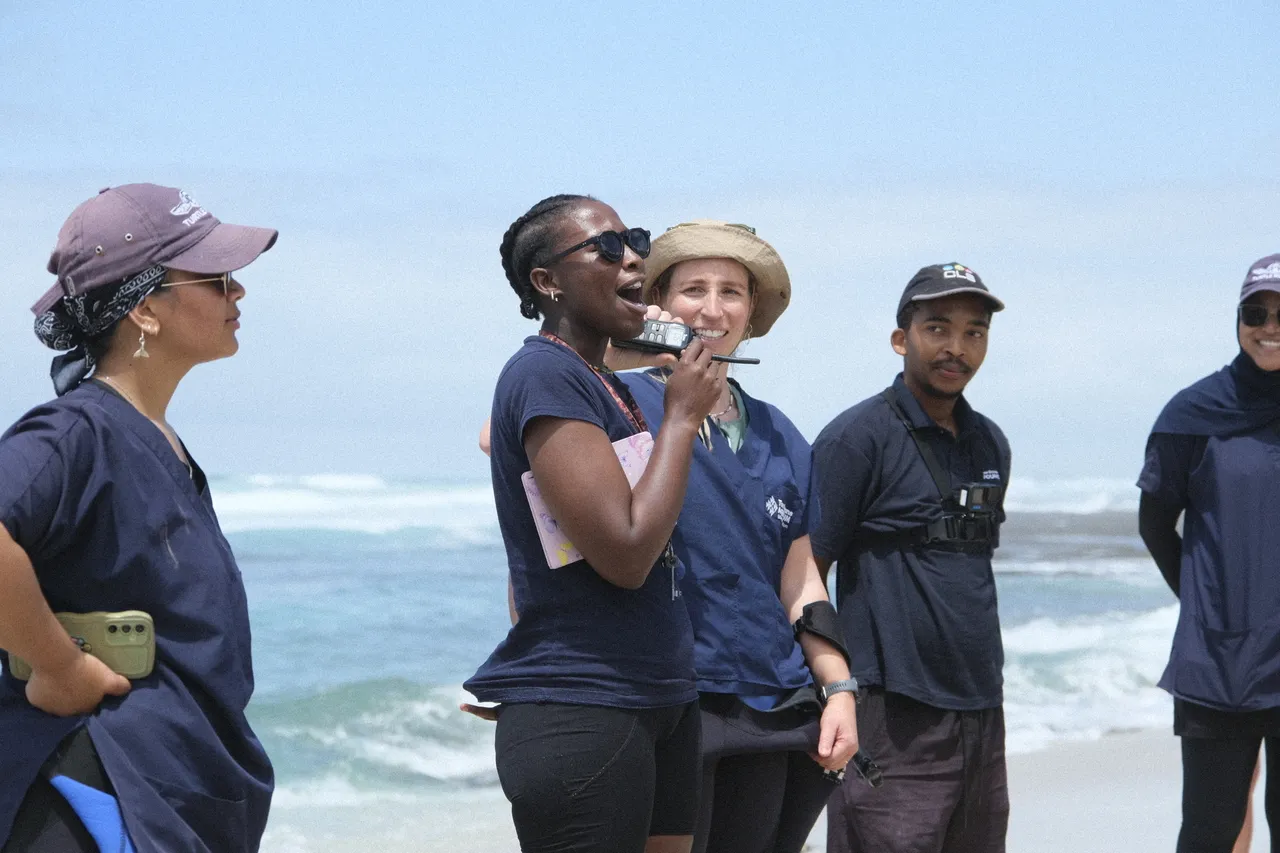
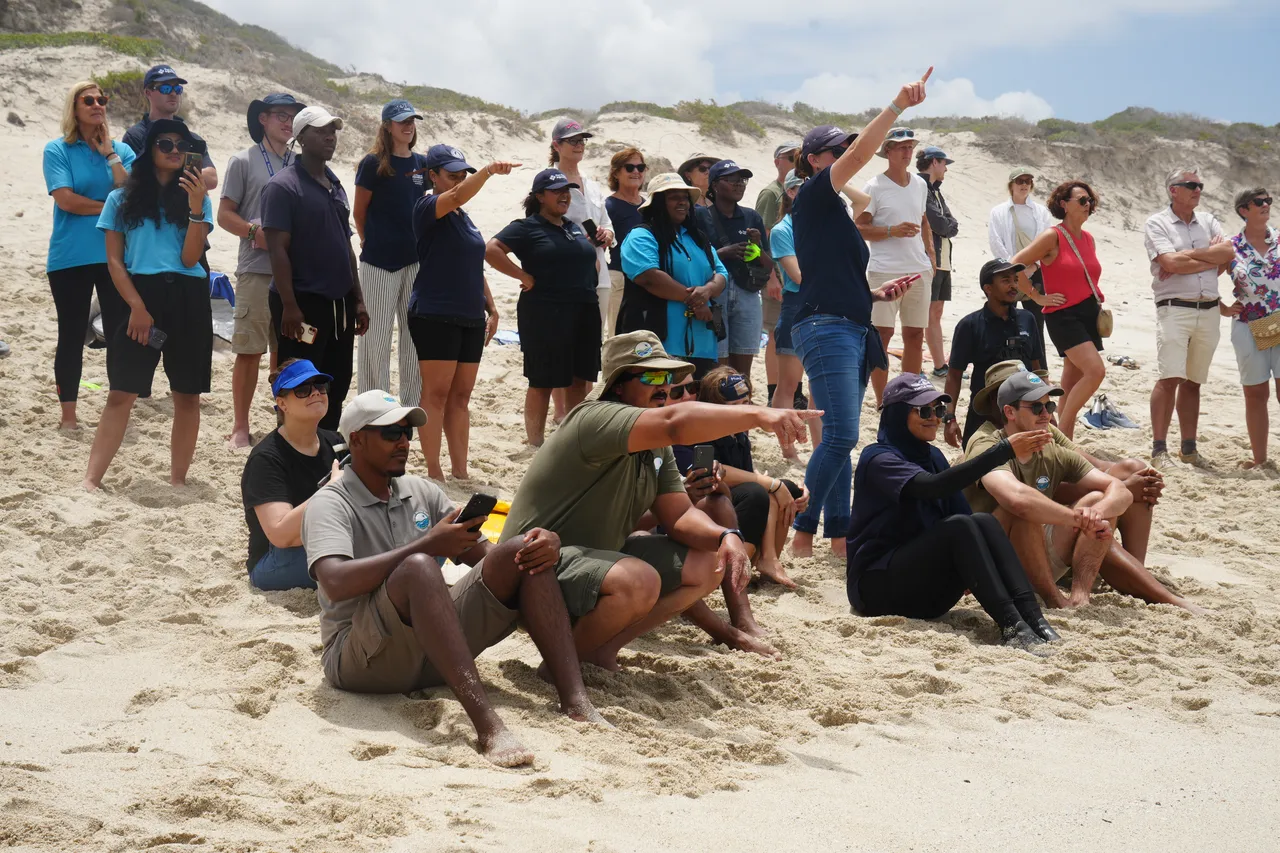
Before the turtles were returned to their ocean home, several members of the turtle team gave short, heartfelt speeches about their rehabilitation journeys. Ayesha Cornelius, Turtle Aquarist, read a beautiful poem about Nori.
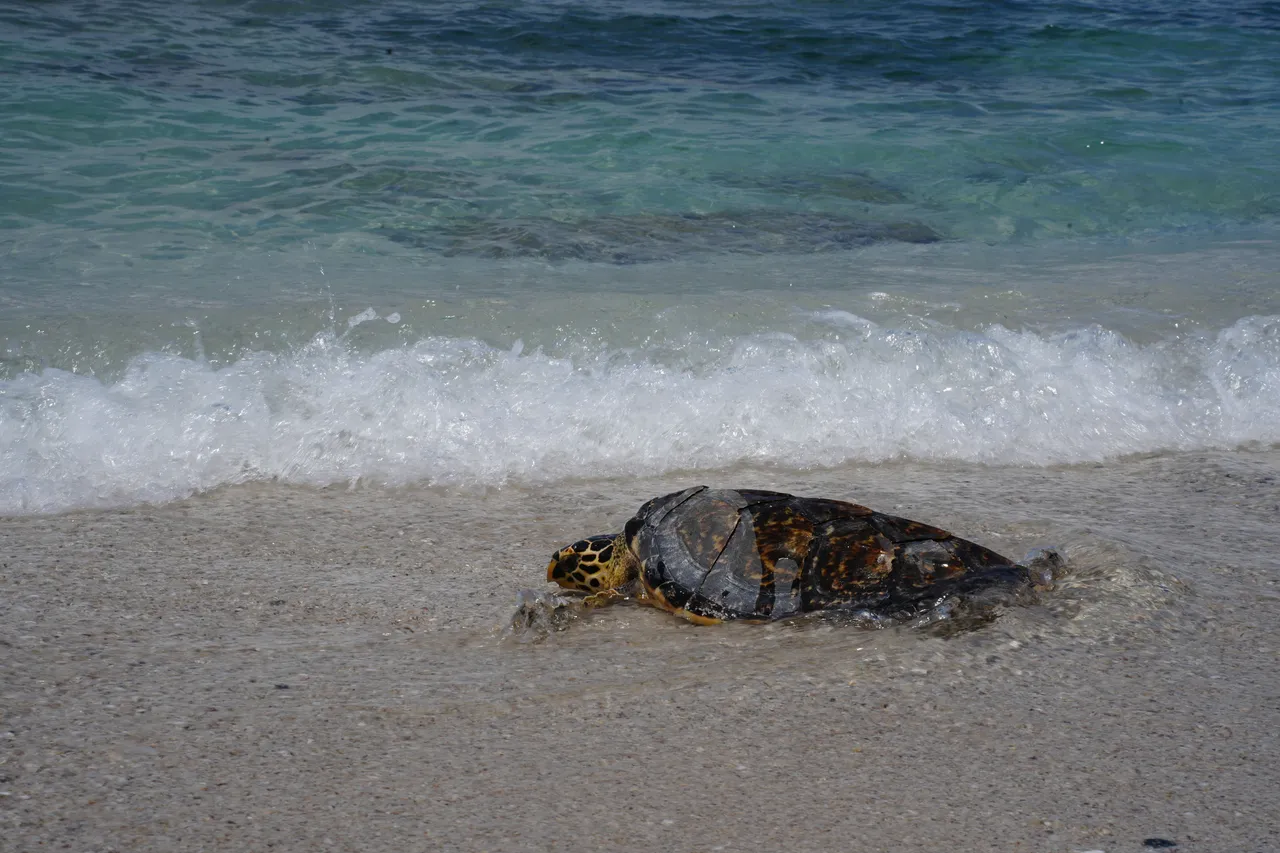
Cinnamon was the first turtle to be released and made a speedy job of returning to the ocean. She swam off quickly and confidently! As a Critically Endangered hawksbill turtle, Cinnamon exemplifies the impact of rehabilitation – with the Turtle Conservation Centre’s intervention, one more hawksbill turtle has a brighter future.
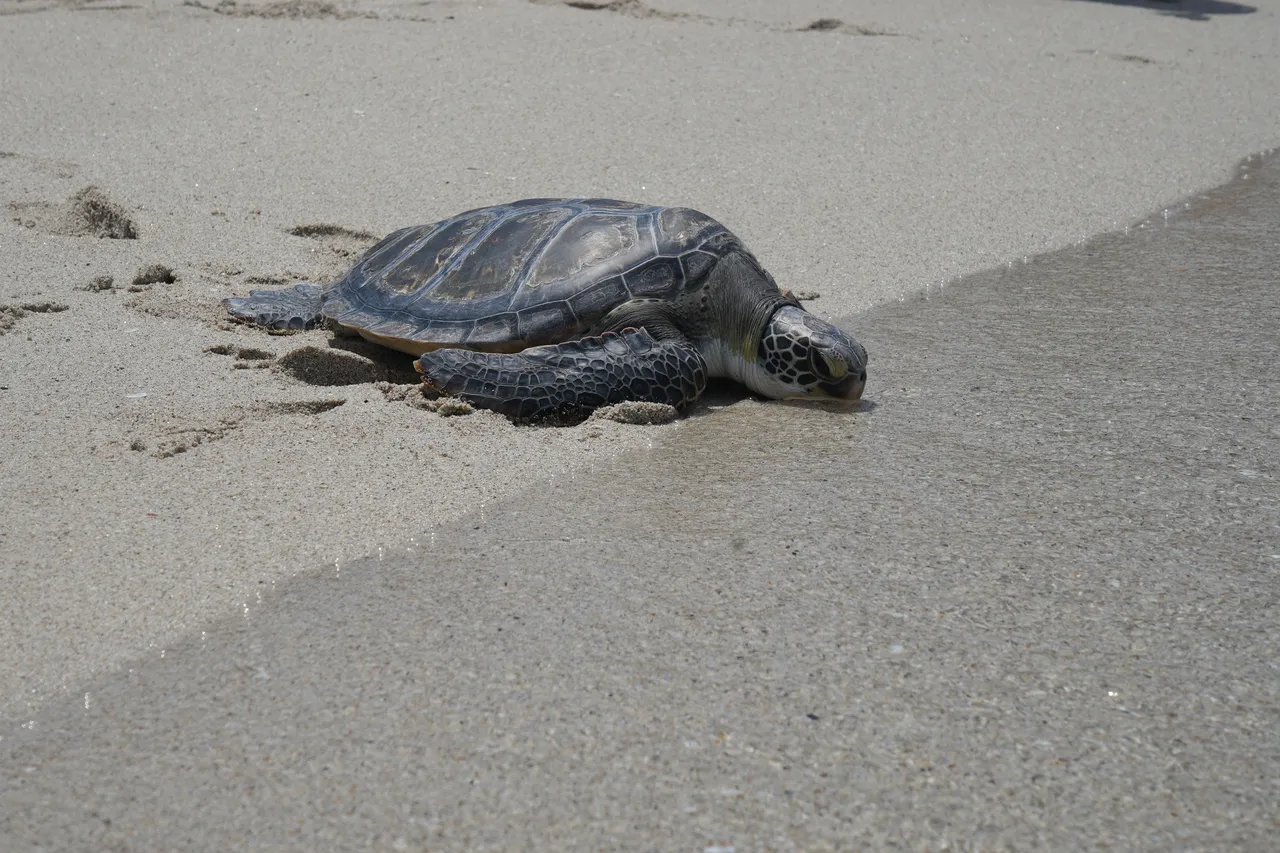
Stella was next – she was also eager to enter the ocean and spent some time exploring the seagrass beds before heading into the open ocean.
Pebbles took a little longer to “walk” towards the waves lapping the shore, but immediately zoomed off through the reef once her flippers touched the water.
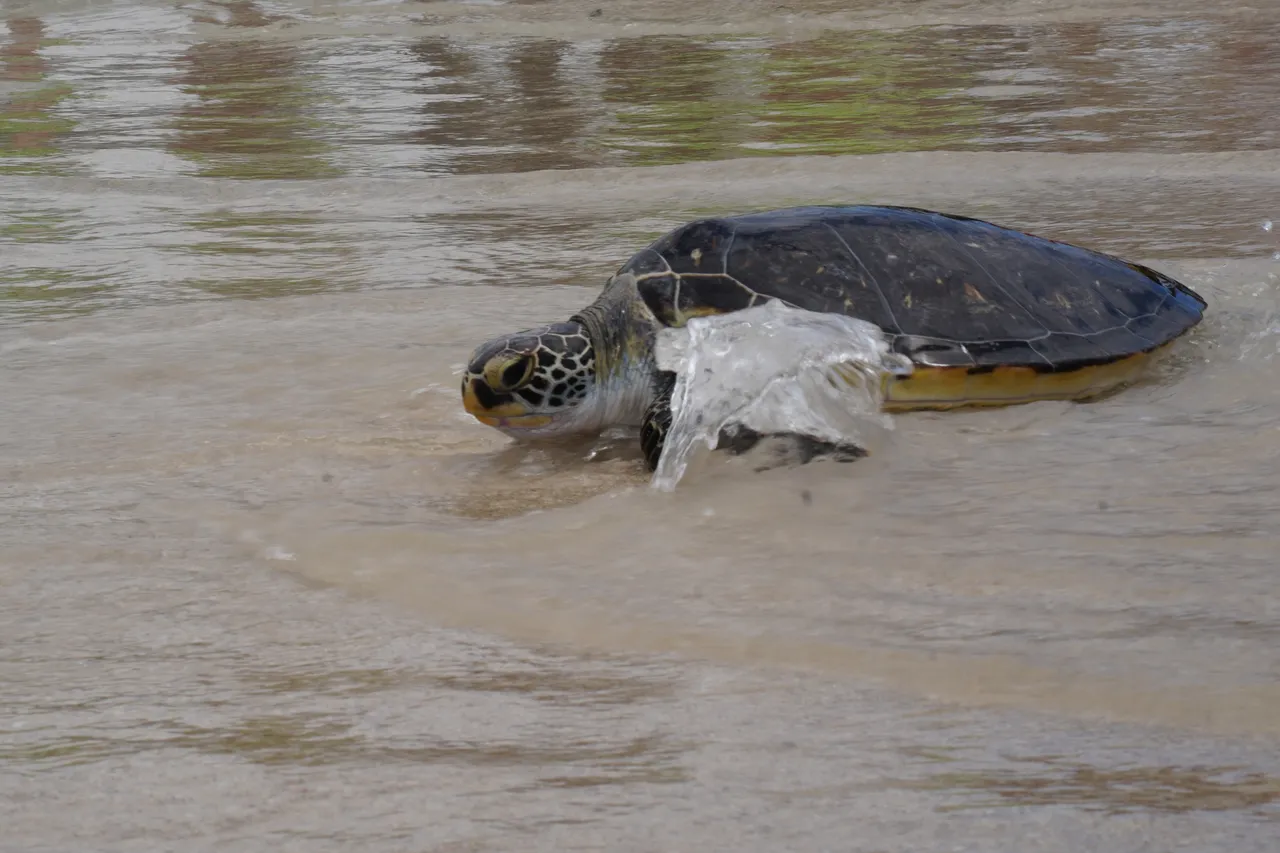
Finally, it was Nori’s turn. The team at Morukuru De Hoop represented Nori’s adopters as they carried her closer to the water, and the CapeNature rangers who rescued her lifted her from the stretcher. Both teams of people have contributed to Nori’s journey in incredibly meaningful ways, so it was very special to see Nori return to the ocean surrounded by the turtle community. Monitored in-water by two of our turtle team members, Nori acclimated and explored for a short time before heading out of the reef after her fellows.
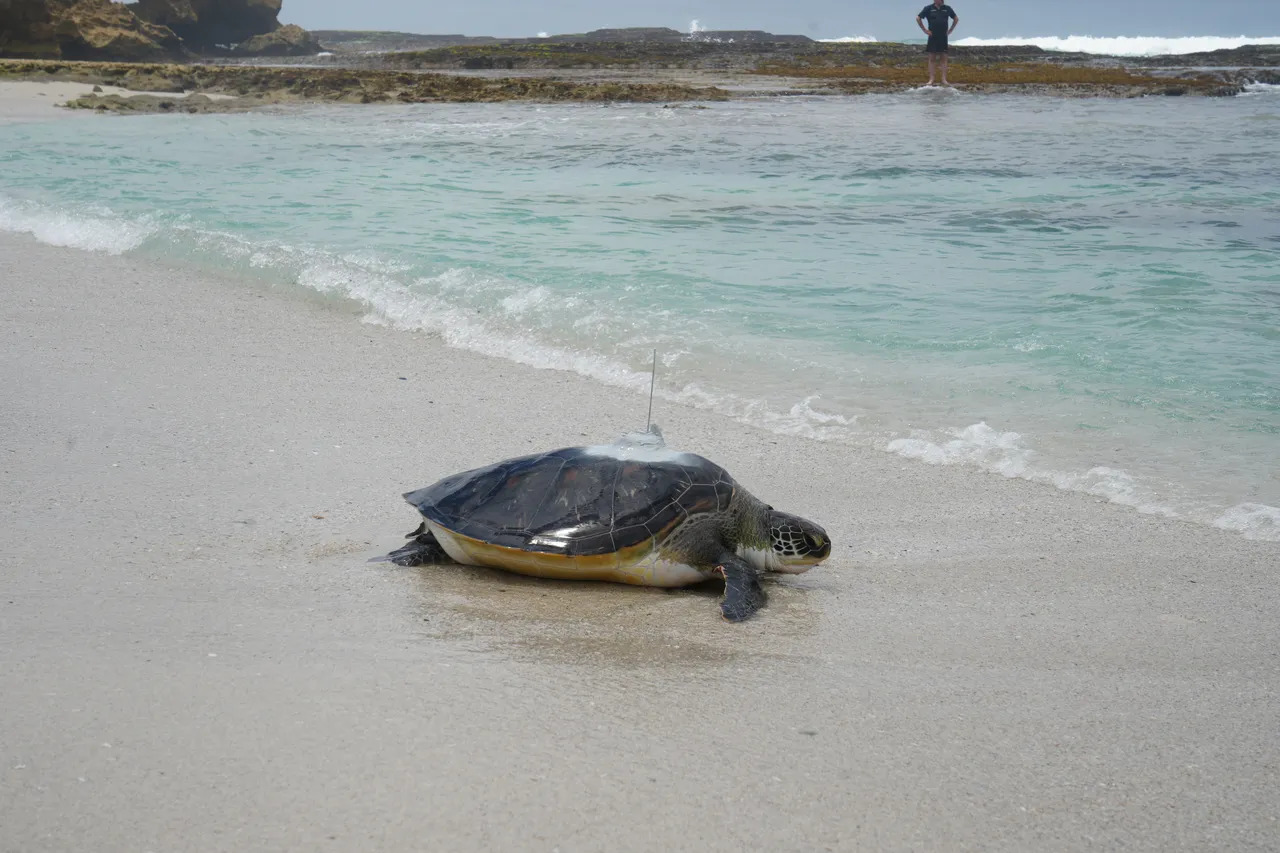
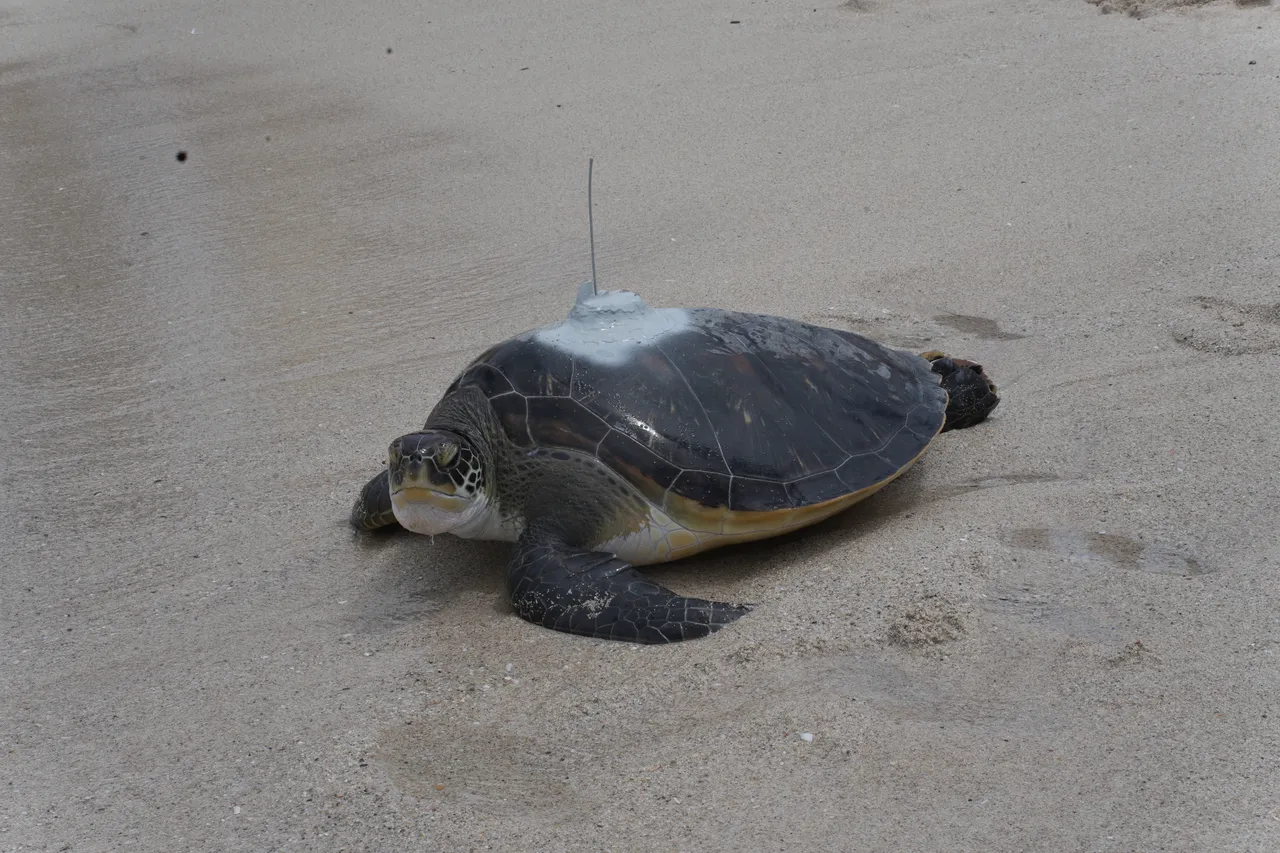
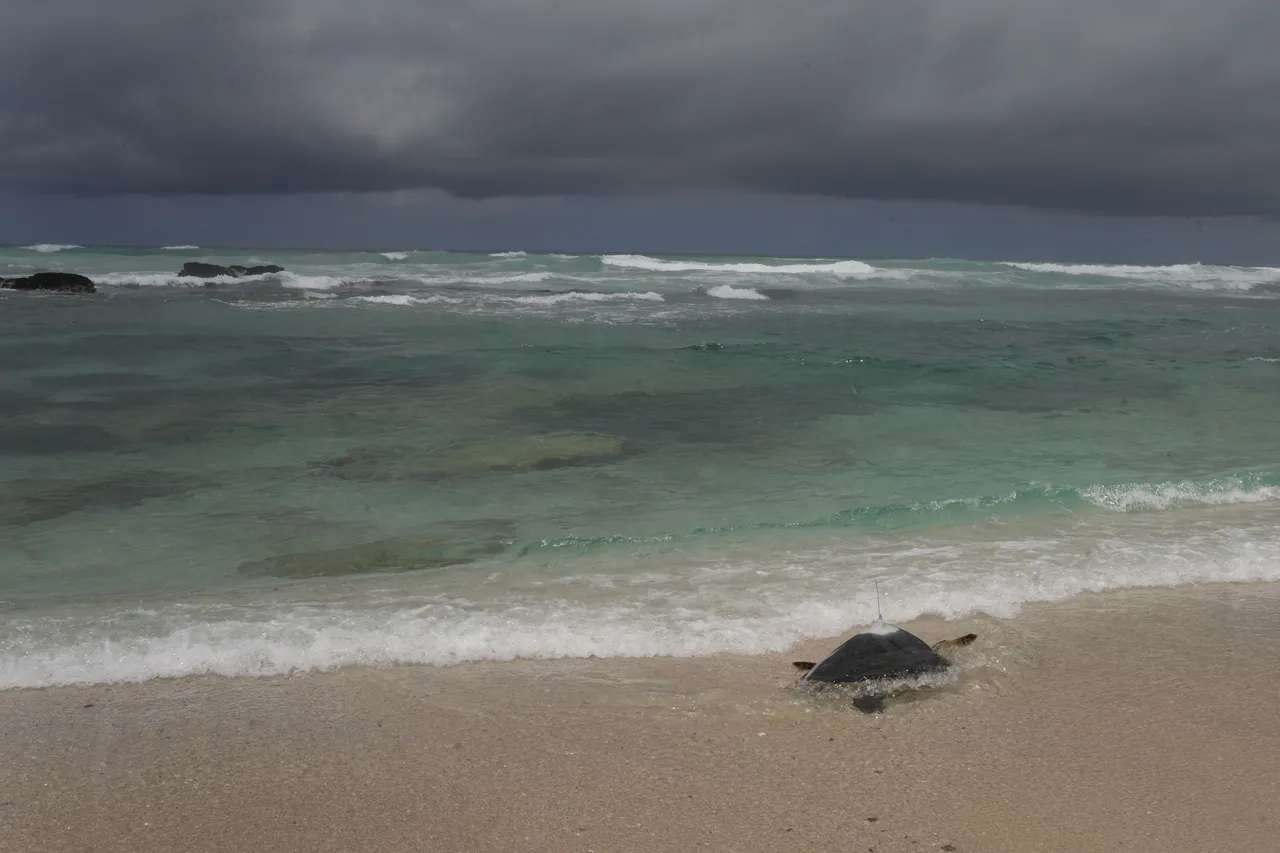
It is a privilege to have De Hoop MPA as a tried and tested release site for our Turtle Conservation Centre. Declared an MPA in 1985, the value of De Hoop’s marine environment has long been recognised but, more recently, has been praised for what it has to offer turtle conservation along the southern coast of South Africa.
De Hoop MPA’s abundant coastal ecosystems and warmer waters are well-suited to the lifestyles of subadult turtles, particularly those of green and hawksbill turtles like Nori, Stella, Pebbles, and Cinnamon. With this release, the Turtle Conservation Centre is affecting positive change for these ecologically important turtle species, giving them a second chance at life.
Morukuru Goodwill Foundation is making a difference for our turtles
This release also marks an exciting extension of the partnership between the Two Oceans Aquarium Foundation and Morukuru Goodwill Foundation. This support will help us to continue our crucial rehabilitation work with three adopted turtles, fit them with satellite tags once they are ready for release, and track their movements post-release.
“To witness these turtles returning to the wild at De Hoop Nature Reserve is profoundly moving. Being present for this moment, and supporting the conservation work that made it possible, is a privilege for all of us at Morukuru Family,” says founder of the Morukuru Goodwill Foundation, Anka Zeeman.
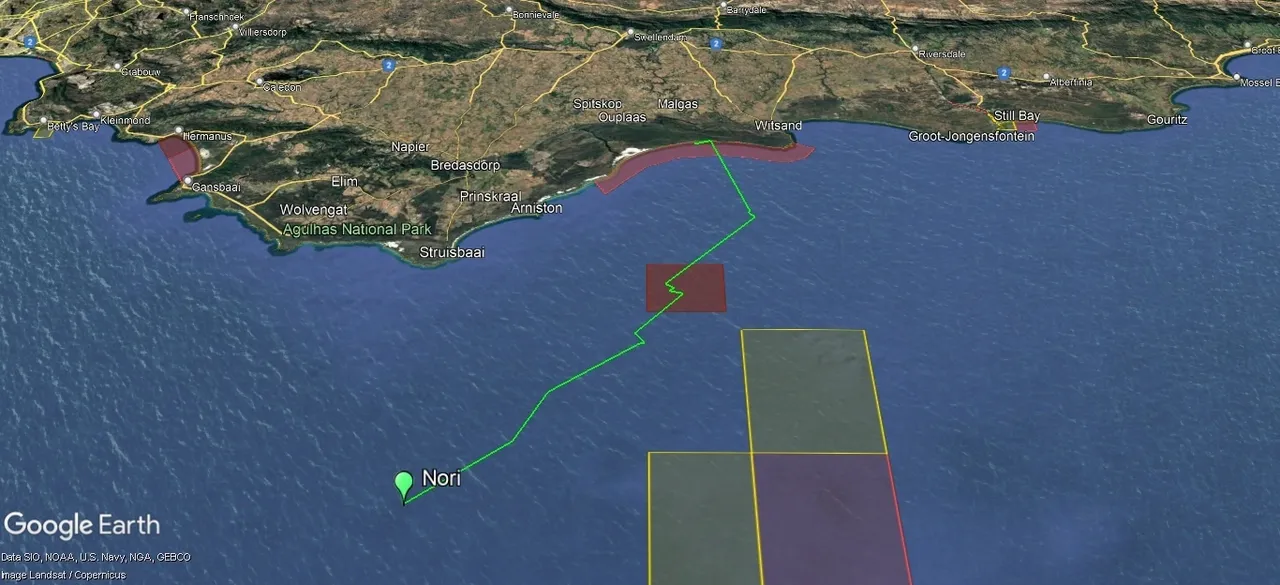
Nori’s satellite tag shows she is already missioning!
It’s been exactly one week since Nori’s beautiful community send-off at De Hoop Marine Protected Area.
“Nori is only the second satellite-tagged turtle we’ve released from this site, and already we’re seeing fascinating differences and similarities in their initial movements post-release,” says Talitha Noble-Trull.
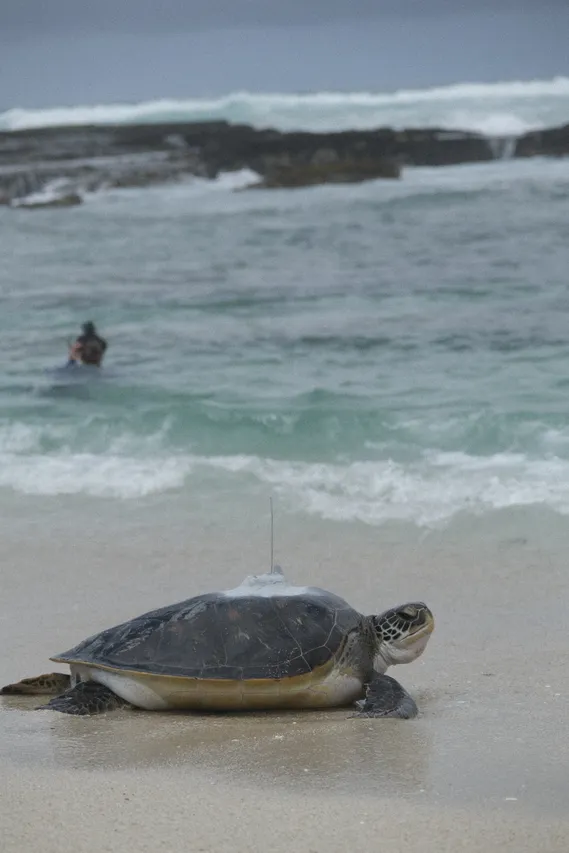
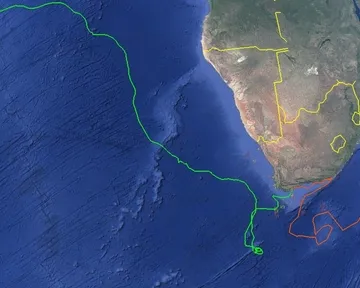
In her first week, Nori moved offshore almost immediately, heading in a slightly south-westerly direction. Over the past seven days, she has travelled an impressive 144km, averaging about 20km per day. At the moment, she is situated about 60km south of the southernmost tip of Africa.
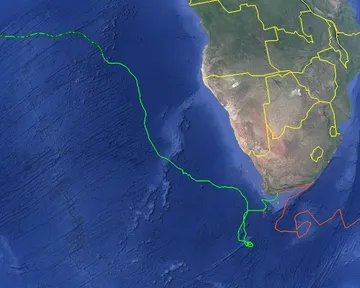
When we compare her movements to those of Bheni, a subadult green turtle released into De Hoop MPA in 2023, Nori has been far more direct. Bheni took his time, exploring the coastline a bit before heading offshore. However, it is interesting to note that both turtles’ initial offshore tracks are identical. They both show the same early south-westerly movement, travelling straight through the Agulhas Mud MPA.
“We are so incredibly excited to begin this next step in our journey with Nori! Not only does she have a chance to contribute to the survival of her species, but her post-release movements could also teach us how to protect turtles in the wild,” said Talitha.
Related News
Sign up to our Newsletter
Receive monthly news, online courses and conservation programmes.