Turtle Road Trip 2026 showcased the power of community
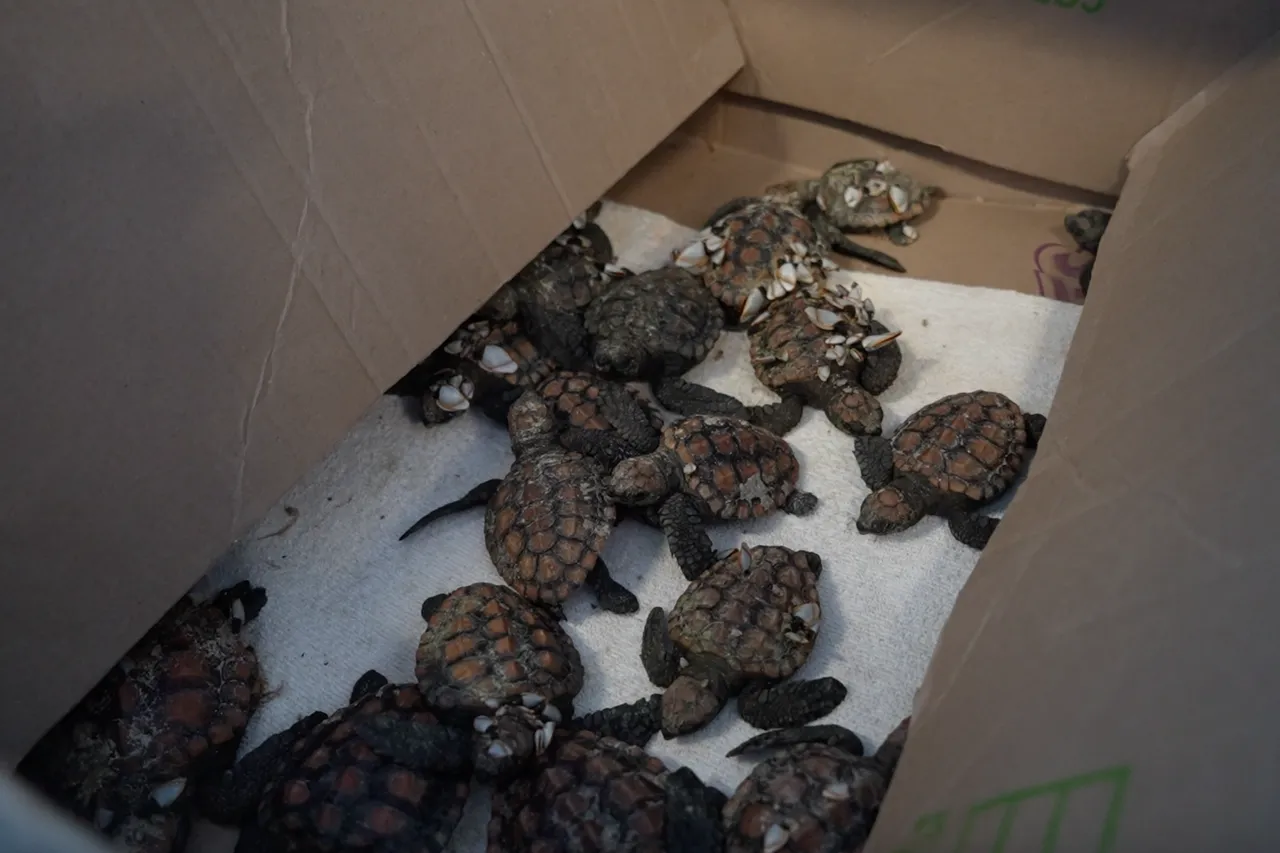
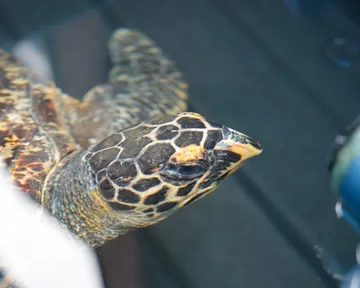
Every year from March, hundreds of turtle hatchlings wash ashore on beaches along South Africa’s eastern coastline. Exhausted, injured, and cold, these tiny turtles are rescued by a dedicated network of turtle rescuers and brought to our Turtle Conservation Centre.
In anticipation of this “stranding season”, team members from the Turtle Conservation Centre embark on a road trip along the Garden Route to raise awareness, distribute rescue resources, and prepare the Turtle Rescue Network. This year, the Turtle Road Trip team started in Plettenberg Bay and worked their way down the coast, all the way to Betty’s Bay.
Let’s look back on Turtle Road Trip 2026…
What is Turtle Road Trip all about?
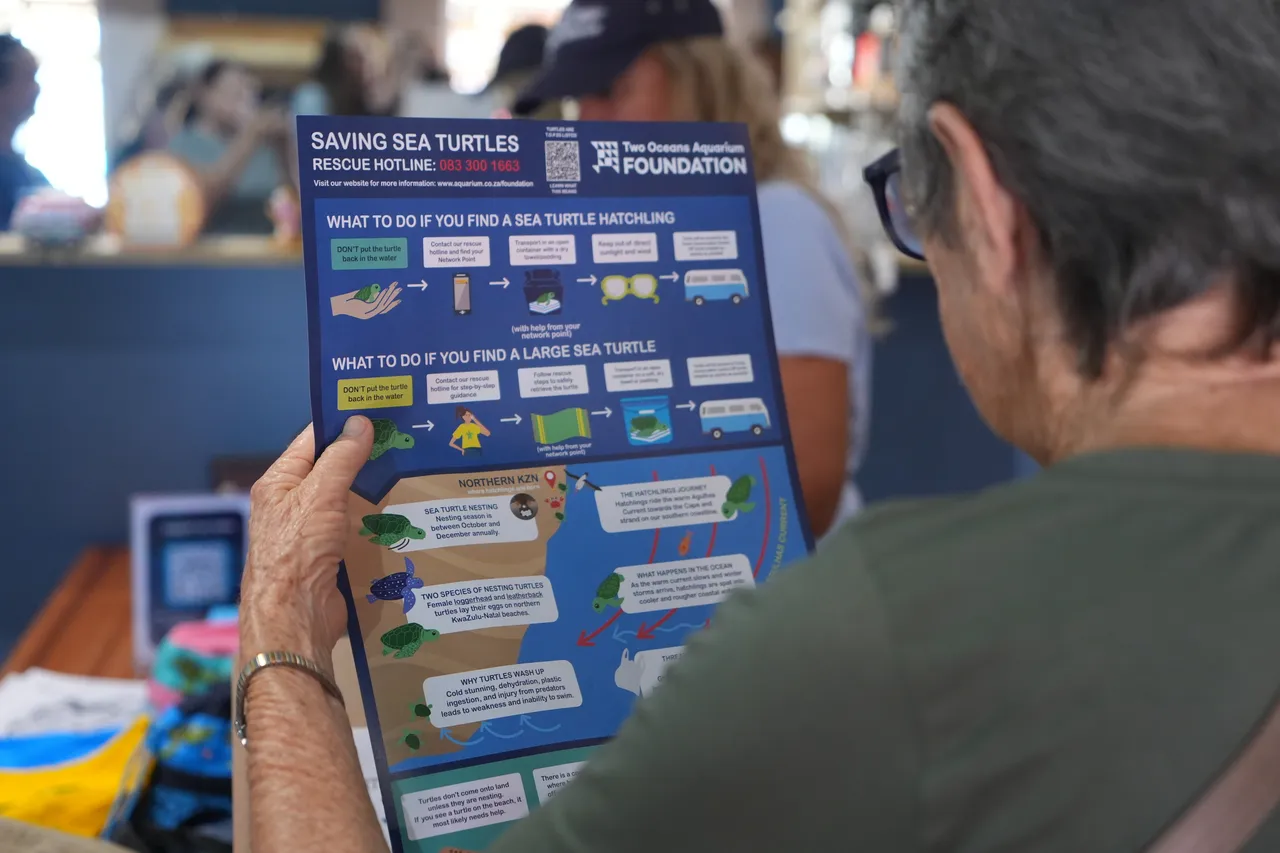
From October to December, loggerhead and leatherback turtles come ashore to nest on the beaches of KwaZulu-Natal. Up to eight weeks later, thousands of tiny turtles head out to sea, swept southward by the warm, swift Agulhas Current that hugs South Africa’s east coast. As the current curls around the Cape, many of the hatchlings are pushed off course. Exposed to the chilly, turbulent conditions near the Benguela Current, many hatchlings become dehydrated and cold-stunned. Too weak to continue swimming, they wash up on beaches along the Cape coast, signalling the start of “stranding season", which typically runs from late February or March through to July.
While the Turtle Conservation Centre is dedicated to rescuing turtles, we cannot patrol every stretch of the coastline. Instead, we rely hugely on the eyes of our turtle community to find and report stranded turtles to our Turtle Rescue Hotline (083 300 1663). This is why, every year, the team embarks on a road trip: “A key aim of Turtle Road Trip 2026 is to connect directly with coastal communities to educate them on how to rescue turtles, share rescue information, strengthen local networks, and thank the many people who support the work along our coastline,” says Tracy Whitehead, Turtle Rescue Coordinator.
Tracing a turtle’s lifecycle (including a detour at the Turtle Conservation Centre)
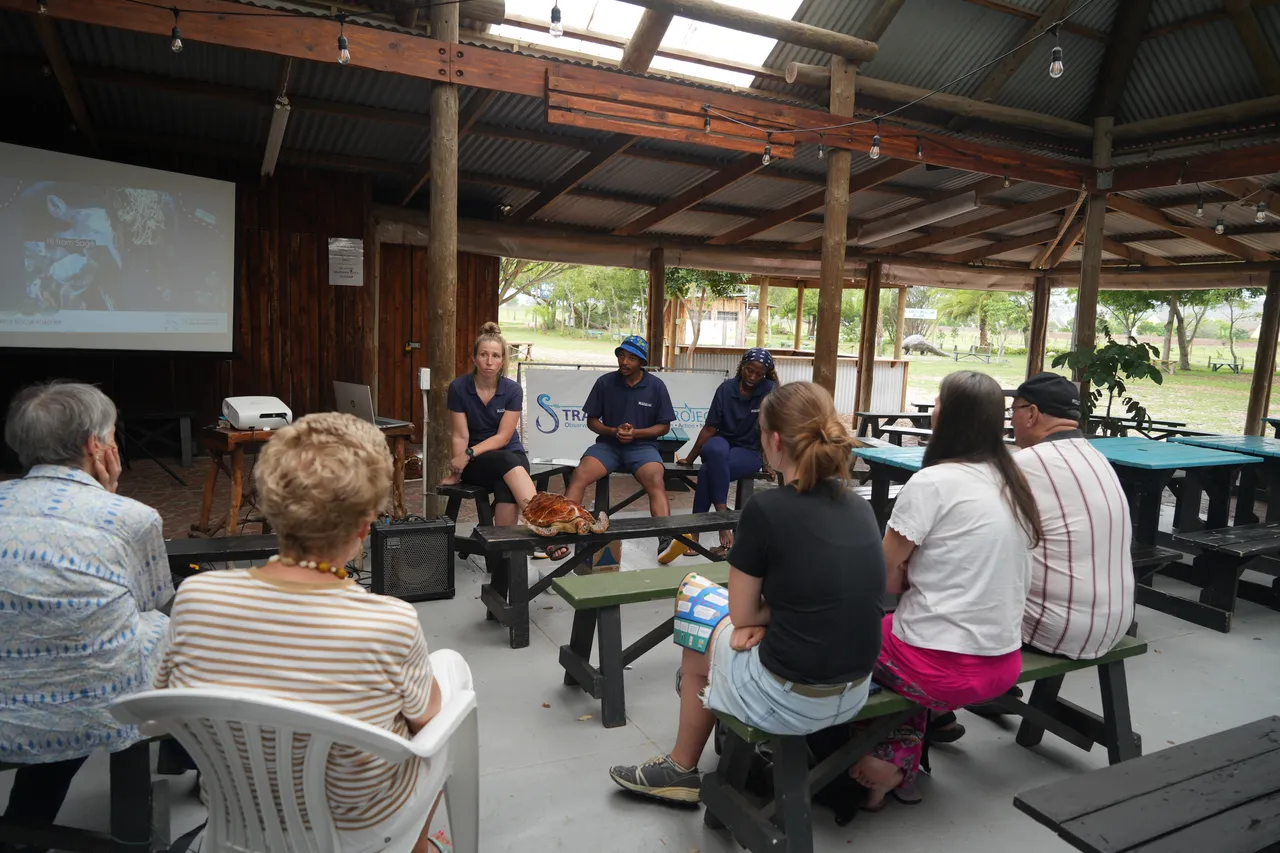
The Turtle Road Trip team takes a fresh approach to presentations every year to keep the network engaged and enthusiastic. This year, the team’s presentation followed the lifecycle of a turtle – from hatching in northern KwaZulu-Natal and riding the Agulhas Current south towards the cold Cape waters (where hundreds receive life-changing help from our Turtle Conservation Centre) to returning to their natal beaches decades later to nest.
Ideally, there is little to no human intervention in this lifecycle. However, the phenomenon of stranding season takes many of these little turtles on a detour where human involvement, by way of rescue, rehabilitation, and release, is a crucial and life-saving intervention.
This format proved to be an incredibly effective demonstration of the conservation value of the Turtle Conservation Centre and its Turtle Rescue Network. By rescuing turtles at this crucial intersection and allowing them a second chance through rehabilitation, our entire community plays a part in conserving turtle species.
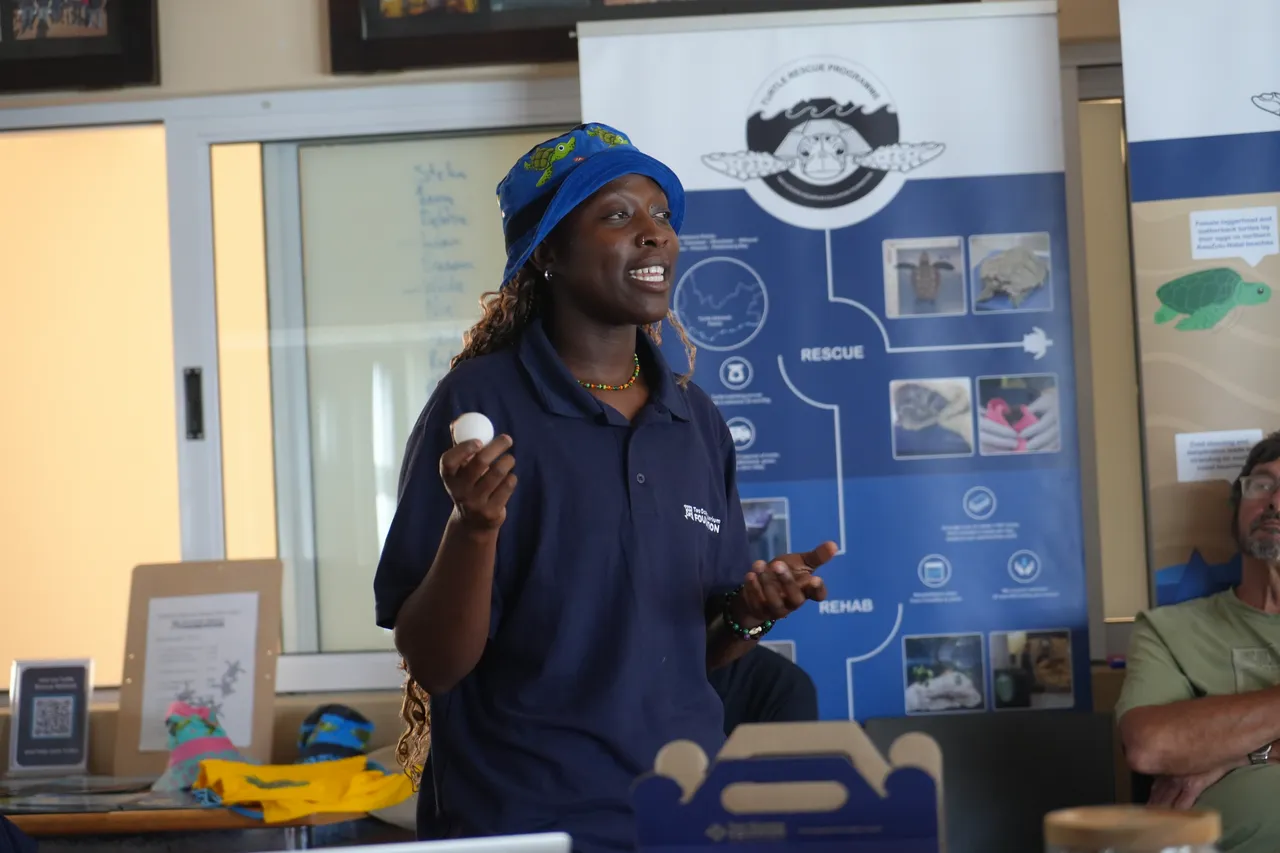
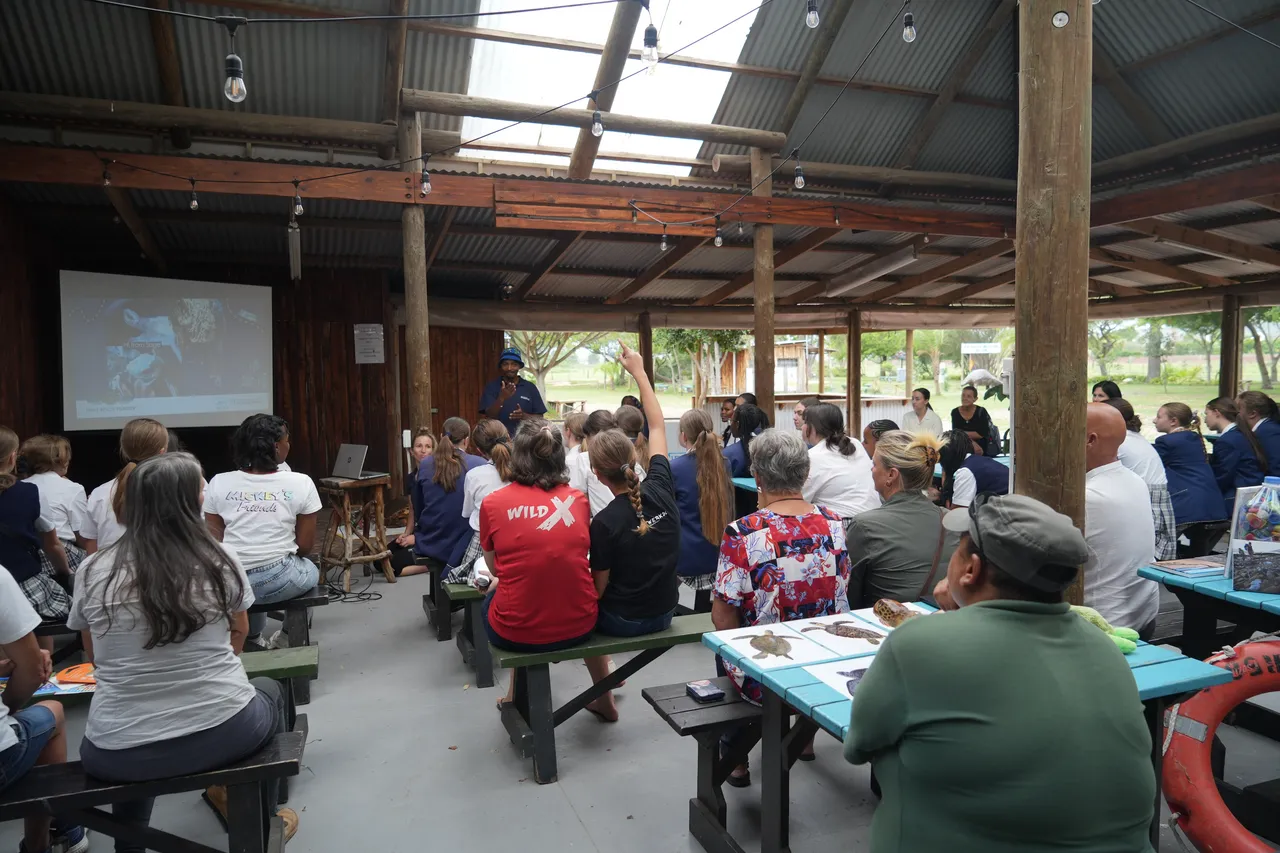
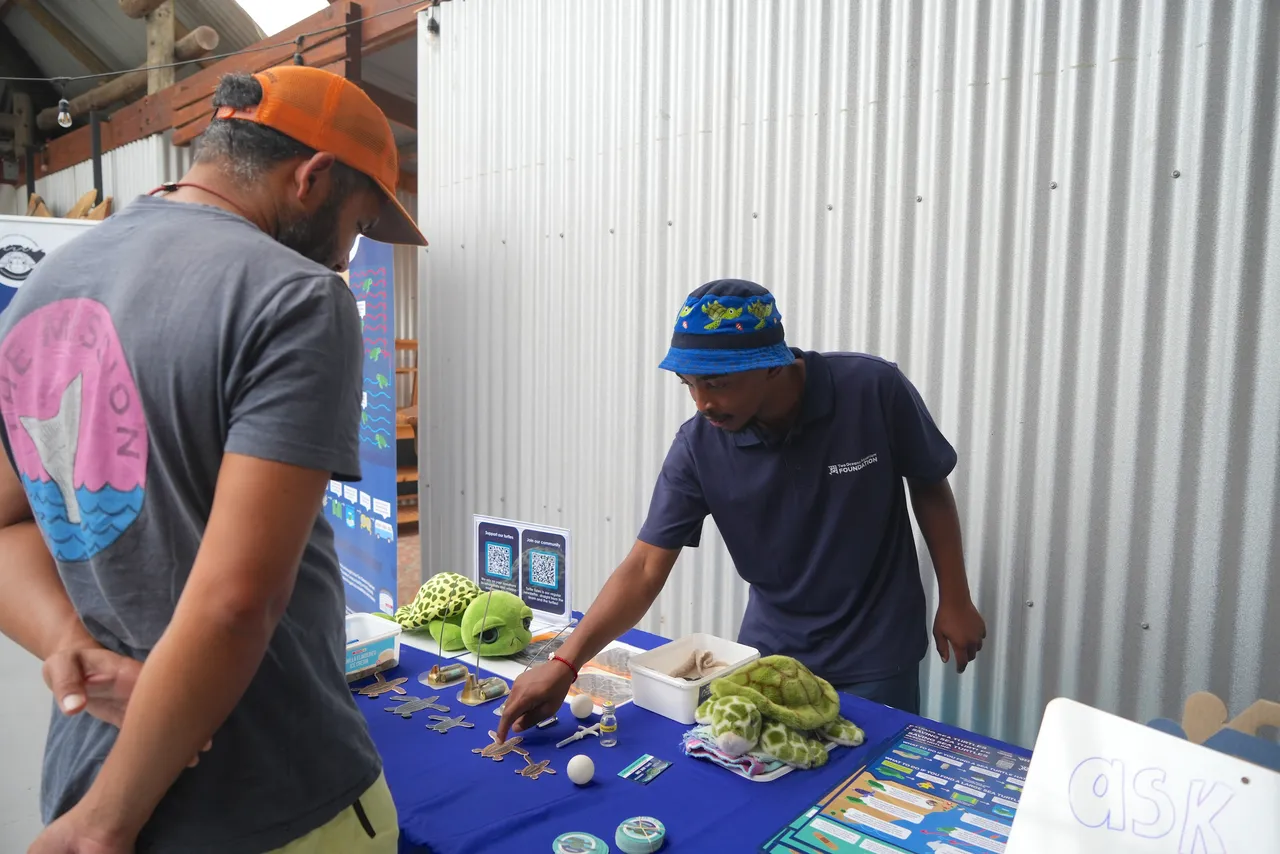
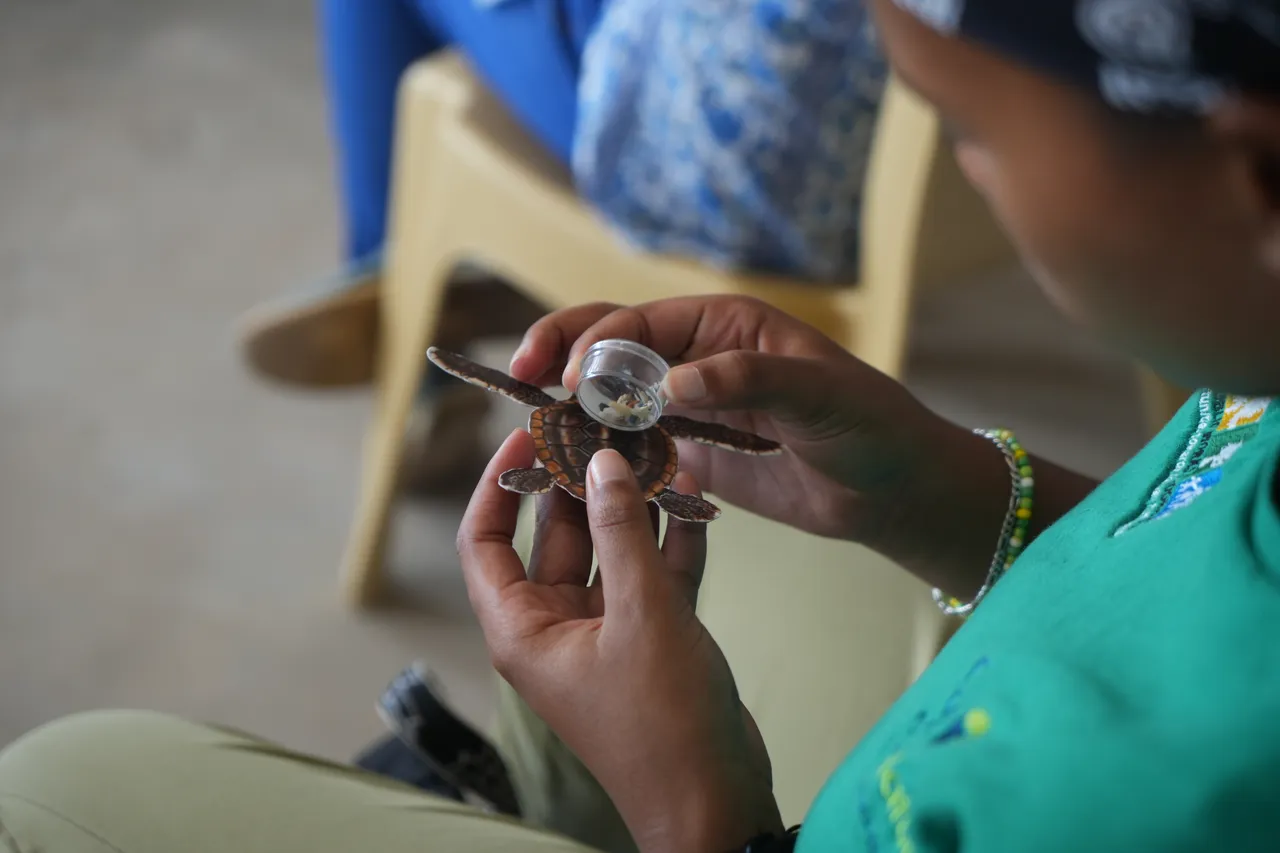
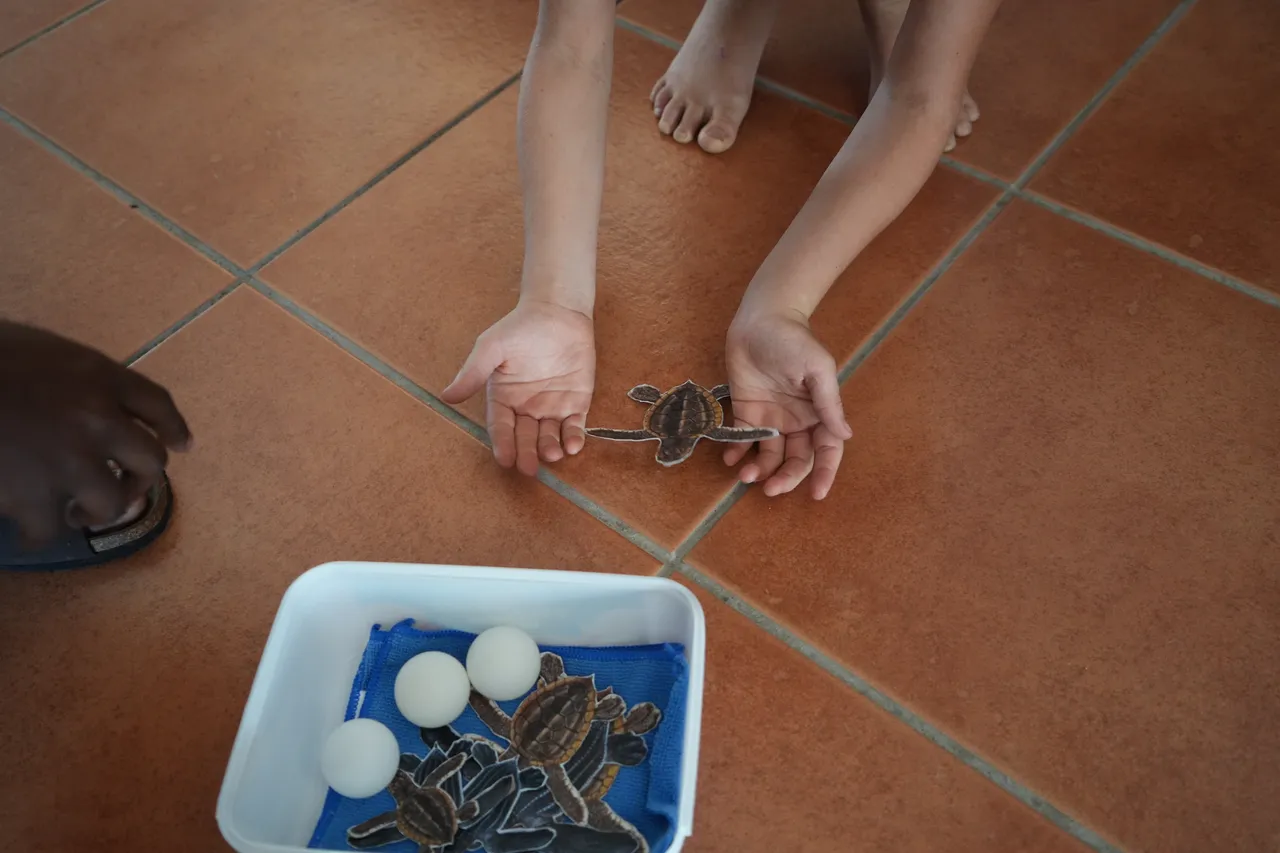
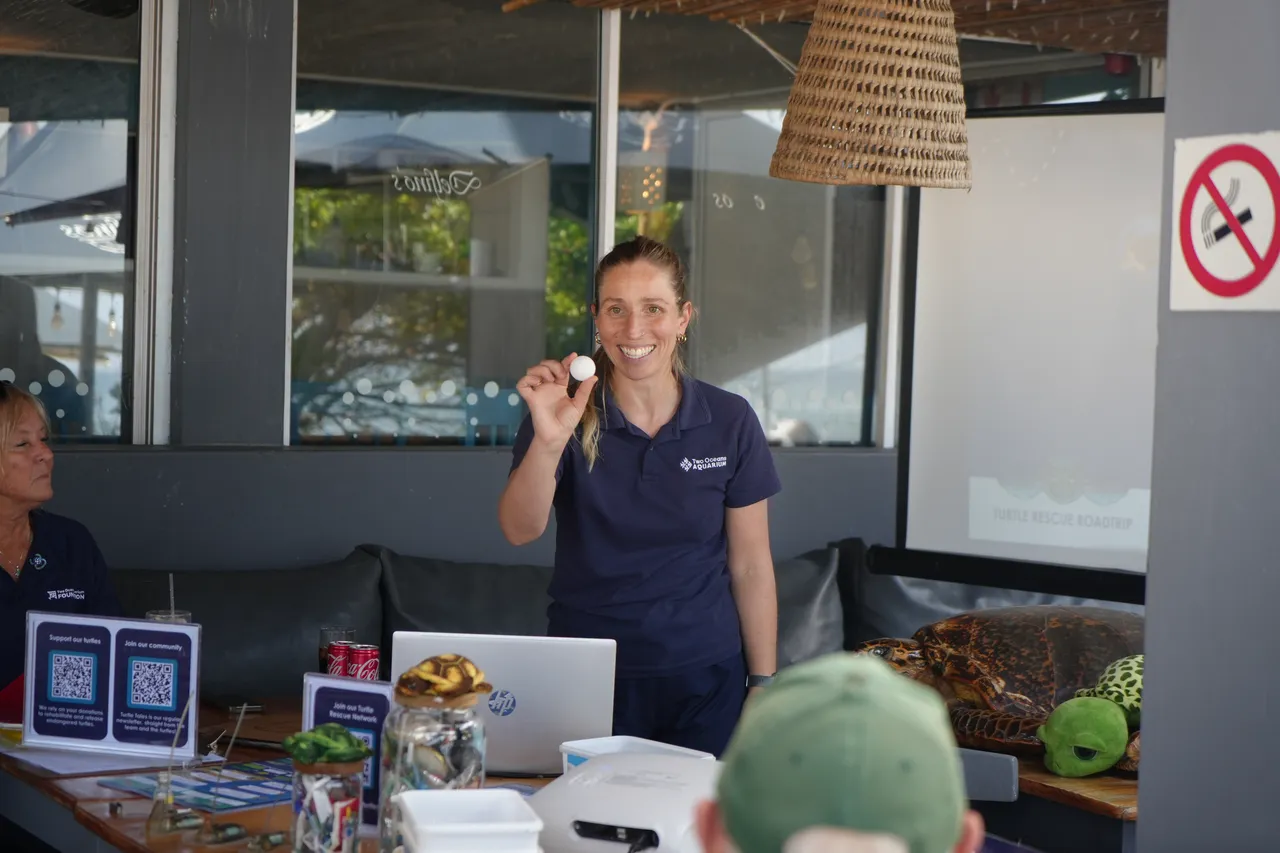
At each of the 17 presentations along the Garden Route, our team had some great opportunities for interaction with their audiences. One of the favourites was demonstrating just how miniscule hatchlings are when they emerge from their nests for the first time, using a ping-pong ball and a cut-out, life-size hatchling. A particularly striking demonstration used real plastic excreted by one of our rescued hatchlings to illustrate just how much they ingest by comparing it to the human equivalent. The result was confronting but incredibly effective.
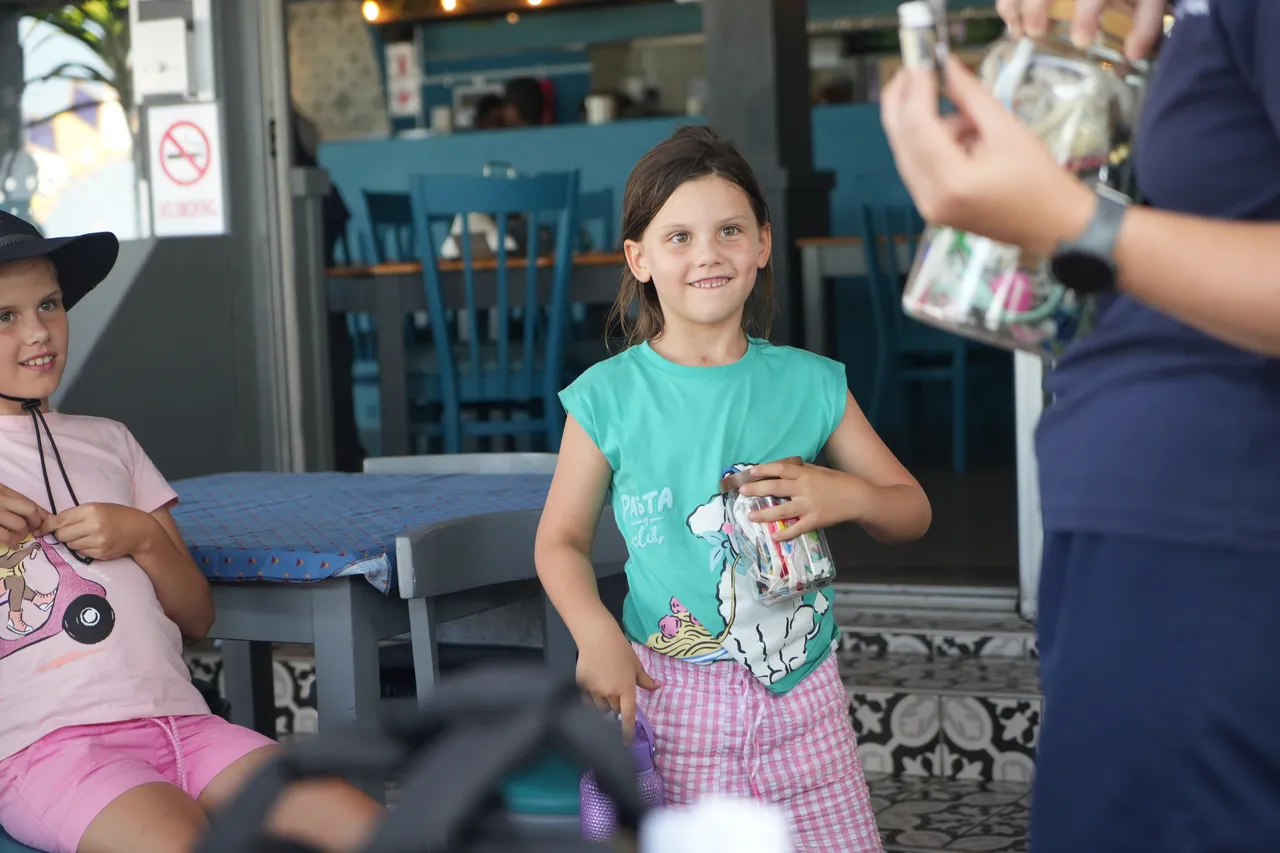
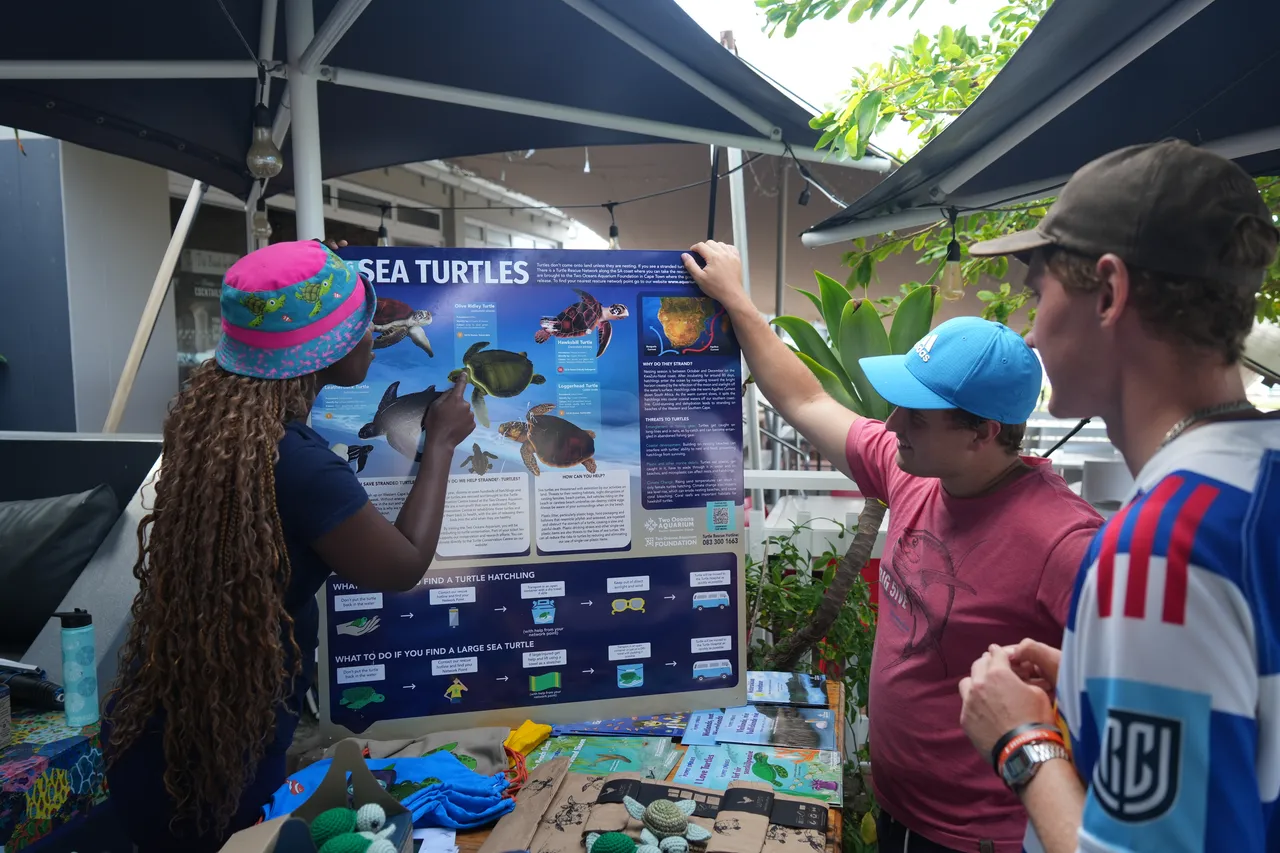
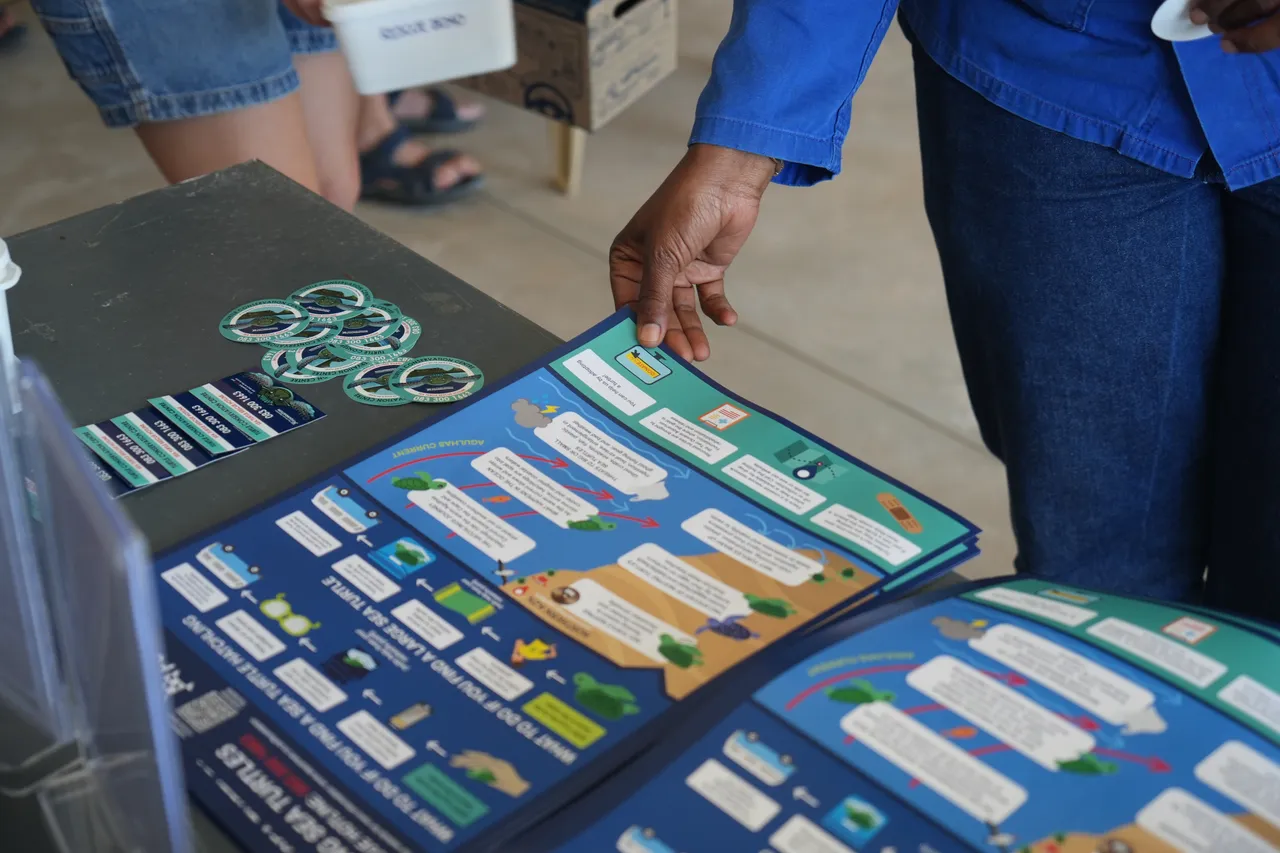
Of course, the most important piece of information that our audiences came away with was how to rescue a stranded turtle. The first step when beachgoers encounter a turtle on the beach? Don't put the turtle back into the water. When a turtle washes ashore, it means that there is something wrong, and it needs our help. If they are put back into the ocean in this state, they may drown. Then, phone our Turtle Rescue Hotline on 083 300 1663 – Tracy will talk you through the next steps and connect you with your closest Turtle Network Point.
Community for conservation
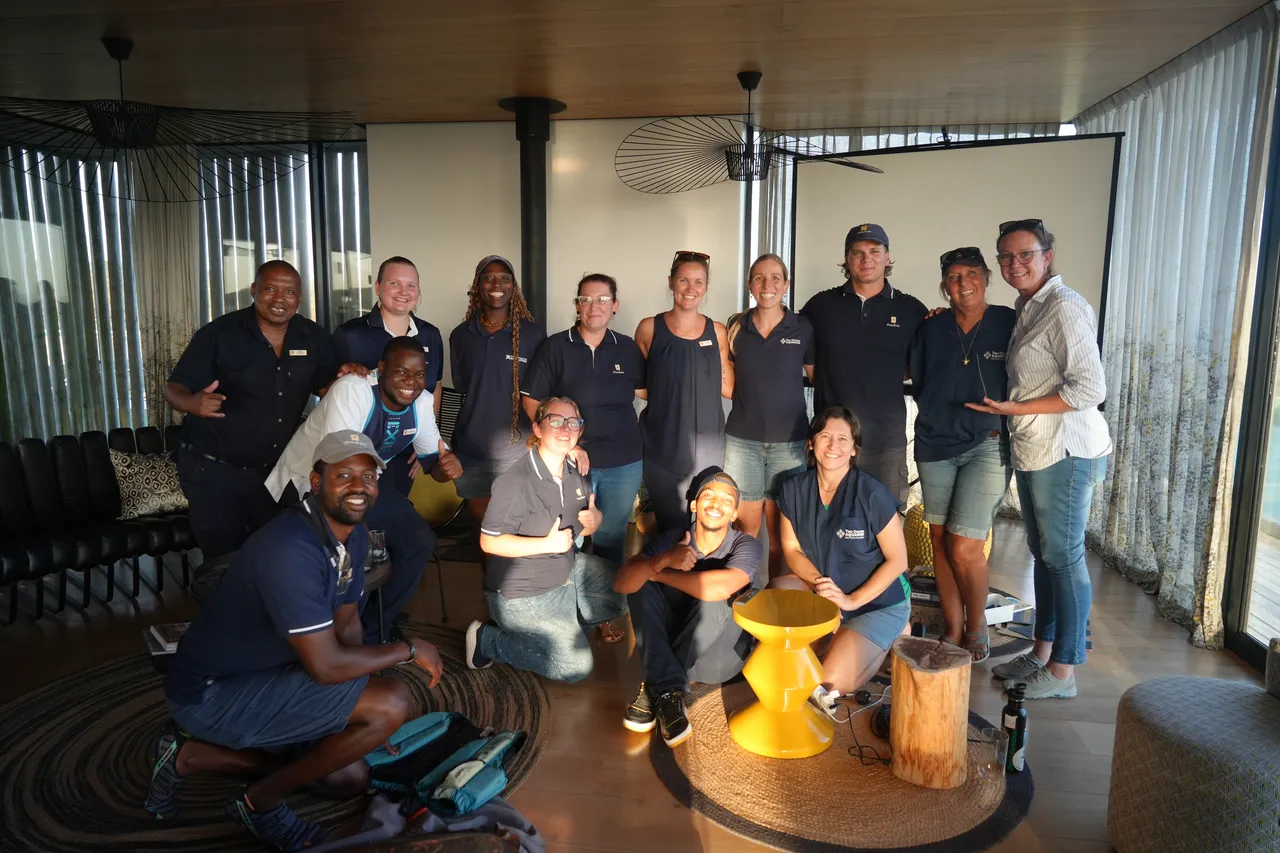
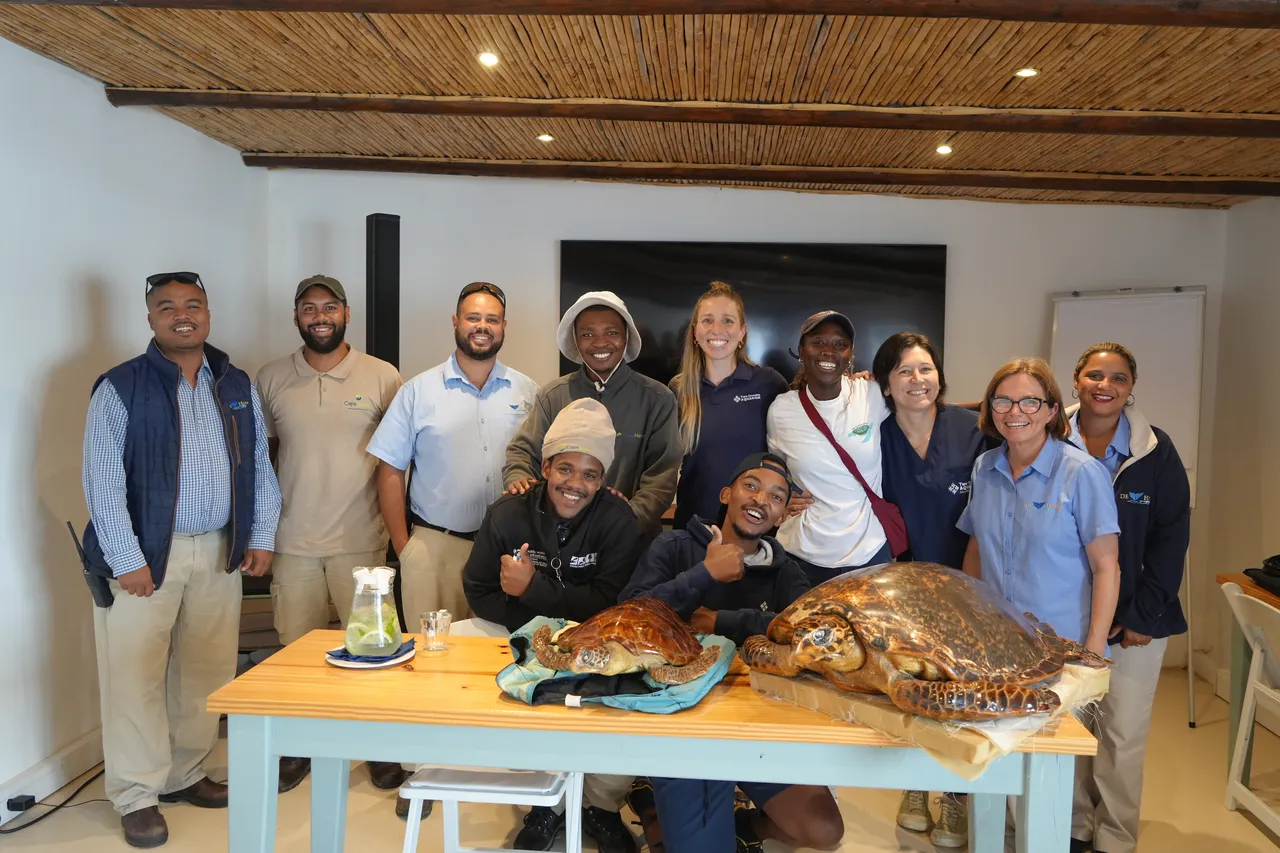
Every year, the Turtle Road Trip provides an incredible opportunity for our team to connect with key Turtle Rescue Network partners, establishing new connections and reinvigorating existing ones. Over the week, the team connected with approximately 450 people, including 73 organisations.
“Our turtle rehabilitation work is only made possible by the astounding coastal network of rescuers who dedicate time and effort to finding, calling in, and helping these stranded turtles,” says Tracy. The Turtle Conservation Centre is unbelievably grateful to this turtle community – we couldn’t do what we do without you!
At each presentation, key community members introduced the road trip team and provided some local insight into turtle stranding hotspots. In Plettenberg Bay, Cape Nature Ranger Chanel Gamae-Visser pointed out the places where locals are most likely to find hatchlings. Mark Dixon (Strandloper Project), Jean Du Plessis (Cape Nature), and Leon Volker did the same in Sedgefield, Stilbaai, and Struisbaai, respectively. These are just a few of the cherished community members the team connected with during Turtle Road Trip 2026 – from welcoming venue hosts and beautiful accommodation to regular turtle rescuers, committed rangers, interested school children, and local conservancies, the team was bowled over by the passion and dedication shown by each of these individuals.
Another huge thanks goes to the International Sea Turtle Society and Aktionsgemeinschaft Artenschutz for their amazing support in sponsoring rescue resources and other vital materials for the road trip.
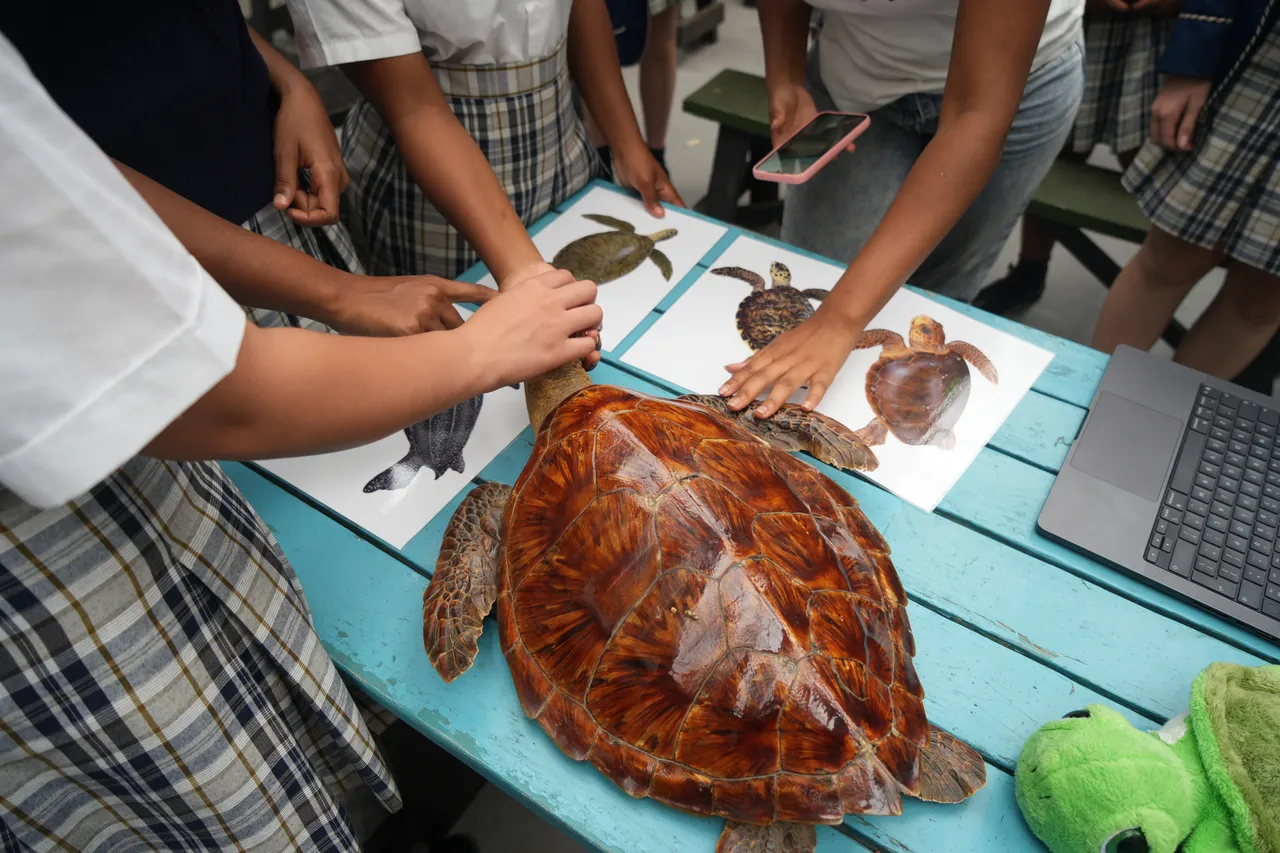
Some of the team’s favourite questions included:
What are the criteria for release? When our turtle team considers a turtle for release, several criteria are carefully assessed, with Dr Bernice van Huyssteen making the final decision. The primary focus is on whether the turtle is capable of surviving independently in the wild. To return to their ocean home, the turtle must be able to feed itself, perform sustained dives, maintain an appropriate weight for its age and species, demonstrate a strong appetite, and meet all required medical standards.
- In a clutch of turtle eggs, what percentage are males and females? Turtles’ sex is actually determined not by their genetics, but by the temperature of the sand around them! This is called temperature-dependent sex determination. A common saying to help remember is, “hot chicks and cool dudes”: If the temperature of the sand is above ~28°C, the clutch will produce mostly females, but if it is below that, the majority will be males.
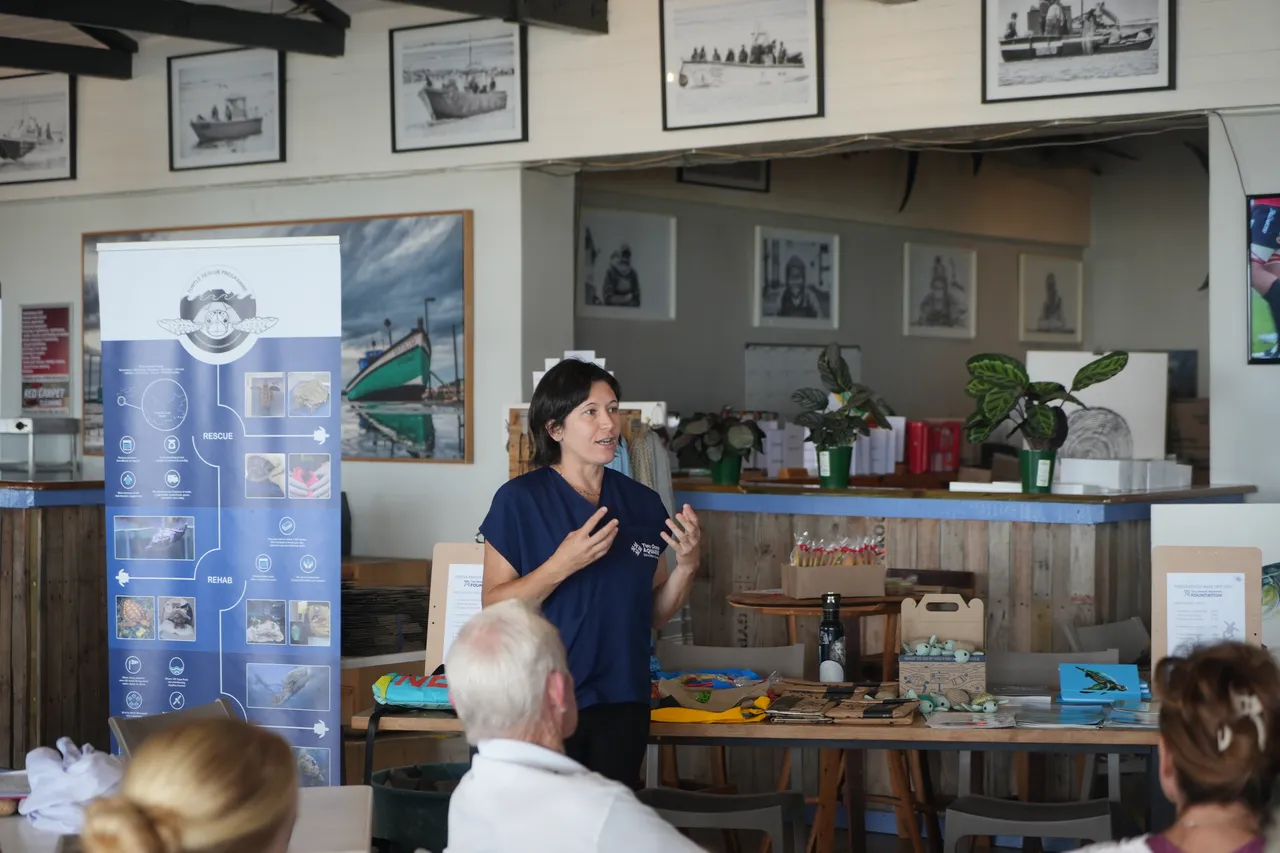
How can they survive when they lose a flipper? Turtles are remarkably resilient animals. At the Turtle Conservation Centre, we have rescued multiple amputee turtles who have survived the odds to become some of our strongest and most capable rehabilitation patients. Amputee turtles are also frequently reported to be thriving in wild spaces around the world. The only challenge for amputee turtles comes during reproduction – for females, hauling up the beach and digging their nests may be tough, and males may struggle to hold on to females during mating.
Are there any specifications for the containers we should put a rescued turtle in? Over the years, our team has found that turtles respond very badly to the colour red, so try to avoid placing a rescued hatchling in a red container. Other than that, the most important thing is to keep the turtle dry (preferably on a soft towel or padding) and in a well-ventilated space that is sheltered from the elements.
What’s the conservation value of saving a turtle? In a nutshell, turtles are keystone species, which means that their presence is a vital component of the healthy functioning of an ecosystem. Hawksbill turtles, for example, prevent toxic sponges from taking over ecosystems by feeding on them. Green turtles maintain the health of seagrass beds, which are crucial breeding grounds for multiple marine animals. All turtle species play a role in nutrient cycling – as ocean travellers, they transport nutrients from one ecosystem to the next. Turtles are also indicator species, acting as “canaries in the coal mine” for the health of the ocean – if turtle populations are declining, that directly reflects the state of our ocean. These are just a few ways that saving turtles impacts ocean conservation!
- What is the turtle eggshell made of? Unlike many other types of eggs, turtle eggshells are made up of a flexible, fibrous membrane covered by a harder layer of calcium carbonate called aragonite. They are designed to prevent breakage during laying, as the eggs drop into the deep cave dug by the mother turtle.
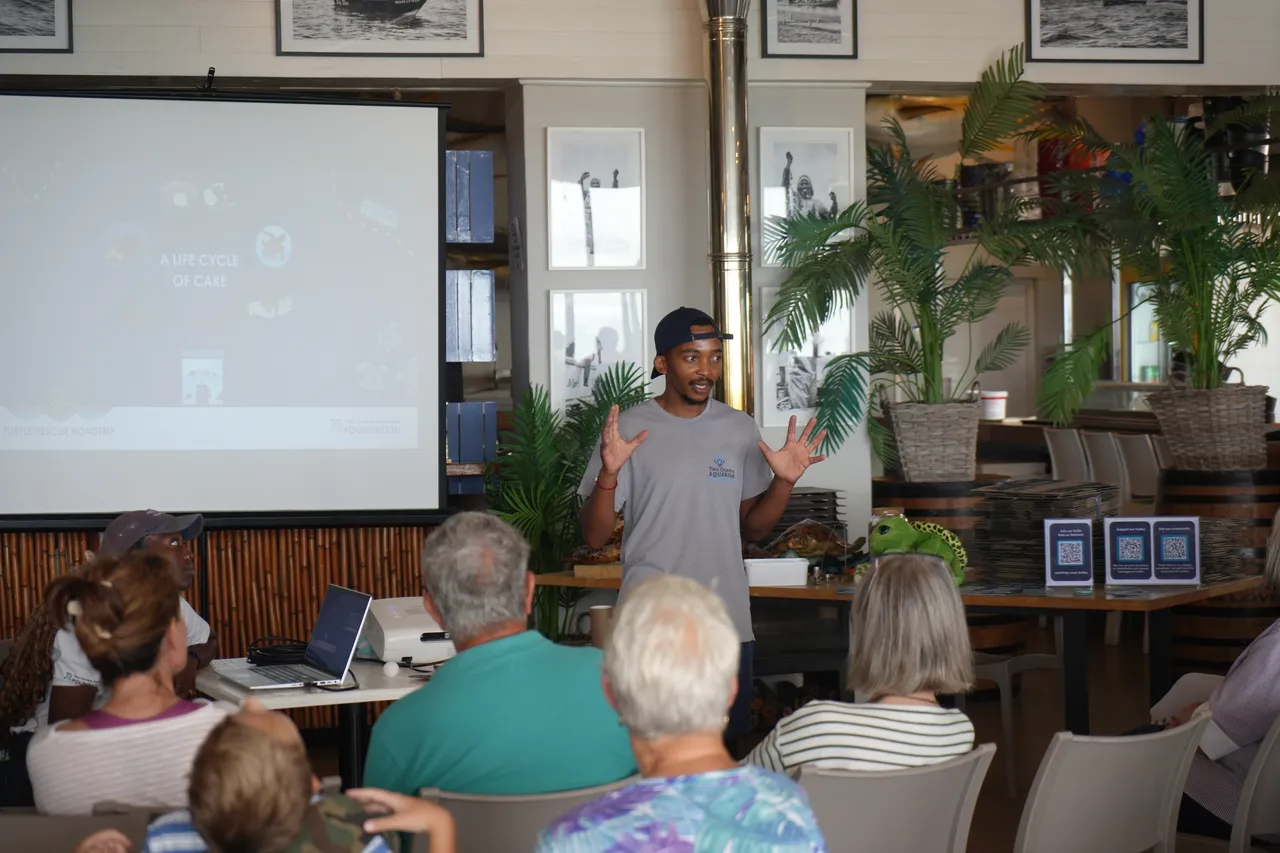
It truly takes a village to rescue, rehabilitate, and release endangered turtles. The genuine enthusiasm and engagement our team encountered at every stop along the Turtle Road Trip 2026 brought this message to life. Successful rescue and rehabilitation depend on a collective of turtle-minded, compassionate people working together for good – a heartfelt thank you to every member of our community.
Related News
Sign up to our Newsletter
Receive monthly news, online courses and conservation programmes.