A courageous recovery: Habanero, the rescued loggerhead turtle, underwent a flipper amputation
Sensitive content warning: This blog contains graphic medical images that some readers may find distressing. Viewer discretion is advised.
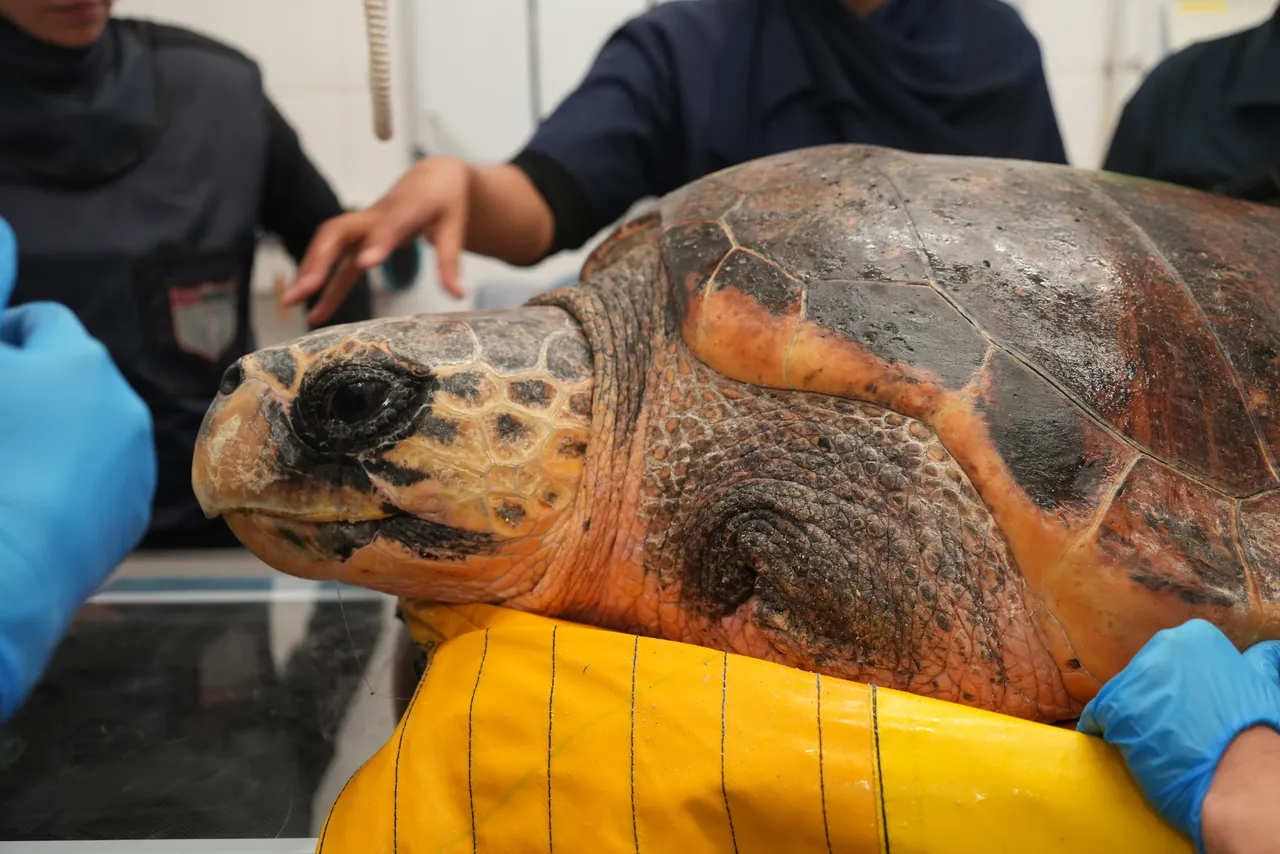
At the Turtle Conservation Centre in Cape Town, every turtle undergoing rehabilitation receives dedicated, specialised care from our veterinary team, even when this involves making tough decisions. For Habanero, one of our rescued loggerhead turtles, that journey recently led to a major surgery that would ultimately give him the best possible chance at recovery.
Since his rescue in February 2025, Habanero’s medical treatment has been led by Dr Bernice van Huyssteen, Turtle Veterinarian at the Turtle Conservation Centre. Together with the rehabilitation team, Dr Bernice has worked tirelessly to help this special turtle get back on his flippers. As with every rescued turtle at our facility, the ultimate goal is to release them back into their ocean home.
As an adult male loggerhead turtle, recovery means more than survival for Habanero – he holds the opportunity to one day contribute to the future of his endangered species, as well as play a crucial role in the ocean ecosystem. These possibilities make his story all the more powerful.
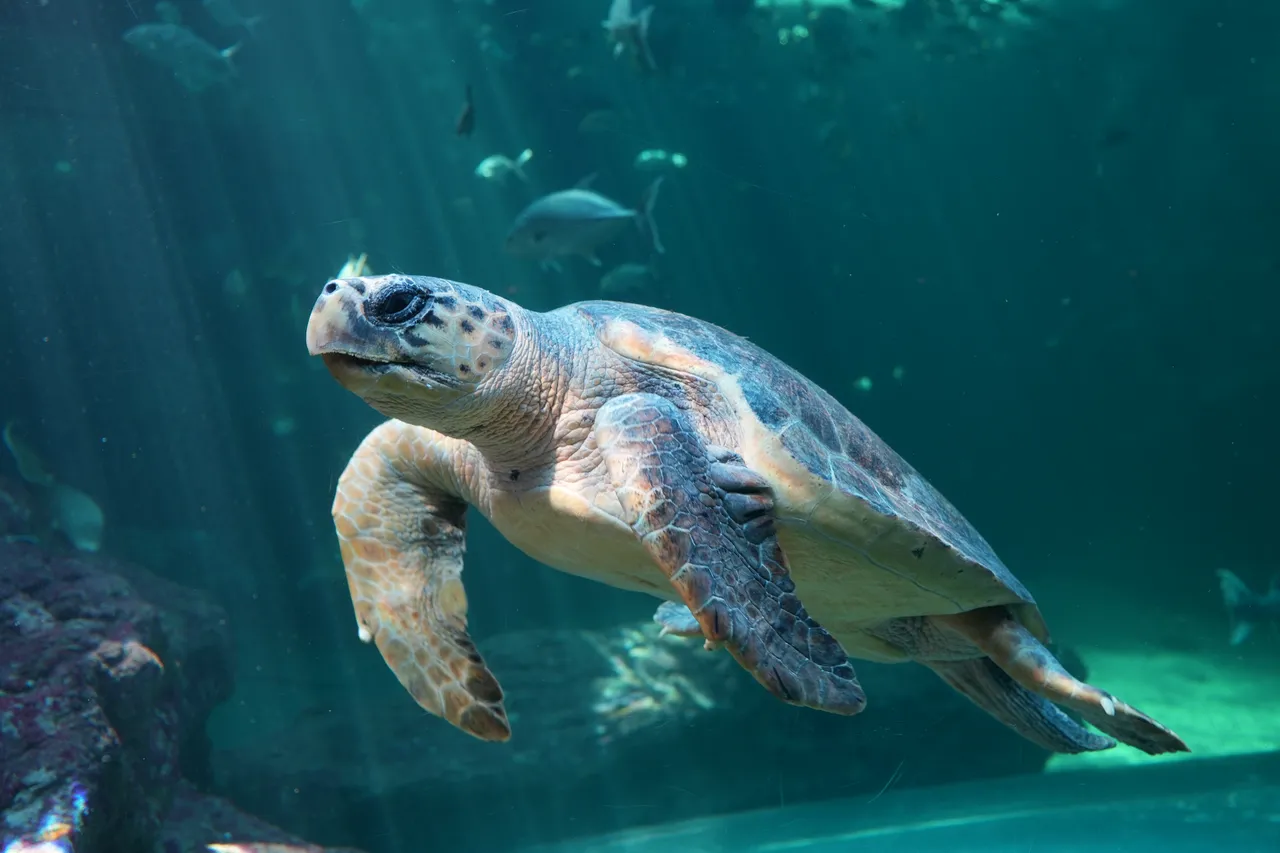
Habanero’s story
When Habanero was rescued in Witsand, he was in a dire condition – thousands of leeches and their eggs covered his body. He was weak, dehydrated, and barely able to lift his head. The parasitic leeches caused him to be severely anaemic and, in this weakened state, the team worried for his survival. Thankfully, after several sessions of “de-leeching”, Habanero’s blood levels slowly returned to normal.
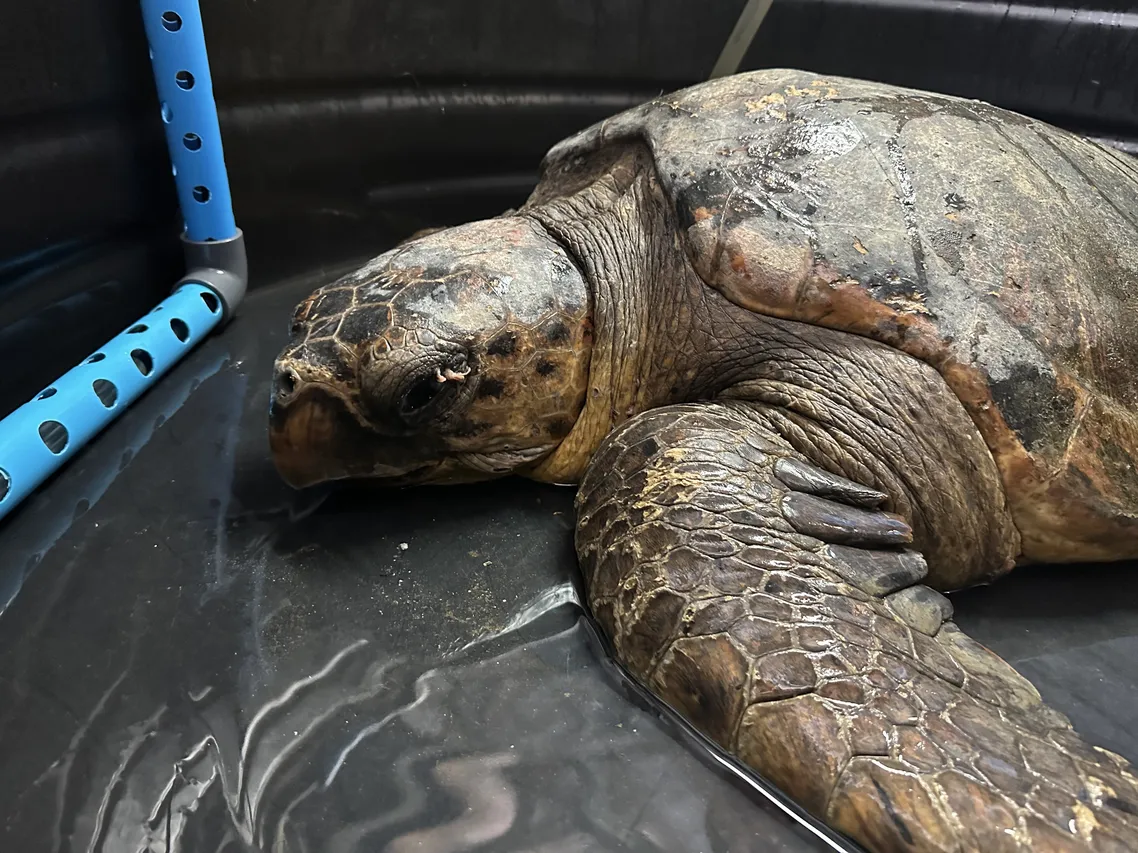
One of the first things we noticed during his admission was that Habanero had a very swollen and painful left elbow. As part of their initial diagnostic work, the turtle team conducted X-rays to determine the cause of the swelling. The X-rays revealed severe destruction in the bones of the elbow joint, most likely due to chronic infection. To identify the bacteria responsible for the infection and, thereafter, better treat Habanero’s elbow, Dr Bernice collected a sample of his joint fluid and sent it to a laboratory for analysis.
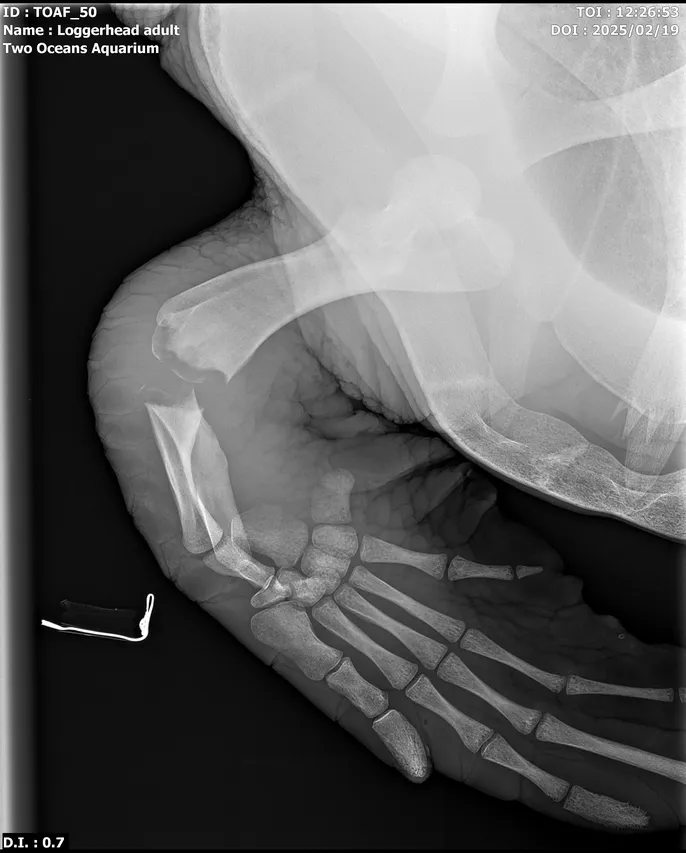
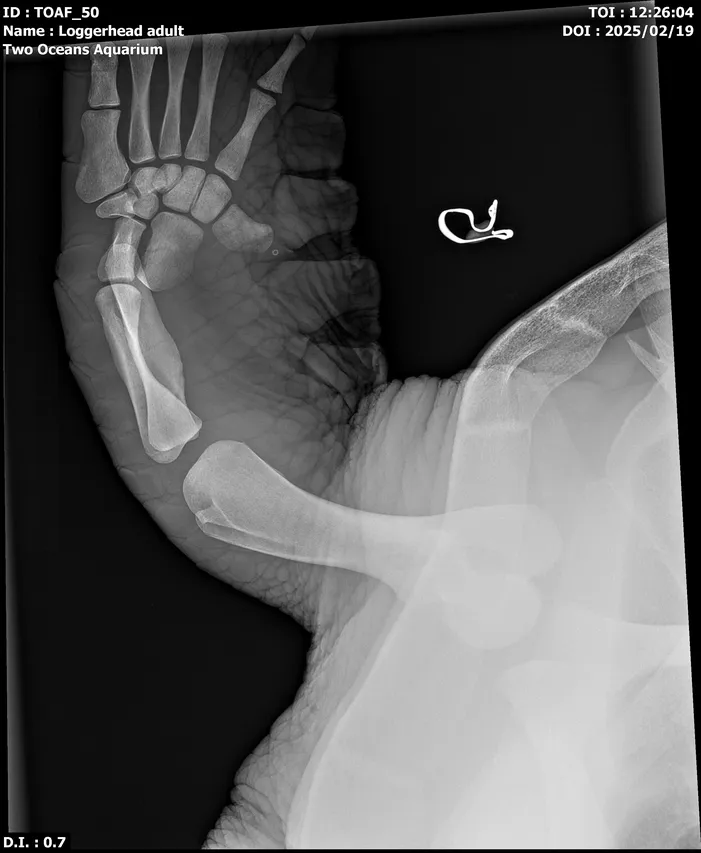
In the above X-rays, you can clearly see the degradation of Habanero's left elbow.
When Habanero was strong enough, he underwent surgery where the necrotic (dead) and infected tissue was debrided (scraped and sterilely flushed) from the damaged joint.
“Without this procedure, it was unlikely that the infection would ever resolve with antibiotic treatment alone,” said Dr Bernice. While the infection had rendered the joint damaged beyond repair, the procedure to clean it out went well, and the team was able to collect a culture to better treat the infection.
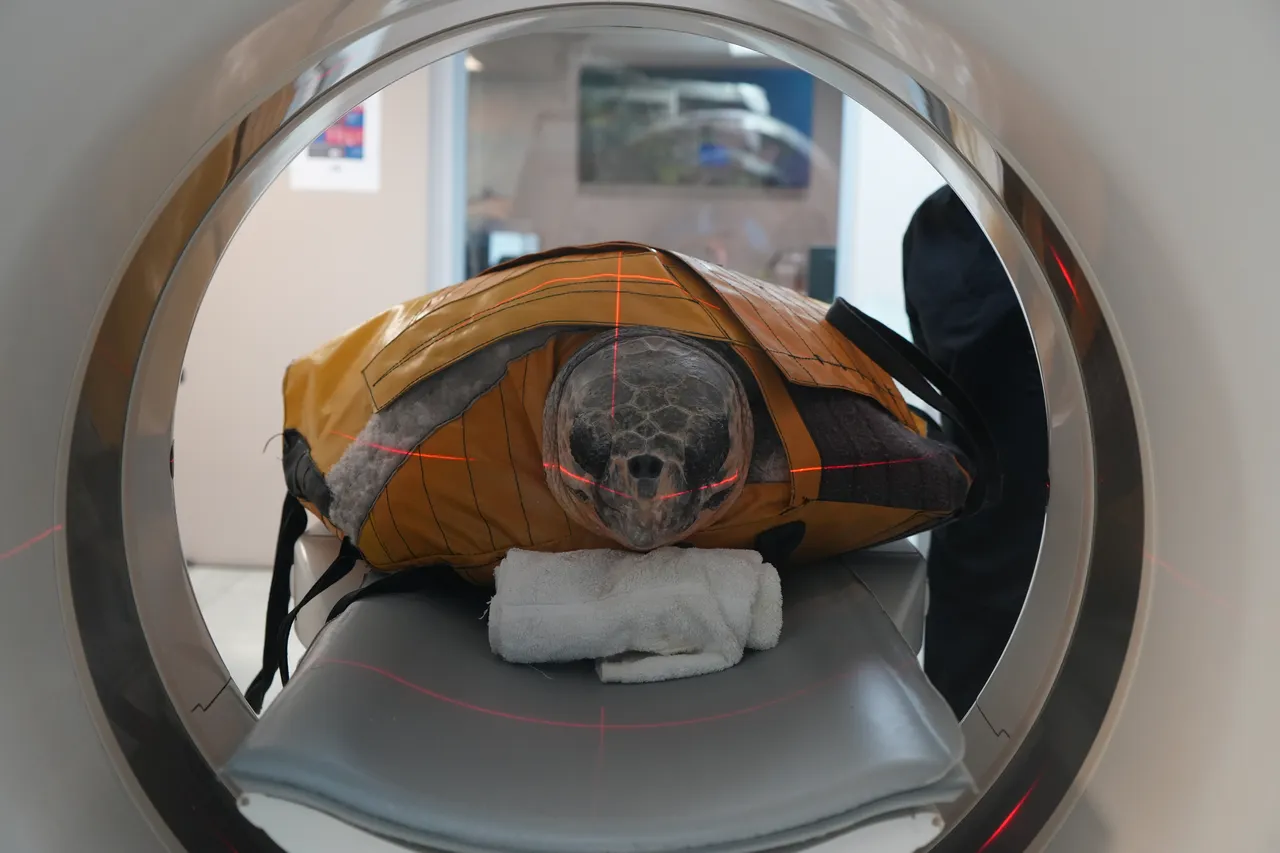
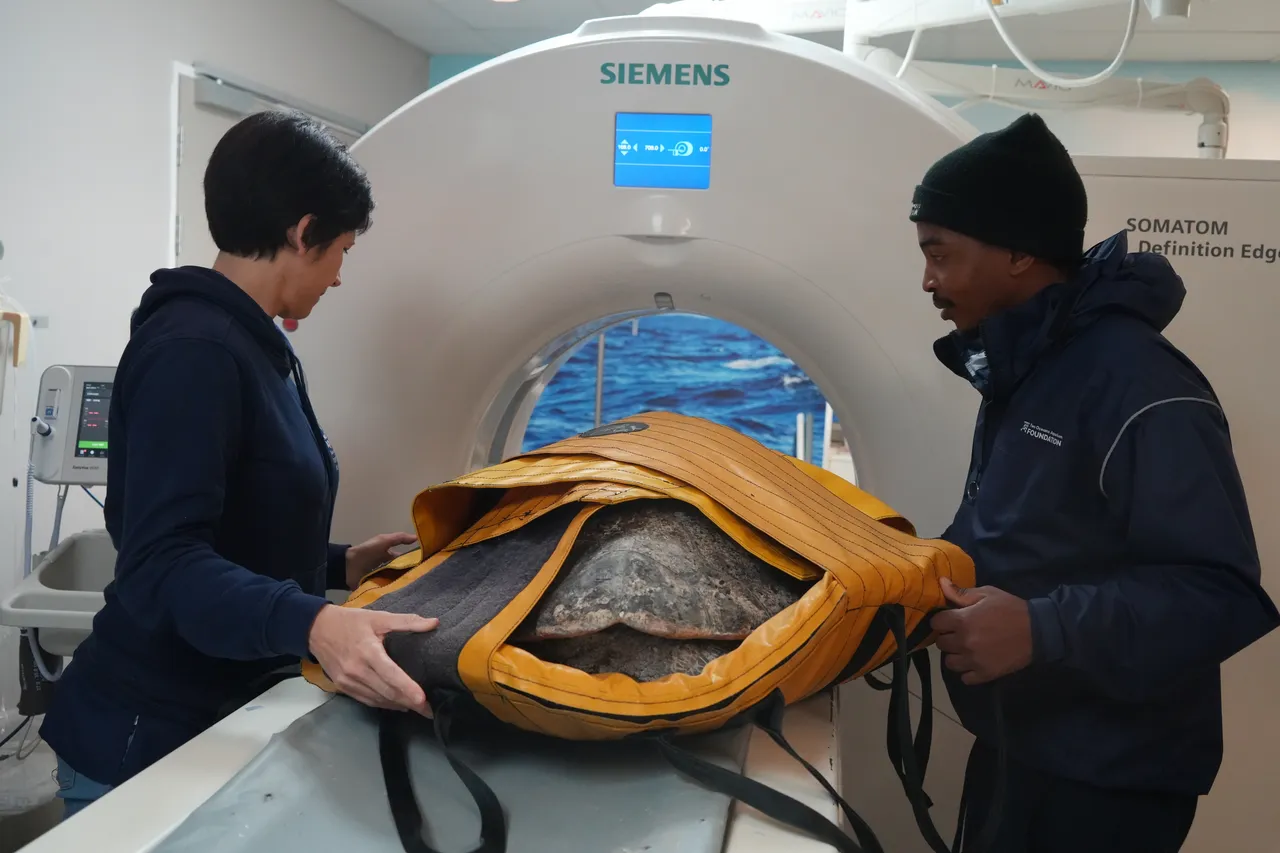
Unfortunately, even after months of targeted antibiotics, Habanero's CT scans showed the infection wasn’t improving. In fact, by August 2025, we detected signs that the infection had started to spread to other parts of his body. During his routine monthly X-rays, the veterinary team detected a worrying lesion in his right elbow. This opened a plethora of new concerns; a chronic infection can slowly break down the body’s immune system, and once defences are down, the bacteria can spread elsewhere via the bloodstream. This could result in new sites of bone infection and even sepsis.
Dr Bernice and the veterinary team faced a hard reality: Medical treatment had not cleared the infection, and it was starting to spread. This meant it was time to consider more radical treatment steps to save Habanero’s life.
“After thorough consultation with other sea turtle vets around the world, we all agreed: Continuing with antibiotics alone would not save the infected flipper or Habanero,” said Dr Bernice. “After a lot of careful thought, our veterinary team made the difficult but hopeful decision to amputate the damaged front left flipper. Removing the original source of infection gives Habanero his best chance at life.”
Once the big decision had been made, the turtle team finally felt some hope for this gentle giant's future. Thanks to the steadfast support of Habanero’s adopters, Morukuru Goodwill Foundation, the team could set plans in motion to amputate his flipper.
The surgery
Ongoing construction at the Two Oceans Aquarium meant that our current clinic was not fit for such an important surgery, so Dr Jackie Sharp generously offered her space at Sharp Exotic and Small Animal Veterinary Clinic in Kraaifontein.
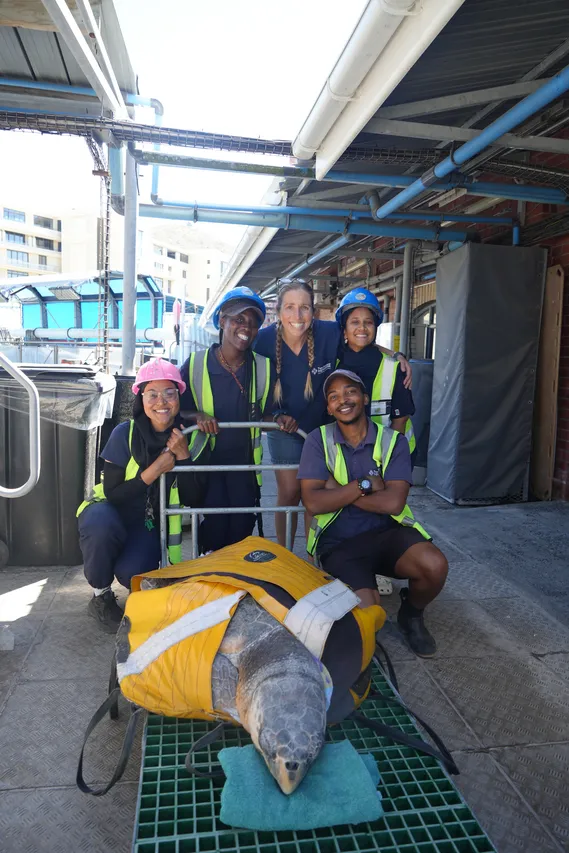
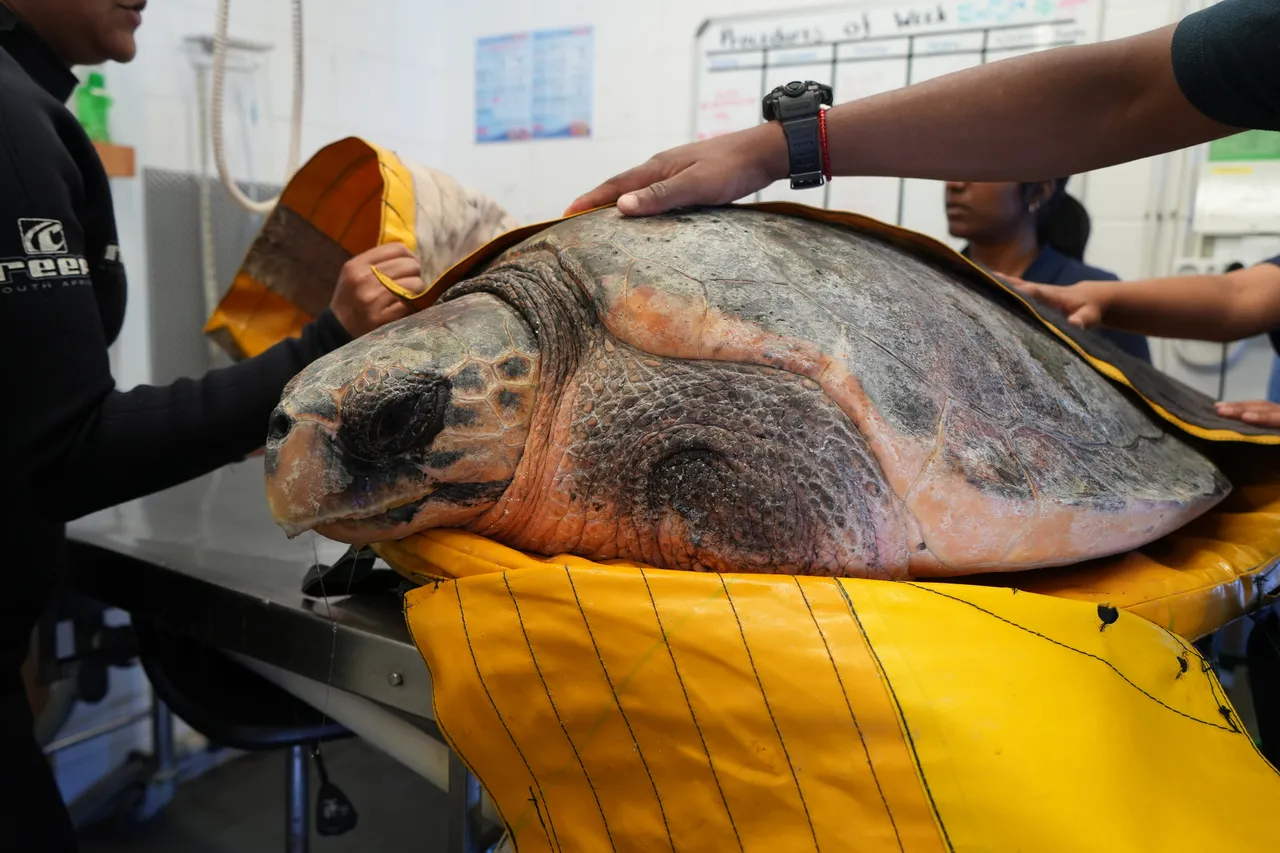
On the morning of 3 December 2025, Habanero was carefully moved from his temporary home in the I&J Ocean Exhibit, placed in a secure stretcher, and transported to the clinic. He was accompanied by several members of the Turtle Conservation Centre team, as well as Veterinary Nurses Brigitte Bohmer and Mel Boots, who would be assisting Dr Bernice with the surgery.
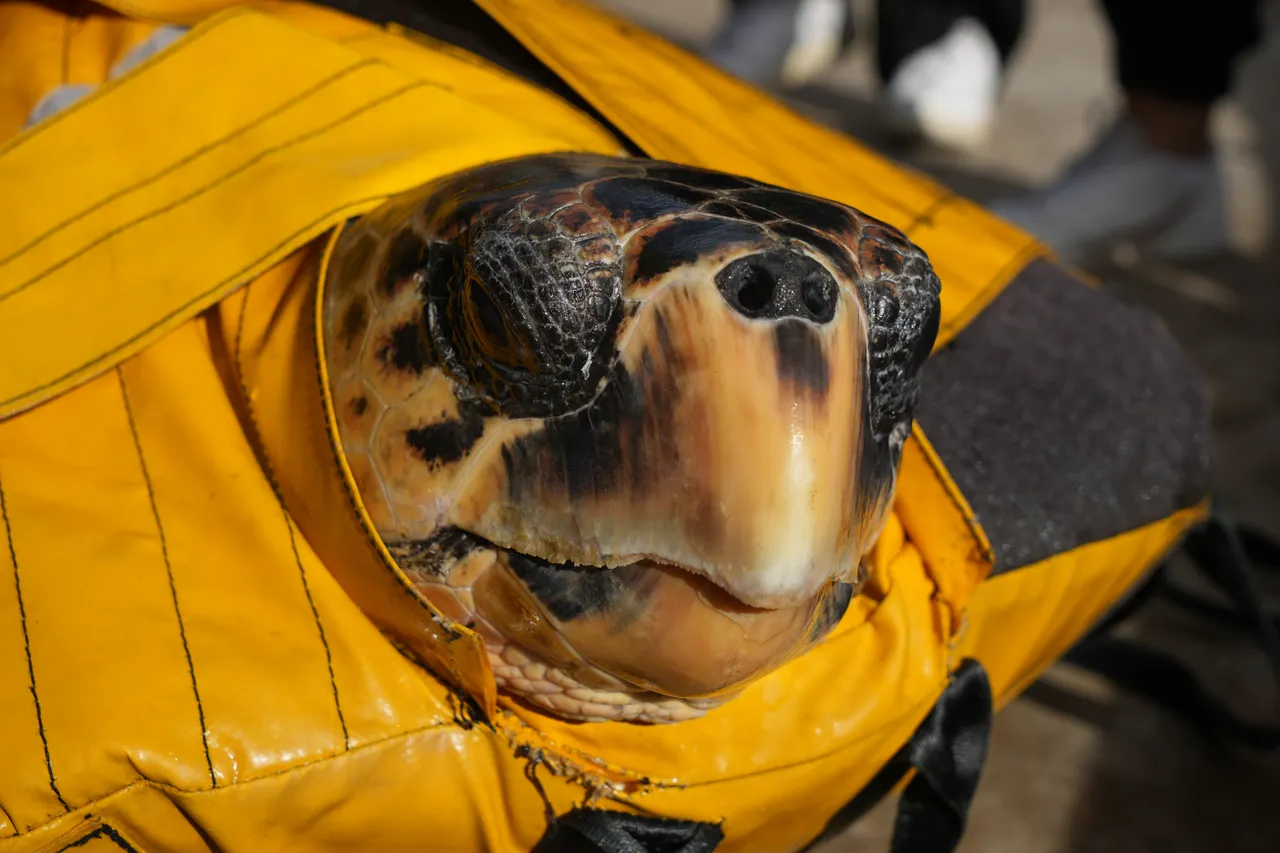
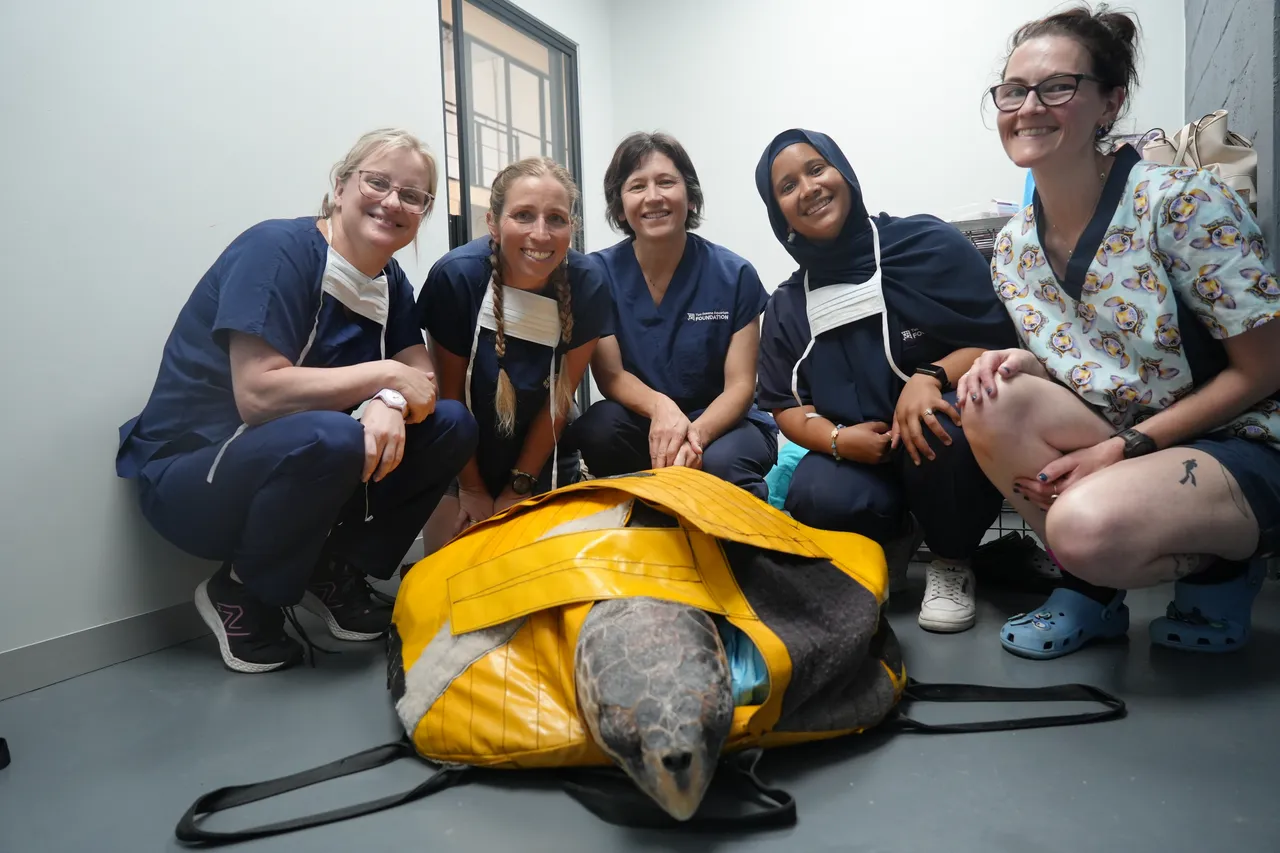
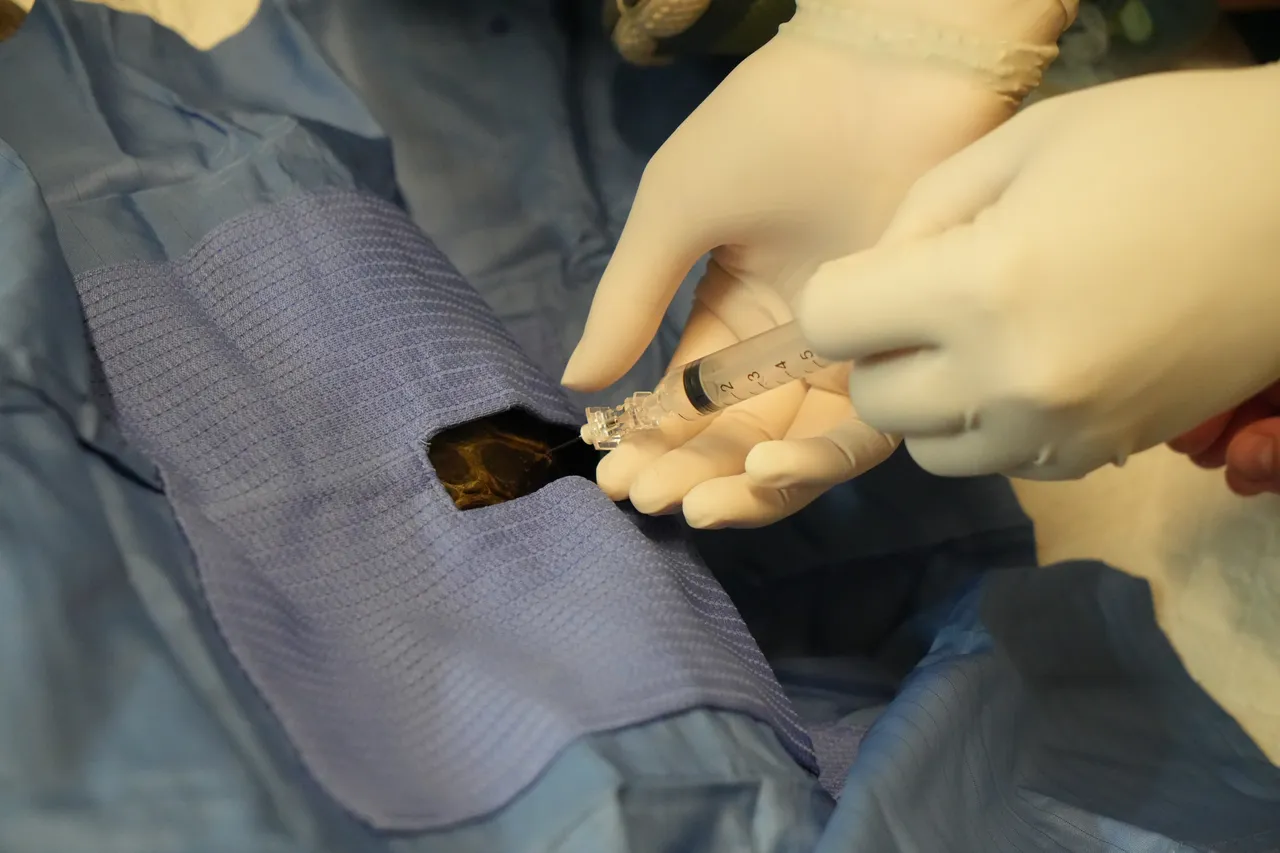
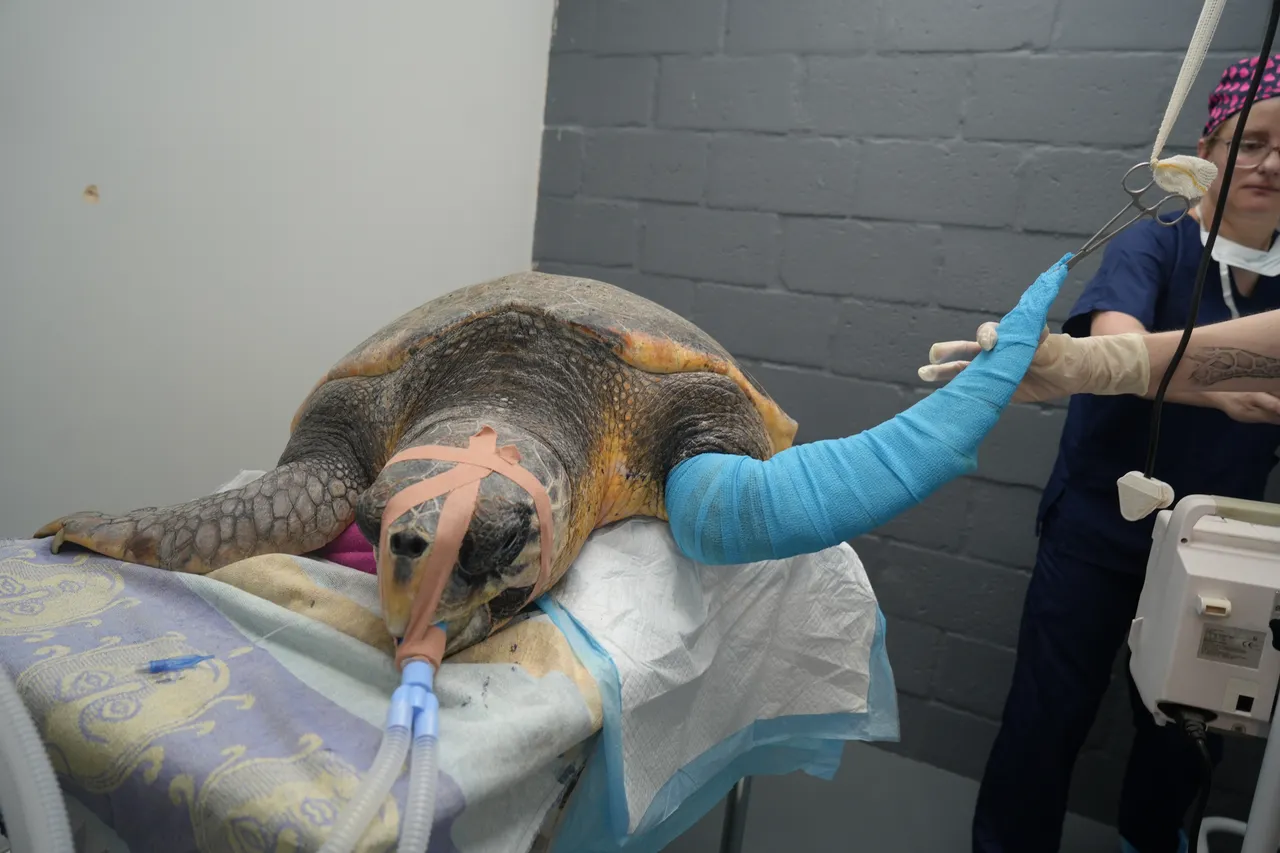
Upon arrival at Sharp Exotic and Small Animal Veterinary Clinic, the team gently placed Habanero in a waiting area to prepare for his upcoming surgery. This preparatory work is an incredibly crucial part of surgery; everything, from the patient to the floor, needs to be sterile to avoid any kind of contamination. Habanero’s infected flipper was thoroughly sterilised and wrapped to prevent any bacteria from entering the surgery site.
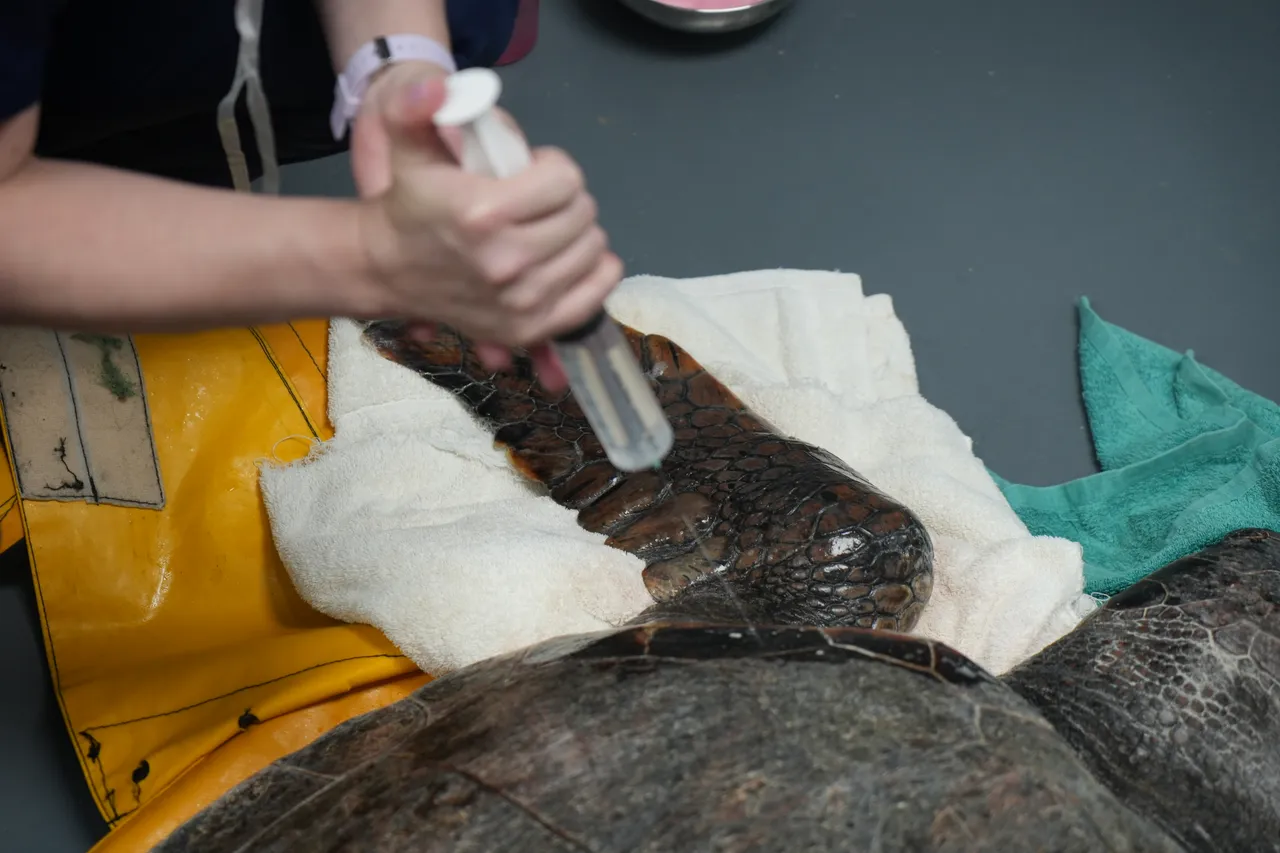
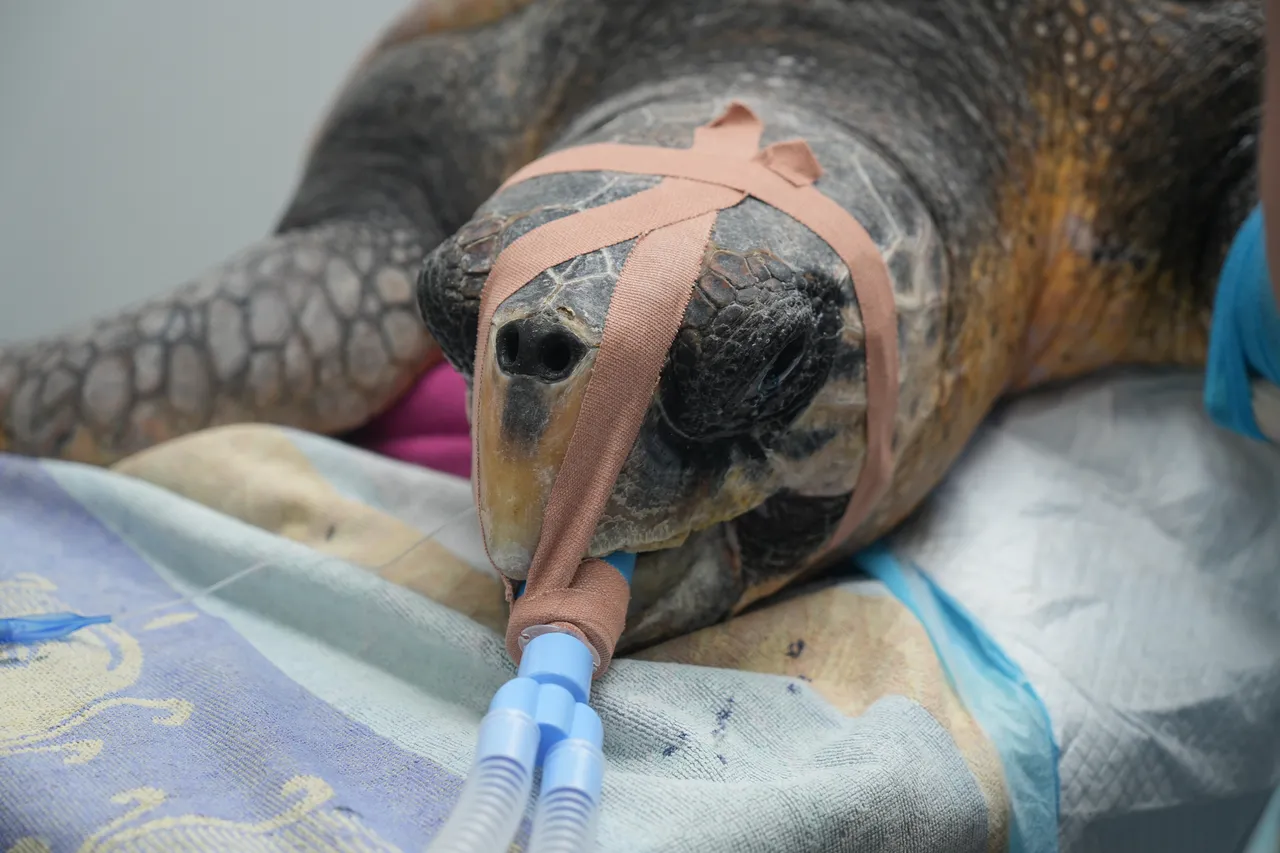
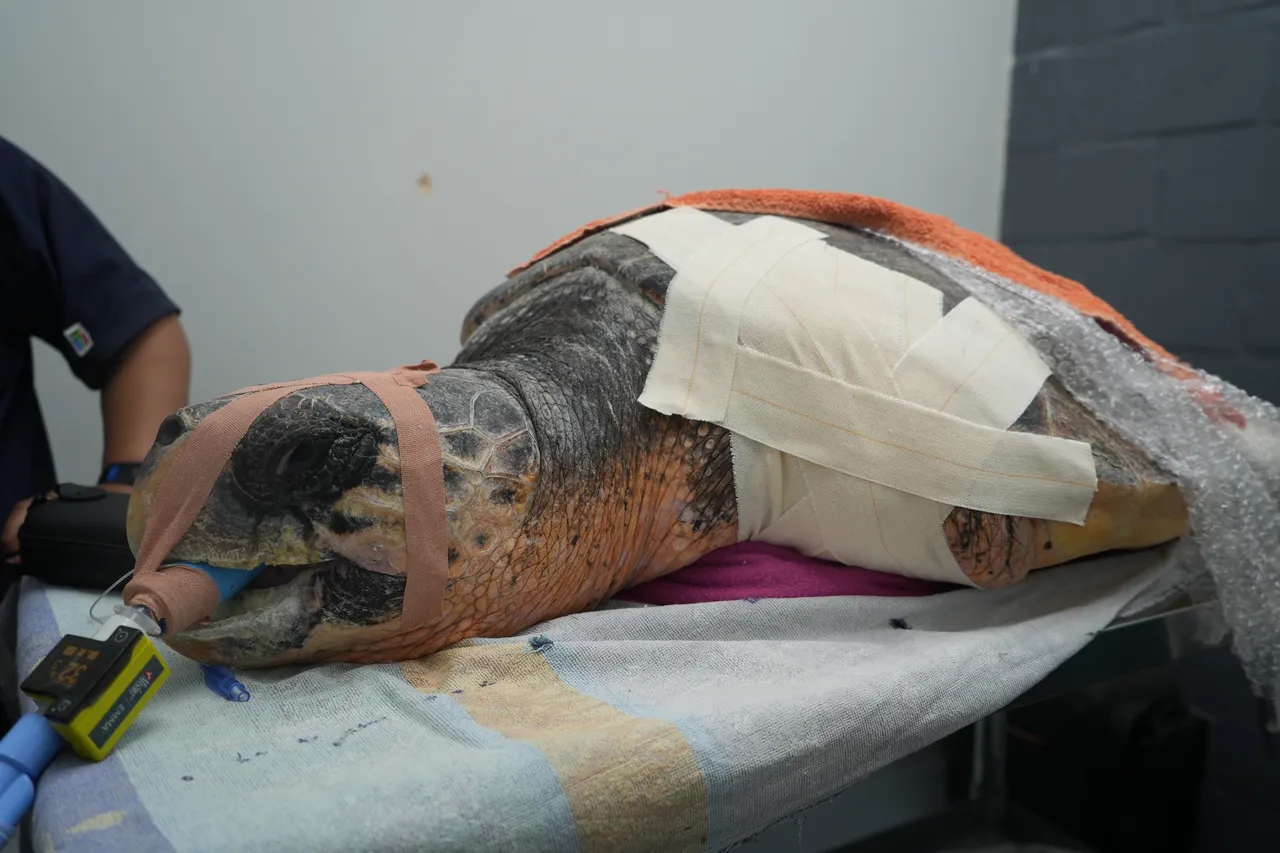
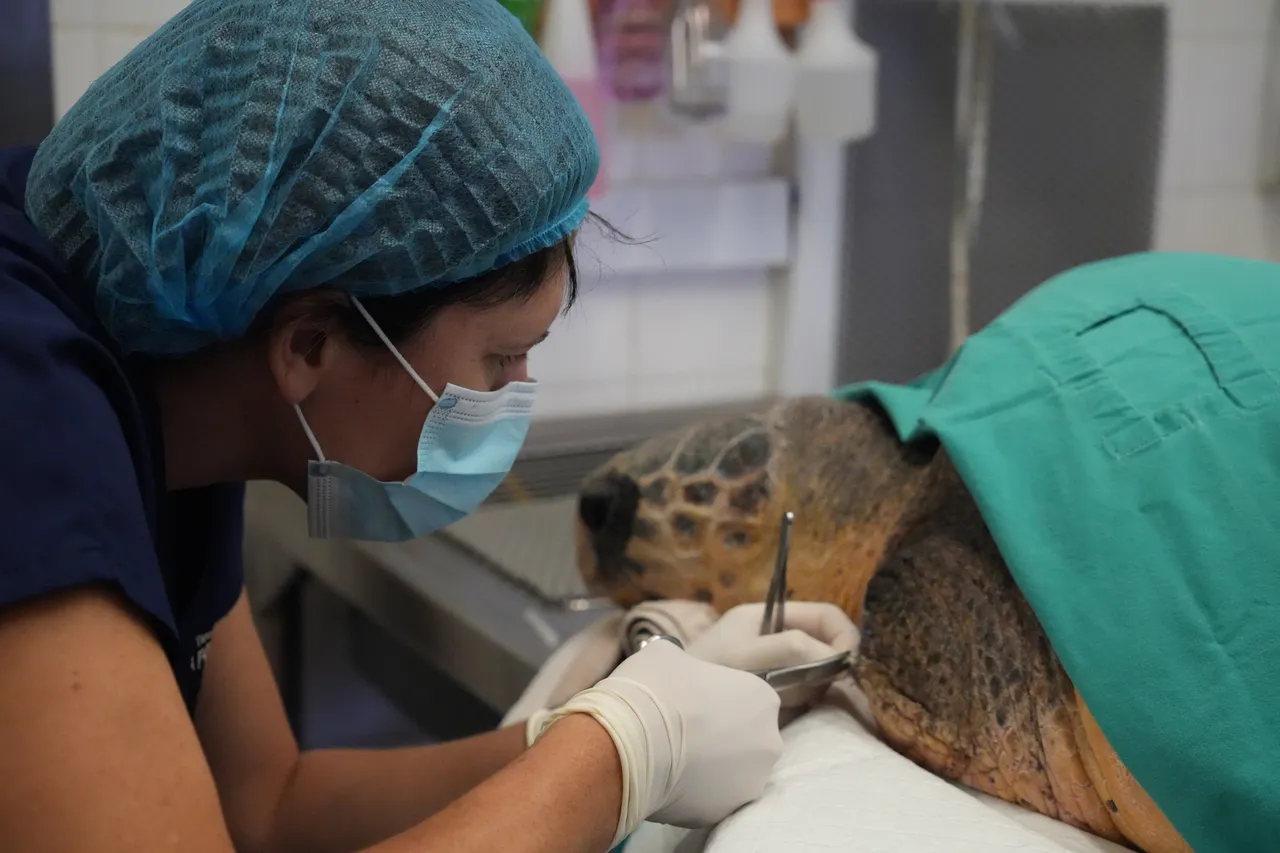
Given the intensity of the surgery, Habanero would need to be under general anaesthetic (“asleep”) the entire time. Dr Bernice first gave him some strong pain medication and a sedative, then once he was asleep, the team moved him into the sterile surgery room. There, she placed a breathing tube into his airway to ensure a constant flow of an inhalant anaesthetic. One of the team members’ roles during the surgery was to monitor the ventilator machine and Habanero’s breathing.
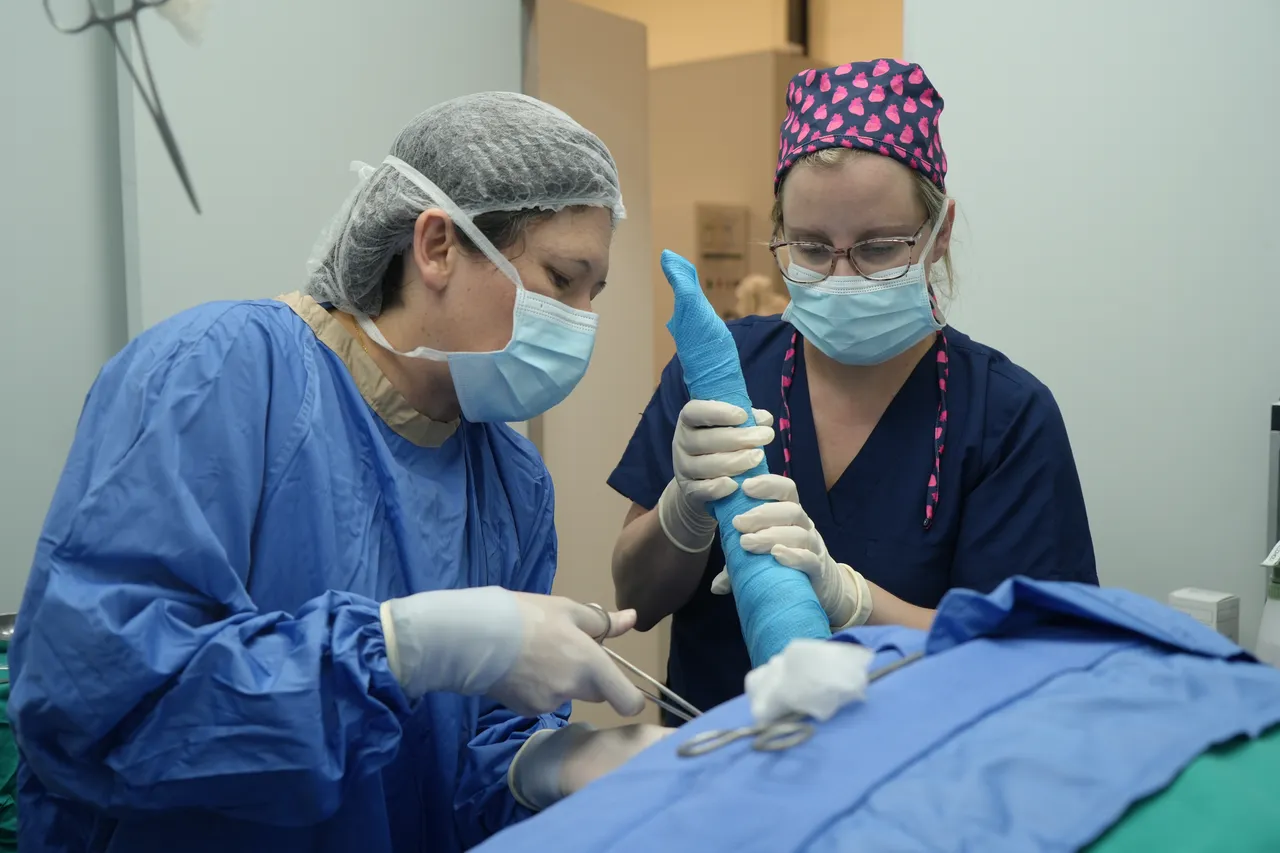
Finally, fully scrubbed up, Dr Bernice began the process of amputating Habanero’s flipper. This was done by carefully cutting through the layers of skin and muscle tissue before sawing through the bone of his upper arm (humerus). Once the surgery had been completed and the amputation carefully sewn up, the site was thickly padded with bandaging to prevent seepage or discomfort. In total, Habanero was sedated for about 2.5 hours, with a surgery time of 1.5 hours.
“Overall, it was a very straightforward sedation, surgery, and recovery, for which we are very grateful. We are also especially thankful that we could make use of Dr Jackie’s clinic and theatre for his surgery,” says Dr Bernice.
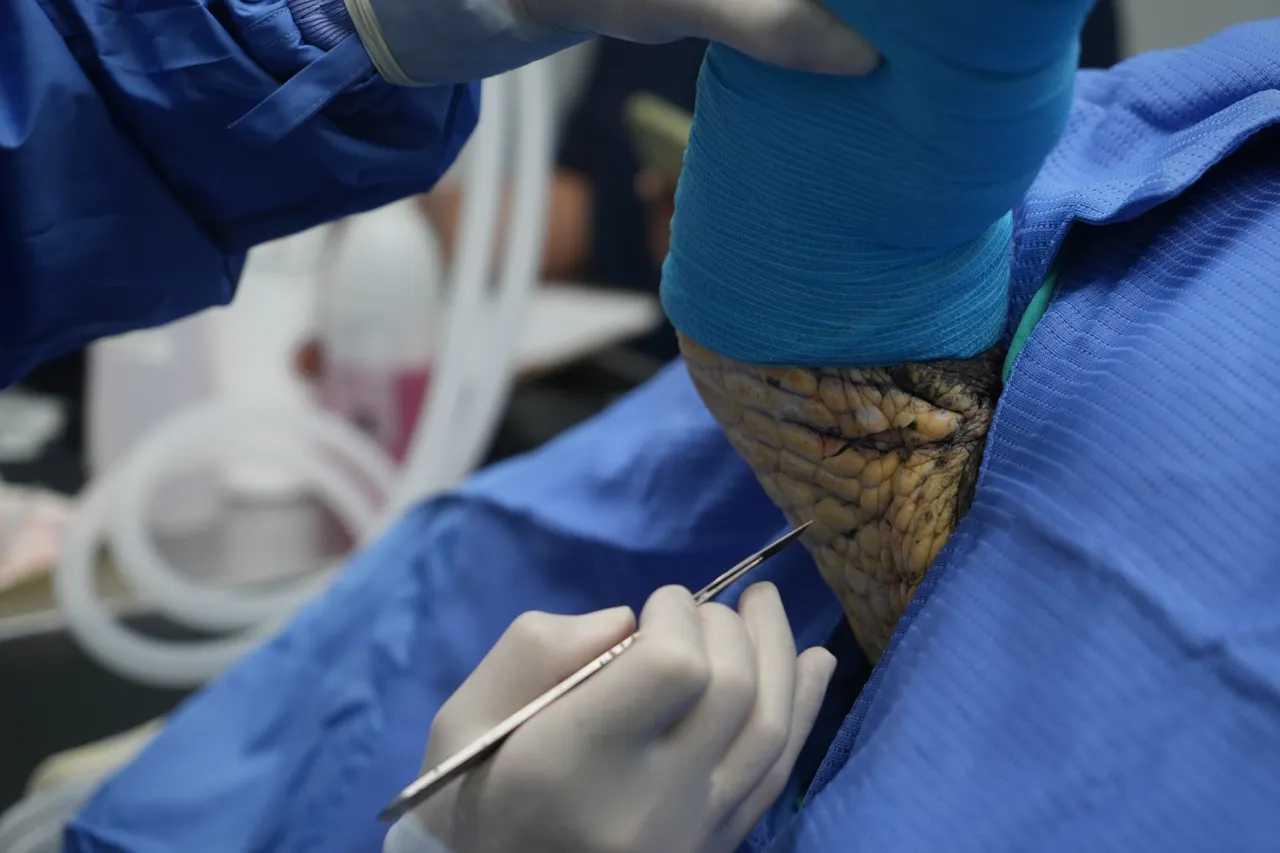
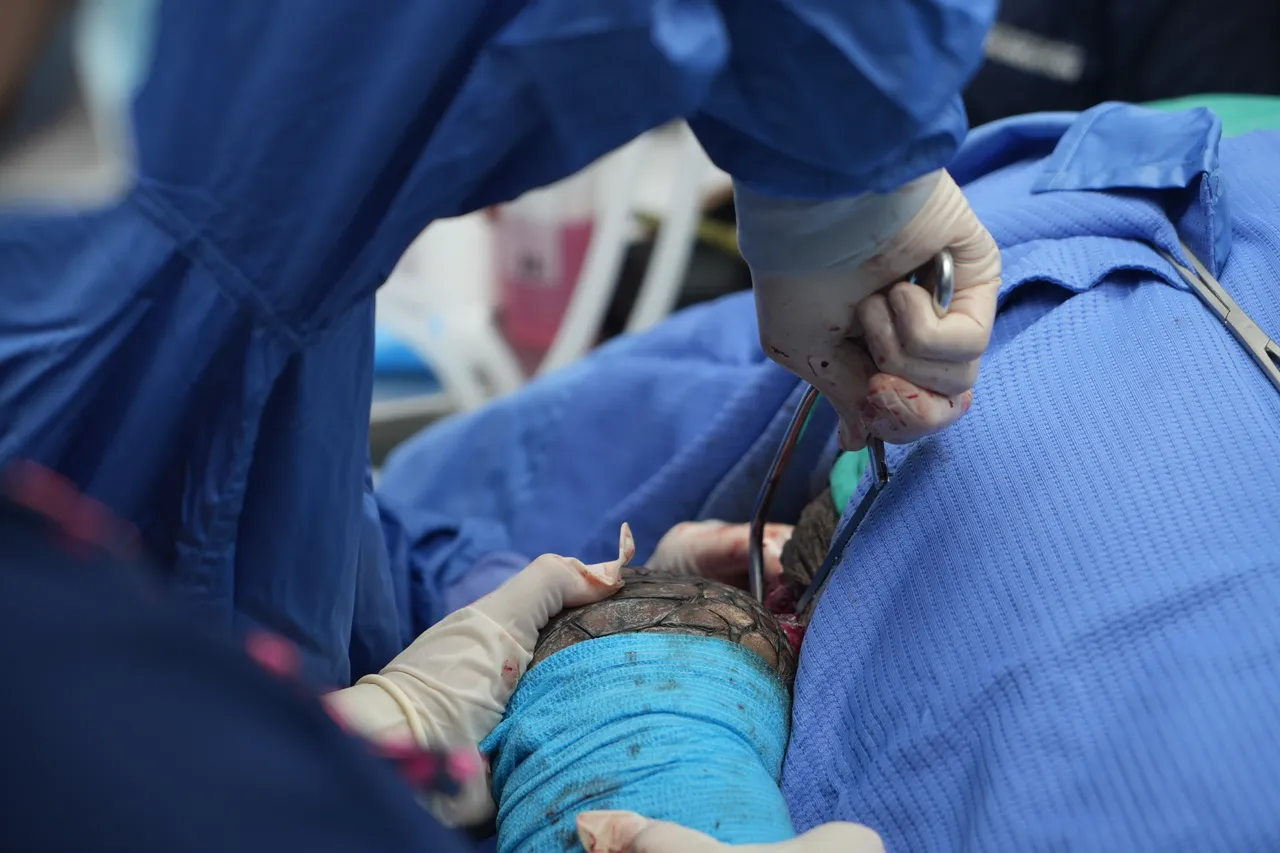
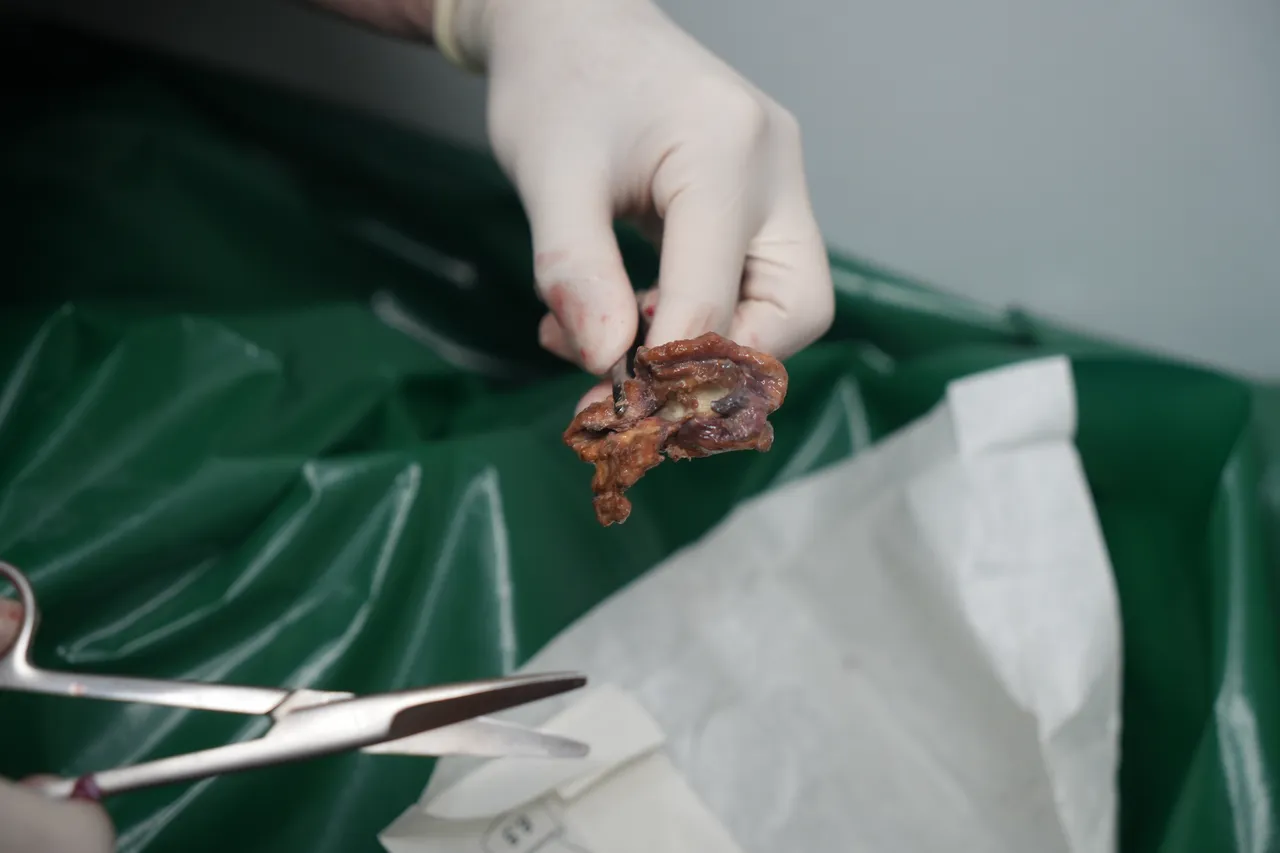
After the surgery, while Habanero was waking up, Dr Bernice explored the elbow of the amputated limb to see the extent of the infection. The team was unsurprised when a large ball of necrotic material the size of a chicken egg was found in the middle of the joint space – a clear sign that the amputation was necessary to remove the original infection site.
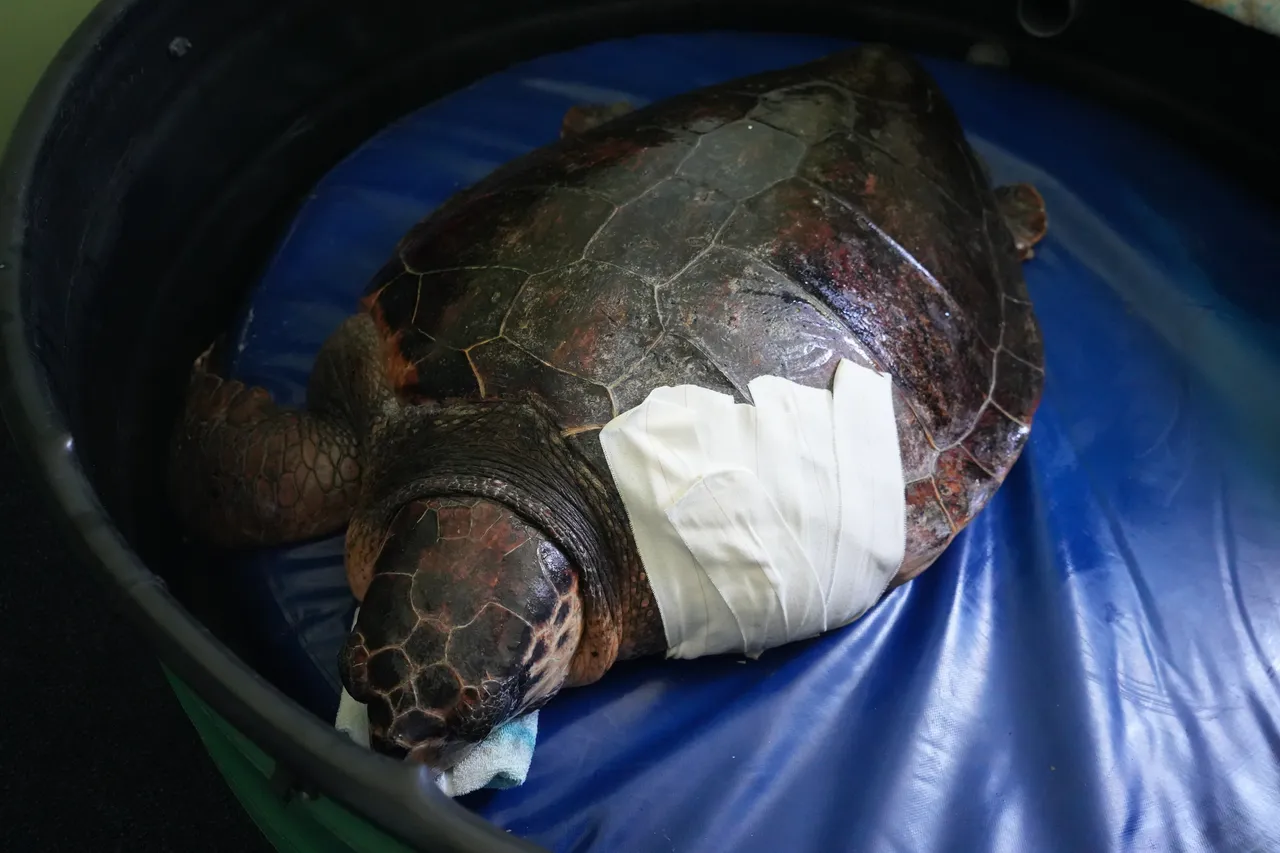
Habanero was later transported back to the Turtle Conservation Centre, where he would be dry-docked for five days in a vacant office space. The room was kept at a stable temperature to keep Habanero as comfortable as possible while he recuperated. Dr Bernice also regularly administered fluids, pain relief, anti-inflammatories, and antibiotics.
“We are truly happy that everything went well with his surgery. His prognosis for long-term recovery is still guarded, as he has small spots of bone infection present in his other flippers. We hope that, because the primary cause of infection (the original bad elbow) has been removed, the other spots of infection in the body will respond to systemic antibiotics, and the infection can be cleared up,” says Dr Bernice.
Habanero’s post-surgery recovery
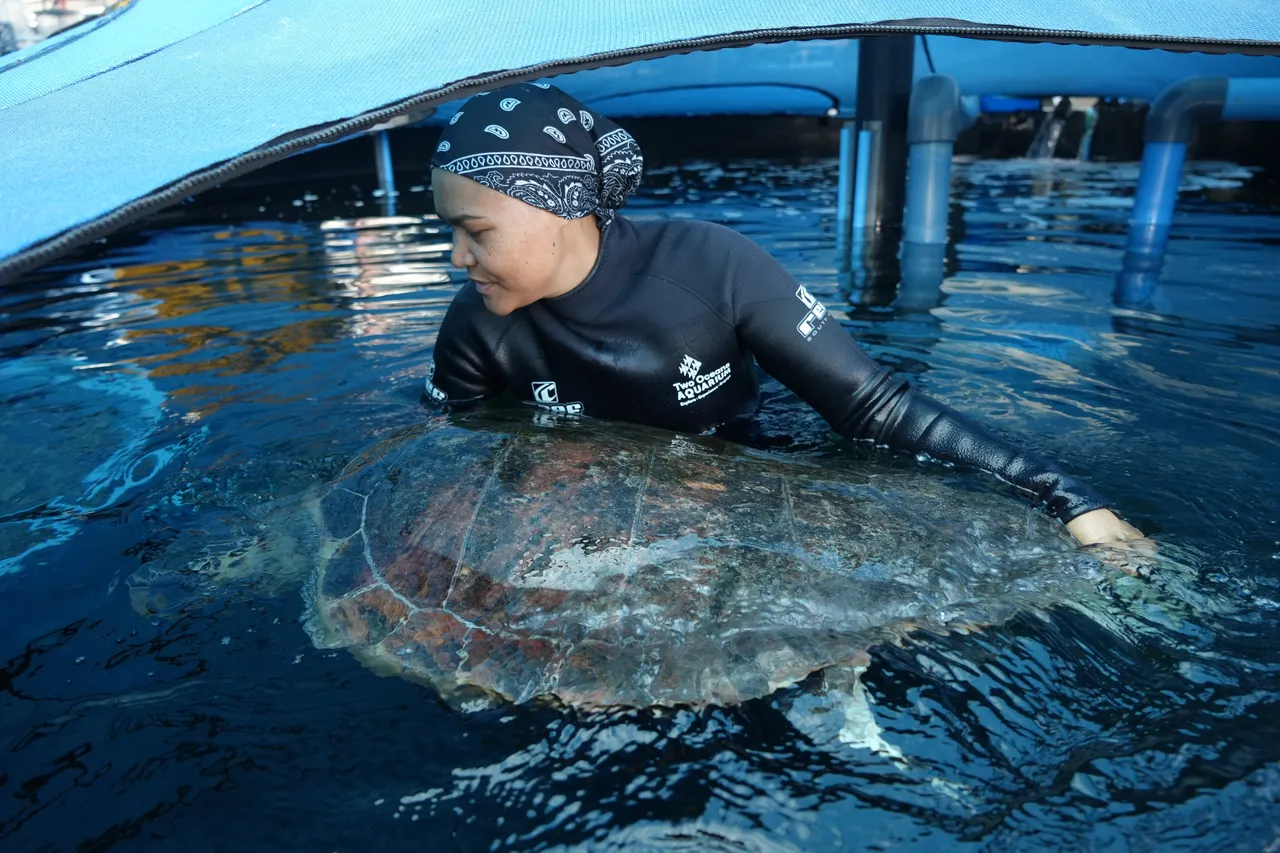
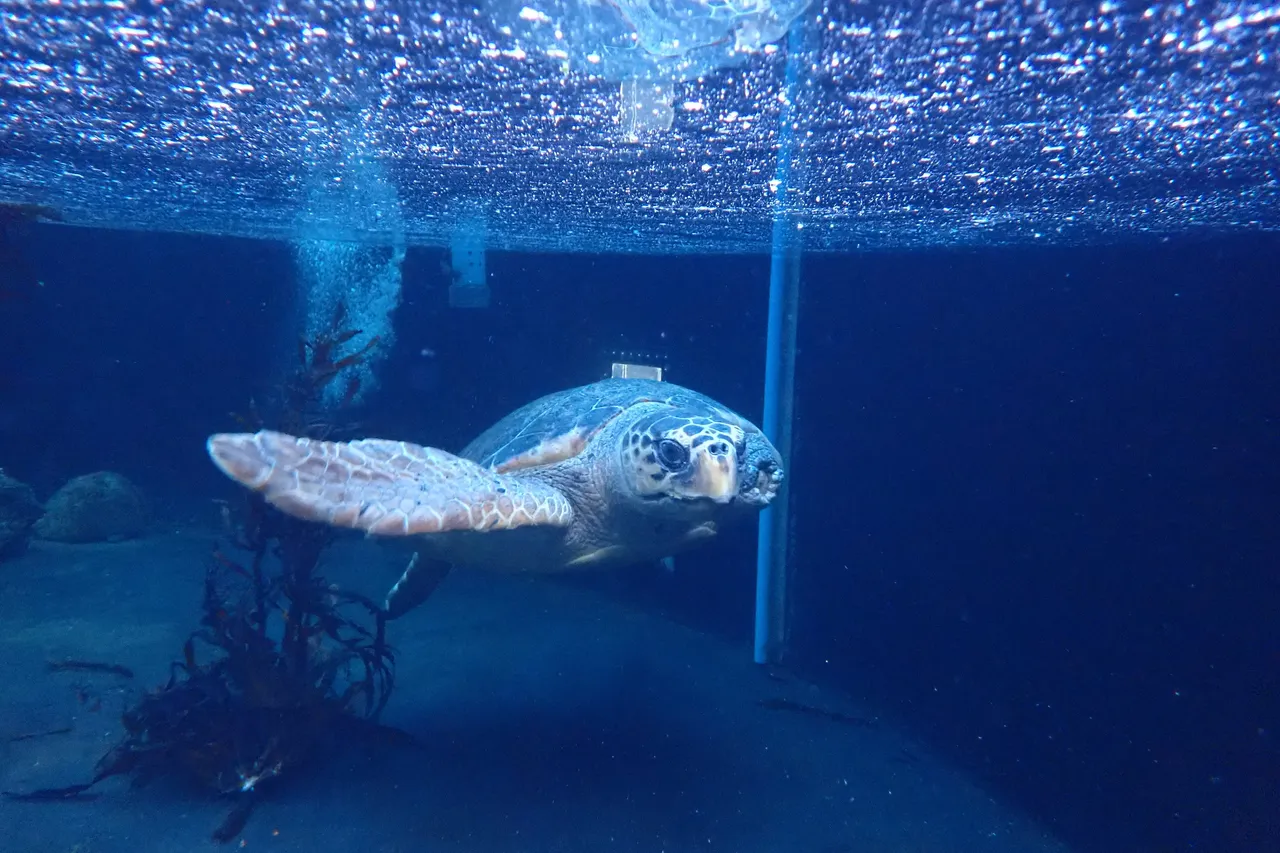
After his period of dry-docked convalescence, Habanero was moved into one of the larger holding pools in the Turtle Conservation Centre’s rehabilitation space. Here, the team could monitor him closely as he readjusted to swimming with just three flippers.
“We will continue to monitor his whole-body progress by taking radiographs, doing CT scans, and running blood work periodically. We expect treatment to continue for several months before he will be considered ‘in the clear’,” said Dr Bernice.
While the surgery was critical in giving Habanero the best possible chance to recover from the infection in his body, it is impossible to guarantee the long-term outcome. Despite this, the Turtle Conservation Centre team remains hopeful that he will continue to heal with time, and they will continue cheering him on along the long road ahead.
What’s next for Habanero?
Since his surgery, Habanero has shown grit and determination in his recovery journey. All through this process, Dr Bernice and the team have kept a close eye on Habanero’s vital signs and general health. This includes regular blood tests to check his organ function and the level of infection and inflammation in his blood.
One of the most important parts of post-operation recovery is ensuring that the surgical site is healing well. Dr Bernice has examined the wound several times and is pleased with its healing thus far: “The bone edges where we amputated are now covered with new tissue, and there is no infection in the surgical site. It will take a couple of months for the wound to fill in and heal completely, but it is well on its way,” she says.
After the surgery, there was some concern that the infection in Habanero’s right elbow would continue to worsen, or that new sites of infection in other bones would be discovered. Thankfully, regular radiographs over the past months have revealed no new sites of infection – Habanero’s right elbow appears stable and, with the chronically infected left flipper removed, the team is tentatively hopeful that he will make a complete recovery.
Habanero’s story has not been a straightforward one; he has endured immense hardship with remarkable determination. Though he will move through the ocean differently after losing his flipper, Habanero’s future looks considerably brighter thanks to the efforts of Dr Bernice and the Turtle Conservation Centre team, Morukuru Goodwill Foundation, and his many supporters. Habanero is proof of the remarkable courage of turtles, and a reminder that there is real hope on the horizon.
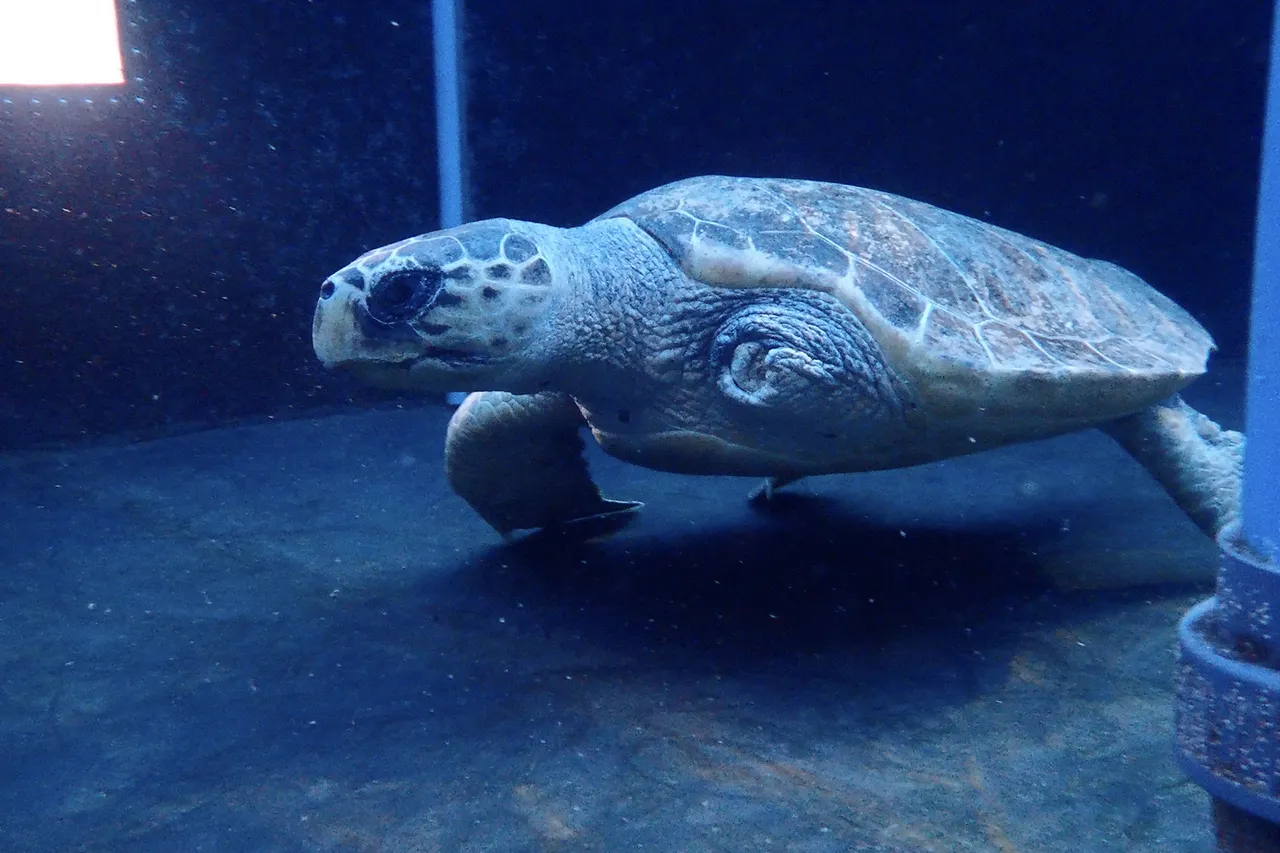
Watch Habanero's surgery story
Related News
Sign up to our Newsletter
Receive monthly news, online courses and conservation programmes.