Cape Town has another rare Antarctic visitor – a crabeater seal
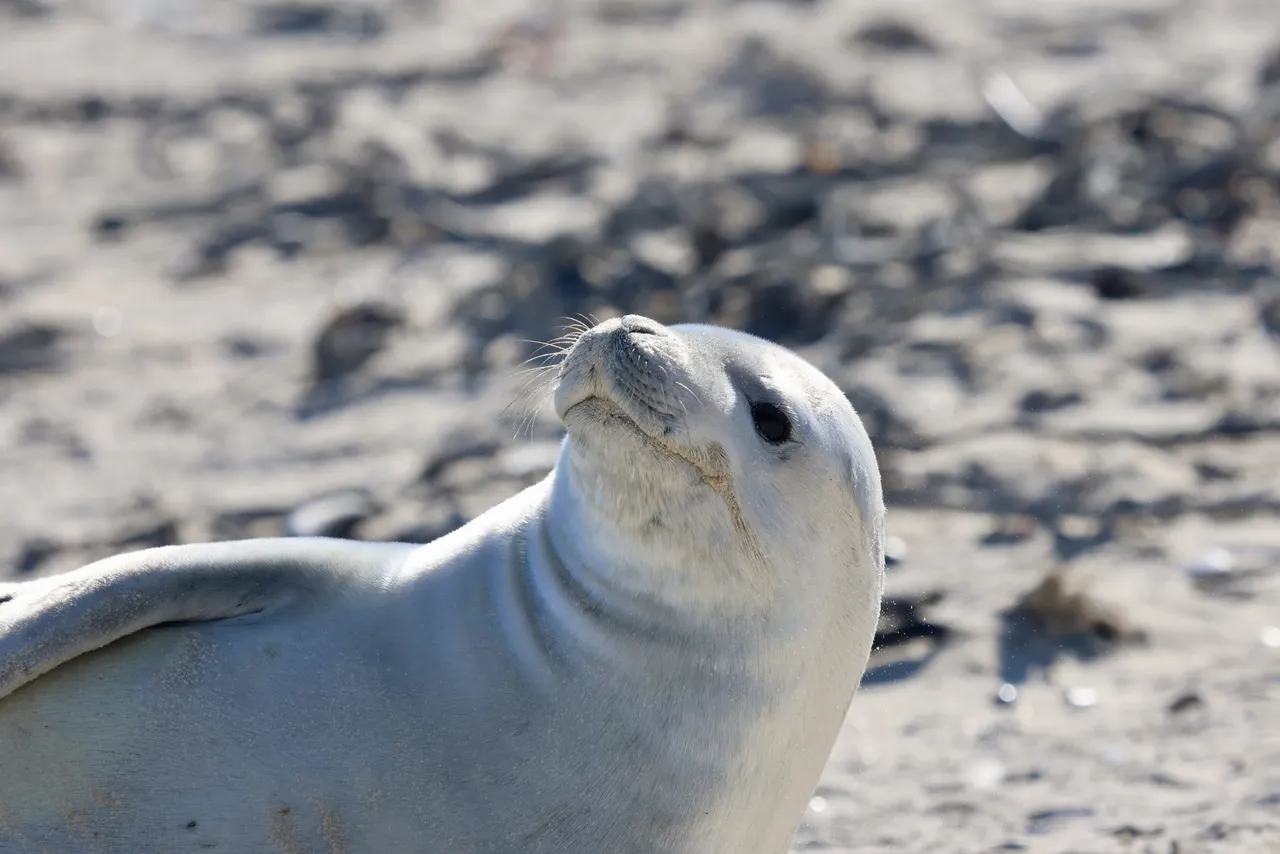
An unusual visitor from Antarctica has been spotted along the Cape’s coastline this week. A female crabeater seal, a species seldom seen in South African waters, was initially sighted at Baden Powell Drive and later in the Strand area.
This remarkable animal has travelled an estimated 4 500 kilometres from her Antarctic home, journeying even further than the southern elephant seals that have visited our shores in recent years.
“We are so lucky to have these amazing creatures visit our shoreline. We appeal to all members of the public to please leave them alone, respect their space, and view them from a distance. They don’t need help, food, or water – the best we can do for them is give them peace and space,” says Gregg Oelofse, Coastal and Environmental Manager for City of Cape Town.
A swift, collaborative response for conservation
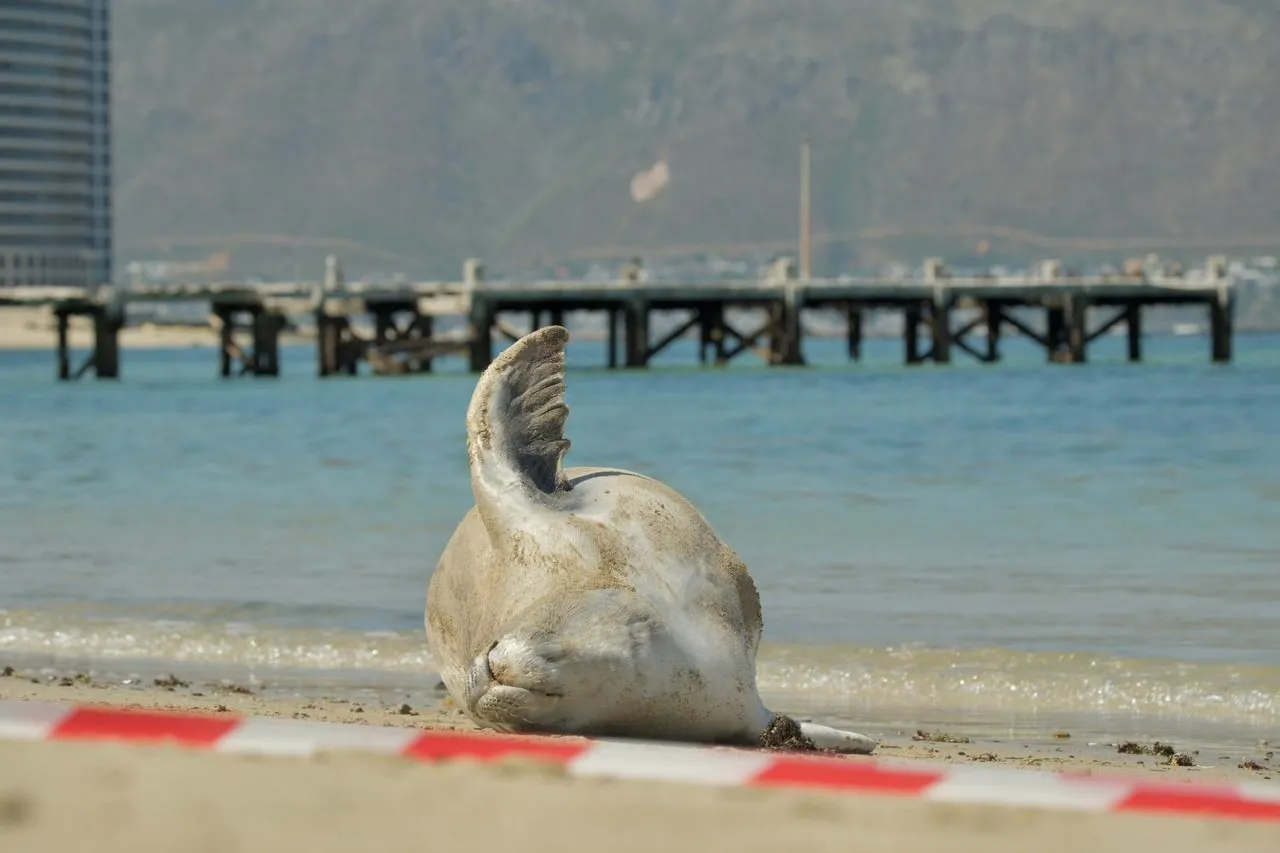
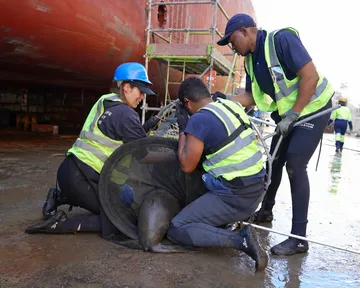
A collaborative team of experts responded swiftly to ensure both public and animal safety. City of Cape Town and Helderberg Ocean Awareness officials cordoned off the area the seal occupied to protect both the seal and members of the public, ensuring the animal had enough space to rest undisturbed. The seal will also be monitored by supporting organisations while she is in the area.
As a precautionary measure, a coordinated marine wildlife response team comprising Martine Viljoen (Marine Wildlife Programme Manager at the Two Oceans Aquarium Foundation), Zafar Monier (Marion Island sealer), and Yinhla Shihlomule (SAPRI) administered a rabies vaccination to the seal. This forms part of a broader vaccination programme currently being implemented for Cape fur seals and other vagrant species, including elephant seals. Given that crabeater seals travel vast distances and interact with numerous marine species in the Southern Ocean, vaccination is a proactive step to mitigate potential disease transmission.
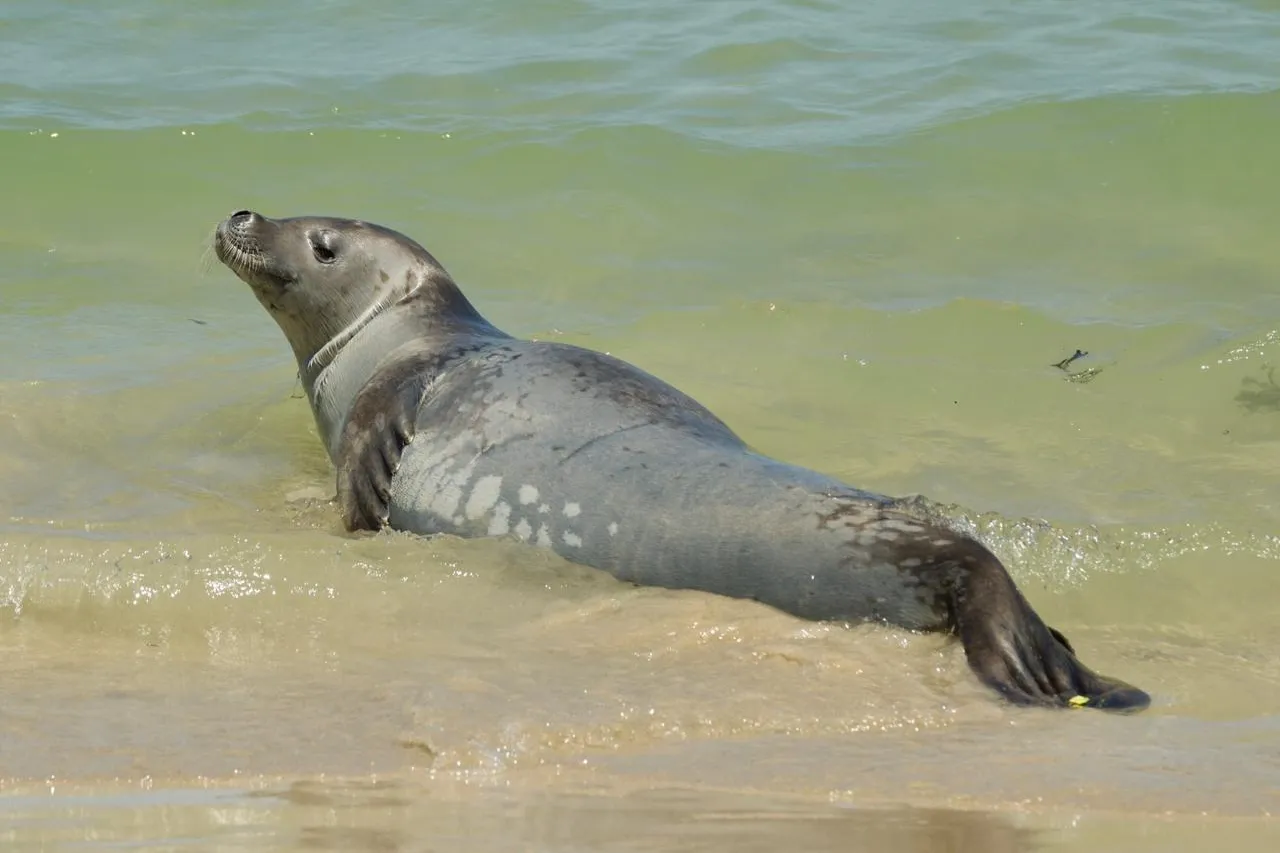
The team also fitted the seal with a flipper tag for identification purposes.
“Flipper tagging provides a unique visual identification, allowing individual seals to be recognised over time. This helps confirm whether repeated sightings involve the same seal rather than different animals, particularly when a seal hauls out at multiple locations along the coastline,” said Martine Viljoen, Marine Wildlife team manager at the Two Oceans Aquarium.
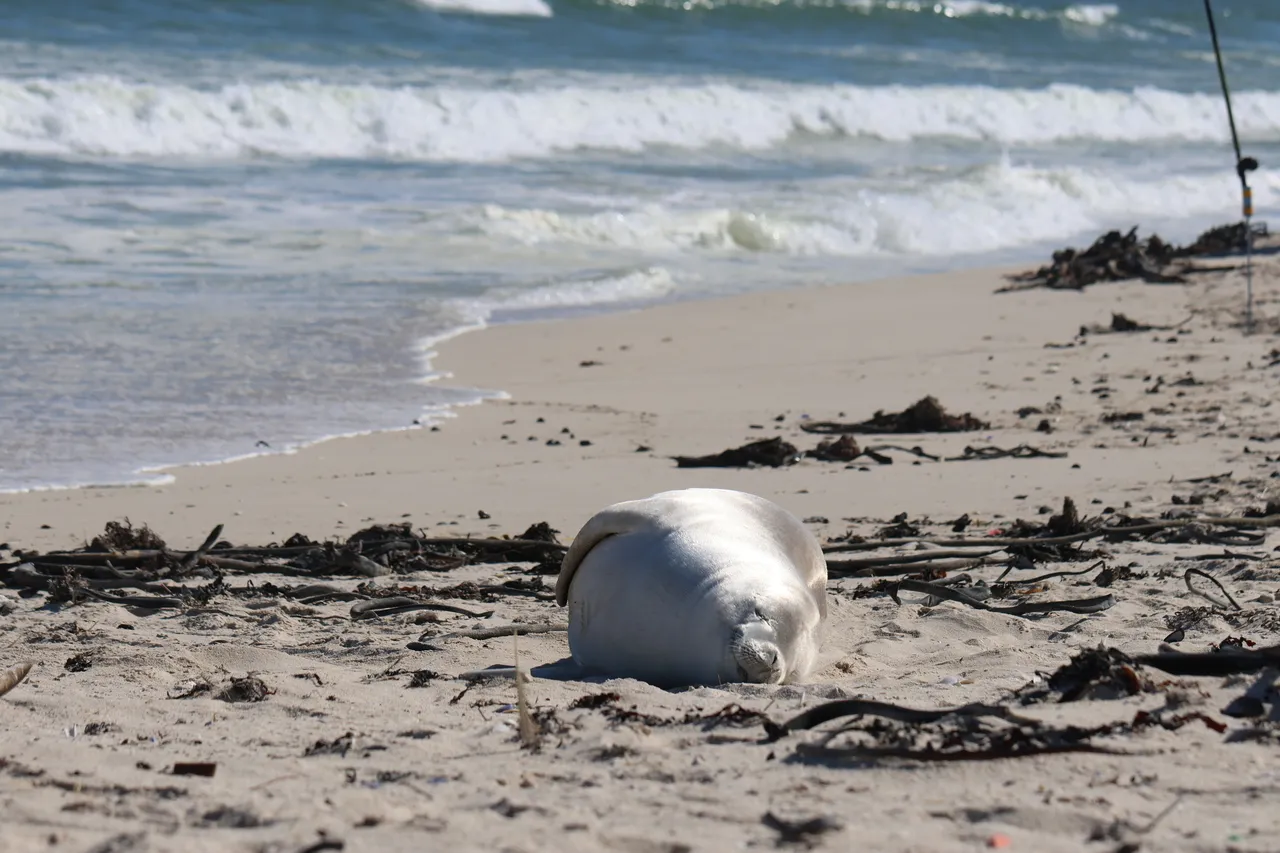
Initially, there was concern for the seal’s well-being after she displayed unusual behaviour of ingesting large amounts of sand. This is often an indicator of ill health – crabeater seals are not naturally adapted to South African coastal conditions, so such behaviour may reflect stress or disorientation. Sand ingestion can lead to fatal colic and is often the cause of death in vagrant seals. Thankfully, experts have discerned that there is no immediate concern for this individual, and she will be monitored for any change in behaviour or condition.
A little more about these fascinating seals
Crabeater seals are not just distant Antarctic curiosities. On rare occasions, they appear along our shores, offering a unique opportunity to observe and learn about a species very different from our familiar Cape fur seals. One of the main differences between the two species is that crabeater seals are true seals or Phocidae, while our Cape fur seals are Otariidae. True seals lack the fur seals' external ear flaps, and are more adapted for the icy waters of Antarctica.
When the Cape receives visitors like this crabeater seal, we refer to them as "vagrant" species. Vagrancy refers to animals that appear in an area outside their normal geographic range. This may be caused by navigation errors, extreme weather events, or physiological necessity, such as the southern elephant seals visiting the Cape to moult. Vagrancy is rare, but not uncommon. The vagrant seals appearing along the Cape coastline underscore the importance of public awareness and established safety protocols for the benefit of both wildlife and people.
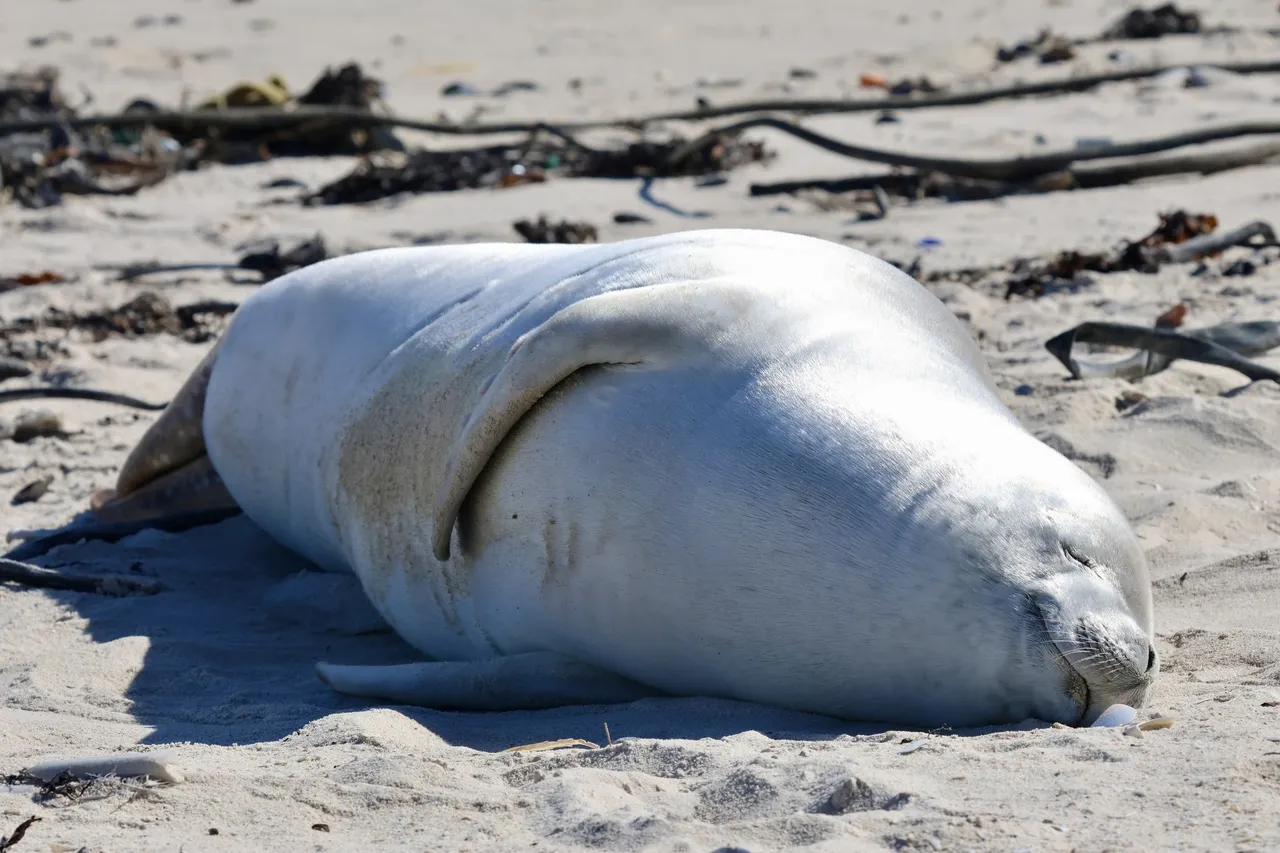
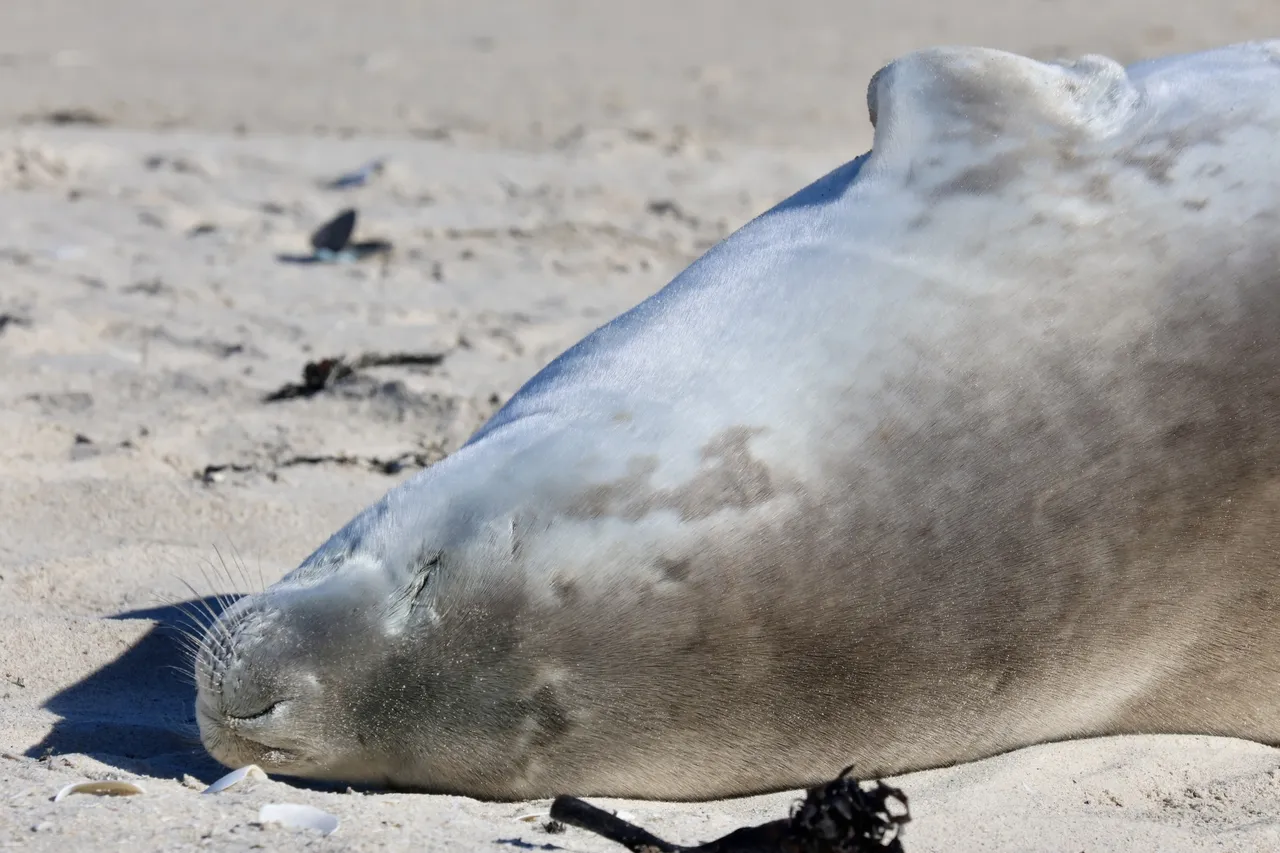
Despite their name, crabeater seals (Lobodon carcinophagus) do not actually eat crabs. Instead, their diet is largely made up of Antarctic krill. During feeding, crabeater seals can dive for about 10 minutes to depths of up to 30 metres!
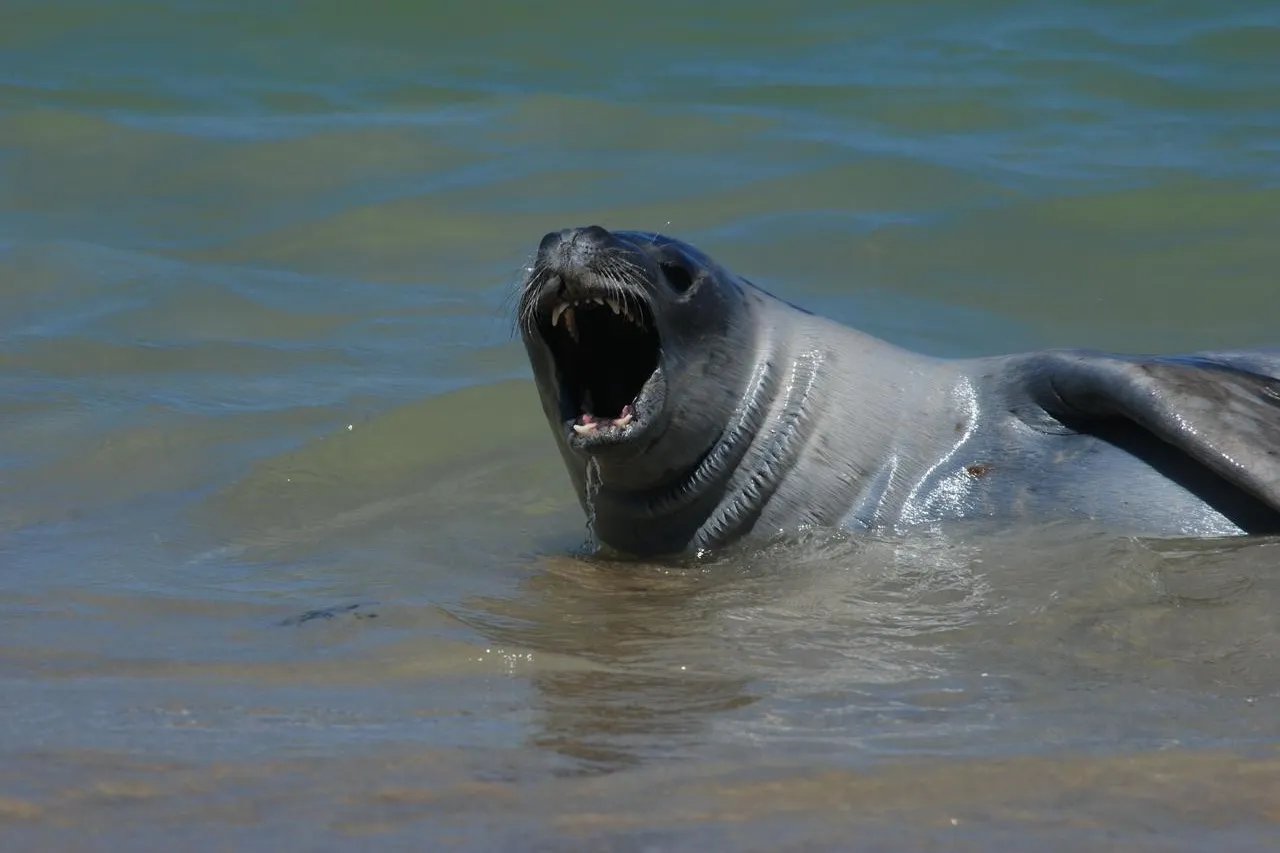
Their feeding technique is one of the more fascinating aspects about crabeater seals - they are filter-feeders like baleen whales. Their lobed teeth are specially adapted to strain water out of their mouths after they swim open-mouthed through swarms of krill, scooping up mouthfuls of these tiny crustaceans. As baleen whales were hunted near extinction until the 20th century, crabeater seals quickly became the most populous seal species in Antarctica and thus have very little competition for krill.
How can I safely view this crabeater seal?
While this incredible sighting may be a unique opportunity for the public to witness first-hand, it is vital to remember that this crabeater seal is a wild animal deserving of our respect and space to rest.
This is why the Two Oceans Aquarium urges members of the public to follow these important safety rules when encountering seals or other marine wildlife:
- Respect their space by staying at least 20 metres away.
- Observe barriers – remain behind any cordoned-off areas.
- Do not pour water over the seal, as this causes unnecessary stress.
- Minimise noise and movement to keep the environment calm.
- Keep dogs on leashes to prevent unexpected animal interactions.
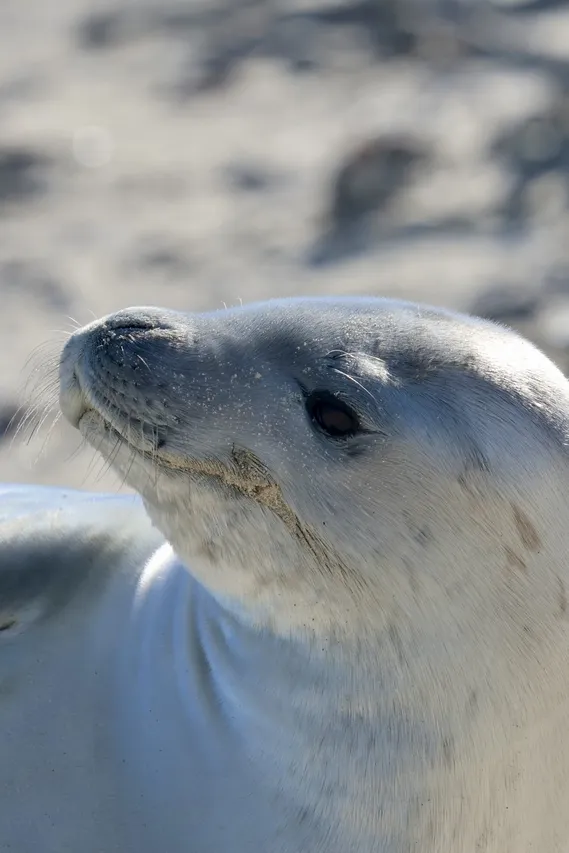
As this rare Antarctic traveller rests along our coastline, the message is clear: Admiration from a distance is the greatest kindness we can offer. By respecting her space, we ensure that this extraordinary visitor’s journey remains a story of wonder, not harm.
Related News
Sign up to our Newsletter
Receive monthly news, online courses and conservation programmes.