Sunfish season is here, and you can help protect them
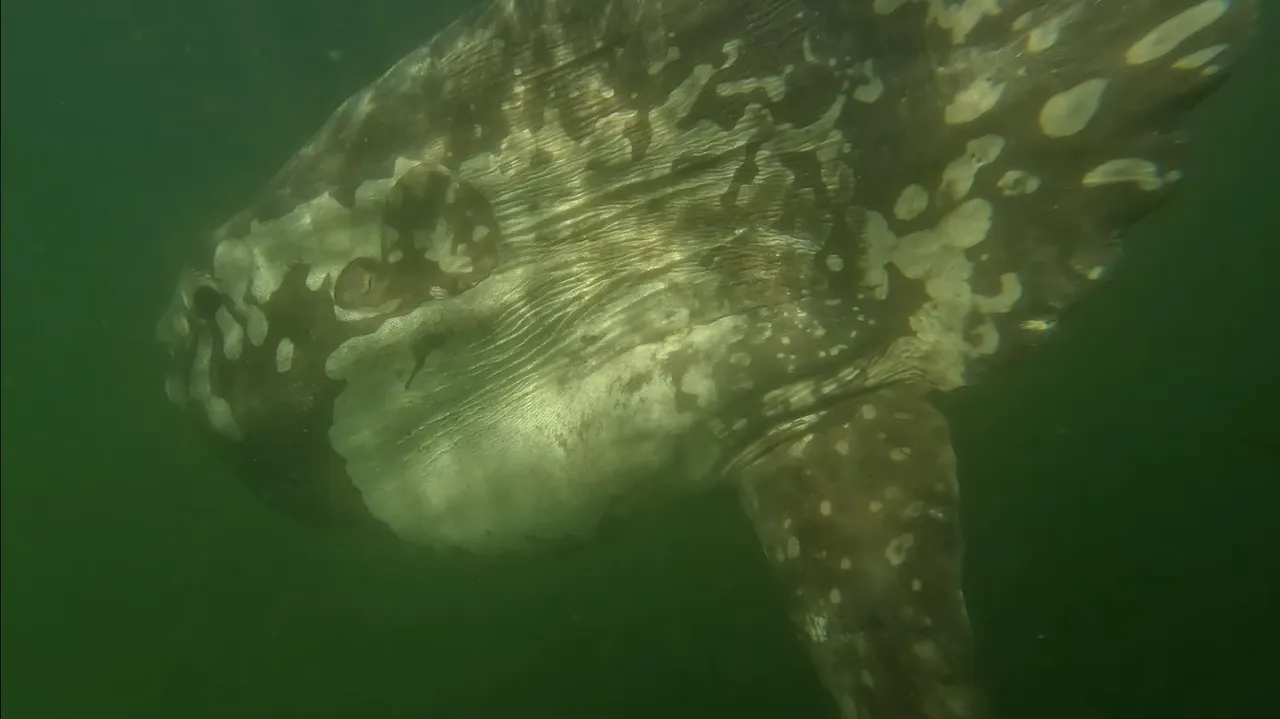
Sunfish season is here! Every summer, the otherworldly ocean sunfish (Mola mola) makes an appearance in Cape Town's coastal waters, delighting ocean lovers with its unusual appearance and impressive size.
Sunfish sightings in Cape Town are most common between January and April, although these fascinating ocean wanderers can appear as early as November or December. During this “sunfish season”, the Two Oceans Aquarium Foundation’s Marine Wildlife Management Programme (MWMP) and Research teams play an important role in monitoring and protecting sunfish in the V&A Waterfront and surrounding waters.
But what makes these unusual giants of the ocean so unique? Why do they visit Cape Town, and what can we do to help protect them?
Let’s explore the curious world of sunfish and discover how you can help these remarkable animals.
What is a sunfish?
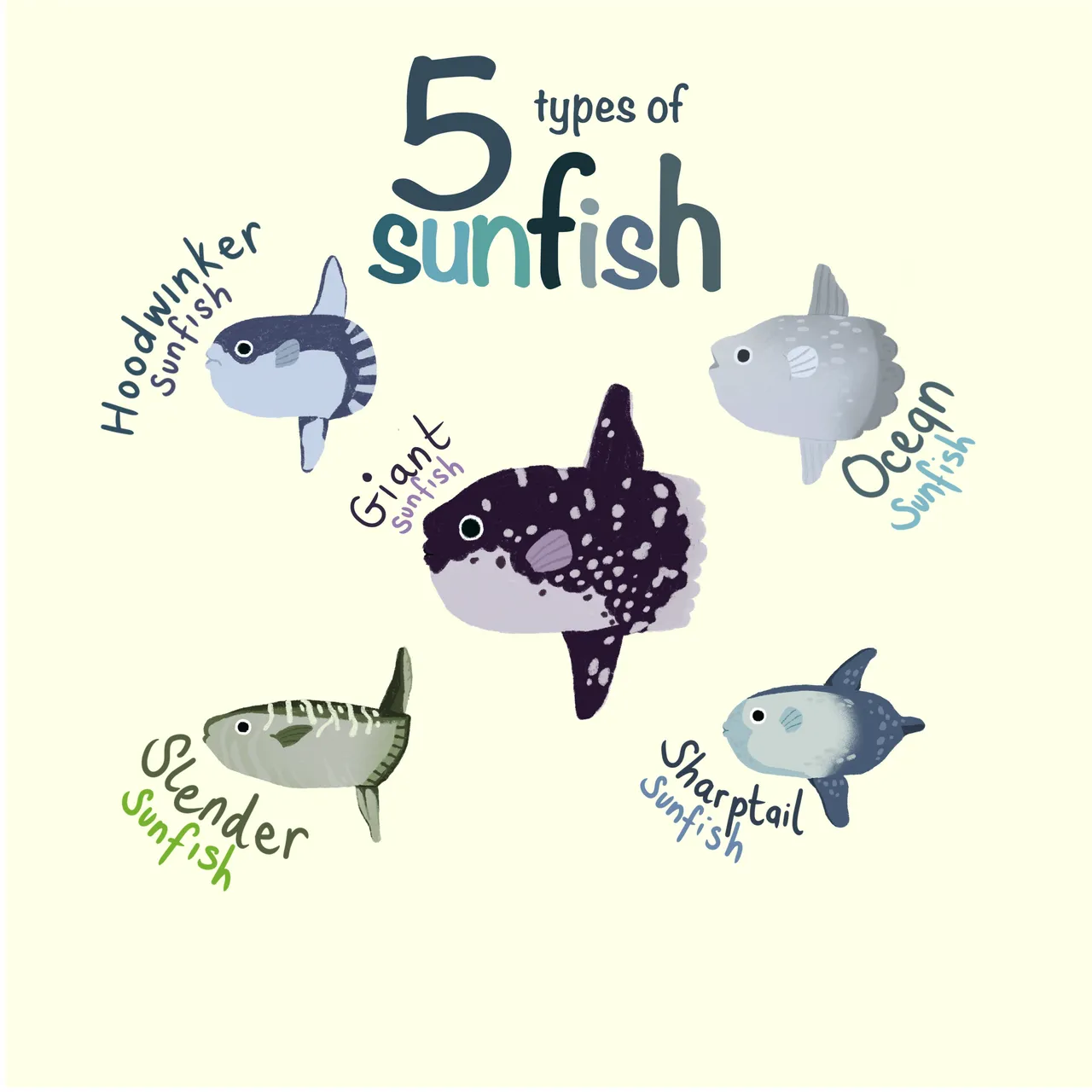
Sunfish belong to the family Molidae, all five species of which can be spotted in South African waters along the Western and Southern Cape coasts. Recognised by their large, oval-shaped bodies, prominent dorsal and anal fins, and distinctive lack of a conventional tail fin, sunfish have a truly unusual, almost alien-like appearance.
The five species that live in and visit South African waters are:
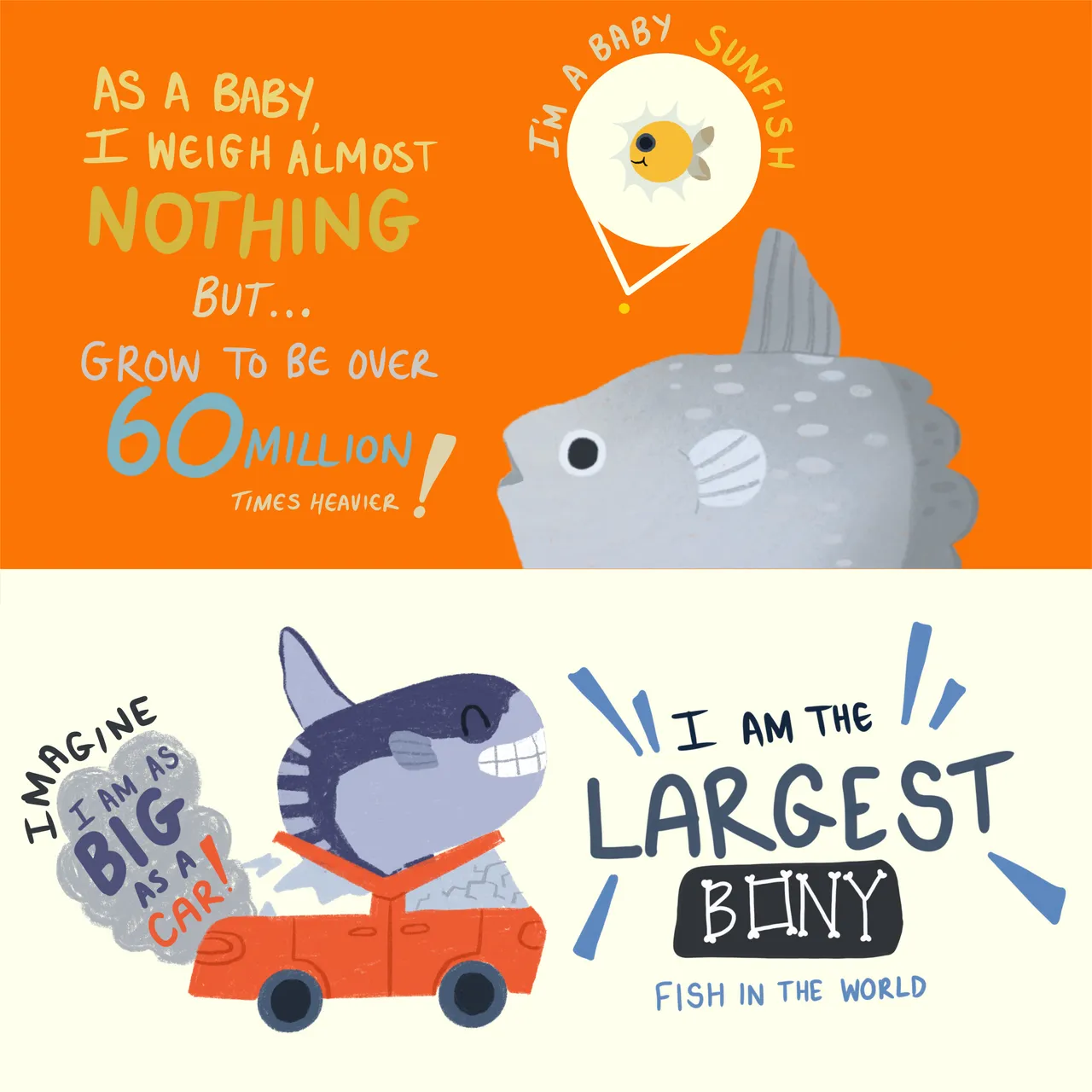
- Ocean sunfish (Mola mola): The most encountered sunfish species, ocean sunfish are the heaviest known bony fish in the world! Some individuals can weigh over a tonne.
- Giant sunfish (Mola alexandrini): A relative of the ocean sunfish, distinguished by its prominent head profile and exceptionally large size.
- Hoodwinker sunfish (Mola tecta): A recently described species known to inhabit the Southern Hemisphere, with records from South African and Chilean waters.
- Sharptail sunfish (Masturus lanceolatus): Characterised by a distinct, pointed extension in the centre of its pseudo-tail, known as the clavus.
- Slender sunfish (Ranzania laevis): Distinguished by its more elongated, streamlined body, which contrasts with the broad, disk-like shape typical of other sunfish species.
Gentle giant with tough skin
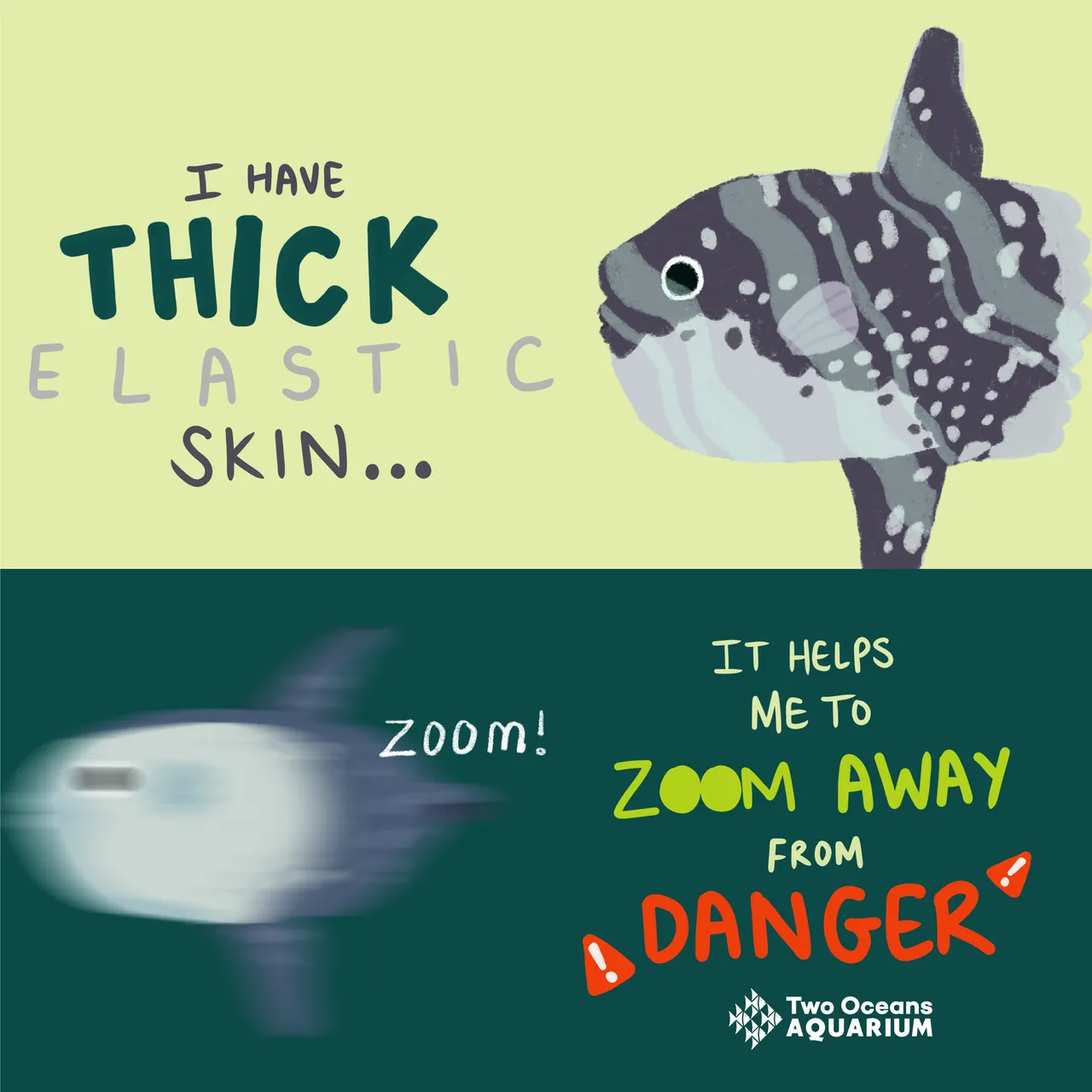
Sunfish are fascinating for many reasons, one of which is the unique characteristics of their skin.
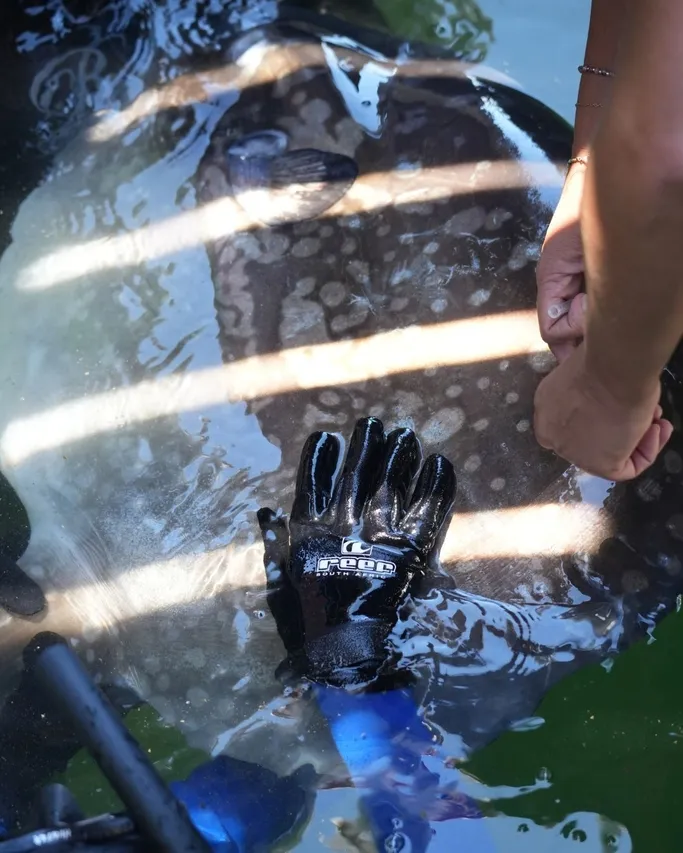
Similar to the dermal denticles of cartilaginous fish like sharks and rays, sunfish have rough skin covered in tiny, specialised, tooth-like structures. However, unlike true dermal denticles, sunfish possess highly modified scales that resemble these “skin teeth” in texture and function. The shape of these scales depends on the species and life stage, varying from sharp and conical to small and multi-cusped.
The surface of sunfish skin has a sandpaper-like texture due to their microscopic scales, making it incredibly gritty and rough to the touch. Their skin is also exceptionally thick, reaching up to 7.3cm in some areas. It consists of a dense, elastic matrix of interwoven collagen fibres, providing strength and protection.
Another remarkable feature of sunfish skin is the thick mucus barrier that coats it. This mucus helps protect sunfish against parasites, pathogens, and other environmental threats. Together, the skin's rough surface, substantial thickness, and protective mucus layer form an effective defence against the harsh marine environment.
Big body, little mouth
Despite their enormous size, ocean sunfish have surprisingly small mouths! Their mouths contain a beak-like structure, formed by fused teeth in both the upper and lower jaws, which they use to bite and crush their prey. This unusual structure also gives sunfish their characteristic permanently surprised expression, as their mouths often appear to be fixed in a partially open position.
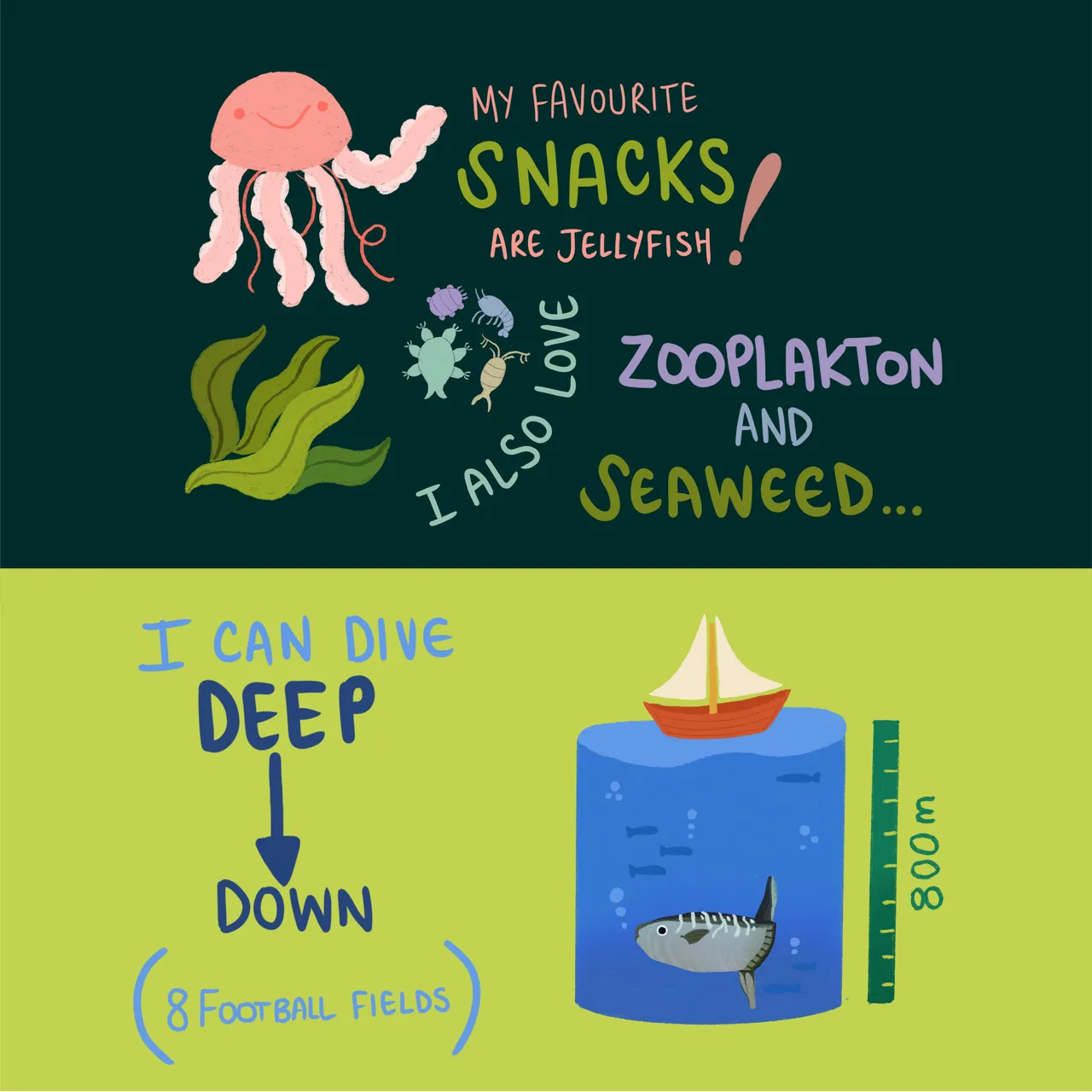
Ocean sunfish feed on a variety of organisms, including crustaceans, zooplankton, and jellies. They are particularly fond of jellies, which they consume by sucking in water along with their prey before expelling the excess water through their mouths or gills. Further back in their throats, specialised pharyngeal teeth help grip, tear, and grind food before it is swallowed.
But how do sunfish cope with a diet that includes potentially stinging jellies? Scientists suspect that a mucus-like lining in their digestive tracts may help protect them from jelly stings!
Interestingly, sunfish don't just eat other organisms – they also provide a home for many. Nearly 40 different kinds of parasites have been observed living on or inside ocean sunfish, including gooseneck barnacles discovered in a sunfish's throat. Some of these parasites even carry parasites of their own!
Why is there a sunfish season?
Sunfish season refers to the time of year when ocean sunfish are most commonly spotted along the Western Cape coastline. These sightings often coincide with blooms of jellies and cold, nutrient-rich water rising to the surface through a process called upwelling. These conditions can attract sunfish closer to shore and into shallower waters.
Here in Cape Town, South Africa, peak sunfish season typically runs from late summer to early autumn. However, ocean sunfish are found around the world, and the timing of their seasonal appearances varies depending on local ocean conditions.
In the Mediterranean, for example, sunfish sightings are most common from late spring to early autumn, when the waters begin to warm. Meanwhile, in Bali, Indonesia, sunfish season typically runs from July to October, coinciding with cold-water upwelling in the Indian Ocean. During this period, these enormous fish can move from depths of more than 200m into shallower waters, where they visit cleaning stations and give lucky divers the opportunity to observe them up close!
Homeward bound
Most sunfish species don’t have a specific home base or off-season. Instead, they dive deep into the cold, open ocean waters. Sunfish get their name from their famous sunbathing behaviour, where they float flat on their sides at the surface. This helps warm their bodies after spending time diving as deep as 600m to hunt for jellies and crustaceans.
Rather than having a fixed home, their home is defined by the depths of the ocean. They inhabit open waters around the world, following warm currents and seasonal food sources.
From tiny eggs to ocean giants
Finding a mate can be challenging when you're a solitary animal roaming the vast open ocean! Sunfish have adapted to this challenge by producing enormous quantities of eggs and sperm, which are released into the water for external fertilisation. Female ocean sunfish can produce an astonishing 300 million eggs, although only a tiny fraction is likely to survive to adulthood.
When they first hatch, sunfish larvae are just 2mm long – roughly the size of a sesame seed! At this vulnerable stage, they may gather in small schools for protection as they grow and develop into juveniles.
As they mature, sunfish leave their schools behind and adopt a largely solitary lifestyle. Their growth is extraordinary: From microscopic larvae, they develop into some of the heaviest bony fish in the ocean! Estimates suggest that it can take around 25 years for sunfish to reach their full adult size.
How are we helping sunfish?
The Two Oceans Aquarium Foundation is working to better understand and protect sunfish through hands-on rescues, scientific research, and citizen science.
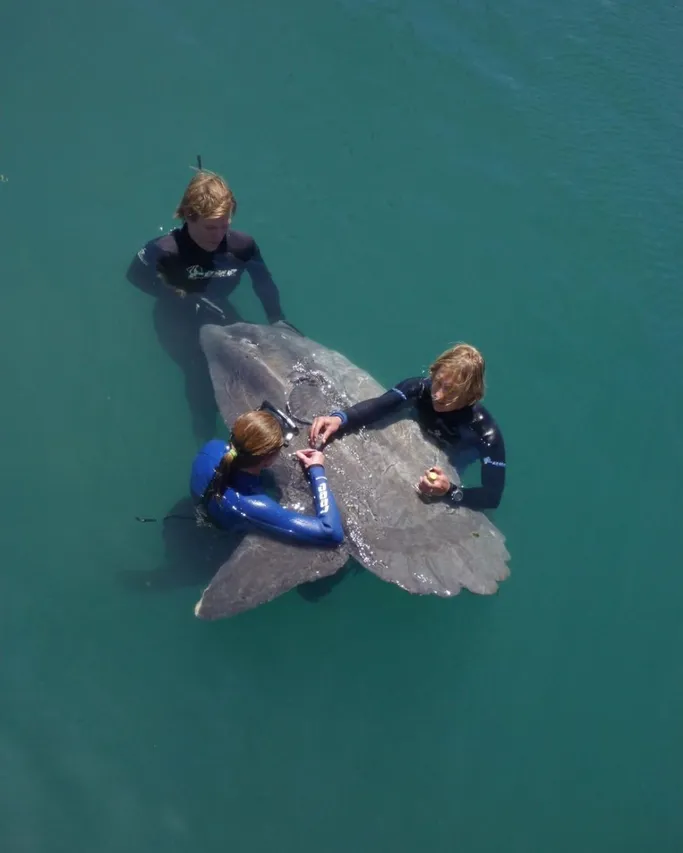
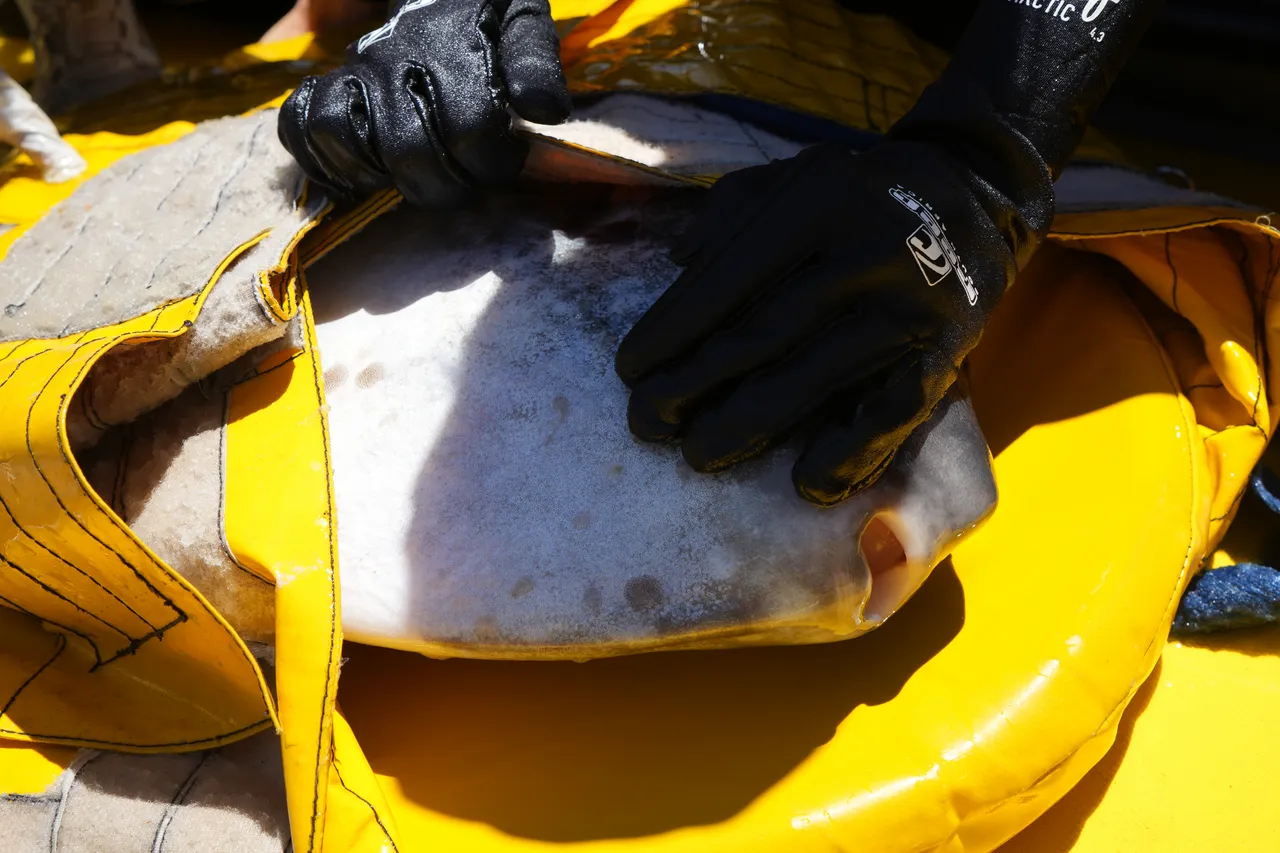
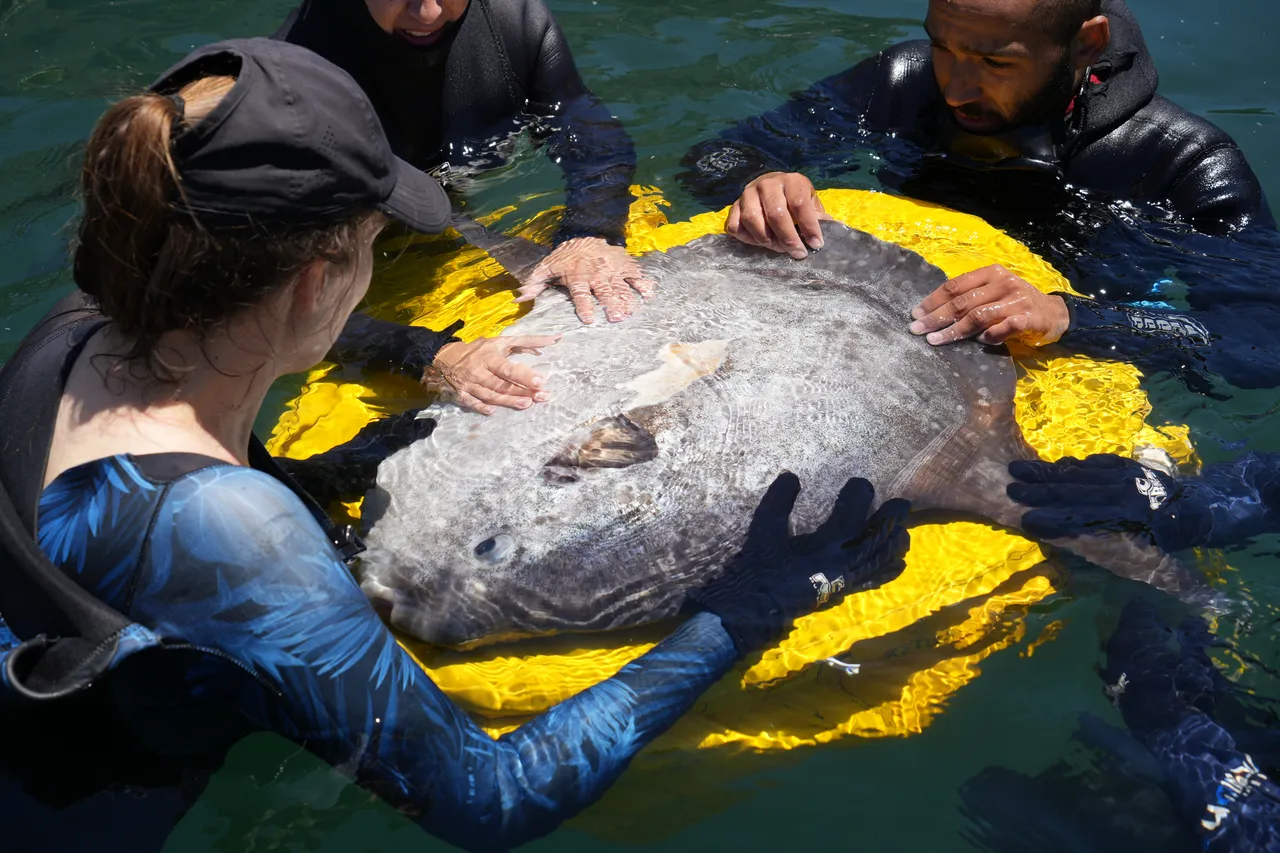
Our MWMP regularly monitors marine animals in the V&A Waterfront and Port of Cape Town, including sunfish that occasionally become trapped in the harbour. When these ocean wanderers need a helping hand, our team steps in to guide or rescue them and return them safely to the open ocean.
These rescues also provide valuable research opportunities! Whenever possible, our teams collect measurements and small tissue samples from sunfish before their release, contributing to research into the genetic diversity and distribution of sunfish species in South African waters.
The Foundation also supports a citizen science project that encourages the public to contribute to ongoing sunfish research by reporting their sightings.
How can you help?
You can play a role in protecting sunfish! Whether you're a kayaker, sailor, diver, or simply someone who loves spending time by the ocean, you can contribute to the Two Oceans Aquarium Foundation's citizen science project by reporting your sightings.
We're interested in sightings of all sunfish species in South African waters, including both living sunfish spotted at sea and deceased individuals washed up on shore. Every observation helps us build a better understanding of where these fascinating fish occur and contributes to ongoing research in collaboration with the University of Cape Town.
Try to give us as much information as possible, but especially:
- Any photos of the sunfish you can take,
- Its location (GPS pin is ideal),
- The date and time of your sighting,
- A brief description of any behaviours or oddities you may have noticed.
These can be reported to us on:
- WhatsApp: 076 092 8573
- Email: [email protected]
- Add it to the iNaturalist project
Whether you're regularly out on the water or simply lucky enough to spot a sunfish from shore, keep your eyes peeled and your camera ready! Every sighting counts, and you never need another excuse to photograph one of the ocean's quirkiest fish.
Related News
Sign up to our Newsletter
Receive monthly news, online courses and conservation programmes.