Tracking our Turtles: Nori visits the waters near St Helena island
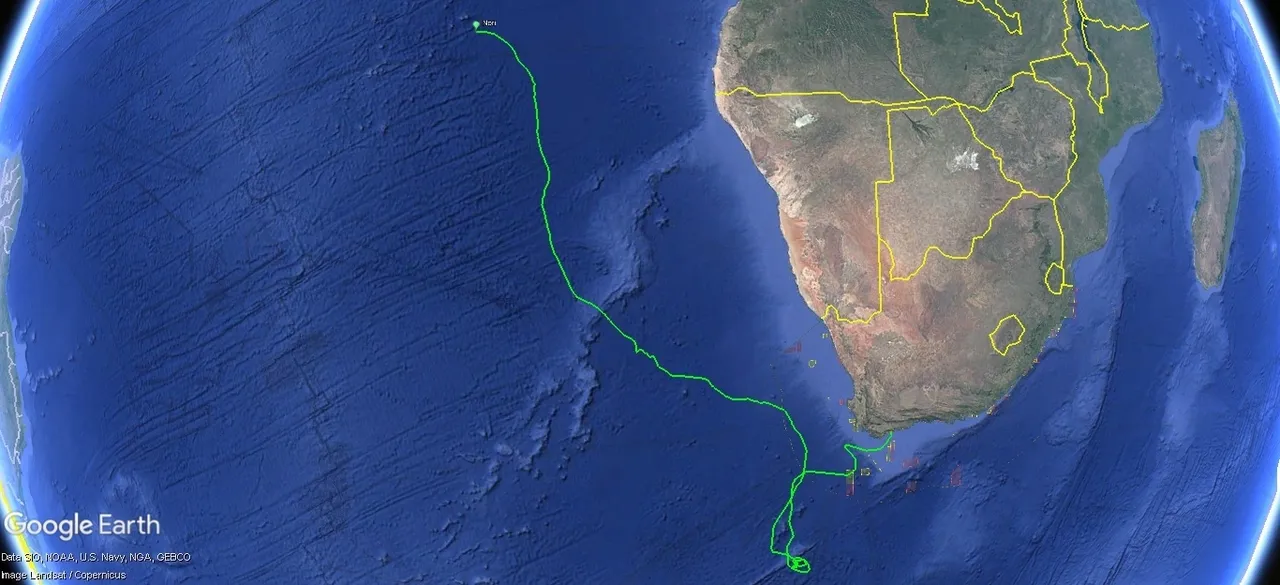
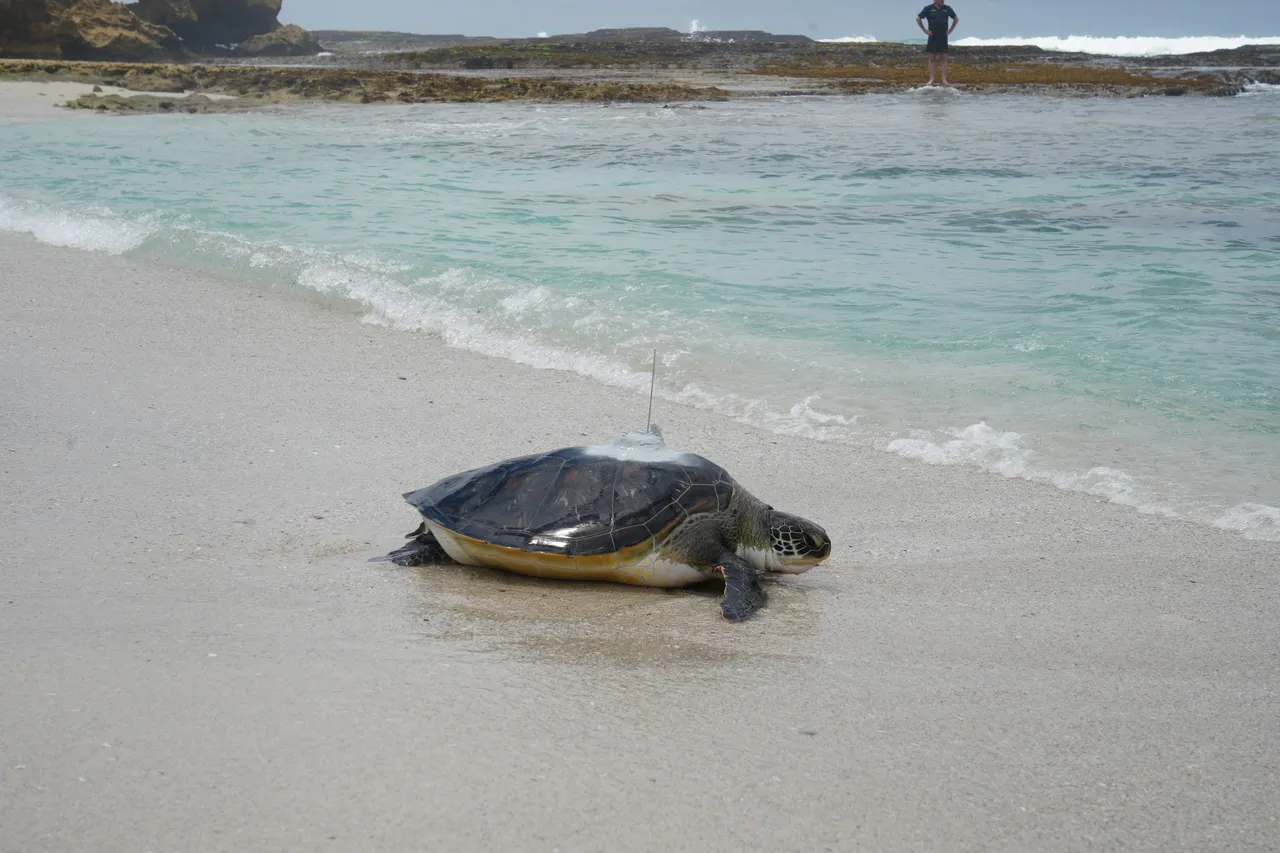
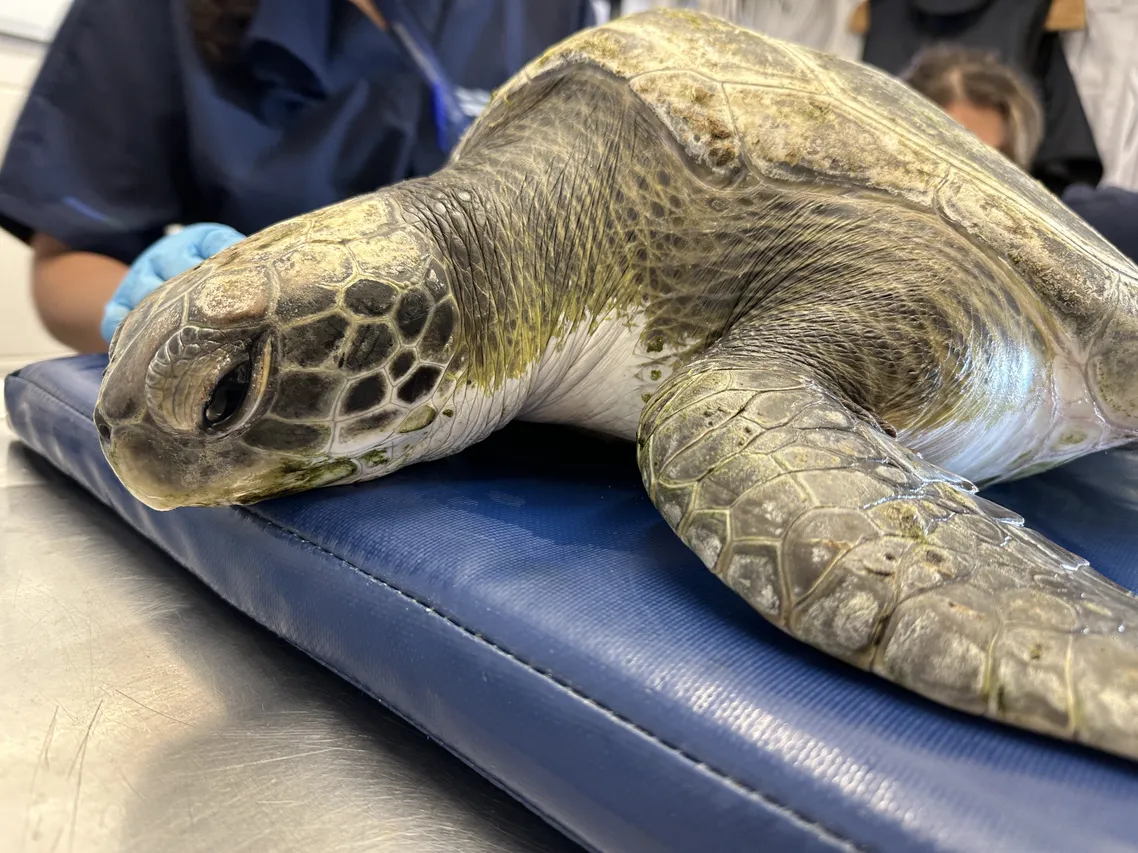
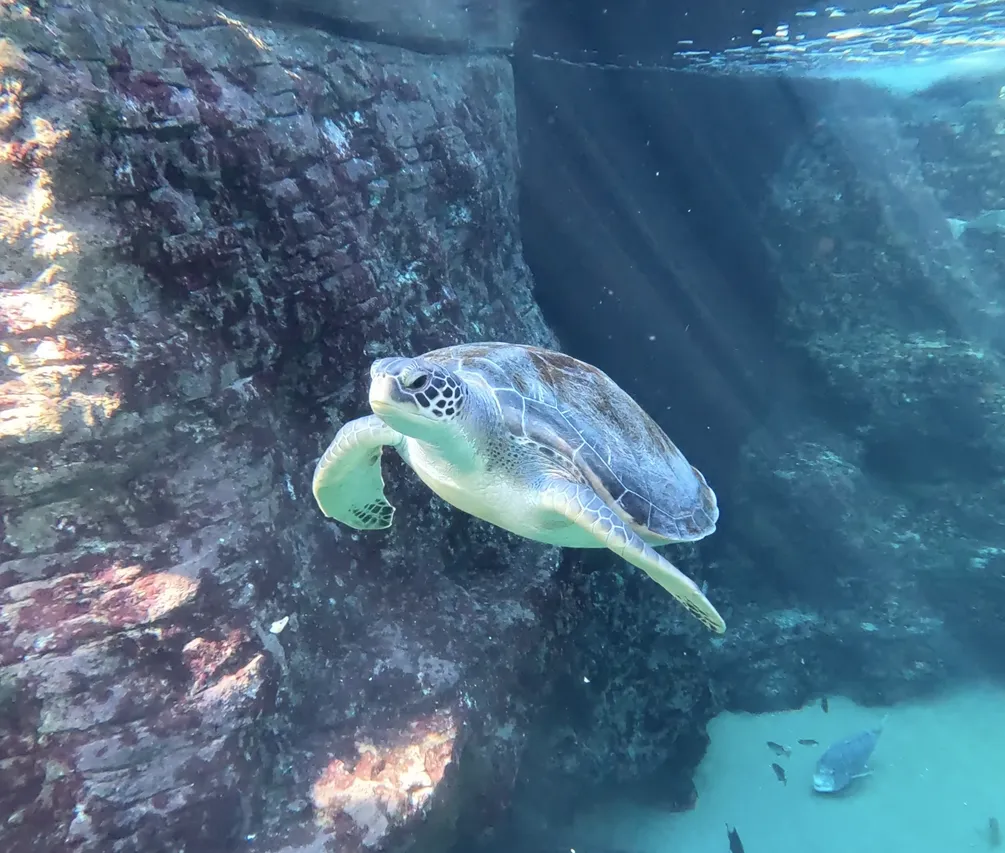
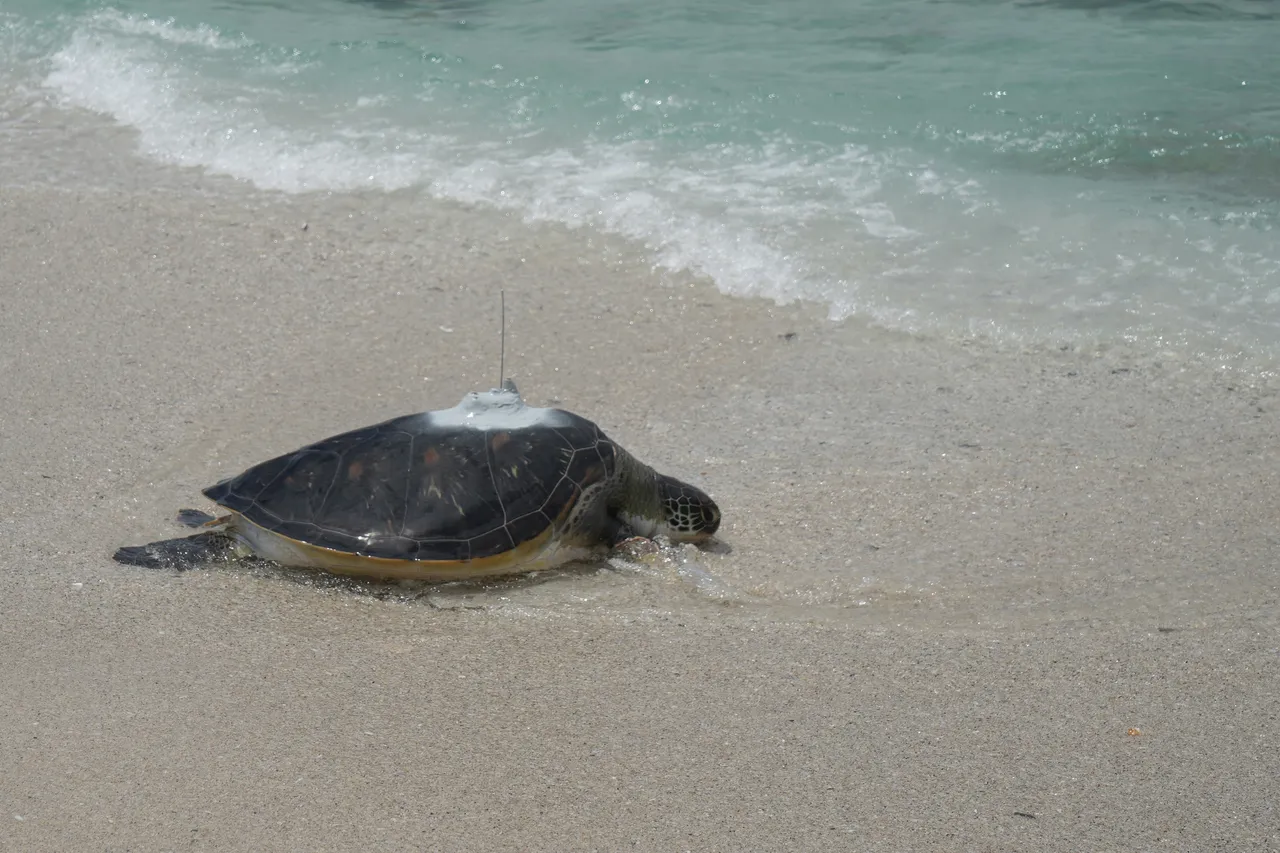
Nori, a green turtle who was in rehabilitation at the Turtle Conservation Centre for about two years, was released into the crystal clear waters of De Hoop Marine Protected Area in November 2025. Through her satellite tag, the Turtle Conservation Centre team has been able to share Nori's progress as she travels the open ocean. Her latest tracking update has revealed some interesting moves...
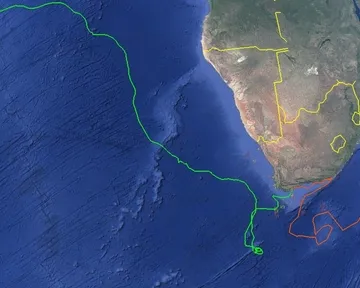
Since her release, the Turtle Conservation Centre team and our turtle community have watched in fascination as Nori moved south, making some beautiful loops in the surface currents before turning northward. To date, she has travelled 6 320km, averaging 41km per day. This distance takes on even more meaning when one considers the 11km ocean crossing our intrepid cold-water swimmers completed last weekend!
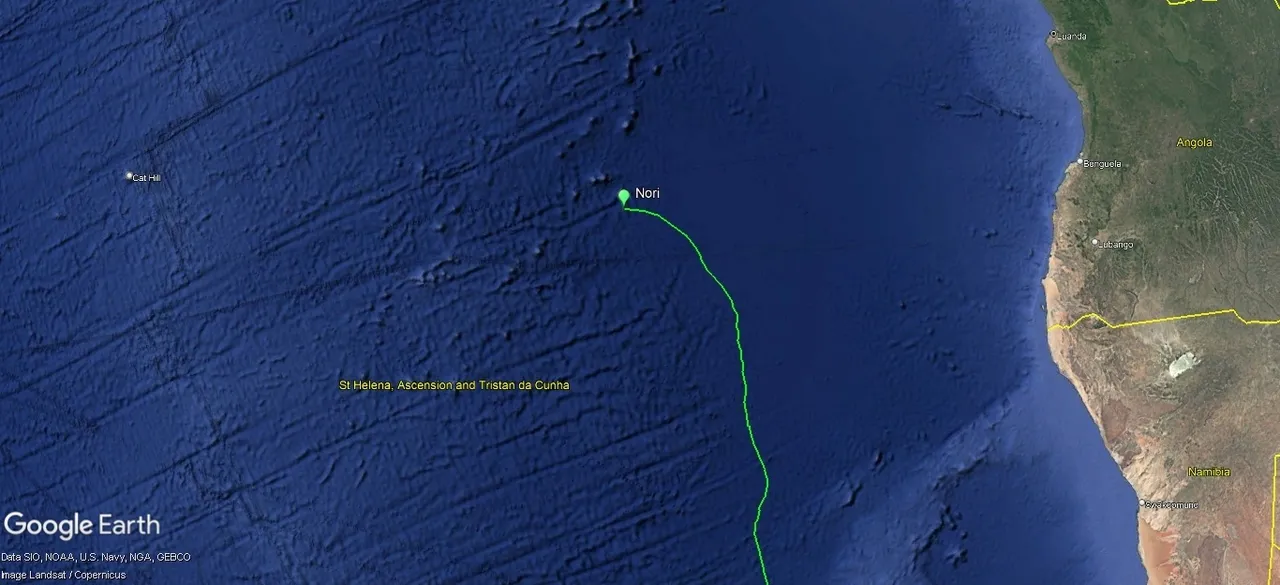
Over the past few months, Nori passed the desert coastline of Namibia and, more recently, the southern half of Angola. The island of St Helena is off to her left, just 750km away. Watching Nori explore these far-off waters got our Turtle Conservation Centre team excited to connect with those who are working to protect the ocean spaces she is moving through.
We recently had a lovely chat with Laura and Cerys from the Marine and Fisheries Conservation Section of St Helena Government, who are doing important work to help keep the waters around the island safe and protected. They have kindly shared some insights into what Nori might encounter should she loop back through these mid-Atlantic Ocean waters. We are delighted to hand over to the St Helena team for a glimpse into this special place…
What might Nori experience near St Helena?
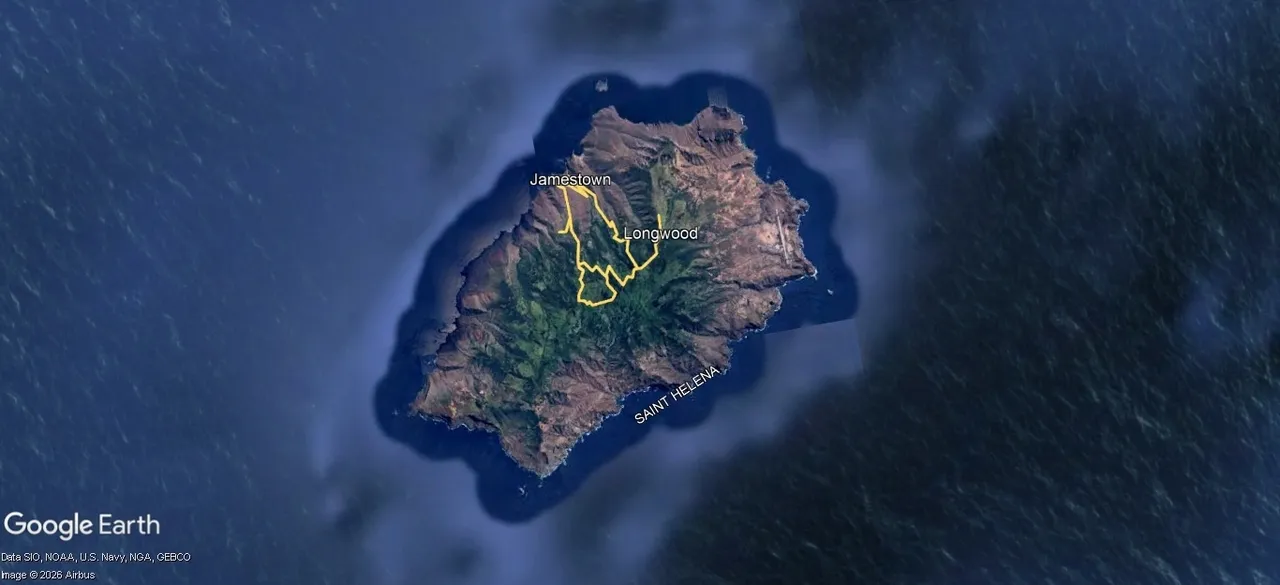
As Nori continues her journey north of her release site, De Hoop Marine Protected Area (MPA), she has been swimming past another remarkable MPA: St Helena.
St Helena’s MPA covers an impressive 448.411 km², which encompasses the island’s entire 200-nautical-mile Exclusive Economic Zone (EEZ). It is a Category IV sustainable-use MPA, meaning that people can continue to use the area and its resources, provided these activities do not damage the marine environment. In line with this designation, St Helena supports a one-by-one local fishery, promoting sustainable fishing practices within its waters.
St Helena’s MPA is home to several seamounts – underwater mountains that rise from the ocean floor and act as biodiversity-rich features in the open ocean. These seamounts drive nutrient-rich waters upward, creating hotspots of marine productivity, so Nori could possibly stop here for a snack. They may also serve as navigational markers for migratory animals travelling vast distances through the Atlantic Ocean and could be helping Nori find her way on her journey. The seamounts are particularly important for St Helena, as they support the species of tuna that frequent its waters, including yellowfin, bigeye, and skipjack tuna, which are commercially important for local fishers.
St Helena’s waters also welcome a variety of marine visitors, including green and hawksbill turtles, with occasional records of leatherback turtles and rare sightings of loggerhead turtles. Other migratory species include humpback whales, whale sharks, and devil rays, while resident populations of bottlenose, pantropical spotted, and rough-toothed dolphins can be found around the island throughout the year.
On Nori’s travels, she is not only moving alongside an MPA, but also a marine environment that has been recognised for its global scientific importance as a Mission Blue Hope Spot. If she decides to make a stop in these waters, she could encounter schools of tuna moving through the waters, glide over seamounts abundant with life, and even cross paths with other migratory species travelling along ocean pathways. It will be fascinating to see what Nori does next as she continues her journey northward.
The impact of Nori’s journey
As Nori explores abundant marine spaces like St Helena, she is not only contributing valuable scientific data to global research on the post-release movements of rehabilitated green turtles but also forging connections between organisations such as our Turtle Conservation Centre and the St Helena Government.
Nori’s tracking data helps us build a clearer picture of where rehabilitated turtles go after release – in turn, this can help improve rehabilitation practices and release protocols, giving other turtles like her a better chance of survival in the wild. At the same time, her movements have fostered connections between like-minded organisations, which can encourage knowledge-sharing and more coordinated conservation efforts.
This goes to show the incredible impact one special turtle can make!
Related News
Sign up to our Newsletter
Receive monthly news, online courses and conservation programmes.