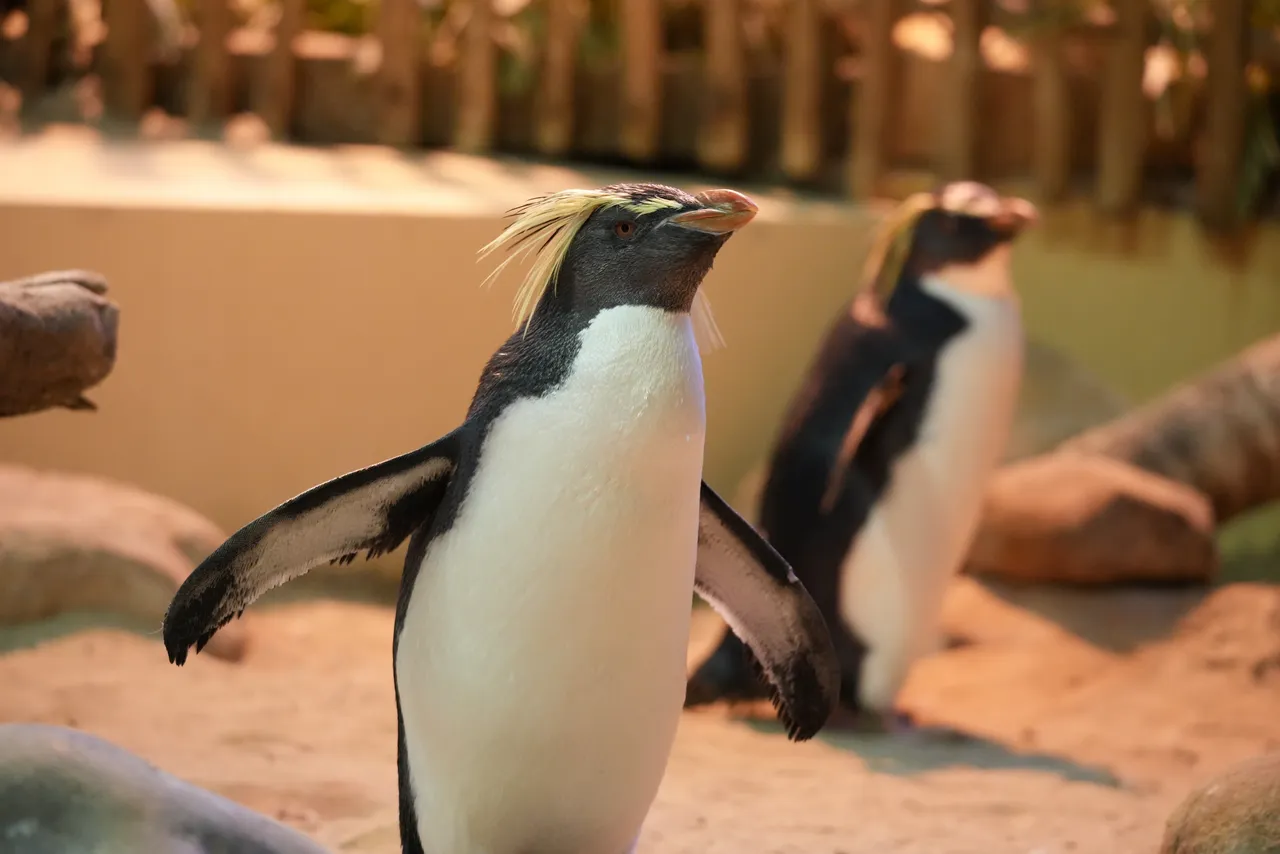
Most of our Two Oceans Aquarium family know and love our Northern rockhopper and African penguins, but do you know how they are cared for by our Penguin Keepers?
At the Aquarium, our penguins live in a carefully managed environment that is designed to support both their natural instincts and overall well-being. Our dedicated team of Penguin Keepers observe their health and behaviour daily to keep them healthy and happy.
Let’s learn a bit more about what goes into taking care of our penguins.
Diet, nutrition, and feeding times
Believe it or not, the penguins know when it is feeding time when they see the public waiting around their exhibit! Another clue is when the Penguin Keepers come to their exhibits with feeding buckets…
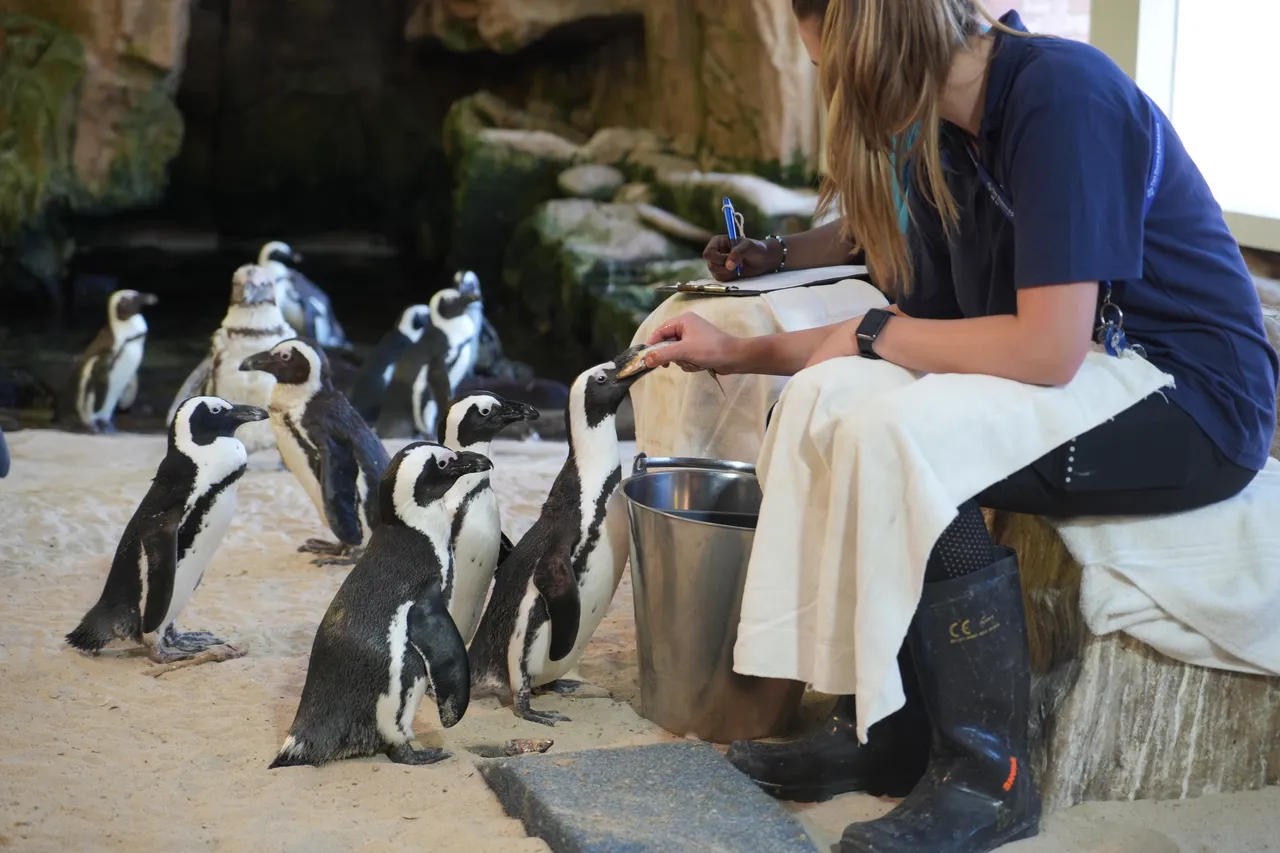
Both penguin colonies are hand-fed during daily feeding times so the team can monitor how many fish they eat and if there are any changes in their appetite. The penguins can be surprisingly fussy, often rejecting fish that look unusual or unappealing.
The African penguins are fed three times a day, while the rockhopper penguins are fed twice due to their slower metabolism.
The rockhopper penguins are generally more eager and enjoy handfeeding, while the African penguins are more selective and have individual preferences. They enjoy different styles of being fed: Some take fish directly from keepers’ hands, others prefer “catching” fish in the water, while others can catch theirs in mid-air! They also show playful and clever behaviour - sometimes even throwing fish into the sand on purpose to avoid eating them. And yes, they occasionally nip at their Keepers’ fingers!
The rockhopper penguins are trained to wait on designated rocks during feeding time, learning quickly that patience is rewarded. They are smart animals – when feeding time comes, each penguin goes to their own rock, and they are fed on a first-come, first-served basis.
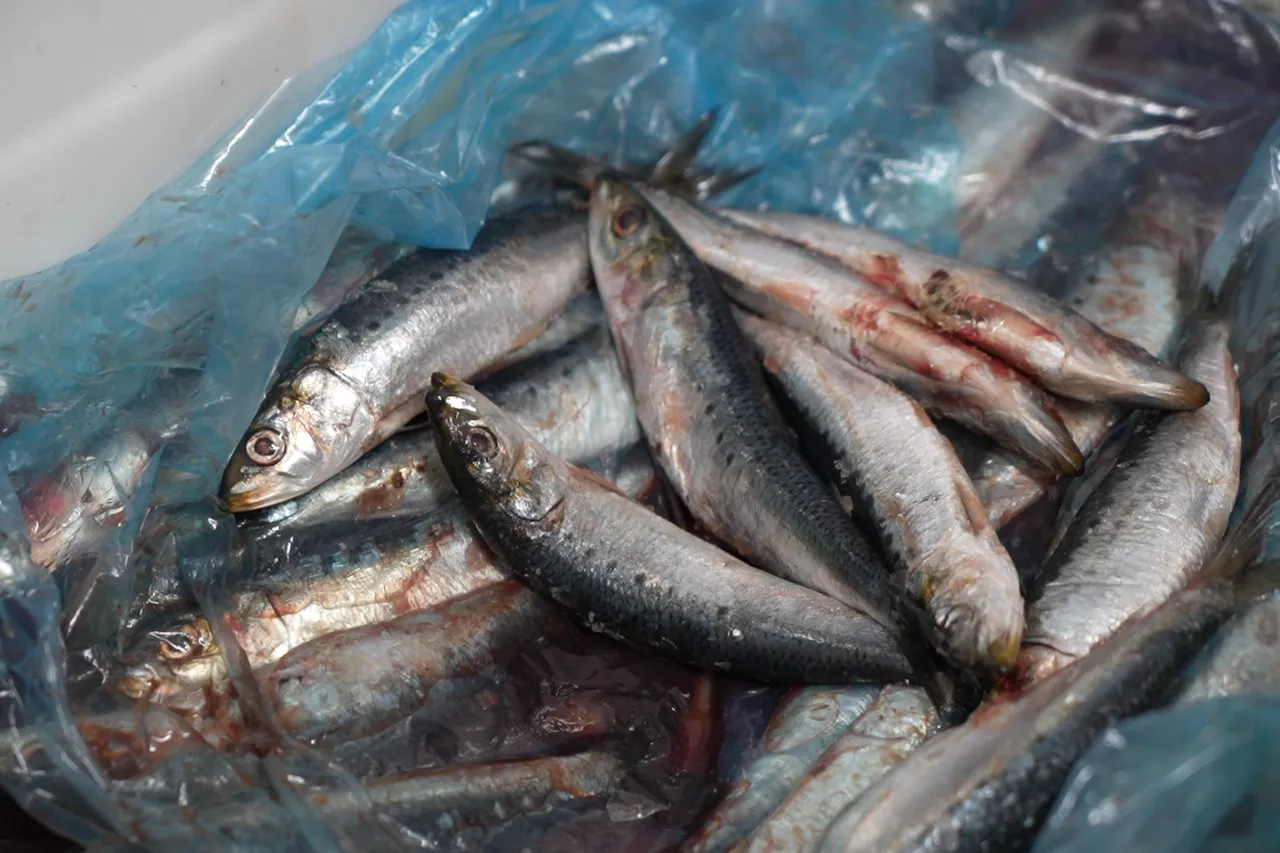
Our penguins’ diet mainly consists of pilchards sponsored by I&J. The rockhopper penguins are occasionally fed squid and prawns for variety because, in the wild, they eat whatever they can find. On average, they eat 4 - 5 fish a day, though this increases during moulting and egg-laying seasons as they need to be in top condition during these times. Their diet is supplemented with vitamins, cleverly hidden inside the fish by our Penguin Keepers. The older birds receive additional supplements such as Arthrofocus, which supports their joint health.
Behaviour, breeding and natural instincts
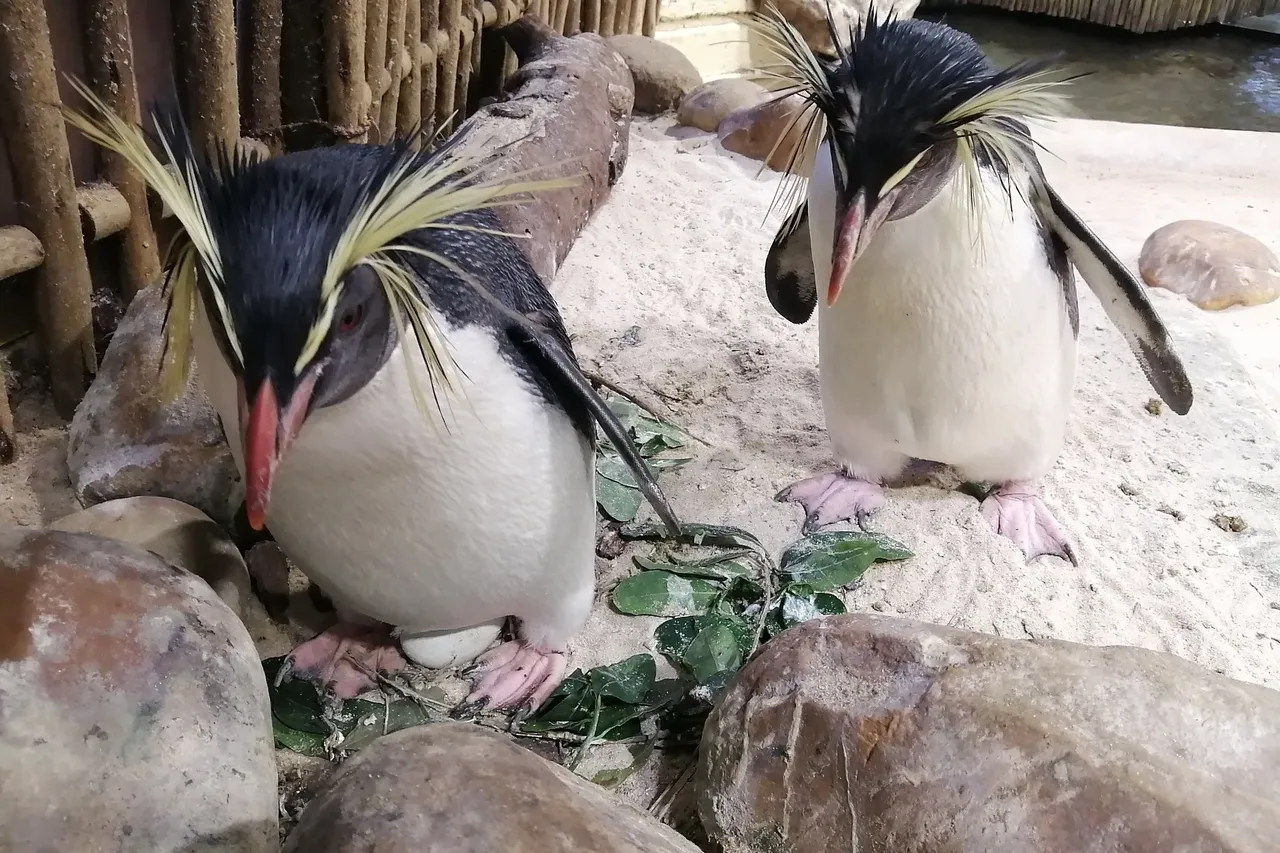
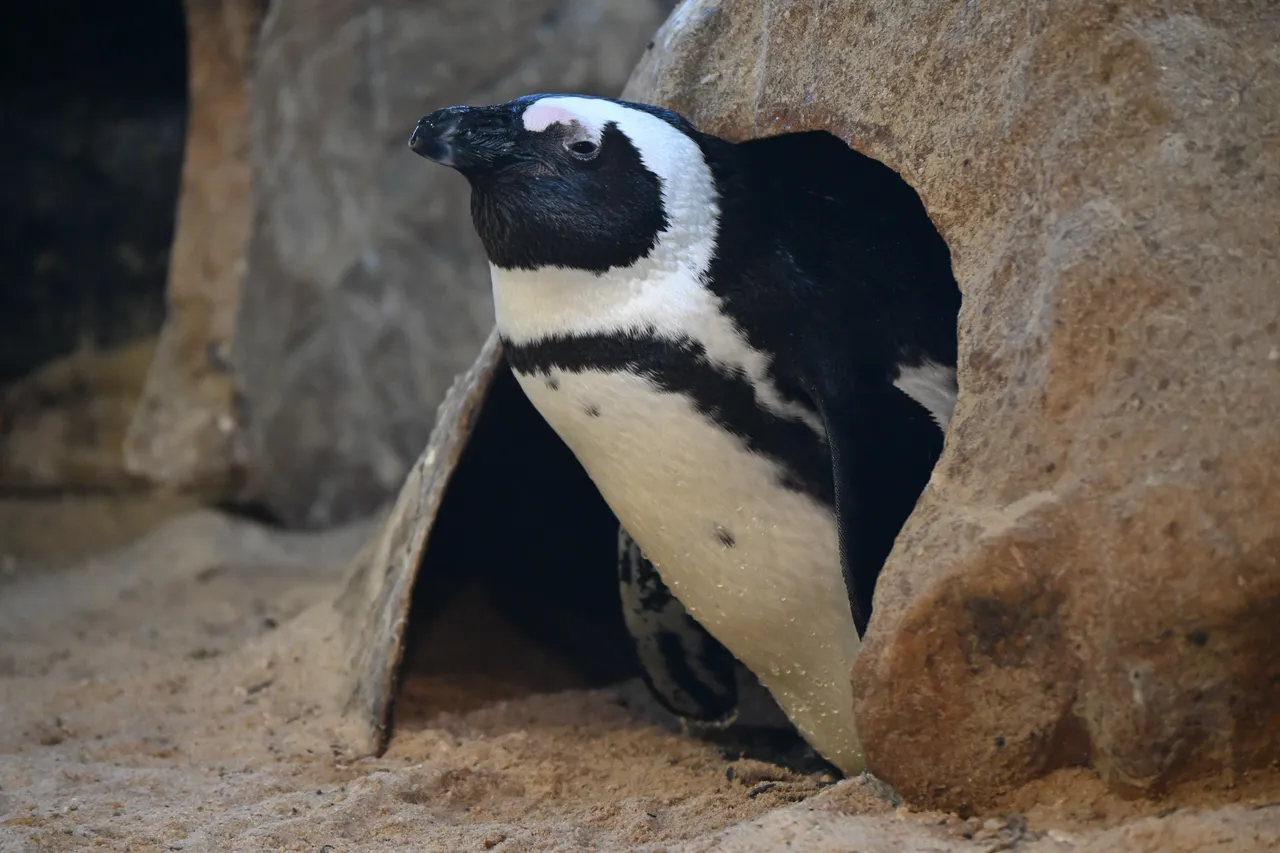
Penguins are territorial birds, especially when it comes to nesting. In the wild, penguins used to build nests from guano, but at the Aquarium, they are provided with cave-like fibreglass nests. Each penguin chooses its preferred nest, and once eggs are involved, they become highly protective.
The penguins at the Aquarium retain many of their natural behaviours, despite living in human care. During breeding season, parents share responsibilities: Females increase their food intake while the males gather nesting material. To enrich their environment, the Penguin Keepers sometimes provide them with nesting materials, such as lavender, rosemary, and thyme. The males dutifully collect these from the beach and take them to their partners. Once an egg is laid, they take turns guarding it and foraging.
If a penguin chick hatches at the Aquarium, like Ember and Echo, they are hand-reared to build trust with the Penguin Keepers. This trust is essential because it reduces stress during human interaction, making feeding, medical procedures, and health checks easier and safer for both penguins and the team.
Conservation and the future of penguins
The rockhopper penguins were shipwrecked, and they naturally live very far away, which is part of the reason why they cannot be released. The penguins at the Aquarium live longer than those in the wild due to having a consistent and nutritious food source, no predators, and access to veterinary care. However, they cannot be released into the wild because they lack survival behaviours and their immune systems differ from those of wild populations, posing a risk of disease spread.
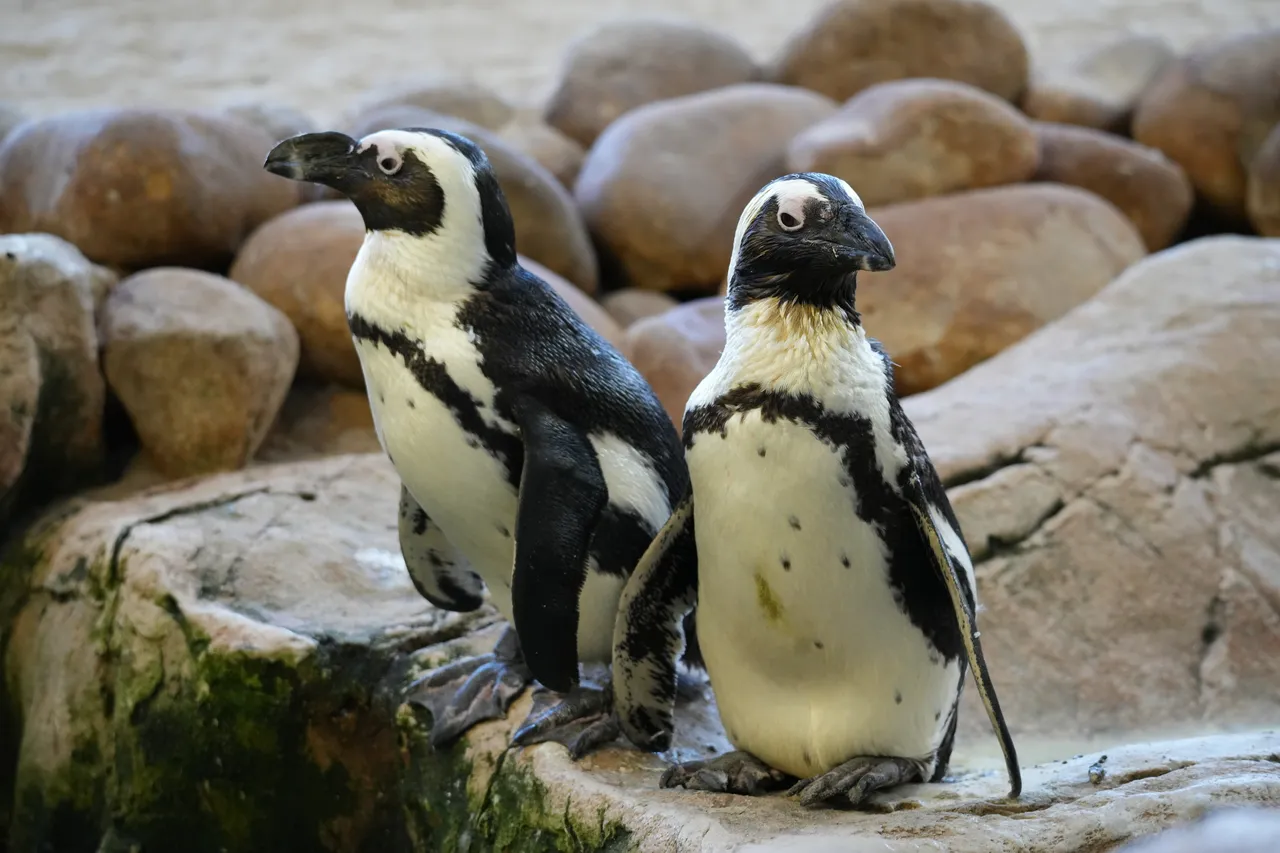
African penguins are Critically Endangered, with fewer than 10 000 breading pairs left. This is due to overfishing, which has decimated the main food source for African penguins, so by releasing ours into the wild, we’d be placing more pressure on an already declining species. If nothing changes, they could face extinction by 2035. This makes conservation efforts and awareness initiatives like #NOOW (Not on Our Watch) more important than ever.
Related News

Sign up to our Newsletter
Receive monthly news, online courses and conservation programmes.