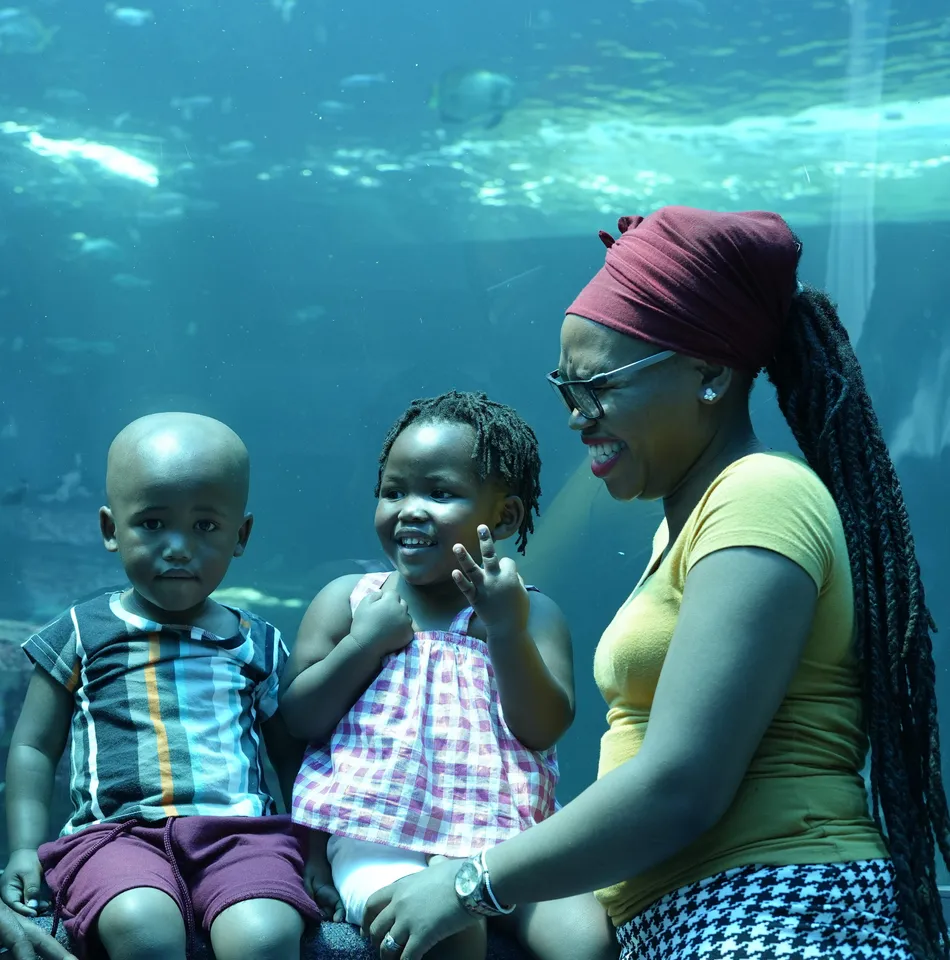
There is no denying that mothers are the best – but did you know that yours isn’t the only super-mom around? The ocean is filled with incredible animal mothers who can provide a fascinating look into ocean life and remind us to appreciate moms a little more! Let’s take a look at three of our favourite ocean moms and the diversity of parental styles found in nature.
Clownfish
Clownfish moms are a strong candidate for the “ocean’s best mom”. But to understand why, we need to dig into the concept of reproductive investment. For most animals, the “cost” of reproduction is usually that the female makes a huge investment in terms of producing eggs and babies. She needs to be 100% sure that the males she chooses to mate with are worth that investment, which is why males must usually demonstrate their worth in some way to level out that cost – for example, fighting other males for dominance, taking care of the young, or creating elaborate gifts.
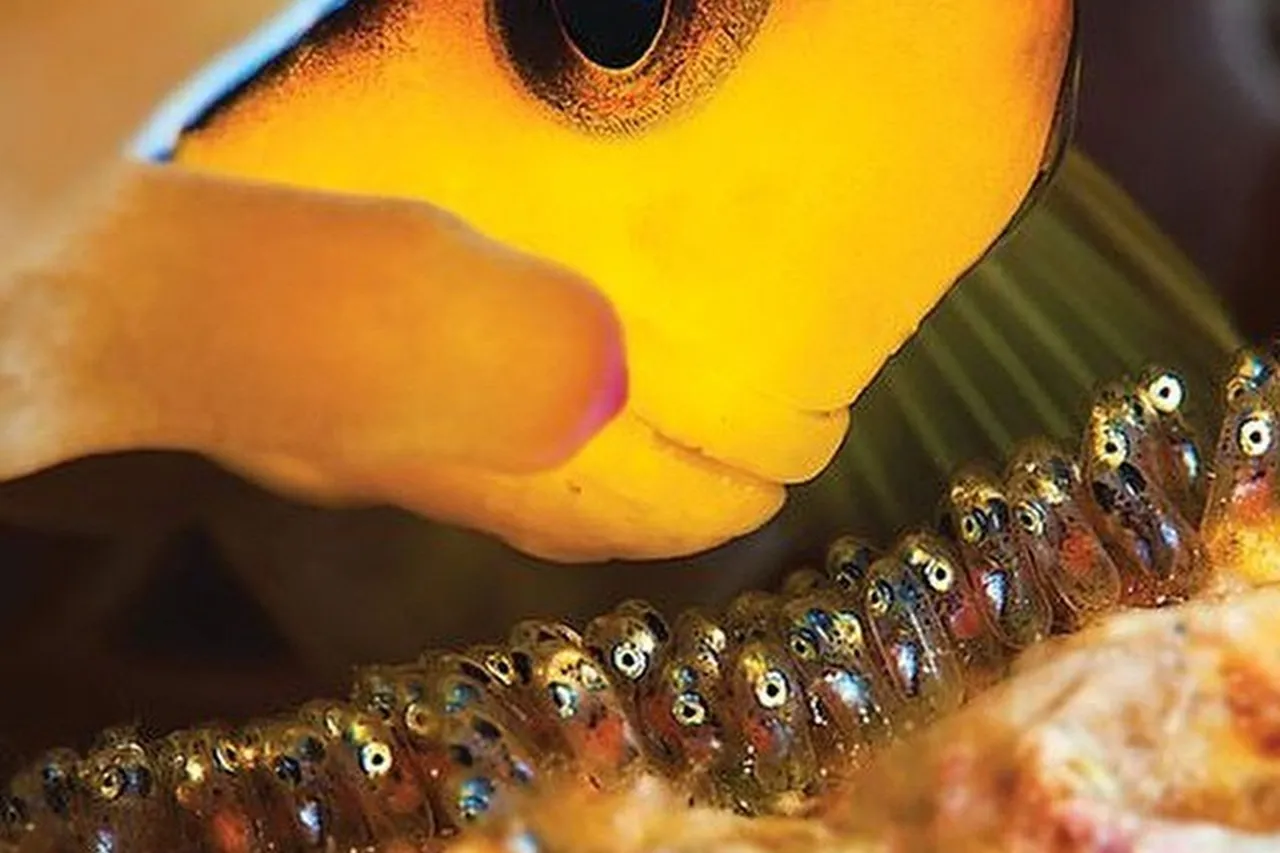
So, ocean moms are always trying to pick the best mate to ensure the best chances for the survival of their young. Clownfish are a little different, though – instead of females trying to find the best male mate, the strongest male becomes the mom!
Clownfish are sequential hermaphrodites – they are all born male! In a colony, all the clownfish except one are male, all subservient to a single dominant female. She chooses to mate with the next strongest and largest clownfish in the group, and the father and all the other males take care of this clutch of eggs. When the female eventually dies, her chosen mate – the “best dad” in the colony – takes her place as the colony’s new female, and the process continues. It takes the stress out of choosing a good partner to raise your kids when you know you are both an awesome mom and dad!
Loggerhead turtle
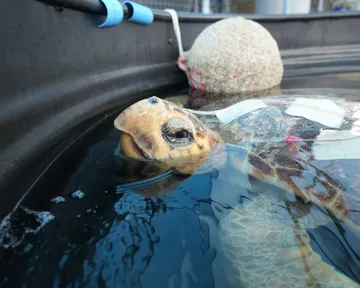
Turtles are another odd candidate – abandoning your eggs on a beach to fend for themselves might not seem like great parenting, but this comes down to reproductive investment! These oceanic parents are doing what is required of them to ensure the survival of their species in their ecological niche. Loggerhead turtles’ long lives, their epic ocean migrations, and their enigmatic lives in the open ocean are all about setting the stage for success for their young.
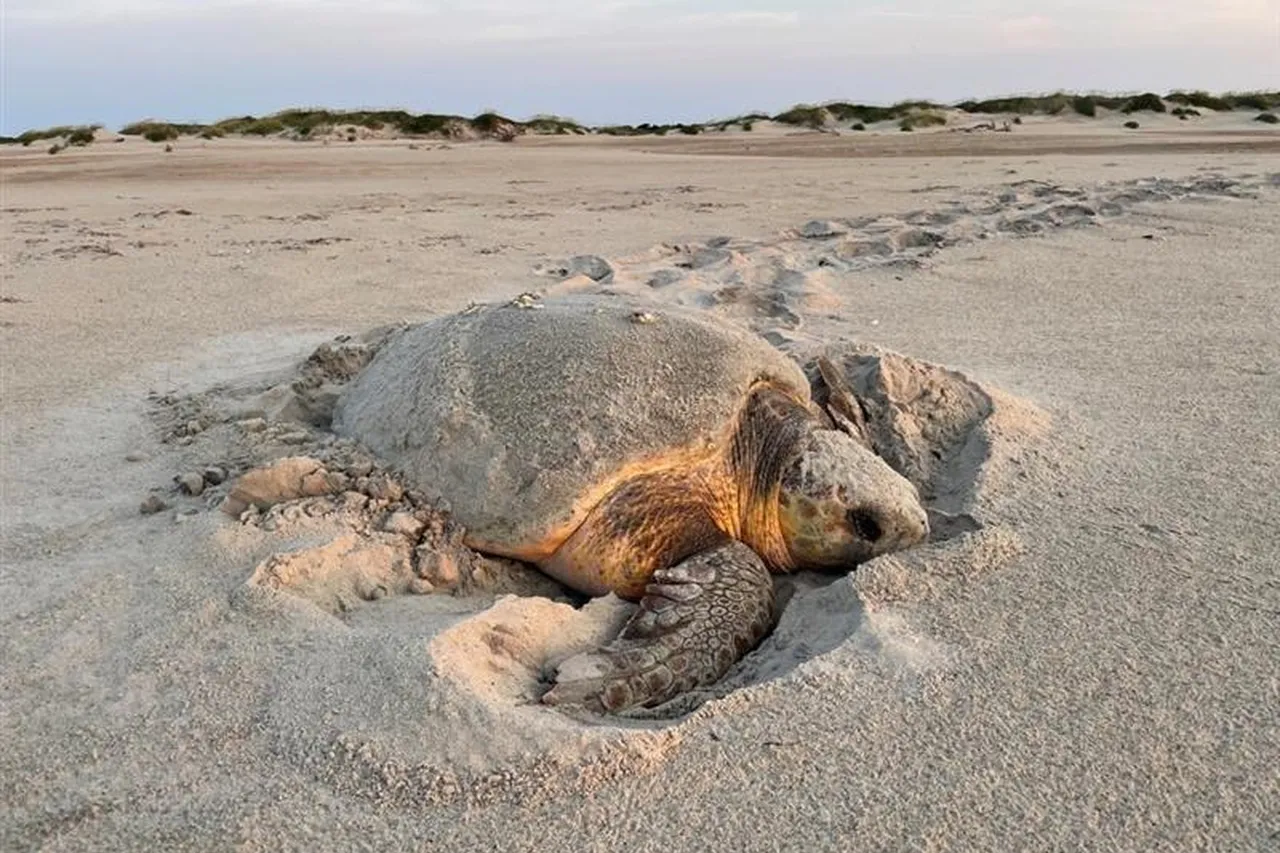
Every turtle hatchling emerges with the instincts they need to survive in the wild – they know how to read the Earth’s magnetic field to find key feeding spots, how to use the lights of the moon and sun to navigate, and how to find fertile grazing spots based on ocean currents and chemistry. Despite never meeting or learning from their mothers, every turtle that survives to adulthood knows how to follow her migratory footsteps. Decades later, they end up at the same beach when the time comes for them to have offspring.
While loggerheads might be very “hands-off” ocean moms, there is no doubt that they spend their lives cementing these crucial survival lessons into their instincts and the genetic memory of their species.
Cape fur seal
Last but not least – Cape fur seals. If you step behind the Two Oceans Aquarium to see the Cape fur seals lounging on the nearby platform, you might be forgiven for thinking that they are a lazy bunch – but this is not the case!
Seal pups are born on land, in a protected territory belonging to a dominant male – their mom chooses a male that she thinks will serve as a good “stepdad”. This stepdad protects the mother and pup and will later be the father of her next pup.
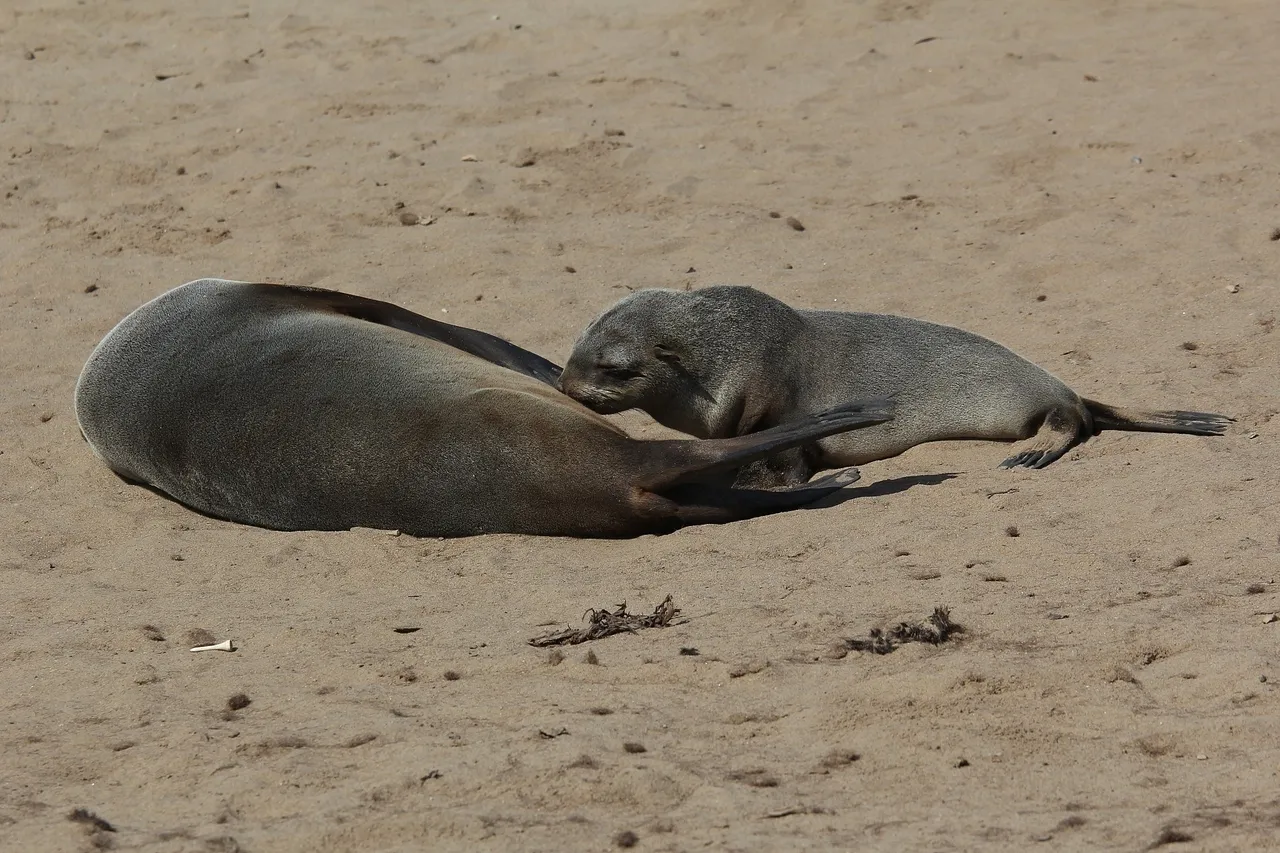
During this time, the mother seal is an incredibly attentive carer to her pup – she will nurse them for up to eight months and, during this time, will engage with them in play and grooming. As the pup gets older, their mother will introduce them to the water, teach them how to swim, and show them how to hunt for food on their own.
Mother seals will fiercely protect their young, even working with other female seals and the dominant male to protect their territory and keep an eye out for the other pups in the area. These sociable animals do everything they can to care for their young!
To all the mothers in our broad, beautiful ocean community: Thank you for nurturing the next generation of curious, responsible, and compassionate ocean champions. Happy Mother’s Day!
Related News
Sign up to our Newsletter
Receive monthly news, online courses and conservation programmes.