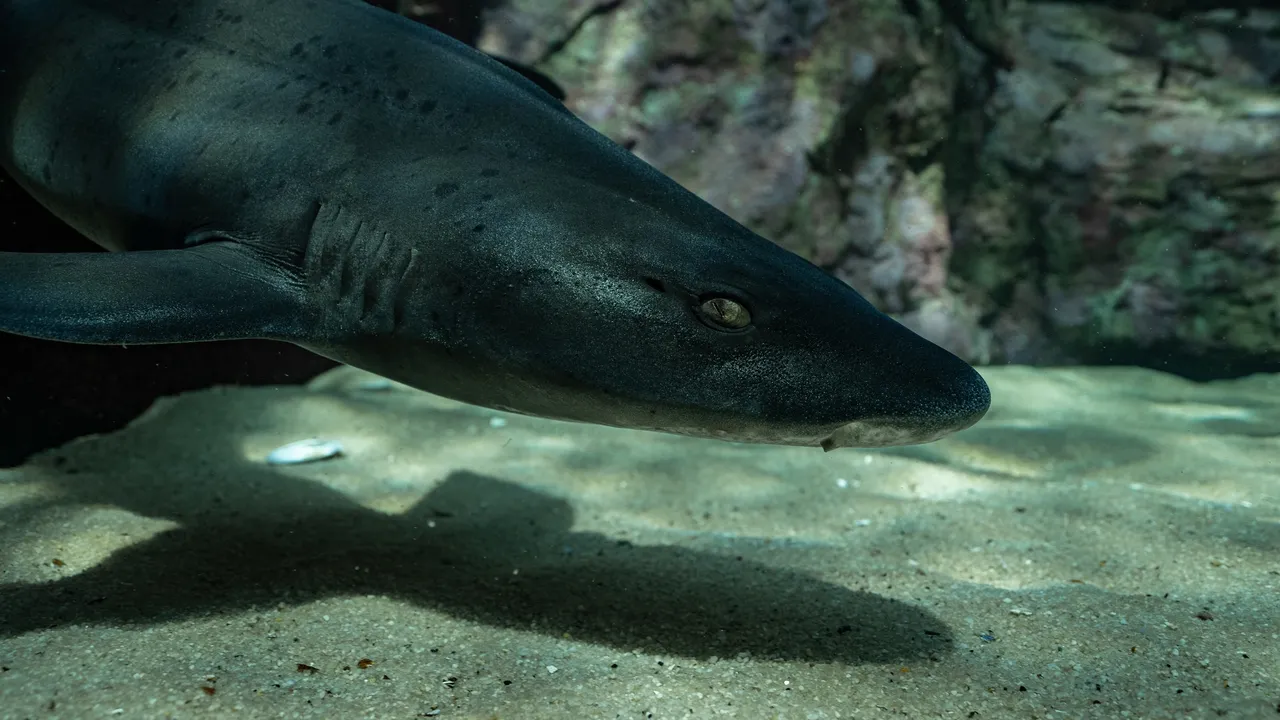
In February 2026, the Two Oceans Aquarium released three spotted gully sharks back into their ocean home at Mgwalana in the Eastern Cape! This successful release marks an important contribution to ongoing shark conservation and research along the southern African coastline.
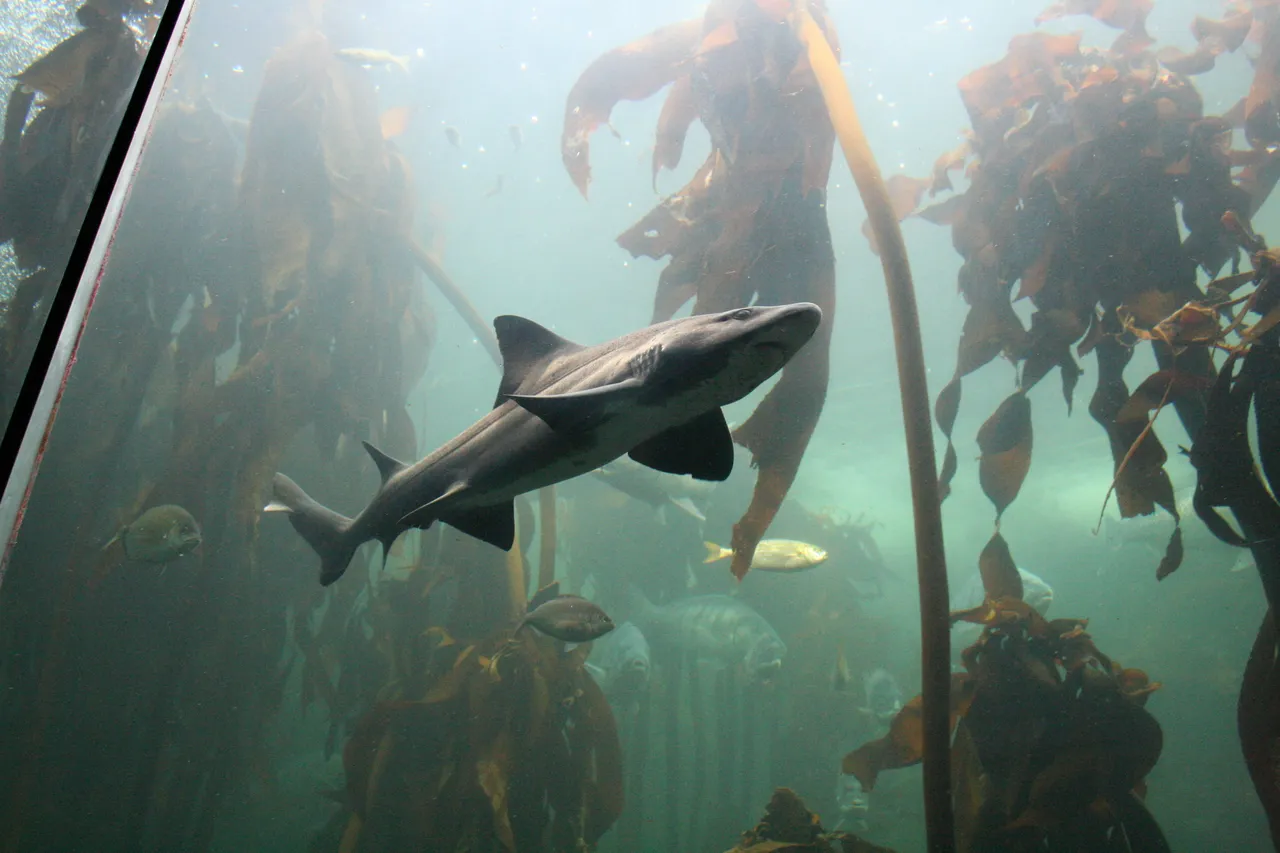
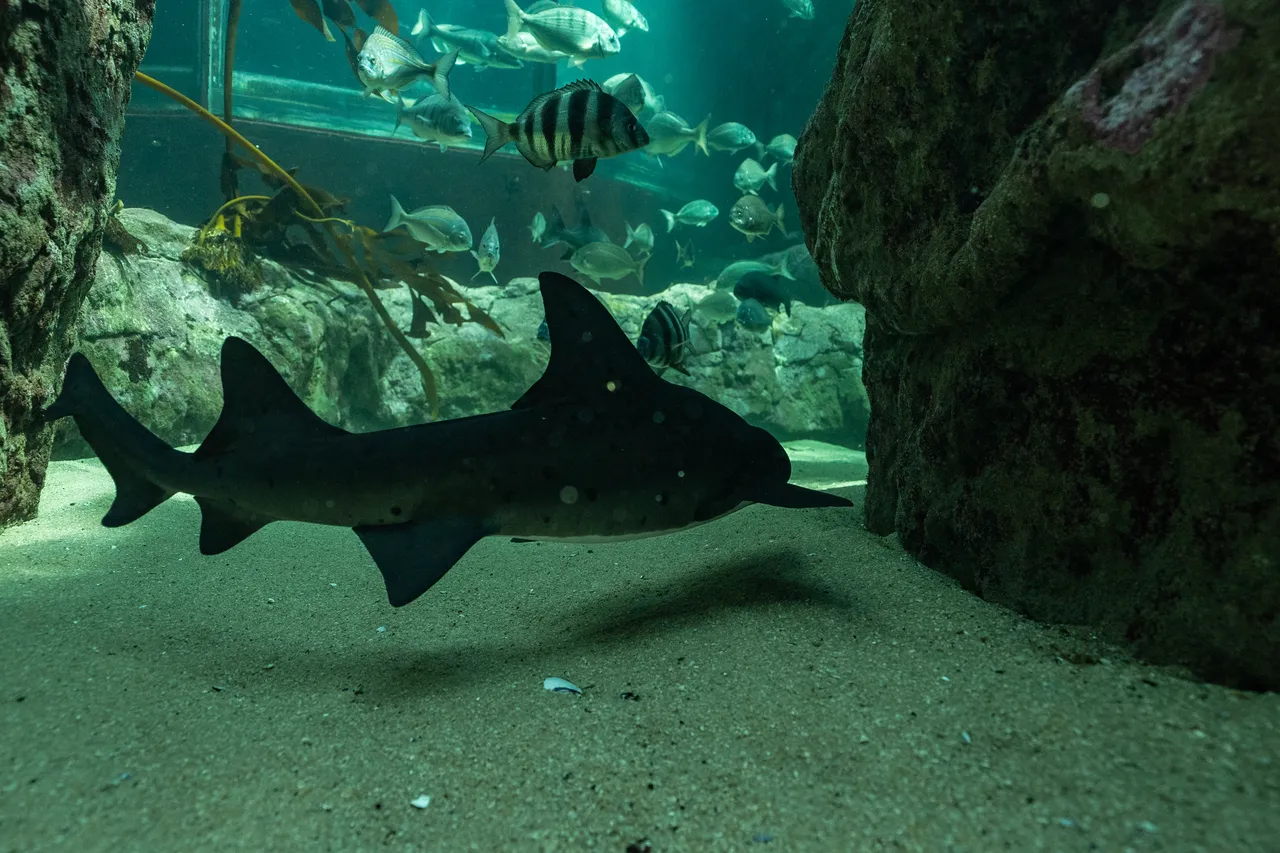
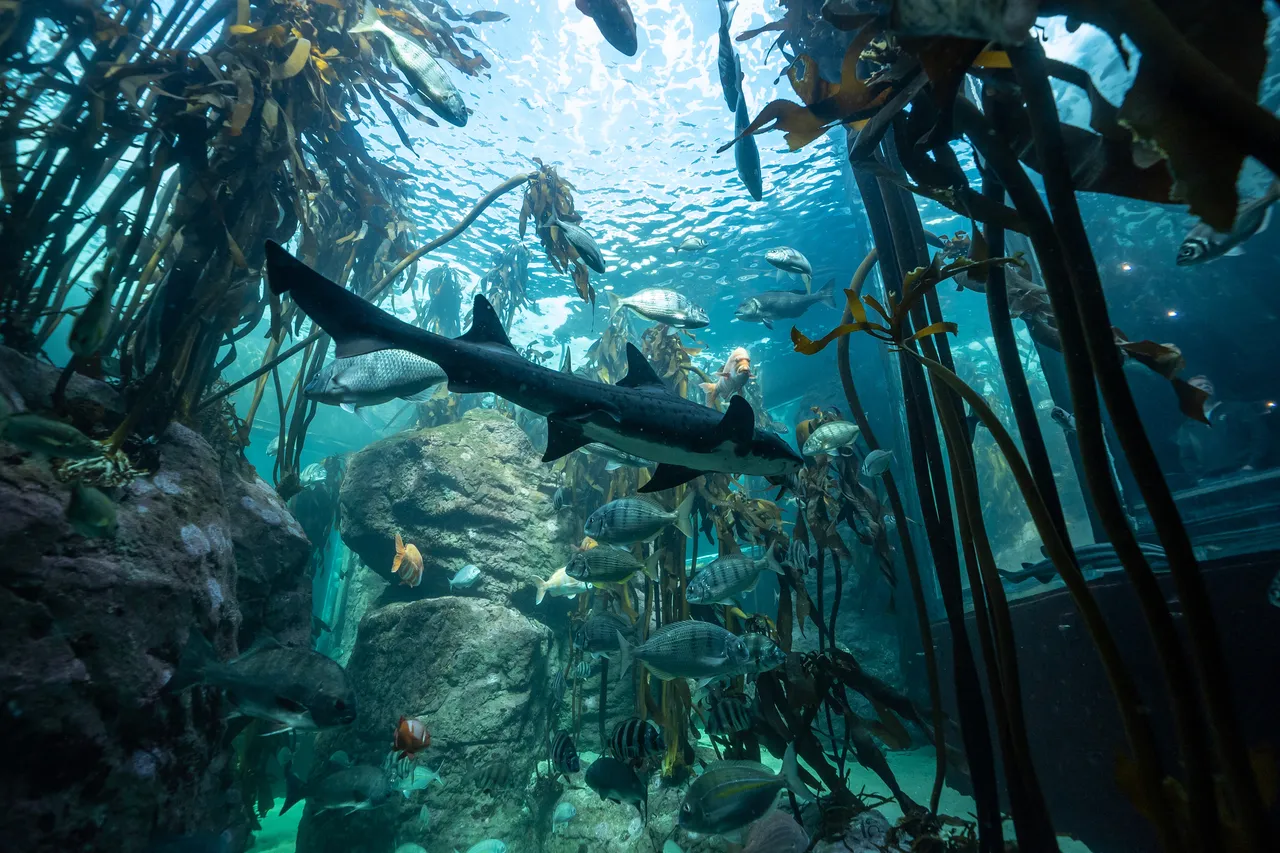
Many of our Aquarium family might recognise the sharks from our Kelp Forest Exhibit. The gully sharks, one female and two males, were housed in our beautiful kelp forest for four years, but recently outgrew the space. As part of our standard animal care and conservation practices, all sharks at the Aquarium are released once they reach a size where their exhibit can no longer accommodate them.
Let’s learn more about the gully sharks’ journey to release…
Tagging is key in conservation efforts
At the Aquarium, the health and well-being of our animals is our utmost priority. That’s why the spotted gully sharks (Triakis megalopterus) were carefully monitored in the lead-up to their release – almost a month before they were due to return to the ocean, they were carefully monitored by our veterinary and Curatorial teams, led by Dr Ilse Jenkinson.
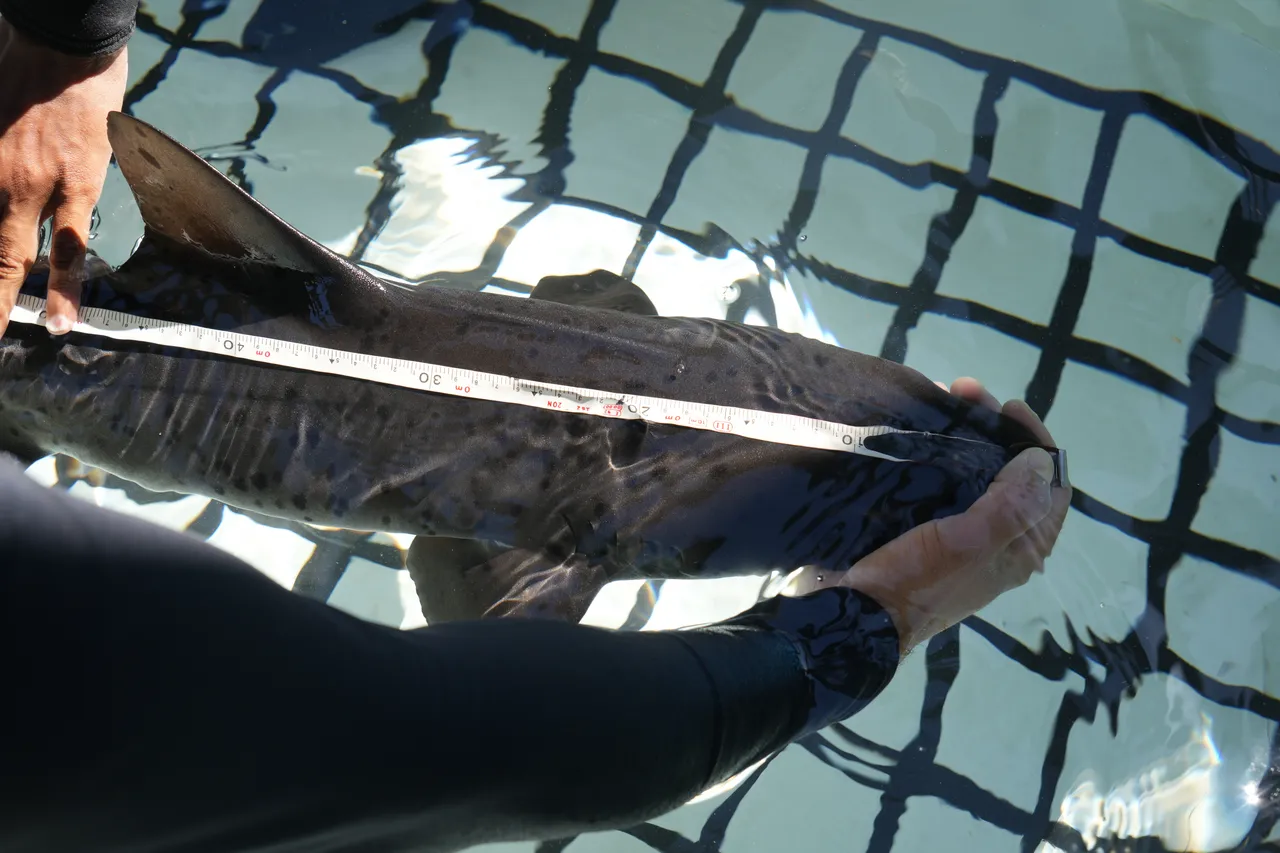
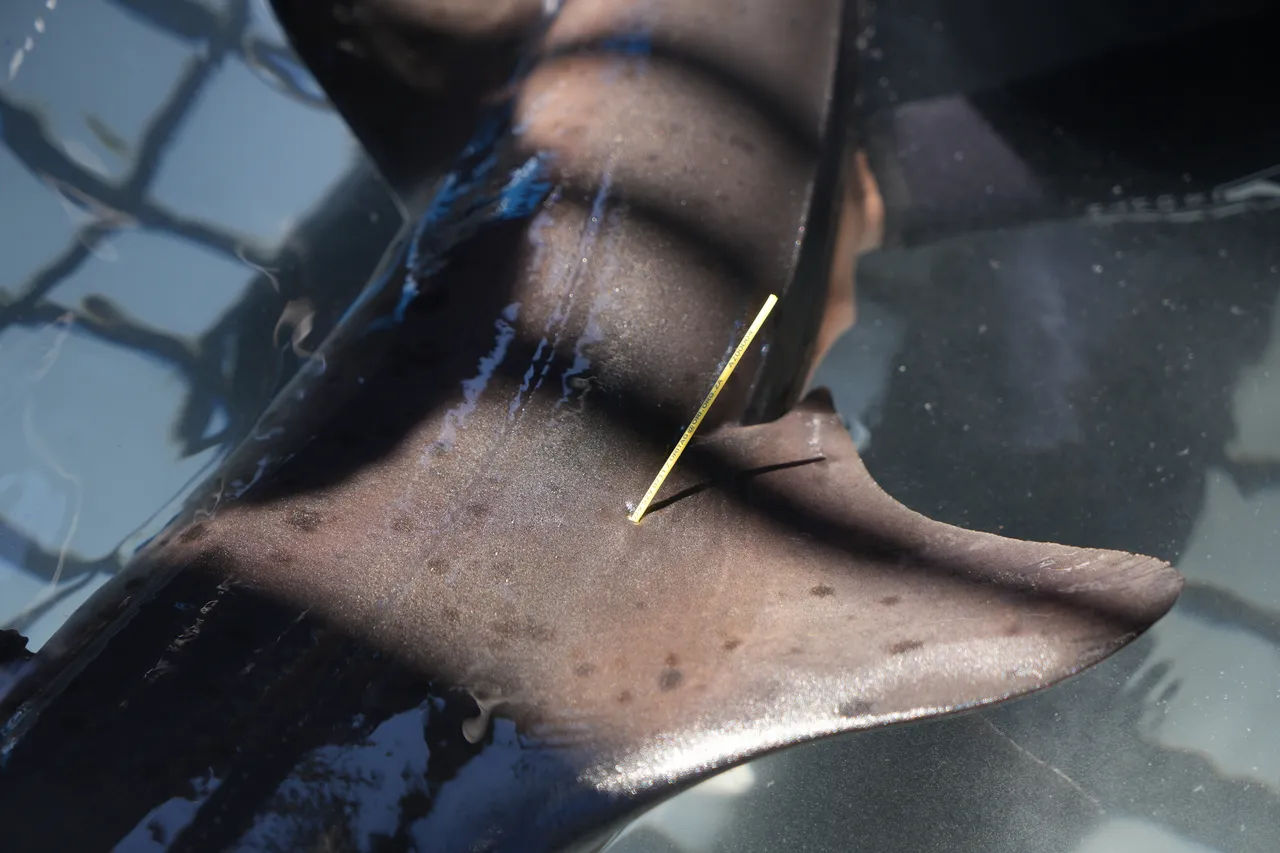
In November 2025, the sharks were removed from the Kelp Forest Exhibit and moved to temporary housing for closer observation. During this period, Dr Ilse conducted comprehensive health assessments, including blood tests, measurements, and physical examinations. These assessments aimed to ascertain the sharks’ readiness for release, and to fit each with two types of research tags; VEMCO acoustic tags were surgically inserted just under the skin by Dr Ilse, and external spaghetti tags were attached below the dorsal fin.
These tags are designed to help scientists better understand the movements and growth of spotted gully sharks, teaching us how to better conserve them and their ocean home.
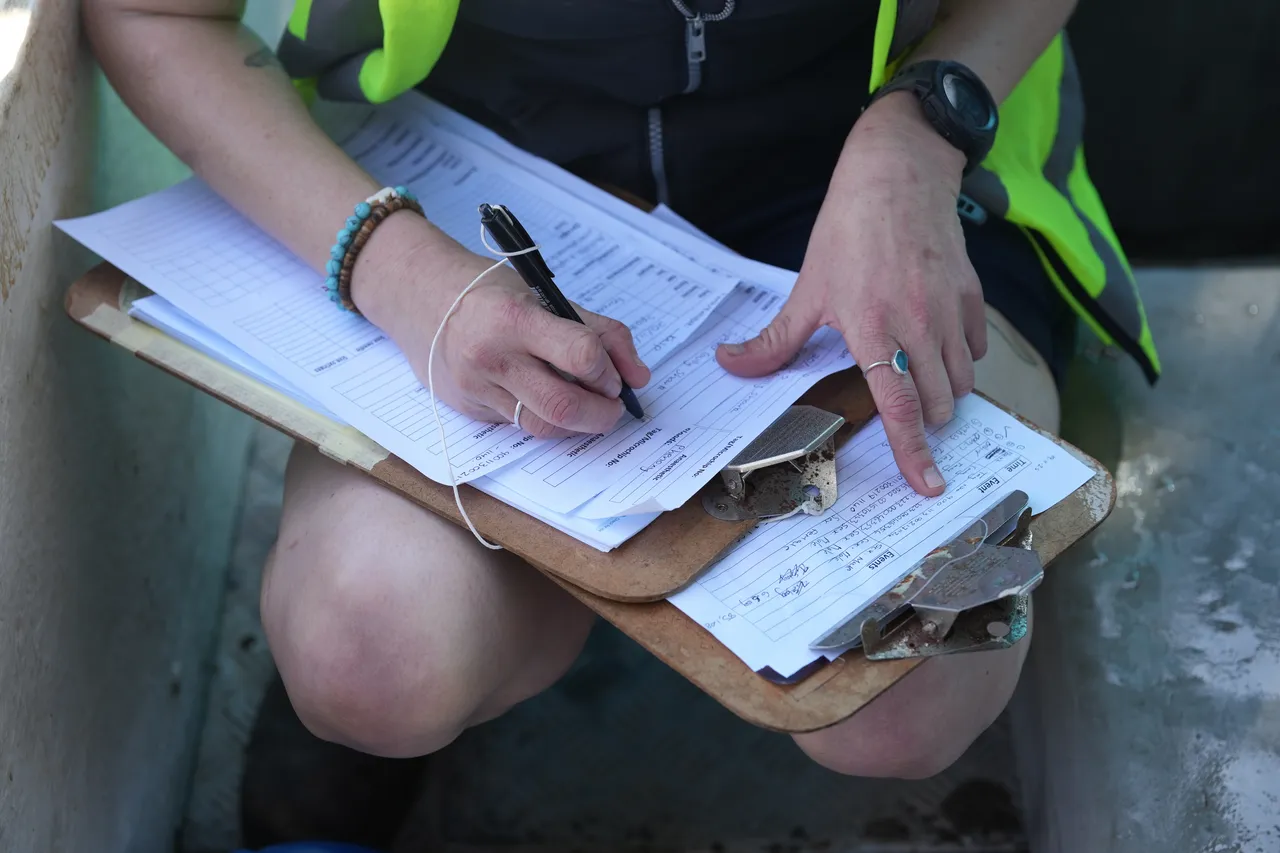
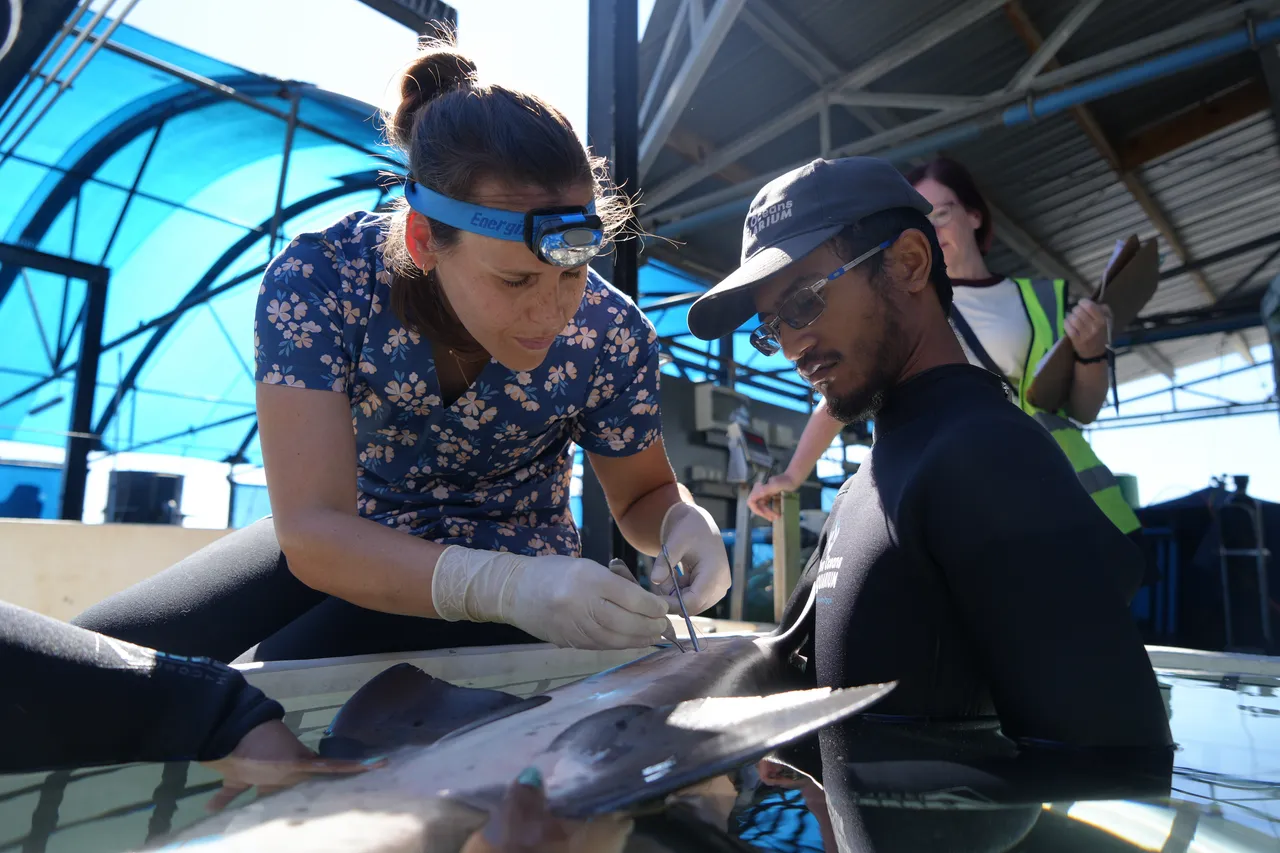
Spotted gully sharks are endemic to the southern African coastline, ranging from Walvis Bay in Namibia to Coffee Bay in the Eastern Cape. Because their distribution closely follows this stretch of coastline, they are ideal candidates for acoustic tagging, which relies on a network of receivers positioned in these waters.
Acoustic tags have an impressive battery life of up to ten years and emit signals that can be detected by underwater acoustic receivers placed along the southern African coast. These receivers form part of a large scientific monitoring network that records the movements of tagged marine animals. When a tagged shark swims within range of one of these “listening stations”, the receiver records the tag’s unique signal, allowing researchers to track the shark’s movements along the coast over time.
Acoustic tags have been successfully used in monitoring the coastal movements of species such as guitarfish, stingrays, turtles, and sharks.
The spaghetti tags serve a complementary role by promoting participation from the fishing community. Each tag carries a unique identification number and contact details. If a fisherman catches one of the tagged sharks, they are encouraged to record the location and date of the catch, the shark’s length, and the tag number, and send this information to the address provided on the tag. These reports help researchers understand growth rates and movement patterns.
A full-circle moment as the sharks returned home
Once Dr Jenkinson had cleared the spotted gully sharks for release, they were transported by our Collections team back to the Eastern Cape.
All three of these spotted gully sharks were originally collected in East London between 2022 and 2023, so the team was thrilled to be able to return them to the same coastline where they were first found.
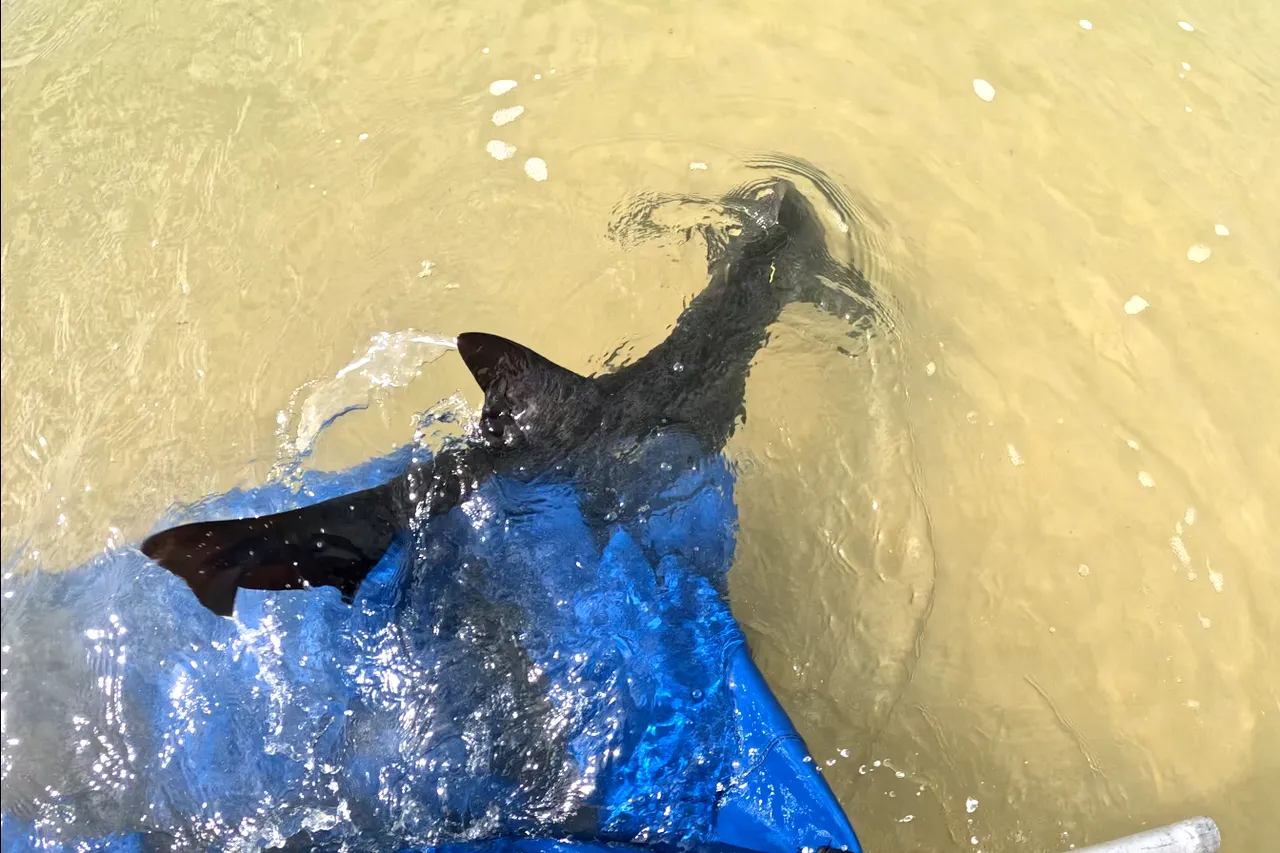
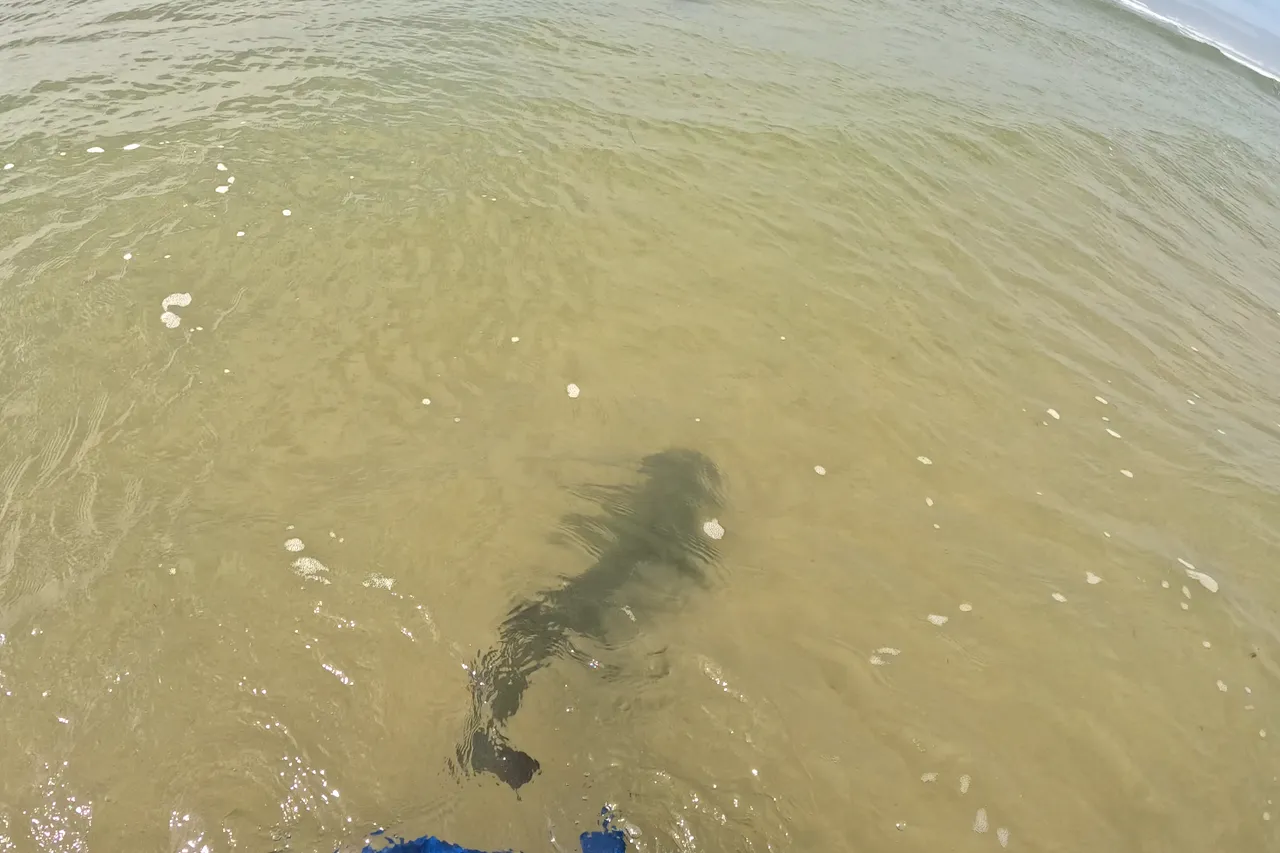
On the day of release, the team lifted the sharks out of their temporary holding pools using specially designed stretchers and carried them into the surf one-by-one. After a short acclimation to the sea temperature, each of the sharks swam strongly out of the stretcher and into the calm, warm water at Mgwalana. It was certainly a full-circle moment for the team and the sharks!
The ripple effect of release
While our journey with the gully sharks may have ended, their acoustic and spaghetti tags will allow us to “tag along” on their ocean travels. Long after their release, these sharks will continue to contribute valuable information to marine science.
Data collected through the acoustic monitoring network will help researchers from multiple institutions better understand how spotted gully sharks move along the coast, how quickly they grow, and which habitats are most important to them. The information gained through tagging efforts is critical for protecting the species and the spaces they call home.
Despite being relatively common in coastal waters, spotted gully sharks are vulnerable to overfishing. They grow slowly, produce relatively few young, and spend much of their lives close to shore, often found over sandy and rocky seabeds at depths of up to 50 metres. This makes them more likely to be caught by recreational anglers and commercial longline fisheries.
By releasing these tagged sharks back into the wild while they are still considered young and nearing sexual maturity, the Aquarium hopes they will contribute to future generations of spotted gully sharks in the ocean.
The release forms part of our broader conservation and research initiatives, aimed at improving understanding of shark populations and supporting long-term protection efforts for these important marine predators. Stories like these are at the heart of our work at the Two Oceans Aquarium, where we use science to support the conservation of our blue planet and its inhabitants.
Related News

Sign up to our Newsletter
Receive monthly news, online courses and conservation programmes.