Ghost fishing gear: The silent killer haunting our ocean
Sensitive content warning: This blog contains graphic images of animals entangled in ghost fishing gear that some readers may find distressing. Viewer discretion is advised.
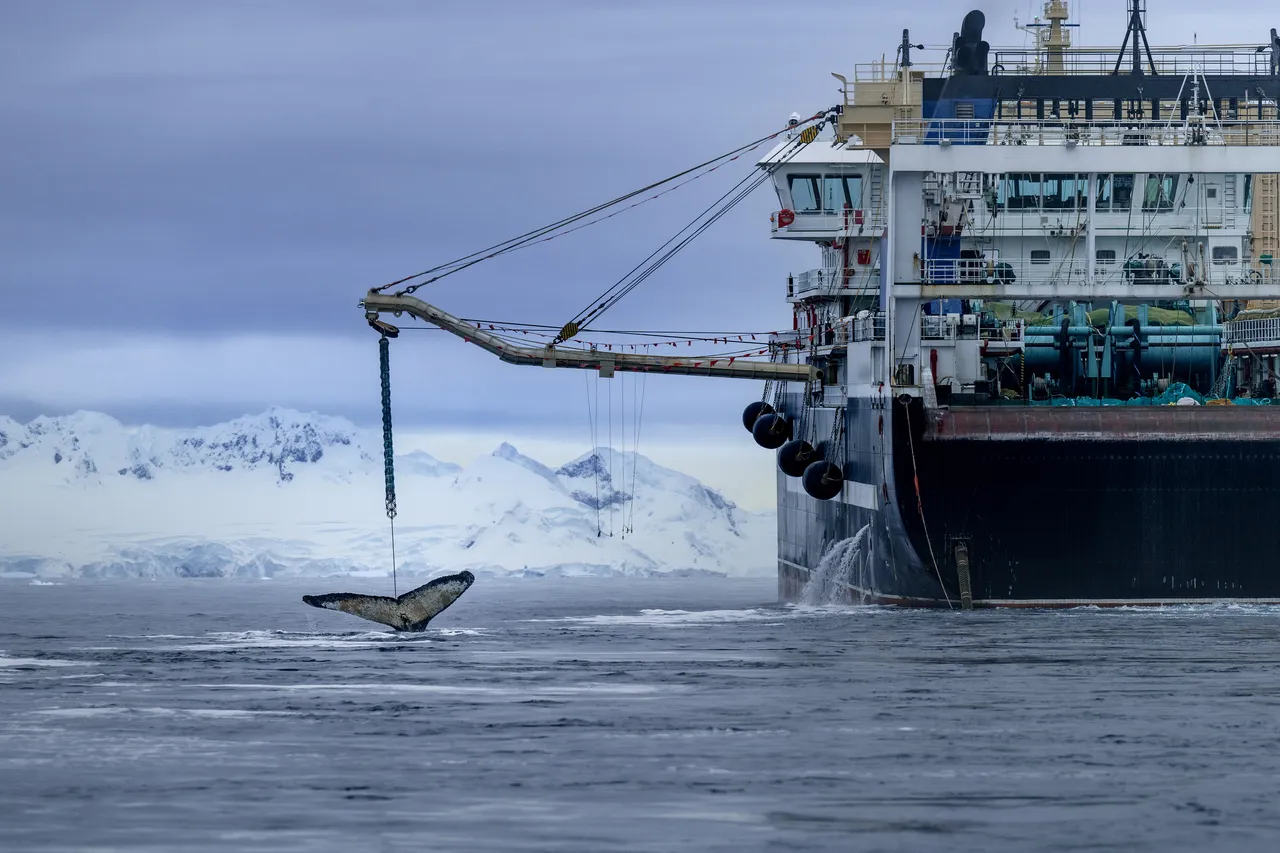
Every year, an estimated 2% of all fishing gear used by the world's commercial fisheries is lost or discarded into the ocean. This equates to roughly 14 billion longline hooks, 25 million pots and traps, and almost 740 000km of longline mainlines. Built to last, this gear can haunt the ocean for decades, ensnaring and killing millions of marine animals as it continues to fish long after the vessels that deployed it have returned to shore.
The statistics reveal the scale of the ghost gear crisis, but the stories of individual animals reveal its true cost.
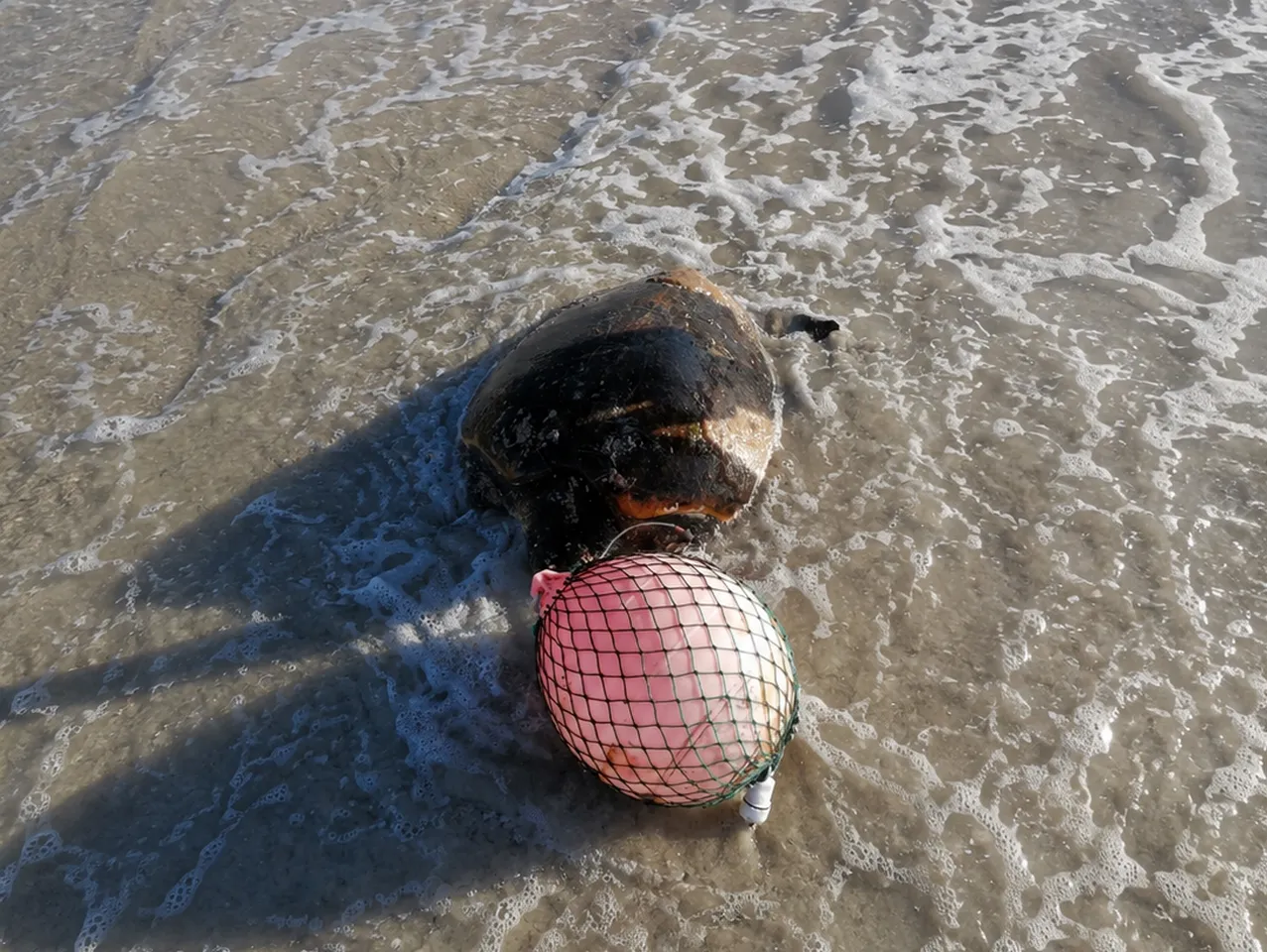
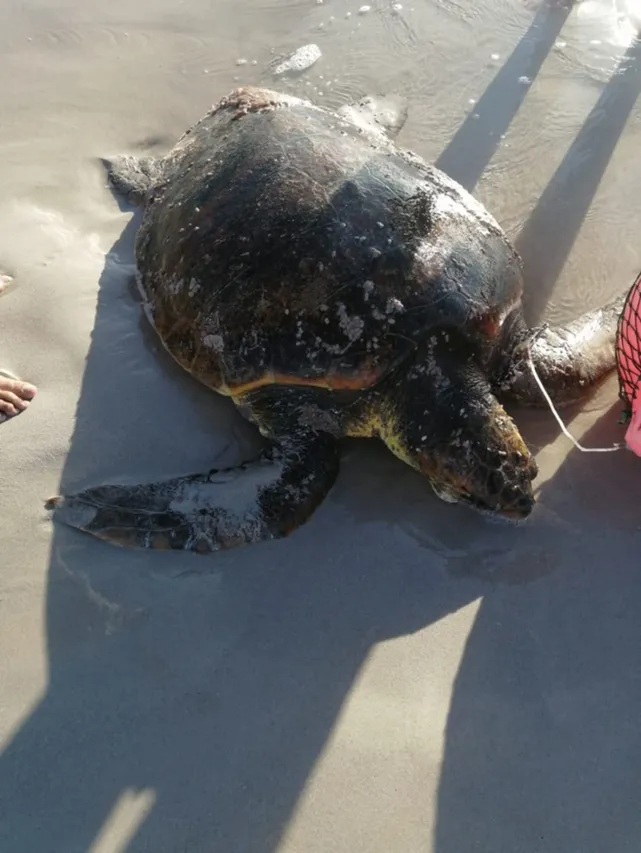
One of those animals was a female loggerhead turtle of nesting age that washed ashore in Betty's Bay in February 2025, severely entangled in the ropes of a marker buoy. The ropes had cut deeply into her front left flipper, while the weight of the buoy dragged against her injured limb. Despite the best efforts of our team, she did not survive.
Her story began long before she reached Betty's Bay. It began when a single piece of fishing gear was lost at sea.
At the Two Oceans Aquarium Foundation, our Turtle Rescue Network and Marine Wildlife Management Programme have witnessed firsthand how a single piece of abandoned fishing gear can change or end a life.
When fishing gear keeps fishing
Unsustainable fishing is one of the most pressing threats facing our ocean and its inhabitants. But even well-managed fisheries can leave a lasting mark when fishing gear is disposed of irresponsibly.
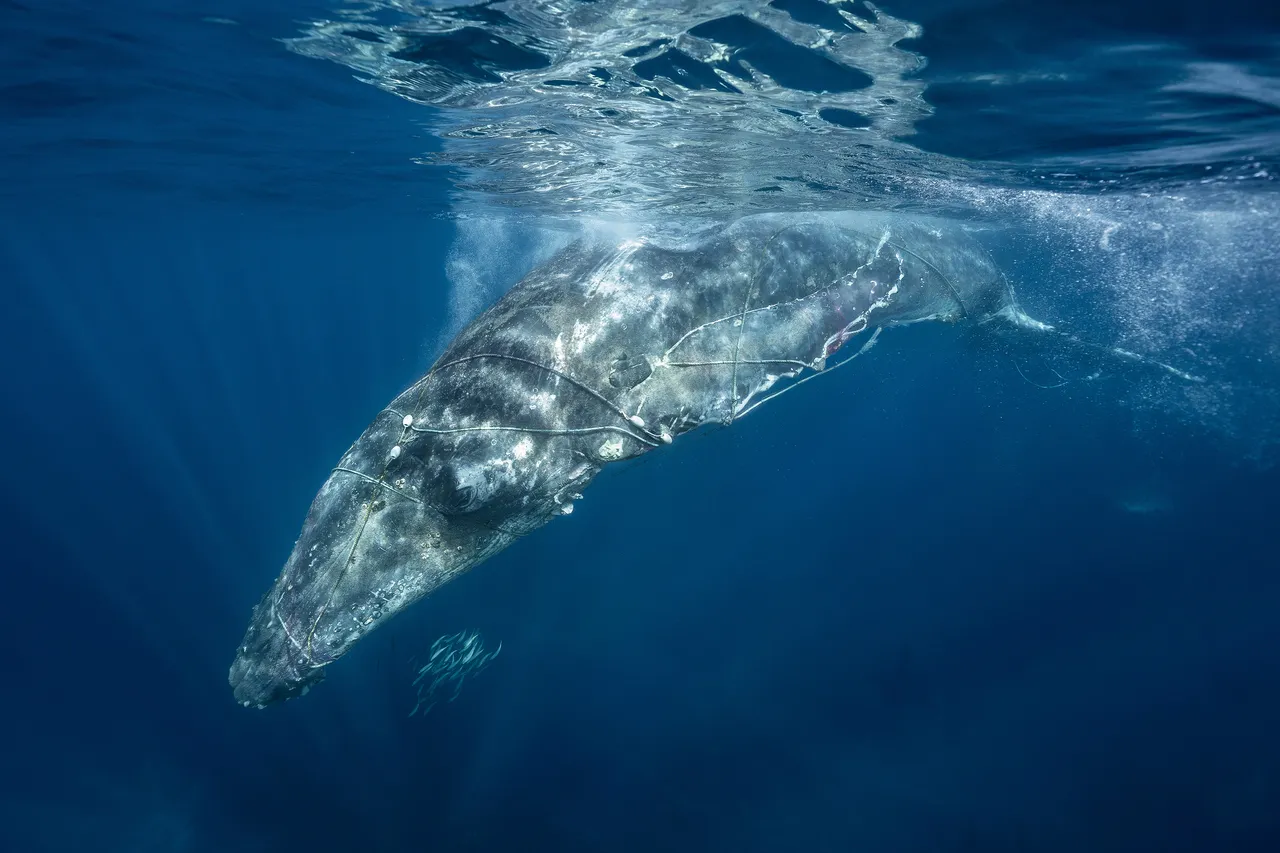
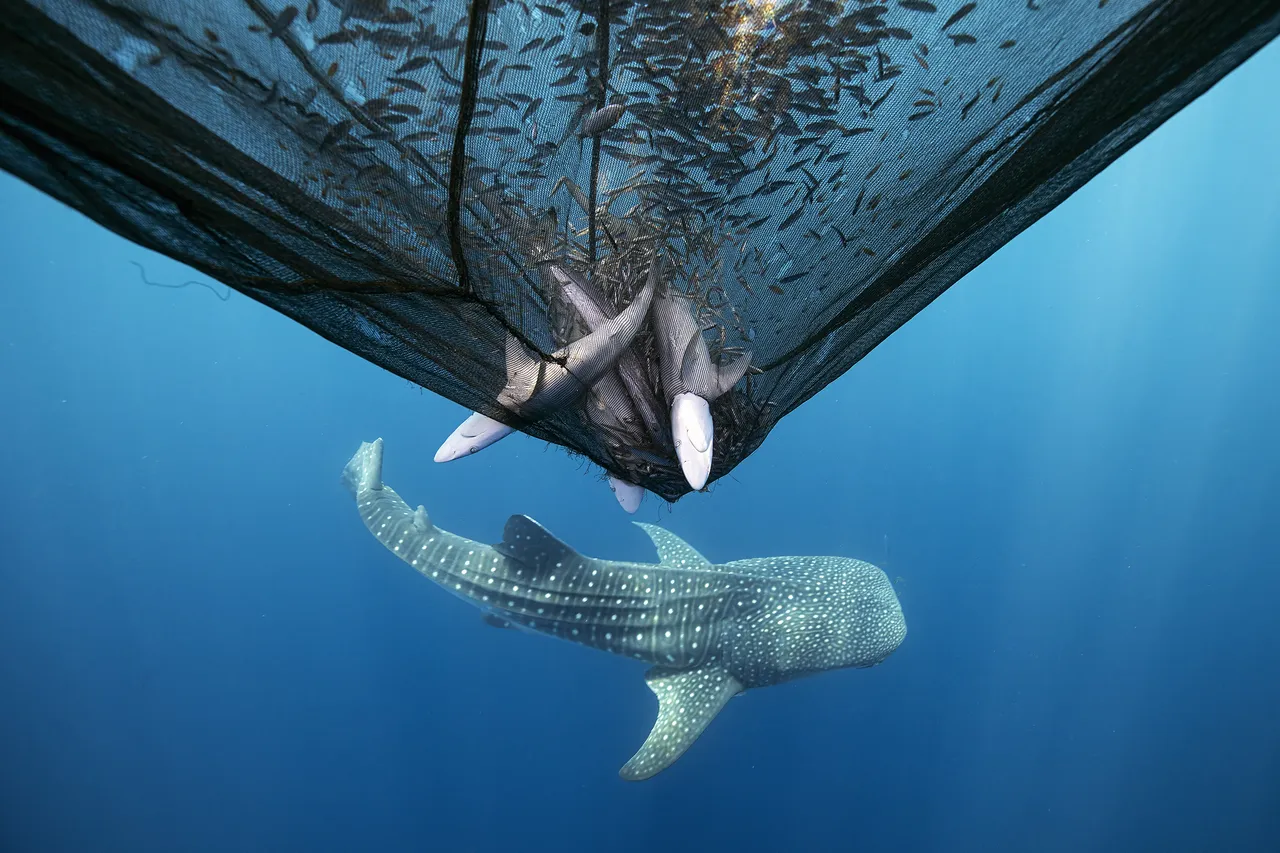
When any fishing gear, from expansive bottom trawling nets to a simple monofilament fishing line, is abandoned, lost, or discarded, it becomes "ghost gear”. Whether it comes from a recreational angler, a small-scale fishery, or a commercial fishing vessel, this fishing gear (ALDFG) continues to ensnare unsuspecting animals as it drifts unattended through the ocean, catching and killing marine life long after it was meant to be retrieved. Millions of marine animals like dolphins, stingrays, sharks, and turtles become entrapped in these spectral remains – unable to escape, they often starve to death or drown.
Ghost gear enters the ocean in a variety of ways. It may be intentionally discarded where no disposal facilities are available or by illegal fishers attempting to dispose of evidence. It can also be unintentionally lost after snagging on rocks or coral, being accidentally cut loose, or swept away during storms or strong currents. However it enters the ocean, the result is the same: Ghost gear continues to pollute marine ecosystems and threaten the wildlife that depends on them.
Logic dictates that fishing efforts are concentrated in areas where marine life is abundant. Ghost gear, therefore, is most frequently lost in these same areas, where it poses the greatest risk to the greatest numbers of wildlife species. There have been many attempts to quantify the rates of this leakage, with upper limits exceeding 1 150 000 metric tons a year. With fishing efforts increasing each year, this figure is expected to grow.
According to the Sustainable Seas Trust, most of today's fisheries use gear (nets, lines, buoys, ropes, and more) made from some form of plastic. When intact, it can entangle, injure, and drown marine life; when it begins to break down, its pieces are ingested by other animals, often causing death by starvation due to blockages or toxins. This makes ghost gear the deadliest form of marine pollution.
The stories behind the statistics
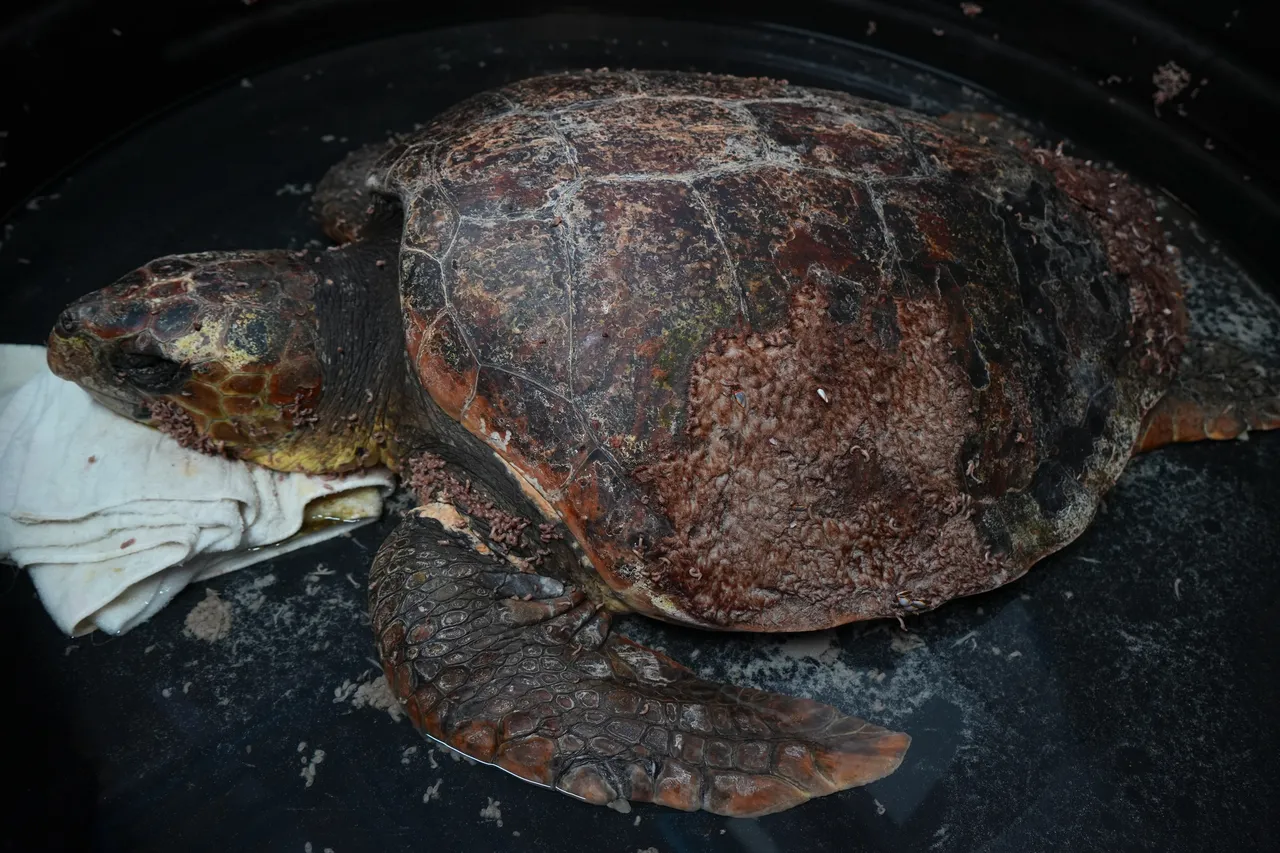
The female loggerhead turtle found stranded in Betty’s Bay was entangled in the ropes of a numbered marker buoy. Both turtle and buoy were thickly encrusted in algae and marine leeches.
Attached to a fishing line and fitted with a marker light, the buoy was typical of those used in the offshore commercial longline fishery, which targets species like hake, kingklip, tuna, and sharks. Marker buoys are used to identify longlines, with baited hooks attached at intervals along mainlines that can stretch for up to 80km. The turtle’s entanglement was likely a part of one of these longlines.
Unfortunately, before the Turtle Rescue Network could be notified, the turtle was freed and released back into the water by well-meaning members of the public. She later re-stranded, at which point the Network was activated, and she was transported to the Turtle Conservation Centre in Cape Town.
Despite initially showing some signs of life, the turtle passed away in the small hours of the morning. Our veterinary team concluded that the severe entanglement wound, compounded by an infestation of marine leeches, had left her critically anaemic. Tragically, the buoy that had contributed to her entanglement had also been keeping her afloat at sea. Once it was removed and she was returned to the water, she was too weak to keep her head above the surface to breathe and ultimately drowned.
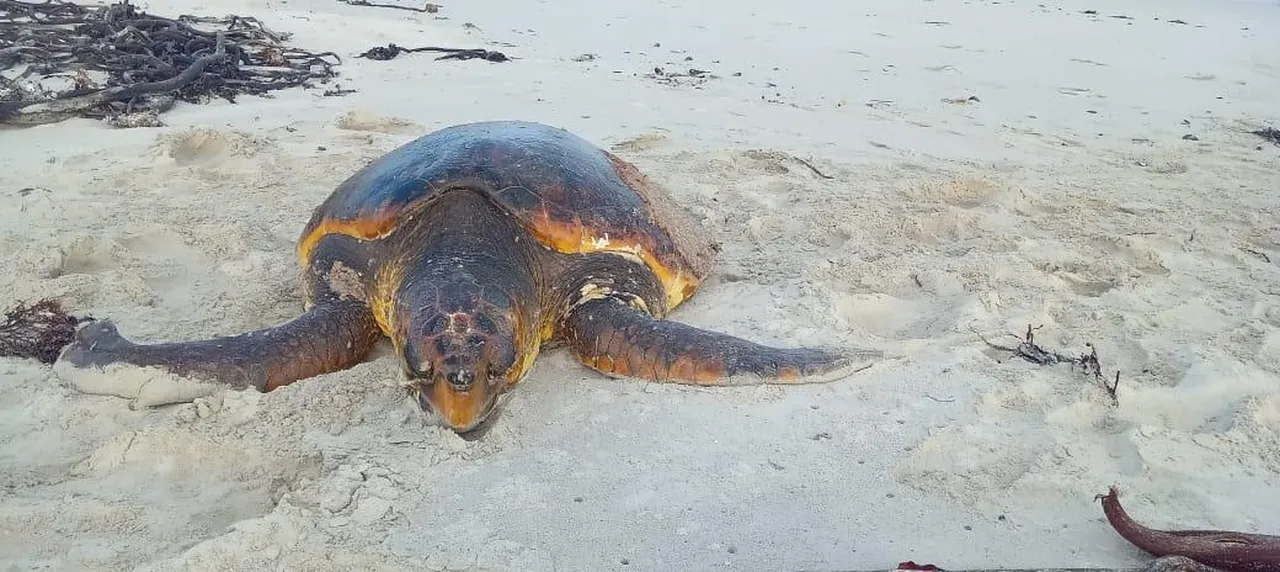
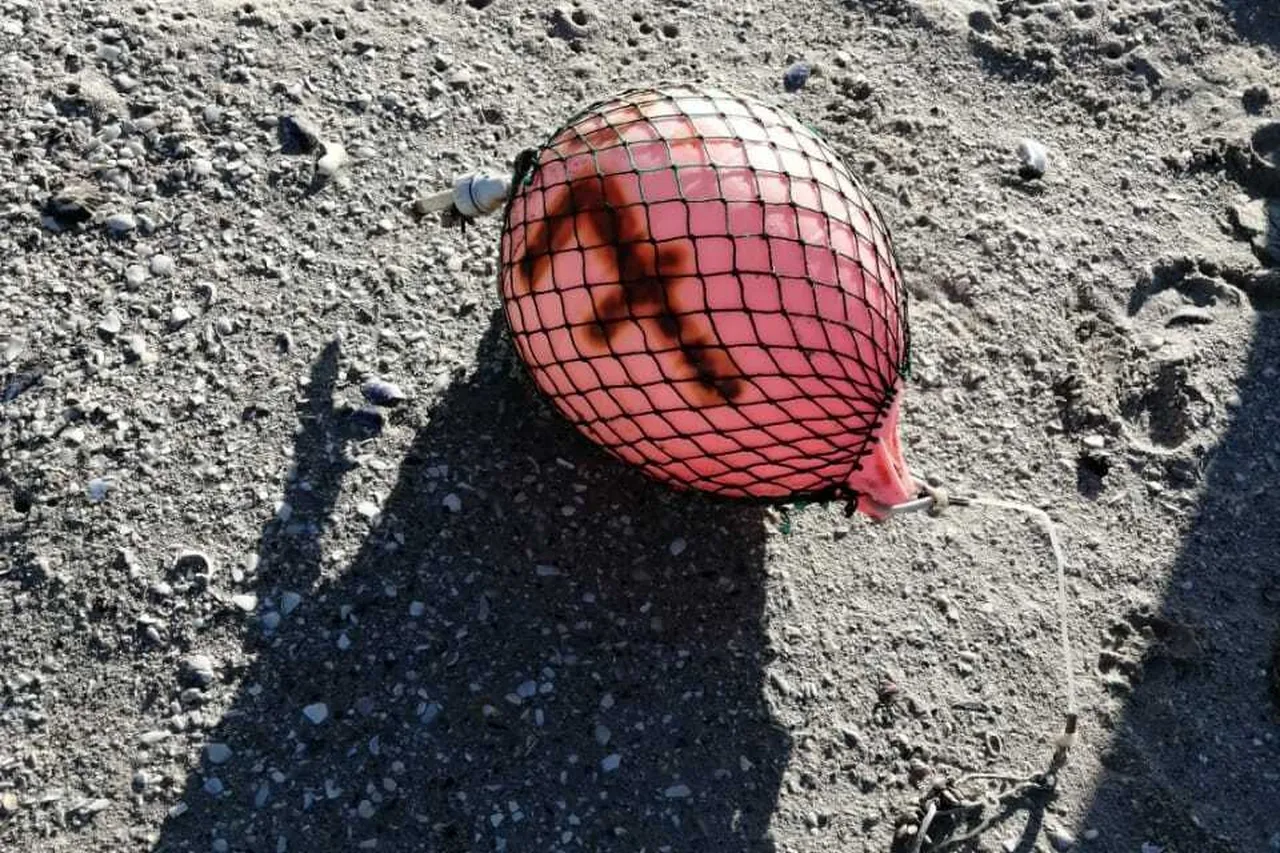
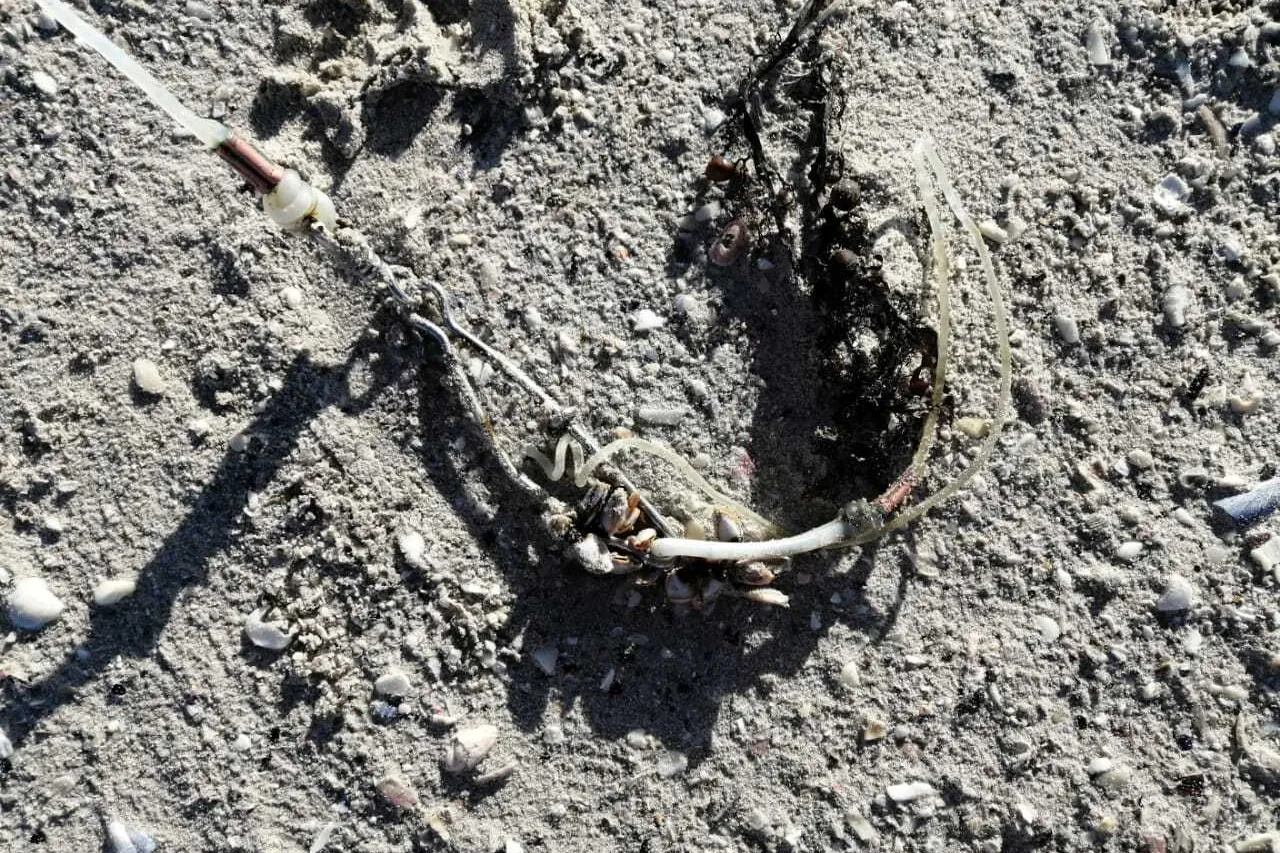
Roughly a year later, members of the Turtle Rescue Network found a deceased subadult loggerhead turtle on Mnandi Beach. A homemade longline was tightly wound around the turtle's right flipper, with the hook deeply embedded in its mouth.
The turtle was brought to the Turtle Conservation Centre for closer examination, where the team discovered that the hook had completely restricted her head movement. An autopsy by our veterinary team confirmed that the turtle had water in her lungs, indicating that she had drowned.
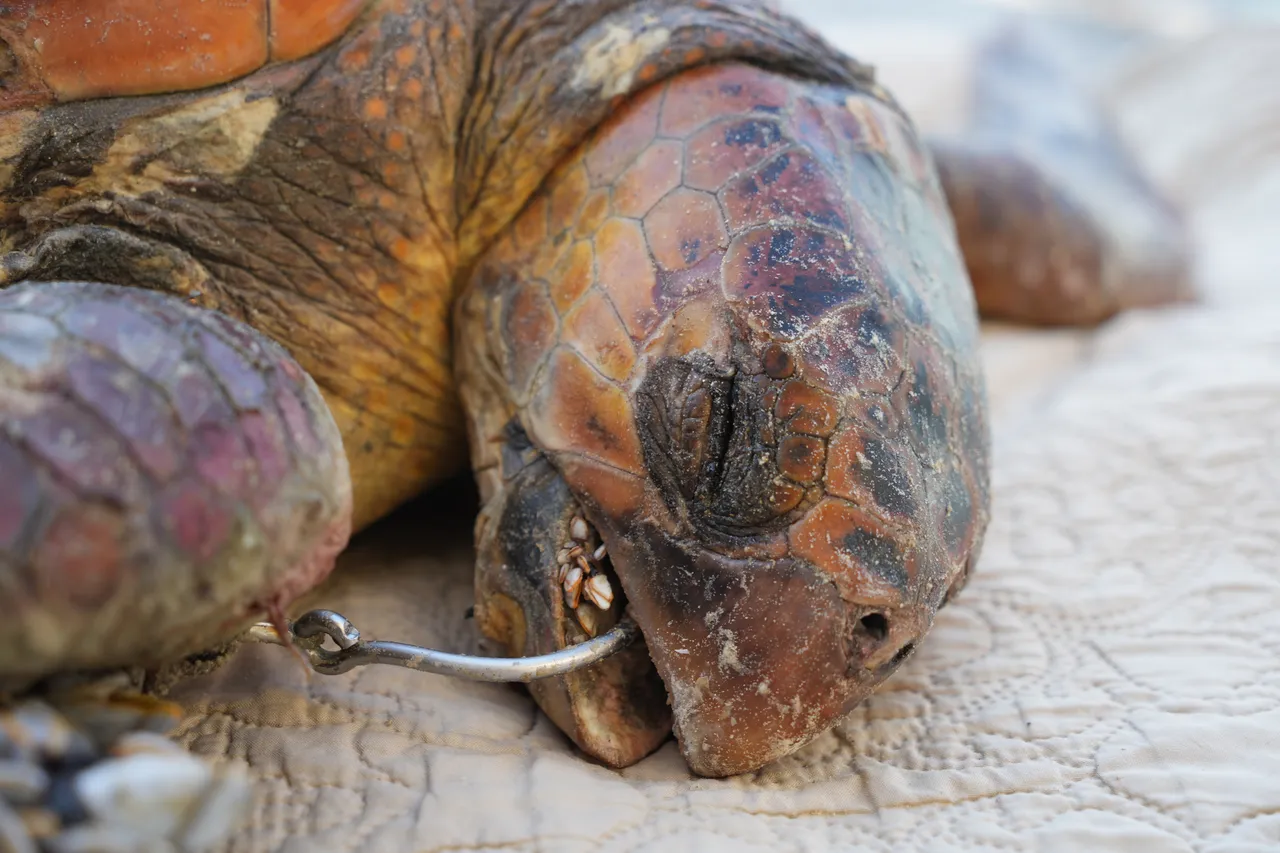
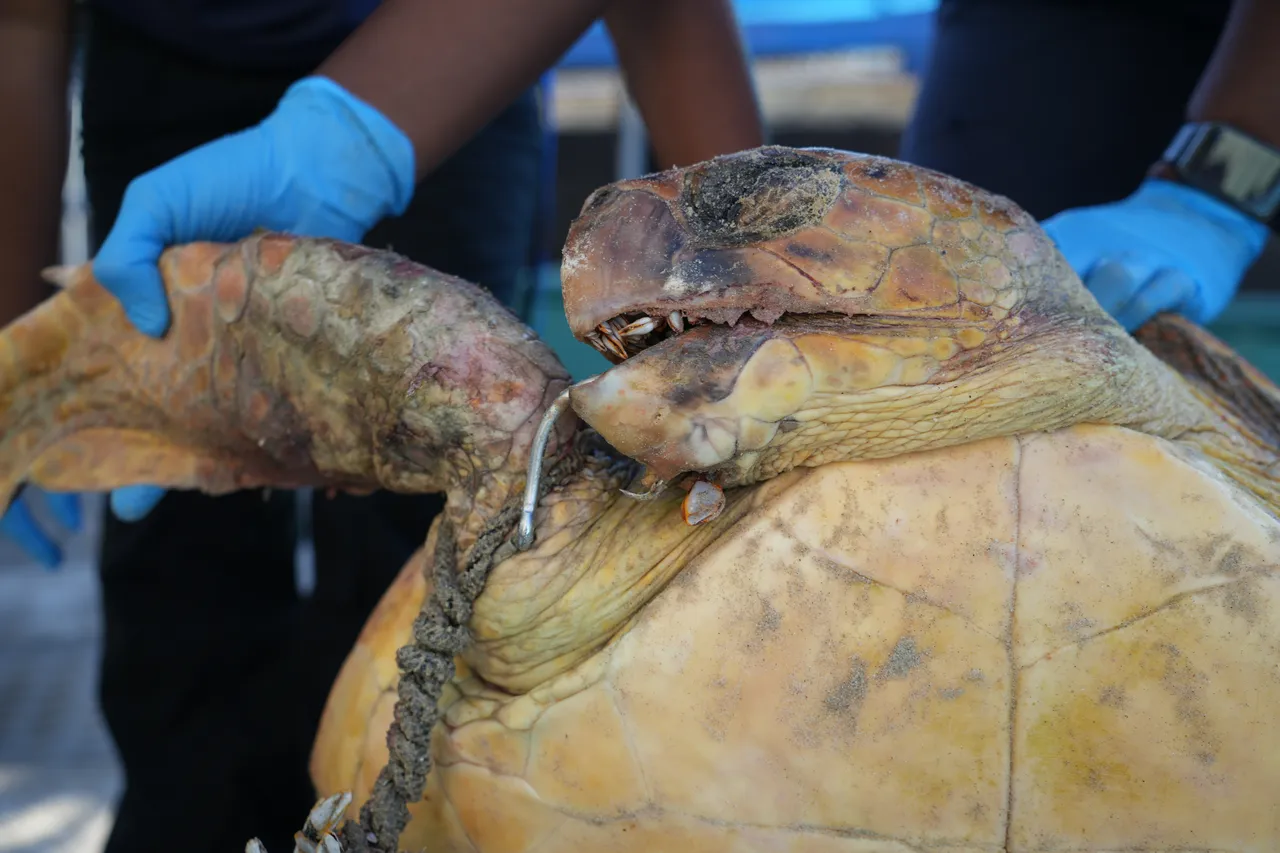
Unlike the commercial longline involved in the previous turtle's entanglement, this was a homemade longline fitted with a large white drum as a buoy. This type of gear was originally developed to target pelagic species like Atlantic bluefin tuna and sharks. Once an animal was hooked, fishers would follow the floating drum until the exhausted animal could be retrieved. Today, these homemade longlines are commonly associated with illegal fishing practices and are notorious for catching far more than their intended target species. What likely began as the turtle's attempt to feed ended in tragedy as she became hooked, entangled, and ultimately drowned.
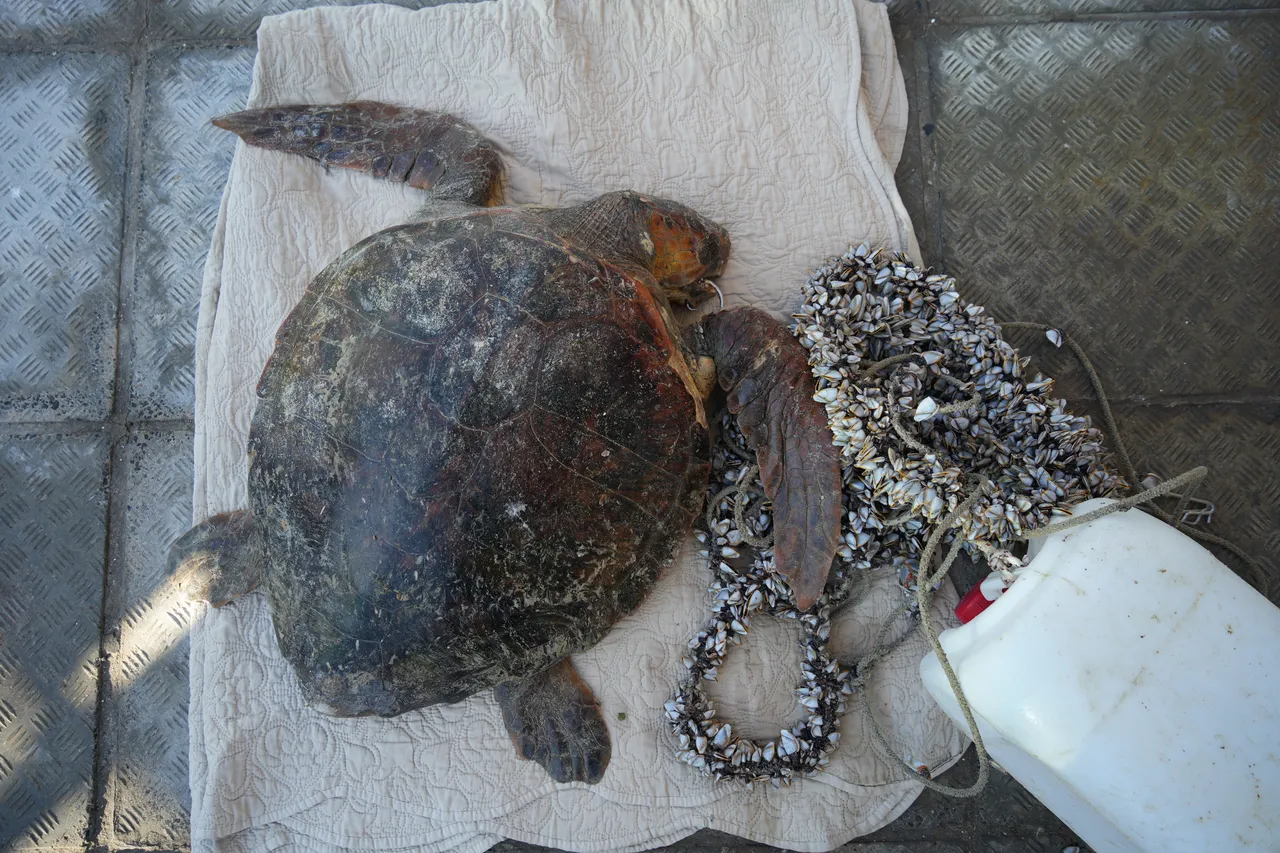
Both loggerhead turtles shared the same fate, killed by a longline that was never intended for them. Their stories illustrate the devastating knock-on effects of ghost gear on non-target species. Sadly, turtles are far from the only victims. Every year, countless marine animals become ensnared in abandoned fishing equipment. The type of gear may differ, but a fatal outcome is often the same.
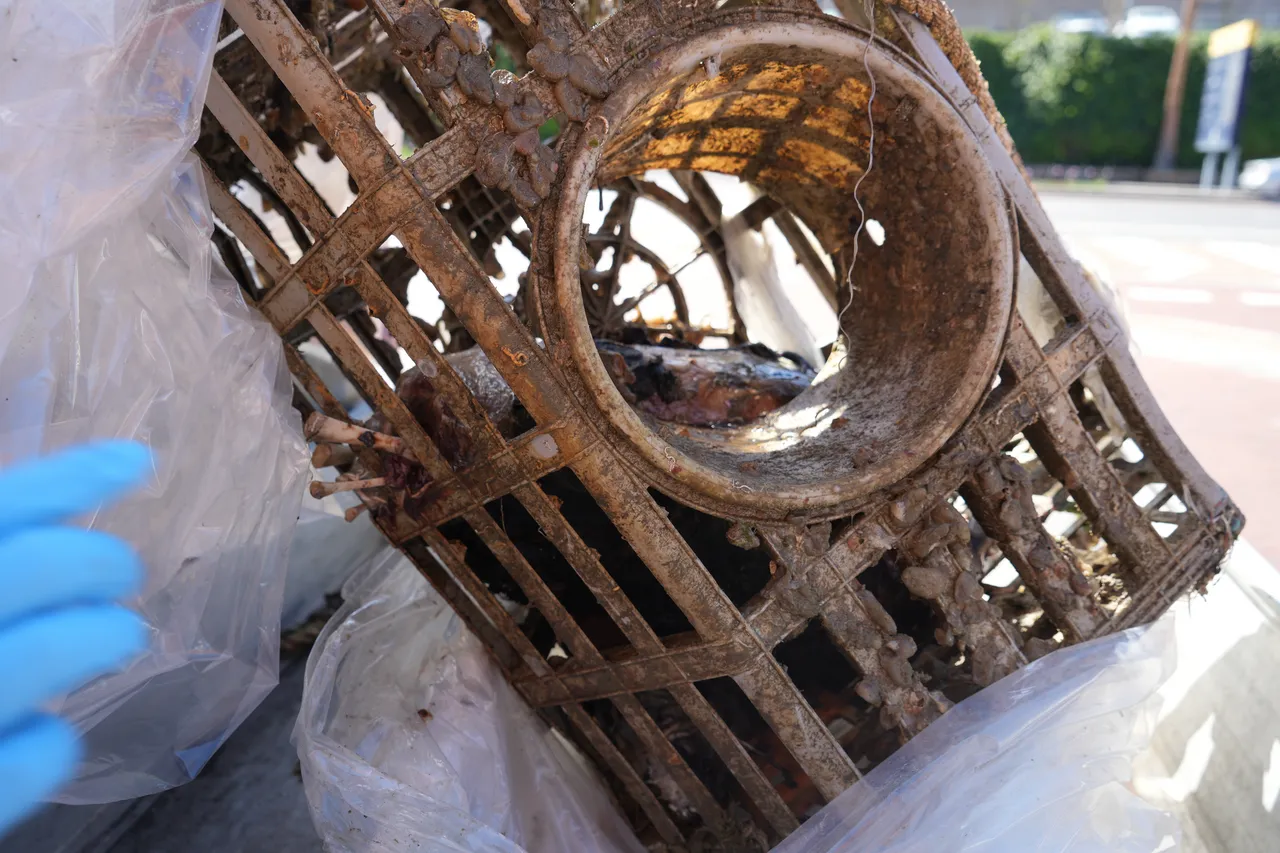
In 2023, an old lobster trap washed into the V&A Waterfront harbour. Inside was the body of a Cape fur seal.
The lobster trap belonged to the South Coast rock lobster fishery, a commercial fishery that operates under permit in offshore waters between Cape Point and East London. Traps are deployed on the seabed at depths of up to 200m using specialised vessels, making this a fishery that is distinct from small-scale or recreational fisheries. Identifying the trap helped determine where the ghost gear had most likely originated, illustrating how even heavily regulated offshore fisheries can unintentionally contribute to marine debris when gear is lost.
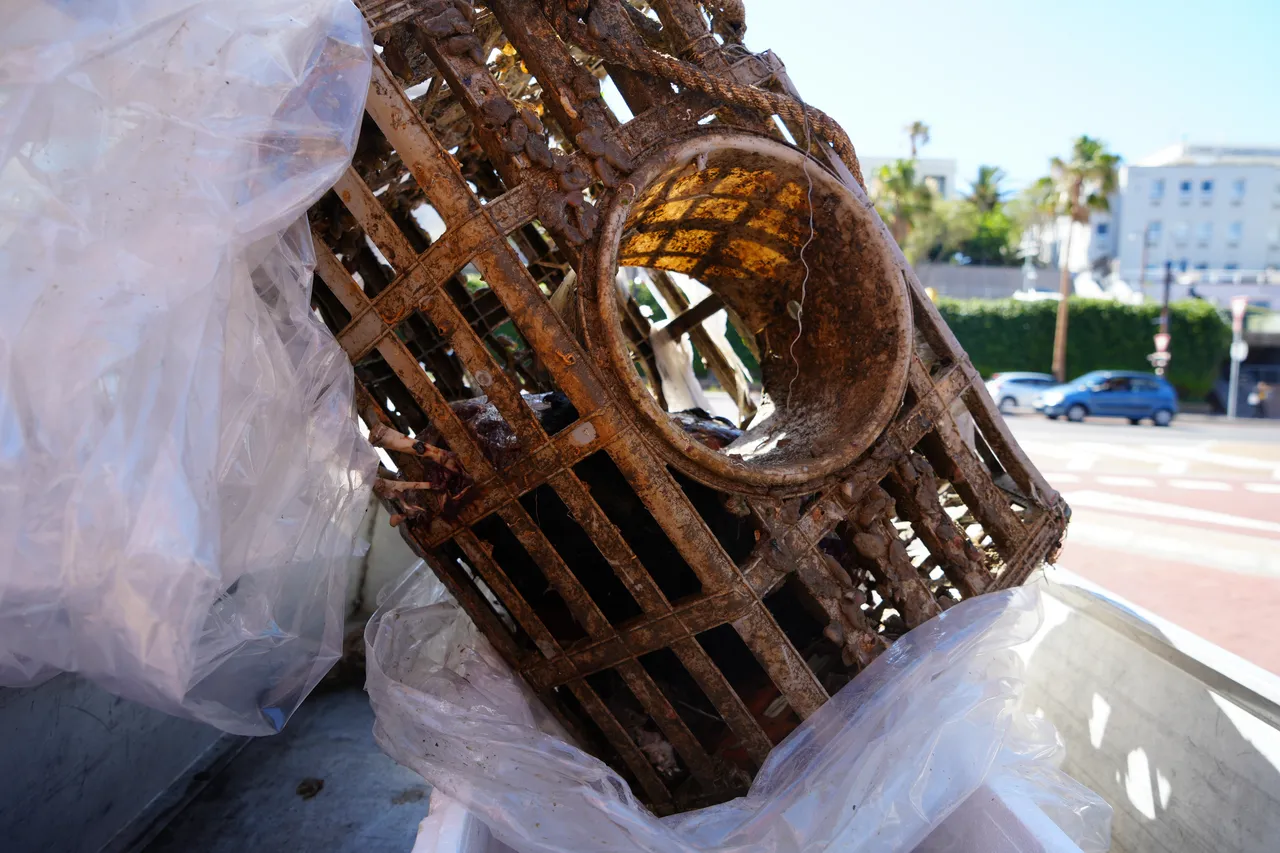
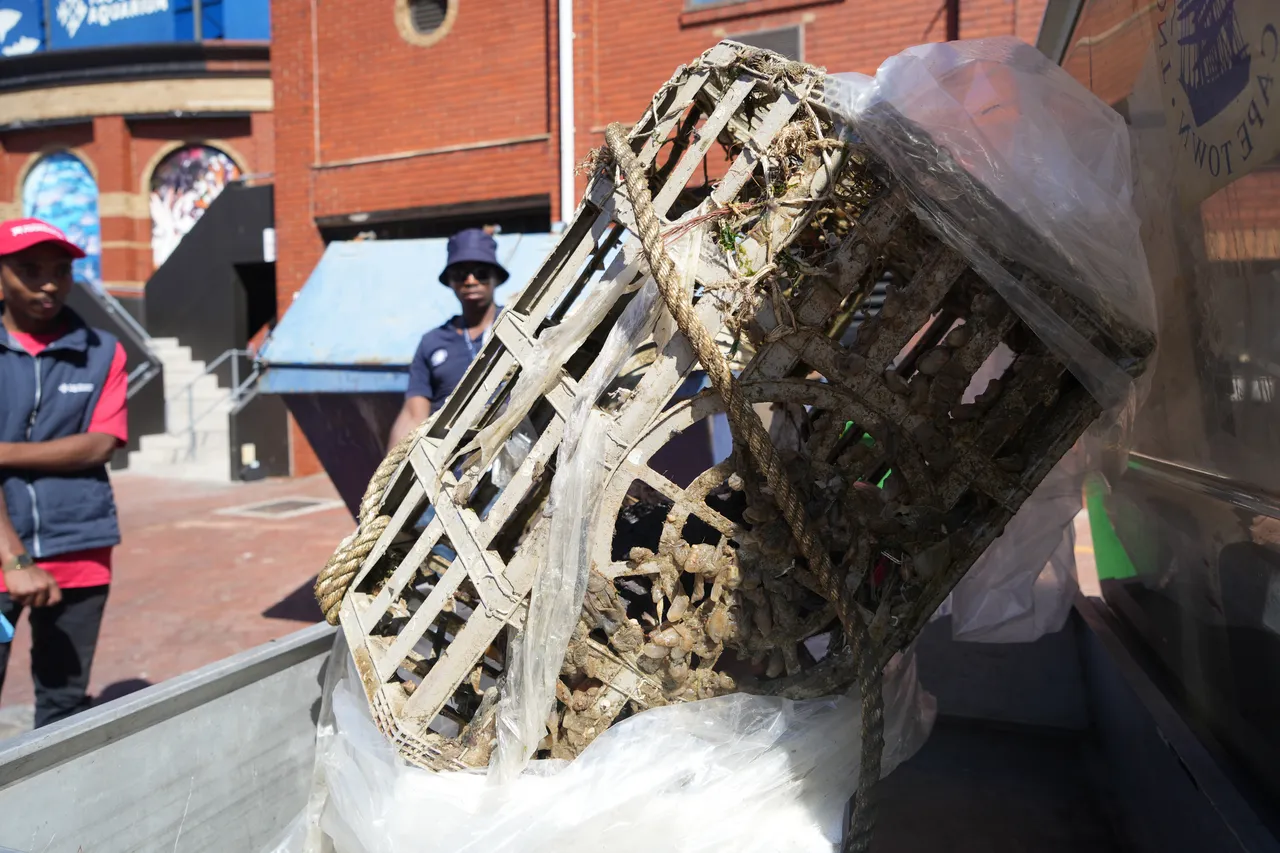
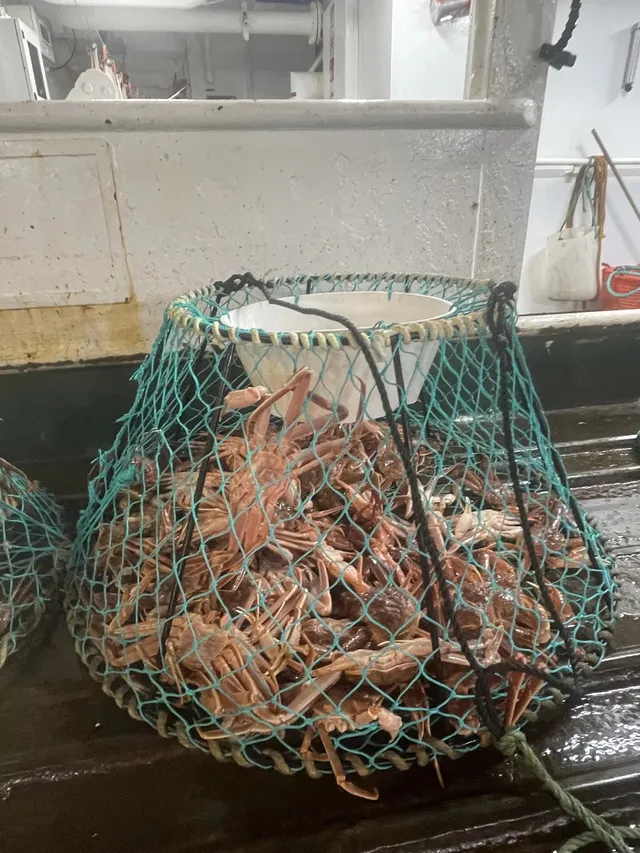
The industry utilises these “lobster pots” or traps, which are dropped onto the seabed for anything between six hours and several days. Lobsters are enticed into the trap either by bait or by mistaking the space for a refuge. However, they will soon find that it is nearly impossible to escape the tapered entrance. When the trap is pulled up, it will be full of lobster and possibly other non-target species.
If these traps are lost, forgotten, or abandoned, they continue trapping marine life while attracting predators and opportunistic feeders searching for an easy meal. In this case, the Cape fur seal may have inspected the lobster trap in search of an easy meal before becoming trapped himself. Unable to reach the surface, he drowned. When the old trap was discovered, it was a grisly sight: The seal had decomposed, suggesting that the trap had been forgotten or lost for quite some time.
When rescue changes the ending
Ghost gear does not always have to claim lives. When entangled animals are spotted early and reported to our Turtle Rescue Network or Marine Wildlife Management Programme, we can intervene before it is too late. This way, the victims of ghost gear are given a second chance.
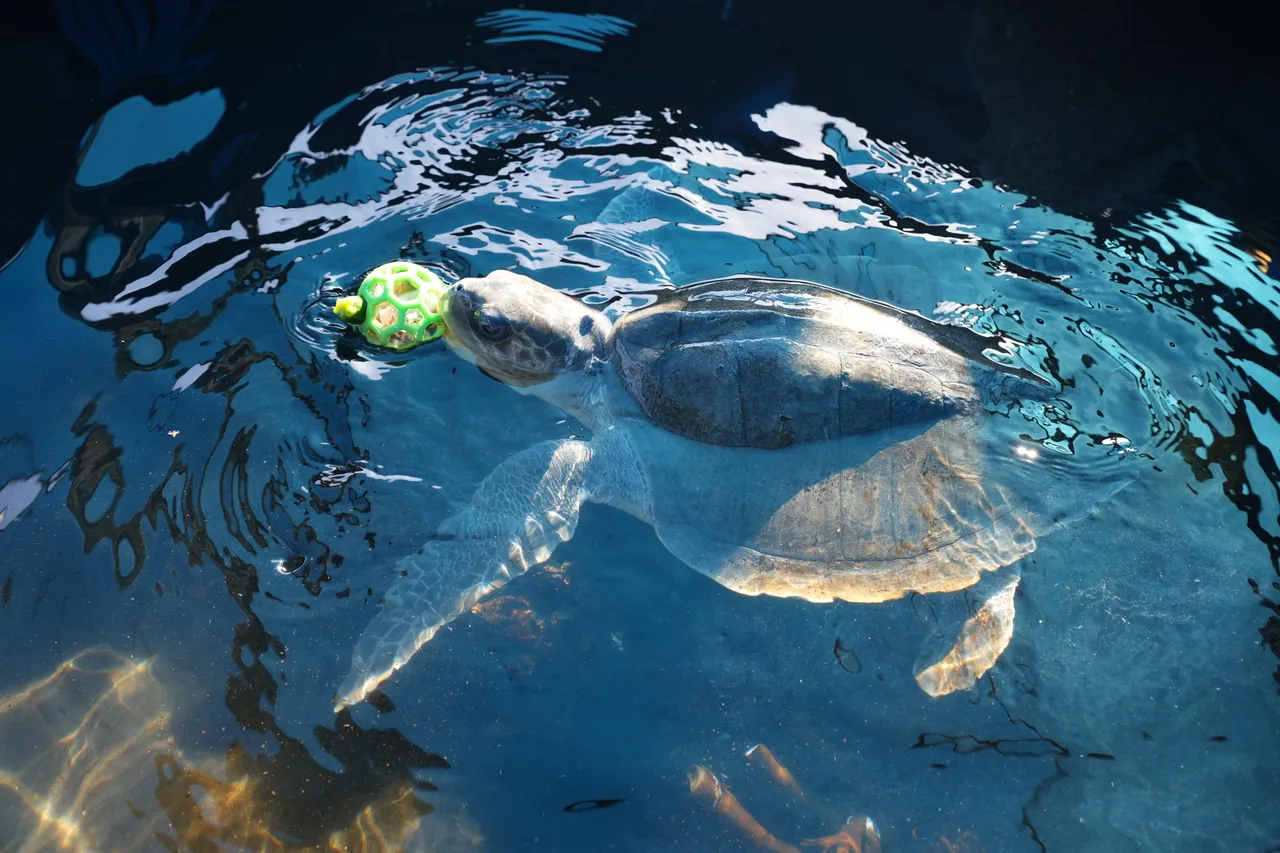
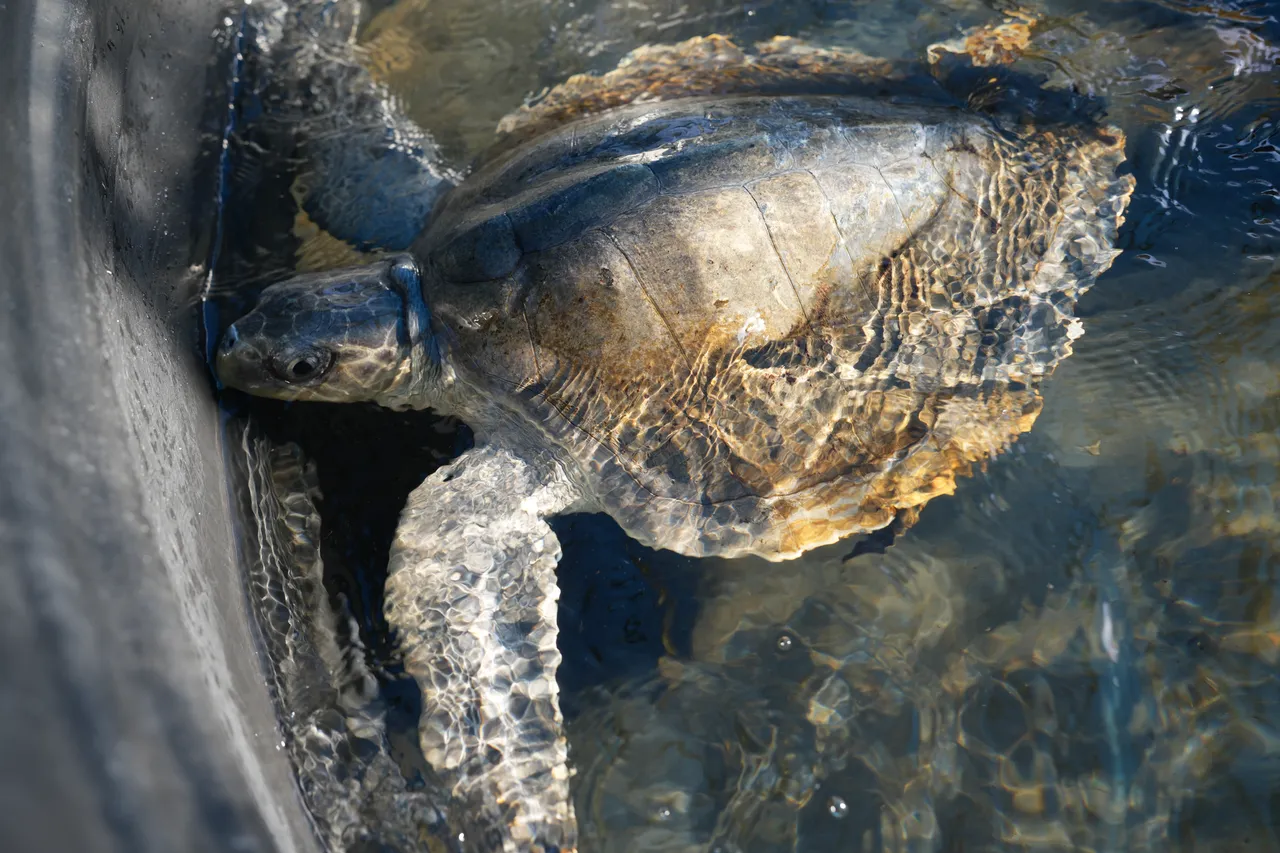
In December 2025, a rare olive ridley turtle washed ashore in the De Hoop Marine Protected Area entangled in a 30kg ghost net. Much like the fatally entangled loggerhead turtle from earlier that year, the olive ridley turtle was disentangled and returned to the water before the Turtle Rescue Network could be notified. Thankfully, she restranded soon afterwards, giving rescuers a chance to intervene before she succumbed to her injuries.
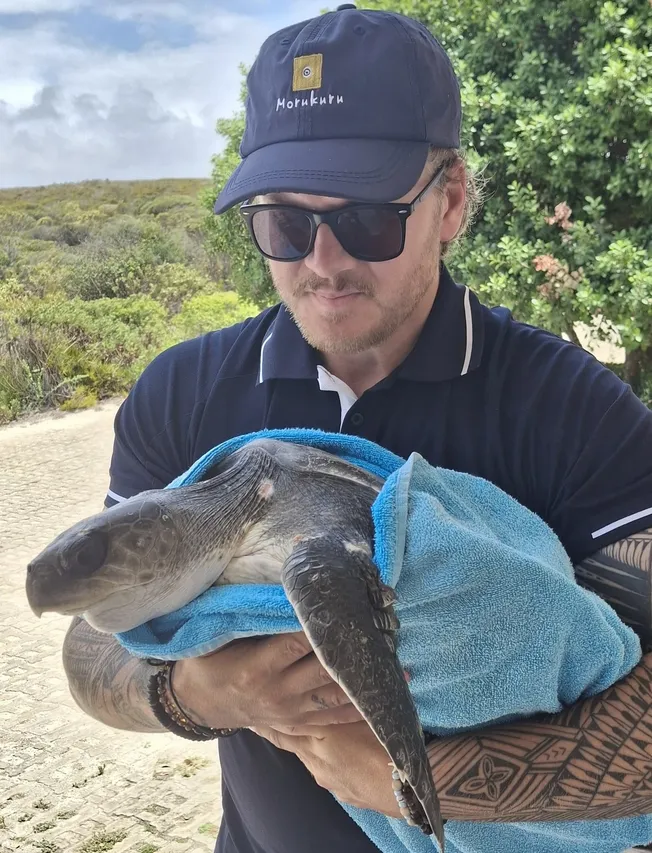
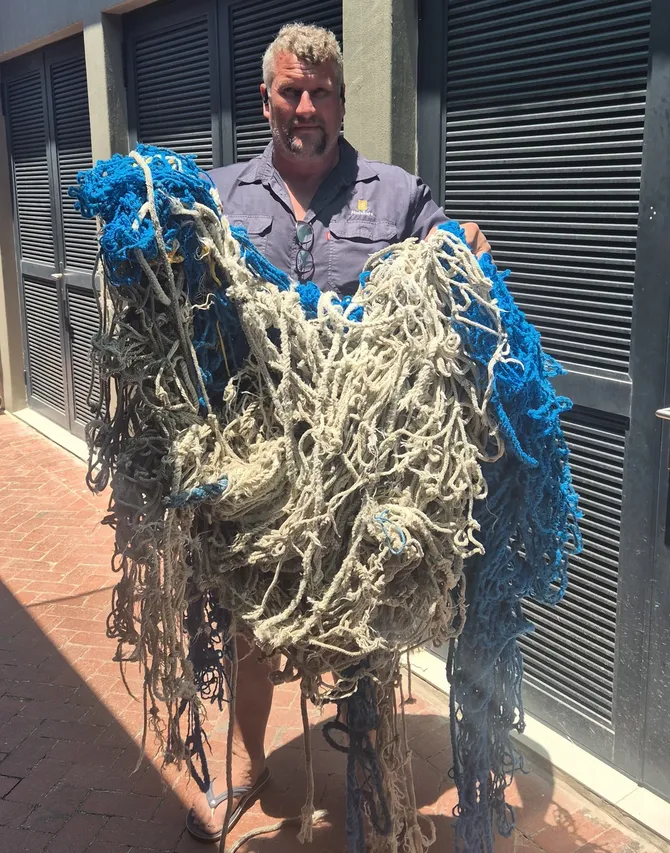
Following a coordinated effort by members of the Turtle Rescue Network, the olive ridley turtle was transported to the safety of the Turtle Conservation Centre. As olive ridley turtles are exceptionally rare in South African waters, the rescue of this individual and the community effort that made it possible was particularly significant. Her rescue also offers our team the opportunity to learn more about her species and make a tangible difference for their future.
Our veterinary team discovered that the turtle had a tear in her lung lining, likely caused by hyperventilating while entangled in the net, as well as deep wounds where the net had cut into her shoulders. Thanks to a course of antibiotics, regular aspiration procedures to remove trapped air from her body cavity, and dedicated veterinary care, she made a remarkable recovery. Now affectionately known as Sage, she is well on her way to returning to the wild ocean – a heartwarming reminder that timely intervention can mean the difference between life and death for an entangled turtle.
While the Turtle Rescue Network responds to turtles in distress along the Western Cape coastline, our Marine Wildlife Management Programme works year-round to identify and disentangle Cape fur seals trapped in ghost gear and other marine debris. Most times, these disentanglements offer a hopeful outcome.
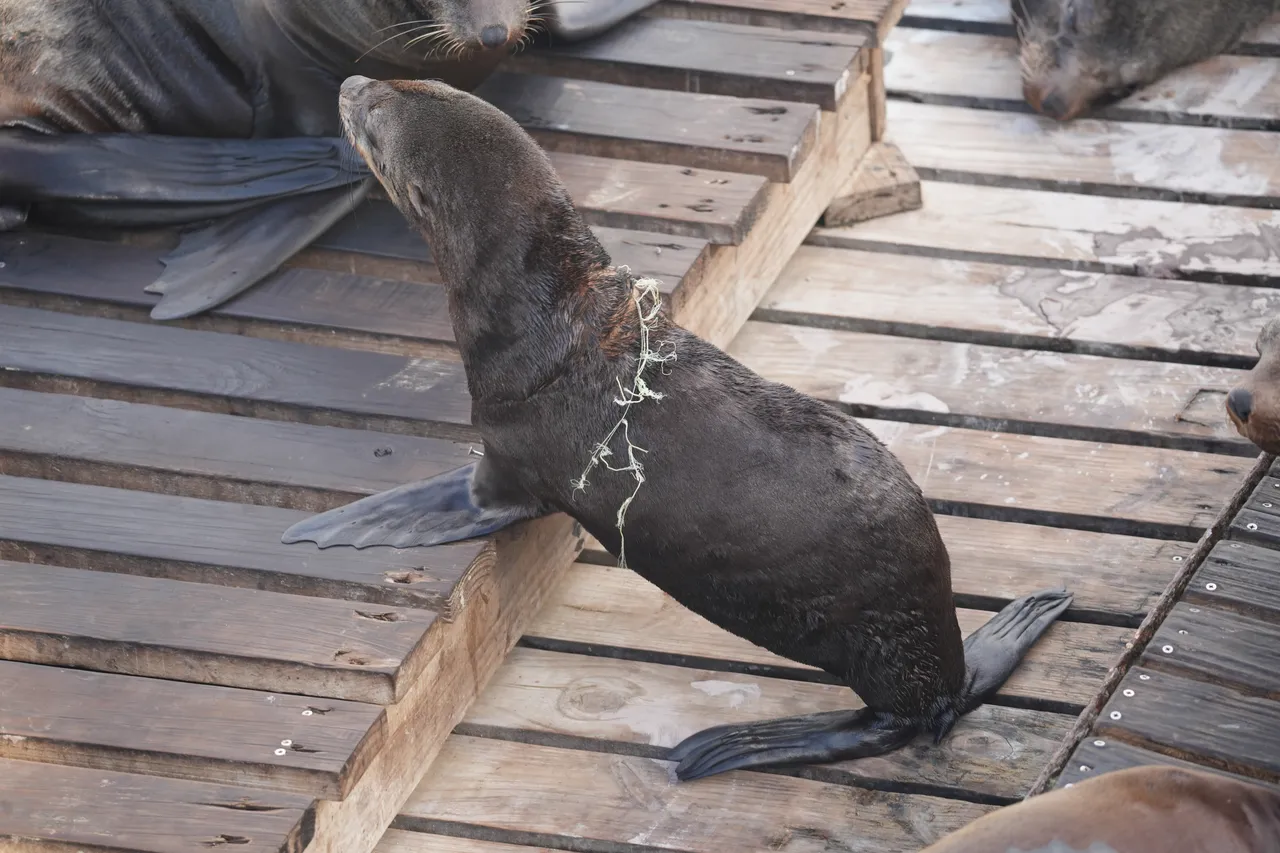
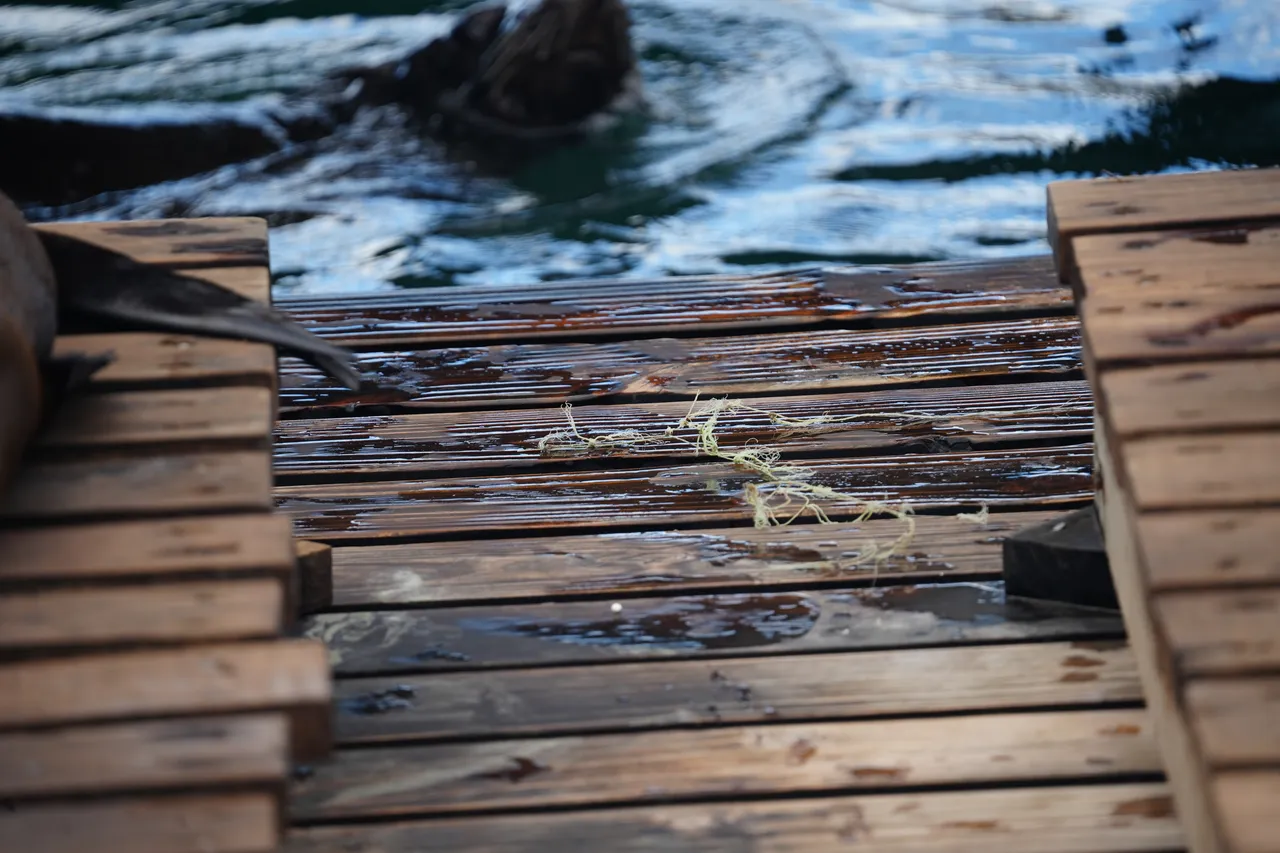
In July 2026, a Cape fur seal with part of a gillnet around its neck was spotted on the Seal Platform outside the Two Oceans Aquarium.
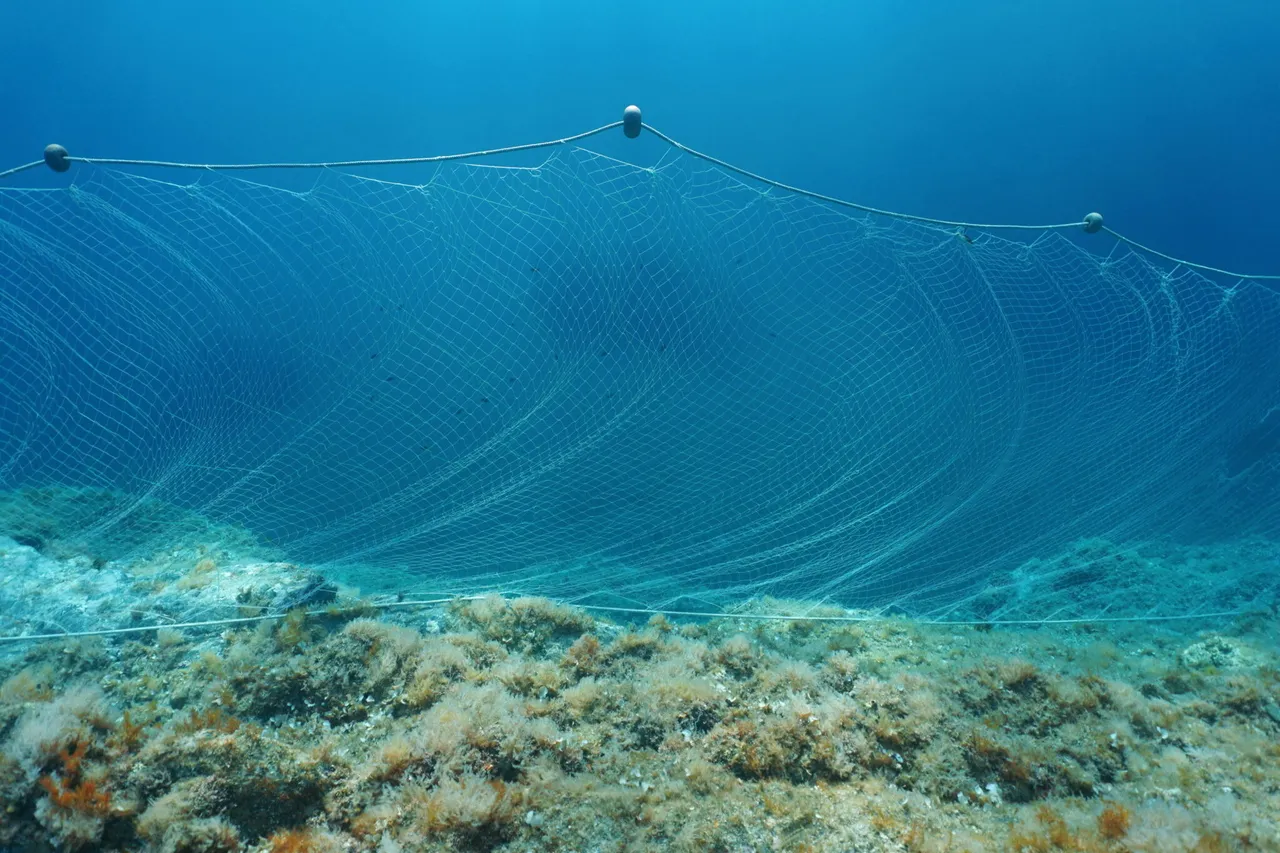
Gillnets are used in both freshwater and marine environments, where they are suspended vertically by floats in the water column and weighted down at the bottom. When a fish swims into this curtain-like gillnet, its head passes through the mesh, but its body cannot. This causes the net to catch behind the gills, hence the name. The practice of gillnetting is largely illegal in South Africa due to its indiscriminately high bycatch rate and negative impact on a wide variety of marine life and habitats. However, limited gillnet fisheries are still permitted in parts of the Western Cape, where they target species such as mullet and St Joseph sharks.
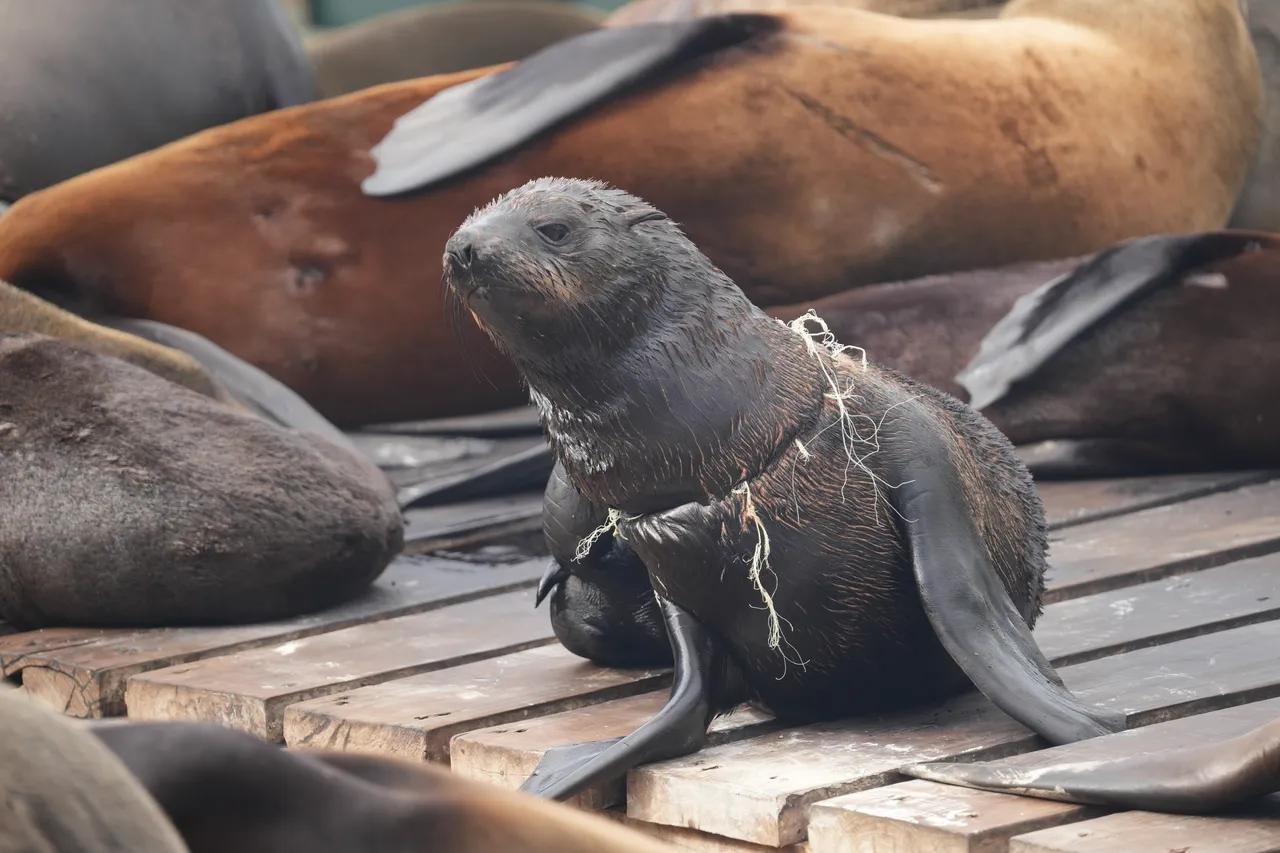
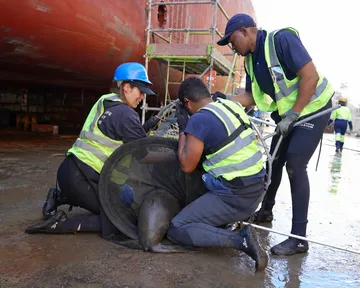
When the entangled seal was spotted, our Wildlife Monitors leapt into action, using our signature aquatic disentanglement technique to approach the seal from underneath the platform and quickly remove the gillnet from around her neck. This intervention saved the seal’s life – left unattended, the gillnet would have tightened as the seal grew, causing severe injury and eventual death.
It is difficult to know where this young Cape fur seal encountered the gillnet or whether it originated from an illegal setup or a permitted fishery. What is clear, however, is that two things had to happen for this seal to become one of the fortunate survivors of ghost gear. First, only a section of the gillnet remained wrapped tightly around her neck by the time she was found. Whether she escaped from the rest of the net or encountered only a fragment is impossible to know. Second, she found her way to the V&A Waterfront, where our Wildlife Monitors patrol daily for seals in distress. Without either of these factors, this story may have had a very different ending.
The ripple effects of ghost fishing gear
Some animals are fortunate enough to escape ghost fishing gear, but millions of others are not. And it is not only individual animals that are affected – the consequences extend to entire populations, ecosystems, and even the people who rely on healthy oceans.
Both loggerhead turtles that met their ends due to ghost gear were healthy adults nearing breeding age – individuals that could have contributed to the future of their endangered species for decades to come. Their deaths represent far more than the loss of two animals; they also mean the loss of decades of future breeding potential for a population already in decline. Only one or two out of every 1 000 turtles survive long enough to reach adulthood. With the loss of these turtles, fewer nests will be laid, fewer hatchlings will enter the ocean, and the recovery of their species becomes that much more difficult.
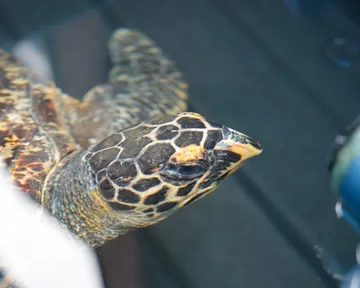
Loggerhead turtles are just one among many species impacted by ghost gear. Foragers like hawksbill turtles, predators like Cape fur seals, and scavengers like whitetip reef sharks fill important niches that help maintain healthy marine ecosystems. Removing just one of these animals from this delicate food web can alter predator-prey relationships, disrupt ecological balance, and reduce the resilience of the ocean as a whole. Furthermore, animals that become trapped in ghost gear may attract predators and scavengers, creating a devastating cycle in which one victim leads to another.
Believe it or not, ghost gear also affects people in a variety of ways. Lost or abandoned gear continues catching commercially important species, reducing future catches and undermining fisheries’ sustainability. It can damage sensitive marine habitats, create hazards for navigation, and represent a financial loss for fishers who have invested in expensive equipment. As plastic ropes, nets, and lines gradually break down, they contribute to the growing problem of marine pollution, fragmenting into microplastics that persist in the environment for decades and eventually end up in the food chain.
Ghost fishing gear is far more than a wildlife welfare issue. It is a pervasive conservation challenge that negatively impacts marine ecosystems, fisheries, and the communities that depend on healthy oceans.
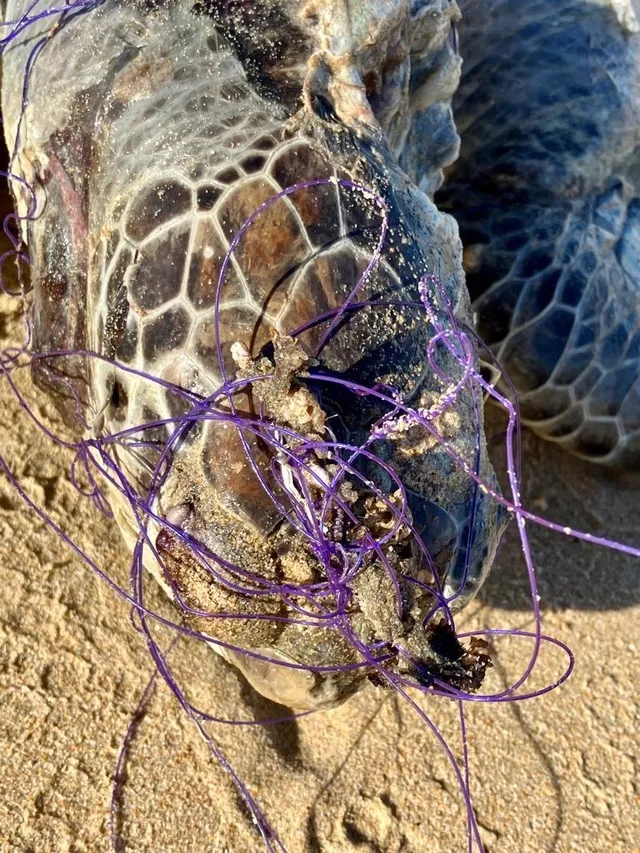
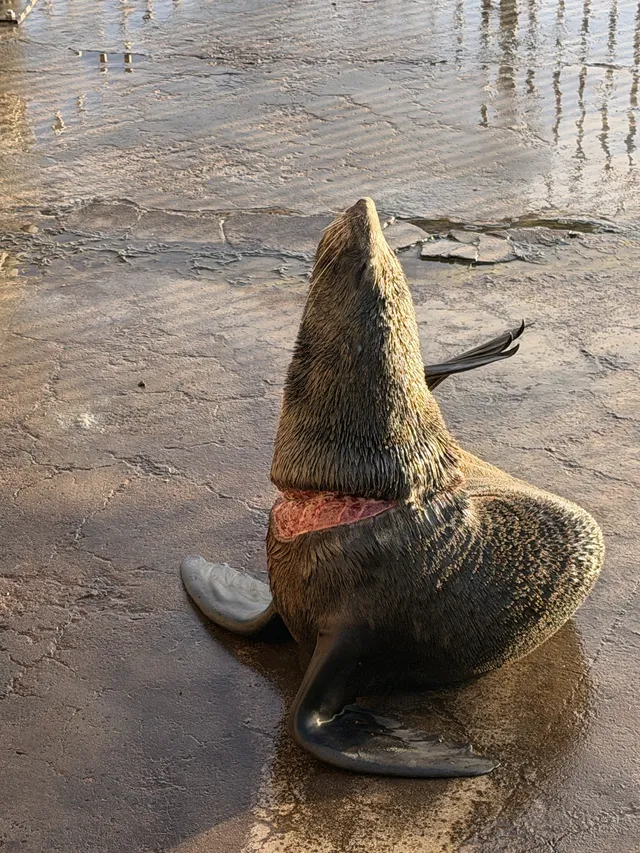
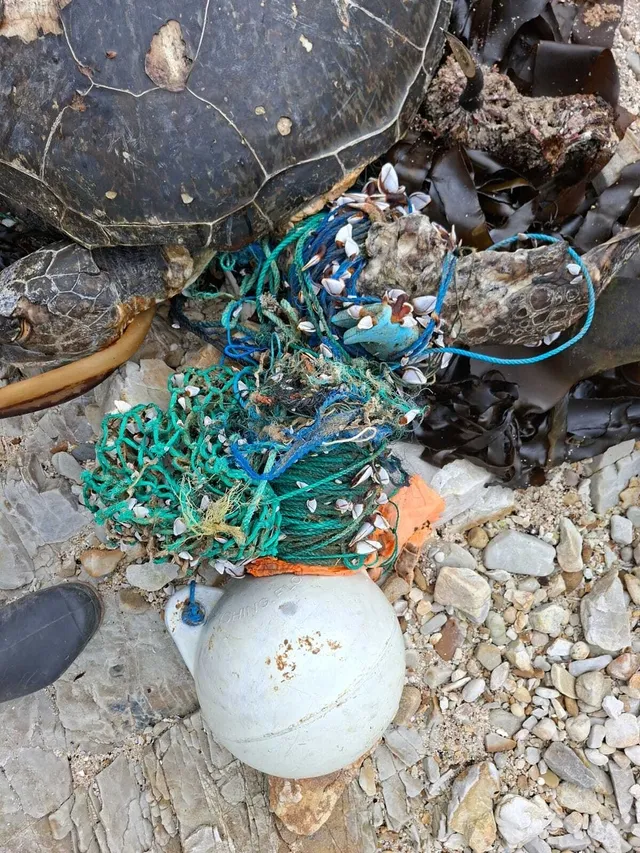
Turtles and seals are just some of the millions of marine animals that are affected by ghost gear.
How can we turn the tide?
The global problem of ghost fishing gear may seem insurmountable, but it is not unsolvable. Around the world, researchers, conservation organisations, governments, and leaders in the fishing industry are working together to prevent gear from entering the ocean, recover gear that has already been lost, and reduce its impact on marine life.
The most effective way to tackle ghost fishing gear is to stop it from becoming ghost gear in the first place. Some types of fishing gear, particularly static ones such as gill nets and lobster traps, are more likely to be lost and therefore require additional management. Simple changes can make a significant difference. Limiting the amount of time traps and nets are left in the water and retrieving them promptly reduces the likelihood of gear being lost, while also shortening the window of time in which non-target species can become entangled.
Good fisheries management is just as important. Ensuring that all vessels, regardless of the scale of the fishery, have adequate storage for fishing gear and crews that are trained in its correct handling can help prevent accidental losses. Raising awareness of the environmental impacts of ghost gear also encourages more responsible handling, retrieval, and disposal of fishing equipment. Knowing that their action could harmfully impact an animal’s life could cause a fisher to think twice.
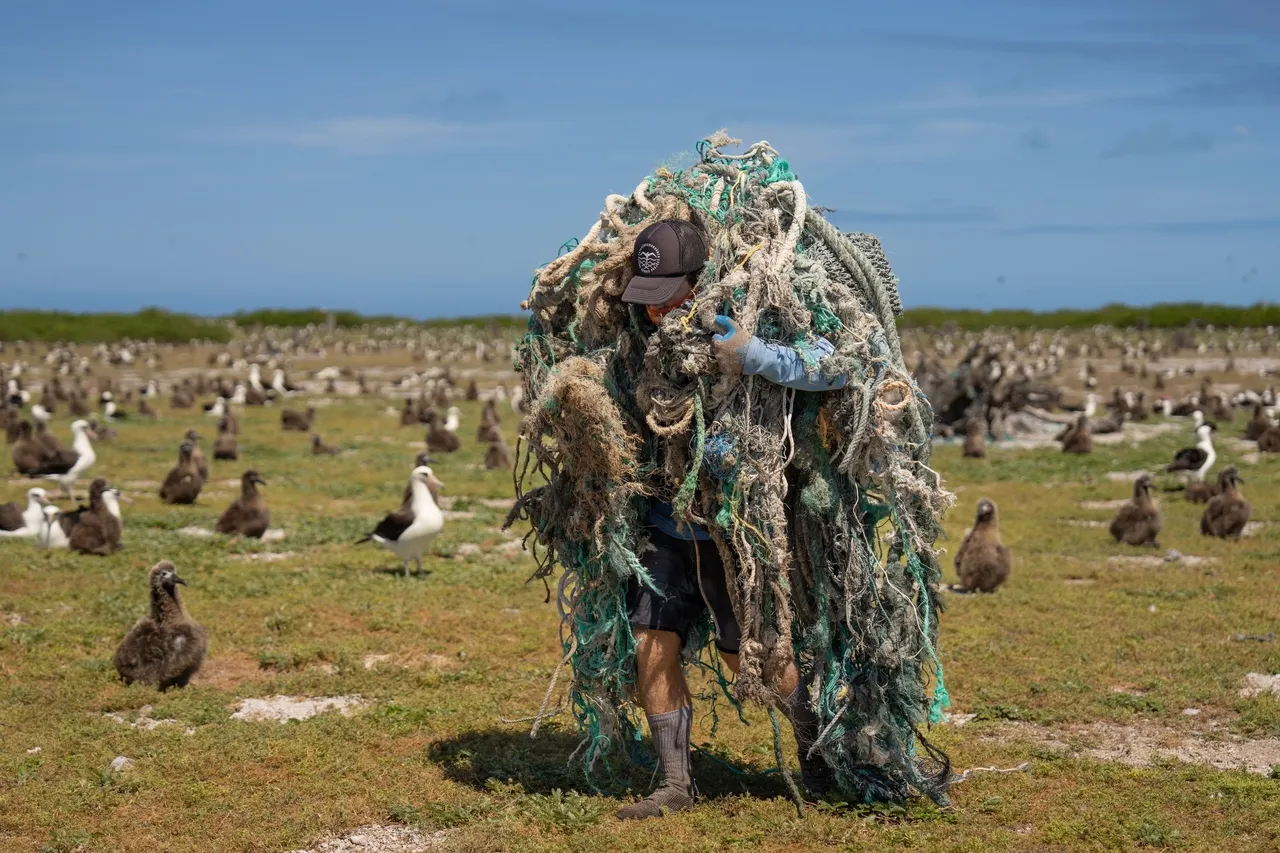
Being able to identify, recover, and return lost gear to its owner is essential. Marking fishing gear to establish ownership encourages fishers to retrieve lost equipment, reduces conflict between fishing vessels, and can help identify illegal, unreported, and unregulated fishing activities. Initiatives such as the Global Ghost Gear Initiative's Ghost Gear Reporter App allow fishers and other ocean users to report lost gear, helping retrieval teams recover it before it causes further harm.
Fishing gear can also be redesigned to reduce its impact if it is lost. For example, lobster traps can be fitted with escape hatches or biodegradable panels that break down over time, allowing trapped animals to escape instead of continuing the cycle of ghost fishing. In Western Australia, the rock lobster fishery was mandated to add a blunt metal spike to the entrance of their traps, eliminating the bycatch of local sea lions. Such simple and effective exclusion devices can prevent needless deaths like that of the Cape fur seal in the lobster trap.
Researchers are also developing biodegradable alternatives to conventional fishing gear. Most modern nets, ropes, and floats are made from durable plastics designed to withstand harsh conditions at sea. While this durability is beneficial during normal fishing operations, it means lost gear can continue harming marine life for years. Biodegradable alternatives made from bio-based materials break down far more quickly if they are lost, reducing both ghost fishing and the long-term accumulation of marine plastic pollution. Here in Cape Town, Catchgreen is helping drive this innovation by developing biodegradable fishing gear designed to support more sustainable fisheries.
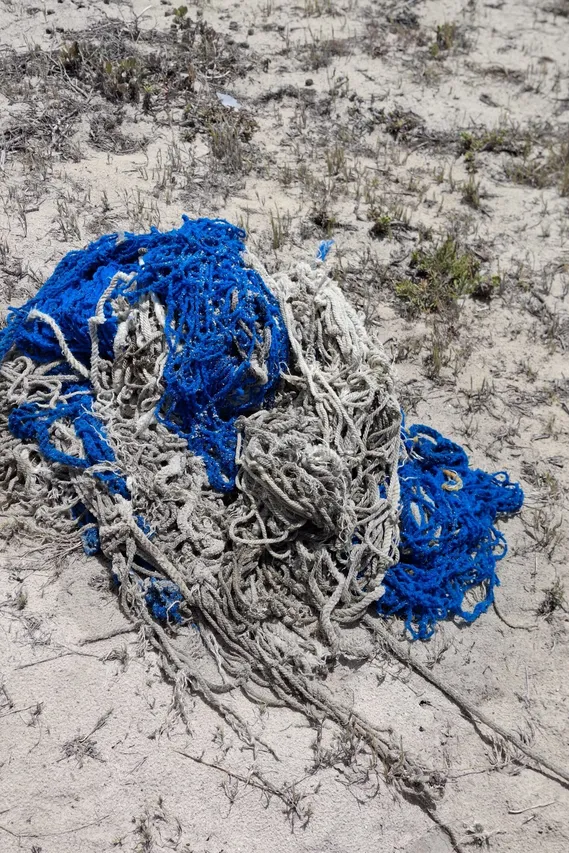
Once ghost fishing gear enters the ocean, removing it becomes a priority. Technologies such as sonar systems and GPS are helping recovery teams locate lost nets and other fishing equipment with greater accuracy. Specialised retrieval programmes can then remove this gear before it continues trapping marine life or damaging sensitive habitats. Recovered gear can be safely disposed of or recycled into new products rather than continuing its harmful journey through the ocean.
Collaboration remains one of the most powerful tools in tackling ghost gear. Organisations such as the Global Ghost Gear Initiative are bringing together governments, researchers, conservation organisations, and the fishing industry to develop practical, global solutions. In South Africa, organisations like CapMarine support responsible fisheries management and monitoring, helping reduce gear loss before it occurs. At the Two Oceans Aquarium Foundation, our Turtle Rescue Network and Marine Wildlife Management Programme respond when wildlife is in distress, helping individual animals while contributing to the long-term conservation of their species.
No single solution will eliminate ghost gear. Preventing gear loss, improving fisheries management, designing safer equipment, recovering lost gear, and responding quickly when wildlife is in distress all have a role to play. Together, these efforts help protect marine wildlife while supporting healthy, sustainable fisheries.
Every rescued turtle, every disentangled seal, and every piece of ghost gear removed from the ocean is proof that this is a problem we can solve. By working together to prevent gear from entering the ocean, recover what has already been lost, and protect the animals caught in the path of ghost gear, we can help ensure that more stories end like Sage's, and fewer end like those of the loggerhead turtles and Cape fur seal whose lives were cut tragically short.
Related News
Sign up to our Newsletter
Receive monthly news, online courses and conservation programmes.