Conservation educators from 35 countries gather at Two Oceans Aquarium for IZE 2026
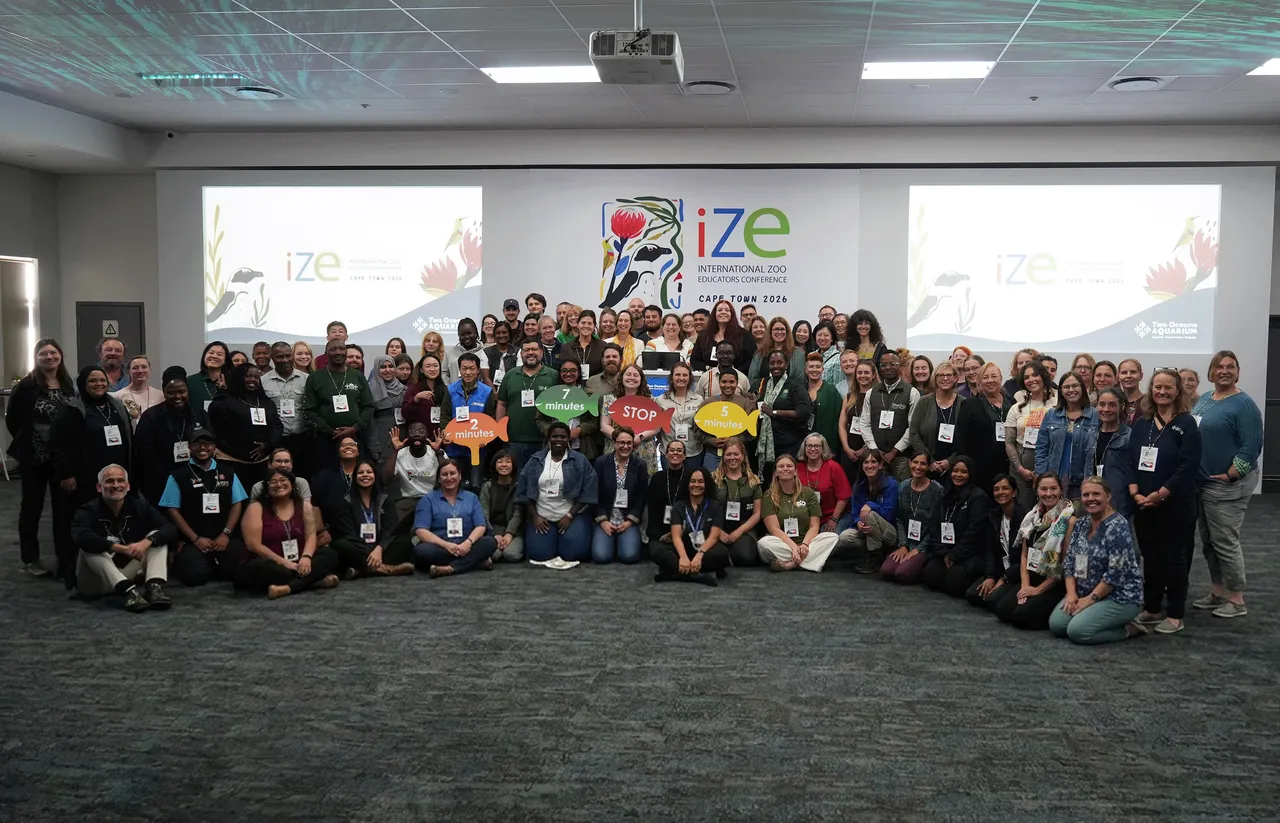
From 12 to 16 October 2026, the Two Oceans Aquarium proudly hosted the International Zoo Educators (IZE) Conference in Cape Town, South Africa. A total of 187 delegates from 35 countries and 124 organisations gathered at the southern tip of Africa for five days of knowledge-sharing, collaboration, and inspiration, all centred around strengthening the impact of conservation education in zoos and aquariums.
The exciting programme brought together conservation educators, communicators, and changemakers for keynote presentations, interactive workshops, oral presentations, tours, and opportunities to connect and exchange ideas with like-minded professionals. Hosted within the Two Oceans Aquarium, with conference spaces alongside our spectacular exhibits, delegates enjoyed an immersive experience that showcased South Africa's incredible marine biodiversity while inspiring new ideas and approaches to conservation education.
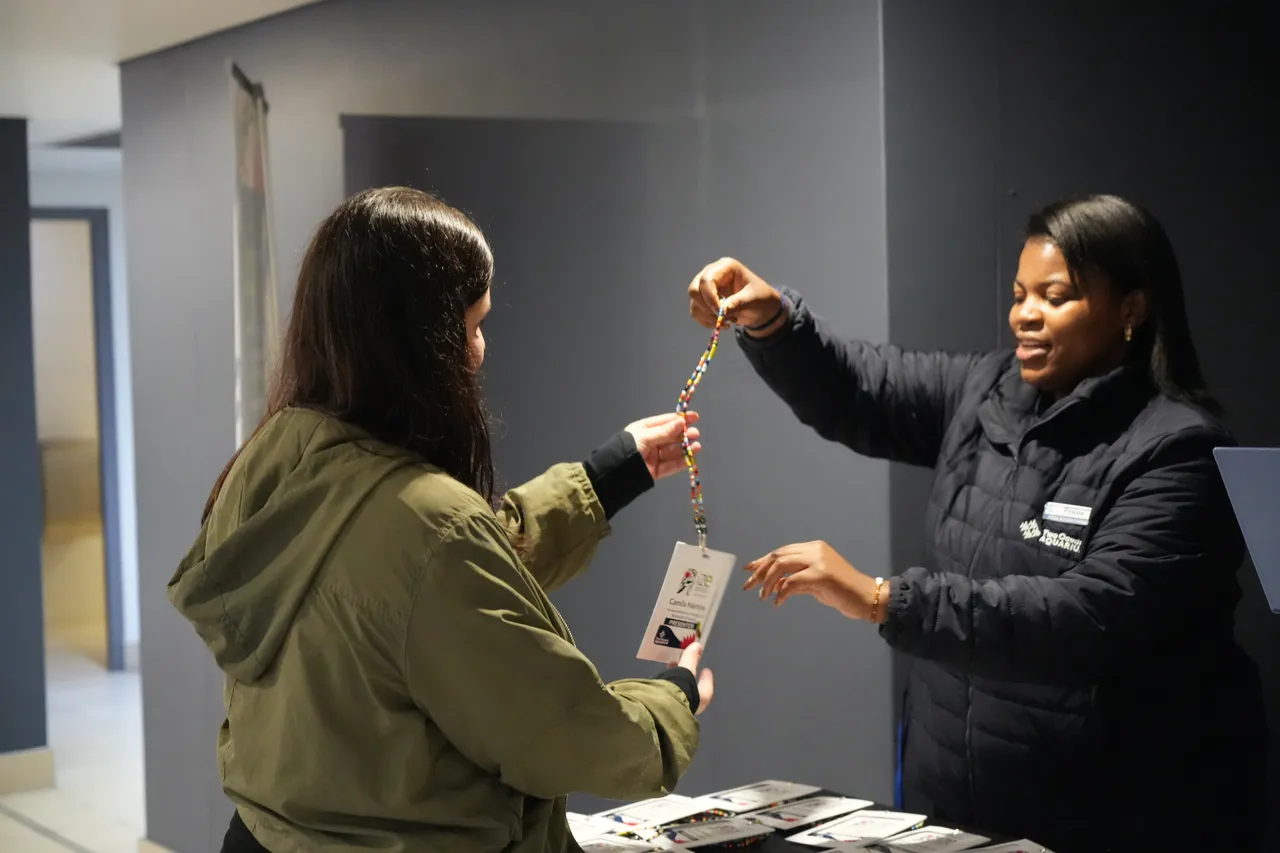
IZE 2026 kicked off on 12 October as delegates arrived for registration and received a range of complimentary IZE merchandise – tote bags, beaded South African flags, Shweshwe magnets, reusable water bottles, and more! One of the most special touches was the name badges, made from plantable paper and attached to beautiful, beaded lanyards that doubled as sunglasses straps.
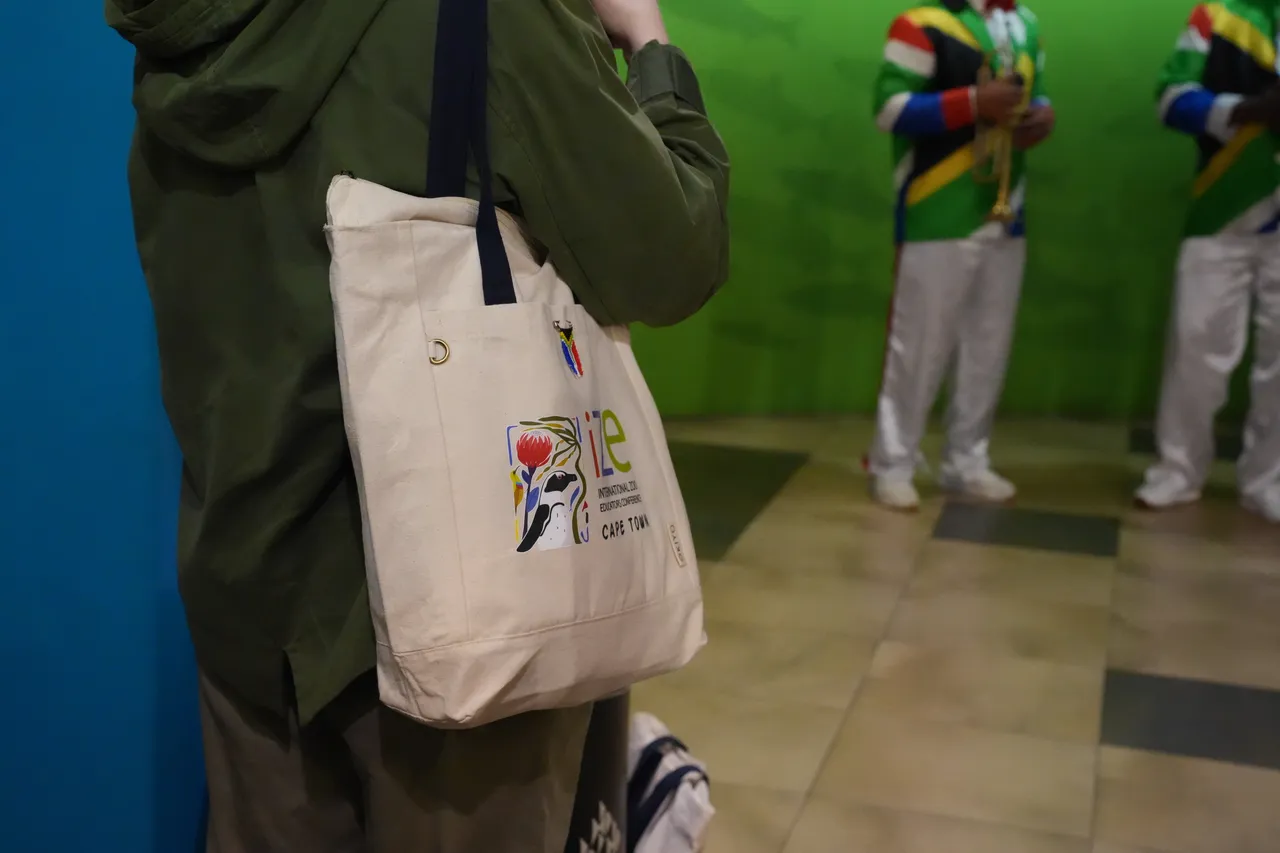
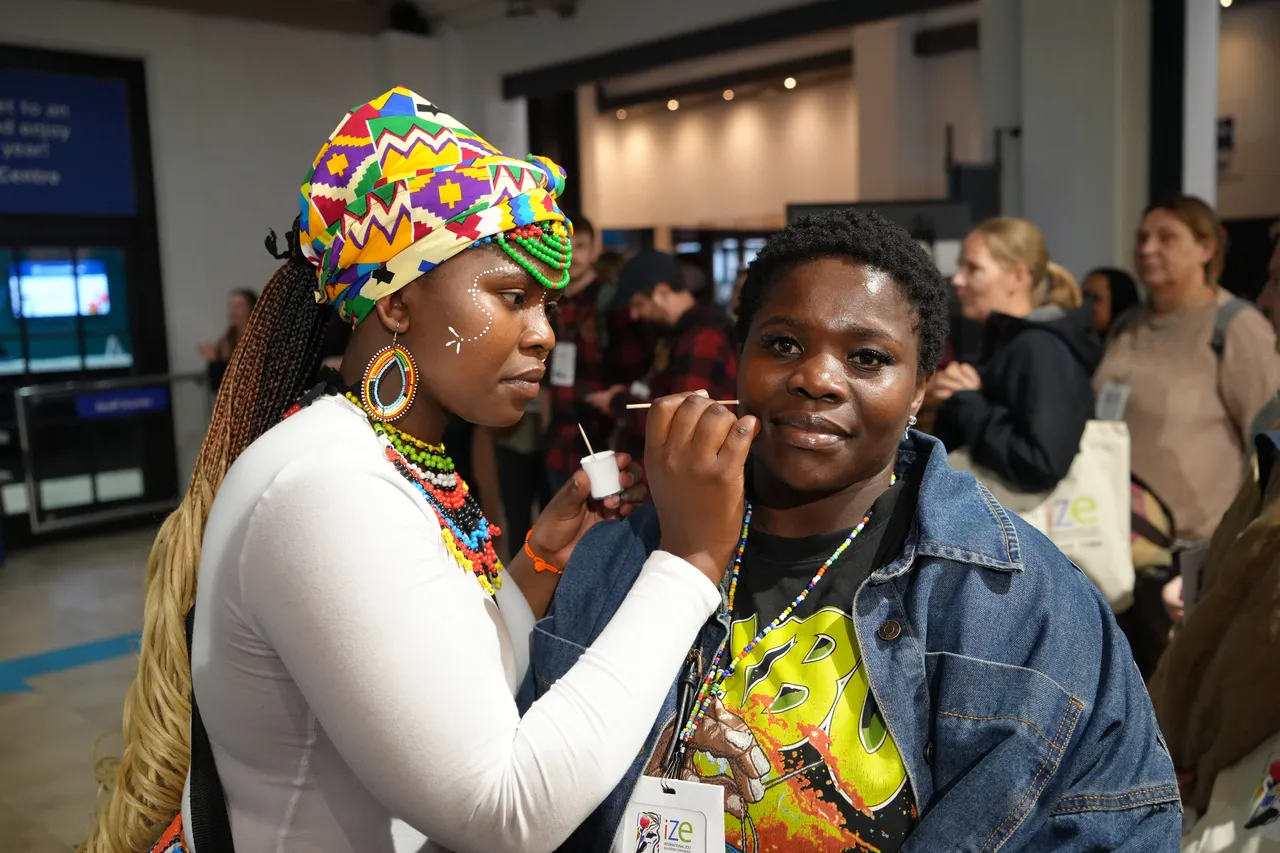
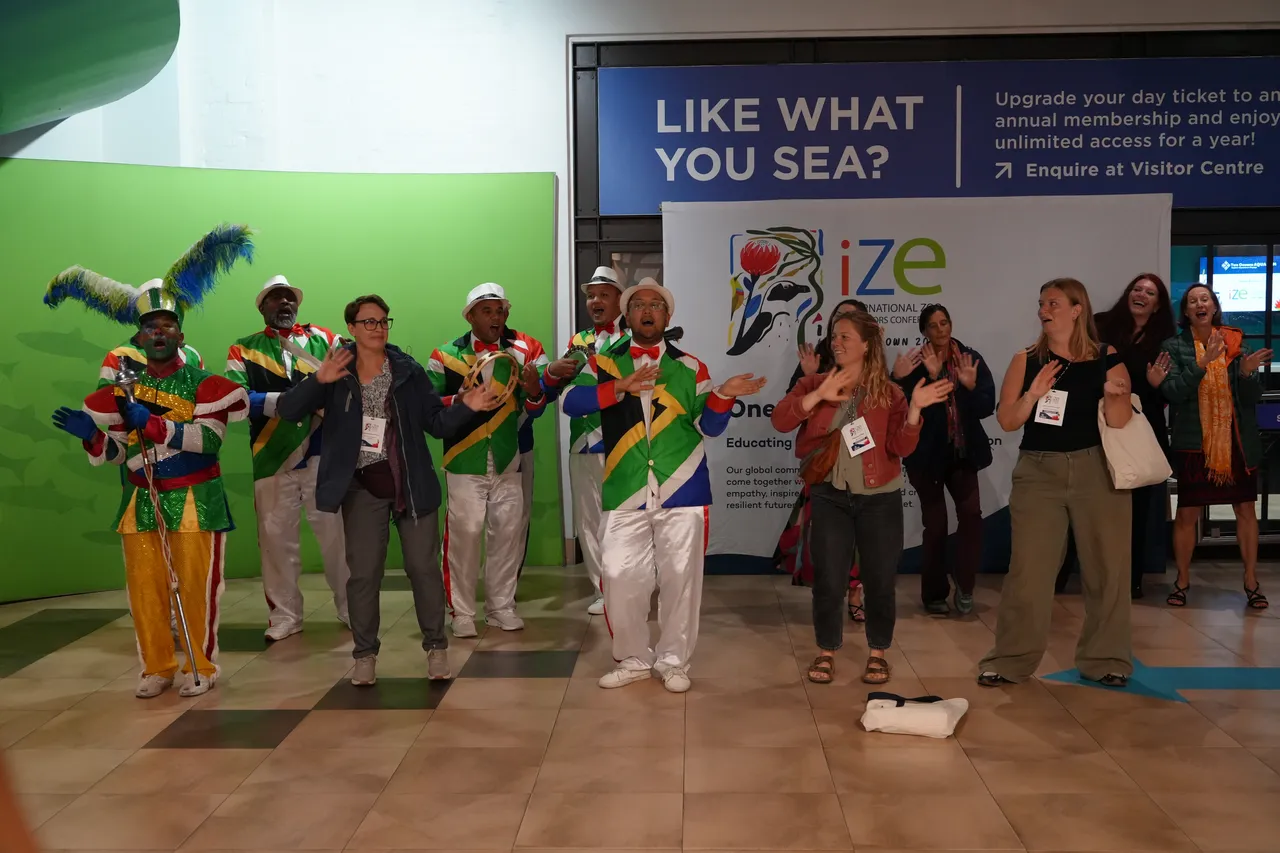
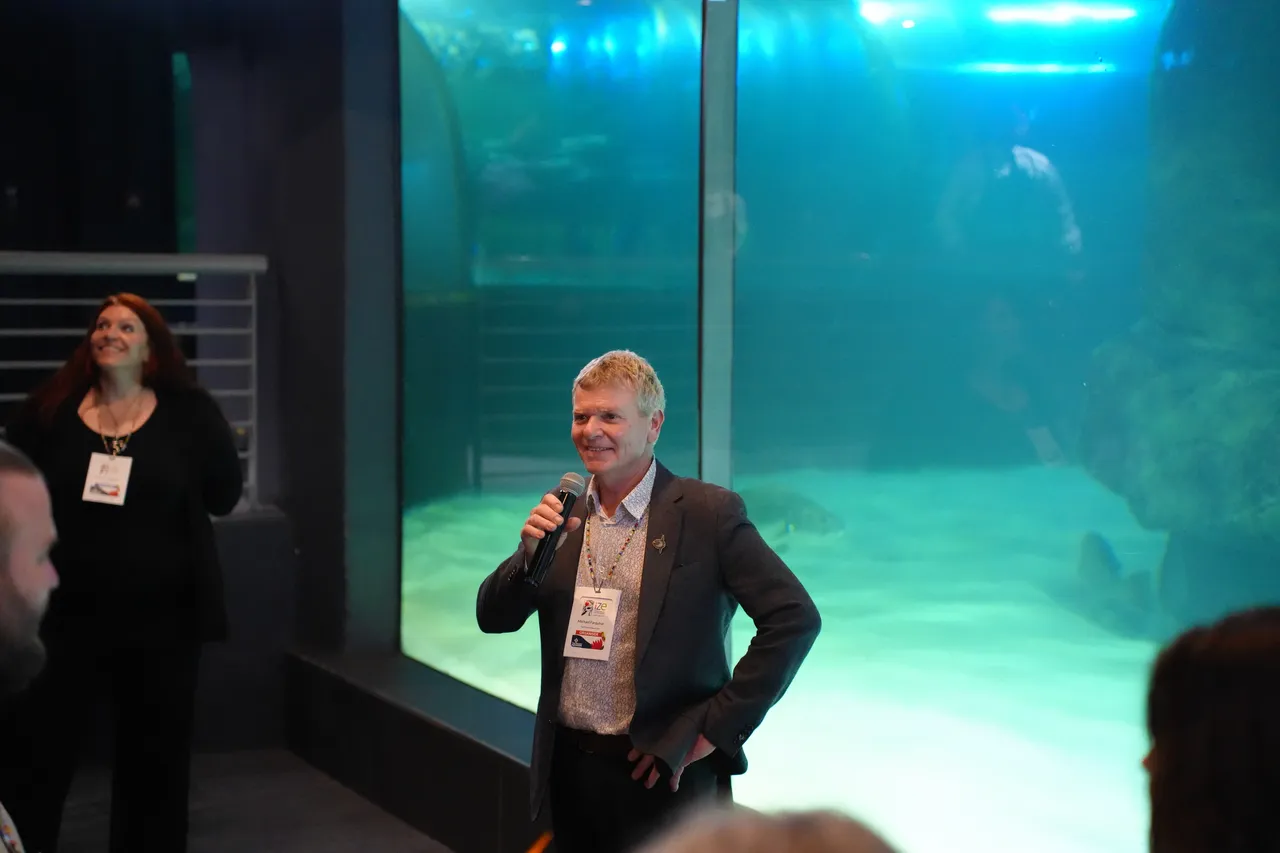
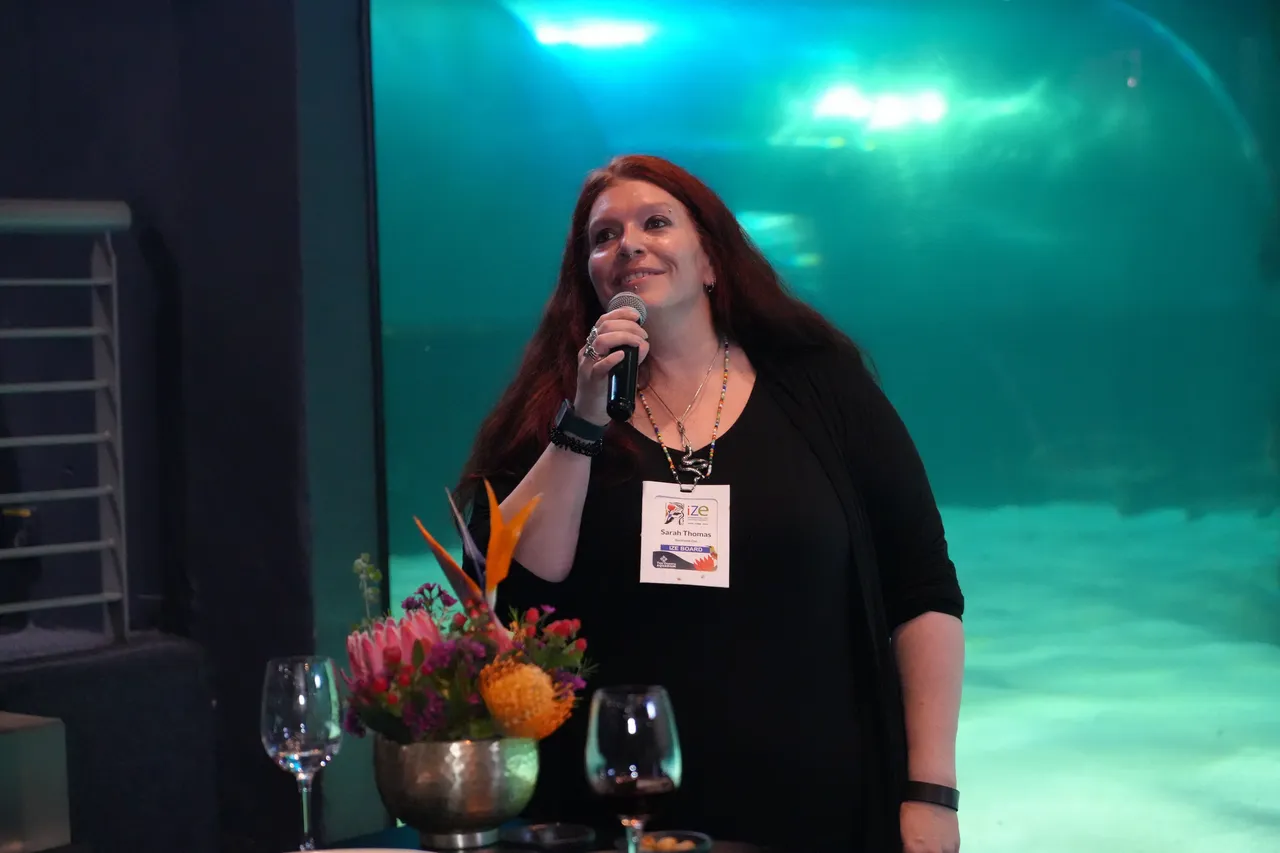
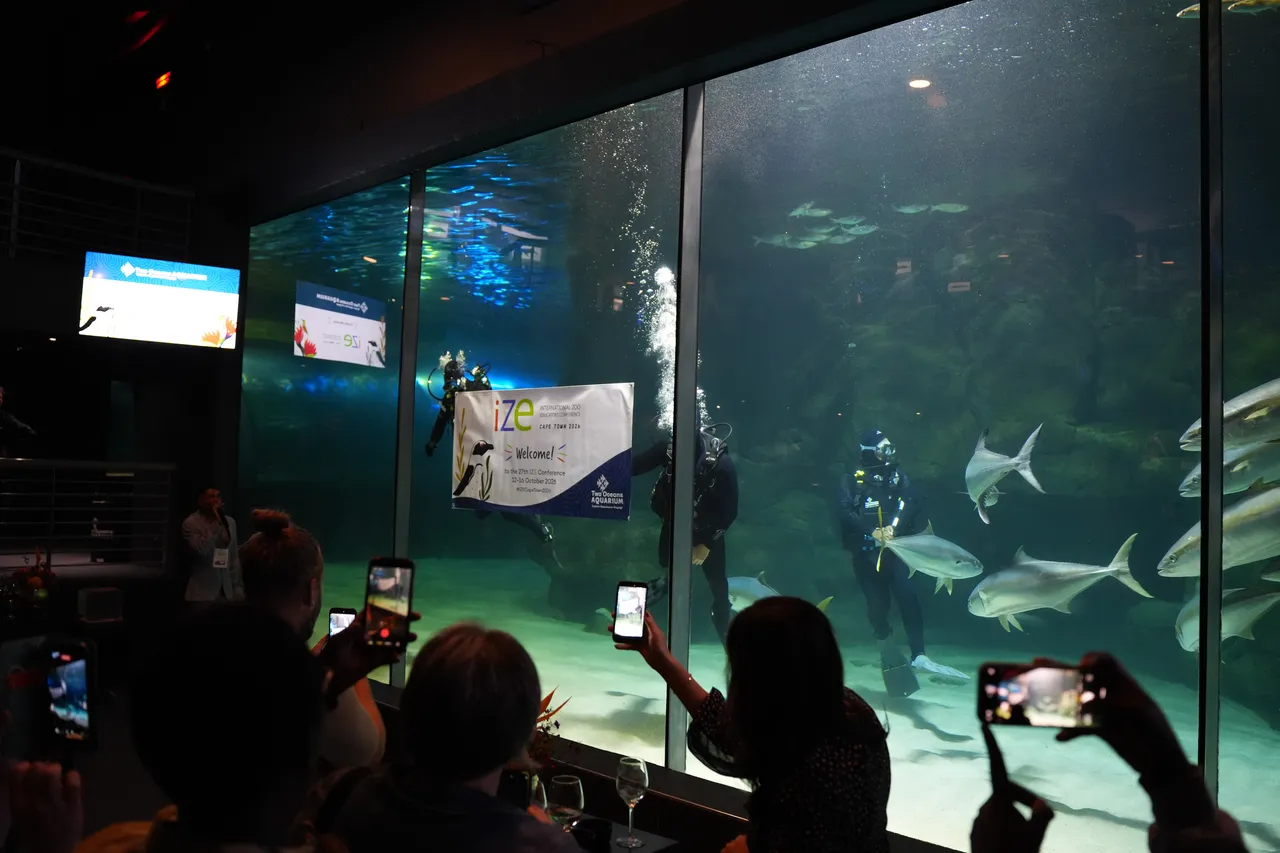
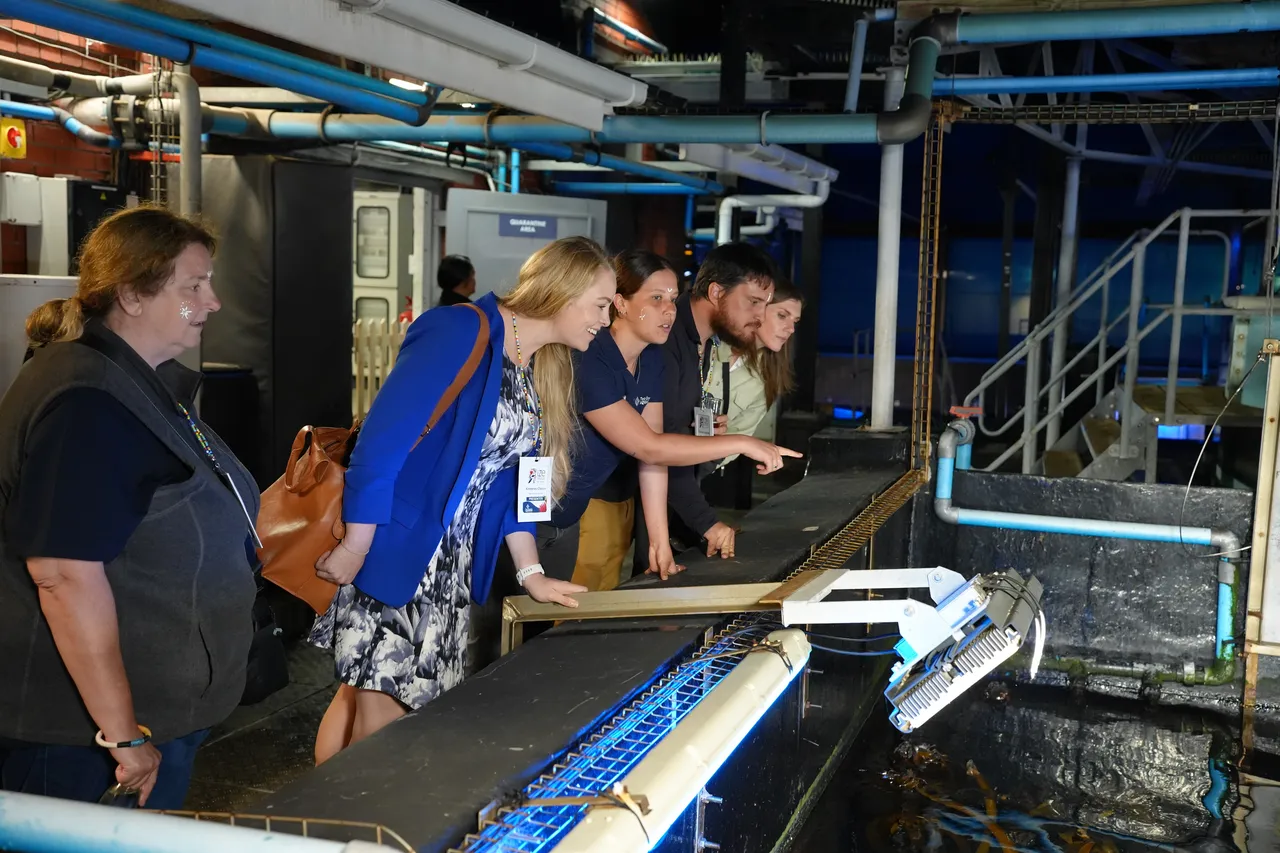
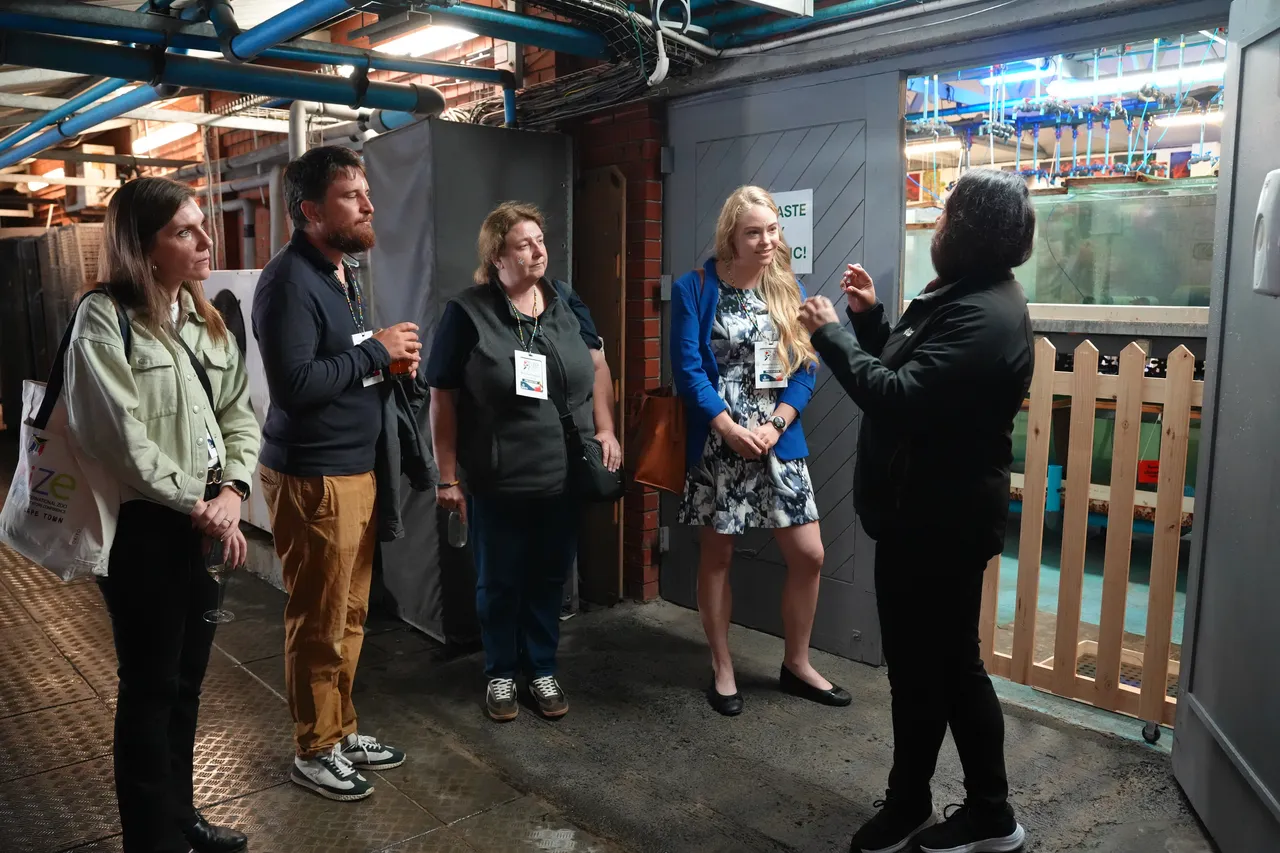
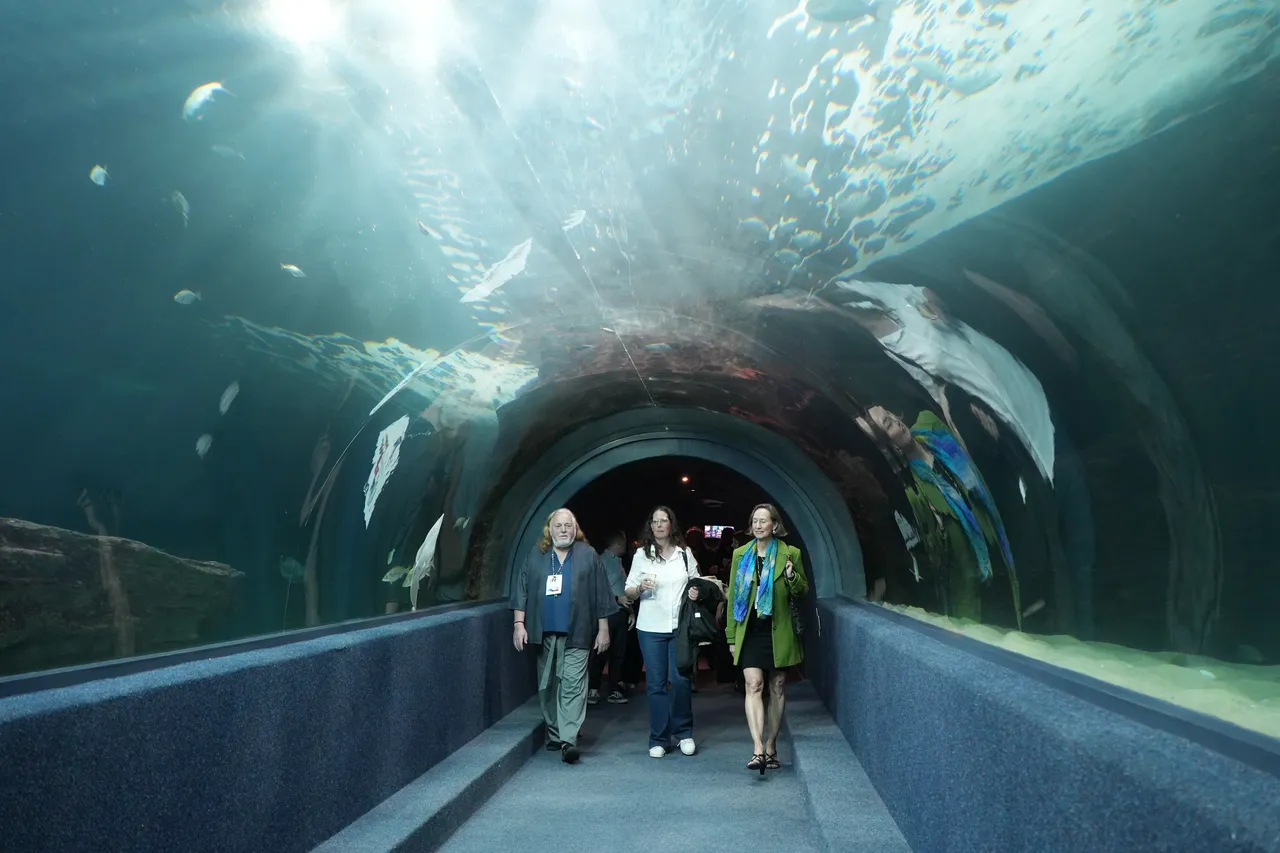
On Monday evening, delegates enjoyed an icebreaker event like no other! At the entrance to the Two Oceans Aquarium, delegates were greeted by the Cape Minstrels, who delighted everyone with a spirited, uniquely Capetonian performance, while face painters added colourful designs to the festivities. Aquarium CEO Michael Farquhar and IZE President Dr Sarah Thomas then welcomed everyone and officially opened the conference, backed by a special banner dive, before delegates had the opportunity to explore the Aquarium after dark. Our Curatorial team was on hand throughout the evening to share their knowledge, answer questions, and offer fascinating insights into the marine life in our care.
Inspiring voices from around the world
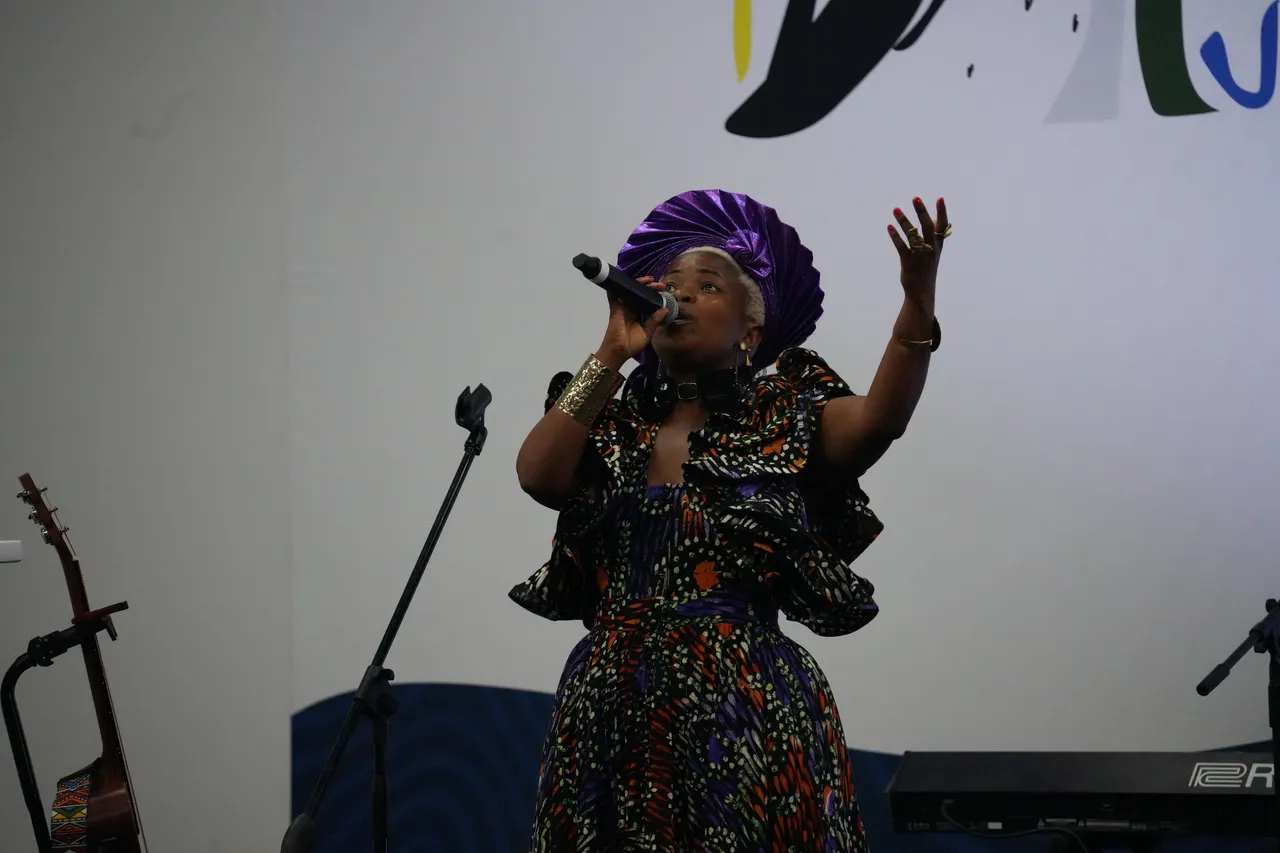
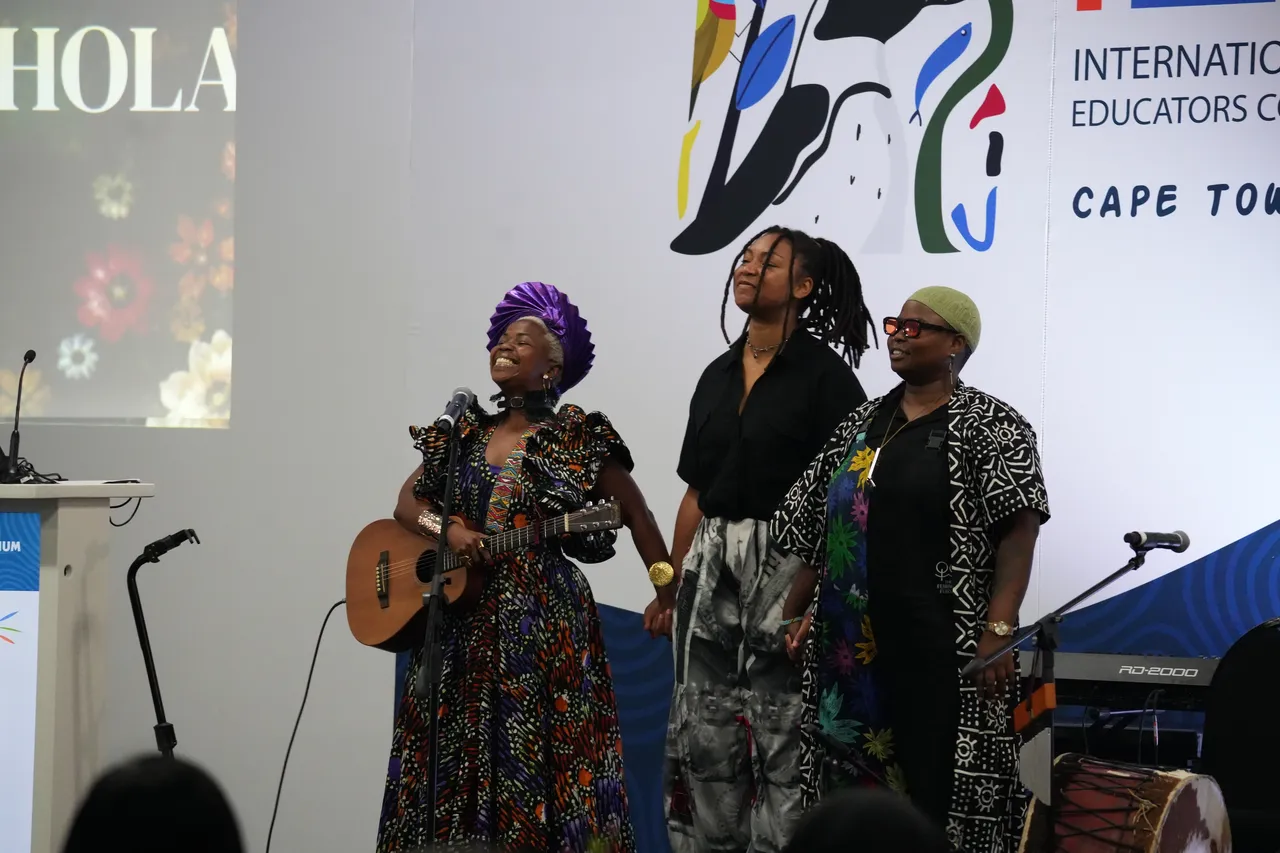
The second day of IZE 2026 kicked off with a special opening ceremony led by MC Mark Fitzgibbon, featuring a beautiful musical performance by Zolani that set the tone for the inspiring presentations to follow. A huge thank you to Zolani for sharing her incredible talent with our delegates!
Throughout the conference, four incredible keynote speakers shared their experiences, perspectives, and insights, challenging delegates to think differently about conservation education and the impact of their work.
Dr Gcina Mhlophe kicked off the conference keynotes with her characteristically vibrant energy. Drawing on her lifelong relationship with storytelling, she explored how stories have shaped her own life and those of the people she has encountered along the way. She held the audience utterly captive while telling the story of how the sun, the moon, and the ocean met. Thank you, Gcina, for reminding us of the vital role stories play in building understanding, empathy, and connection, particularly among the next generation of ocean advocates.
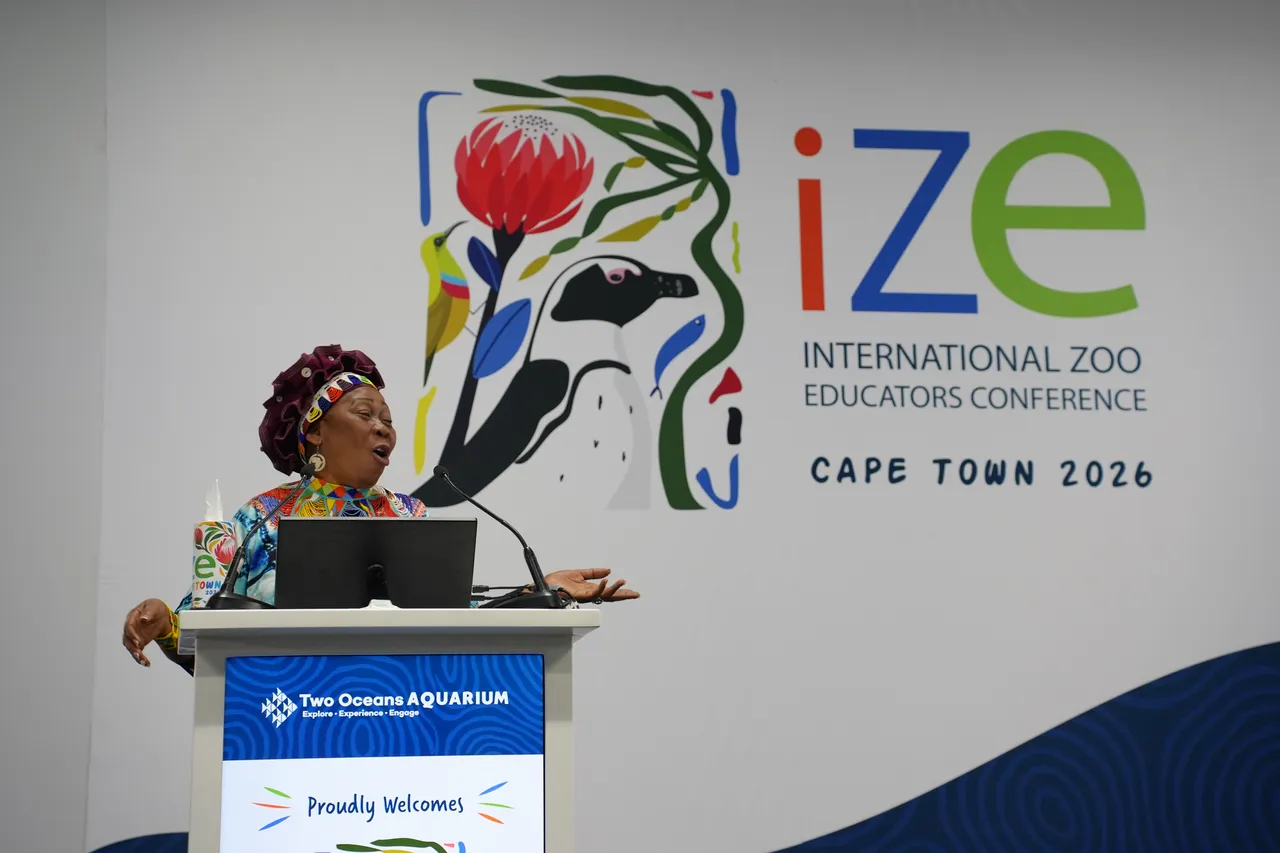
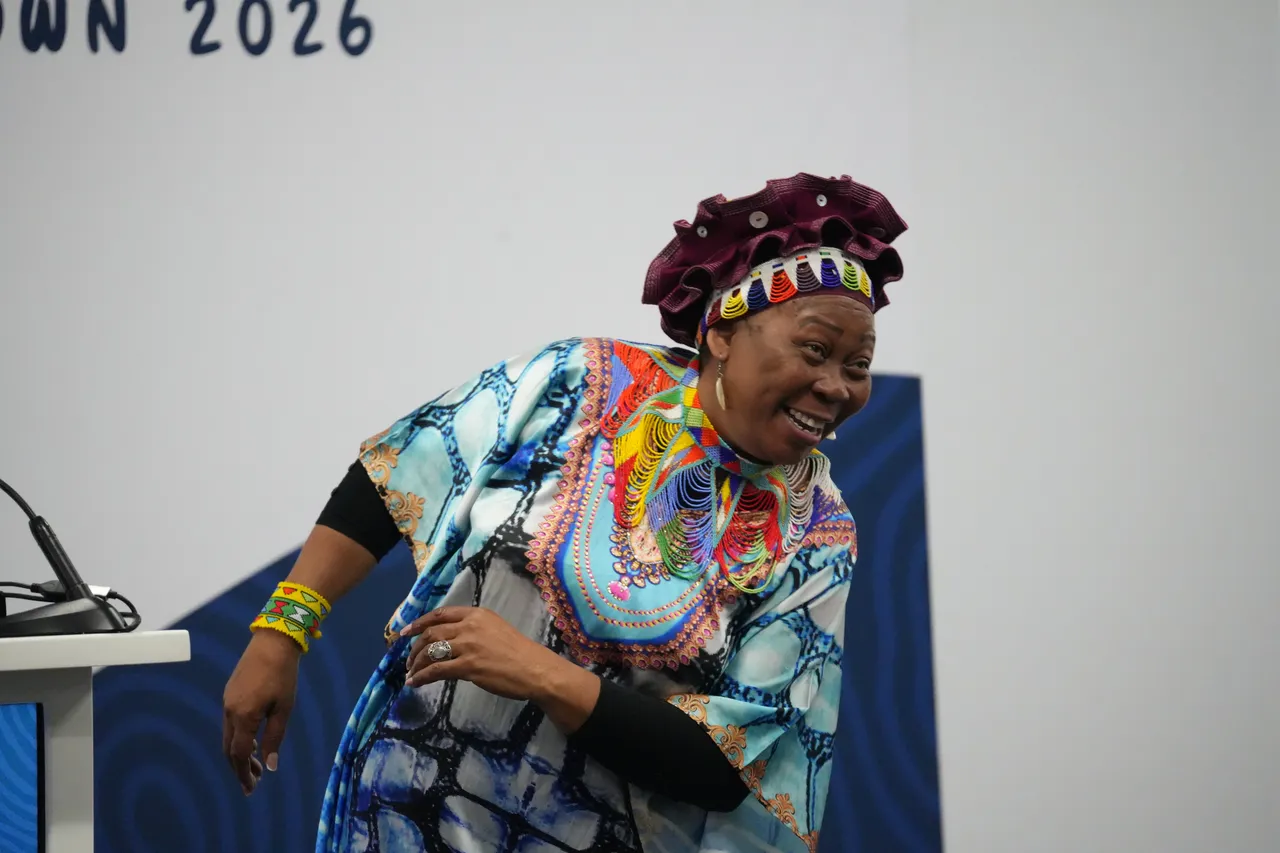
Dr Margaret Otieno followed on Wednesday with an inspiring talk about how to take our learnings from conferences like this one out into the world. Her childhood in Kenya shaped her passion for empowering people to take informed action, wherever they are, and she is dedicated to using education, communication, and collaboration to inspire meaningful action for the natural world. Margaret reminded us that the true value of conferences like IZE lies in how we apply what we've learned to make a meaningful difference in our communities and everyday work.
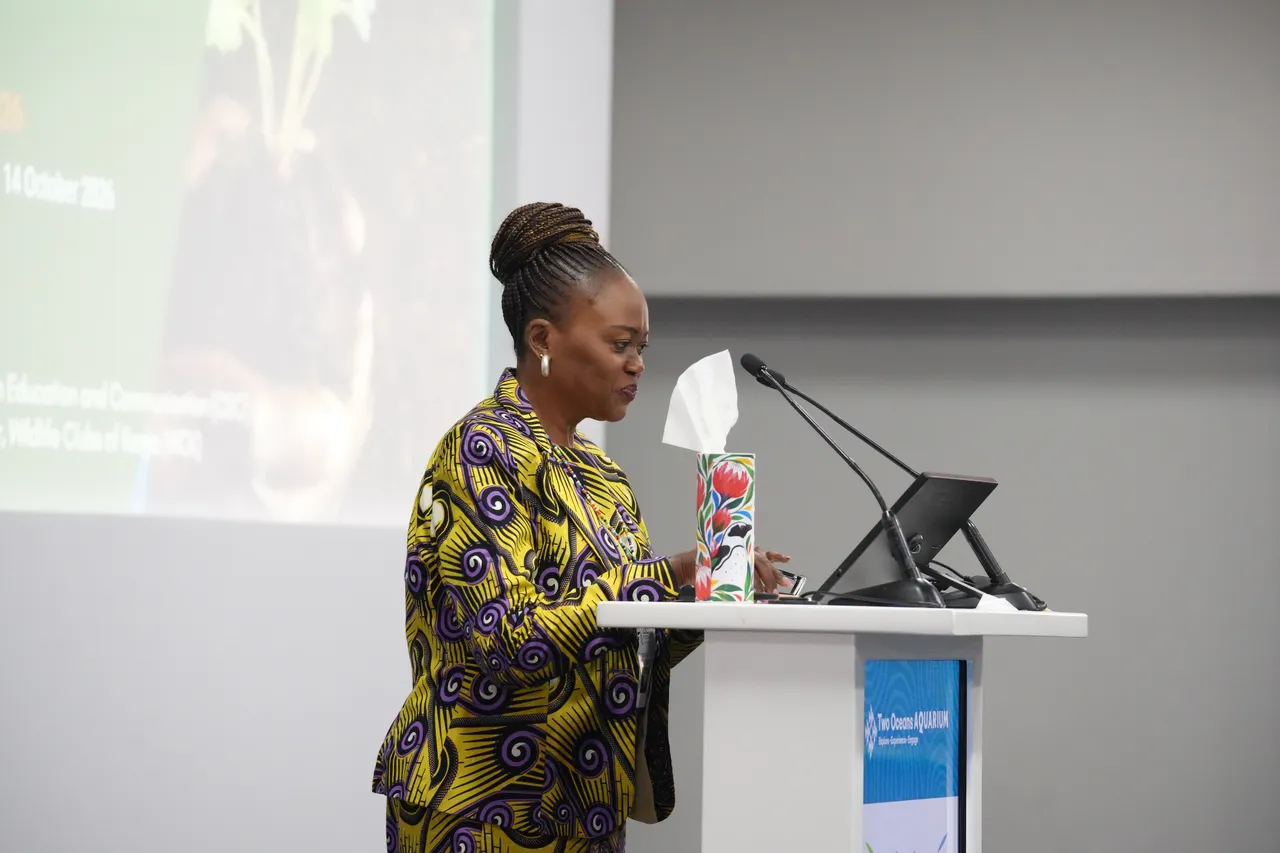
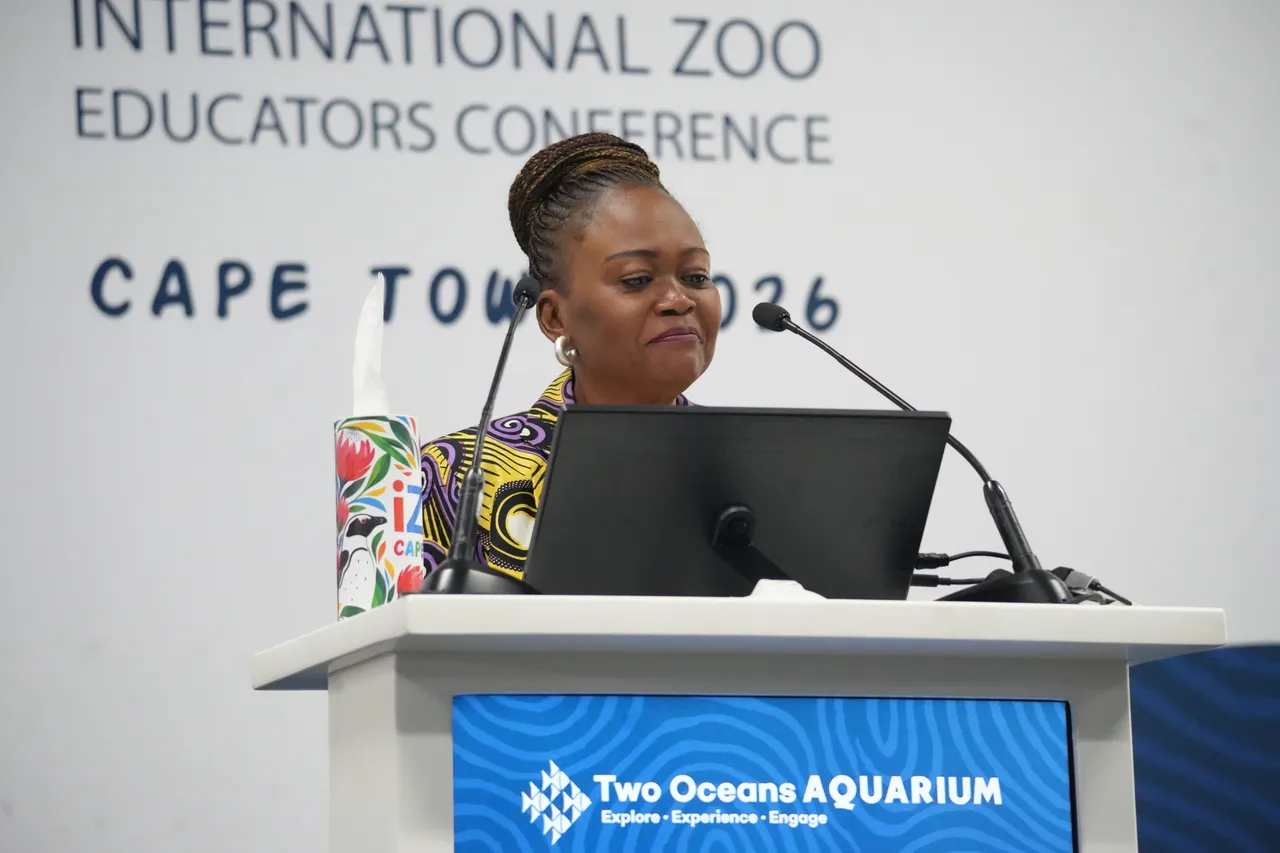
Loyiso Dunga’s keynote speech on Thursday was a powerful reminder of the importance of community-led conservation. He explored how conservation efforts need to include communities with deep cultural and historical connections to protected natural spaces, emphasising that cultural and natural heritage should be protected together. Thank you, Loyiso, for sharing how our relationship with nature can be restored through collaboration, knowledge sharing, and collective action.
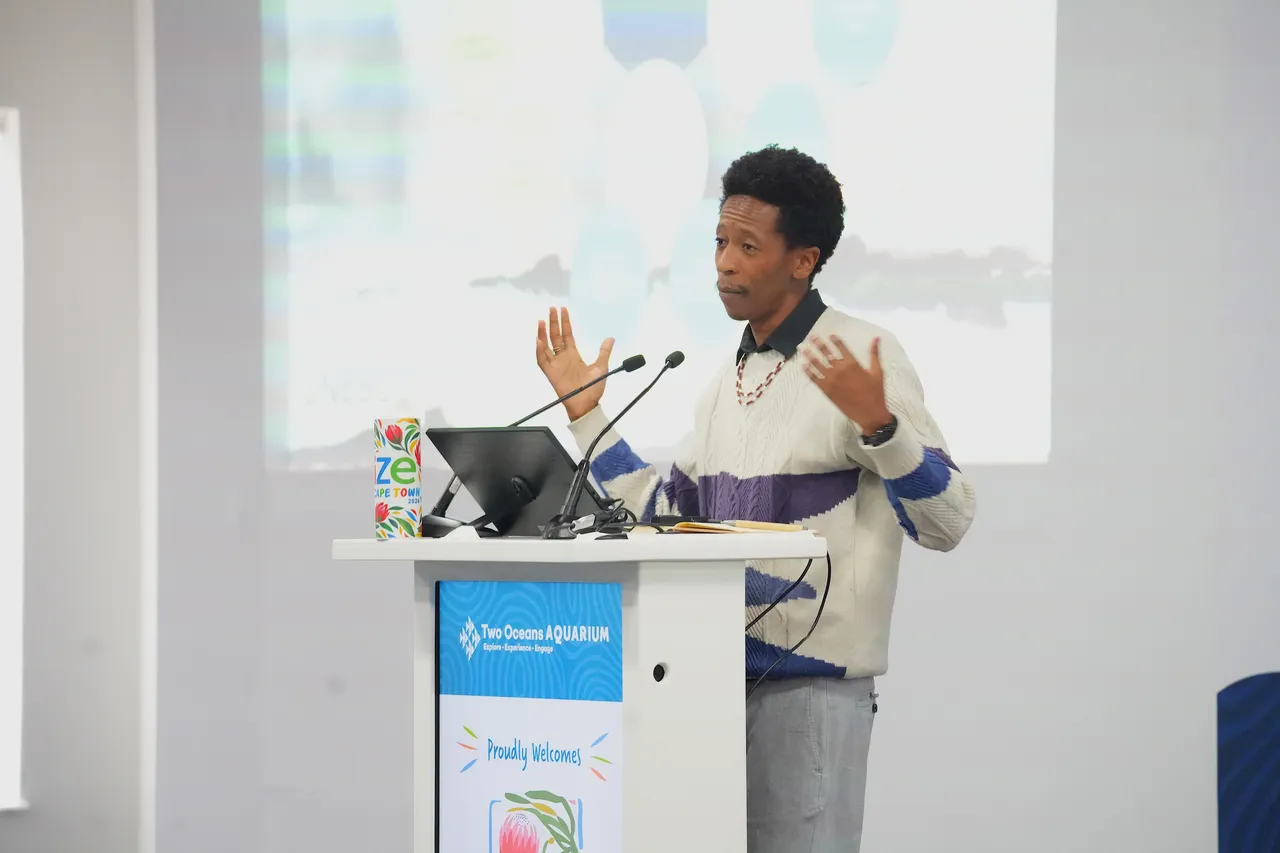
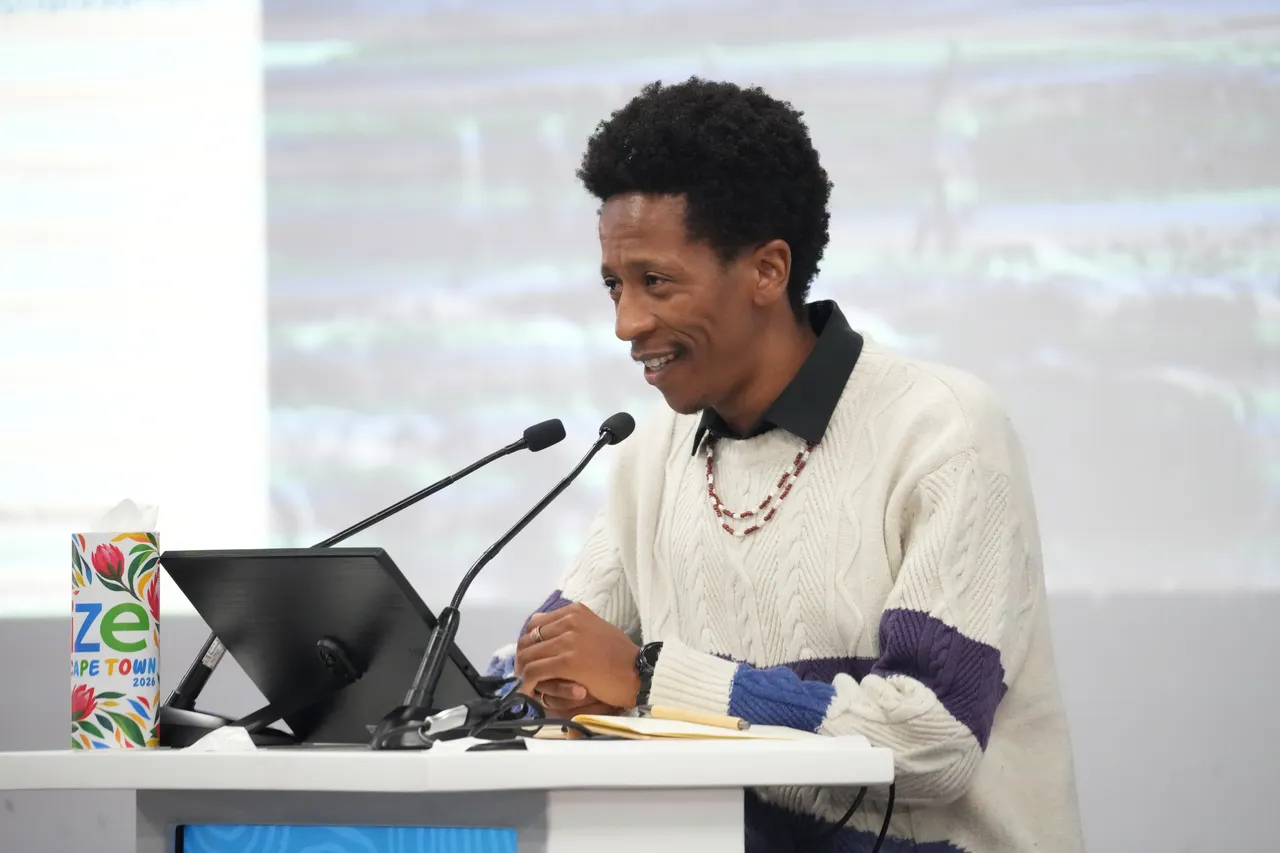
Dave Morgan delivered the final keynote on Thursday with an insightful exploration of how maintaining and improving animal welfare standards can play a central role in interpretation and education. As a leading expert in animal welfare, Dave shared valuable lessons and practical approaches to welfare-centred messaging that can enhance visitor trust, deepen learning, and make conservation action more meaningful. His presentation was a fitting end to the keynote series, reminding delegates that effective conservation education and animal welfare go hand in hand.
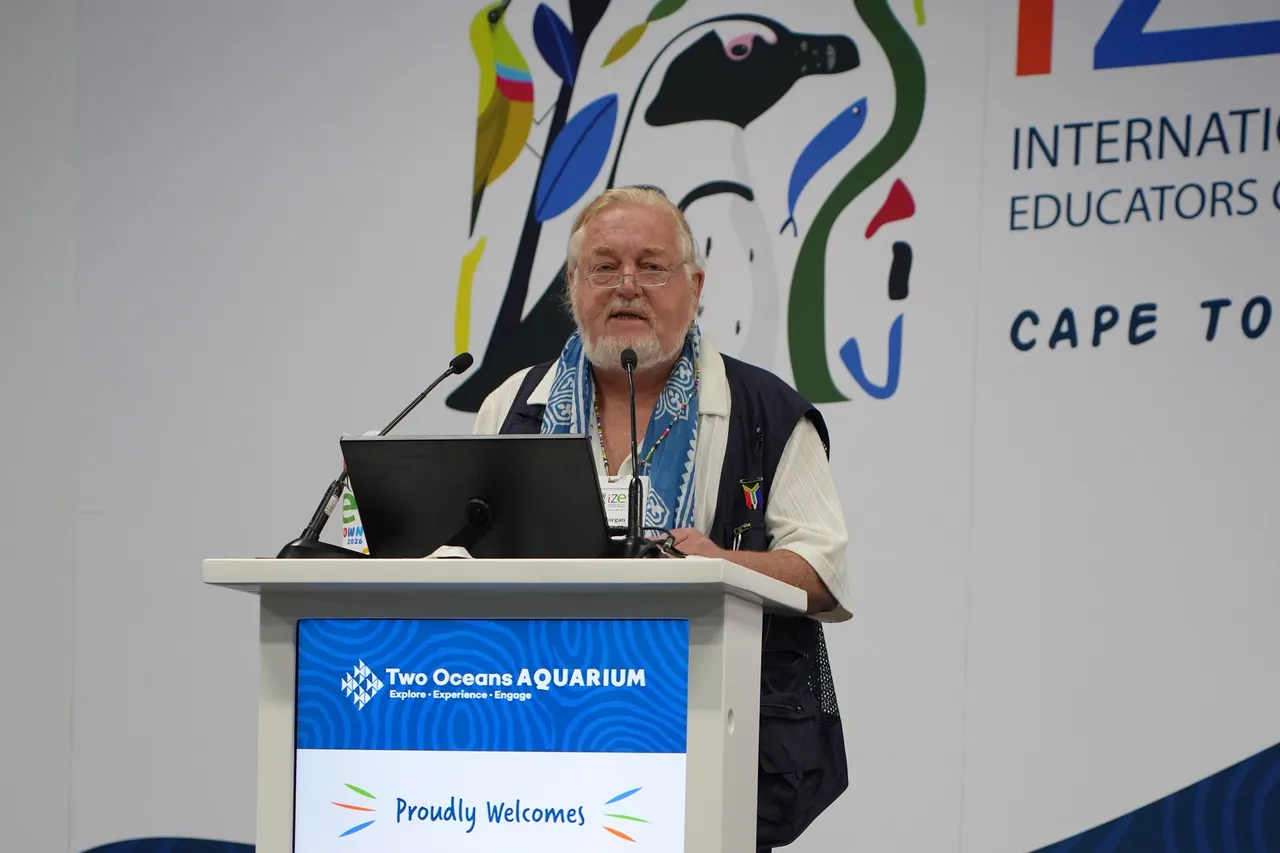
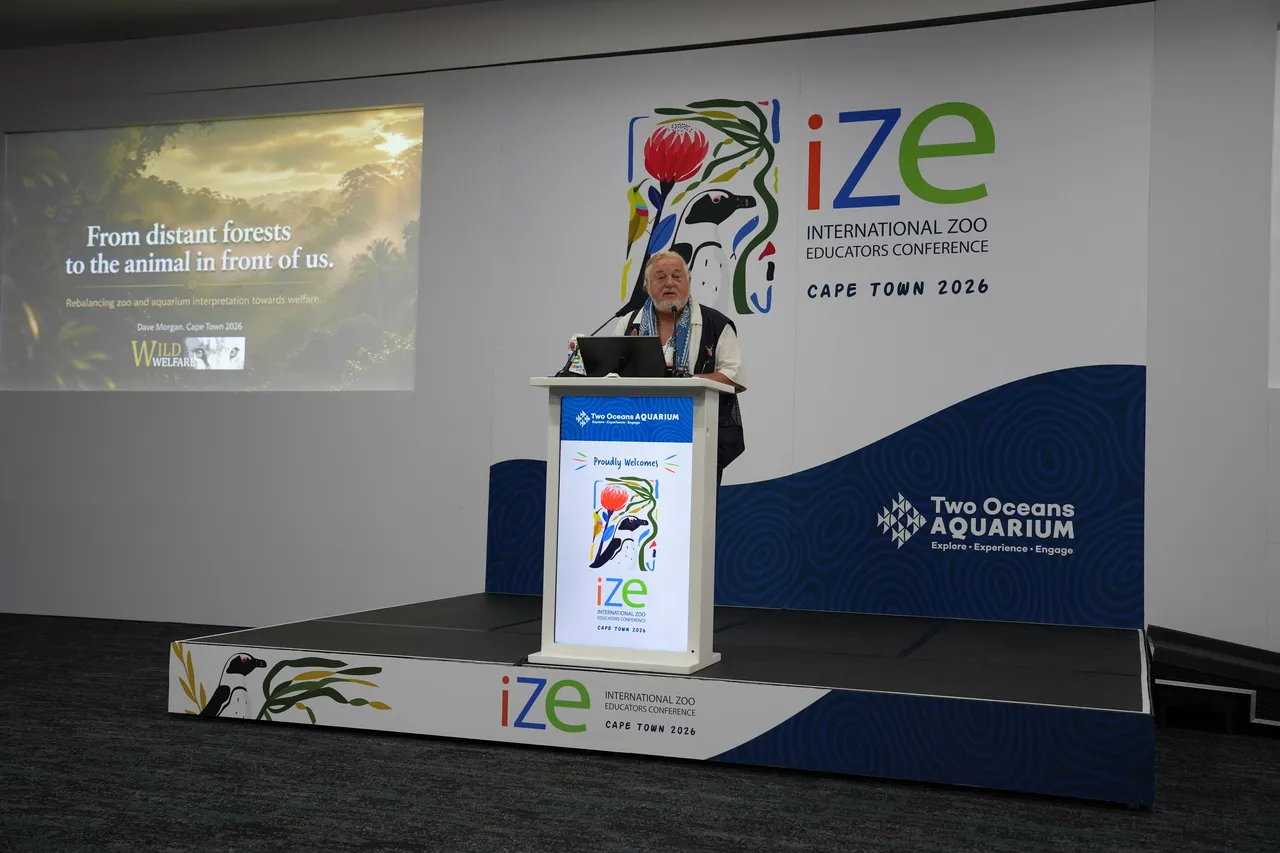
“Each of our keynote speakers brought a unique perspective to the IZE Conference, challenging us to think differently about the role of education in conservation. It was a privilege to welcome such inspiring experts in their respective fields and to learn from the wealth of knowledge and experience they shared,” says Helen Lockhart, IZE Local Organising Committee.
Learning beyond the conference room
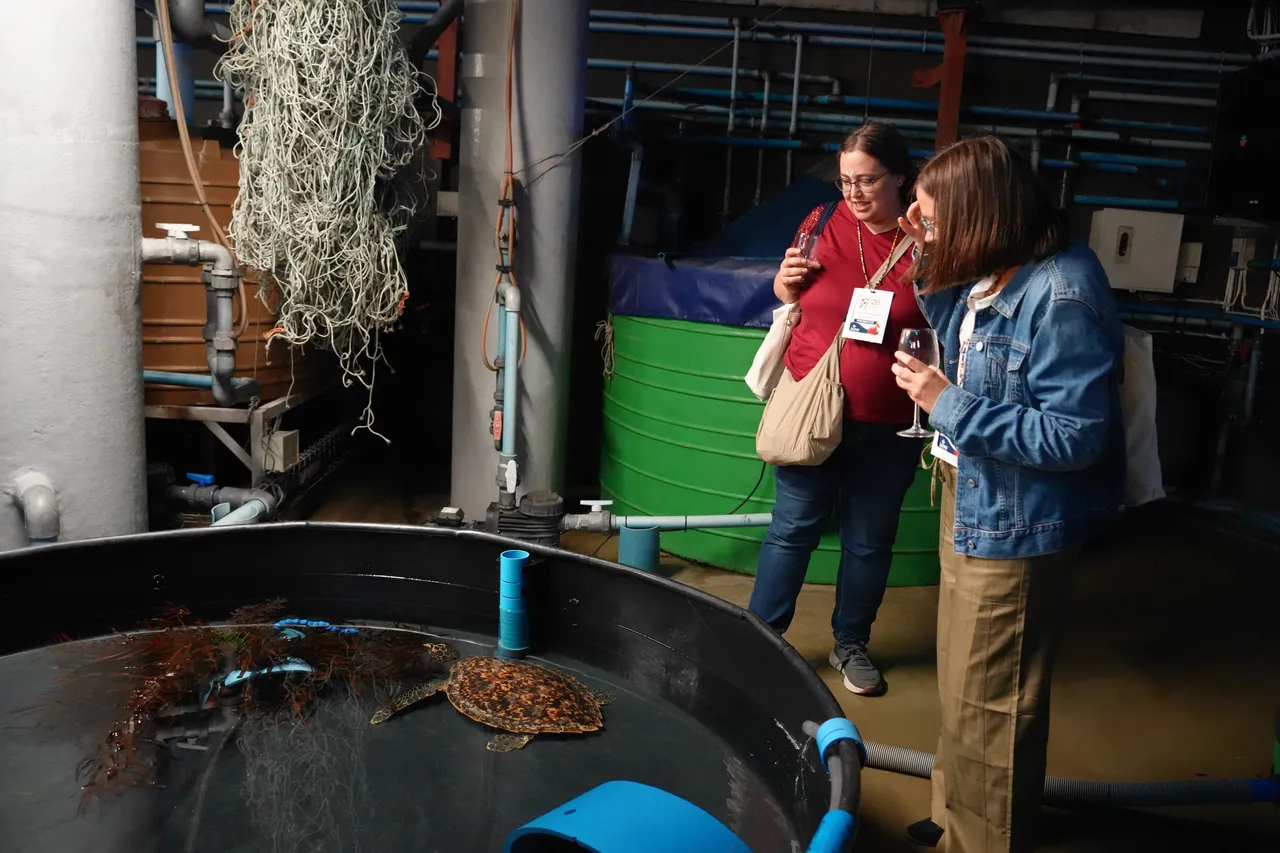
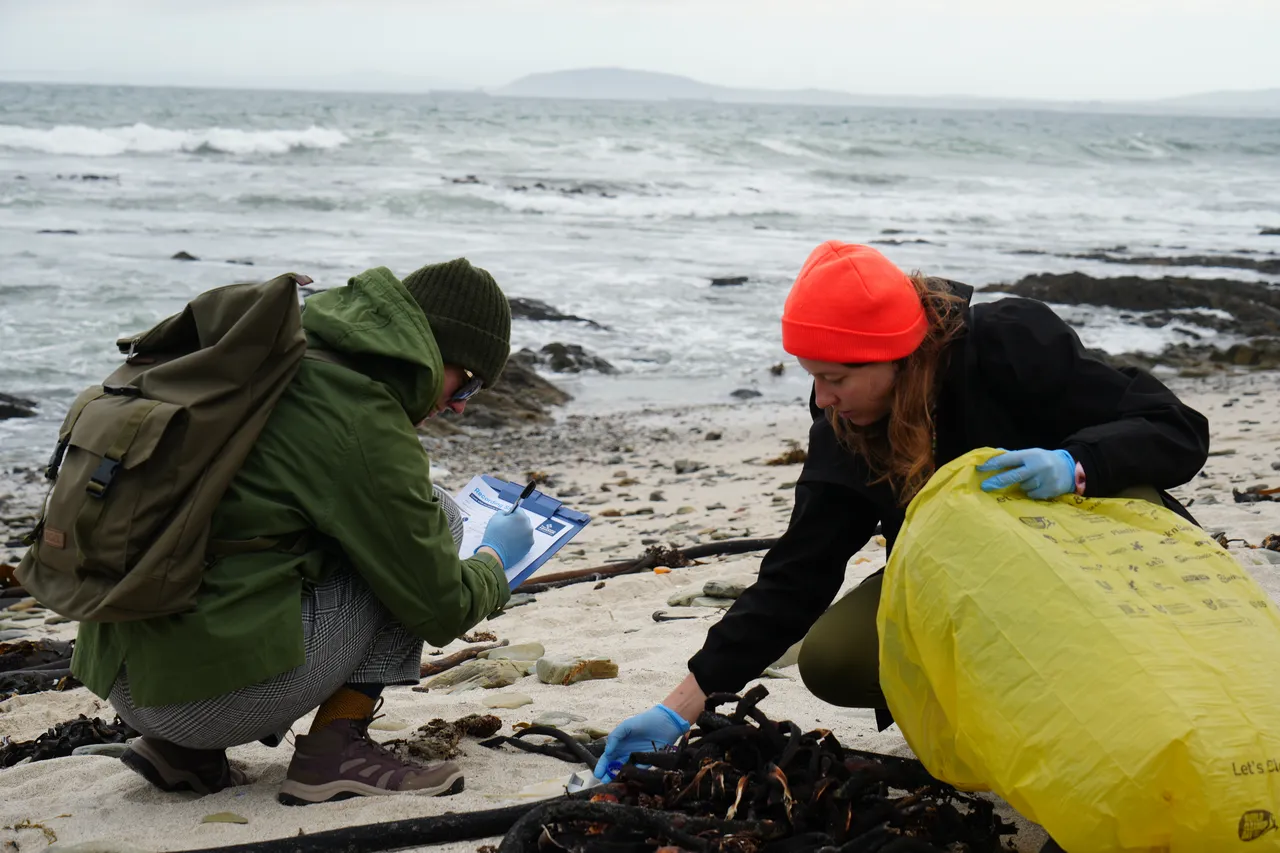
On two mornings of the conference, delegates had the opportunity to step outside the conference rooms and experience some of the Aquarium and Foundation's conservation and education work firsthand. Guided by our staff, delegates could choose between a behind-the-scenes tour of our Turtle Conservation Centre, a Marine Wildlife Walk around the V&A Waterfront with our wildlife monitors, or a beach cleanup and kelp holdfast dissection with our Ocean Campus team. These activities proved incredibly popular, giving delegates the opportunity to ask questions, share their own experiences, and see some of our conservation work in action.
“These tours were a wonderful opportunity to take learning beyond the conference rooms, giving delegates firsthand insight into our conservation work while encouraging meaningful knowledge-sharing and collaboration with professionals from around the world,” says Heather Wares, Communications Manager at the Aquarium.
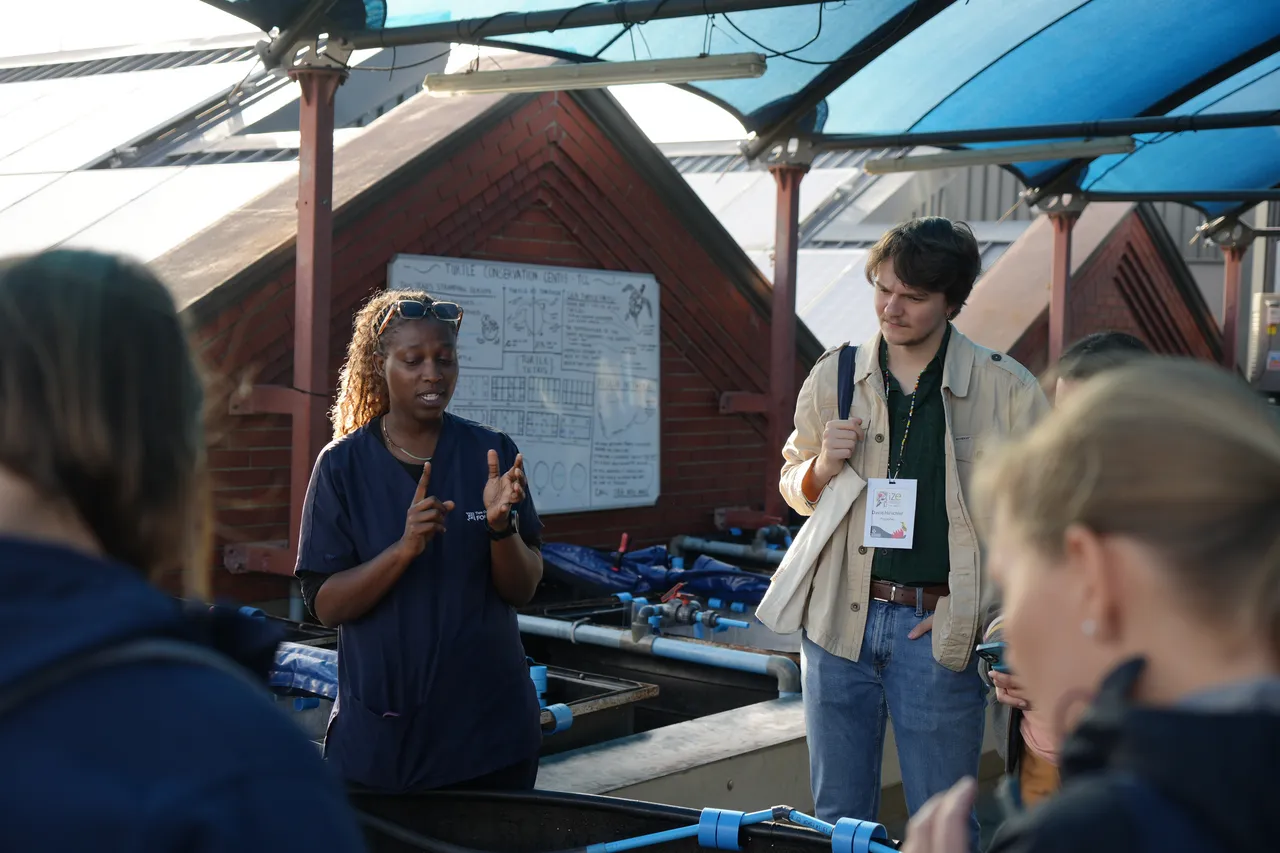
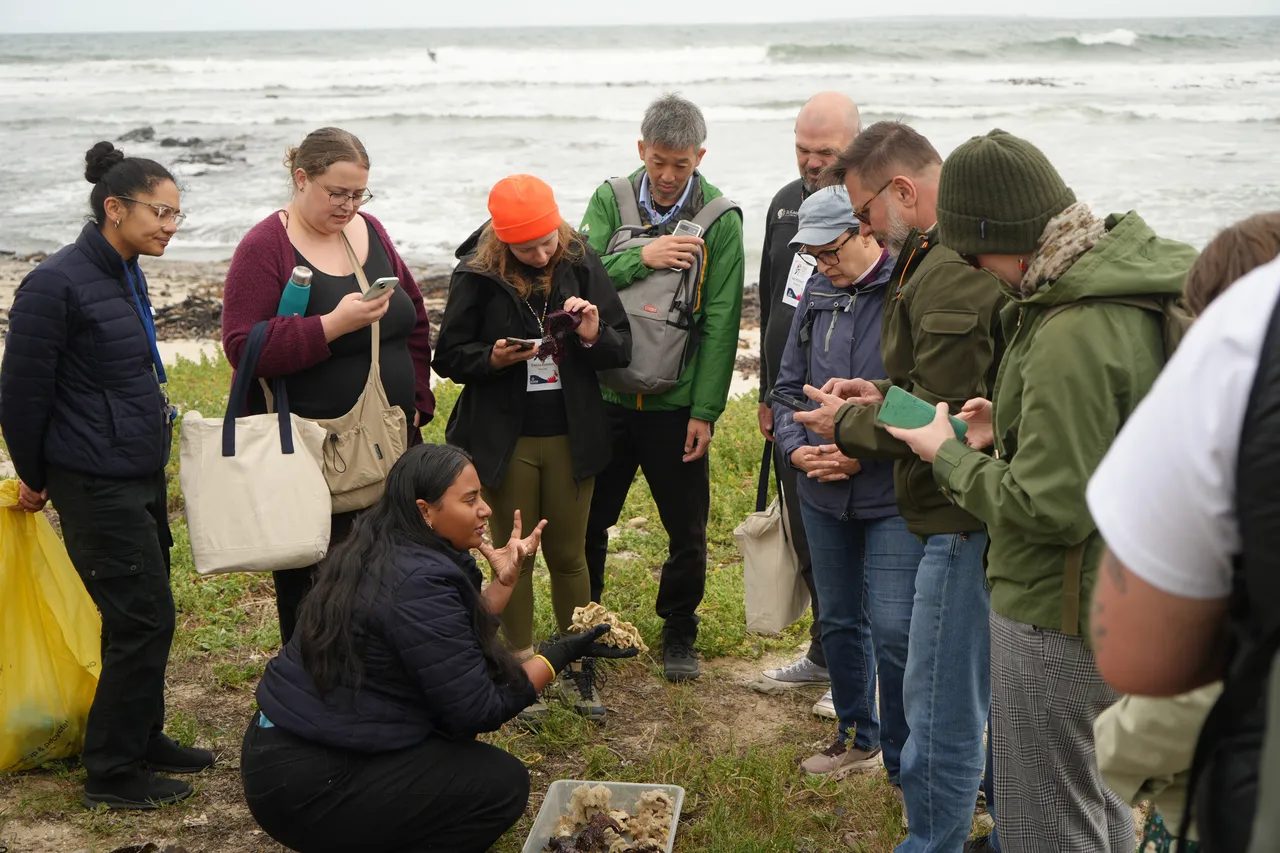
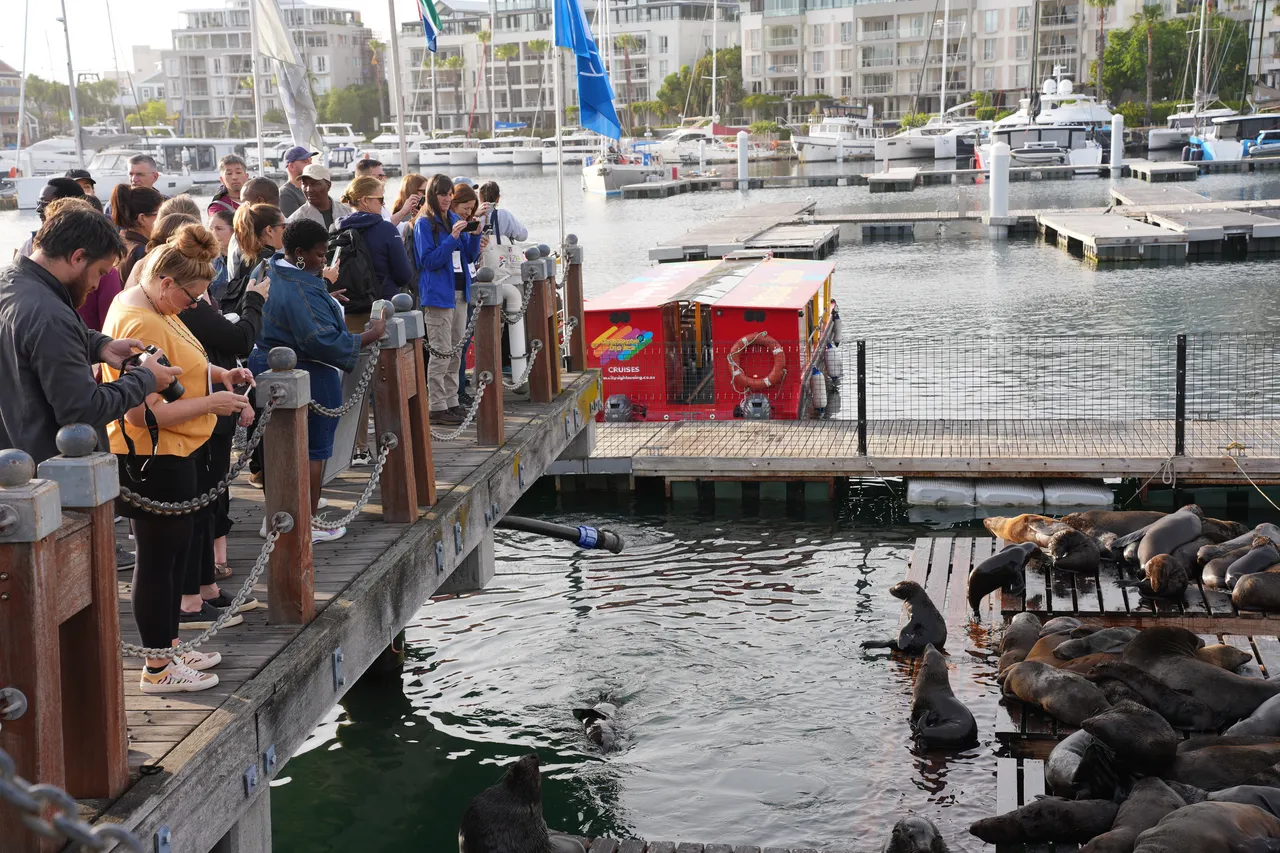
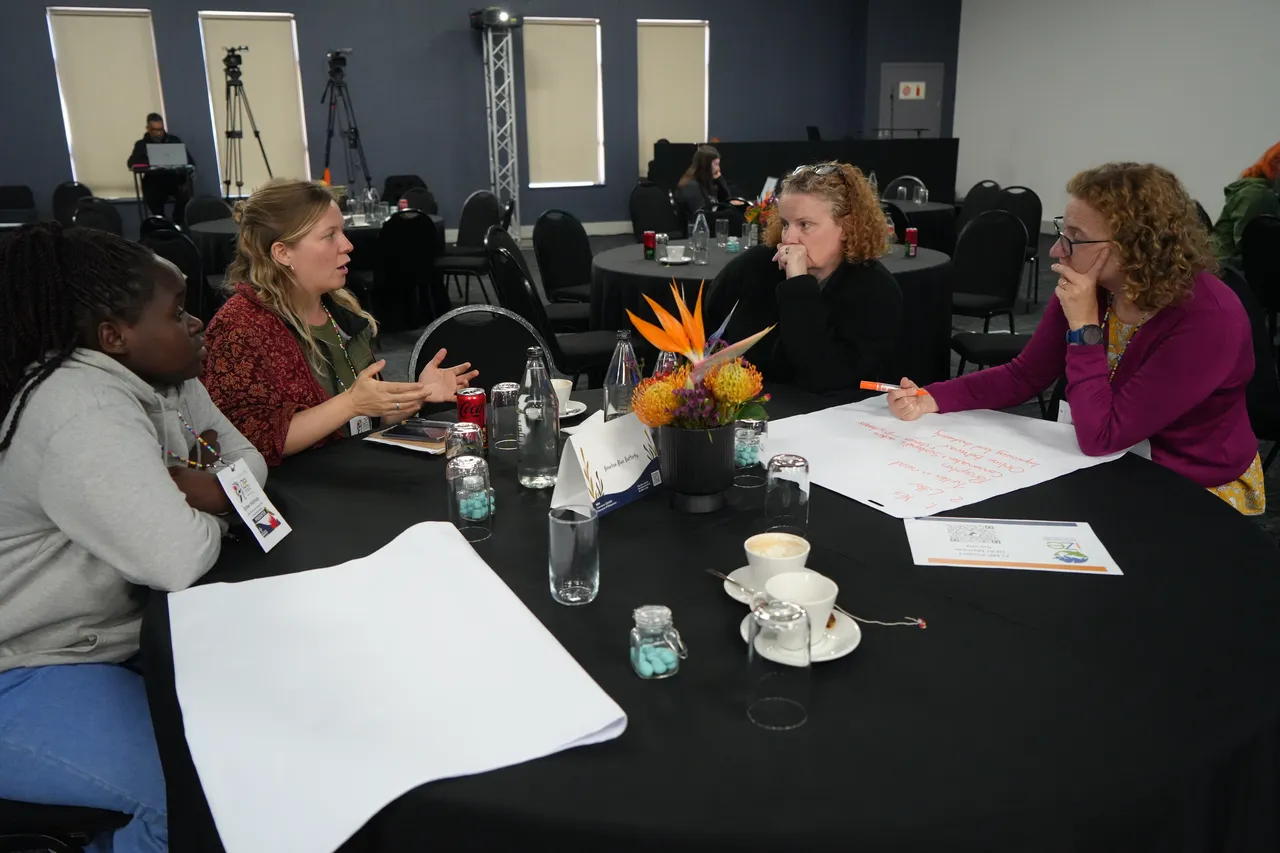
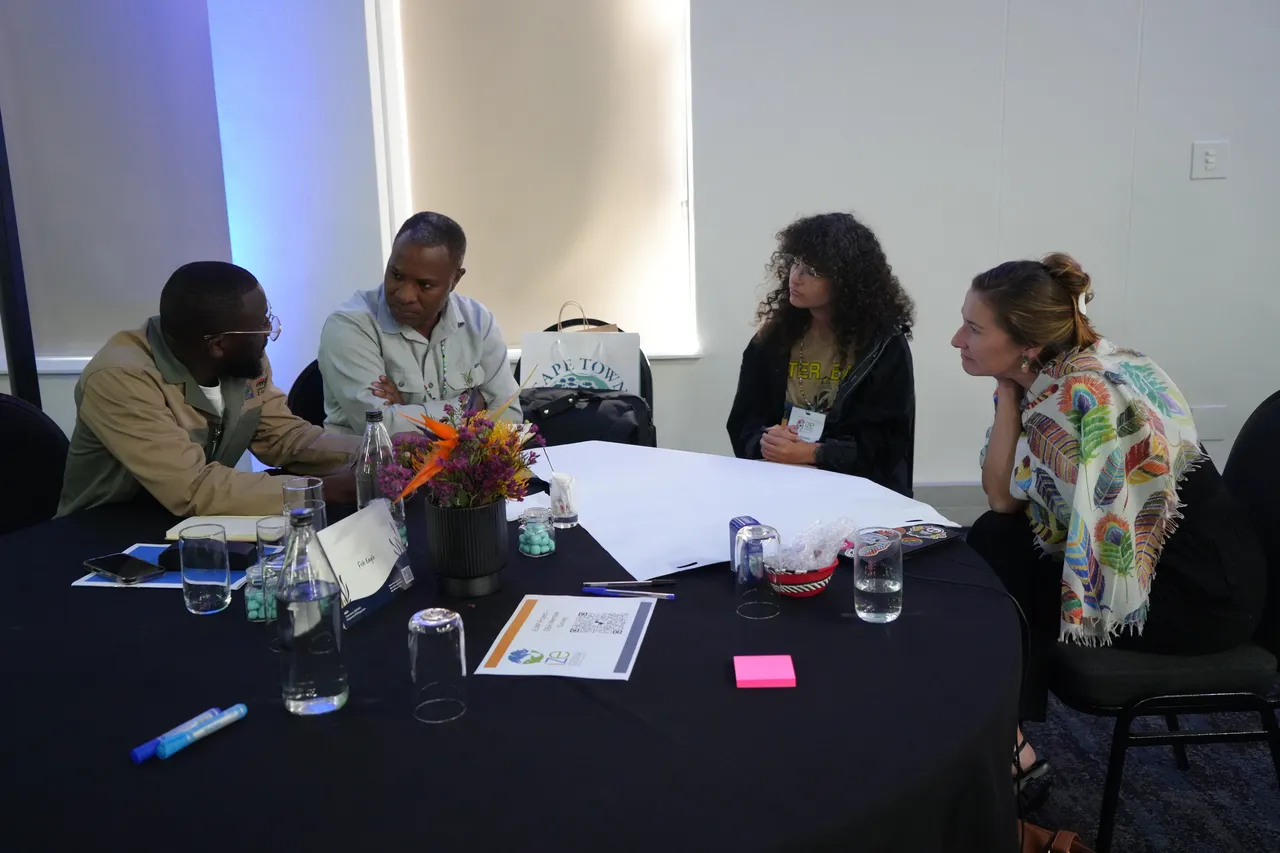
Back inside the conference rooms, delegates participated in a variety of interactive workshops led by experts from around the world. Covering topics such as conservation education, science communication, environmental storytelling, community engagement, and animal welfare, these sessions encouraged participants to exchange ideas and explore innovative approaches to inspiring conservation action.
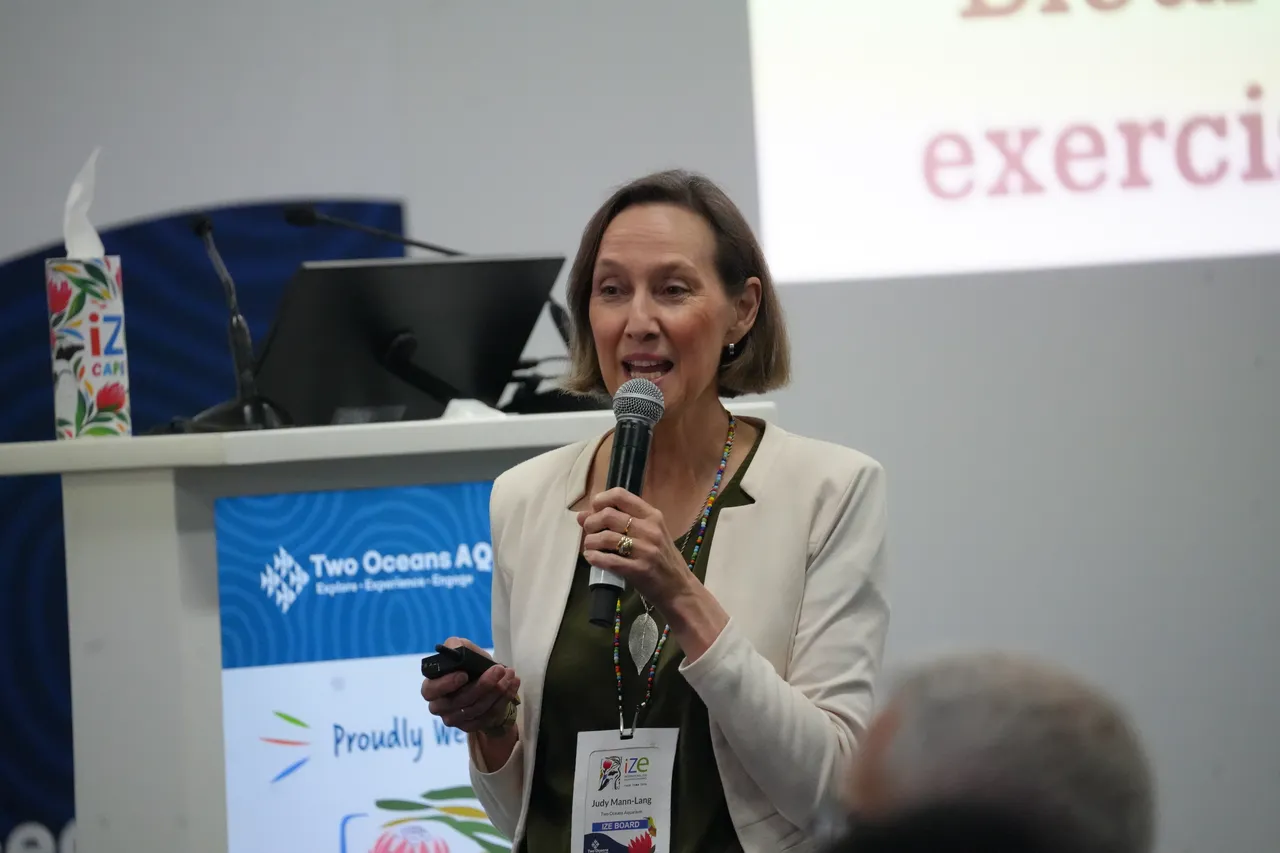
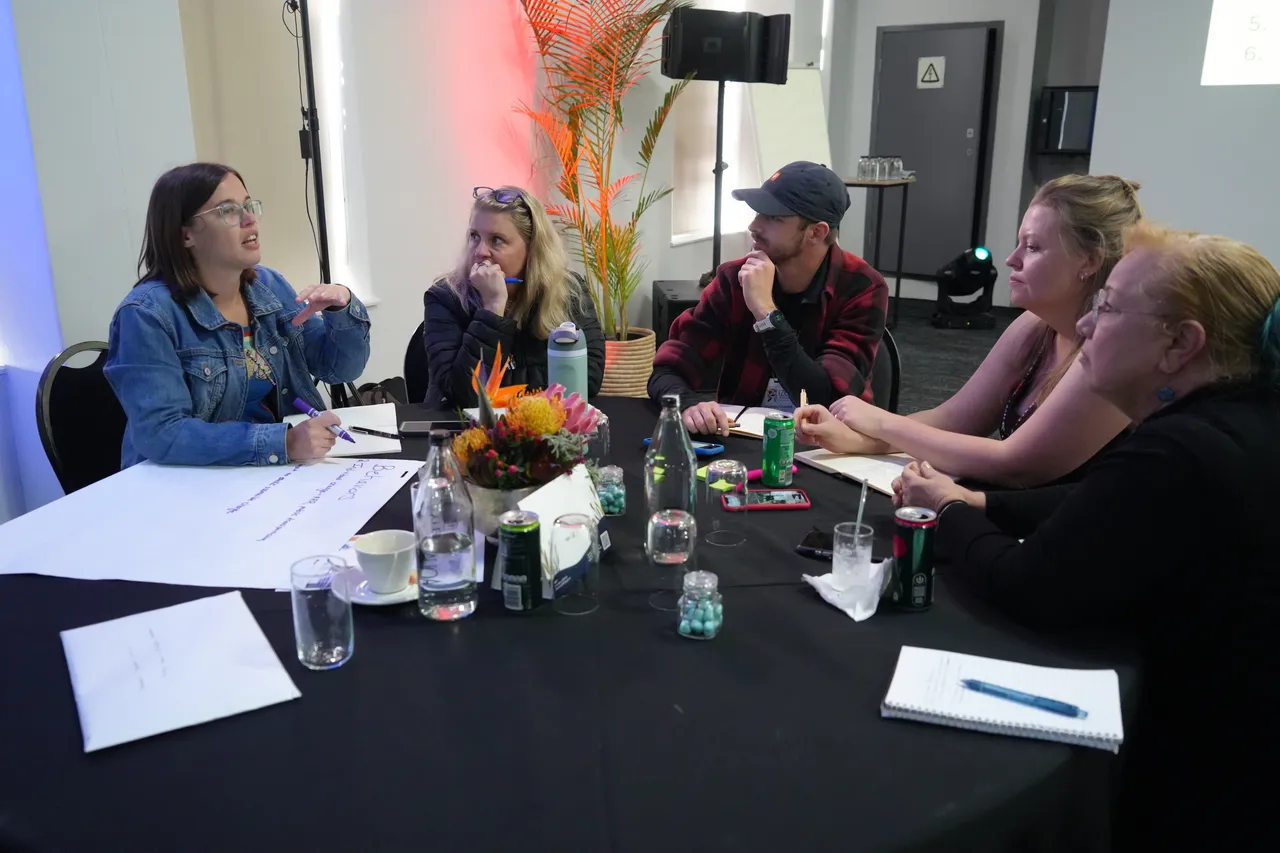
Judy Mann-Lang also hosted a workshop exploring the role of behaviour change in biodiversity conservation and how zoo and aquarium educators can meaningfully incorporate it into their work. Drawing on the work of the IUCN's Behaviour Change Task Force, established in 2023, the workshop encouraged participants to consider how behavioural science can inform conservation education initiatives. It also highlighted the importance of understanding local contexts, incorporating stakeholder perspectives, and ensuring that behaviour change initiatives are ethical, equitable, and respectful of human rights and wellbeing.
Sharing our knowledge with the global community
The conference was also an exciting opportunity for our own staff to share their knowledge, research, and experiences with an international audience. Several Two Oceans Aquarium Foundation staff presented their work, highlighting the innovative approaches to conservation education being developed right here in Cape Town.
Bianca Engel shared how the Two Oceans Aquarium Foundation's Ocean Campus developed an inclusive, multisensory programme to make the Aquarium more accessible to visitors with visual impairments. Her presentation, Translating the Ocean: Designing Inclusive, Multi-Sensory Aquarium Experiences for Visitors with Visual Impairments, explored how the programme was developed in collaboration with St Dunstan's and Innovations for the Blind, encouraging visitors to engage with marine life through touch, sound, and guided interaction. Following the success of the pilot event, the Aquarium has established it as an annual initiative during National Blindness Awareness Month in October, while continuing to explore ways to improve accessibility throughout the Aquarium.
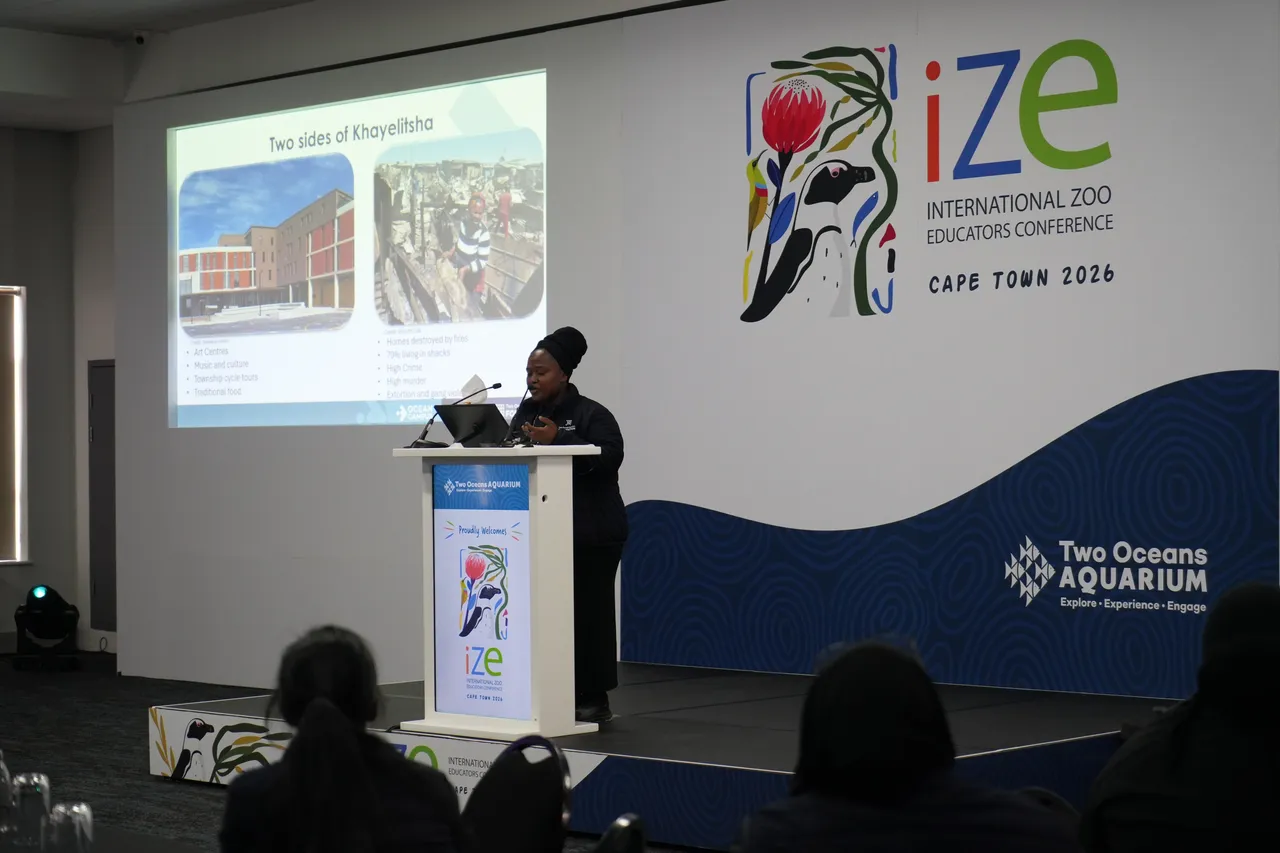
Wandiswa Jonga's presentation, Where Water Meets Curiosity, Possibility Flows: Transforming Local Ecosystems into Outdoor Classrooms with the Khayelitsha Wetland Programme in South Africa, highlighted the value of connecting young learners with the natural environments in their own communities. In celebration of International Wetlands Week, Ocean Campus invited learners aged 12 to 14 from five Khayelitsha schools to participate in a hands-on outdoor learning programme. Through activities such as bird identification and water sampling, followed by a visit to the Aquarium, learners discovered the ecological importance of wetlands and the connections between freshwater and marine ecosystems. Wandiswa highlighted how experiential learning can inspire environmental stewardship and empower young people to see themselves as scientists and custodians of their natural environment.
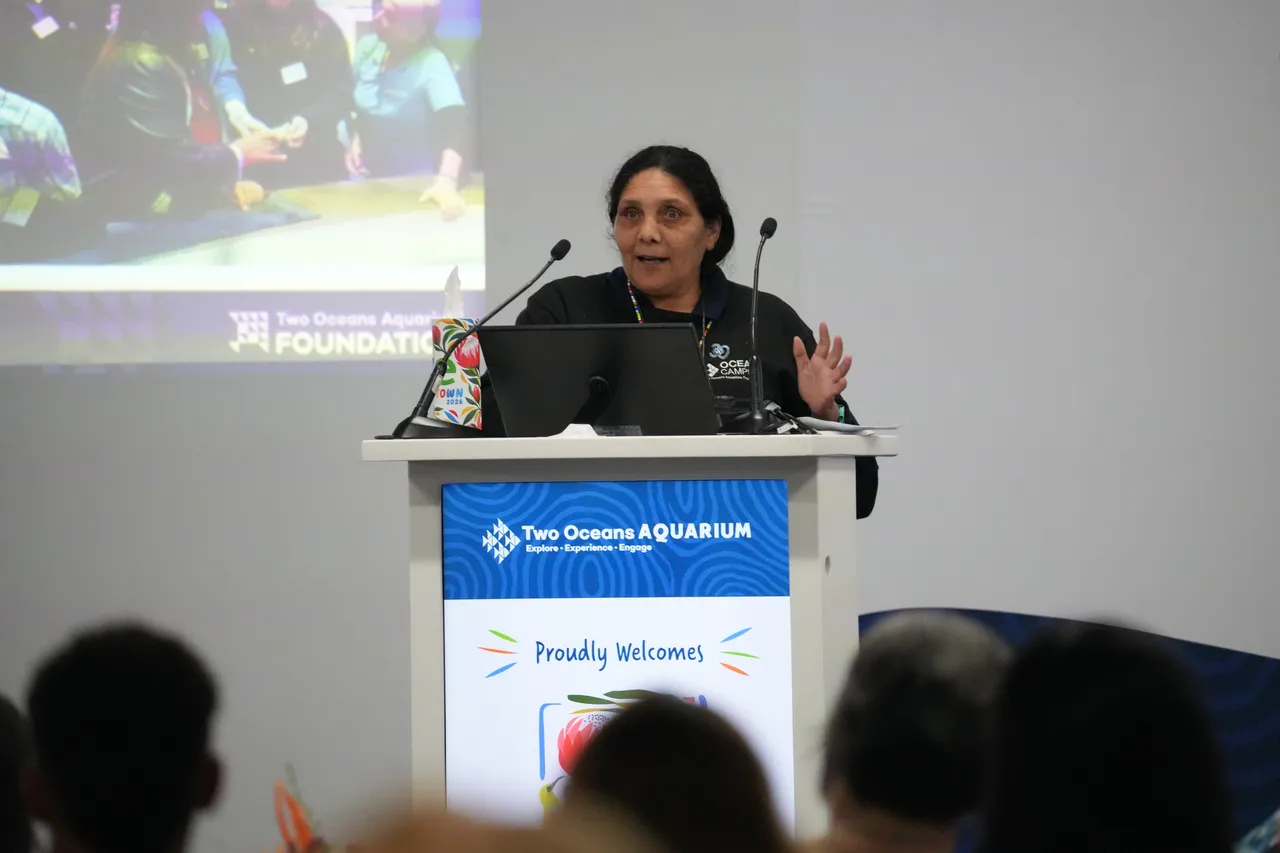
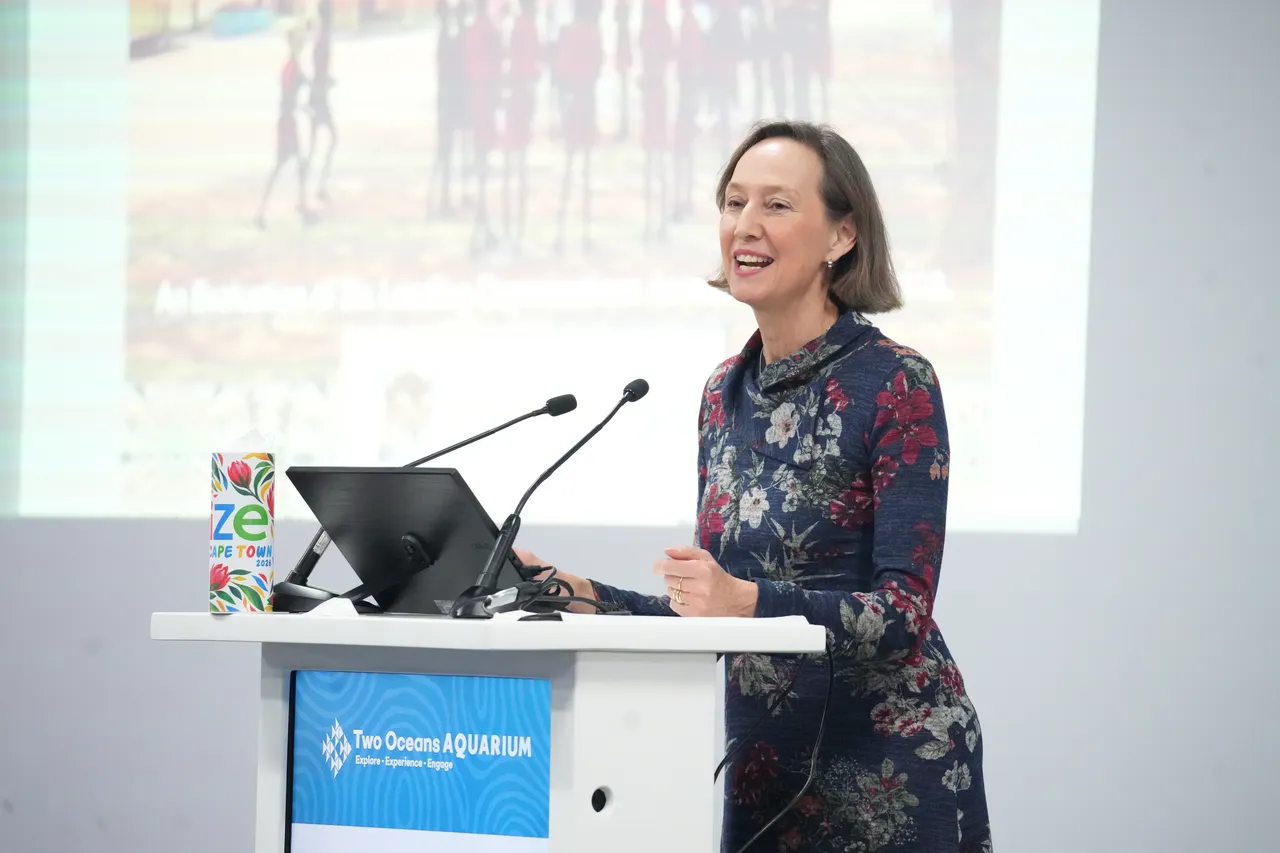
Judy Mann-Lang presented findings from a study investigating the long-term impact of community conservation education. Her presentation, Evaluating the Transformative Impact of Community Conservation Education, drew on research initiated by the African Conservation Education Network, involving six conservation organisations across Botswana, Tanzania, Zimbabwe, and Zambia. The study explored how conservation education influences long-term behaviour change and sustained support for conservation, with findings highlighting the importance of considering the needs and wellbeing of communities living alongside wildlife. Judy emphasised that successful conservation efforts must also improve people's lives, demonstrating the value of evaluation in developing impactful education programmes.
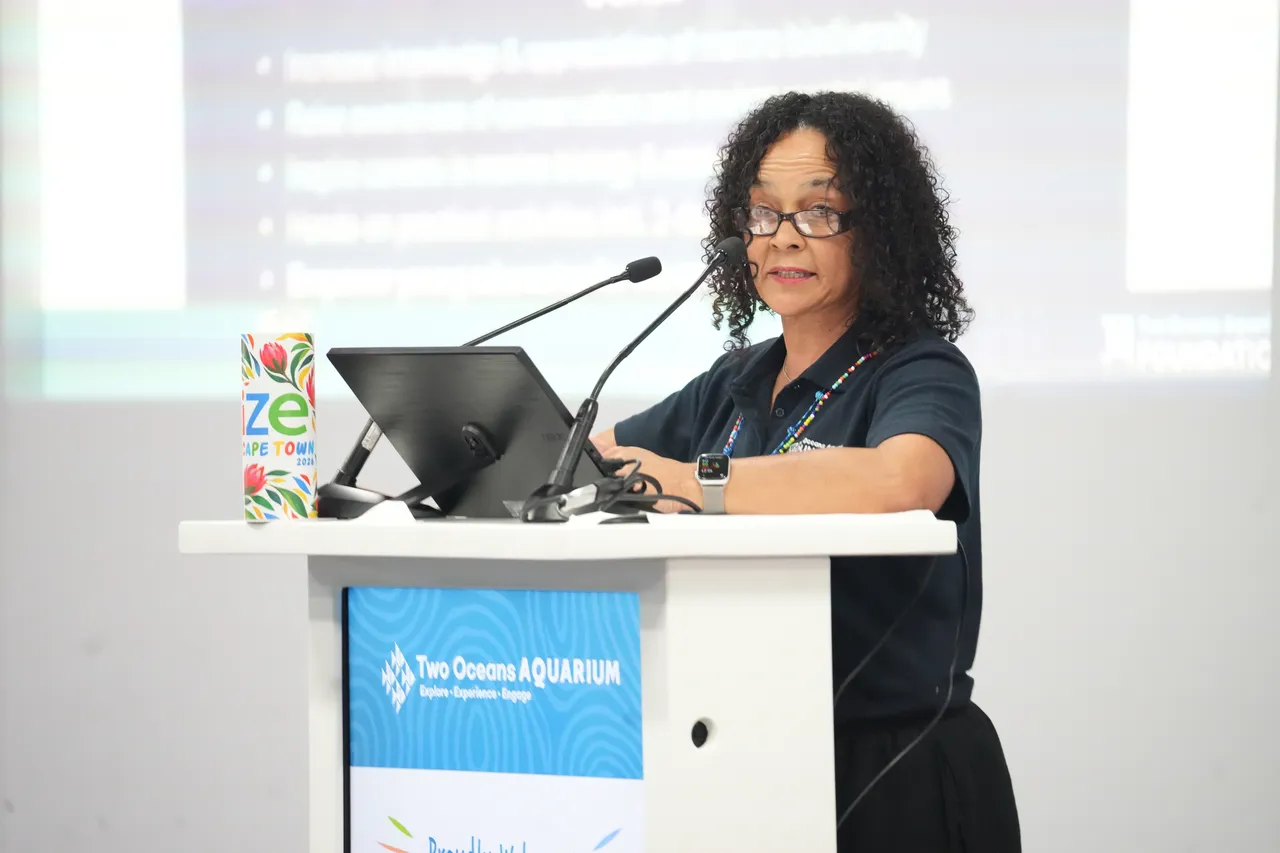
Nathalie Viljoen explored the long-term impact of the Two Oceans Aquarium's Young Biologist course, which has introduced more than 1 000 Grade 10 and 11 learners to marine biology, conservation, and environmental science since 2001. Her presentation, Evaluating the Long-Term Effect of the Young Biologist Course at the Two Oceans Aquarium, in Cape Town, shared findings from a survey of approximately 100 former participants. All respondents said they would recommend the course, while 70 to 80% reported an increased interest in conservation, greater confidence in pursuing environmental careers, positive behavioural changes, and improved communication and teamwork skills. These findings highlighted the potential of immersive aquarium education to inspire young people to pursue careers in environmental fields and become lifelong ocean advocates.
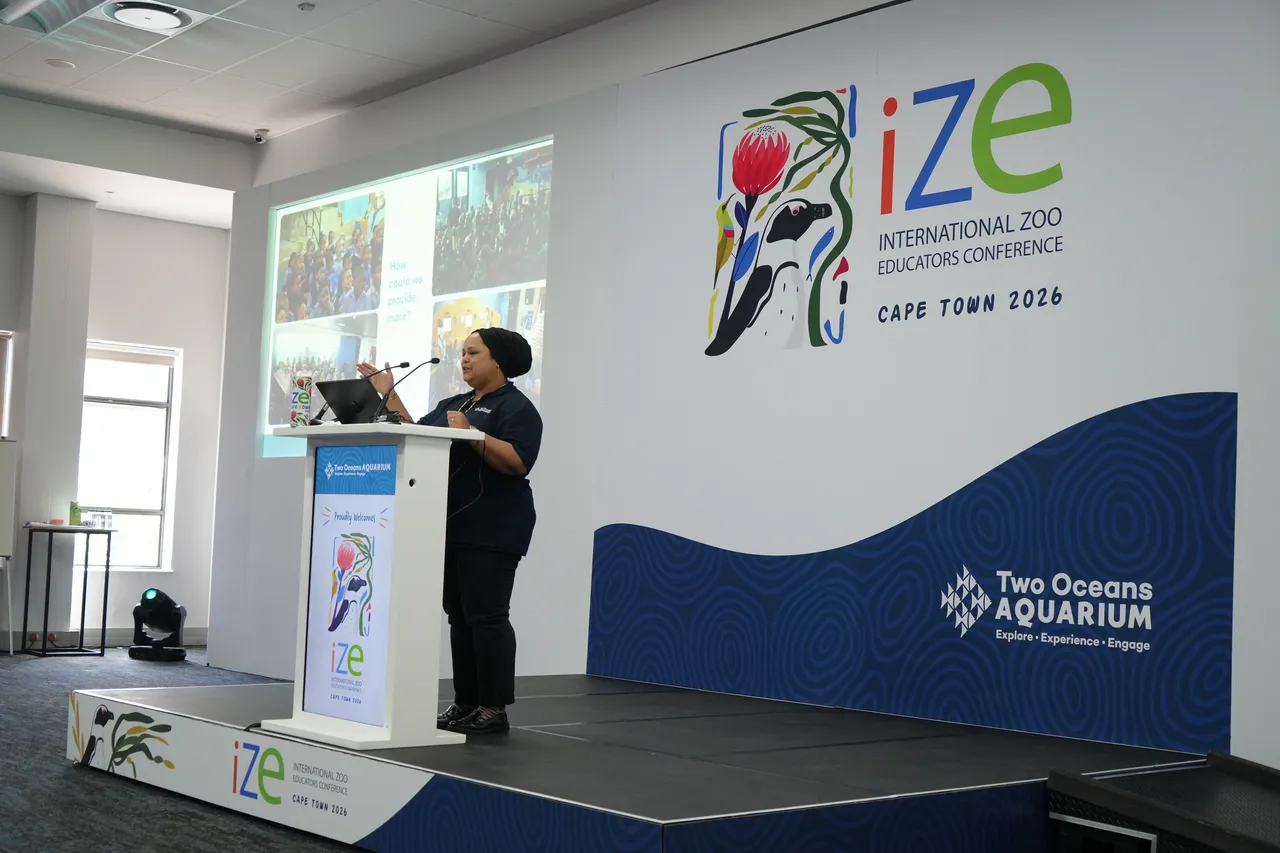
Wafiqah Slamong and Aisha Martin showcased the power of puppets in introducing young children to marine life and conservation. Their presentation, Innovative Approaches to Early Environmental Education: Puppet-Powered Learning at the Two Oceans Aquarium, explored how Ocean Campus has used original puppet shows since 1995 to engage children aged 2 to 8, both at the Aquarium and through mobile outreach programmes. Using their mobile puppet booth and characters from six original shows, Wafiqah and Aisha demonstrated how interactive storytelling, repetition, and active participation can make important conservation messages accessible and engaging for young audiences, inspiring environmental awareness from an early age.
Showcasing ocean education through posters
Three Ocean Campus staff members also showcased their work through poster presentations, highlighting the diverse ways our education programmes inspire environmental awareness and encourage long-term conservation action.
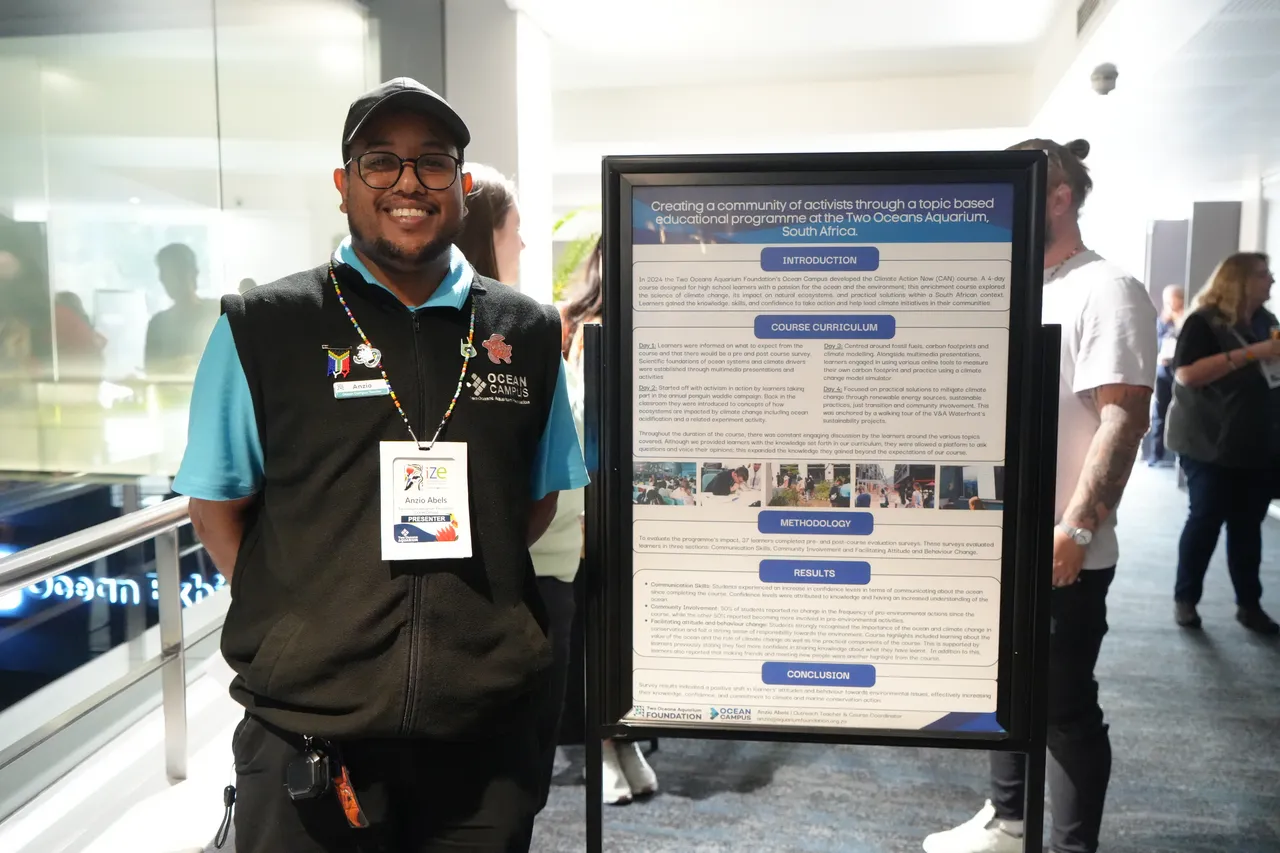
Anzio Abels presented a poster exploring the Climate Action Now course, a four-day enrichment programme developed by Ocean Campus in 2024 for high school learners passionate about the ocean and environment. The course introduces learners to the science of climate change, its impacts on natural ecosystems, and practical solutions within a South African context. Through this programme, learners gain the knowledge, skills, and confidence to take meaningful climate action and lead environmental initiatives in their communities.
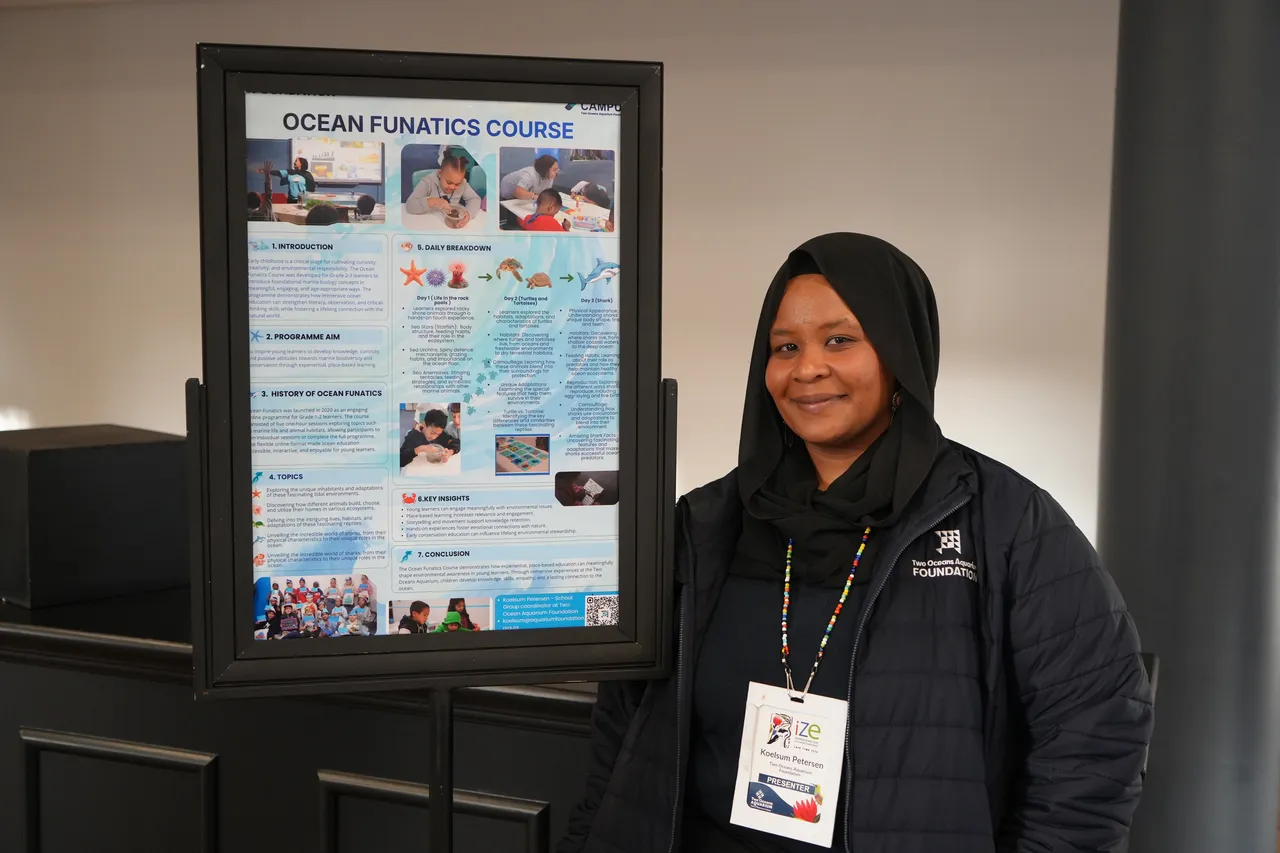
Koelsum Petersen showcased the Ocean Funatics course, which introduces Grade 2 and 3 learners to foundational marine biology concepts through engaging, age-appropriate activities. Recognising the importance of early childhood education in developing environmental awareness, the course uses immersive learning experiences to strengthen literacy, observation, and critical-thinking skills while encouraging curiosity and a lasting connection with the natural world.
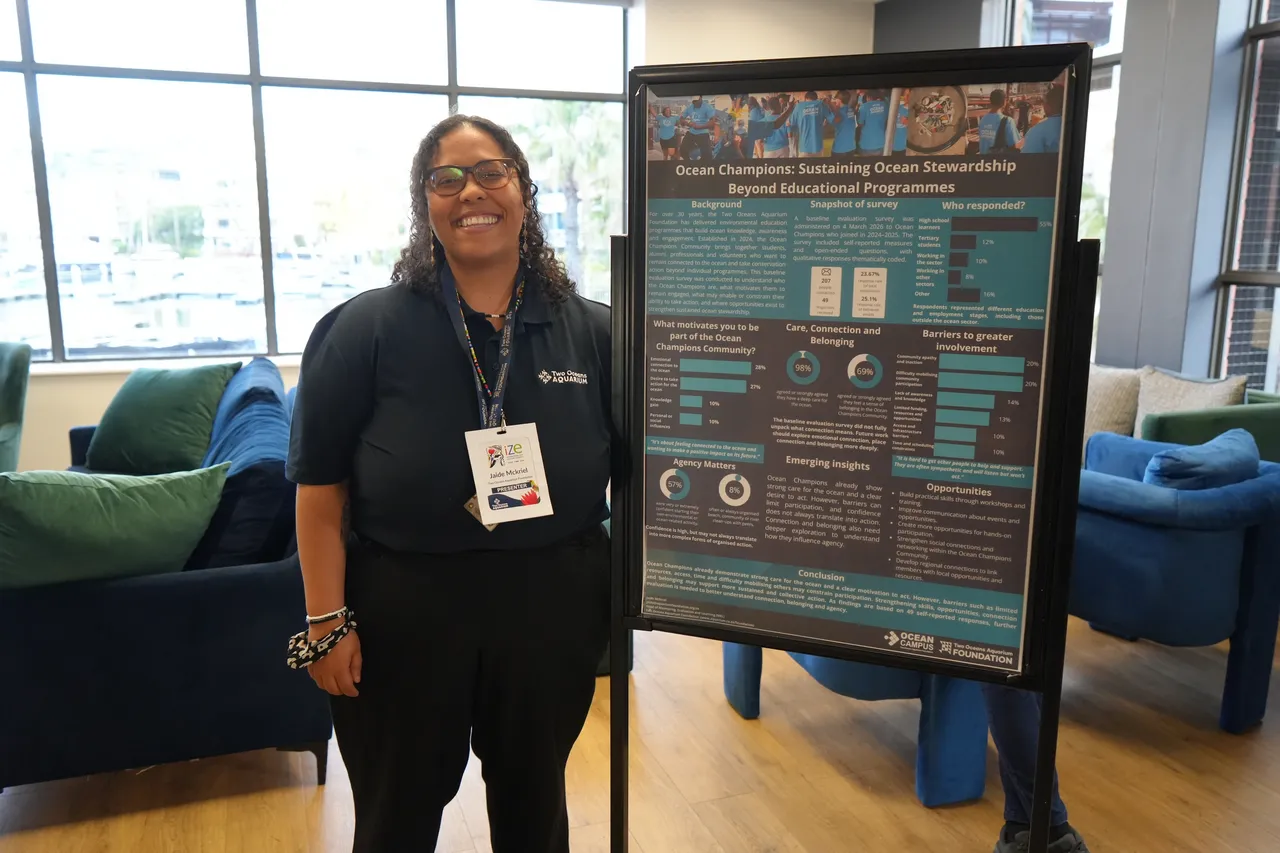
Jaide McKriel presented a poster exploring the Ocean Champions Community, an initiative established by the Two Oceans Aquarium Foundation in 2024 to encourage continued ocean engagement and conservation action beyond formal education programmes. Bringing together students, alumni, professionals, and volunteers, the community aims to foster long-term ocean stewardship. Through a baseline evaluation survey, the study explored members’ motivations for staying involved, the barriers they face in taking conservation action, and opportunities to strengthen their ongoing engagement with ocean conservation.
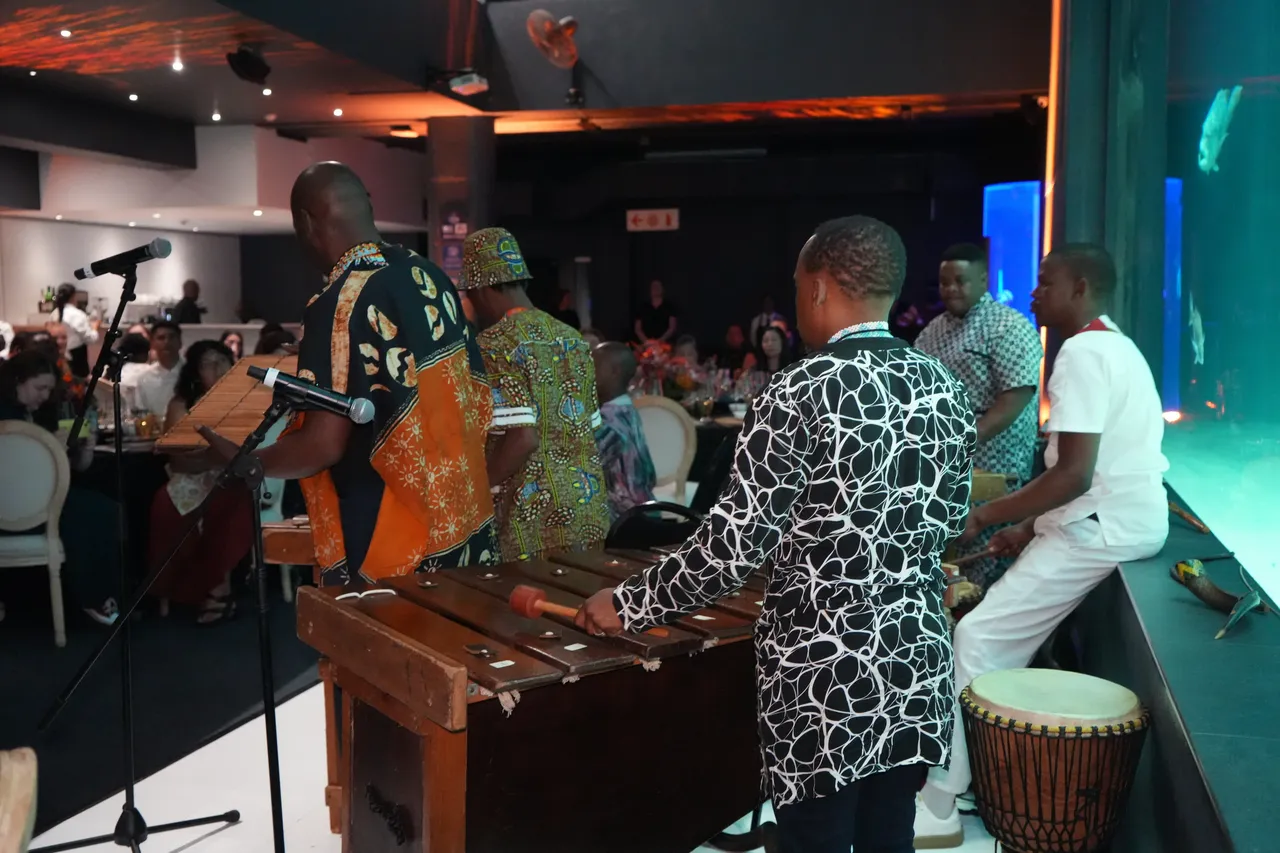
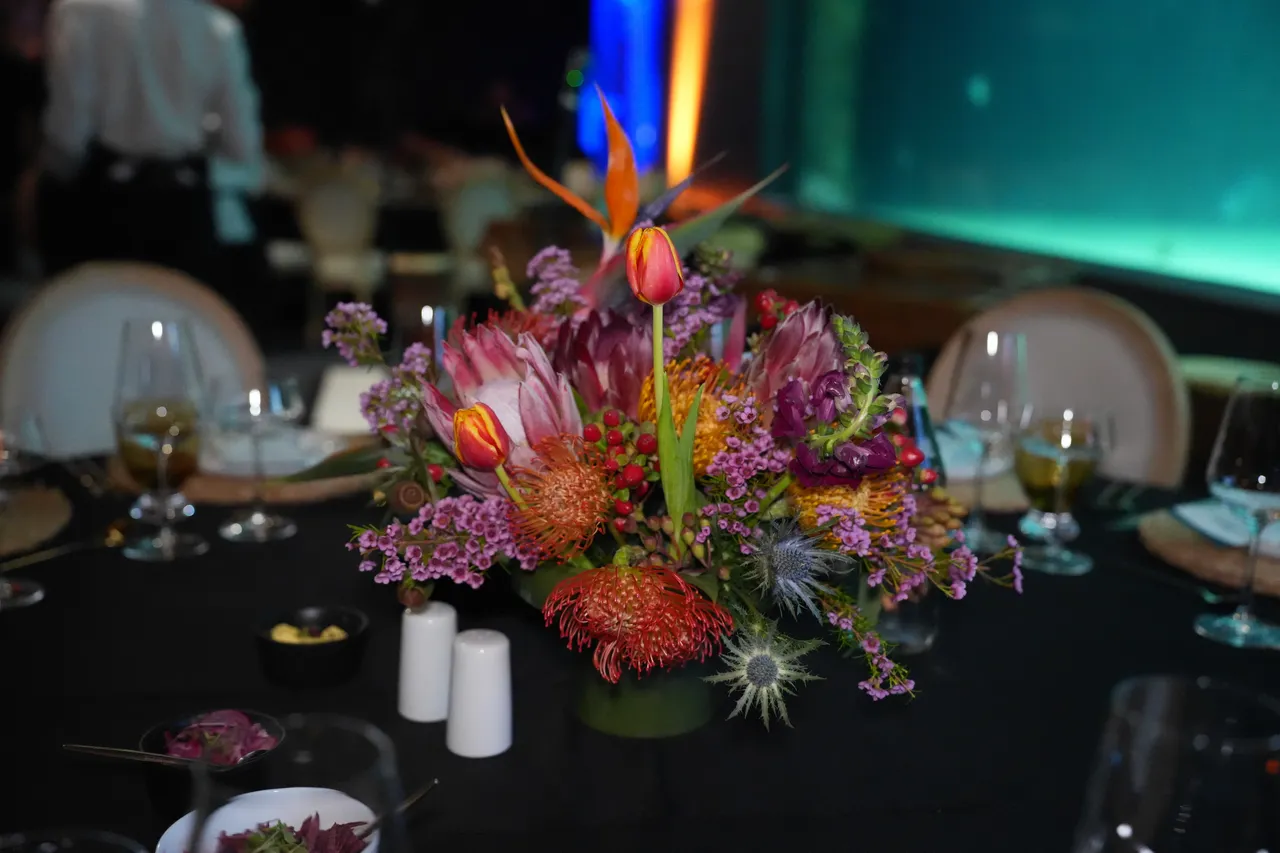
To round off an incredible week, delegates gathered for a memorable gala dinner alongside the Aquarium's spectacular I&J Ocean Exhibit. The evening featured delicious food prepared in our very own kitchen, a special performance by musical ensemble Dizu Plaatjies and the Ibuyambo, and plenty of dancing! It was a wonderful opportunity for delegates to celebrate the connections, friendships, and memories made throughout the conference.
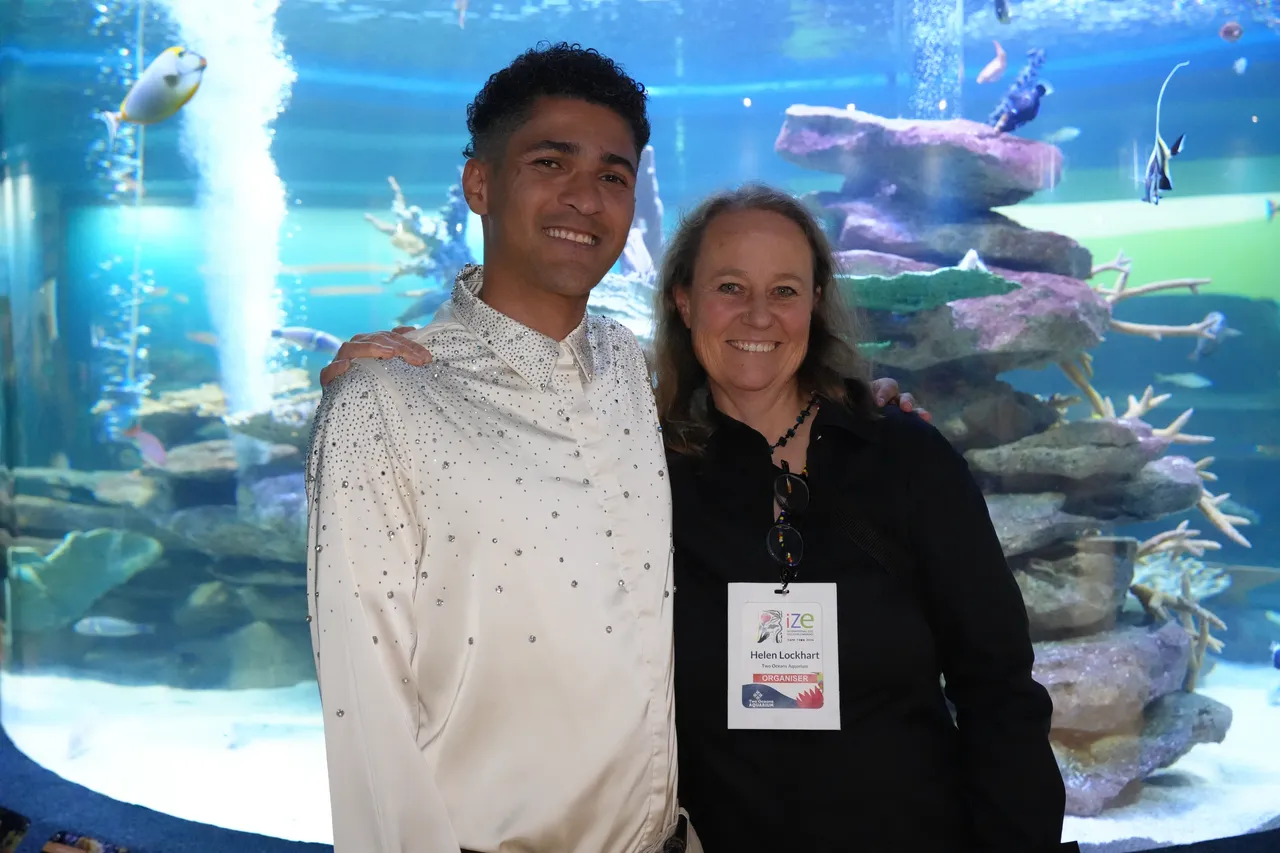
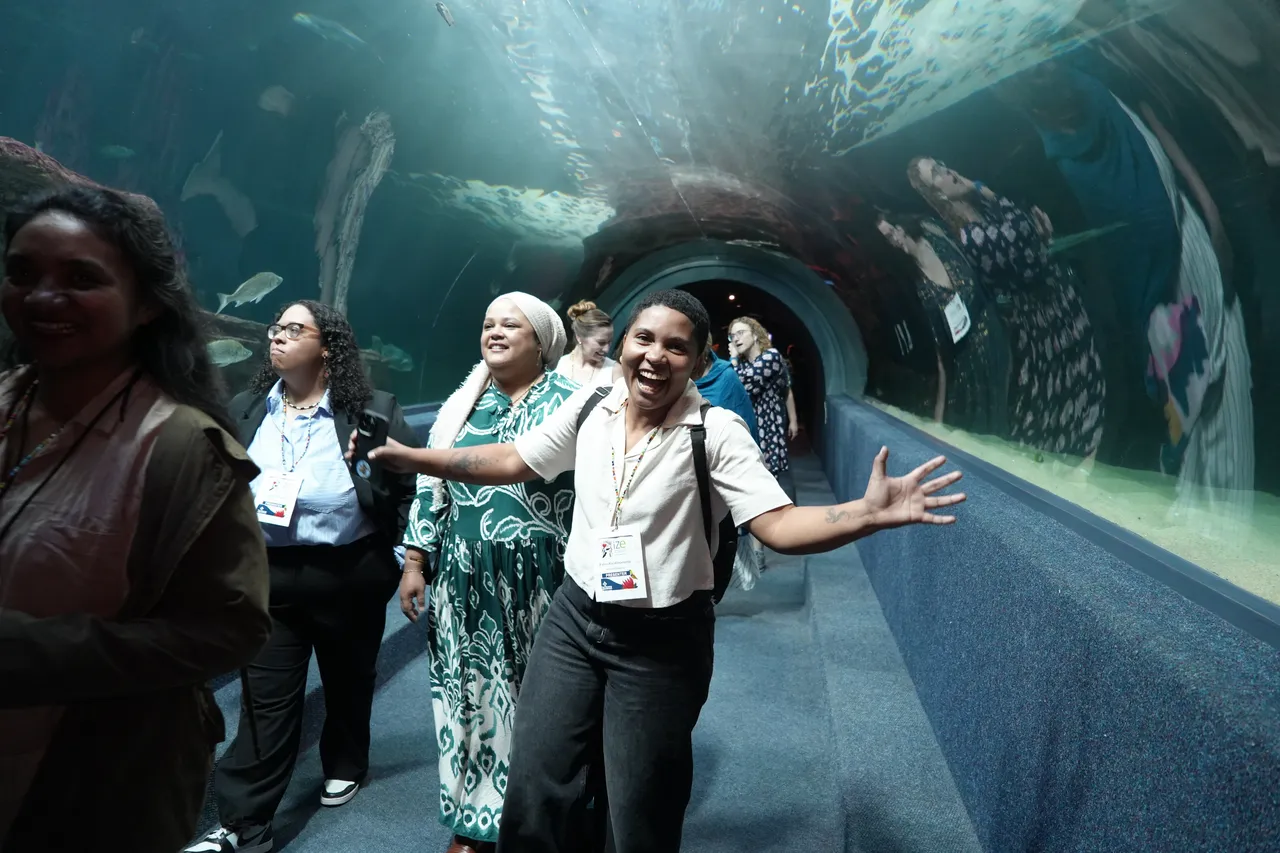
Hosting IZE 2026 was an incredible opportunity for the Two Oceans Aquarium to welcome conservation educators from around the world to our beautiful city. Over five days, we shared knowledge, exchanged ideas, made new connections, and celebrated the important role of education in protecting our natural world.
We are so grateful to everyone who contributed to making this conference a success – from our keynote speakers, presenters, and delegates to the Local Organising Committee, IZE Board, and Two Oceans Aquarium and Foundation staff who brought it all together.
As everyone returns to their countries, we hope the conversations, collaborations, and inspiration from IZE 2026 will continue to make waves in conservation education for years to come!
Related News
Sign up to our Newsletter
Receive monthly news, online courses and conservation programmes.