Two Oceans Aquarium releases four spotted gully sharks: Why tracking matters
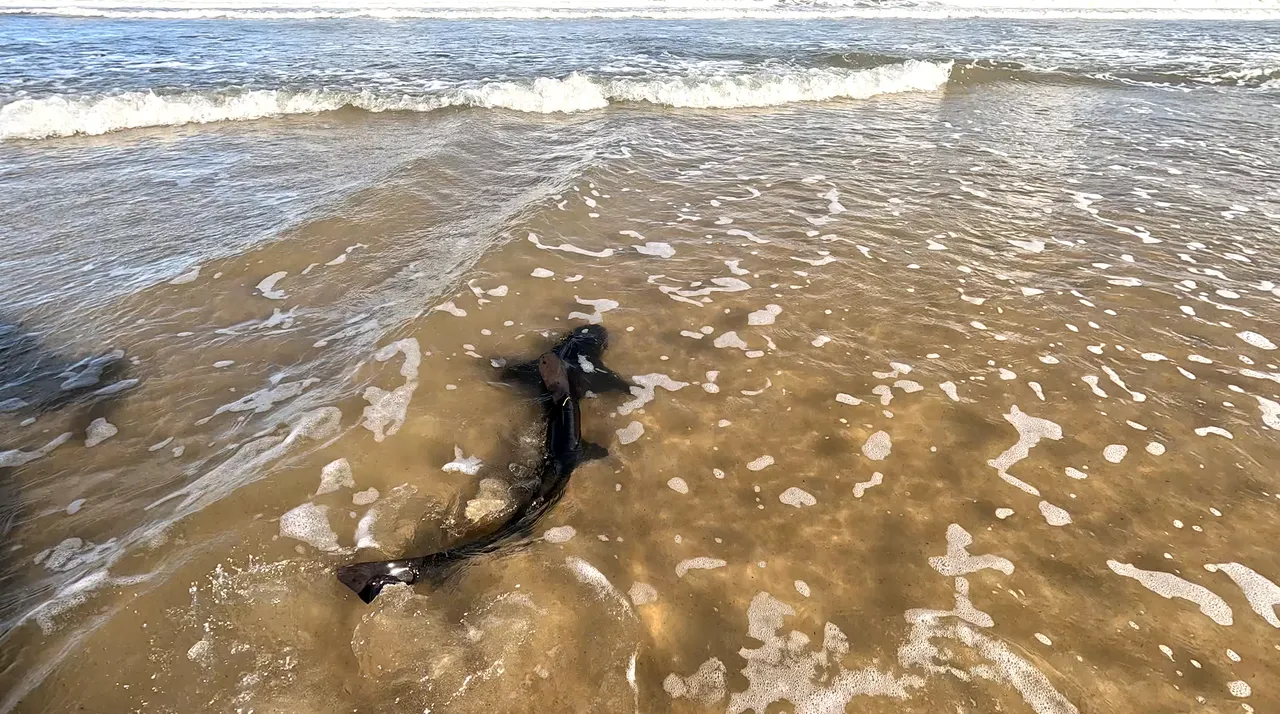
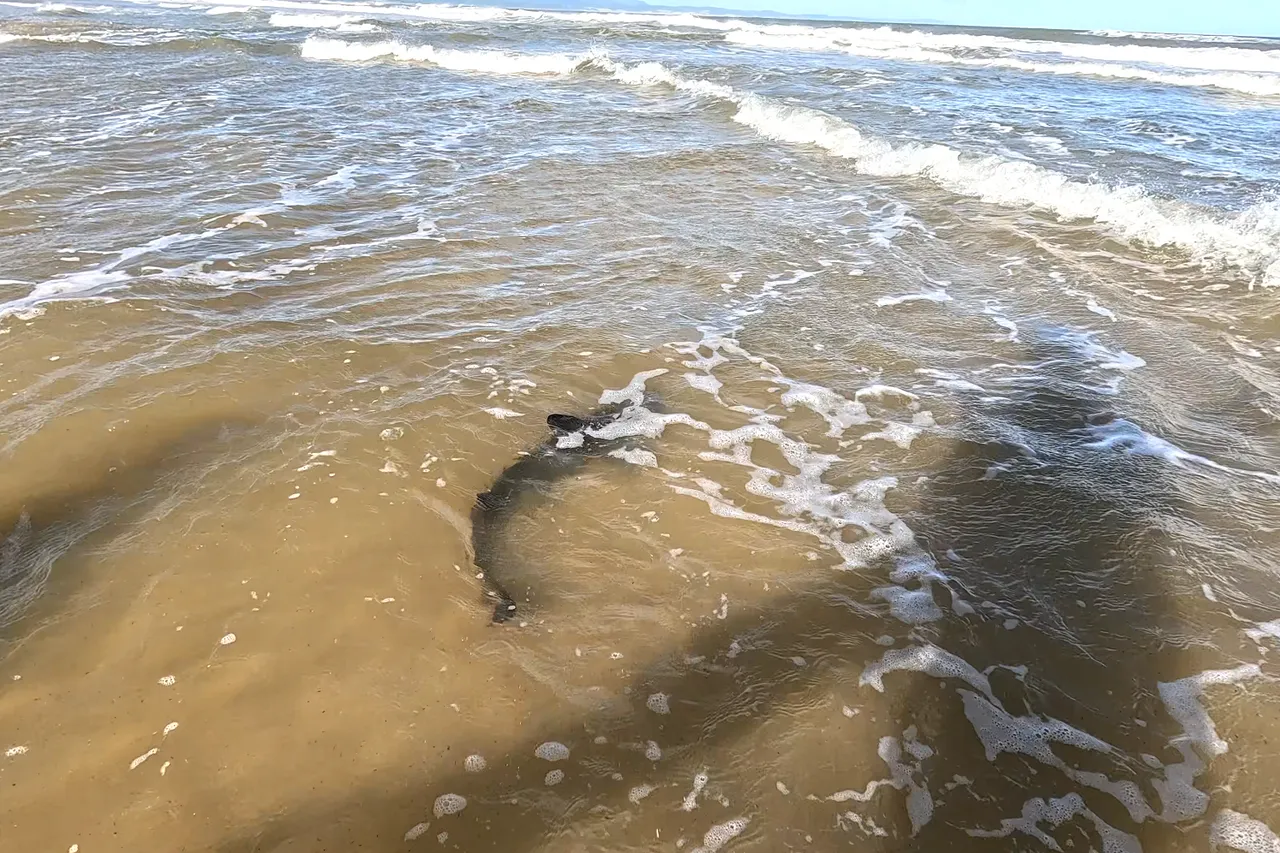
On 19 October 2026, the Two Oceans Aquarium team released four more spotted gully sharks back into the warm ocean at Mgwalana in the Eastern Cape!
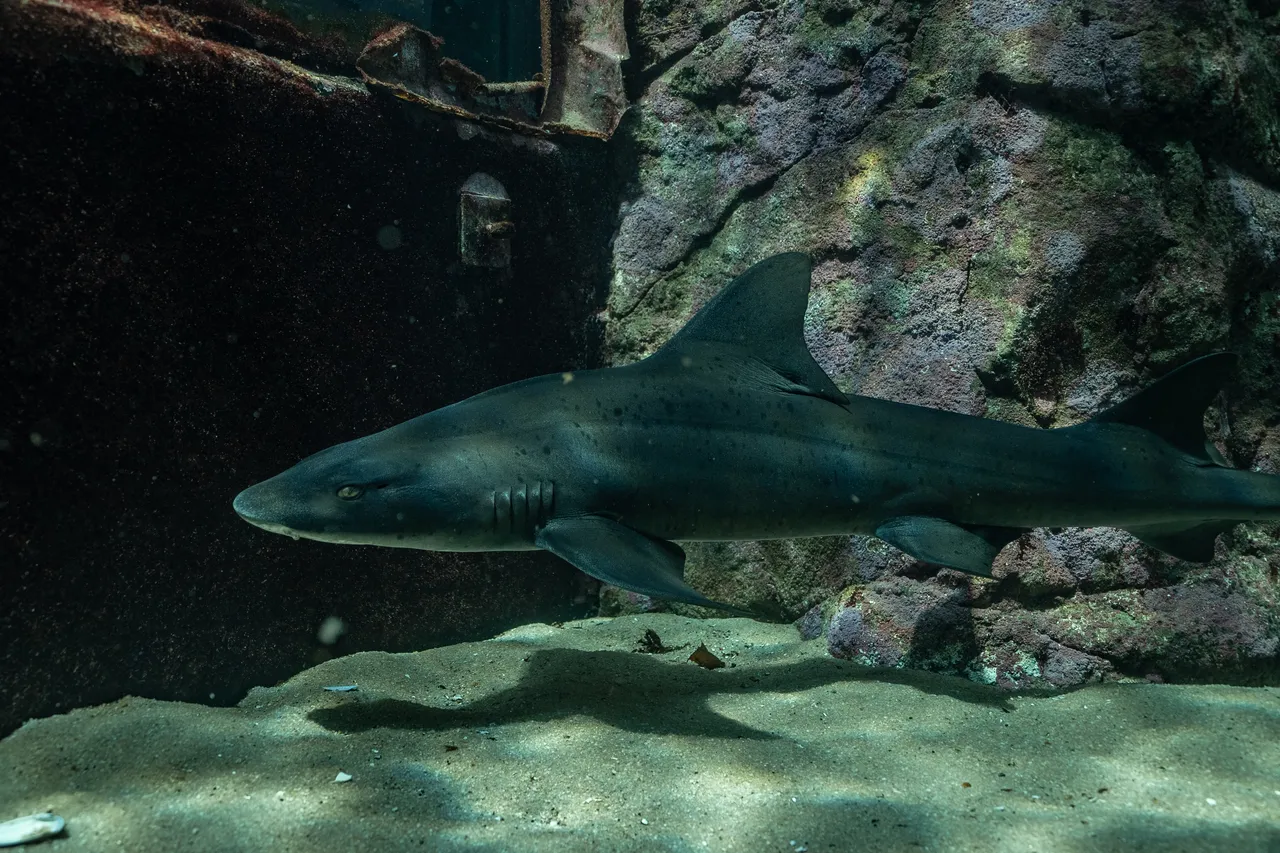
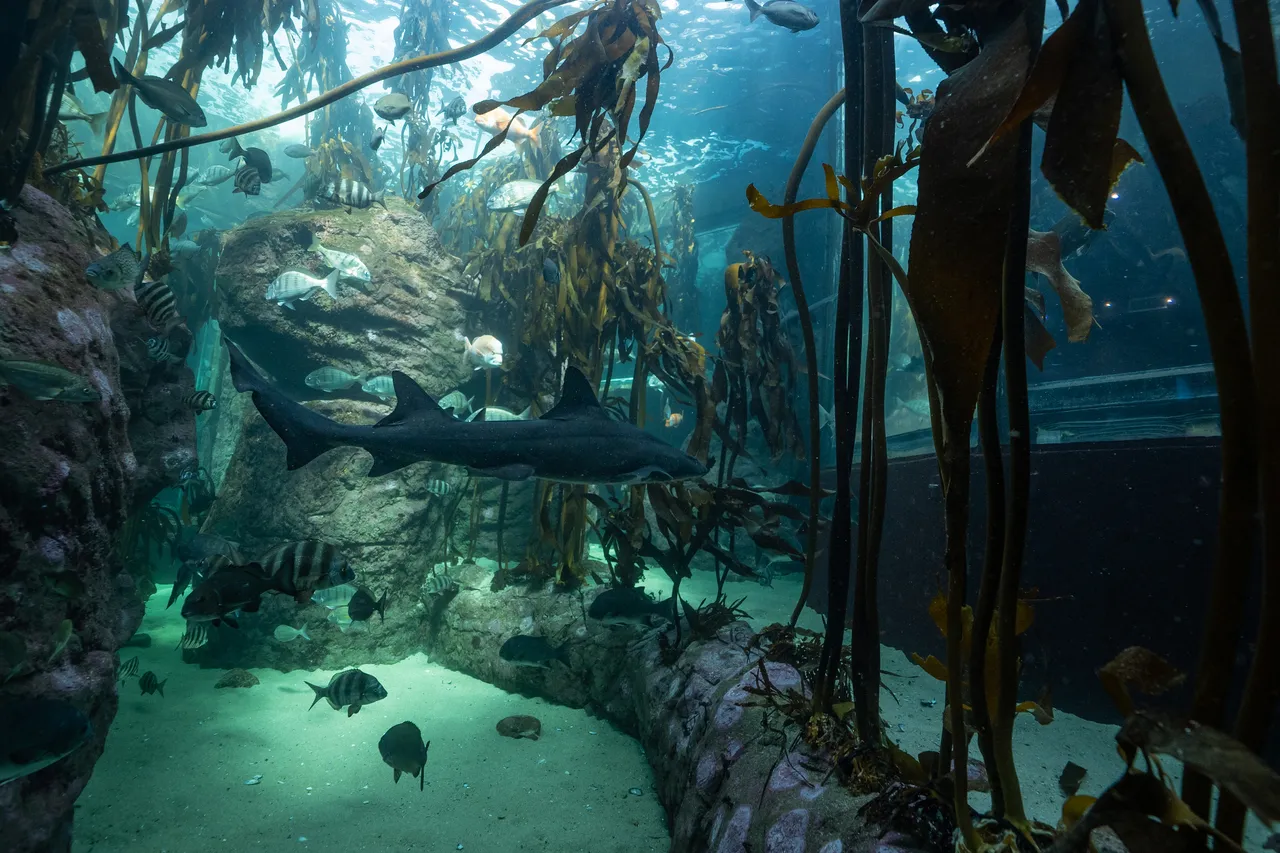
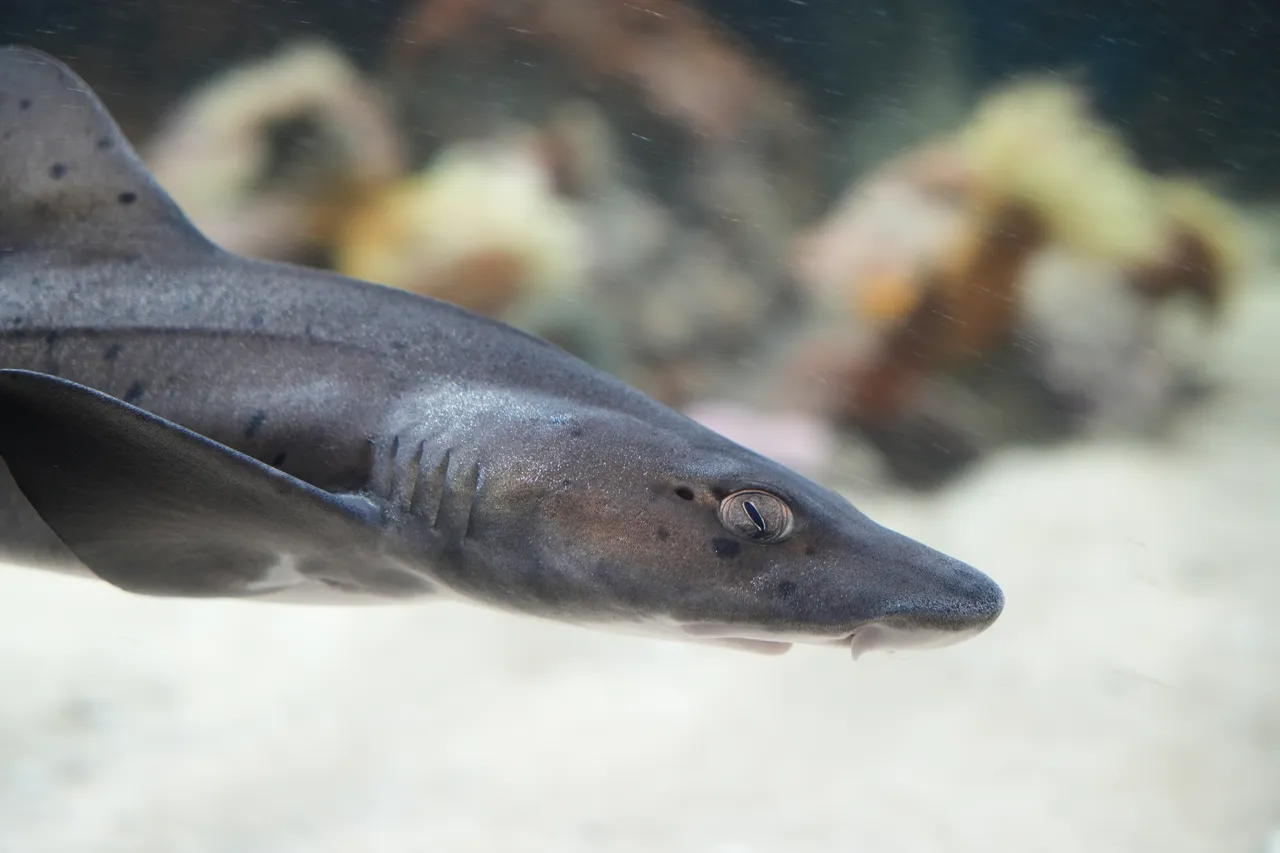
The sharks, three males and one female, were housed in our Kelp Forest Exhibit for a few years as ambassadors for their endangered species, but recently outgrew the space, so it was time for them to return to the big blue, where they belong.
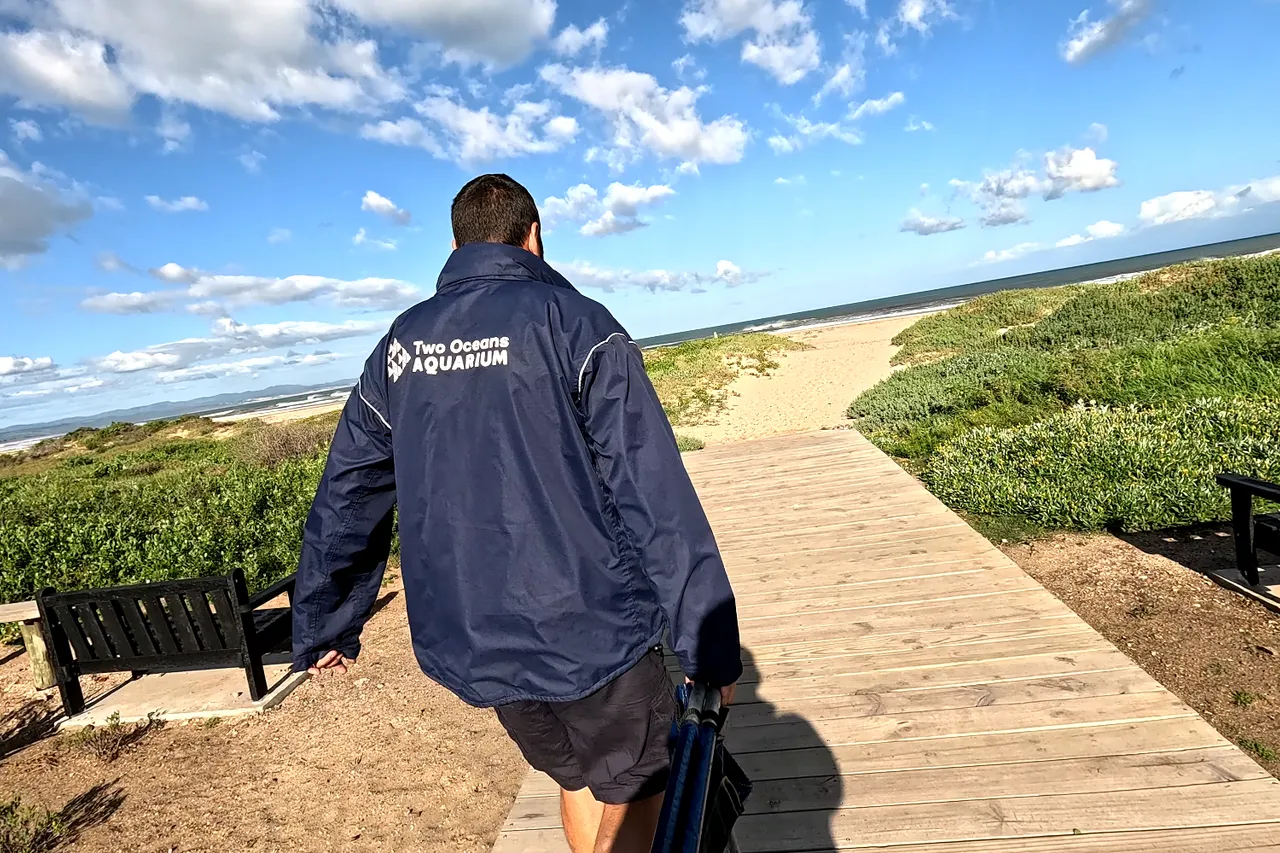
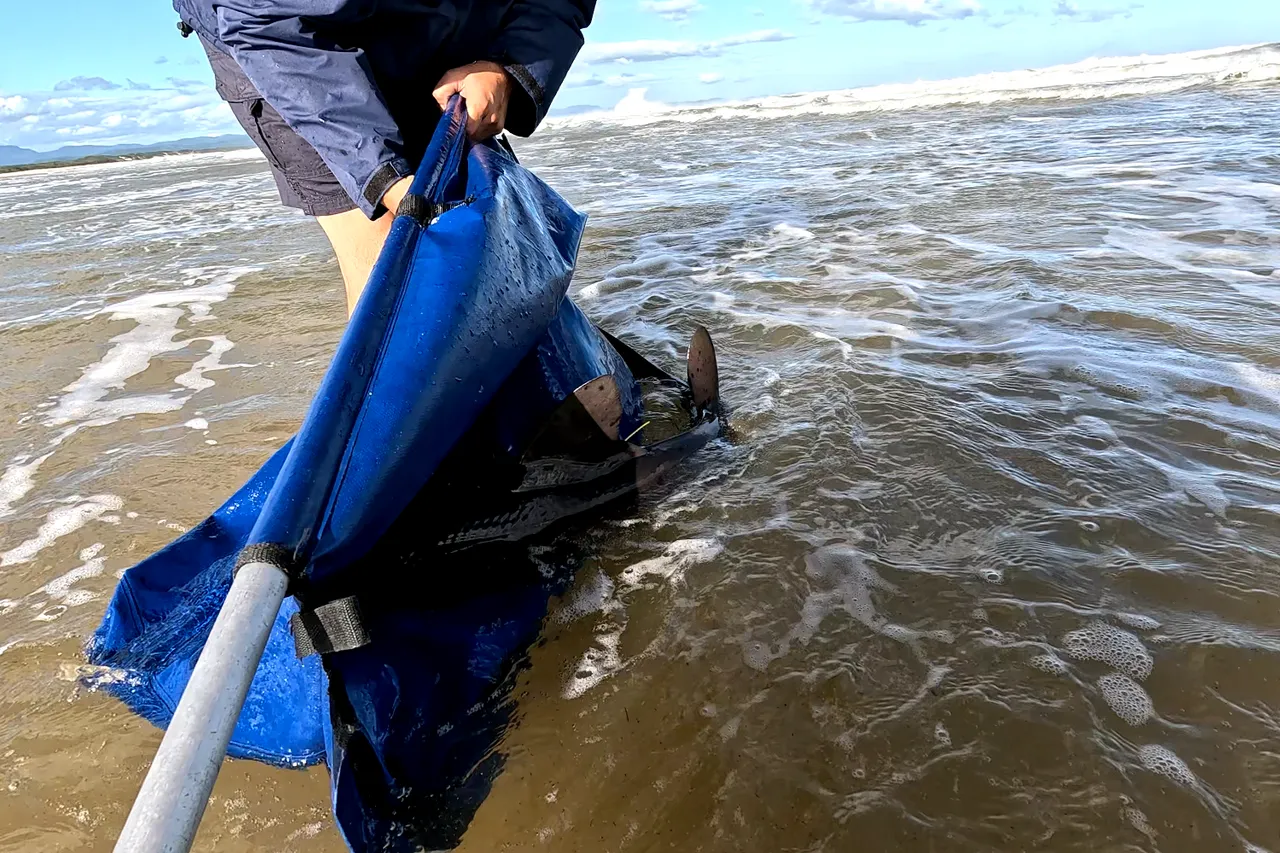
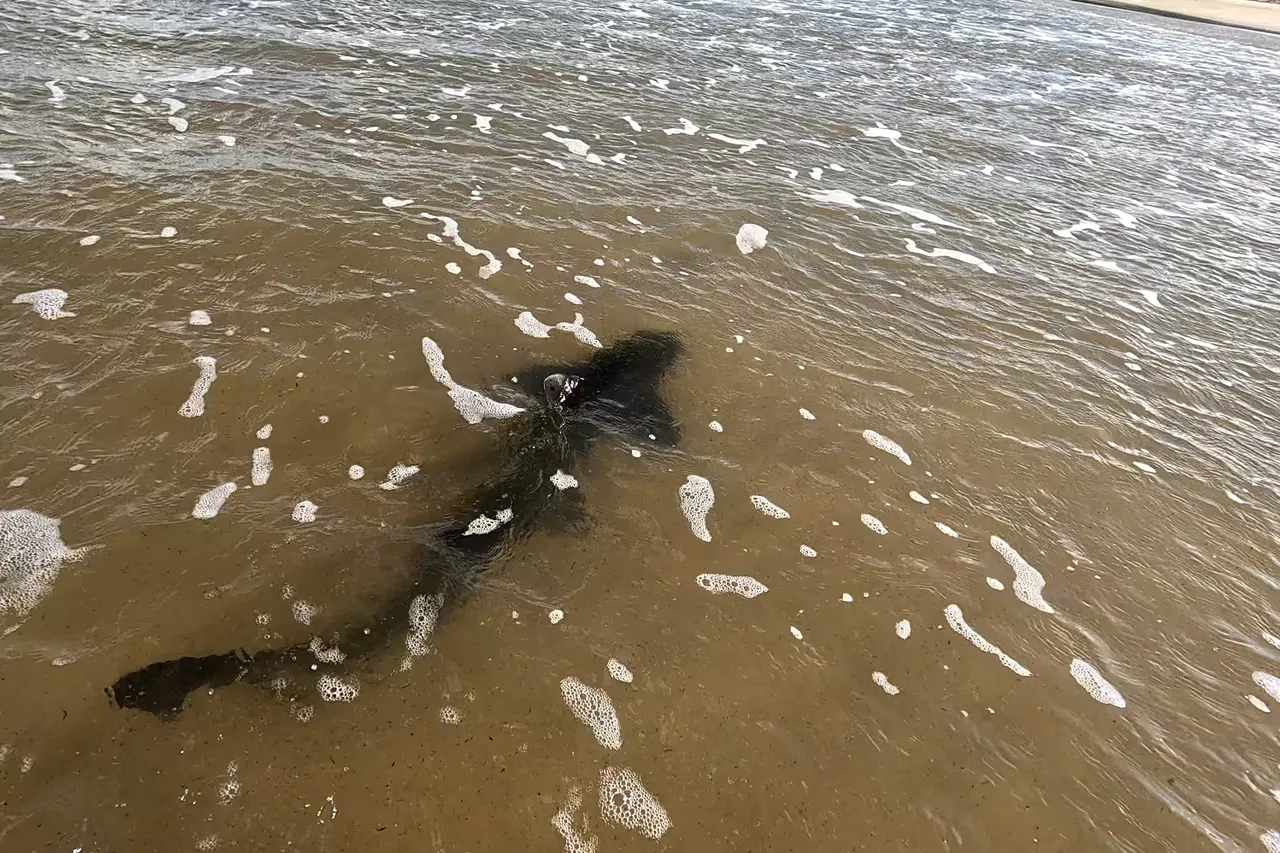
The sharks were transported to the Eastern Cape by the Aquarium’s Curatorial and Collections team in a specially designed, oxygenated chamber. On arrival in Mgwalana, the team chose a suitable spot along the beach where the water was calm. One by one, the sharks were carried on a stretcher into the surf, where the team gave them a moment to acclimate to the ocean temperature before releasing the straps of the stretcher.
“Each of the sharks swam off into the ocean strongly and confidently. Gully sharks display no parental care, so their natural instincts are hardwired into them from birth. This allows them to adjust easily back to life in the ocean after a period at the Aquarium,” says Kevin Spiby, Curator of Operations and Animal Husbandry at the Two Oceans Aquarium.
All four sharks were fitted with acoustic tags that will allow us to track their movements along the coastline, marking another important contribution to our ongoing research on spotted gully sharks along the southern African coastline.
How are we tracking them?
In the lead-up to the planned release date, the four gully sharks were removed from their temporary home in the Kelp Forest Exhibit and moved to alternate housing for a period of closer observation.
Here, Veterinarian Dr Ilse Jenkinson conducted regular and comprehensive health assessments, including blood tests, measurements, and physical examinations. She also fitted each of the sharks with a VEMCO acoustic tag, surgically inserting them just under the skin. Once the sharks’ readiness for release was ascertained and their surgery sites were fully healed about a month later, Dr Ilse declared them ready for release.
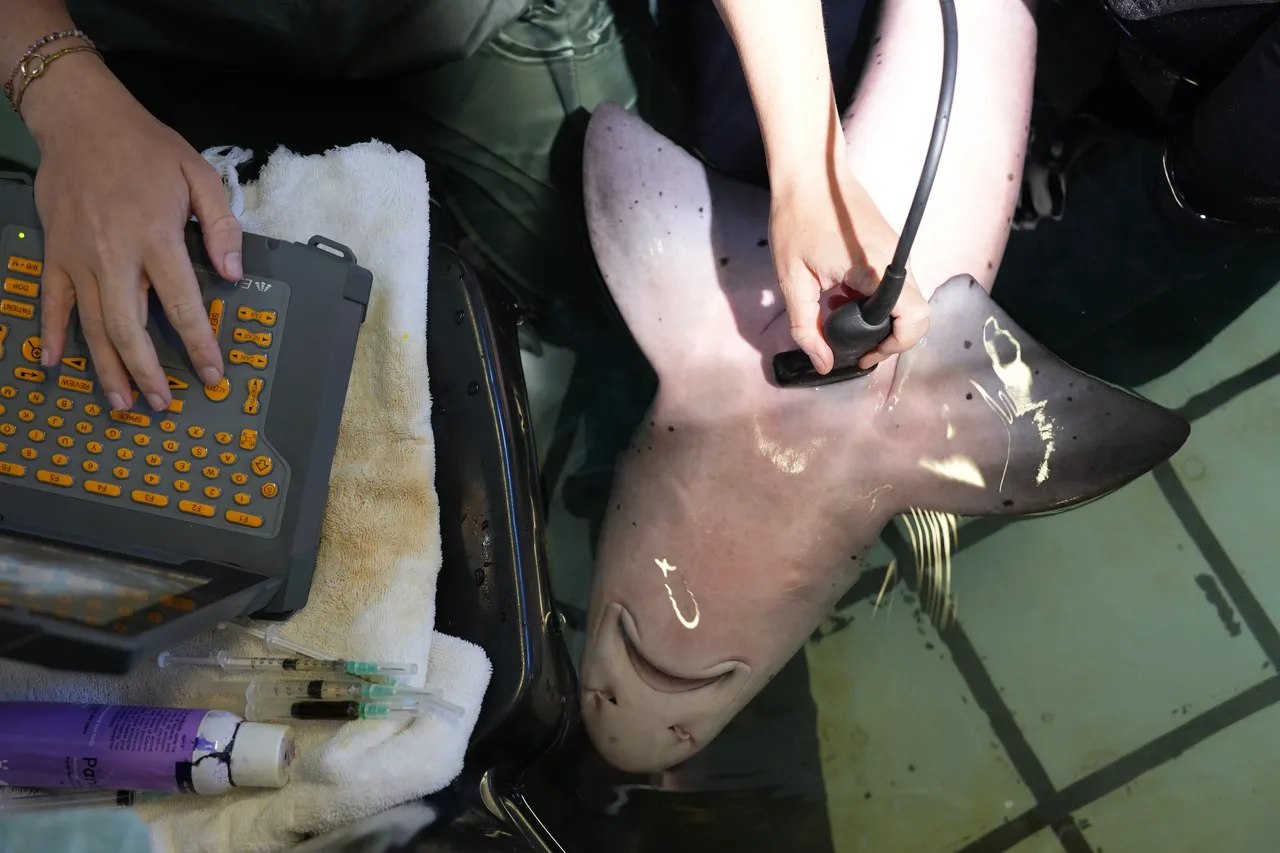
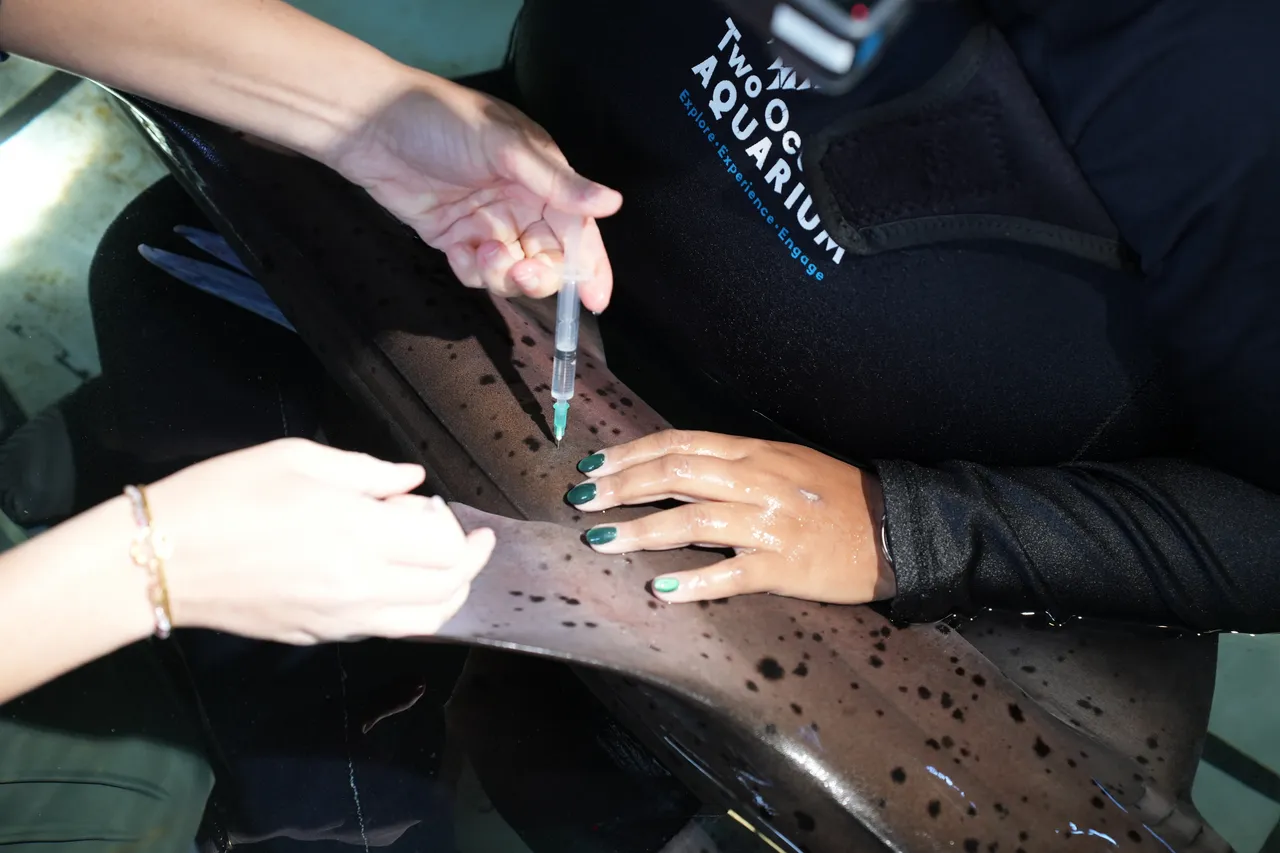
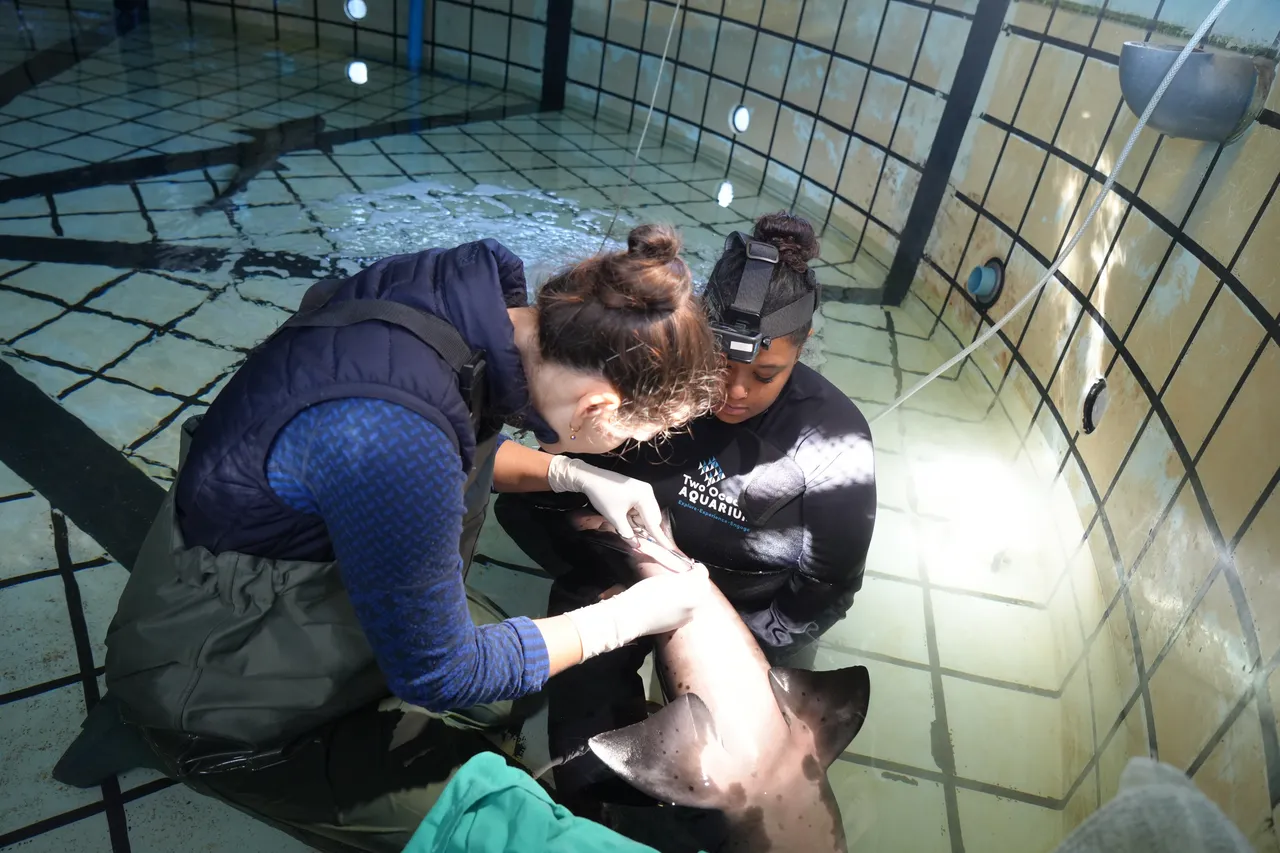
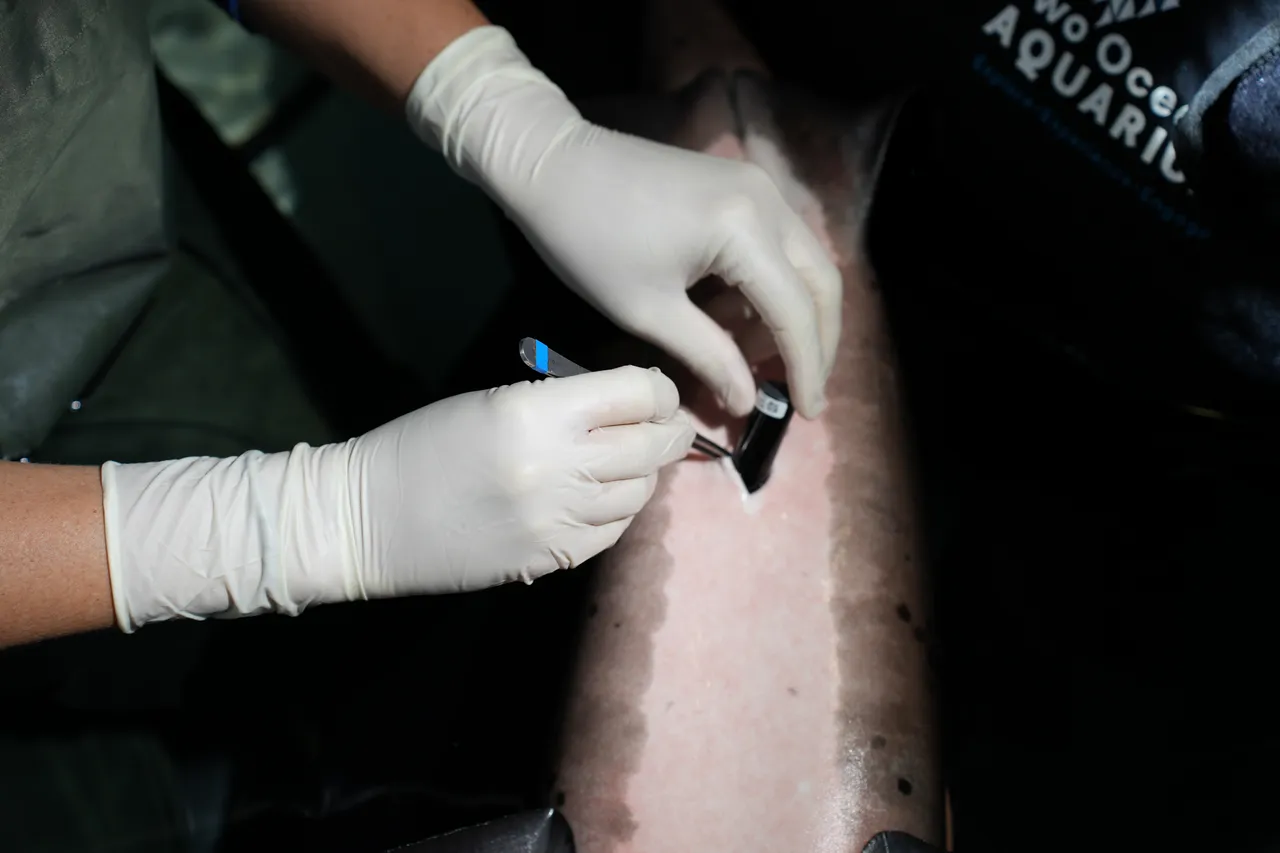
Thanks to the acoustic tags, our journey with the gully sharks did not end once they returned to the ocean. Acoustic tags have a remarkable 10-year battery life, allowing us to identify and track the sharks’ movements long after their release. This forms a part of a nationwide effort to understand and protect vulnerable marine species like spotted gully sharks.
Central to these tagging efforts is the Aquarium’s collaboration with the Acoustic Tracking Array Platform (ATAP). This growing network of receivers along South Africa’s coastline is managed by the South African Institute for Aquatic Biodiversity (SAIAB), an internationally renowned centre for the study of aquatic biodiversity, and a National Facility of the National Research Foundation.
ATAP manages an impressive network of acoustic receivers all along South Africa’s coastline that are perfectly situated to pick up the movements of coastal species like spotted gully sharks. As the sharks move about the coast, their tags emit a high-frequency noise (69 kHz) that is picked up by the acoustic receivers anchored to the seafloor. The receivers record the sound signals with the date, time, and unique ID code of the tag that passes by. This data is habitually retrieved by SAIAB field teams and shared as a report with our team at the Aquarium, providing unique insight into the movements of the tagged species.

What did our research reveal?
While we wait for the data from the October release, our team reflects on the paths of their predecessors.
ATAP has previously provided the Aquarium with comprehensive reports on seven of our tagged and released spotted gully sharks, four of which returned to the ocean in August 2024 and three in February 2026. So far, all the gully sharks have been released at Mgwalana in the Eastern Cape, not only because that’s where they were originally caught but also because the area is known for its abundance of the species.
Some fascinating findings have emerged from the two batches of shark releases. To date, four tagged gully sharks have been recorded 357 times, with detections per individual ranging from 33 to 199. The detections cover 22 receiver stations across an impressive 650km stretch of coastline, from the Port of Ngqura in Algoa Bay to Aliwal Shoal along the southern KwaZulu-Natal coastline.
It is still early days in the context of the long lifespan of acoustic tags, and several receiver stations’ data needs to be consolidated, but the initial findings paint an insightful picture of the movements and behaviours of spotted gully sharks in South Africa.
“It is an exciting prospect that our gully sharks have a whole decade of tracking potential ahead of them,” says Spiby. “The data they contribute will help us better understand the success of our tagging and release programmes, as well as provide invaluable insight into how they adapt back into the wild”.
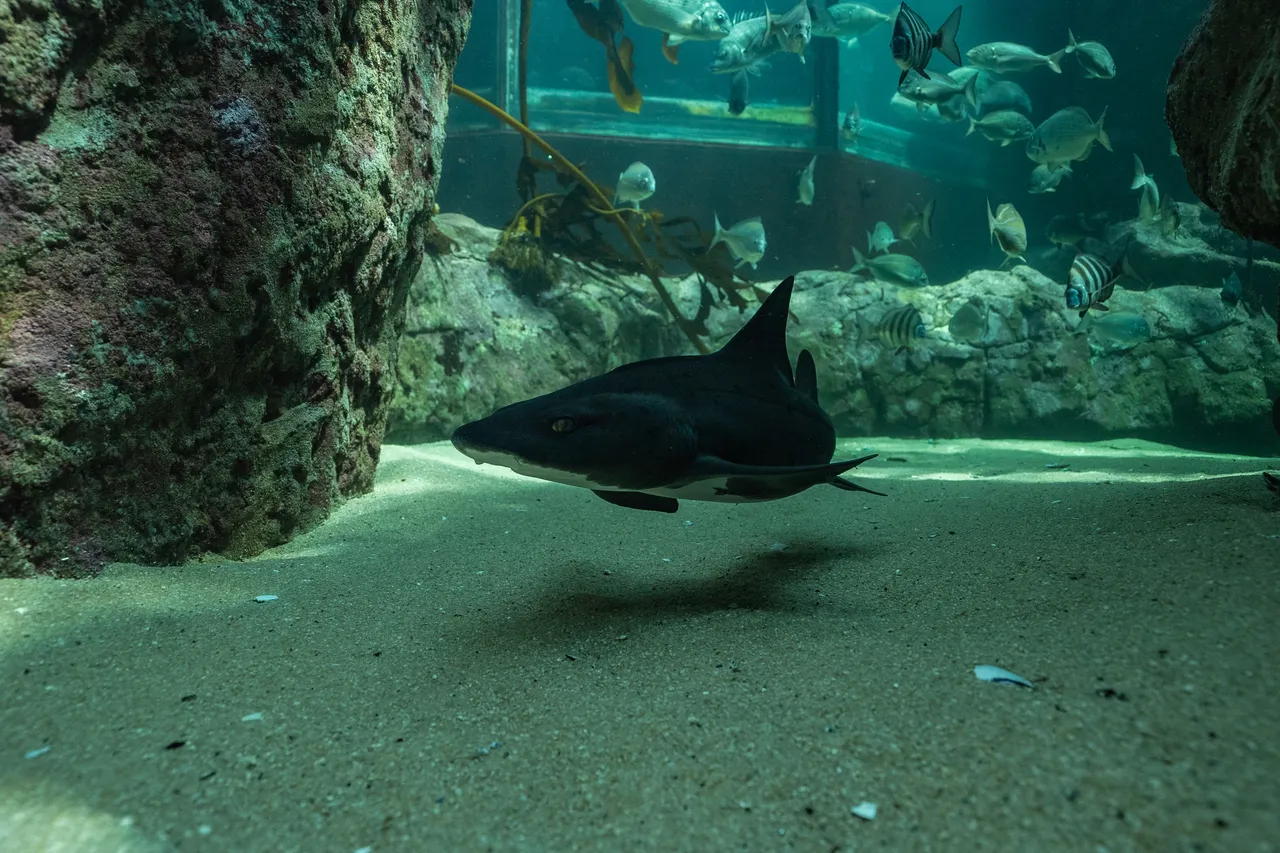
While tracking these sharks provides valuable insights into their movements after release, it can also reveal the challenges they face in the wild, from human-induced to natural threats.
One particularly interesting case involved the largest female from the August 2024 release. Just over a month after her release, she was detected off the Port Alfred coastline by acoustic receivers managed by Rhodes University’s Southern African Fisheries and Ecology Research Lab. She remained in the area for 11 days before disappearing from the broader ATAP network for 218 days.
Her tag was eventually detected again near Port St Johns, almost 400km further along the coast, with recorded movements averaging 9.2km per day. Given the extended period without detections and the speed of these movements, researchers suspect that the shark may have been preyed upon by a larger shark species, which subsequently carried the tag.
Although this is not the outcome we would have hoped for, it highlights the importance of long-term monitoring. Every detection contributes to our understanding of the lives of these sharks after release, including the natural threats they may encounter as they reintegrate into the wild.
Why is tracking gully sharks important?
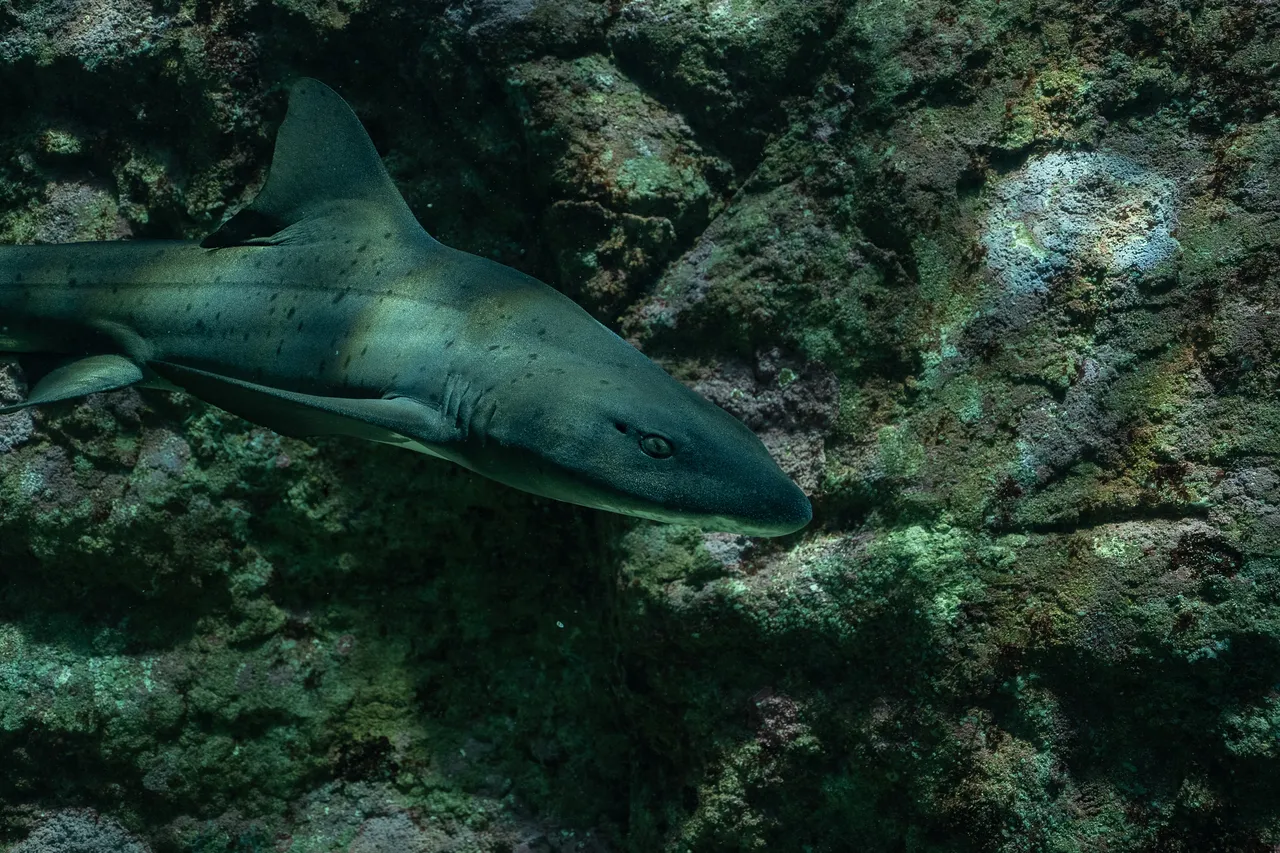
Despite being relatively common in coastal waters, spotted gully sharks are vulnerable to multiple human threats. They only reach sexual maturity at 15 years old, produce relatively few young, and spend much of their lives close to shore. This makes them particularly susceptible to being caught by recreational anglers and commercial fisheries. They are also occasionally caught as bycatch in beach seine, longline, and trawl fisheries.
Like many other sharks and rays, spotted gully sharks remain relatively understudied. Tracking their movements can help researchers better understand how they use different habitats, identify important nursery and feeding grounds, and establish where their movements overlap with human activities.
Spotted gully sharks play an important role in maintaining the balance of coastal ecosystems. As they grow, their diets shift from crustaceans like crabs to a wider variety of prey, including fish, octopuses, squid, and other molluscs. By regulating populations of bottom-dwelling animals, they contribute to healthy marine ecosystems. Research has also shown that many spotted gully sharks remain within or regularly return to specific coastal areas, highlighting the importance of protecting these habitats.
Understanding their movements and ecological roles is essential for developing effective conservation strategies, from improving fisheries management to strengthening the protection of critical habitats within and beyond Marine Protected Areas (MPAs).
Tracking the movements of Aquarium-released sharks also provides an opportunity to understand how successfully they adapt to life in the wild after spending time in human care. By comparing their movements with those of wild spotted gully sharks, we can assess whether their time at the Aquarium has affected their natural behaviours and ability to thrive in the ocean. Thus far, released sharks have demonstrated similar behaviours and survival rates to their wild counterparts. This reinforces their value as an ambassador species, showing that they can inspire visitors to care about shark conservation without compromising their long-term prospects in the wild.
For the Two Oceans Aquarium, these releases represent more than a return to the ocean. They offer an opportunity to better understand the lives of spotted gully sharks, assess their successful reintegration into the wild, and contribute to the long-term conservation of the species. As these young sharks approach maturity, we hope they will go on to contribute to future generations, while their journeys continue to reveal valuable insights into the underwater world we are working to protect.
Related News

Sign up to our Newsletter
Receive monthly news, online courses and conservation programmes.