Tracking our turtles: Kai is going back to his wild roots
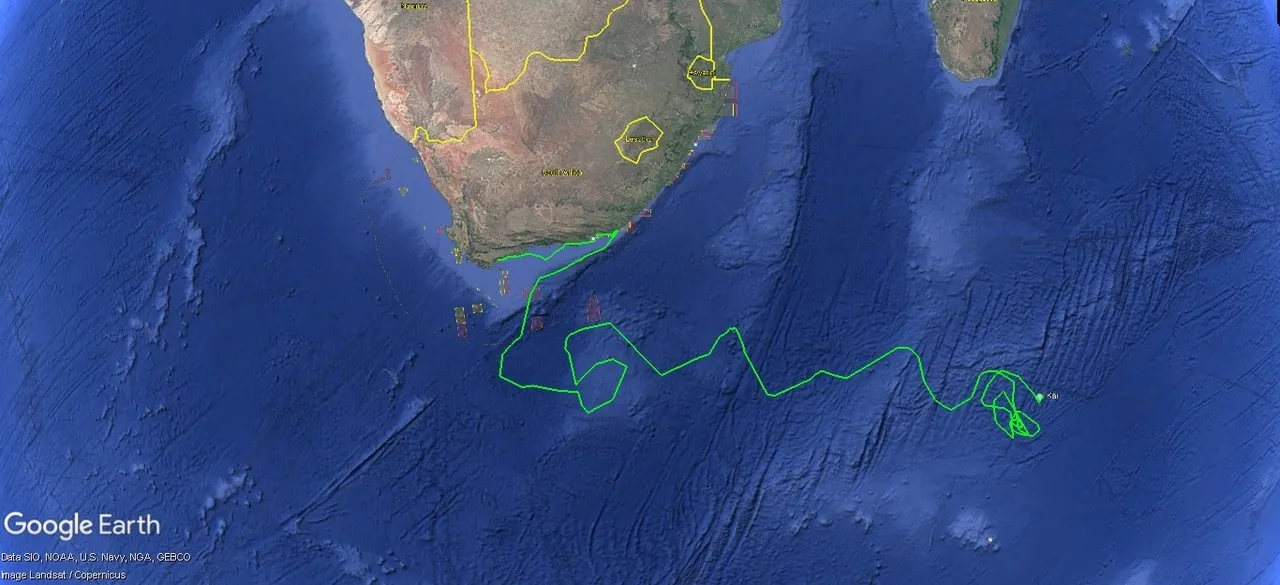
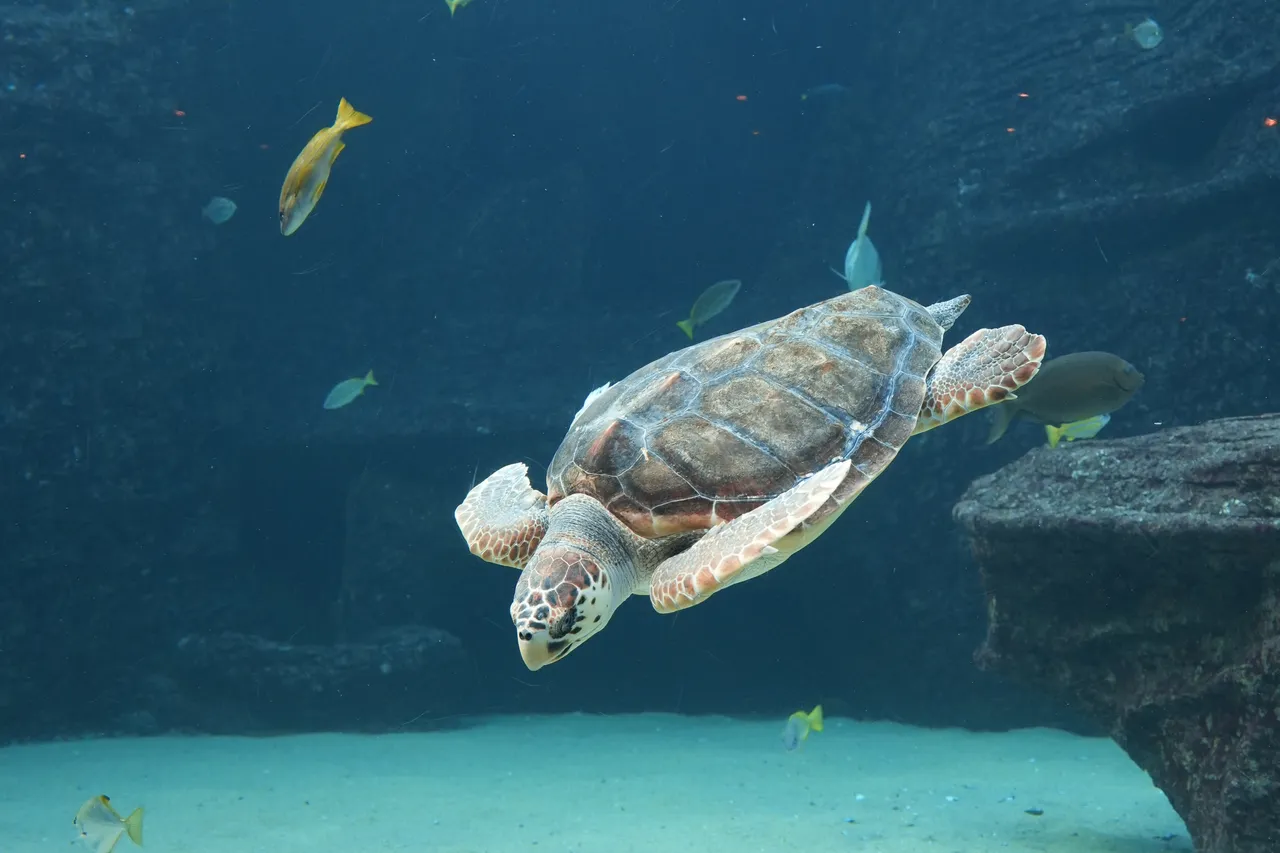
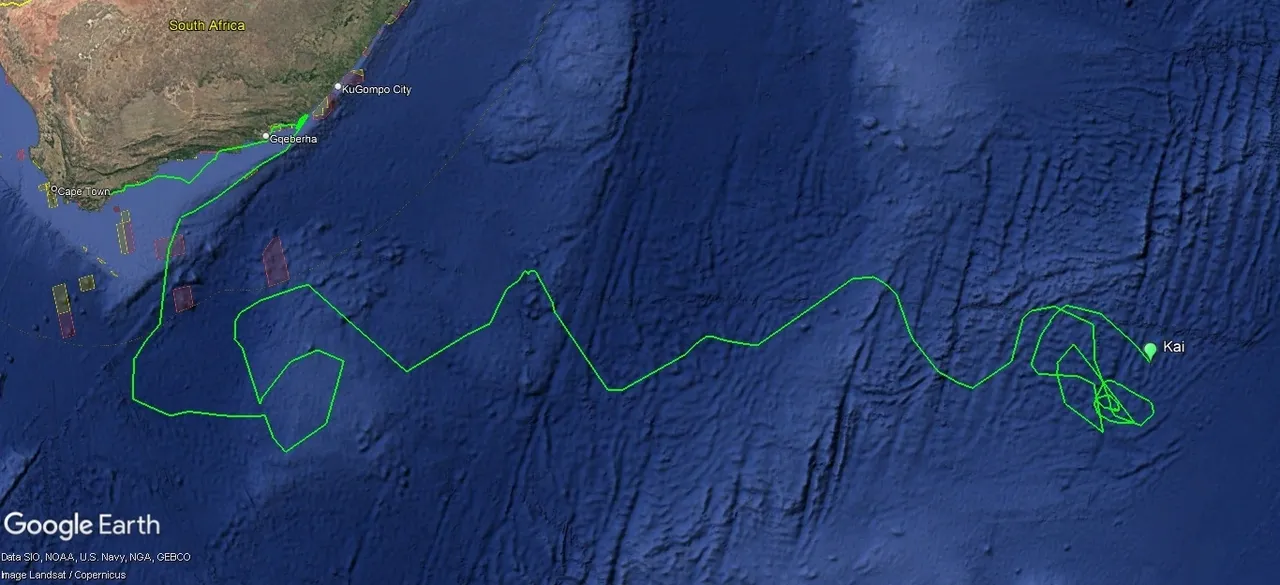
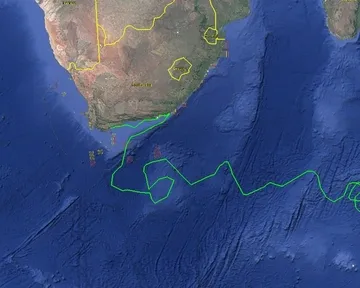
Our Turtle Conservation Centre released Kai, a rehabilitated loggerhead turtle, back into the ocean in May 2026. In the last 182 days, Kai has travelled 8 815km – an impressive distance for a turtle who spent nearly six years in rehabilitation!
Thanks to his satellite tag, we've been able to follow Kai’s movements across thousands of kilometres of open ocean, gaining fascinating insights into how rehabilitated turtles adapt to life back in the wild.
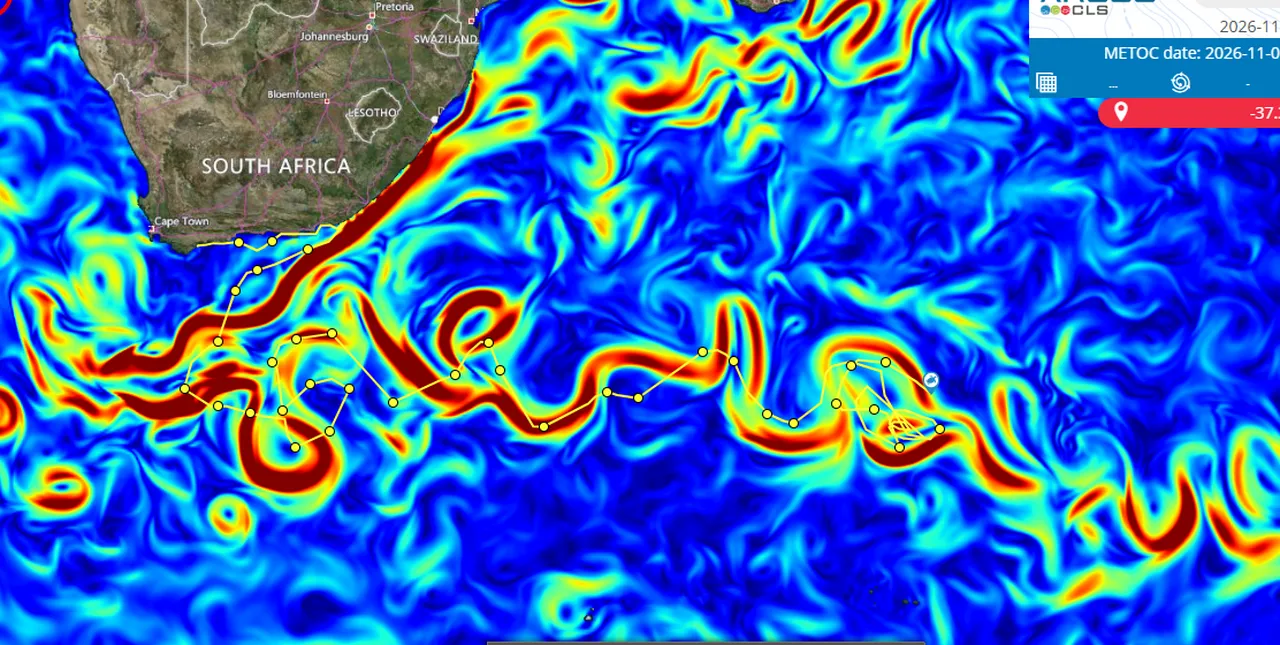
Kai has been averaging a speedy 48.4km per day, largely because he is making full use of the fast-flowing Agulhas Current. The powerful, warm Agulhas Current travels down South Africa’s east coast before turning back on itself south of the country, carrying warm water eastwards into the southern Indian Ocean. This part of the current is called the Agulhas Return Current, and Kai is travelling right along with it!
At the moment, the Agulhas Return Current has taken Kai to a remote stretch of the southwestern Indian Ocean, far southeast of South Africa and south of Madagascar, where the open ocean is characterised by dynamic, swirling eddies of moderate temperatures. He could potentially be encountering areas where currents concentrate food.
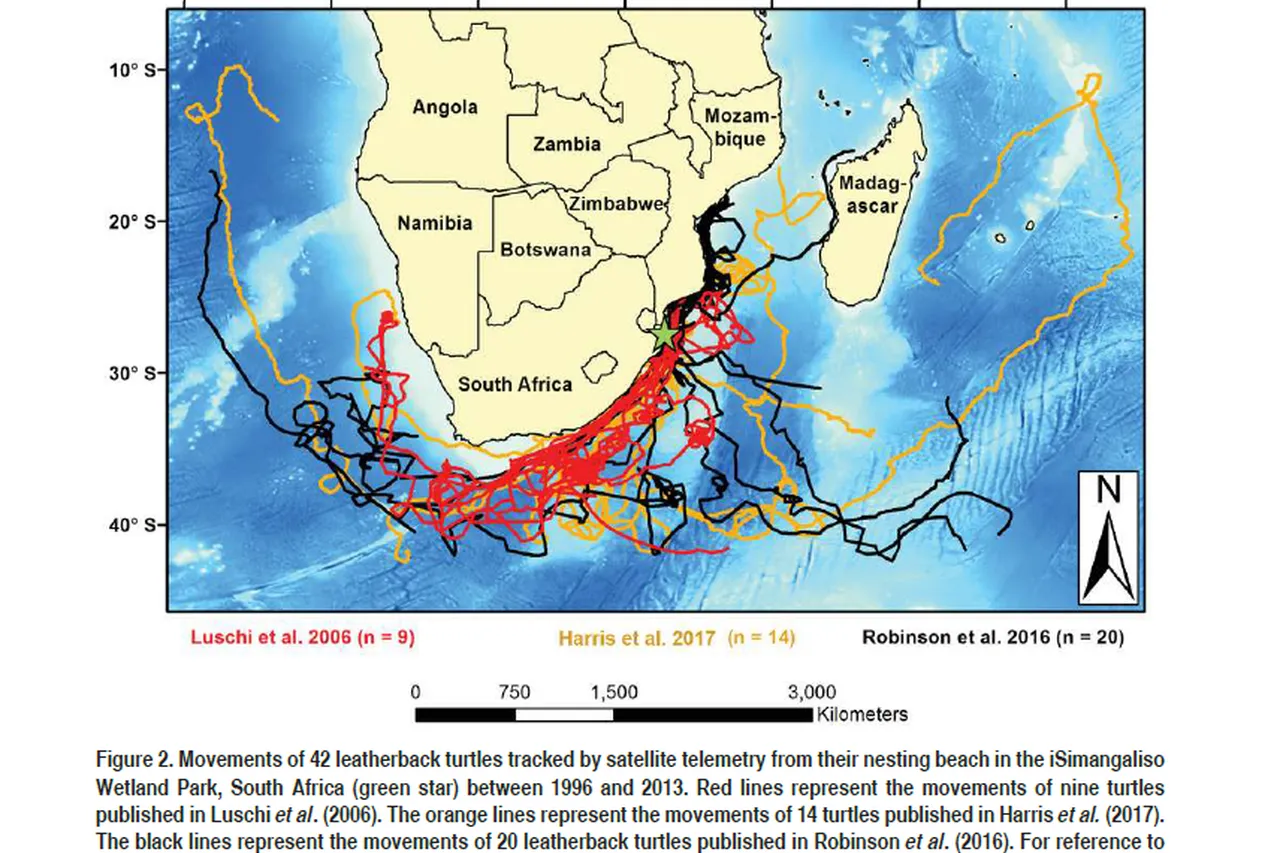
Kai is not the first turtle to follow the Agulhas Current so precisely. Some of South Africa’s earliest turtle tracking research focused on the post-nesting movements of female leatherback turtles – they, too, made clear use of the Agulhas Current. In the graph on the right, you can see the movements of 42 satellite-tagged leatherback turtles from their nesting beach in iSimangaliso Wetland Park between 1996 and 2013. Many of the tracks clearly follow the same path as Kai, directly along the Agulhas Current.
Later studies exploring the movements of loggerhead and leatherback hatchlings have revealed similar patterns, with young turtles also making use of the Agulhas retroflection (the area where the current turns back on itself) as they disperse into the open ocean.
Interestingly, in both the adult leatherbacks and the hatchlings, the turtles are not simply drifting passively. They are actively swimming and navigating while also making use of the powerful ocean currents. And the same appears to be true for Kai!
What makes this particularly exciting for the team at the Turtle Conservation Centre is how closely Kai’s movements resemble those of wild turtles. Despite spending six years in our rehabilitation facility battling extensive lung and buoyancy issues, he is now swimming free in the ocean, navigating and making use of ocean currents just like the turtles that have never needed our help.
Something similarly extraordinary happened with Yoshi, a female loggerhead turtle who spent 20 years at the Two Oceans Aquarium before being released. Her incredible journey across the Indian Ocean to Australia showed us just how capable a turtle can remain even after decades in human care. A turtle’s wild instincts are inherent and, judging by many of their post-rehabilitation movements, appear to kick in the instant they are returned to the ocean!
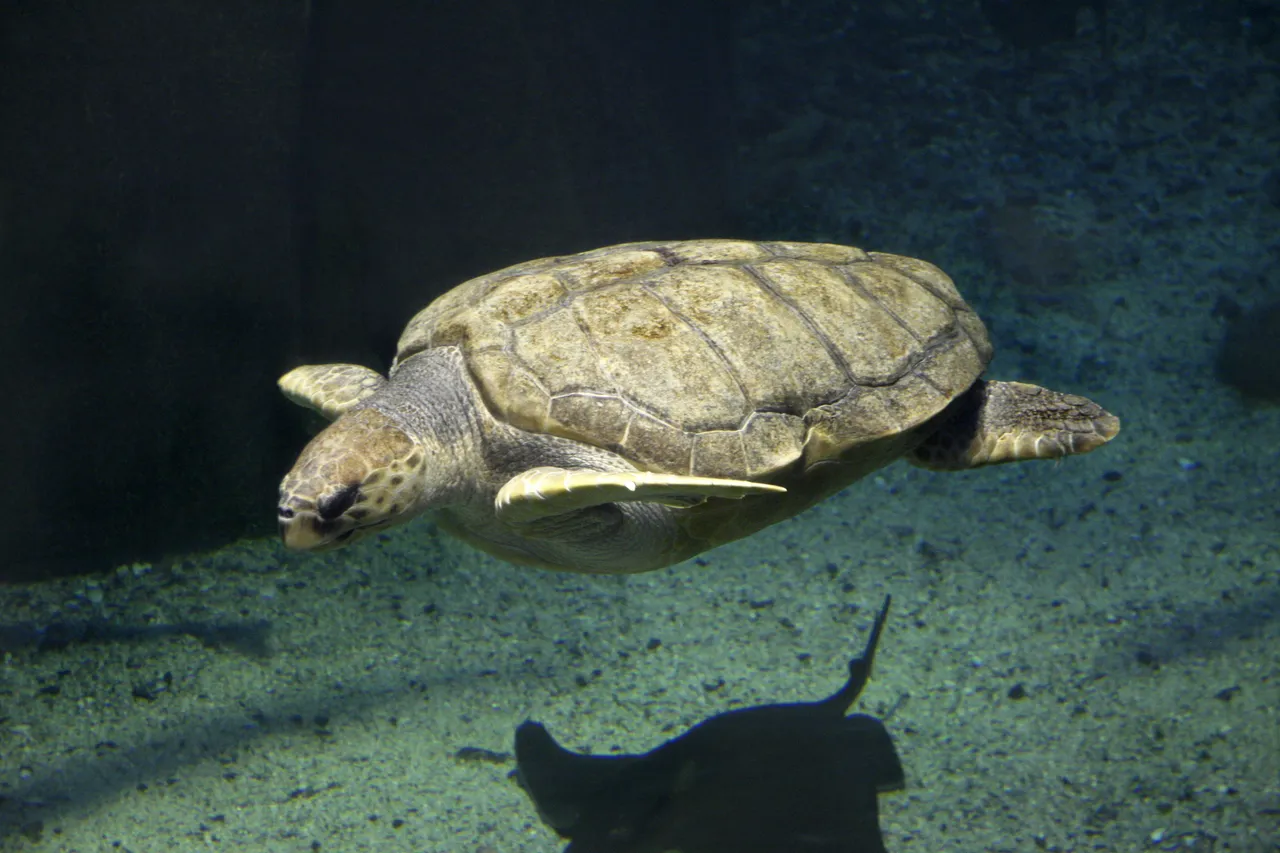
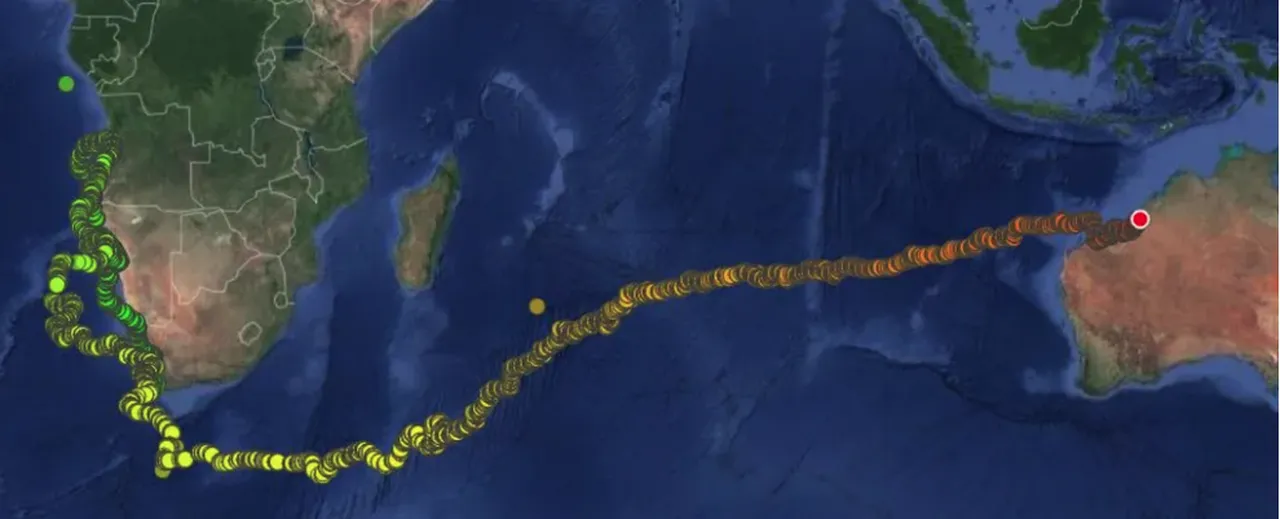
Yoshi's remarkable journey to Australia.
These journeys are a reminder of turtles’ remarkable abilities. While tracking alone cannot tell us everything about their long-term survival, seeing rehabilitated turtles behaving so similarly to their wild counterparts is incredibly encouraging.
For our team, this is fuel to keep doing what we do: Supporting each turtle at the Turtle Conservation Centre through recovery, helping them rebuild their strength, fitness, and natural behaviours, and giving them the best possible chance of thriving when they finally return home to the ocean.
Thank you, Kai, for reminding us just how remarkable turtles are! We can’t wait to see where you travel next.
Related News
Sign up to our Newsletter
Receive monthly news, online courses and conservation programmes.