National Sea Turtle Workshop 2026: A collaborative future for South Africa’s turtles
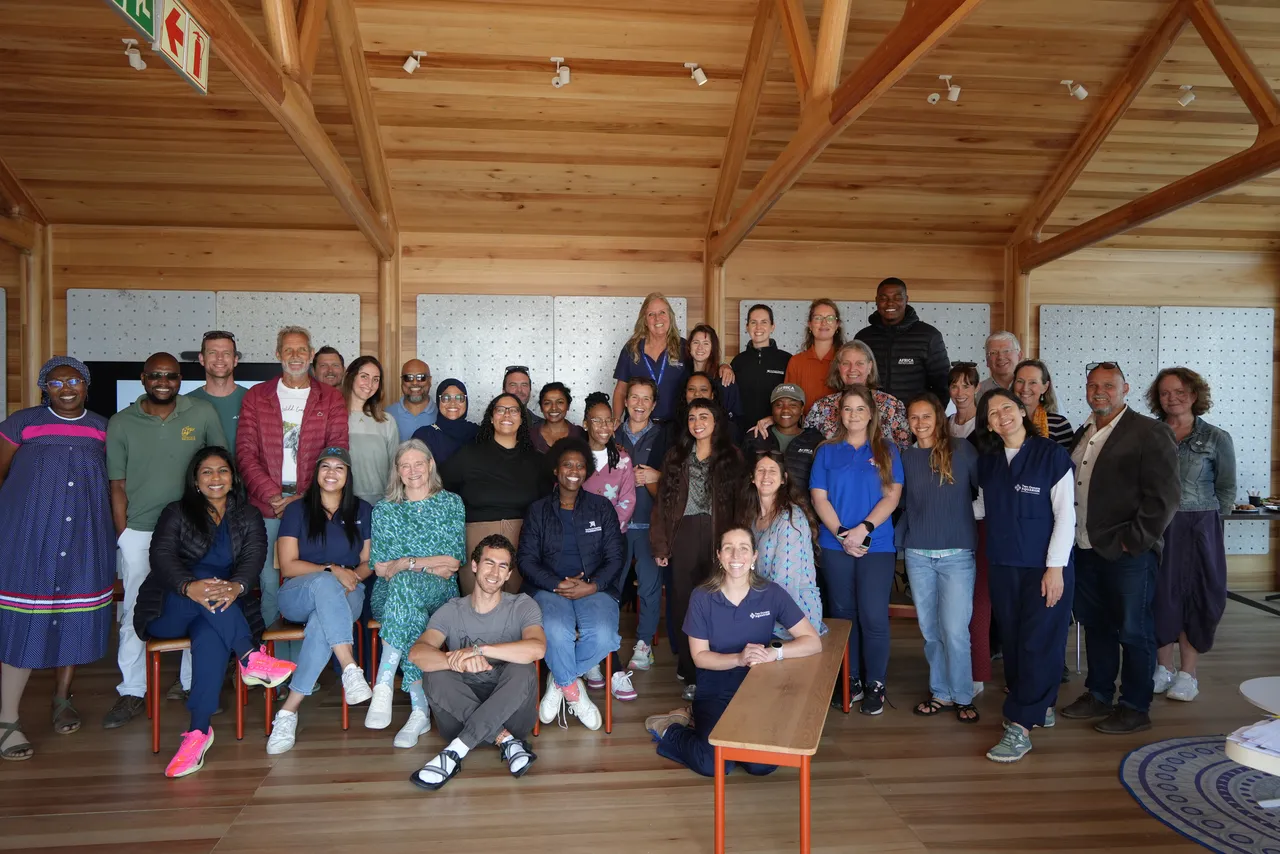
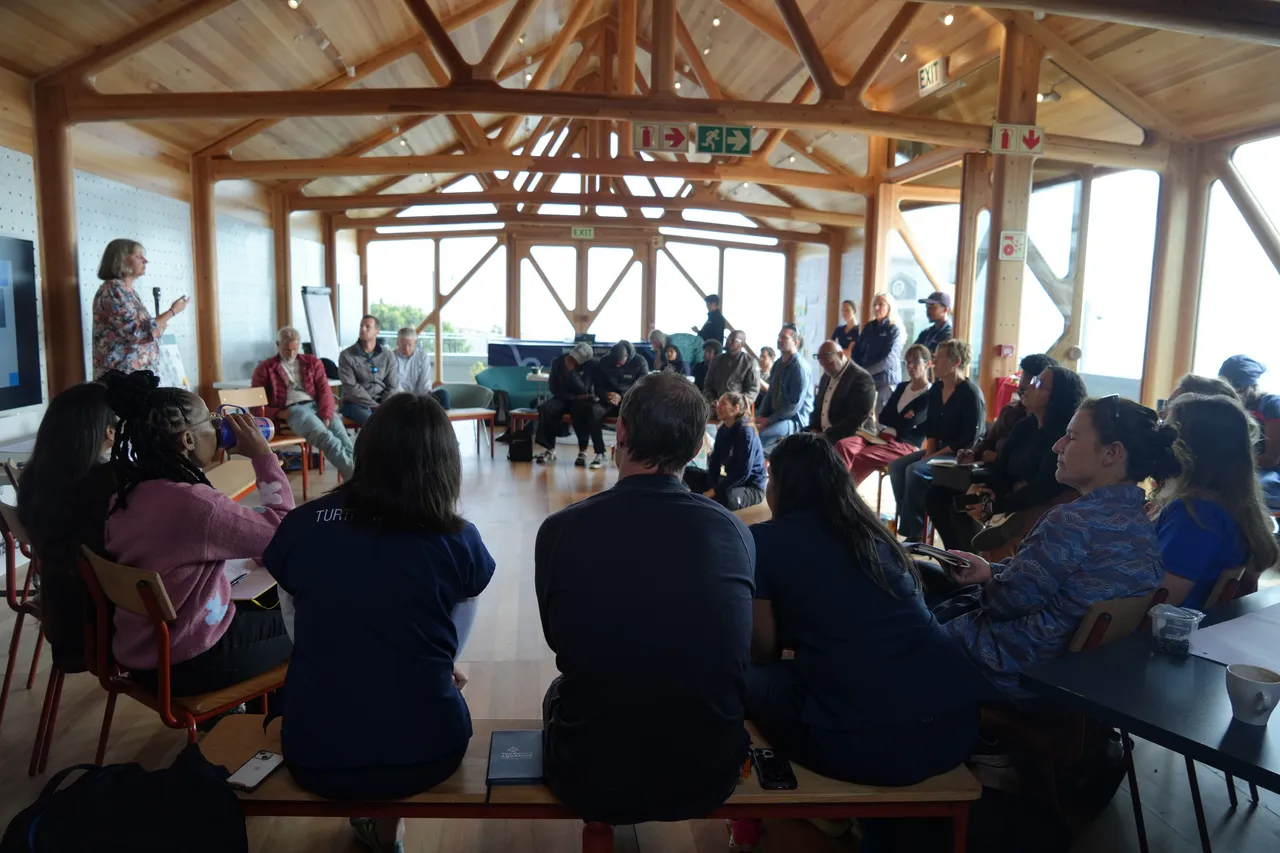
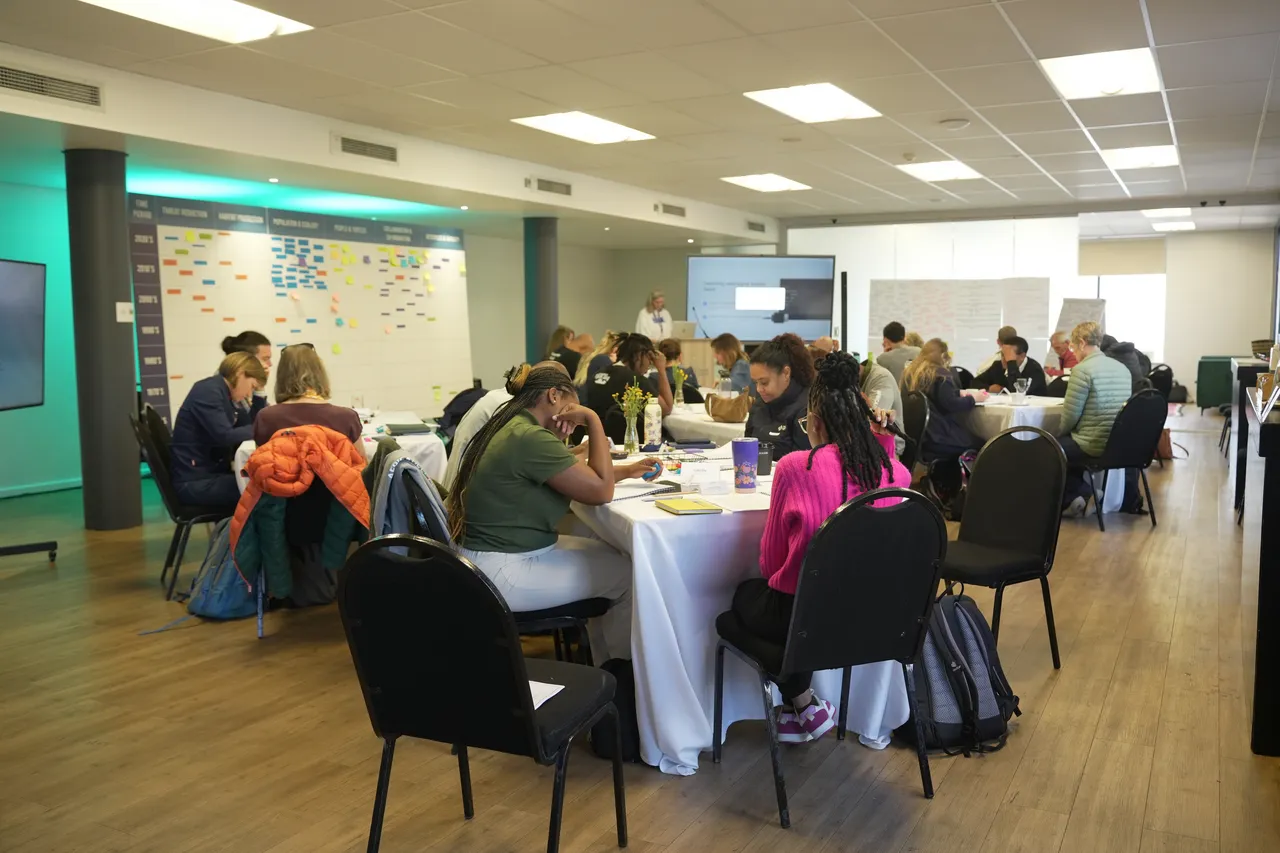
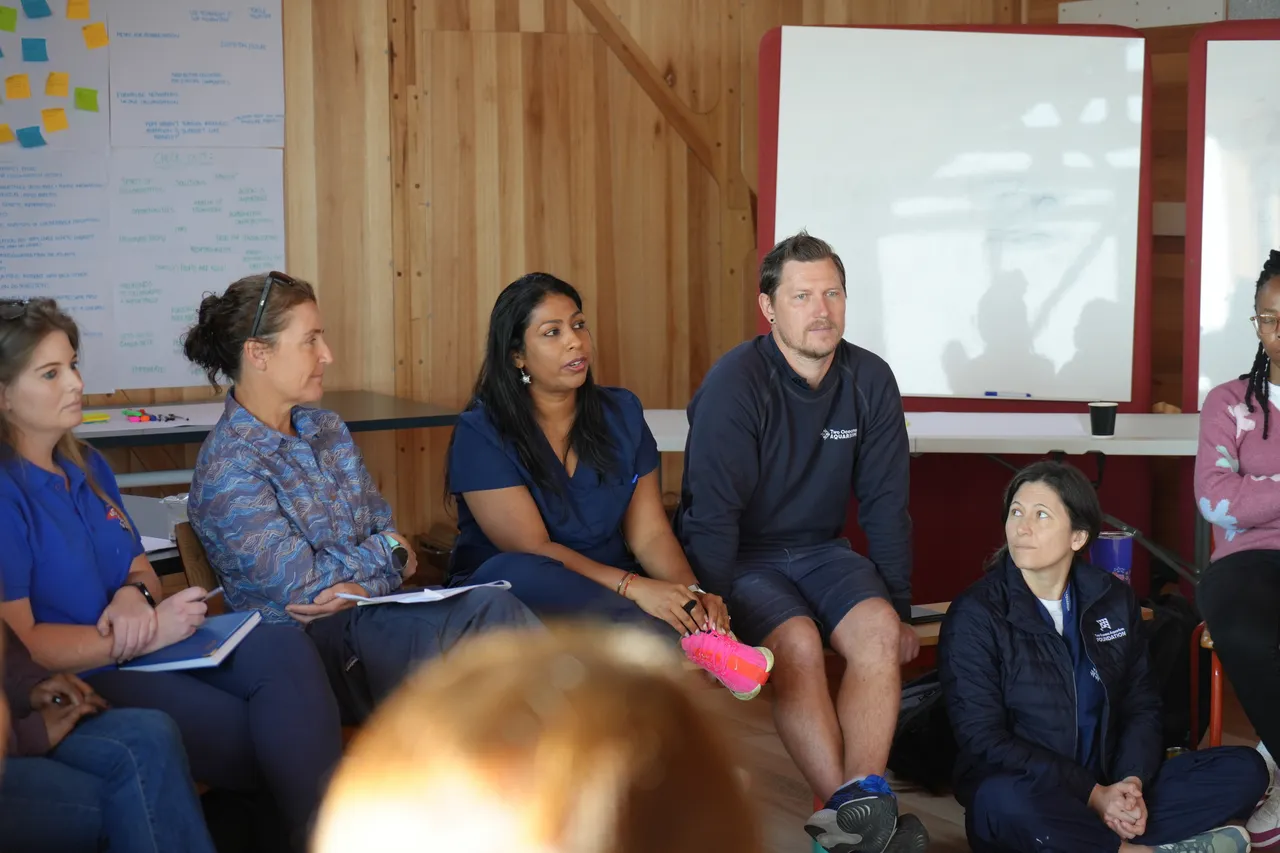
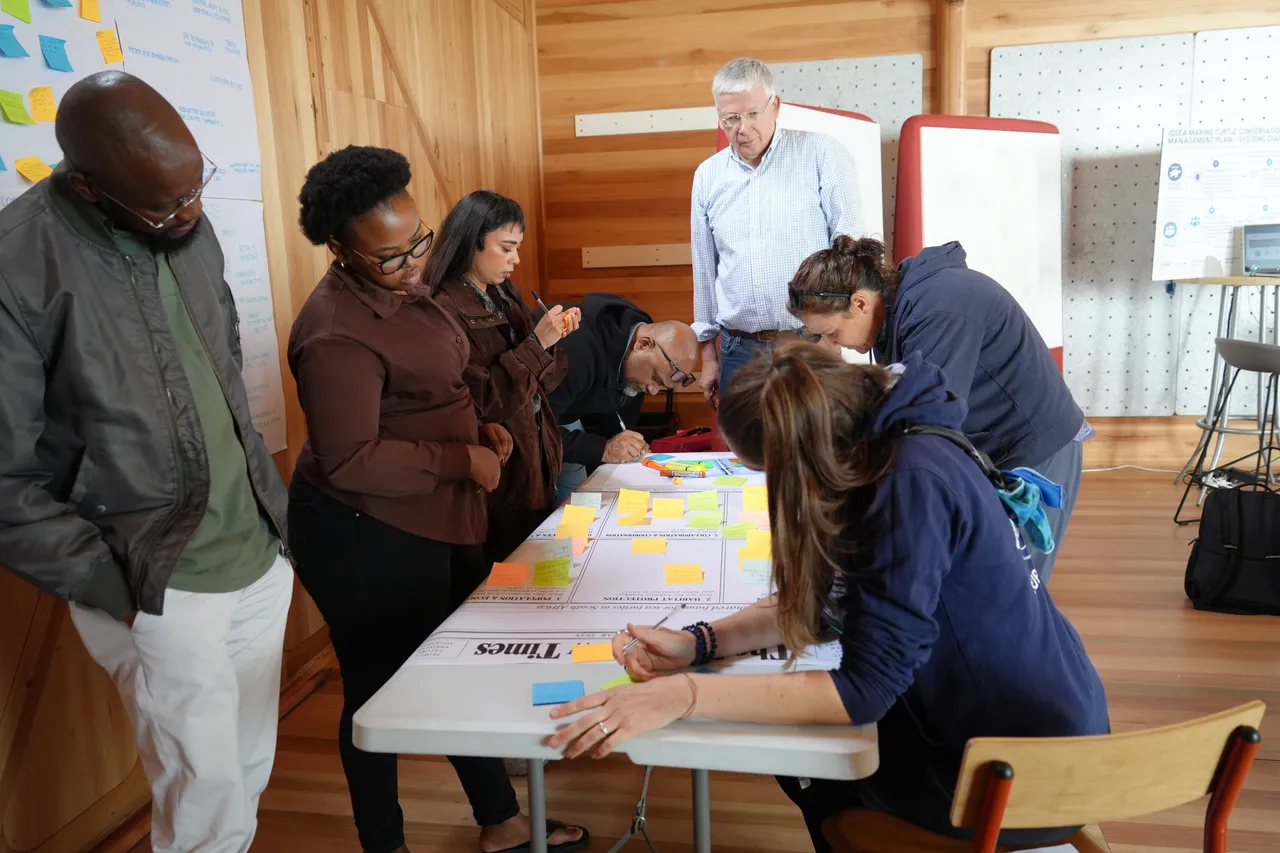
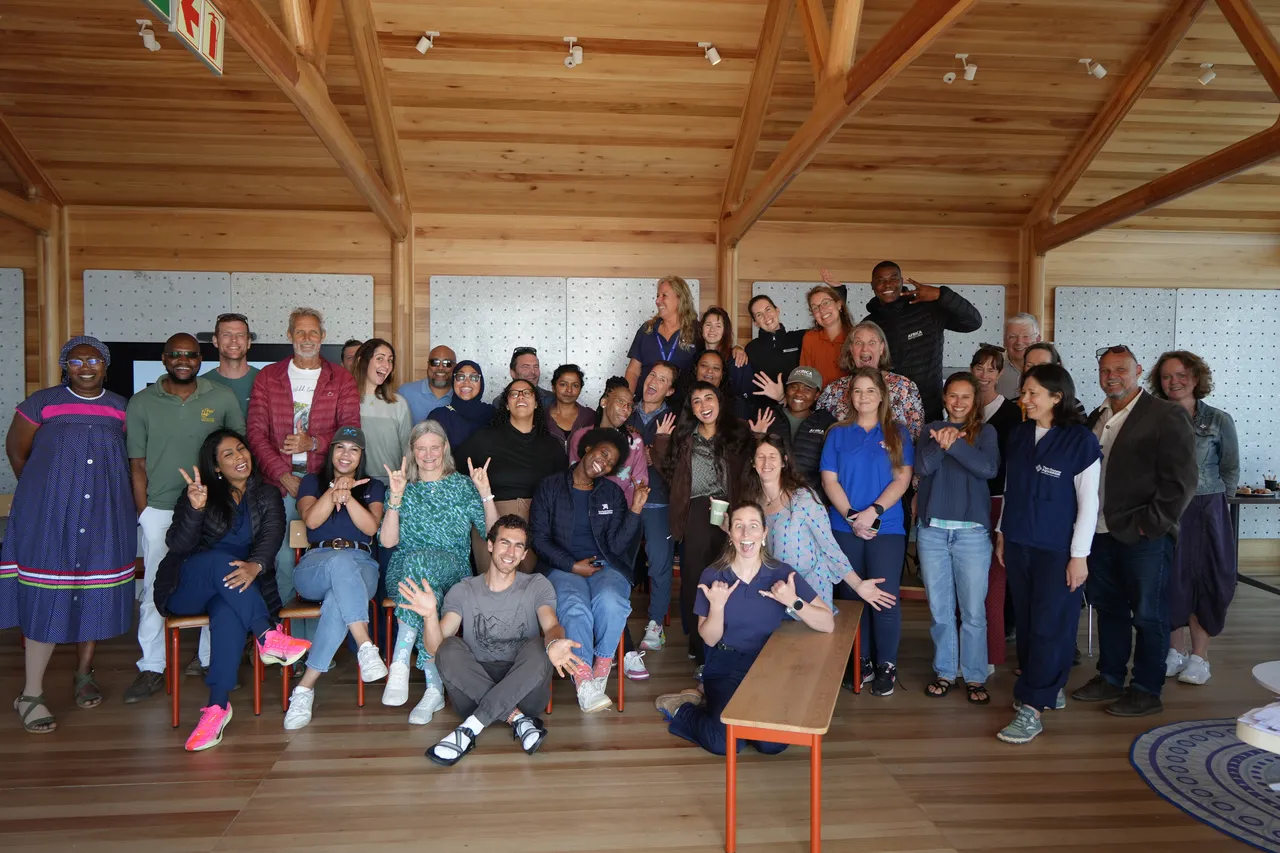
From 7 to 9 September 2026, the Two Oceans Aquarium Foundation’s Turtle Conservation Centre hosted the National Sea Turtle Workshop, bringing together 45 participants from 16 organisations to strengthen South Africa’s collective approach to turtle conservation.
Over three days, participants reflected on South Africa's conservation progress, identified gaps in knowledge and resources, and worked towards a shared vision and priorities for the future.
Bringing South Africa's turtle conservation community together
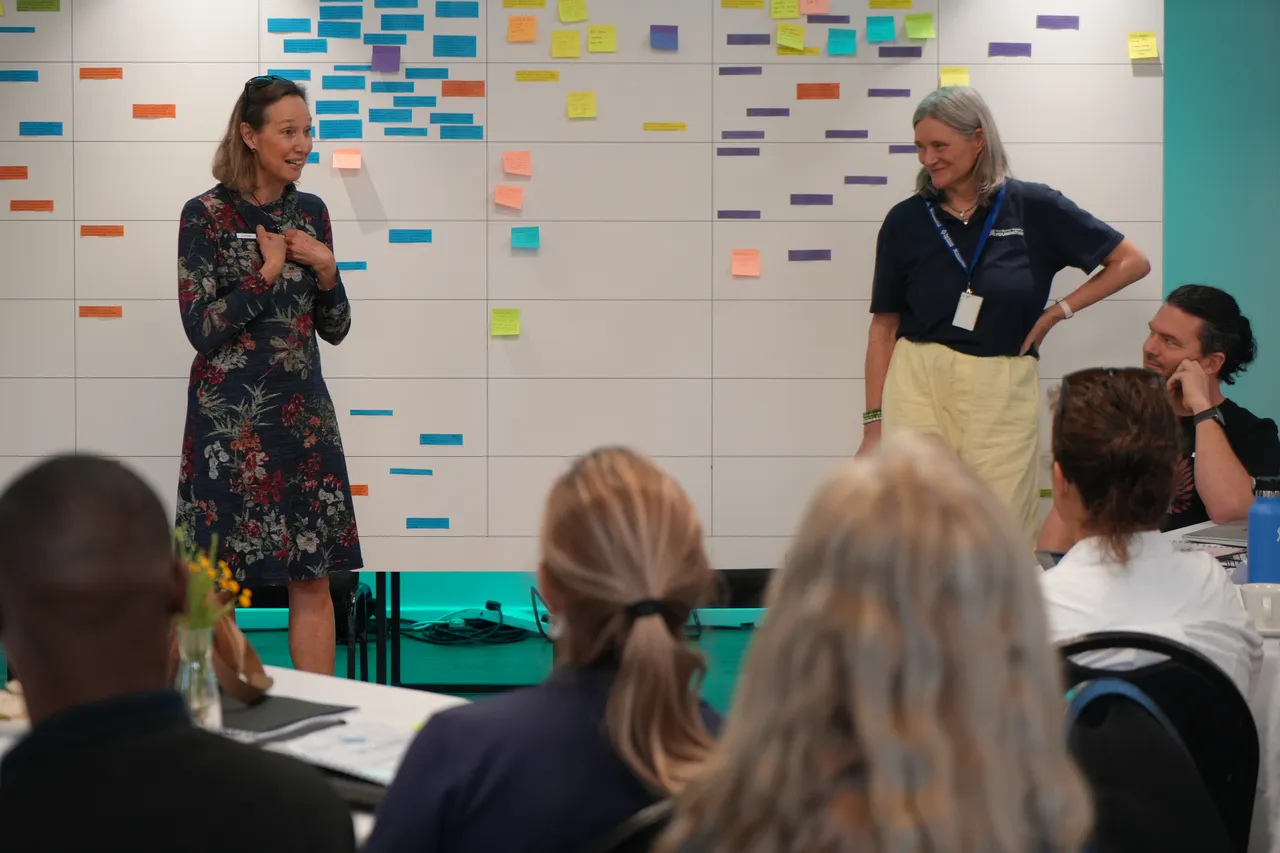
The workshop was spearheaded by the Turtle Conservation Centre as a member of South Africa’s National Sea Turtle Working Group (NSTWG) and co-facilitated by Professor Ronel Nel, who currently serves as President of the International Sea Turtle Society (ISTS).
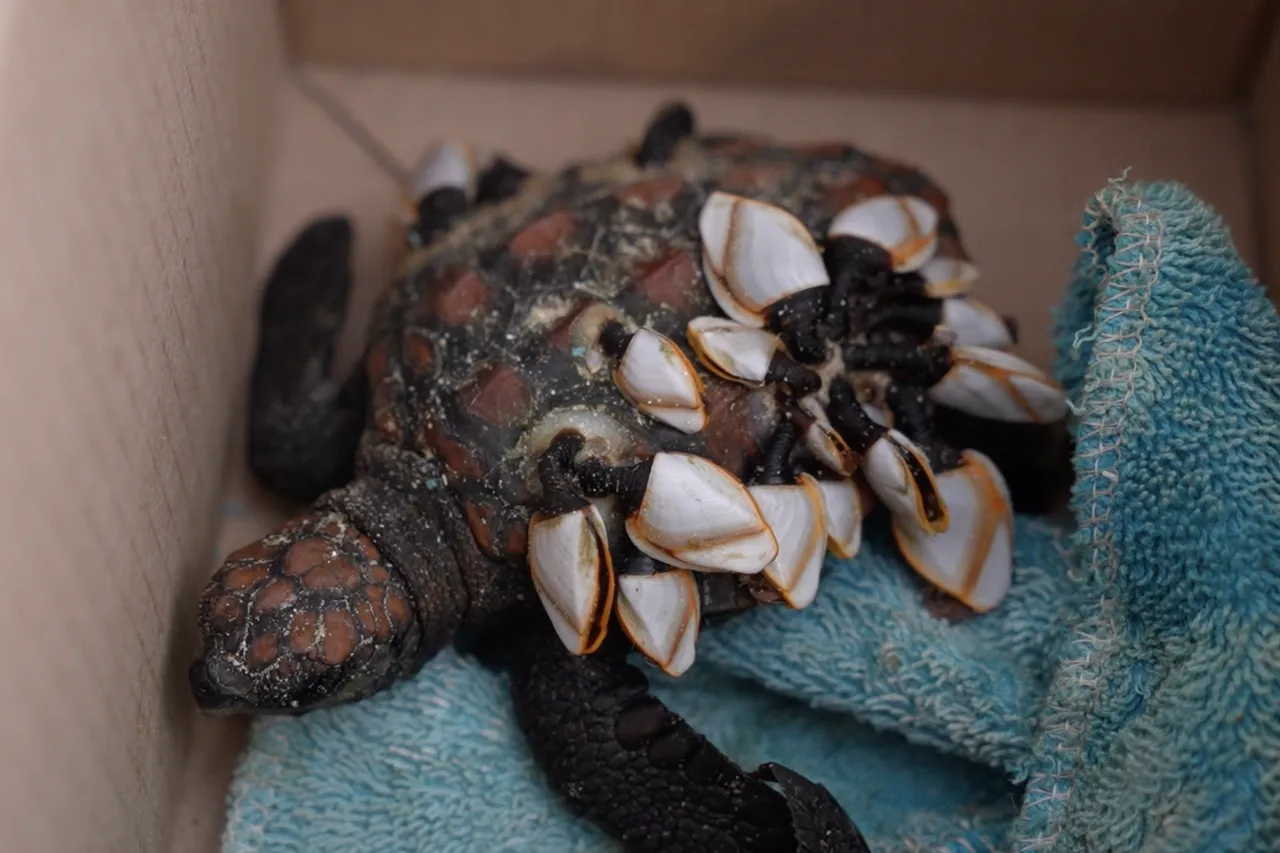
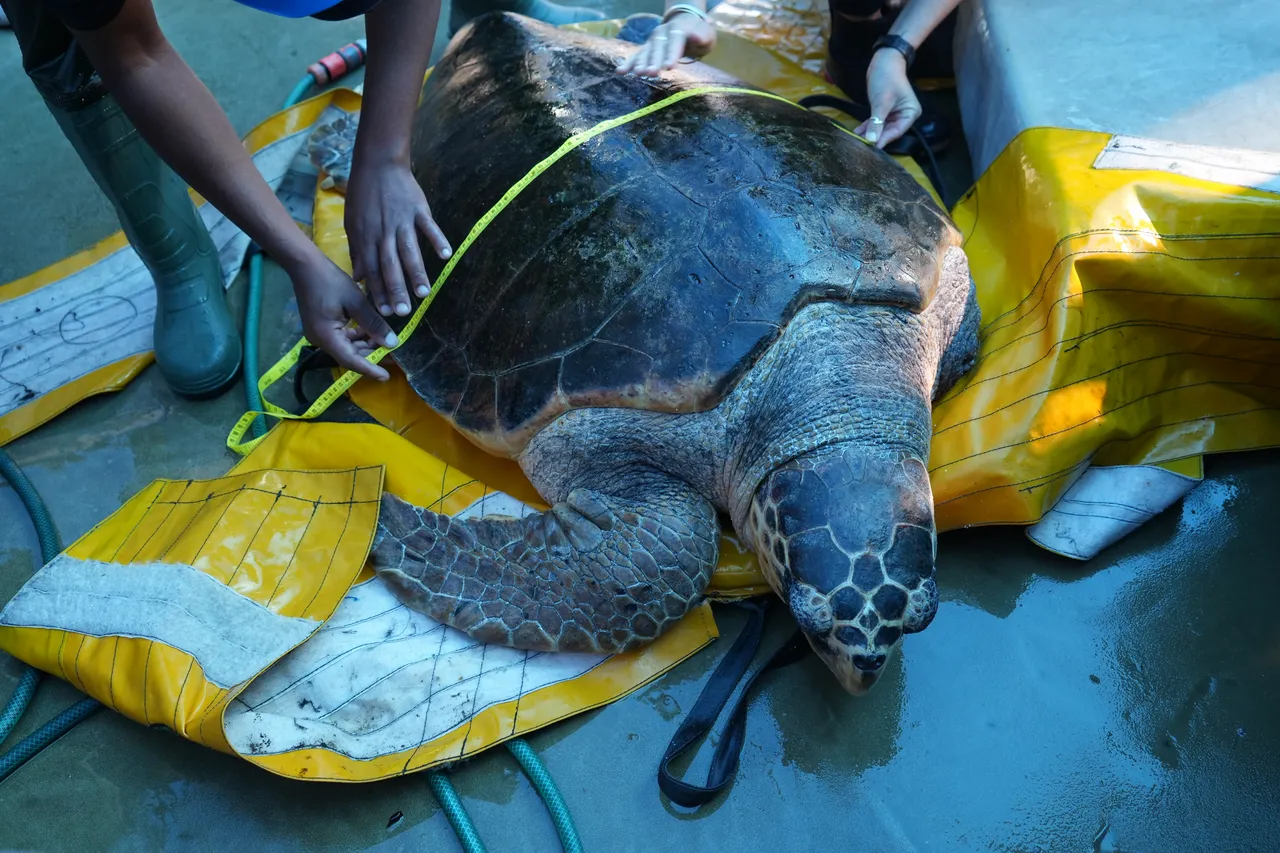
Established in 2024, the NSTWG connects South Africa’s three primary turtle rehabilitation facilities – our Turtle Conservation Centre, Bayworld Oceanarium, and the South African Association for Marine Biological Research (SAAMBR) – with researchers, wildlife managers, monitoring teams, and government authorities.
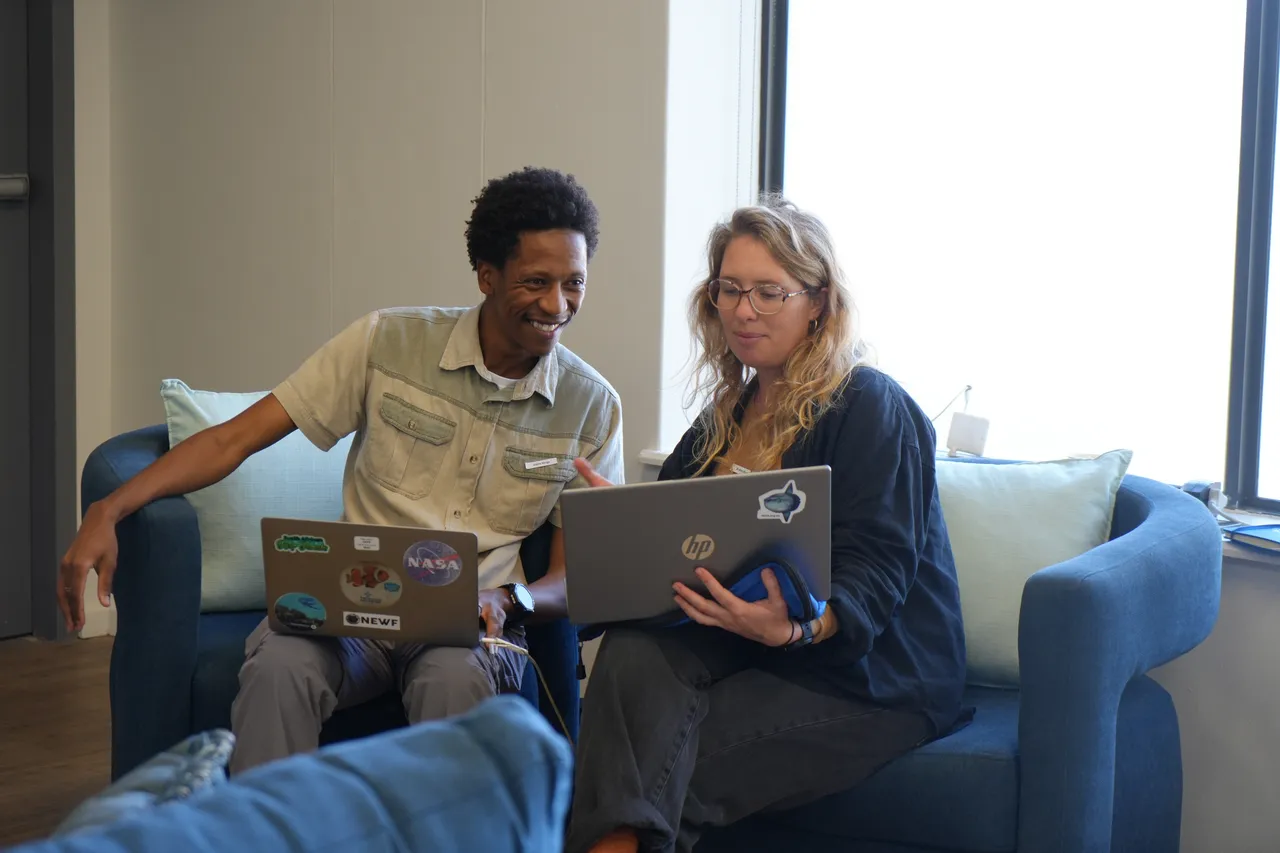
Representatives from the Department of Forestry, Fisheries, and the Environment (DFFE), Ezemvelo KZN Wildlife, SANBI, CapeNature, and CapMarine joined academic partners and students, NGOs and NPOs, citizen scientists, and storytellers from Nature and Environment Wildlife Filmmakers (NEWF) at the Two Oceans Aquarium.
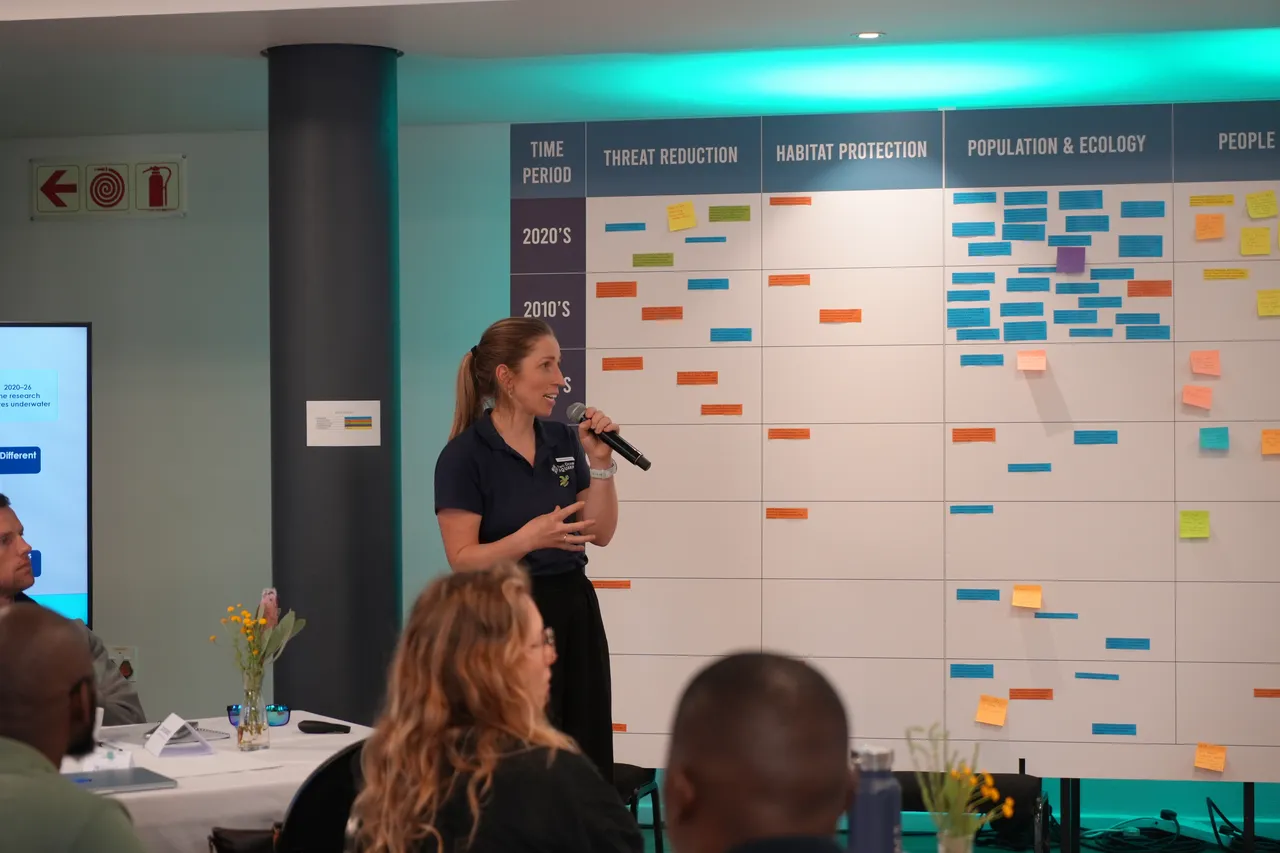
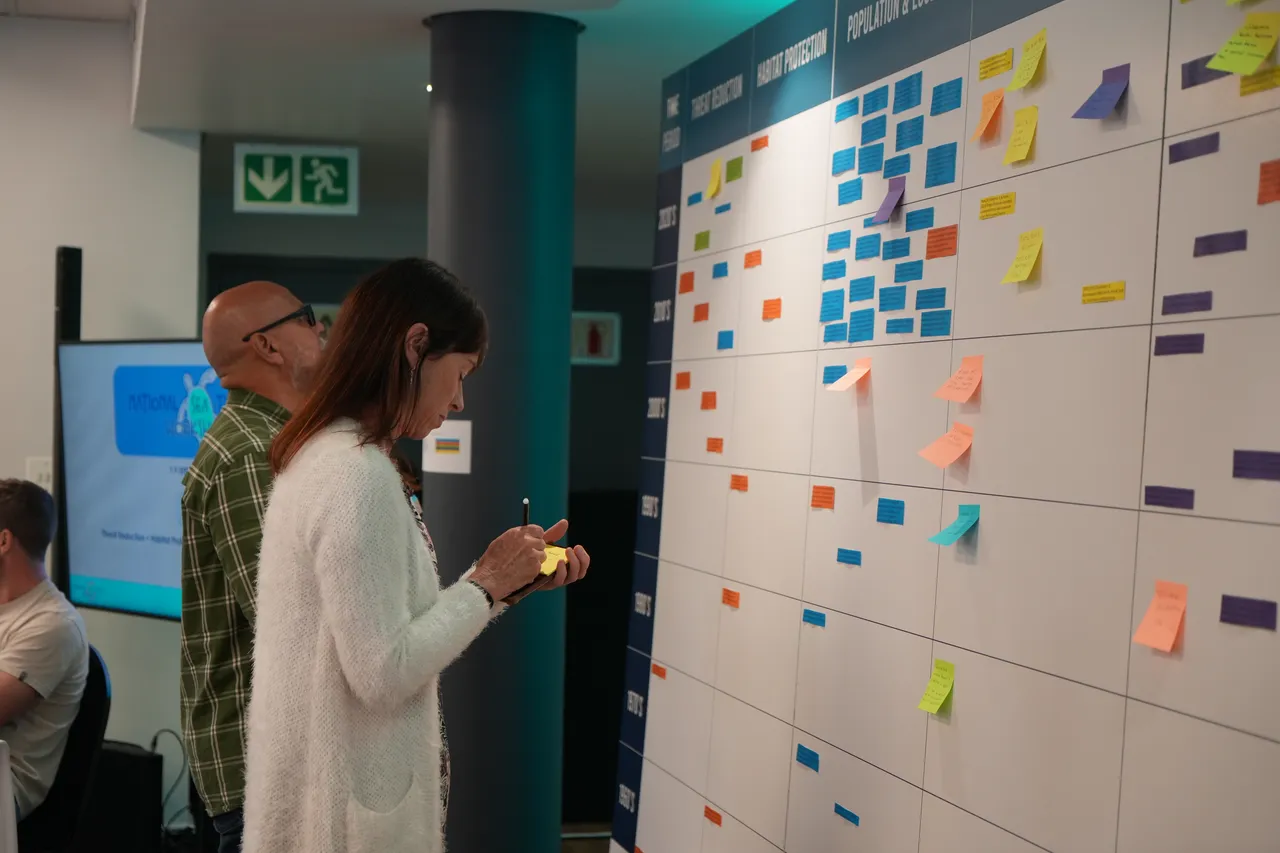
Discussions were guided by the six core principles of the Indian Ocean – South-East Asian (IOSEA) Marine Turtle Conservation and Management Plan: threat reduction, habitat protection, population research and ecology, the relationship between people and turtles, collaboration and coordination, and resources and capacity.
Reflecting on South Africa's turtle conservation successes
The workshop provided an opportunity to reflect on South Africa's considerable achievements in turtle conservation.
Our country is home to one of the world’s longest-running turtle monitoring projects, headed by Ezemvelo KZN Wildlife since 1963. Their continuous protection and monitoring efforts of leatherback and loggerhead turtles have substantially reduced direct threats on nesting beaches and contributed significantly to the recovery of South Africa's loggerhead turtle population.
Six decades of monitoring have also provided invaluable scientific knowledge about loggerhead and leatherback populations, from their reproductive ecology and population trends to more recent studies using satellite tracking, genetics, and dispersal modelling.
Another significant development highlighted during the workshop is the growing recognition of South Africa’s importance to turtle species that do not nest on our beaches but regularly visit our waters. Surveys conducted along the east coast between 2020 and 2022 recorded over 1 000 sightings, demonstrating the repeated use of protected reef habitats. Of these, most were juvenile and subadult green and hawksbill turtles, indicating that South African waters provide important developmental habitats for these species.
Not only does South Africa play an important role in protecting our nesting loggerhead and leatherback turtles, but it also supports the survival of turtle populations from other countries and territories.
Beyond scientific research and habitat protection, South Africa's strong conservation partnerships, community monitoring programmes, volunteer rescue networks, education, and storytelling initiatives were also recognised as important strengths. With our involvement in international conservation networks, these efforts have created a strong foundation for continued conservation progress.
Overall, South Africa has much to be proud of, and an excellent foundation on which to build the future of turtle conservation.
Identifying the gaps in our knowledge
Of course, there is always room to grow, and the workshop highlighted several important gaps in our knowledge and monitoring efforts.
Much remains unknown about how turtles use different marine habitats, particularly along the south and west coasts and within estuaries. More research is needed to understand how many turtles these habitats can support, how they use these areas, and whether the ecological health of these environments is improving or deteriorating.
One opportunity to address these gaps lies in the International Union for Conservation of Nature's (IUCN) Important Marine Turtle Areas (IMTAs) initiative, which provides a framework for identifying and mapping critical turtle habitats, nesting sites, and migratory pathways. Participants discussed working towards mapping potential IMTAs in the region in 2028.
While decades of conservation have significantly reduced threats to turtles on their nesting beaches in northern KwaZulu-Natal, many of the challenges they face now lie offshore, where threats are more difficult to monitor, quantify, and regulate.
Understanding these threats remains a priority, particularly the impacts of fisheries, plastic pollution, and climate change. South Africa already has well-documented evidence of threats such as ghost fishing gear, fisheries bycatch, shark-control nets, and plastic ingestion. However, further research is needed to understand the full impacts of commercial fishing activities, climate change, vessel traffic, and marine mining on turtle populations.
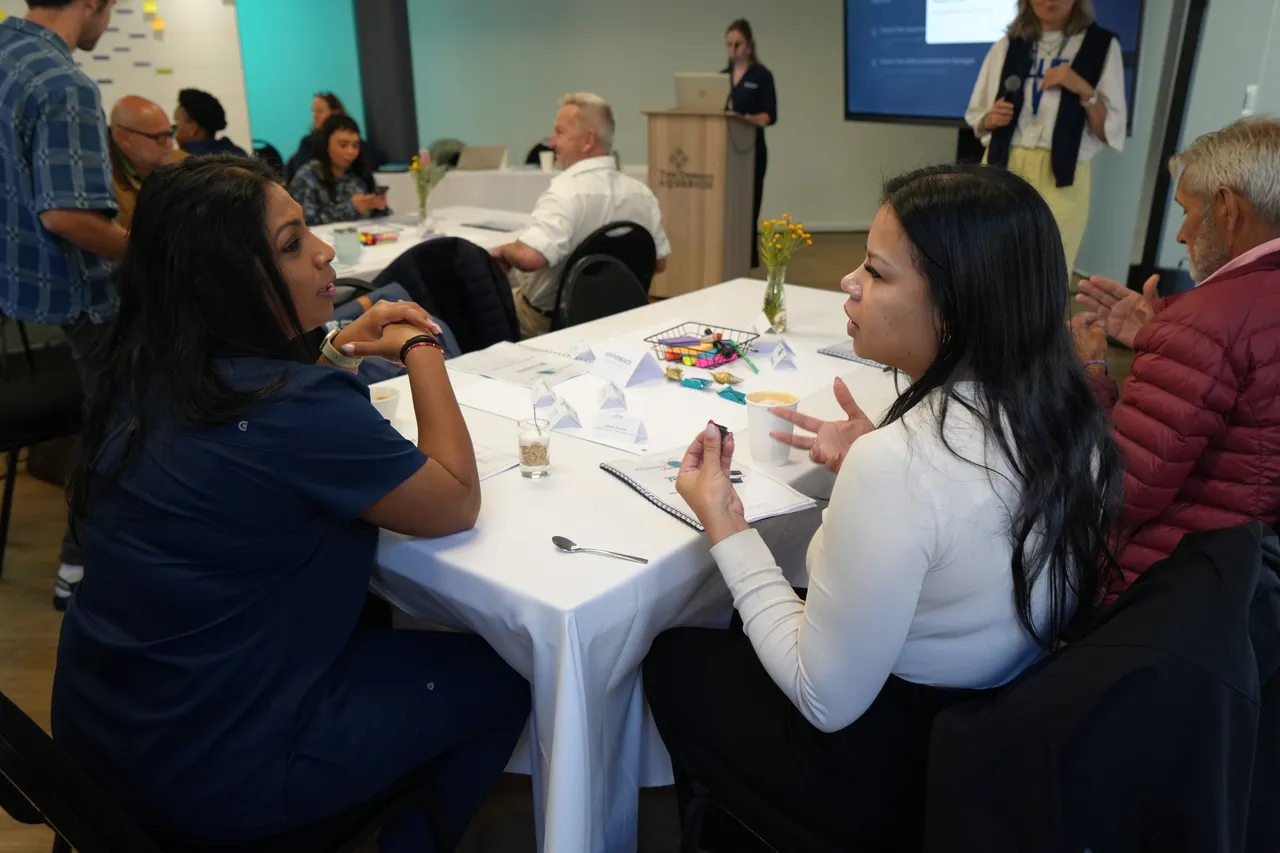
Addressing these knowledge gaps will require improved monitoring, greater access to research data, and stronger collaboration between scientists, conservation organisations, industries, and coastal communities.
The importance of people and collaboration
Over the past six decades, turtle conservation in South Africa has evolved from nesting beach protection and community monitoring into a collaborative network of researchers, conservation organisations, volunteers, and citizen scientists. However, the workshop emphasised that effective turtle conservation goes beyond protecting animals and their habitats – it also requires understanding and meaningfully including the people who share these environments.
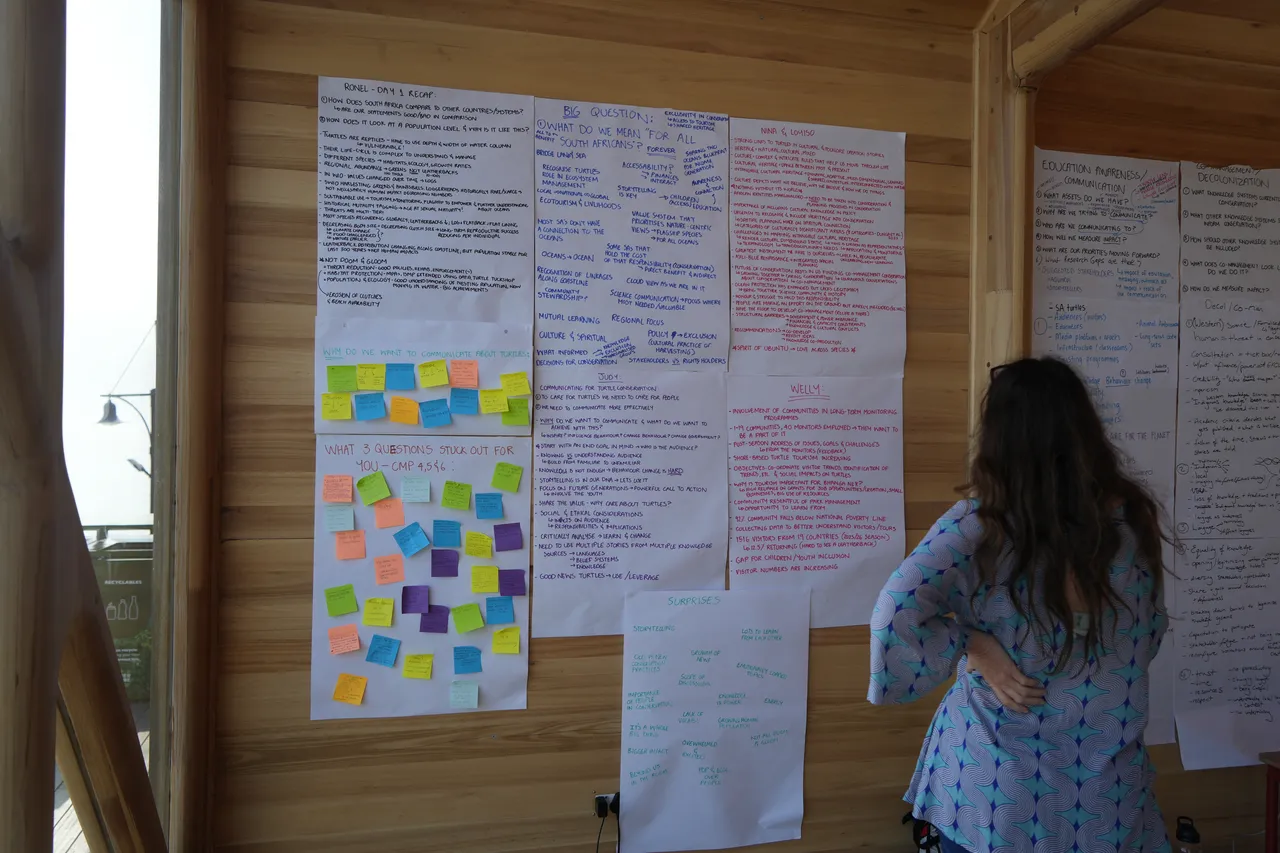
Dr Nina Rivers and Loyiso Dunga highlighted the importance of recognising cultural heritage and including South Africa’s local communities in marine conservation. Many coastal communities have deep cultural and spiritual connections to the ocean, including through traditional stories and beliefs about turtles. However, these perspectives have historically been marginalised in conservation planning. Nina and Loyiso emphasised that marine ecosystems cannot be viewed in isolation from the people who depend on and connect with them – effective conservation must consider ecological, social, cultural, historical, and economic factors.
Their presentation also explored the need to decolonise marine conservation by moving towards more inclusive approaches to managing Marine Protected Areas (MPAs). Although ocean protection has expanded, local coastal communities are often excluded from decisions that affect them. Nina and Loyiso encouraged conservationists to address historical inequalities, recognise the value of Indigenous and local knowledge, and work towards collaborative management that brings together science, cultural heritage, and community perspectives.
Communication and storytelling were also recognised as important tools for strengthening these connections.
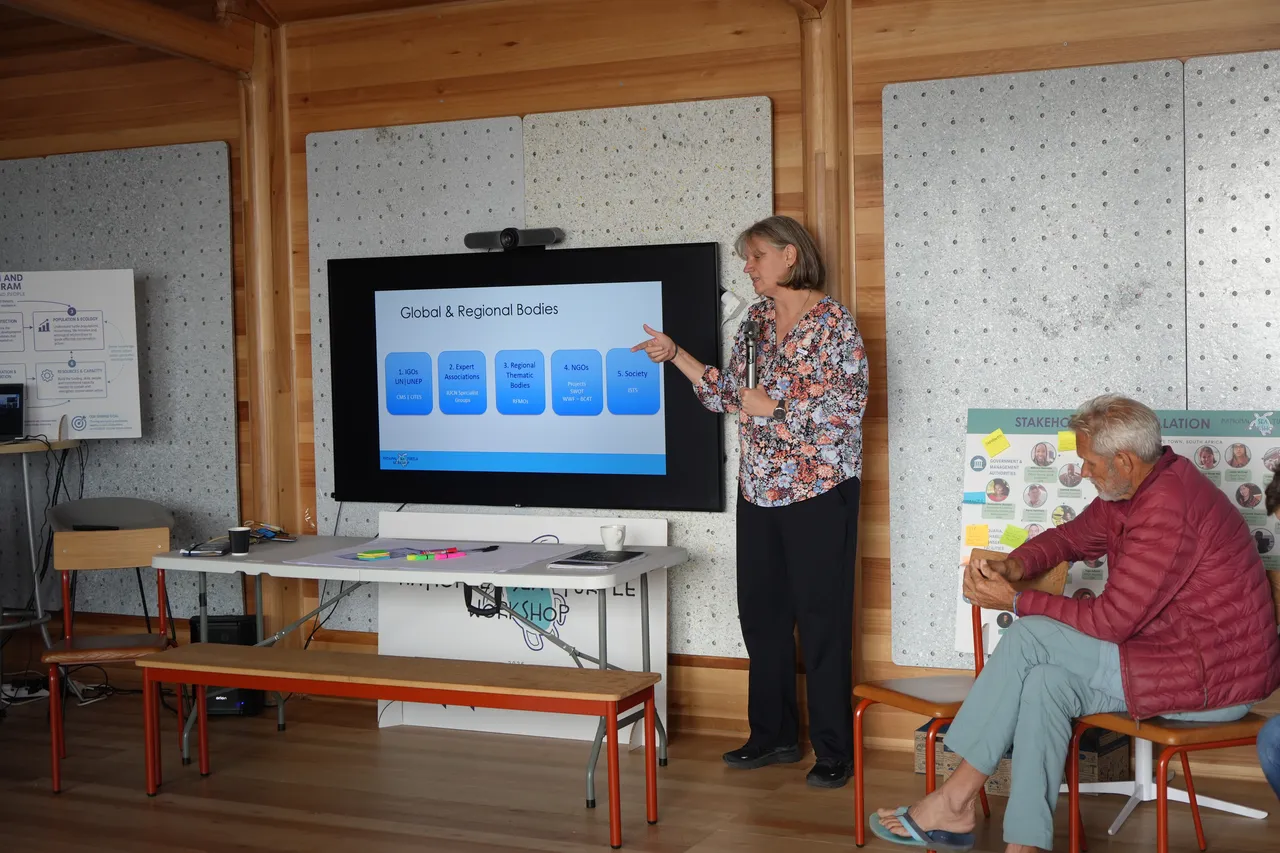
Judy Mann-Lang highlighted the importance of effective communication in turtle conservation, emphasising that caring for turtles also means caring for people. She encouraged participants to think critically about the purpose of their communication, understand their audiences, and use storytelling to inspire meaningful change. She also stressed the importance of engaging younger generations, considering different perspectives, cultures, and knowledge systems, and using positive conservation stories to connect people with turtles and their protection.
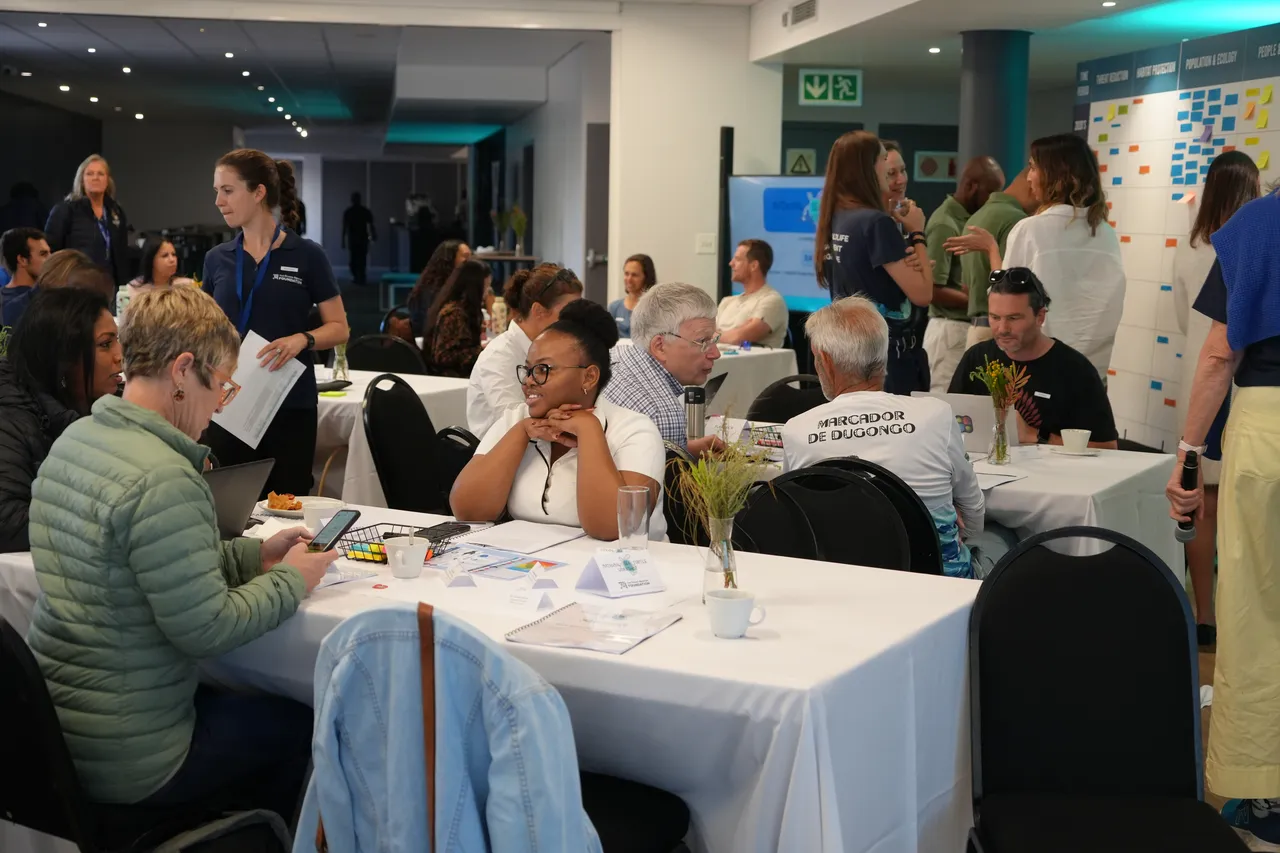
These discussions reinforced the importance of collaboration not only between conservation organisations, but also with the communities, industries, and individuals whose knowledge, experiences, and actions can contribute to protecting turtles.
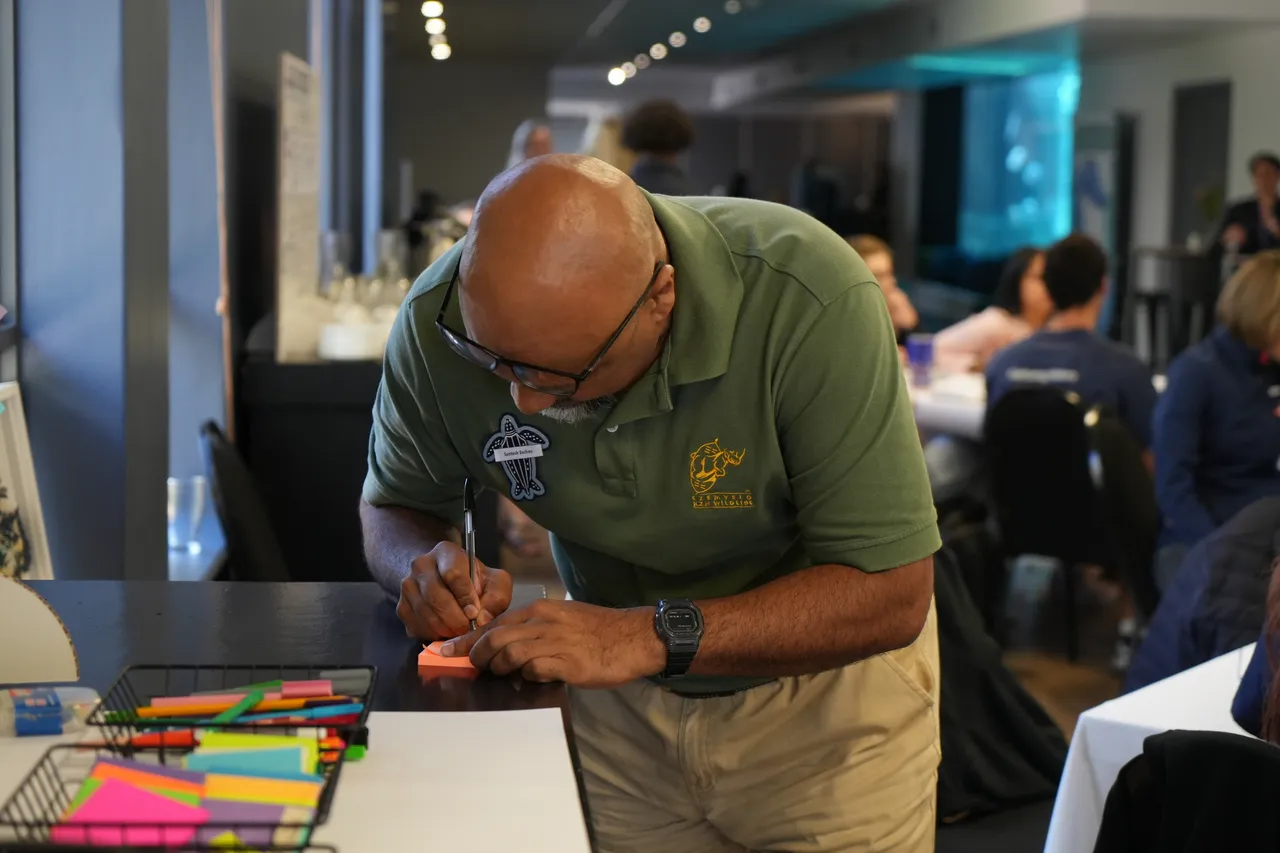
“It was really quite wonderful to spend intentional time together, and we are so grateful for the time and effort each participant made to participate. Thank you for bringing your considerable expertise and experience so generously into the conversation, and for the open and collegial way in which you engaged. We particularly appreciated the willingness to reflect honestly, have difficult conversations, and think together about where we are and where we need to go,” says Talitha Noble-Trull.
Looking towards the future
Building on these discussions, participants identified nine key priorities to guide future turtle conservation efforts in South Africa.
These include strengthening national coordination and representation, creating a shared database to improve access to research and monitoring information, and expanding turtle rescue networks and citizen science programmes along the coastline. Other priorities focus on reducing threats from fisheries, improving our understanding of how turtles use marine habitats, and securing funding for long-term monitoring and conservation programmes.
Participants also emphasised the importance of expanding skills-sharing and livelihood opportunities for coastal communities, developing more inclusive approaches to conservation through community involvement and co-management, and raising public awareness through education and storytelling.
Together, these priorities provide a starting point for a more coordinated, inclusive, and informed approach to turtle conservation in South Africa.

While there is still much work to be done, the National Sea Turtle Workshop demonstrated the value of bringing South Africa's turtle conservation community together. By sharing knowledge, acknowledging challenges, and identifying opportunities for collaboration, participants took an important step towards strengthening the protection of turtles throughout their lives.
As the workshop concluded, Professor Ronel Nel challenged participants to consider what each of them could contribute towards this shared vision. While collaboration can help define the way forward, meaningful progress ultimately depends on the commitment and actions of those involved.
Related News
Sign up to our Newsletter
Receive monthly news, online courses and conservation programmes.