Marine Sciences Exposure Days take learning outside the classroom
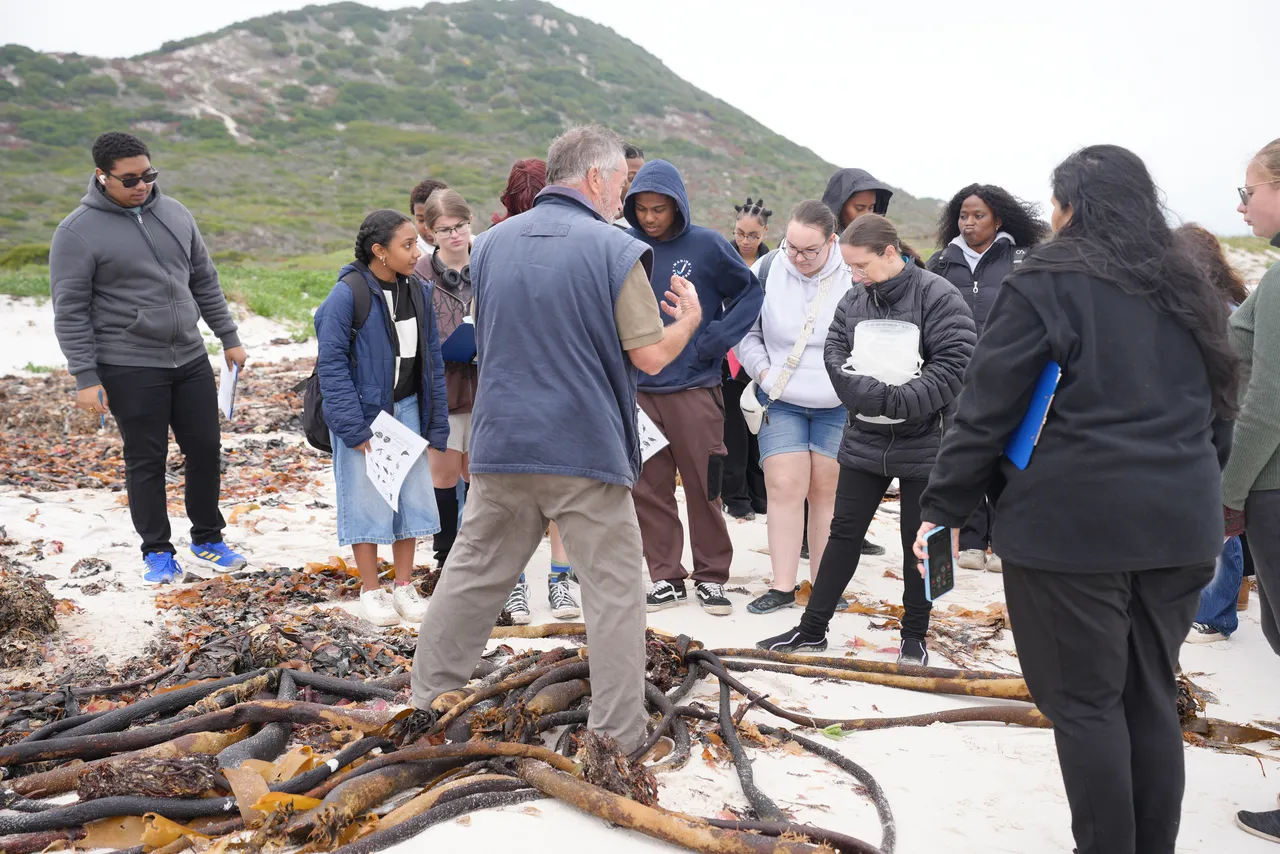
Some of the best science lessons do not happen in a classroom. They happen when learners step into the environments they are studying. During the school holidays, our Ocean Campus’ Grade 10, 11, and 12 Marine Sciences learners traded their desks for museums, a planetarium, and Cape Town’s coastline as they took part in two exciting Exposure Days.
Designed to complement the curriculum, these experiences gave learners an opportunity to connect theory with hands-on investigations while discovering that marine science extends far beyond the ocean itself.
Discovering the science behind biodiversity
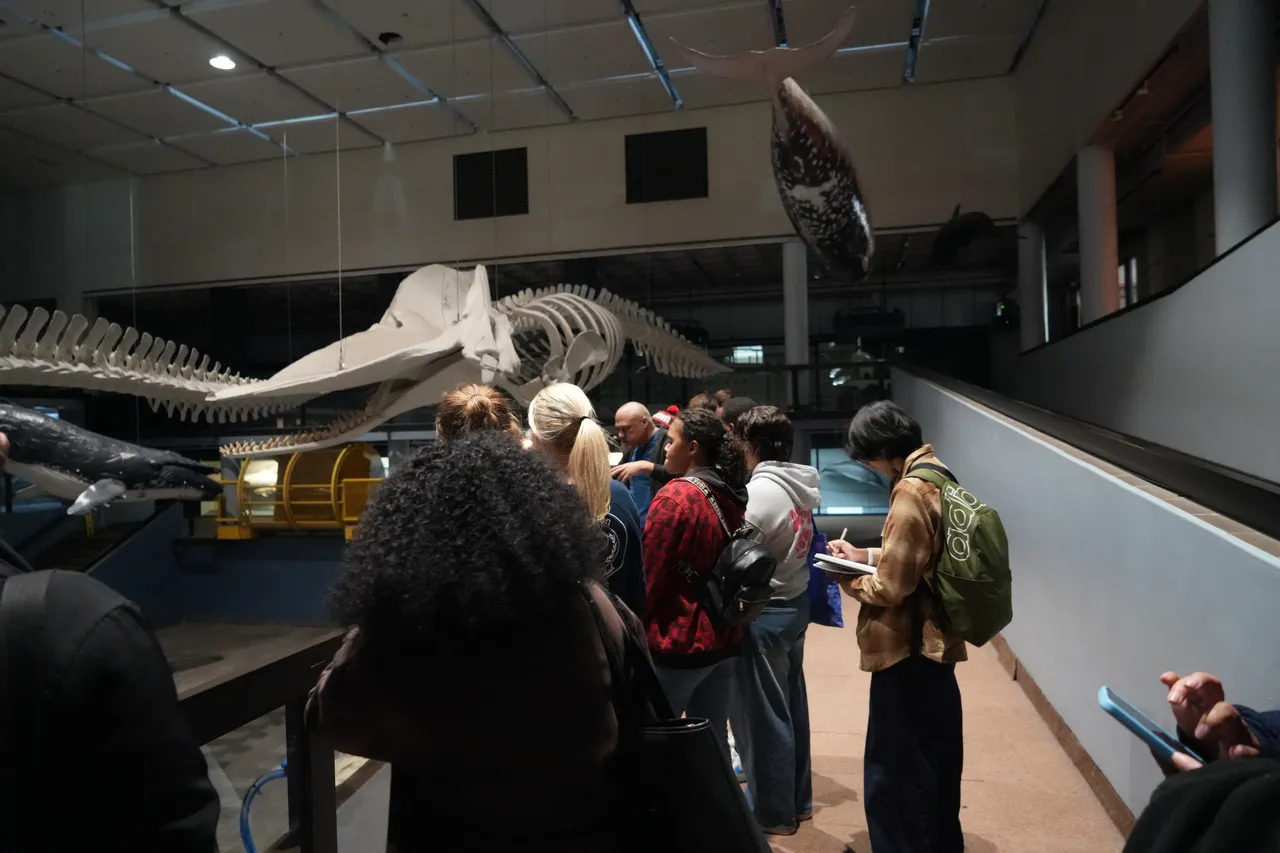
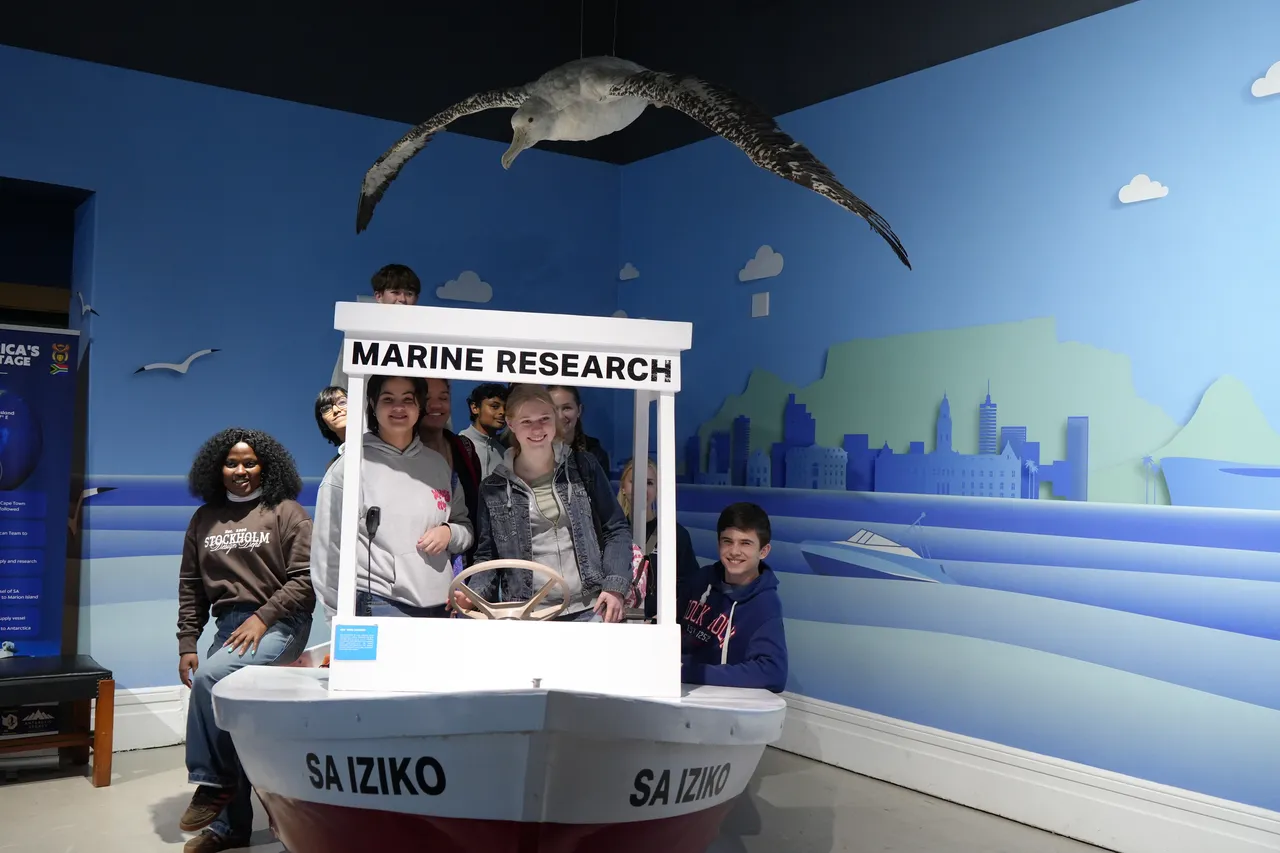
On 1 July 2026, the Grade 10 learners started their day at the Iziko South African Museum and Planetarium, where they explored one of the foundations of biology: Taxonomy, the science of classifying living organisms.
An engaging lecture by Glynn Alard introduced learners to the fascinating world of biological classification. They explored how scientists organise the world’s incredible biodiversity according to shared characteristics and evolutionary relationships. From the pioneering work of Carl Linnaeus to the role of genetics in modern classification, learners discovered how scientific knowledge and our understanding of life continue to evolve.
Rather than simply learning the theory, learners put their knowledge into practice by creating classification systems using everyday objects and museum specimens. Working together challenged them to think critically about how information is organised and highlighted why scientists rely on a universal system when studying the natural world.
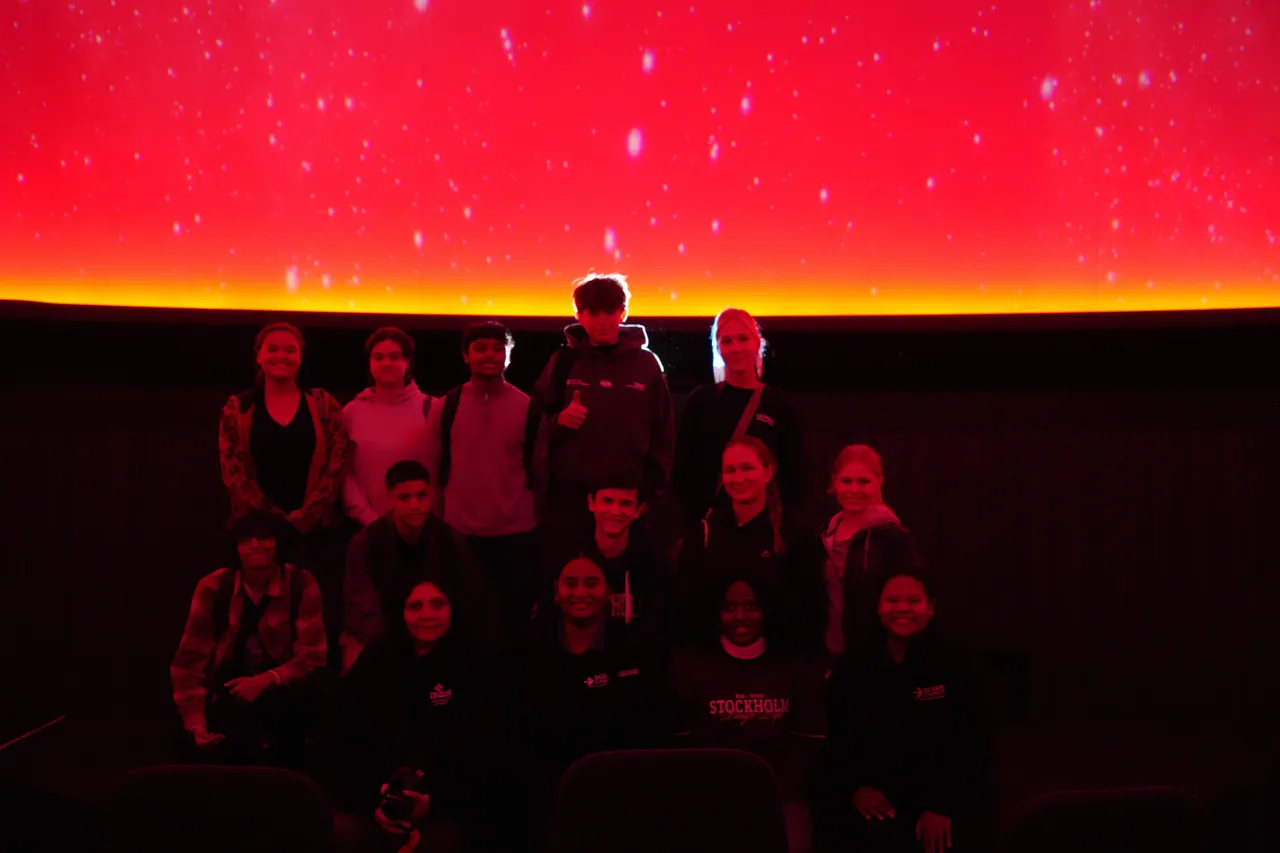
The day continued with an immersive journey through time at the Iziko Planetarium. As learners travelled back billions of years, they explored the formation of the solar system, the birth of Earth, the creation of the ocean, and the evolution of life. The experience demonstrated how geology, biology, and ocean science are interconnected, helping learners see the bigger picture behind the topics they learned in class.
Before heading home, learners met individually with their teacher to review their Term 2 assessments. These one-on-one feedback sessions allowed learners to celebrate their progress, identify areas for improvement, and build confidence as they prepared for the rest of the academic year.
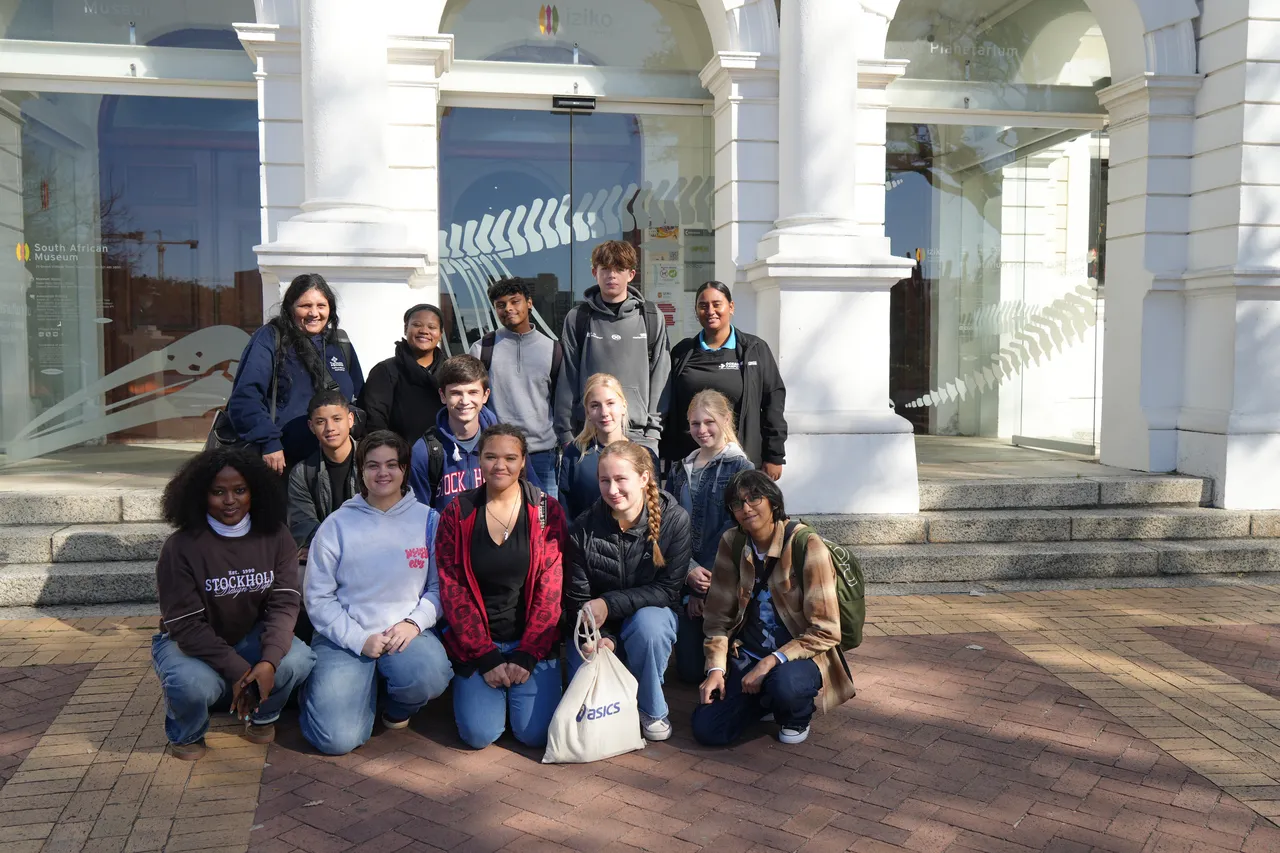
Reflecting on the experience, one learner shared: “The Planetarium show was amazing. It helped me visualise how the Earth was formed and how it connects to what we are learning in Marine Sciences”. Another learner said: “The classification activity made the lesson much easier to understand because we could apply what we had learnt instead of just reading about it”.
Learning from the coastline
A few weeks later, on 13 July 2026, the Grade 11 and 12 learners headed to Soetwater Resort, where the coastline became their classroom. Equipped with scientific instruments and plenty of curiosity, the learners investigated this dynamic coastal environment while exploring curriculum topics through real-world observations.
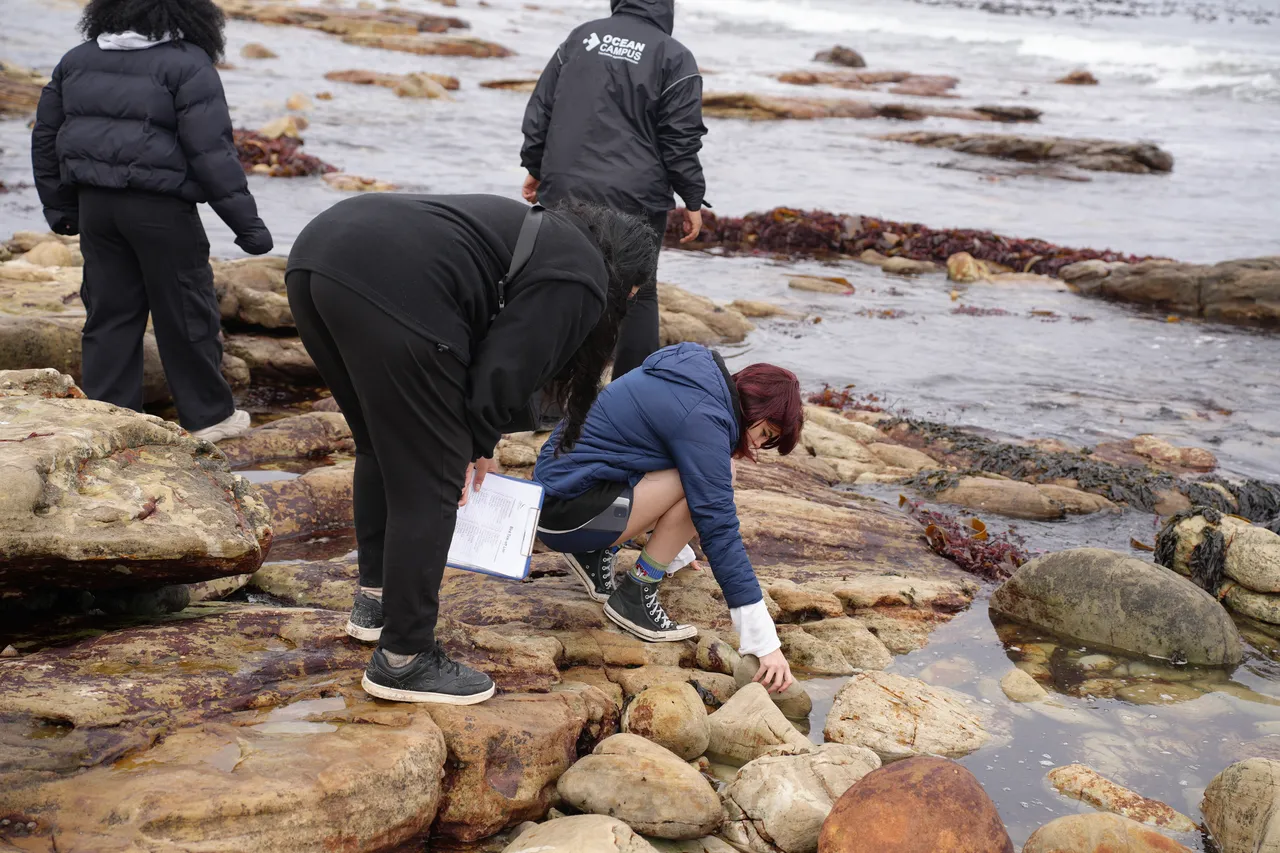
The Grade 11 learners examined rocky shore ecology, tides, marine invertebrates, and the properties of seawater, as well as uncovered the effects of overfishing. Seeing organisms in their natural habitats brought classroom concepts to life while highlighting the delicate balance within coastal ecosystems. The Grade 12 learners focused on Marine Protected Areas, marine ecotourism, coastal landforms, dune systems, seabirds, and echinoderms. Discussions explored how conservation, responsible tourism, and effective management can work together to protect South Africa’s remarkable marine biodiversity for future generations.
One of the day’s highlights was a visit to ancient stone fish traps and archaeological middens. These important cultural heritage sites offered a fascinating glimpse into how people have relied on the ocean for thousands of years. They also demonstrated that the careful and responsible use of marine resources has deep historical roots in South Africa.
The practical investigations continued as learners collected seawater samples and measured environmental variables using pH meters and refractometers. These activities introduced learners to scientific field methods commonly used by marine researchers while reinforcing the importance of collecting accurate environmental data.
Learners also spent time observing coastal birdlife and investigating the remarkable adaptations that allow seabirds to survive and thrive in challenging marine environments.
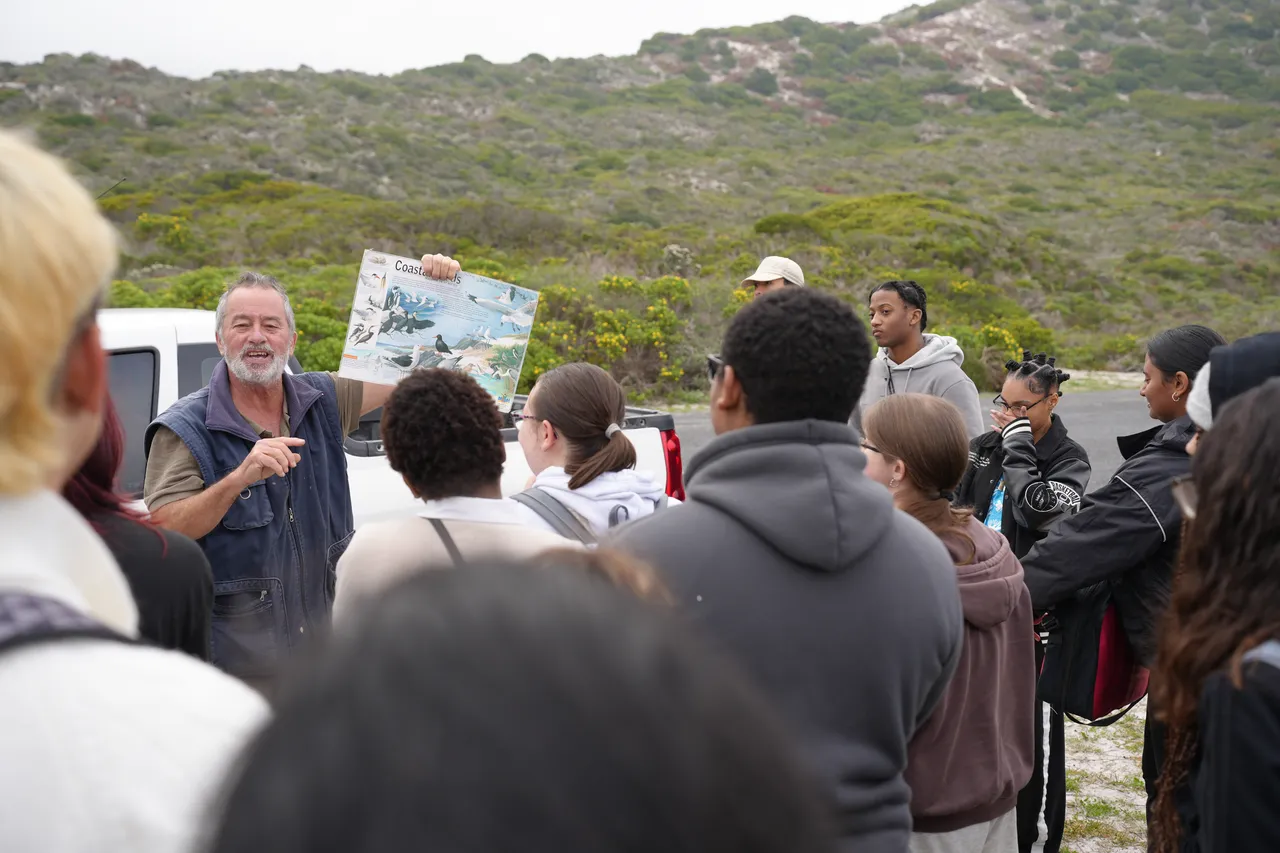
Curiosity guided every activity throughout the day. Learners asked questions, tested ideas, collected data, and developed a deeper understanding of ecosystems they had previously encountered only in textbooks. As one learner reflected: “Experiences like this make me appreciate how Marine Sciences connects to many other fields of science and help me see possible career opportunities”.
Inspiring future ocean champions
At the Two Oceans Aquarium Foundation’s Ocean Campus, meaningful learning happens through experience. Exposure Days give learners opportunities to investigate, question, and discover while building lasting connections with the natural world.
Whether exploring museum collections, travelling through Earth’s history in a planetarium, or conducting scientific investigations along the coastline, these experiences help learners understand that marine science is about much more than the ocean. It is about understanding the systems that sustain life on Earth and recognising the role each of us can play in protecting them.
By connecting classroom learning with authentic scientific experiences, Ocean Campus hopes to inspire the next generation of marine scientists, conservationists, and ocean advocates - one field trip at a time.
Related News
Sign up to our Newsletter
Receive monthly news, online courses and conservation programmes.