Toad patrol: Protecting Cape Town’s endangered Western leopard toads
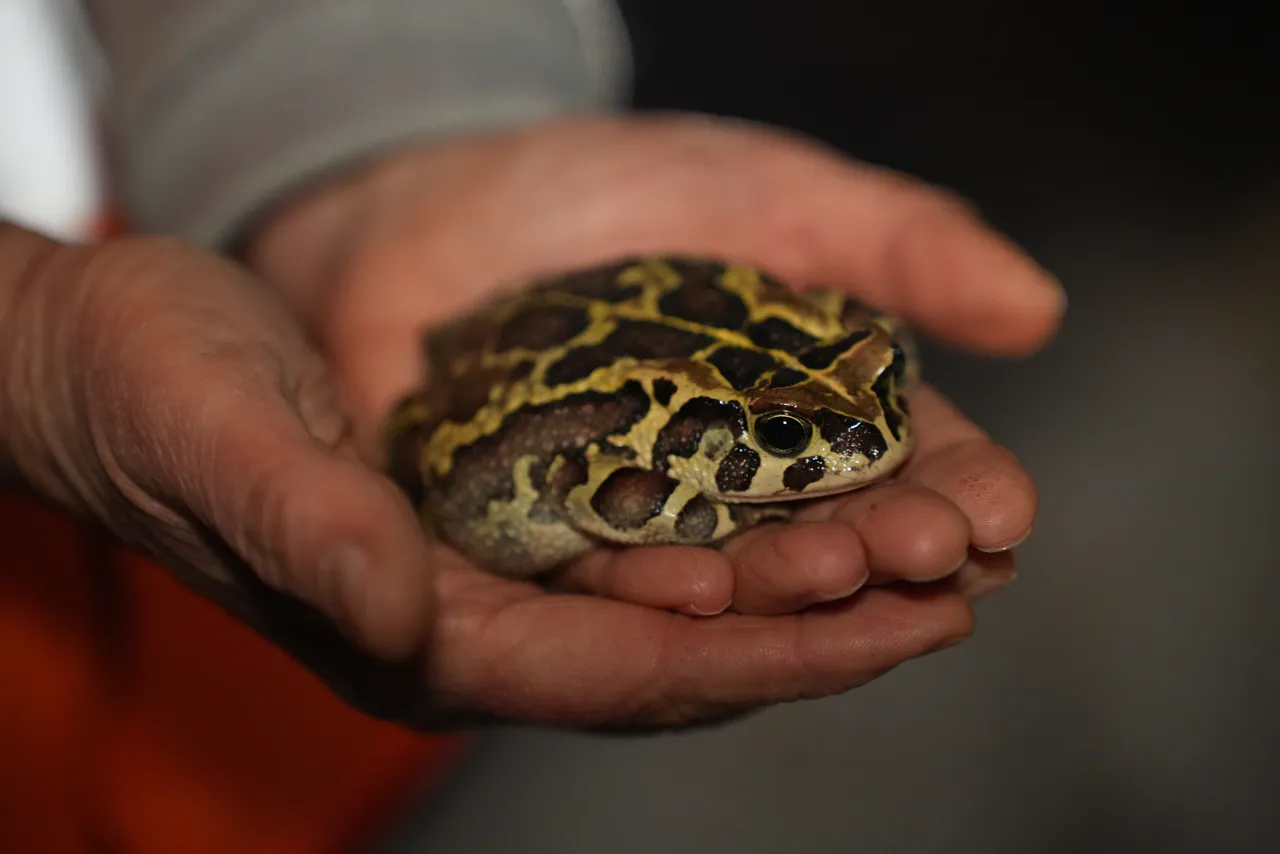
Every winter, endangered Western leopard toads emerge from their garden homes and make a perilous journey across Cape Town's urban landscape to breed. For many, that journey involves crossing busy roads and contending with vehicles, dogs, and other hazards. Living only in a small area of the Western Cape, these remarkable amphibians are increasingly threatened by our expanding city – and they need our help.
Why are the toads endangered, and why does it matter?
As their name suggests, Western leopard toads are endemic to only a few areas in the Western Cape, meaning that the world’s entire population of these special amphibians depends on a small and quickly declining set of habitats.
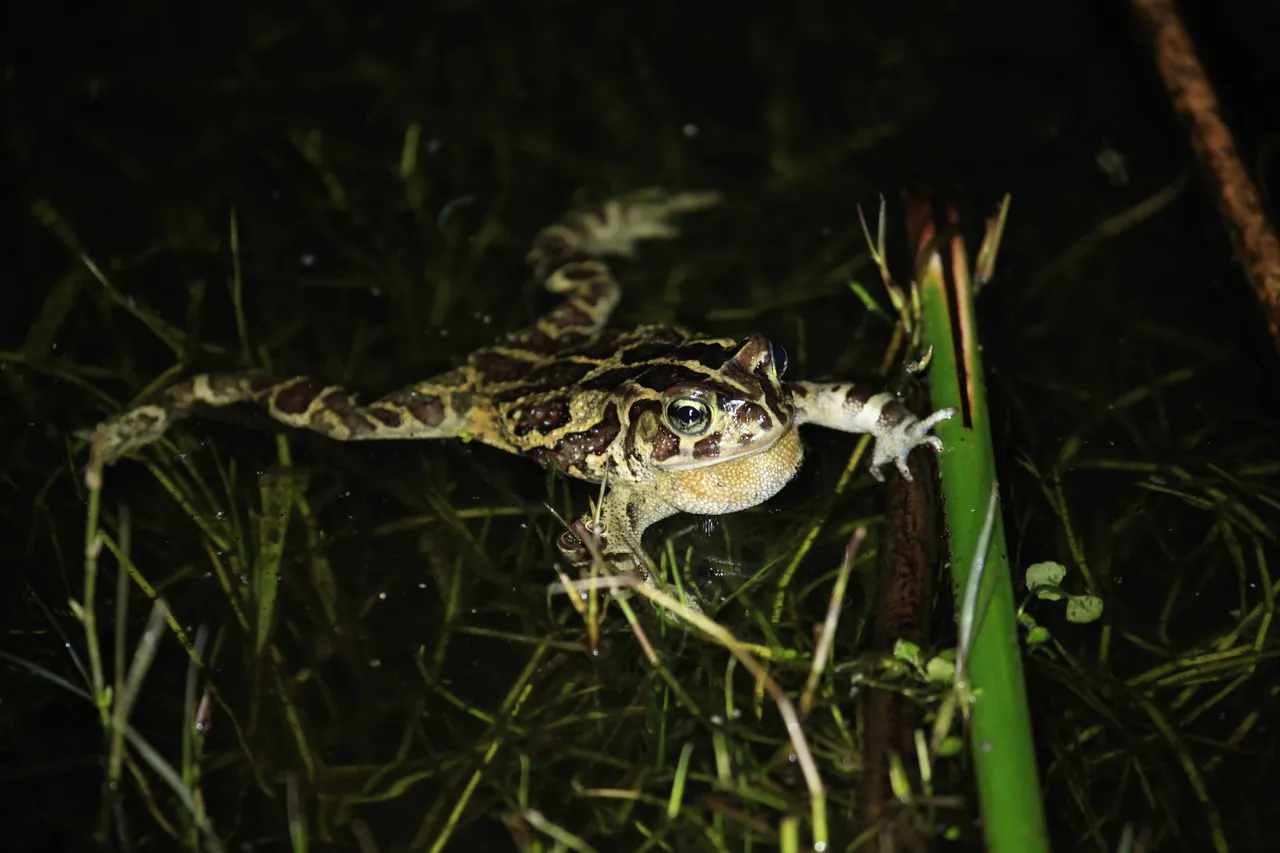
Often, these beautiful amphibians make their homes in gardens across the Cape Peninsula, where they make excellent pest controllers by eating insects, snails, and worms. Every year between late July and September, our resident toads migrate to nearby breeding ponds and wetlands. The males generally set off first, crossing busy urban roads and contending with dogs and other hazards before arriving at the breeding grounds. There, they start making loud, snoring calls to attract females, who must hop the same gauntlet.
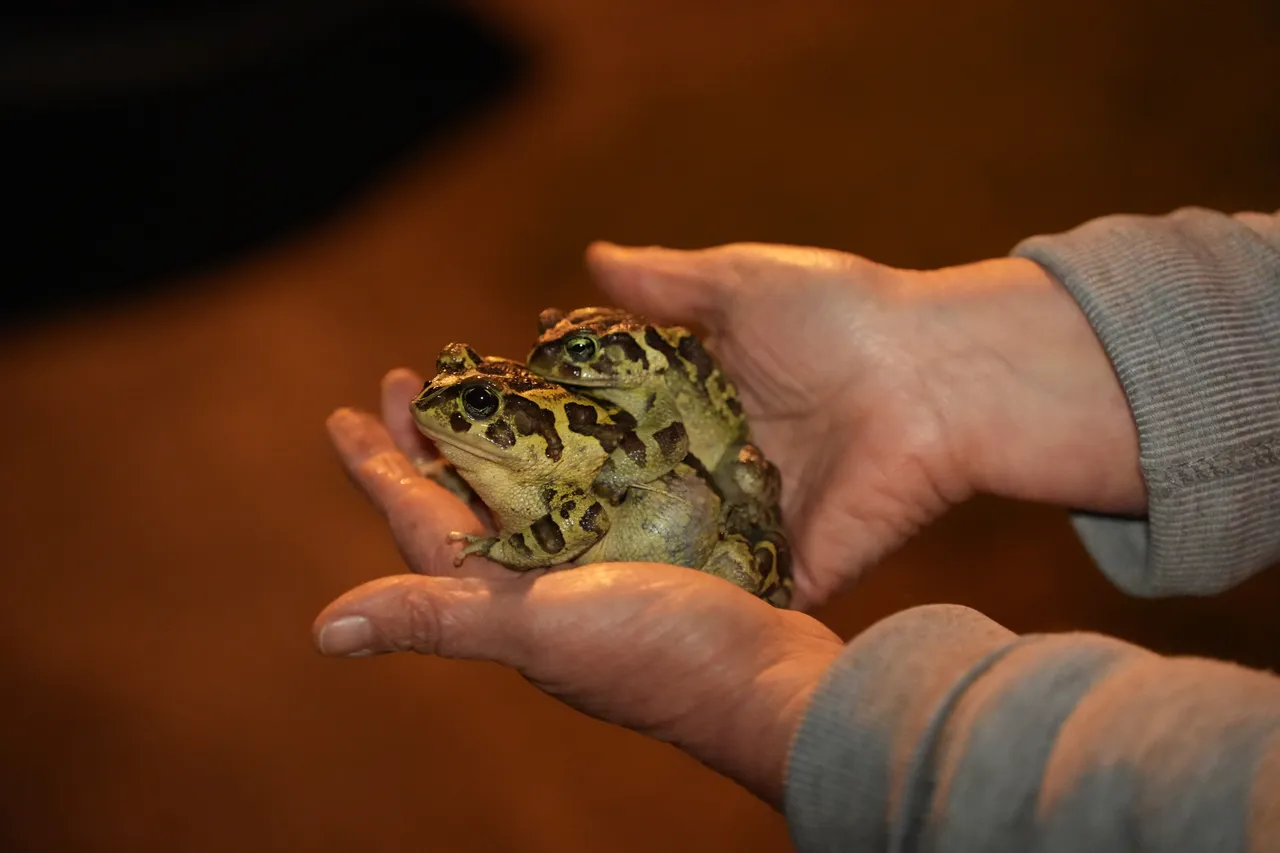
“Some Western leopard toads will travel up to 5km to get to their breeding grounds, but many lose their lives on the roads. In an interaction between a toad and a car, the toad always comes off second best,” said Helen Lockhart, Two Oceans Aquarium Conservation and Sustainability Manager. Lockhart is a toad coordinator for the Zeekoevlei, Rondevlei, and Grassy Park areas, regularly patrolling the hotspot roads for toads in need.
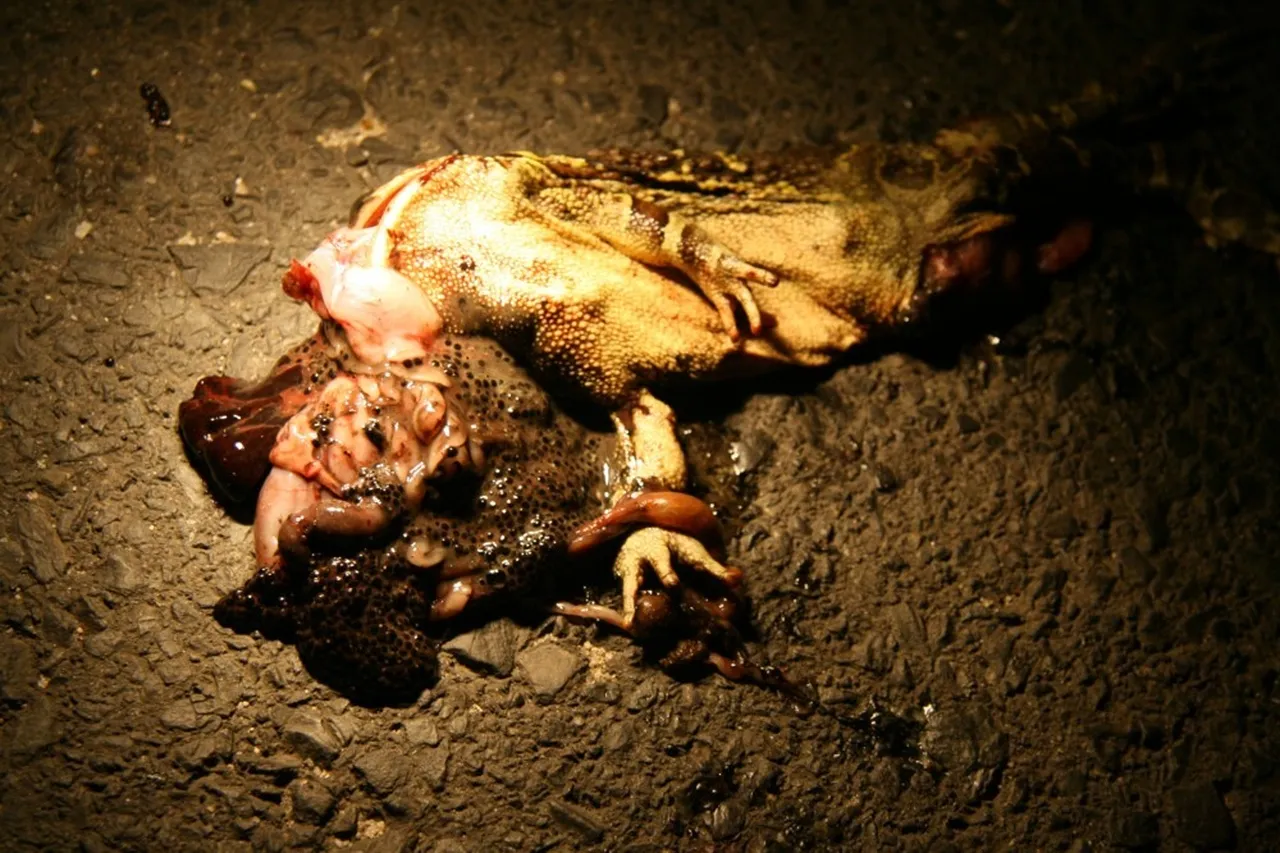
According to Kim Gordon, who manages Nature Connect’s Amphibian Underpass Project in Zeekoevlei, “more than half of the Western leopard toad’s subpopulations are considered non-viable without direct intervention”. Road mortality is one of the most immediate threats facing Western leopard toads, particularly during their annual breeding migration, when many are gravely injured or killed by vehicles – a completely preventable consequence.
Toads and frogs are valuable indicator species, meaning their health reflects that of the ecosystems they inhabit. Amphibians have permeable skin and spend different stages of their lives in both aquatic and terrestrial environments, making them particularly sensitive to changes in water quality, pollution, and habitat condition. Declining amphibian populations can therefore be a warning sign that an ecosystem is under pressure. Their decline is therefore a reason to take a closer look at the health of our environment and the impact our actions have on the natural systems around us.
As Gordon puts it, “The toads’ plight draws public attention to the broader health of Cape Town's wetlands, which benefits far more than just this one toad.”
How are people making a difference for our toads?
Every winter, local organisations and volunteers spring into action to help migrating toads safely reach their breeding grounds. While volunteer patrols save individual toads from busy roads, conservationists have also been working on a longer-term solution: Helping the toads avoid traffic altogether.
“The idea traces back to 2013, when a national Biodiversity Management Plan for the species was drafted, flagging road deaths at breeding sites as the single greatest threat facing Western leopard toads,” says Gordon. Moving toads across roads by hand, while an effective method of preventing casualties, also has limits. Migrations are dependent on ideal weather conditions, so it is tricky to predict when they will happen, and no group of volunteers can cover every route every night.
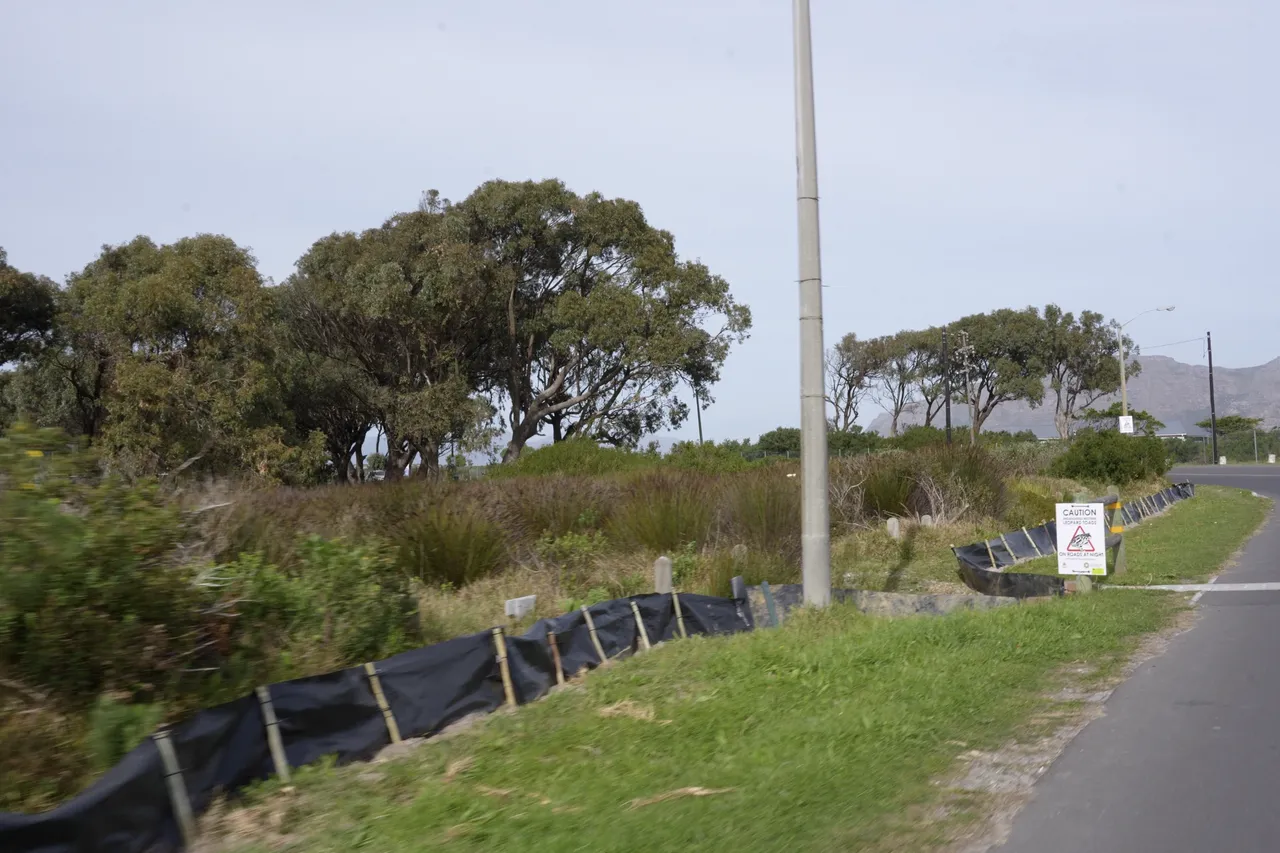
This prompted Nature Connect and other stakeholders to propose a longer-term fix, and the first toad tunnels were developed with a UCT Conservation Biology Master's student. The system uses barriers alongside hotspot roads to guide migrating toads towards safe crossing points beneath existing bridges. The pilot tunnels, dubbed the Amphibian Underpass project, were installed in April 2021 on Peninsula Road in Zeekoevlei, with the support of William Dau Civils, Fondation Ensemble, and Leisure Charitable Trust. Gordon joined the team in 2022, and four more tunnels followed in March 2023, funded by the Mohamed bin Zayed Species Conservation Fund and Forvia Foundation.
According to Gordon, the early results from the tunnels were promising. Road deaths on that stretch declined, and volunteers regularly saw toads inside the tunnels. However, it was still difficult to track whether toads were emerging on the other side of the tunnels to continue to their breeding grounds. Joshua Salako, a Master’s degree student from the African Institute for Mathematical Sciences, helped close that knowledge gap. His approach used camera-trap footage from both ends of each tunnel to match toads by their unique individual spot patterns. While the process still needs some refining, Salako positively identified at least 15 individuals that made it all the way through.
How can you get involved?
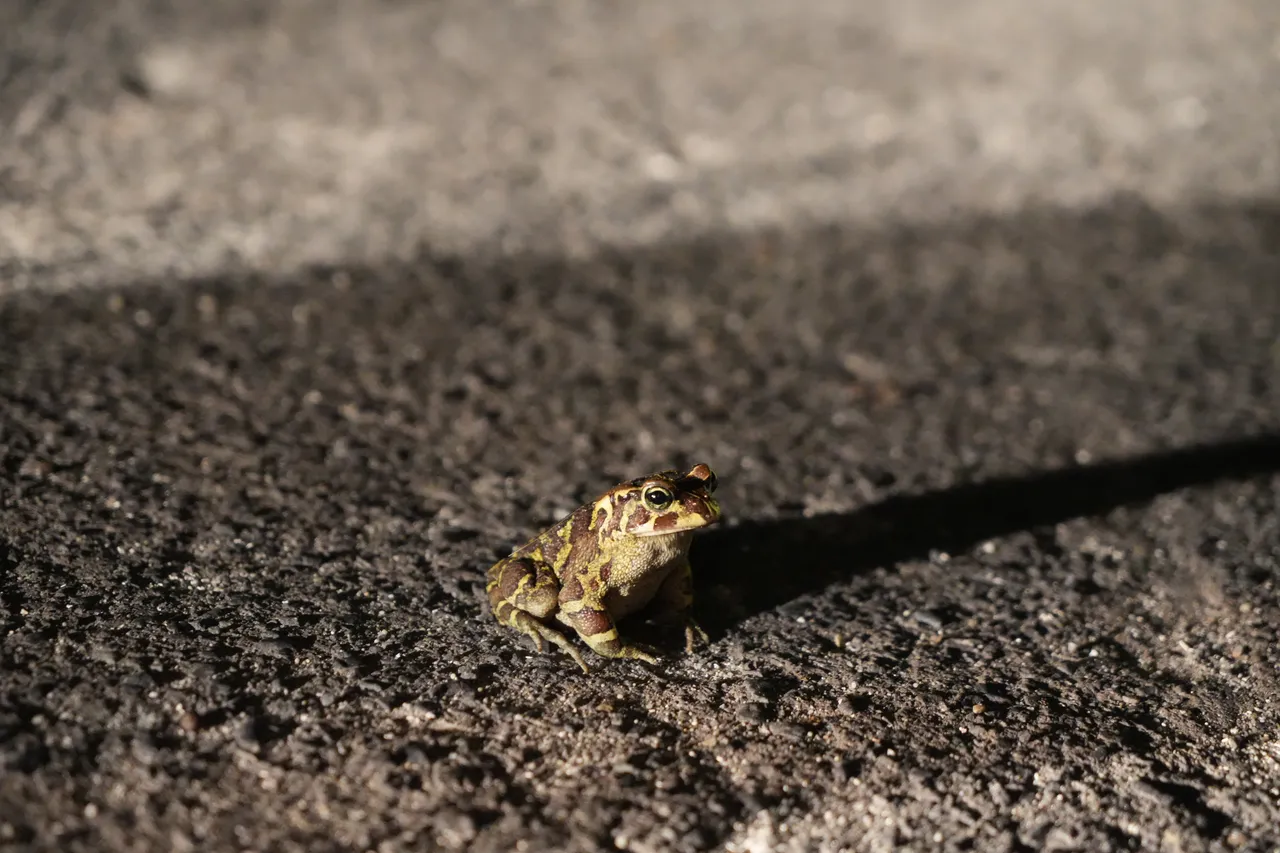
One of the most important things you can do to help save Western leopard toads is to keep an eye on the roads and drive slowly. “The toads tend to move at night from around 18h30, mostly after heavy rains and when temperatures reach about 15°C. They often look like small white stones in the headlights of cars,” says Lockhart.
Migration hotspots include Kirstenhof, Lakeside, Muizenberg, Norfolk Park, Orchard Village, Tokai, Constantia, Zeekoevlei, Rondevlei, Grassy Park, and Noordhoek. Toads would most likely be found on roads flanking marshy, wetland areas.
“If you spot a toad on the road, pull over safely, gently pick up the toad, and move it to the other side of the road in the direction it was facing. The toads know exactly where they are going, so you don’t have to figure it out for them. Slow down and be safe on the roads!” said Lockhart.
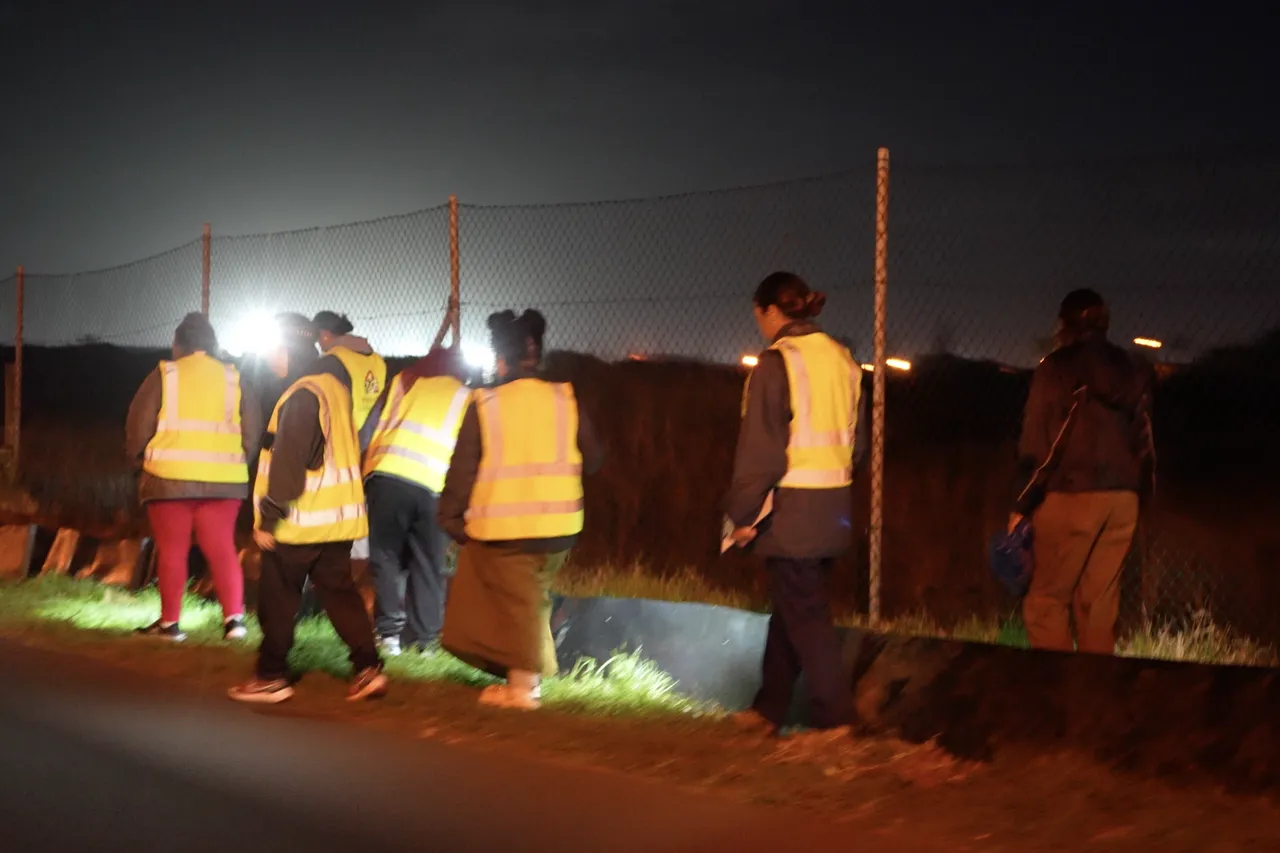
If you want to get even more involved, join a local volunteer patrol group for the winter migration season. Volunteers are a vital help, patrolling the roads at night and moving toads across the roads to safety. “Keeping volunteers for night patrols consistently is one of our biggest ongoing challenges. Many cancel at short notice, which sometimes leaves a single supervisor covering a patrol alone. Every extra pair of hands genuinely makes a huge difference,” says Gordon.
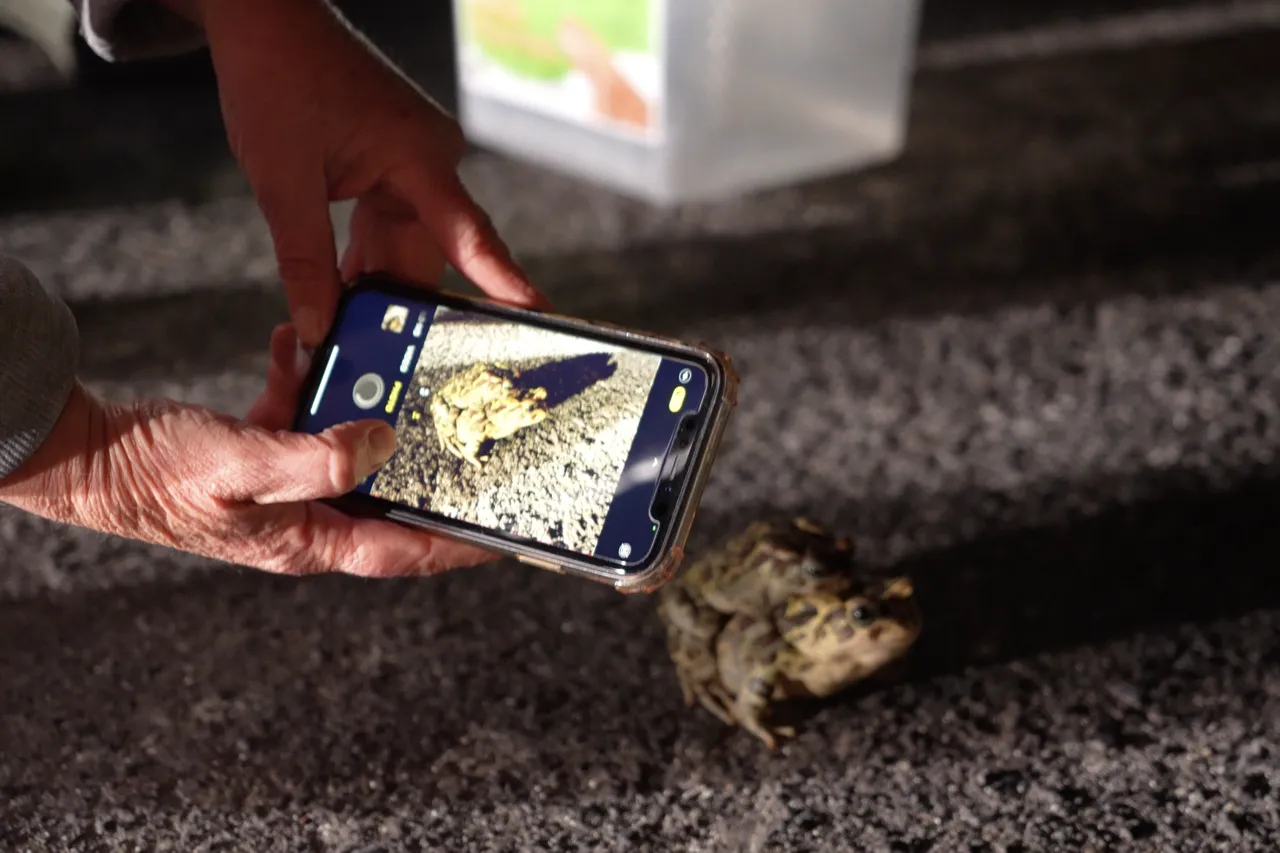
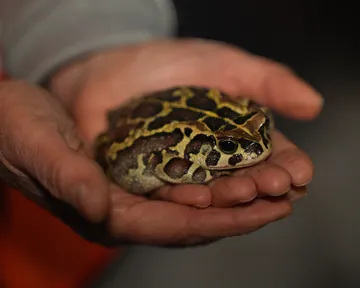
If you spot a toad, you are encouraged to log your sighting on the WLT Monitoring Project on iNaturalist, a citizen science platform that contributes to population research. Alternatively, you can send your sighting to your local leopard toad WhatsApp group (reach out to your closest toad coordinator to join a group). Try to photograph the toad from a bird's-eye view, as each individual has unique markings that can help researchers identify it.
If possible, also record the location and sex of the toad – males have dark brown throats, while females' throats are creamy in colour. All this information contributes to the growing body of research into Western leopard toads, helping organisations like Nature Connect to protect this endangered species.
There are many more things that you can do in your daily lives to help make the world safer for toads.
Toads like cool, shady places to live in. You can make a special ‘house’ for toads to live in your garden. Take an old garden pot, place it upside down on the ground, and prop up one side with a small rock. You could even decorate the pot or cut a hole in the side to make a "door" for the toads!
Even though most amphibians can swim, they sometimes get trapped in swimming pools and drown because they can’t climb out. You can help them by making a toad-saver.
Do this by cutting a piece of shade cloth about 3m wide and just long enough so that it sits just under the water. Place a strip of sealant onto the clean, dry pool tiles. Make sure that all edges are glued so that the toads don’t climb inside the mesh. Alternatively, place a brick or a large rock on the top step of your pool, high enough that any toads could hop out.
Open drain holes are dangerous for toads and frogs - if they fall in, they can’t climb out again because of the steep walls. Make sure your drains are covered so that they can’t slip down. You can also make a toad-saver for your drains.
Chemicals kill frogs and toads because they have sensitive, permeable skin through which they breathe and drink. Try not to use poisonous chemicals in your garden; rather, buy organic food for the plants and leave the insects for the frogs to eat!
Toads and frogs prefer plants that grow naturally in an area rather than being bought from somewhere else in the country or world (exotics). Local plants also need less water, which means they help us save water, money, and frogs!
Some frogs and toads, like the western leopard toad, live in gardens for most of the year, but when it is breeding time, they need to move to water. If you have a big wall around your garden, they can’t get out. Make some small holes in your garden wall – the holes should be about 10 x 3cm and about 20m apart.
Some frogs and toads have to travel quite far to reach their breeding sites near water where they mate and lay their eggs. Climbing up pavements and crossing busy roads is very dangerous for them. Keep your eyes open for toads on the roads. If you do see a toad on the road, please pull over, pick it up, and put it on the other side of the road (in the same direction in which it was going).
Rivers, streams and wetlands are home to frogs, toads, and many other animals. After a picnic or a walk near a river or stream, please take your rubbish home with you and recycle what you can!
Protecting Western leopard toads doesn't require grand gestures. Slowing down on the roads at night, helping a toad safely across the road, logging a sighting, or making your garden a little more wildlife-friendly can make a difference. The Western leopard toad lives nowhere else on Earth; this means Cape Town has both the responsibility and opportunity to ensure that its familiar call continues to be heard for generations to come.
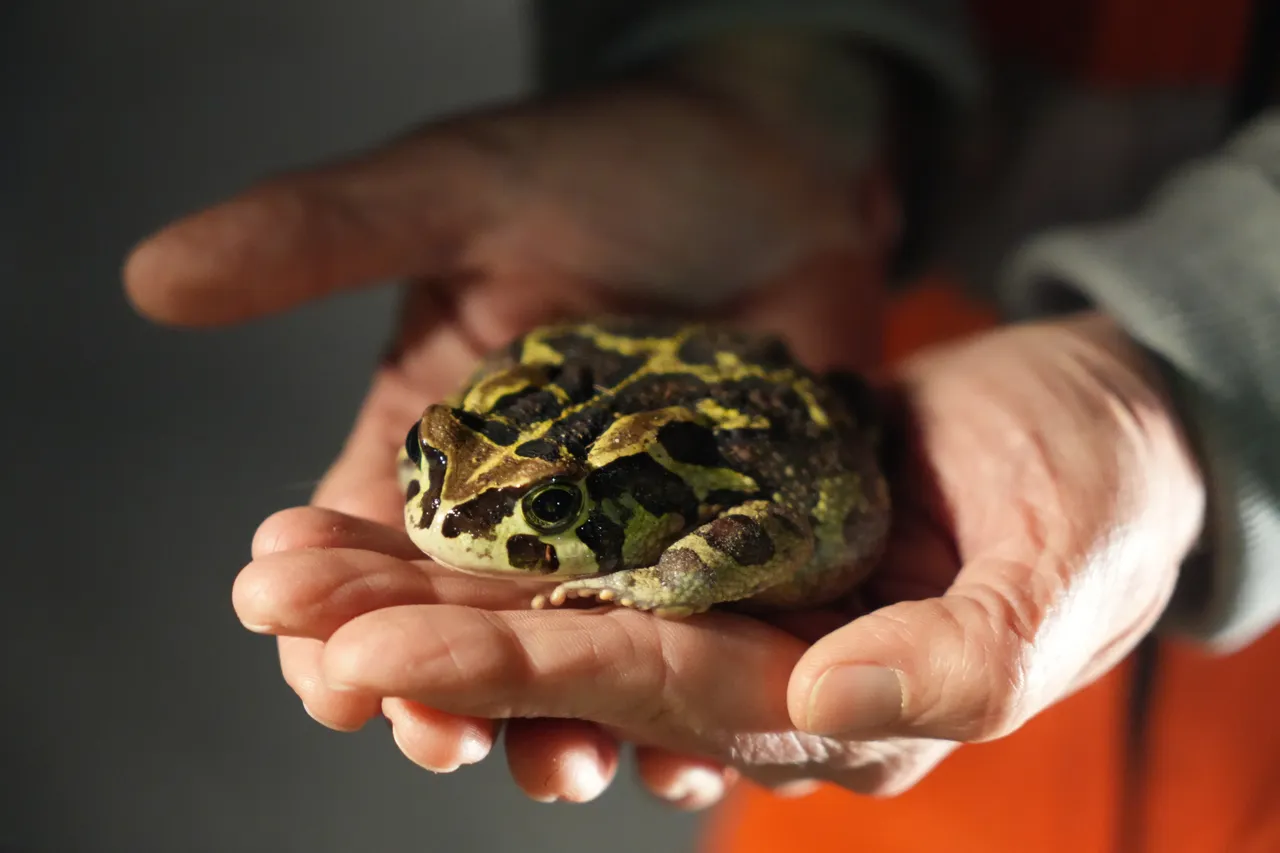
Watch us save the Western Leopard Toad!
Related News
Sign up to our Newsletter
Receive monthly news, online courses and conservation programmes.