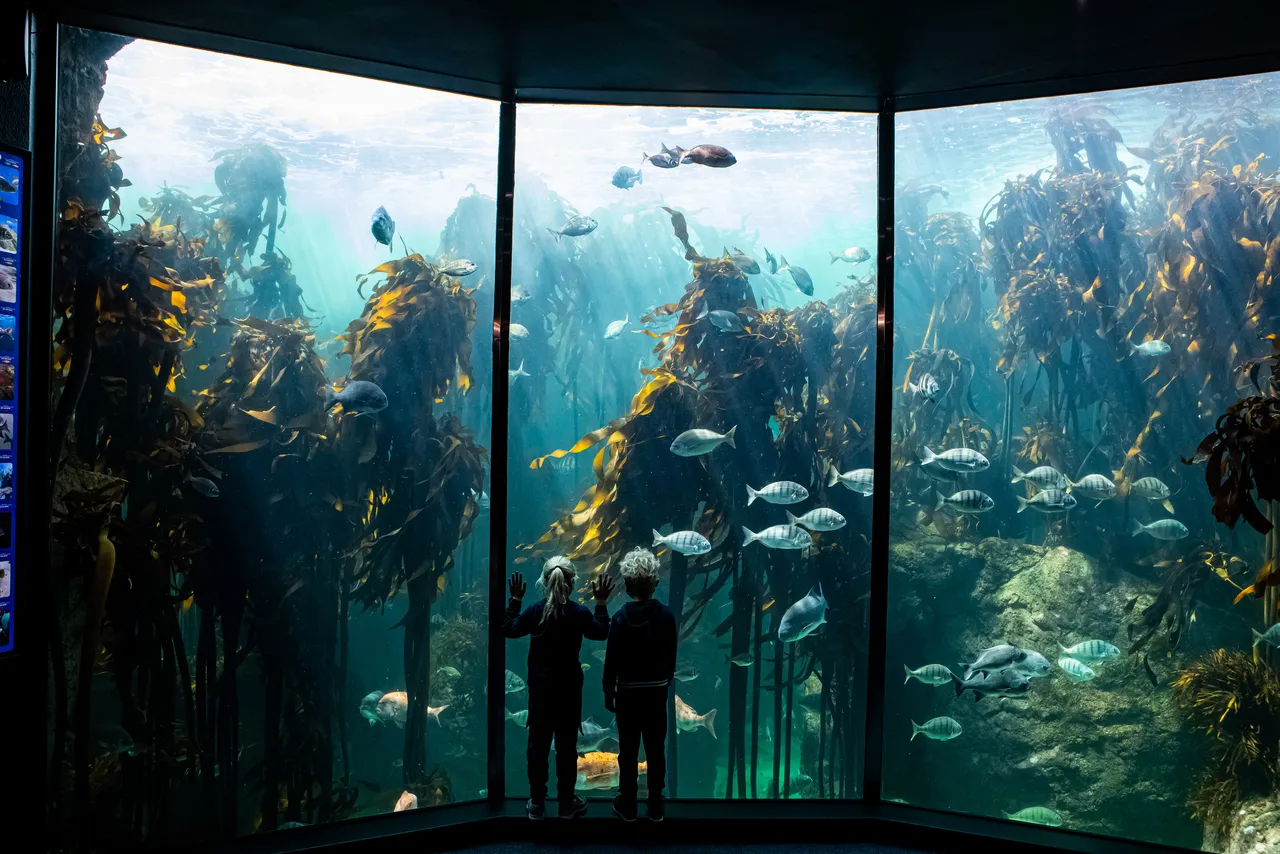
There is something magical about stepping into the Kelp Forest Exhibit at the Two Oceans Aquarium. Towering strands of giant sea bamboo sway gently in the water, fish swim effortlessly through the fronds, and hidden beneath the tangled holdfasts, a remarkable community of marine life goes about its day.
This is more than just an exhibit: It is a living underwater forest that showcases one of South Africa's most important marine ecosystems.
Only a handful of aquariums around the world display a living kelp forest, making the Two Oceans Aquarium one of the few places where visitors can experience this extraordinary habitat up close.
South Africa's underwater forests
Kelp is a large brown seaweed that forms vast underwater forests along South Africa's Atlantic coastline, stretching from the Cape Peninsula to the West Coast. These forests thrive in the cold, nutrient-rich waters of the Benguela Current, where temperatures remain low enough for kelp to flourish.
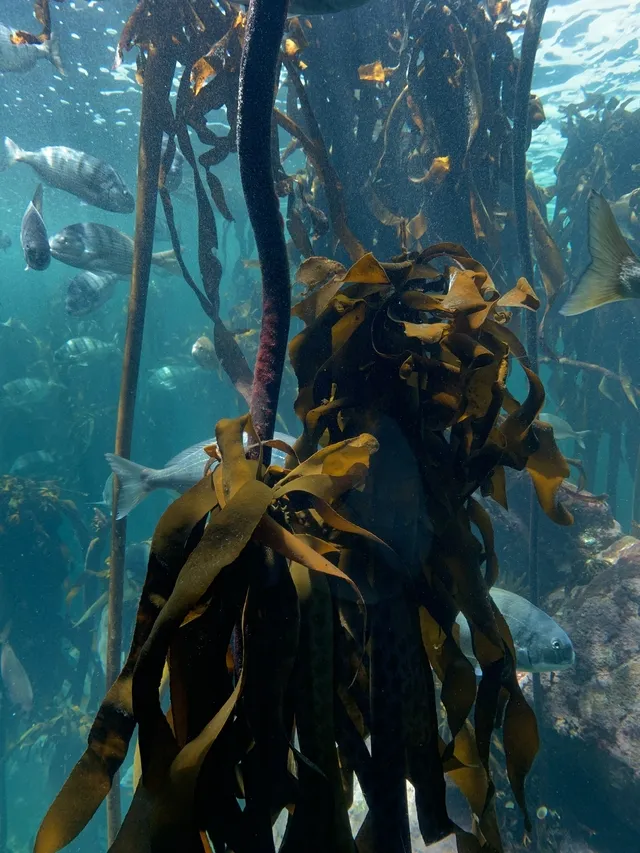
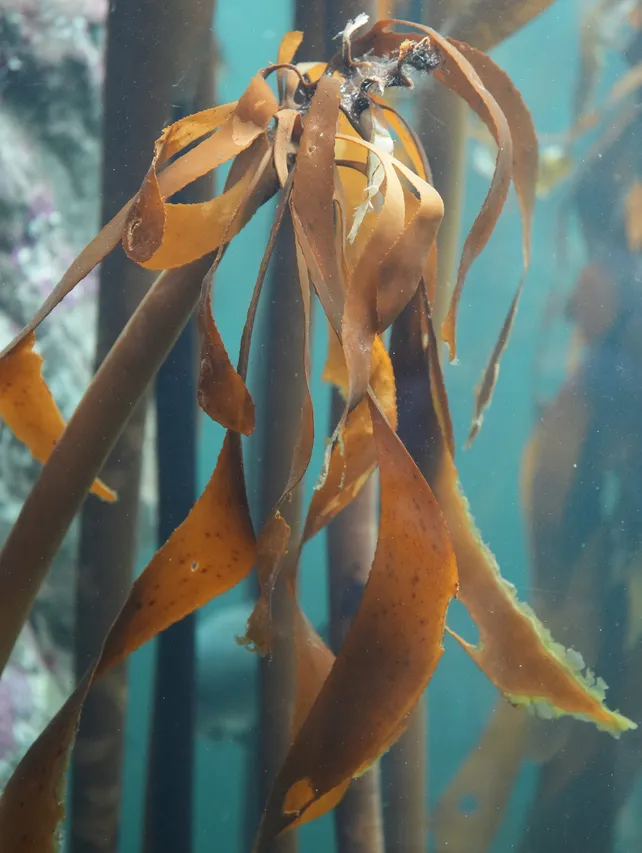
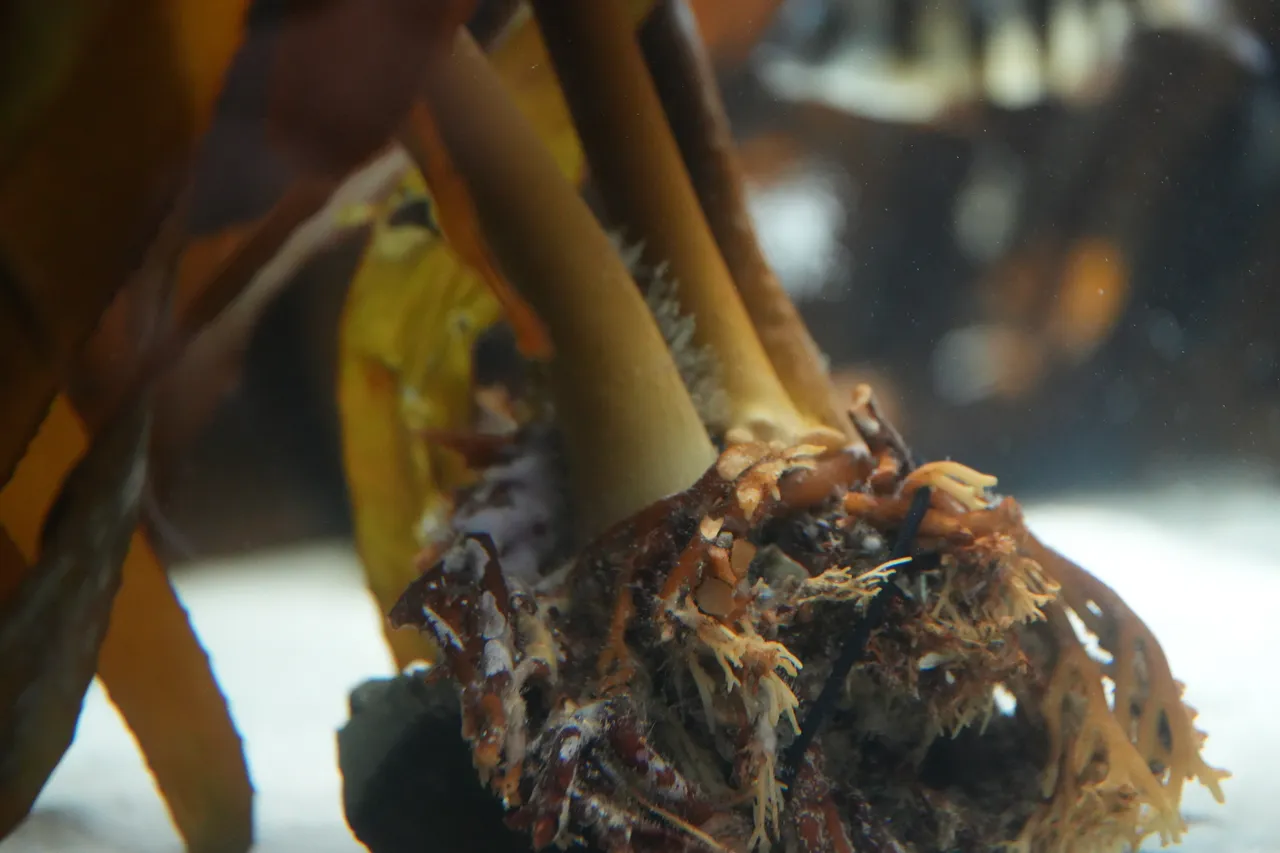
Although kelp may resemble a tree, it is quite different. Instead of roots, it has a specialised structure called a holdfast, which anchors the kelp plant securely to rocky reefs. A long stem, known as a stipe, supports broad blades, or fronds, that stretch upwards towards the sunlight. A gas-filled bladder at the top of the kelp plant helps to keep it afloat. Like terrestrial plants, kelp uses sunlight to photosynthesise, growing up to 10m in length.
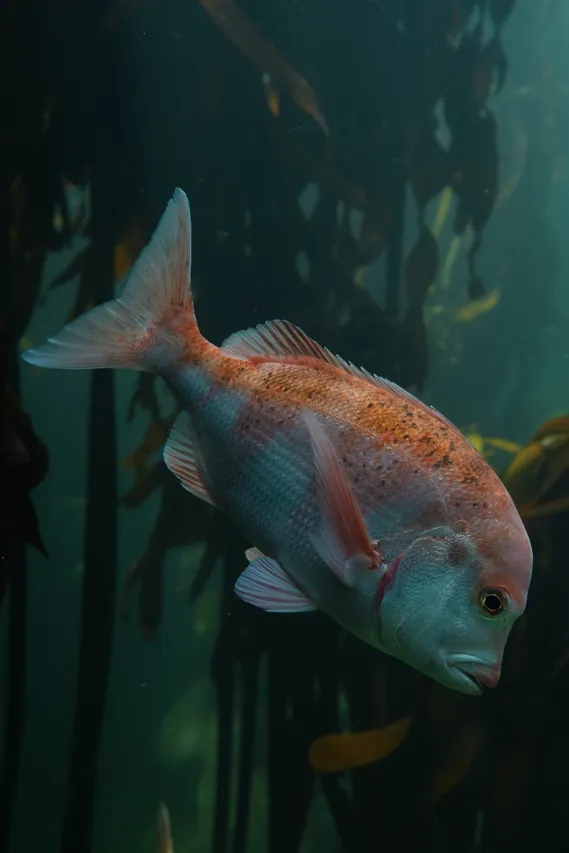
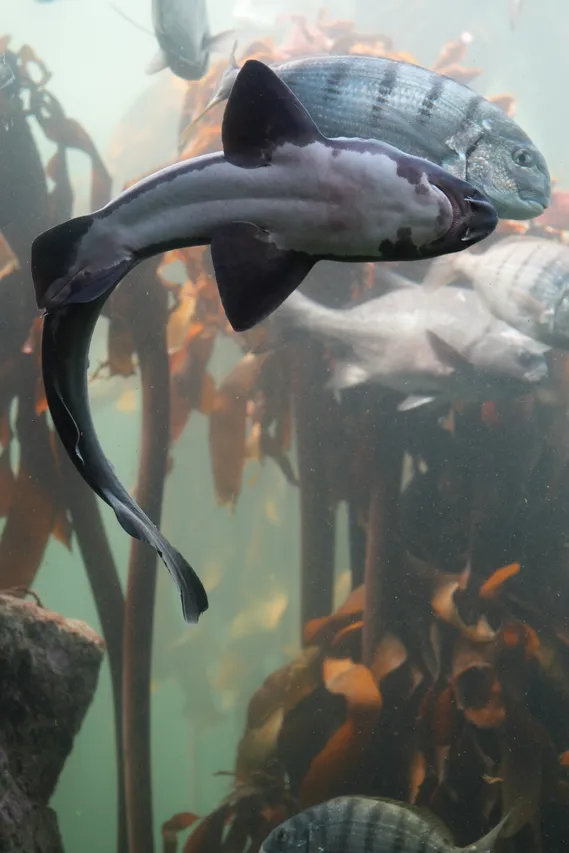
These towering marine plants create an intricate underwater forest that provides shelter, food, and breeding grounds for countless marine animals. Abalone, rock lobsters, sea urchins, fish, sharks, and many other species depend on kelp forests for survival.
Nature's climate hero
Kelp forests do far more than support marine life. As one of nature's fastest-growing organisms, kelp absorbs significant amounts of carbon dioxide while producing oxygen through photosynthesis. These underwater forests play an important role in helping regulate our climate while supporting an incredible diversity of life.
The seaweed also finds its way into many aspects of our everyday lives. Compounds extracted from different types of algae are used in products ranging from toothpaste and cosmetics to ice cream, medicines, and even the wine industry.
Whether we realise it or not, we interact with kelp almost every day.
Collecting kelp from the wild
To keep the kelp in the Kelp Forest Exhibit healthy and thriving, the Aquarium's Collections team regularly heads out to sea to sustainably collect fresh giant sea bamboo from natural kelp forests around Robben Island and Bantry Bay.
The process begins early in the morning. The boat is fueled and prepared before the team departs, allowing enough time to return so the kelp can be replanted the very same day. A skipper remains on board throughout the dive, keeping track of the divers' locations while maintaining communication with the harbour authorities.
Depending on the size required, divers descend between four and five metres below the surface. Each kelp plant is carefully selected before being delicately cut near its holdfast to ensure the healthiest plants are brought back to the Aquarium.
Once onboard, the freshly harvested kelp is kept constantly wet throughout the journey home. Maintaining moisture is essential to ensure the plants remain healthy until they can be replanted.
Replanting an underwater forest
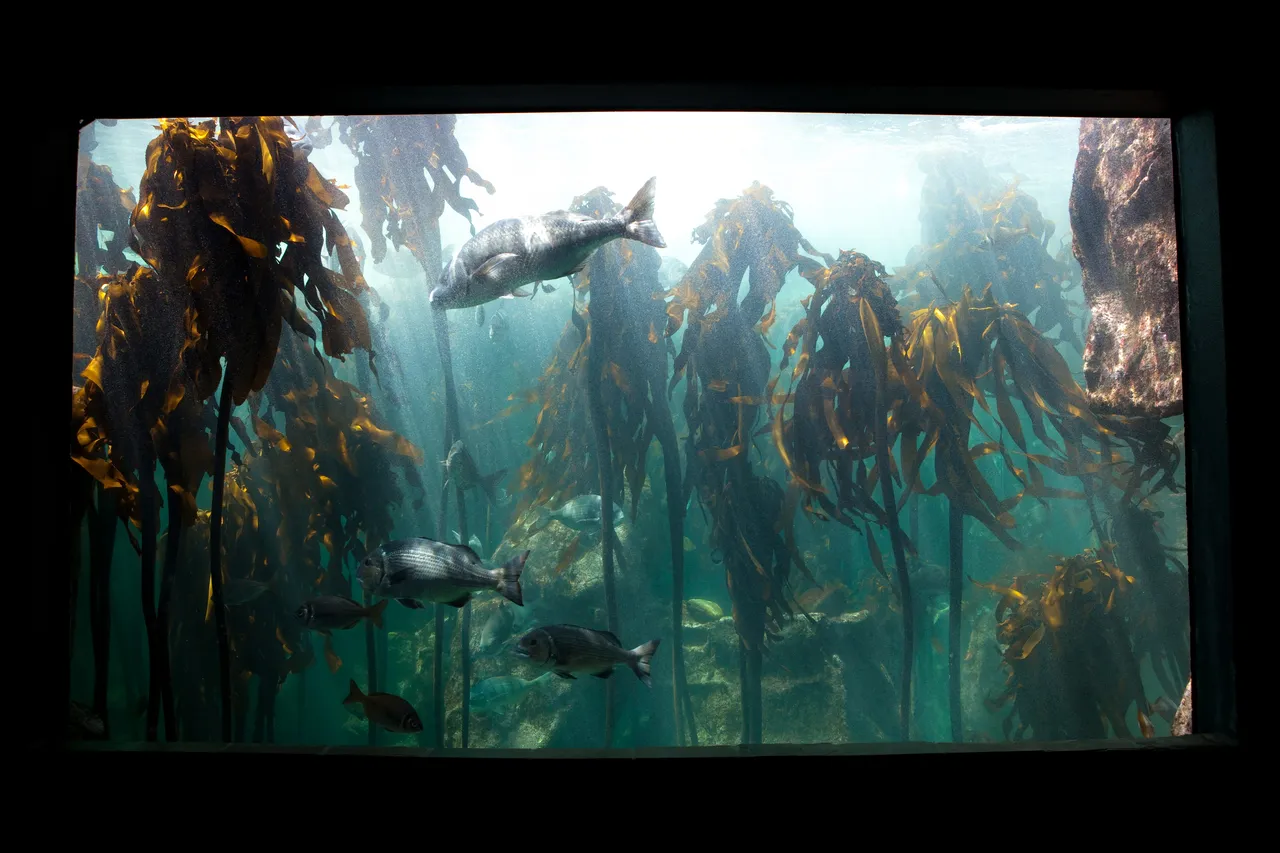
Back at the Two Oceans Aquarium, teamwork makes the dream work. Our aquarists work together to carefully carry the lengths of kelp without allowing them to touch the ground. The plants are loaded into a hoist box, lifted to the top of the exhibit, and immediately lowered into the water.
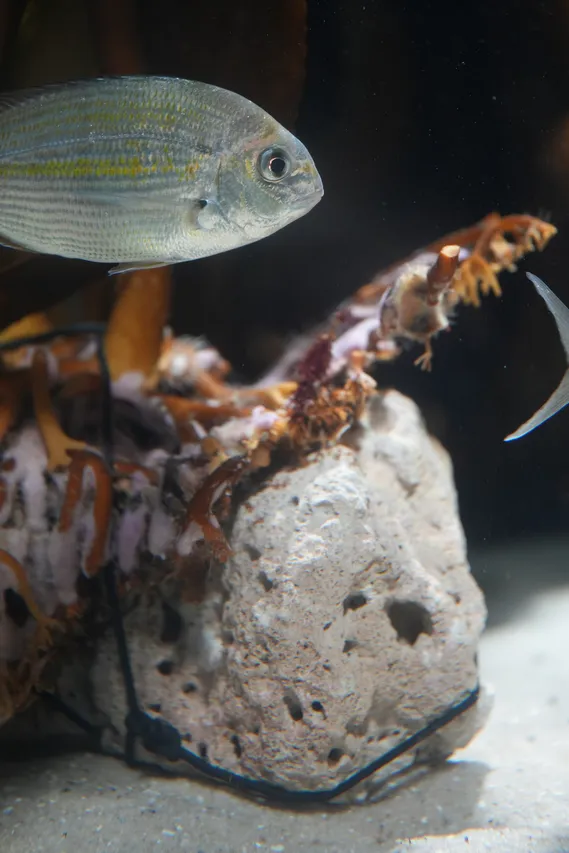
Divers then descend into the exhibit to individually secure each holdfast to specially designed attachment points hidden among the artificial rockwork. Using bungee cord, they tie each holdfast firmly in place. Once the kelp has naturally attached itself to the rock, the temporary ties can be removed, and the plants continue growing naturally.
The arrival of fresh kelp is exciting for more than just the aquarists. Fish eagerly pick through the newly introduced fronds, feeding on tiny worms and other small organisms that naturally arrive with the kelp, providing an extra nutritional boost. The updated positioning of kelp also provides some environmental enrichment for the inhabitants of the Kelp Forest Exhibit, as they can explore a new layout.
Creating the perfect kelp habitat
Keeping a living kelp forest healthy inside an aquarium requires far more than simply adding seawater. Every aspect of the exhibit has been carefully designed to recreate the unique conditions found in South Africa's wild kelp forests.
The Kelp Forest Exhibit operates on an open water system, with a constant flow of fresh seawater moving through the exhibit. Water continually enters and exits, ensuring nutrients are replenished while keeping the fronds healthy.
Powerful spray bars and a unique plunger system recreate the surge of ocean waves, while a streamer pump circulates approximately 70 000 litres of water every hour to create natural water movement. Large dump boxes periodically release volumes of water into the exhibit, stirring nutrients through the forest just as waves do in nature.
Light is equally important; the exhibit is open at the top, allowing natural sunlight to reach the kelp throughout the day. During winter and on overcast days, powerful artificial lighting provides additional light so the kelp can continue photosynthesising.
Temperature is carefully maintained between 12 and 15 degrees Celsius using large chillers, replicating the cold waters of the Benguela Current that giant sea bamboo calls home.
Daily care behind the scenes
Maintaining a living kelp forest is a year-round commitment. Aquarists regularly dive into the exhibit to feed the fish and sharks, siphon and clean the sand, remove old or damaged fronds, and monitor the health of every animal and plant. Any old kelp that has reached the end of its life is removed and composted.
Even the towering rock formations visitors admire are carefully crafted from fibreglass rather than natural rock, allowing the exhibit to safely support the growing kelp while providing countless hiding places for its inhabitants.
Celebrating one of South Africa's greatest ecosystems
The Kelp Forest Exhibitis one of the Two Oceans Aquarium's most iconic spaces and remains one of its most treasured exhibits.
It celebrates the beauty of South Africa's underwater forests while inspiring visitors to appreciate the biodiversity they support and the importance of protecting these extraordinary marine ecosystems.
Every swaying frond, every curious fish, and every carefully tended kelp plant tells a story of resilience, connection, and conservation.
When you stand before the Kelp Forest Exhibit, you are not simply looking into an exhibit. You are looking into one of South Africa's most remarkable underwater forests, brought to life through the dedication of the Aquarium's Collections team, aquarists, and divers who work tirelessly behind the scenes to ensure this living ecosystem continues to thrive.
Related News
Sign up to our Newsletter
Receive monthly news, online courses and conservation programmes.