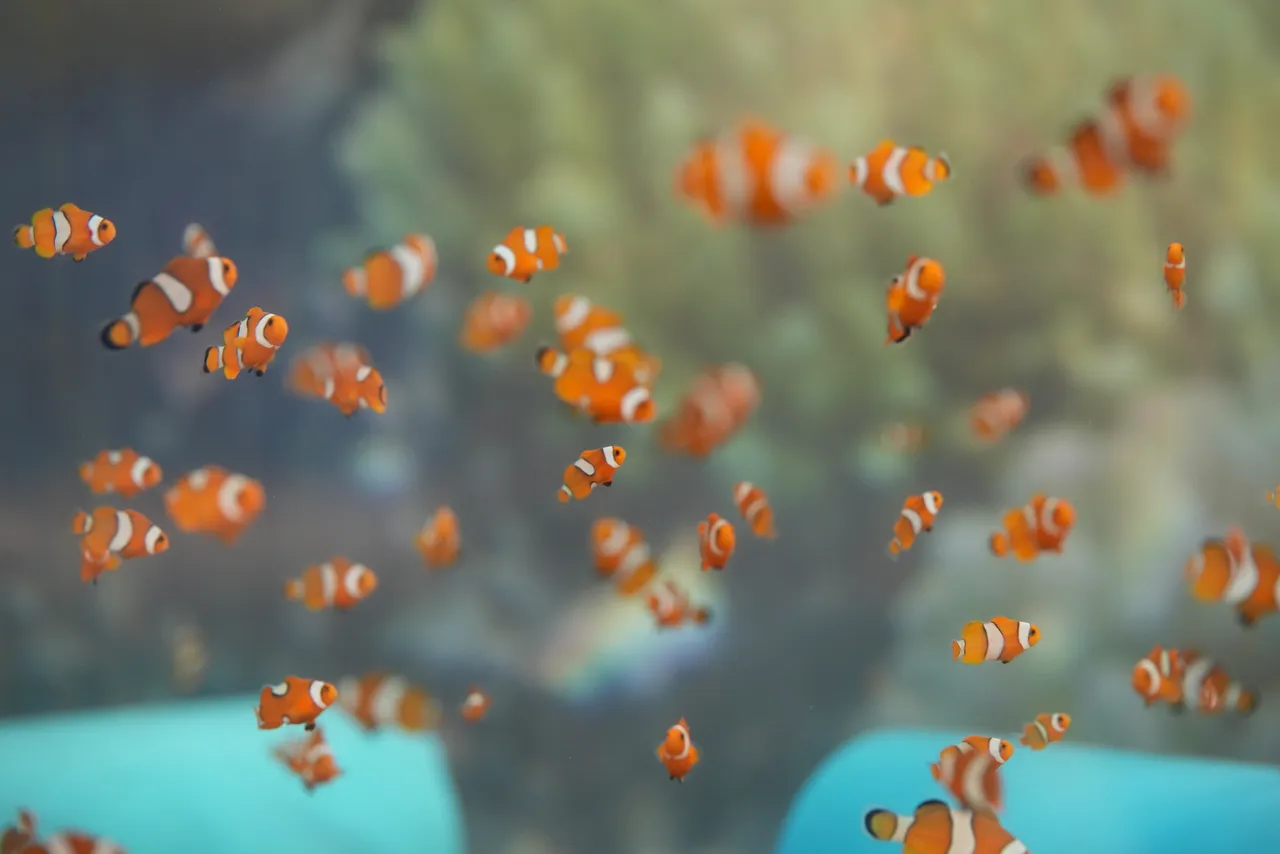
One of the most popular exhibits at the Two Oceans Aquarium is our Clownfish Exhibit, and now, there’s even more reason to love it.
Behind the scenes, our Aquarists have successfully hatched and raised a brand-new generation of Western clownfish, thanks to careful planning, patience, and a deep understanding of how these iconic fish behave in the wild.
Creating the perfect home for clownfish parents
In the wild, clownfish thrive in very specific conditions and are sensitive to even the smallest change. This is why breeding clownfish can be quite a tricky business!
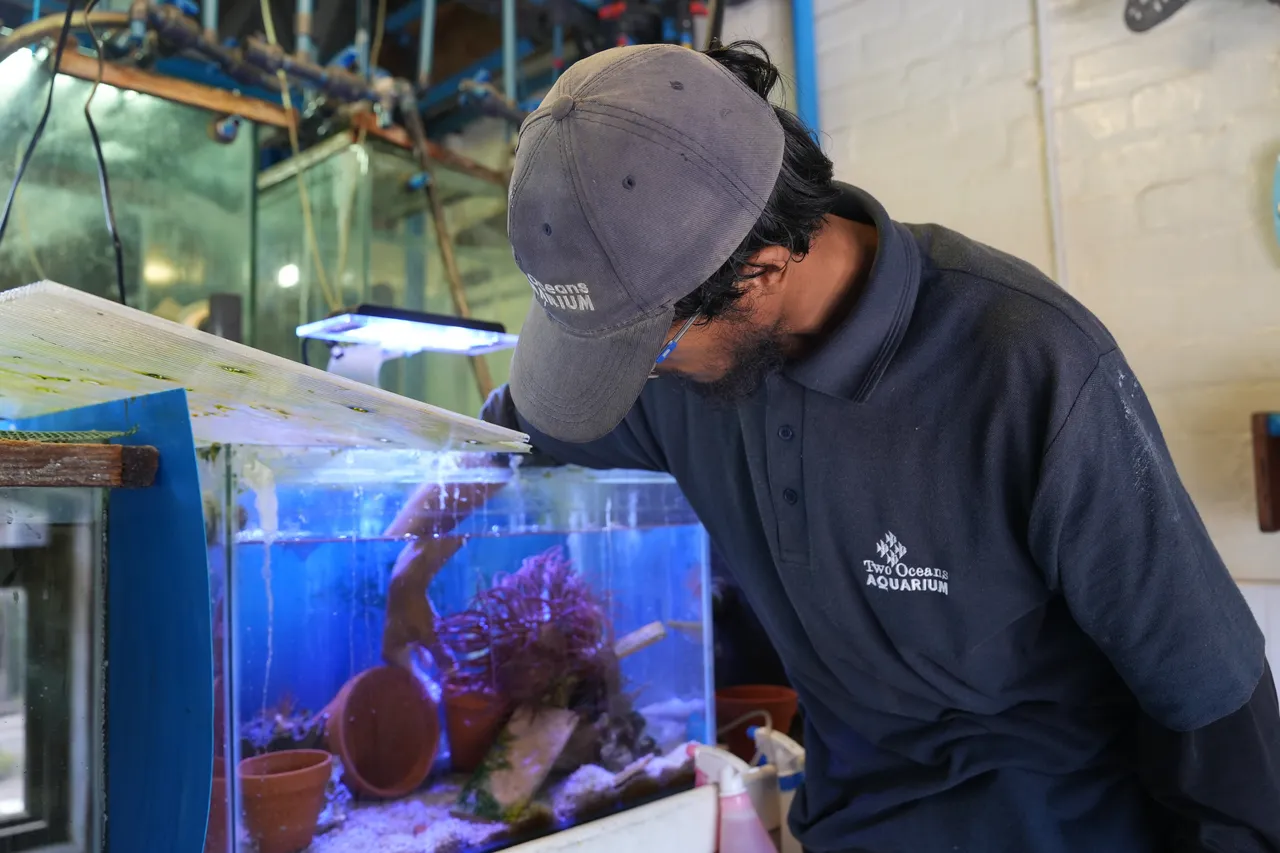
Finn and Skye, our breeding pair, were introduced to the Aquarium as part of an effort to strengthen the genetic diversity of our current population of clownfish. To encourage breeding, our team recreated the conditions clownfish rely on in their natural habitat. To start, Aquarist Abdulmuhaymien Malick and the team carefully prepared their temporary home to mimic the calm, stable environment of a coral reef.
To reflect wild conditions, the holding chamber’s water temperature was kept consistent between 25 – 26°C, with carefully controlled salinity levels. Finn and Skye’s chamber was placed in a secluded, low-traffic area to minimise stress, much like the sheltered spaces clownfish will choose on a coral reef. Malick even set up automated lighting so that the fish experienced a full “night” and “day” cycle!
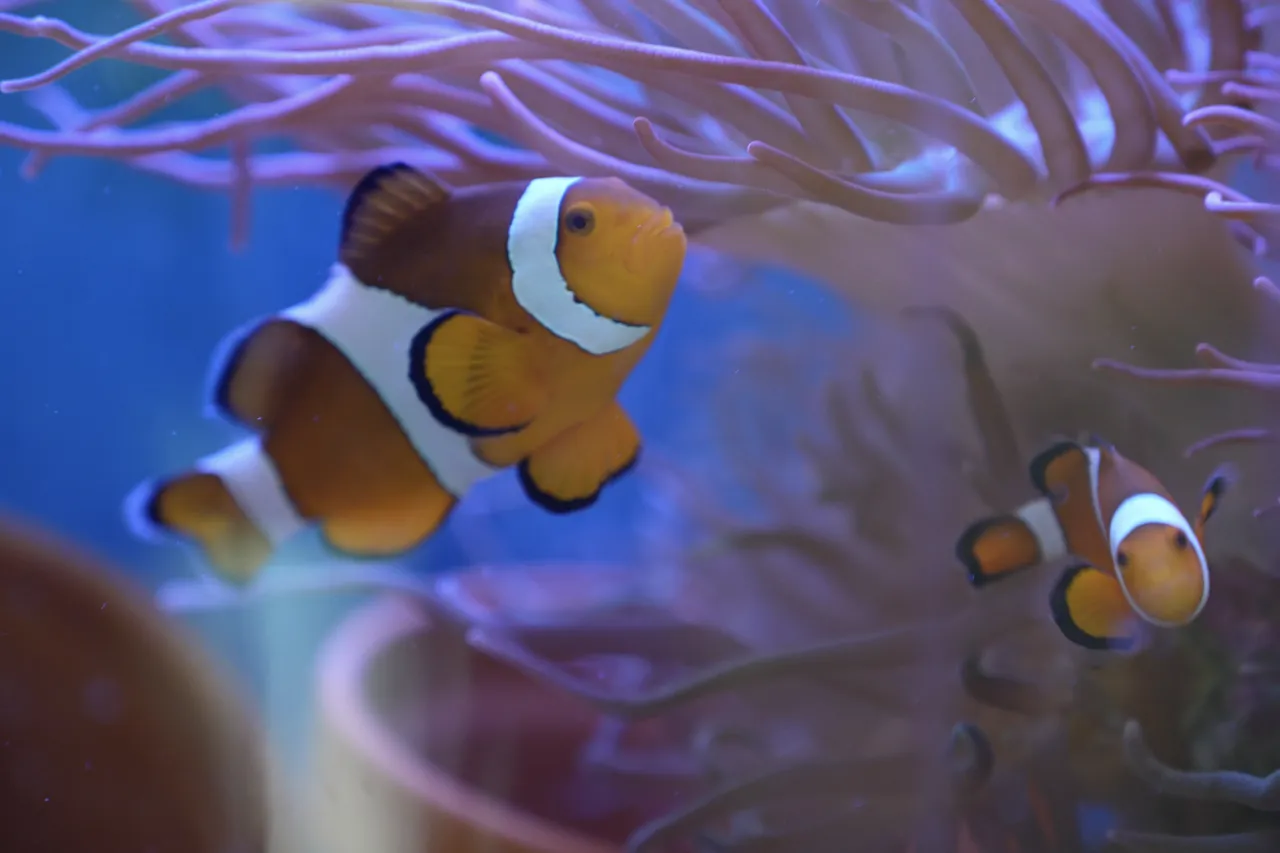
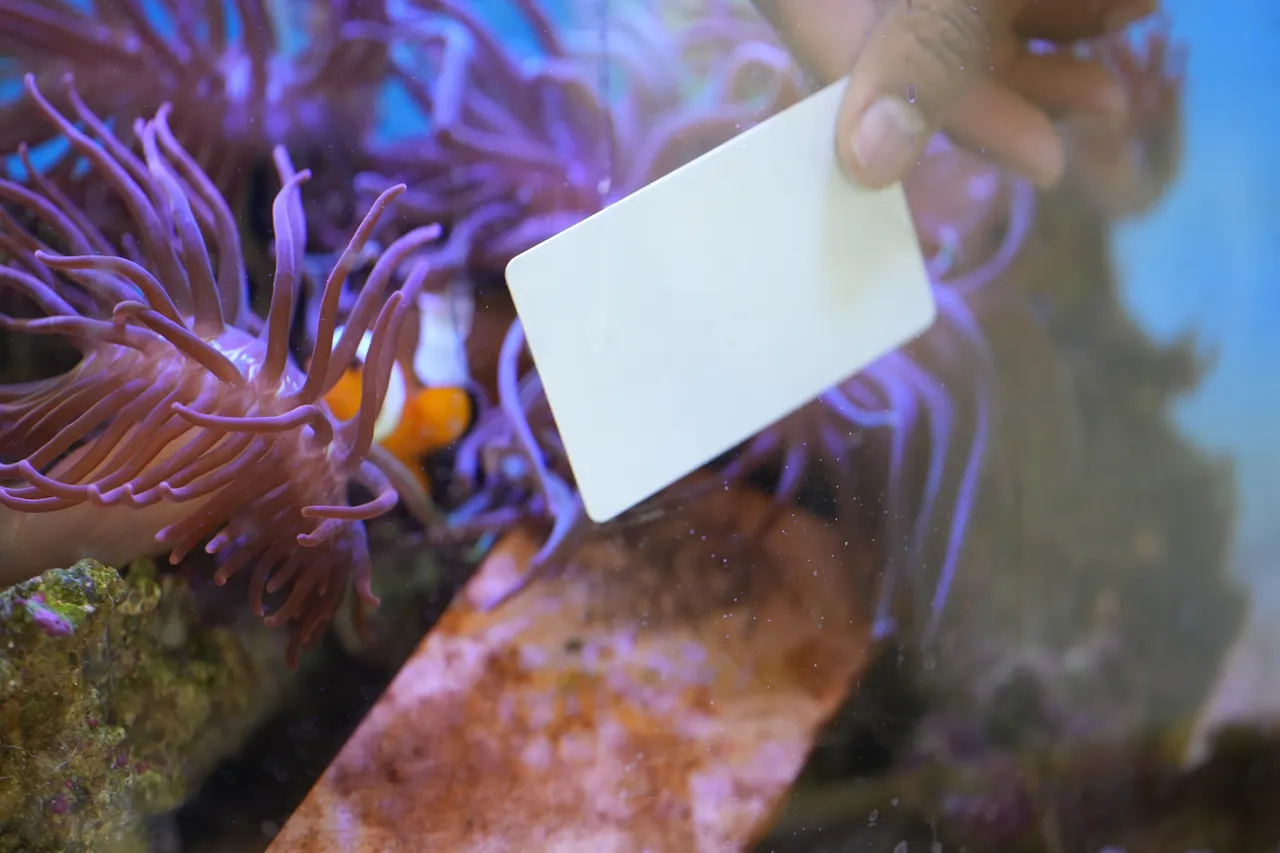
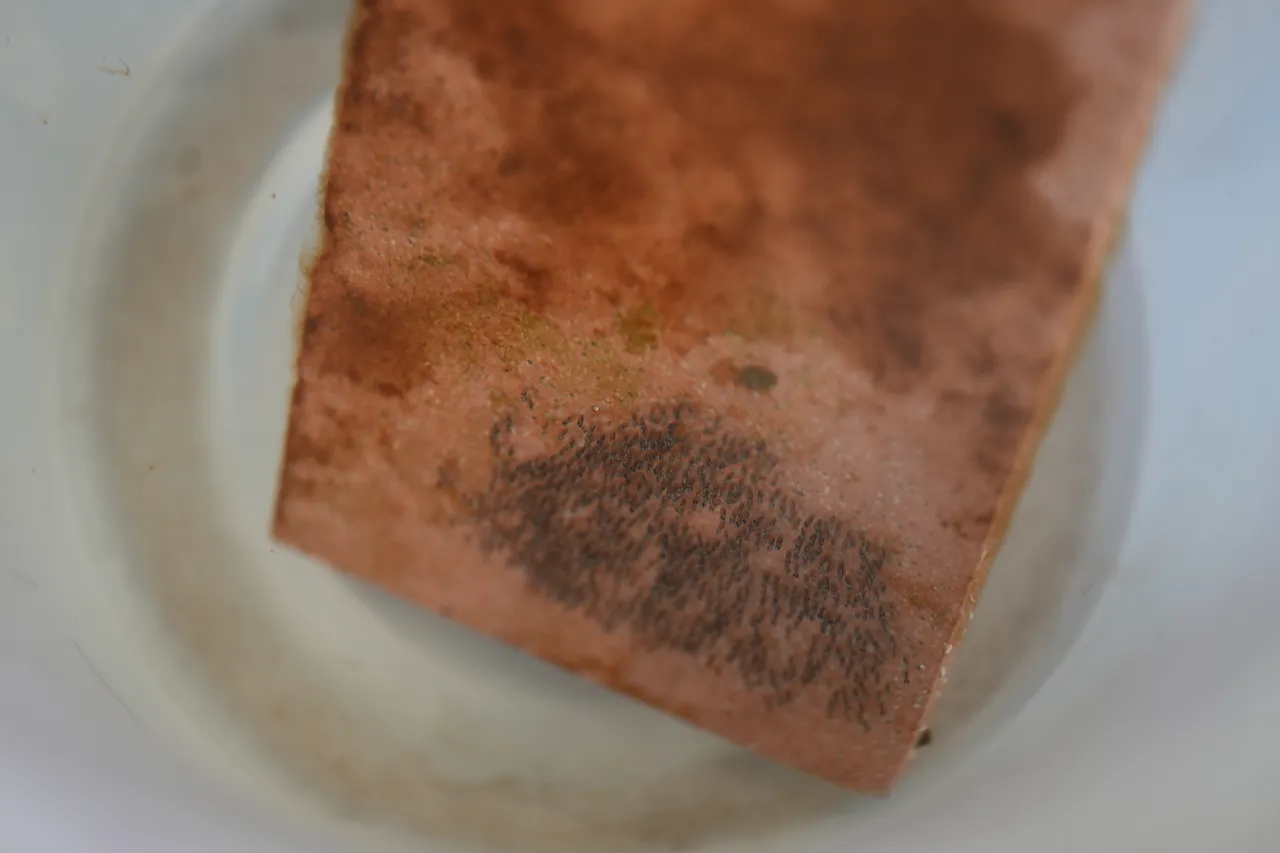
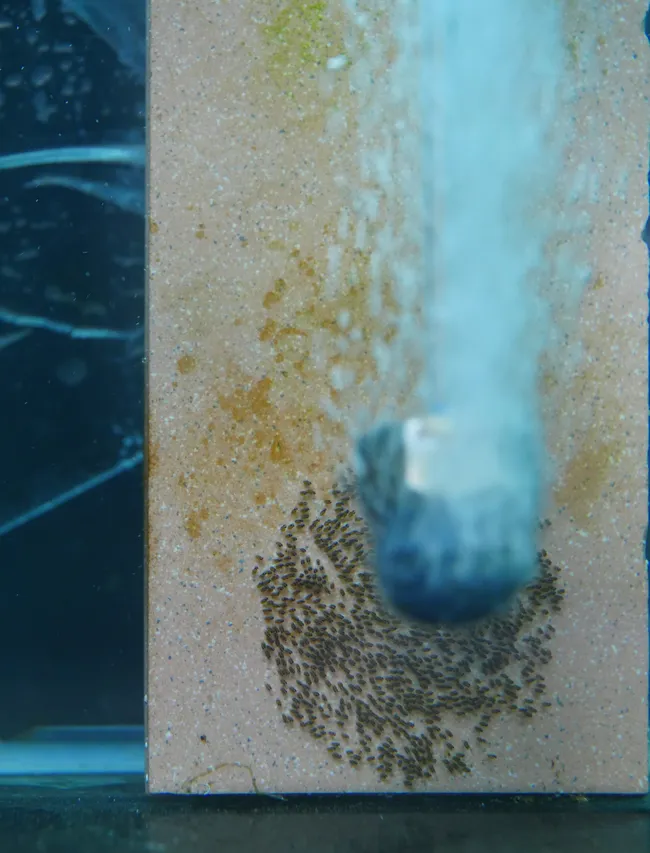
When it came to choosing a spot to lay their eggs, Finn and Skye showed similar preferences to their wild counterparts. Malick offered the prospective parents a variety of surfaces, and they selected unglazed tiles and terracotta pots. These flat, sturdy options are not unlike the rocks wild clownfish will use near their home anemones.
Dedicated parenting in action
Clownfish reproduction is a carefully timed process. Around the full moon, a breeding pair will leave the safety of their anemone to find a suitable surface (like a flat rock or Finn and Skye’s tile). The female lays her clutch, which can be made up of thousands of eggs, and the male fertilises them.
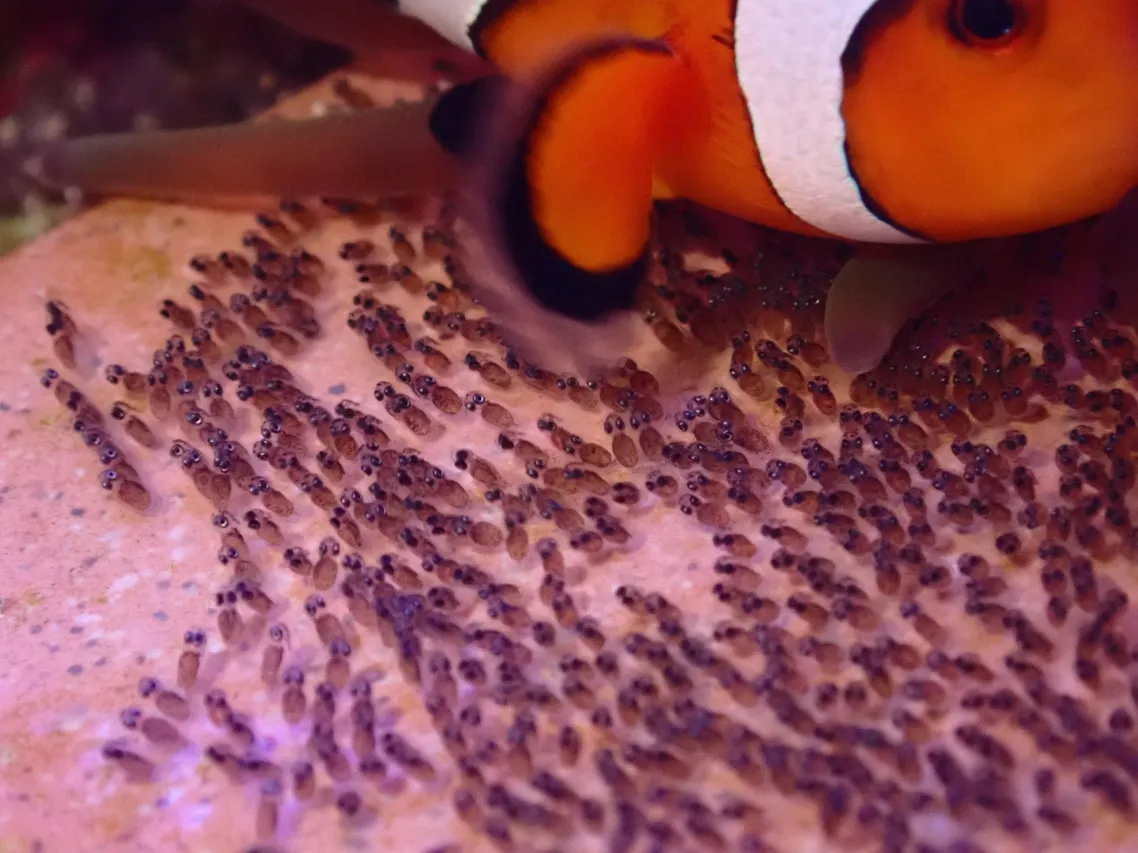
From this point, the male guards the eggs for about a week, constantly cleaning them and fanning them with his fins to ensure a steady flow of oxygen. The female typically returns to the anemone but remains close by. This same behaviour played out at the Aquarium, with Finn dutifully tending to the eggs while Skye stayed nearby.
Our Aquarists allowed this natural parenting process to unfold, recognising how critical it is for egg health and survival. By working with these instincts rather than against them, the team gave the eggs the best possible start.
To keep Finn and Skye in top parenting condition, the team made sure they received a balanced and nutritious diet. In the wild, clownfish are opportunistic omnivores with a surprisingly varied diet. On the reef, they feed mostly on zooplankton drifting past, but they’ll also nibble on algae, anemone tentacles, and even partially undigested poop from their host anemone!
To mirror this, Finn and Skye were fed up to four times a day on a nutrient-rich mix of ocean flake, hake roe, and bloodworm. This variety ensured they were in peak condition for breeding, just as a diverse diet supports clownfish health in the wild.
Watching life develop
Once the eggs were laid (typically in the afternoon between 13h00 and 18h00), the team’s anticipation really began.
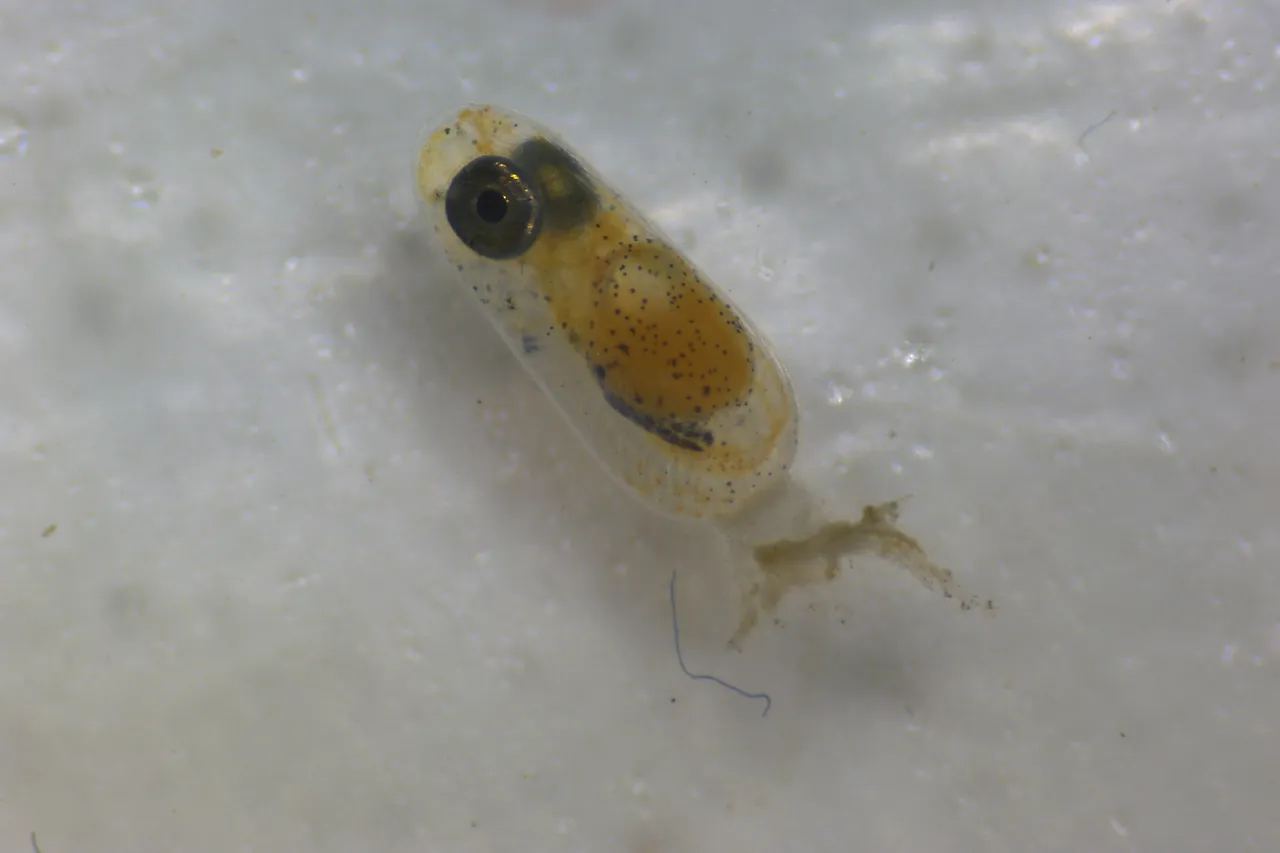
Clownfish eggs are fascinating to observe because they change colour as they develop. They begin as a translucent yellow, gradually forming tiny eye spots that darken over time. By around day six, the developing eyes turn a reflective silver. This is a sign that hatching time is close.
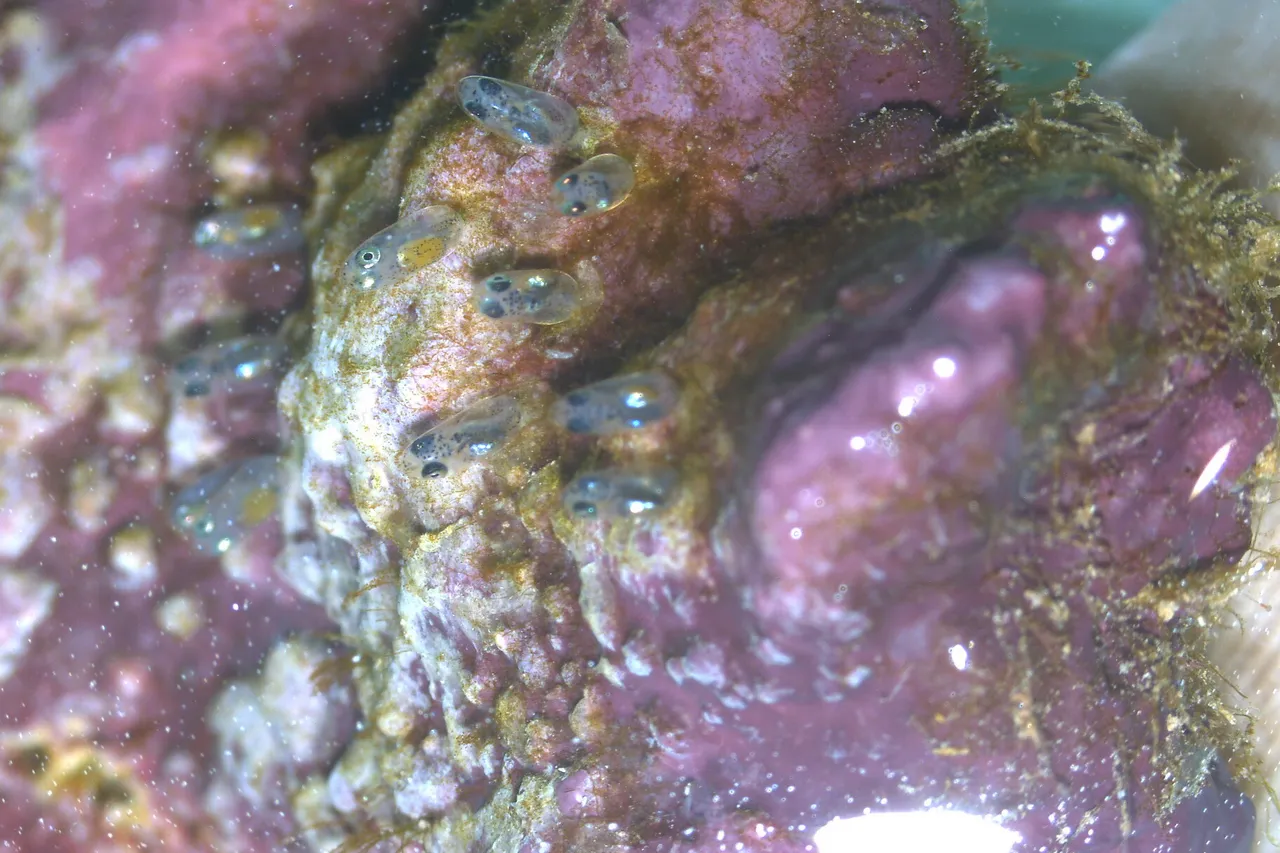
For the first week, Finn continued his tireless care, removing any dead or infected eggs and ensuring the rest remained healthy and aerated.
After this crucial period, Malick carefully transferred the eggs to a separate chamber where conditions could be controlled even more closely. This move also reflects a natural part of their lifecycle, as clownfish do not raise their young beyond the egg stage. In the wild, the larvae are carried away by ocean currents, drifting far from their birthplace before eventually settling on a reef.
Malick also ensured that the new hatching chamber had little to no light disturbance. Clownfish have evolved to hatch at night to reduce the risk of predation, so the team ensured they had a calm, dark environment.
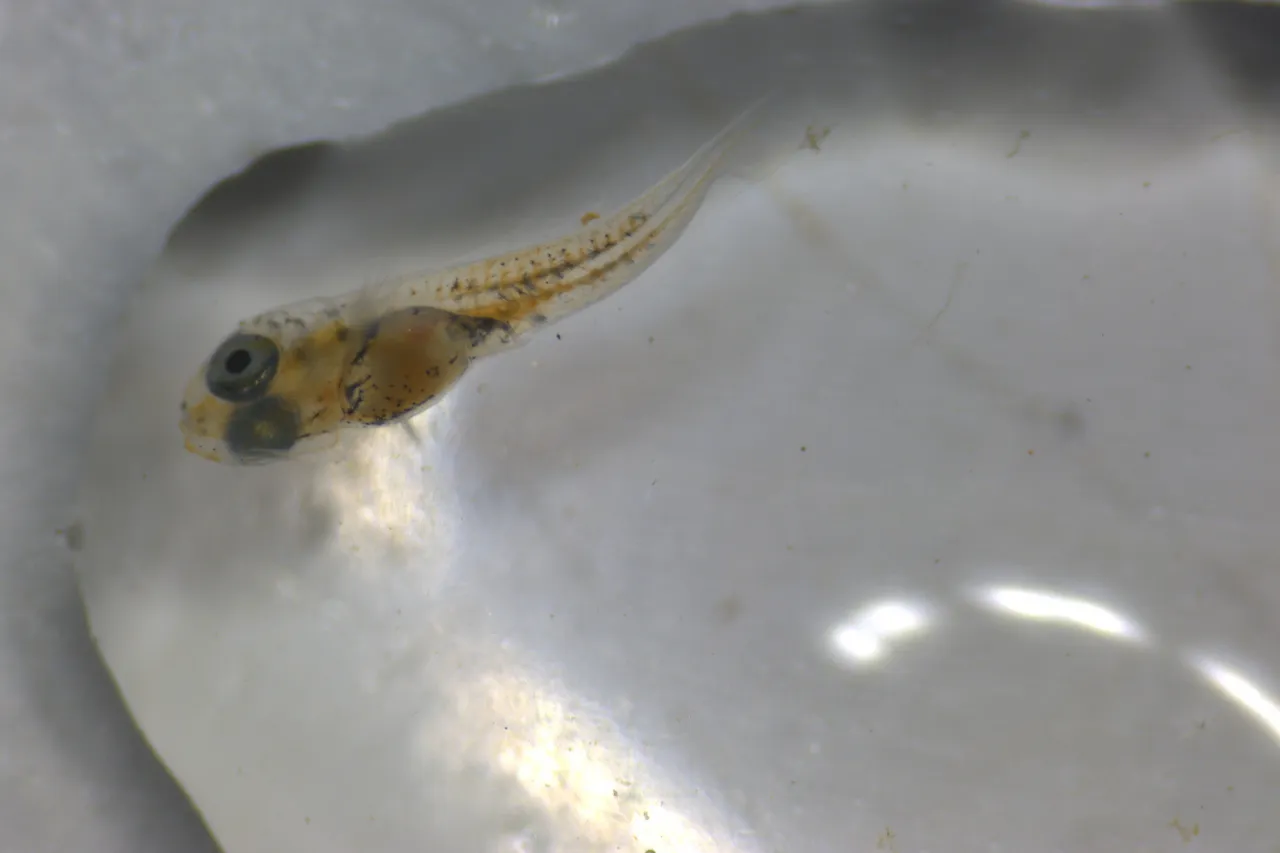
When the fry (baby clownfish) finally emerged, they were miniscule – even smaller than a pinky fingernail!
Raising the next generation
Our Aquarists took on the role that the ocean would normally play for baby clownfish by providing food, protection, and the right conditions for growth.
For the first few days of their lives, the fry were fed live rotifers three times a day. These microscopic animals are a common marine food source and mimic the zooplankton that clownfish babies would encounter in the wild.
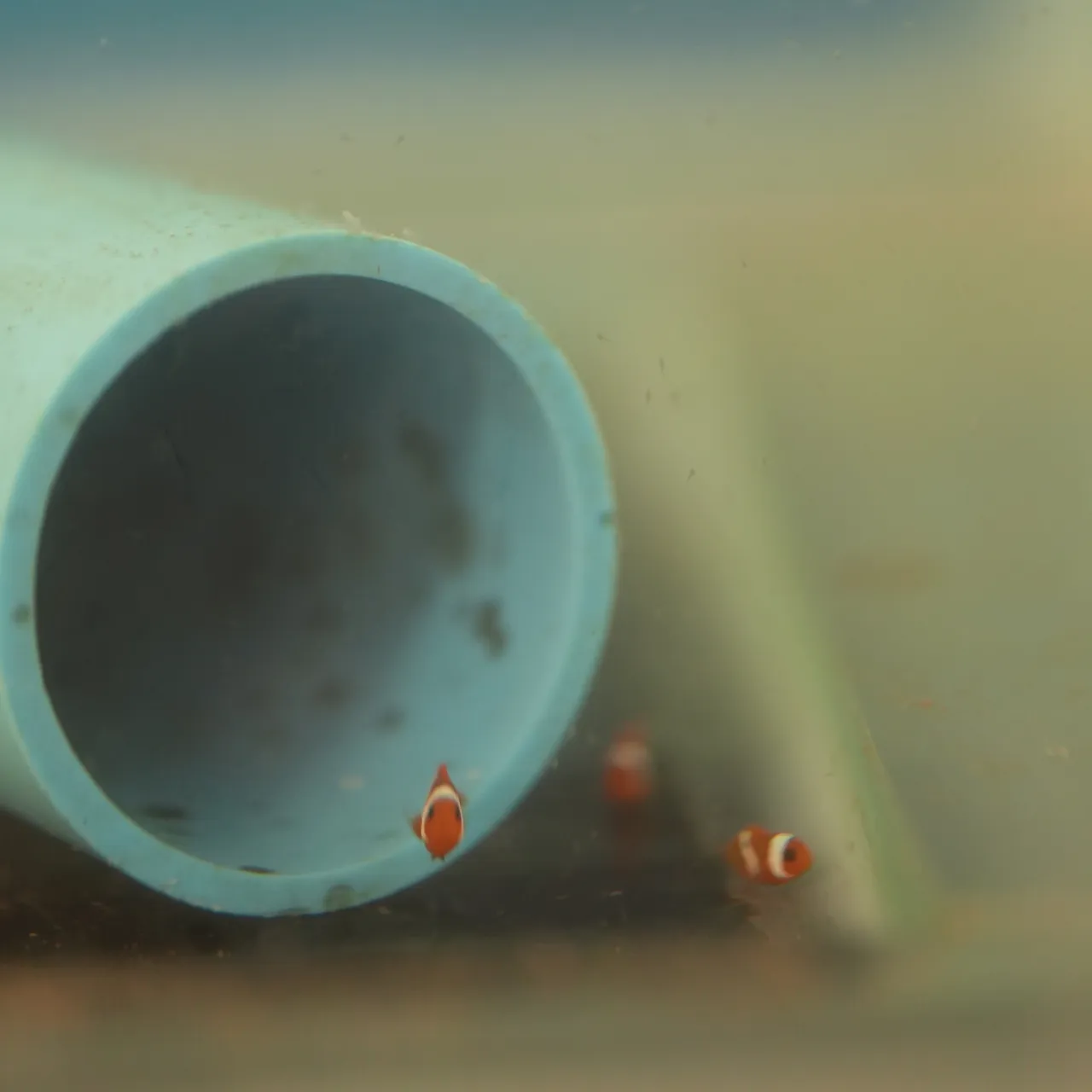
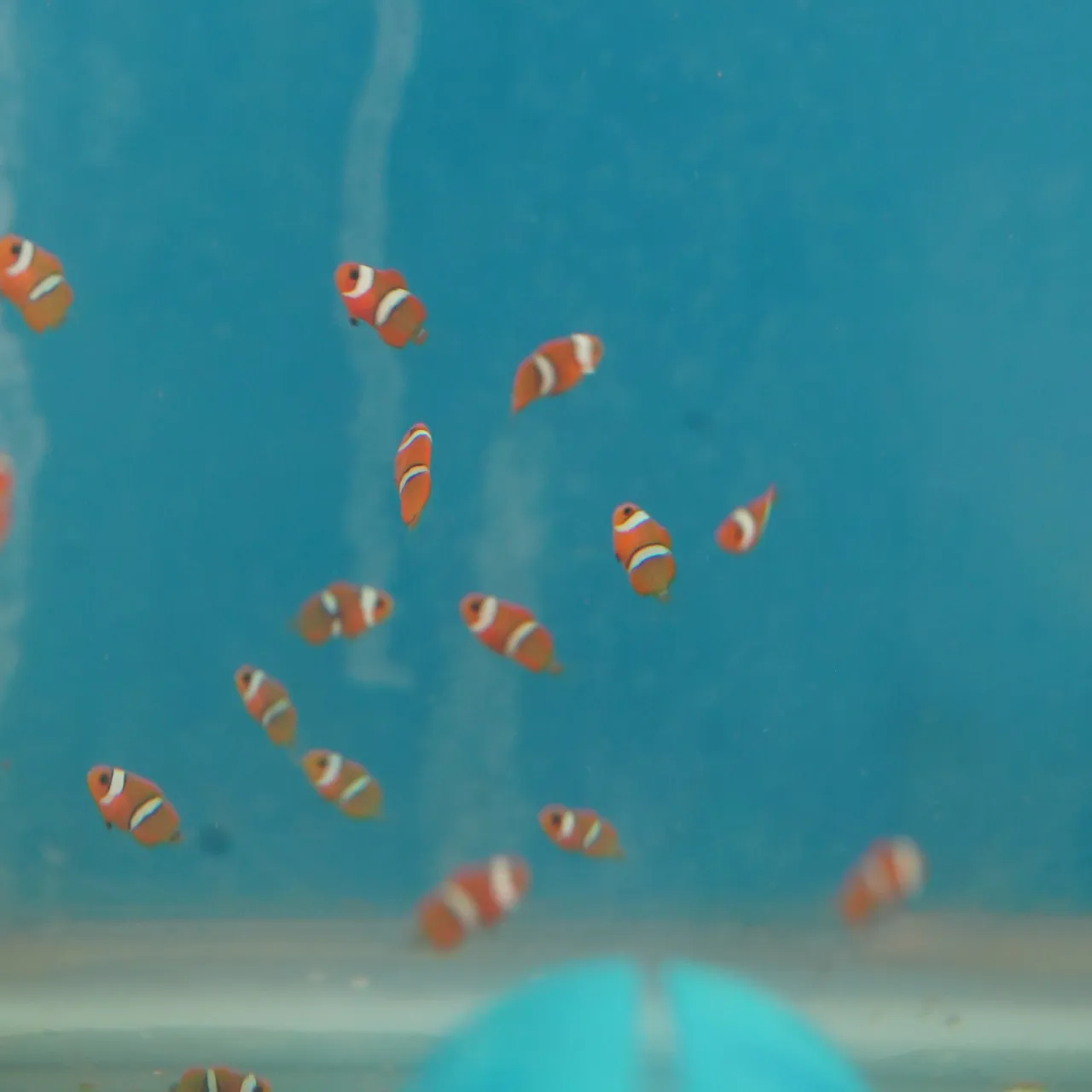
As the baby clownfish grew, the fry were gradually introduced to newly hatched artemia (brine shrimp), and later to protein-rich options like hake roe.
To support this delicate food chain, the water was kept lightly tinted green with phytoplankton to feed the rotifers and artemia, and in turn, sustaining the young clownfish.
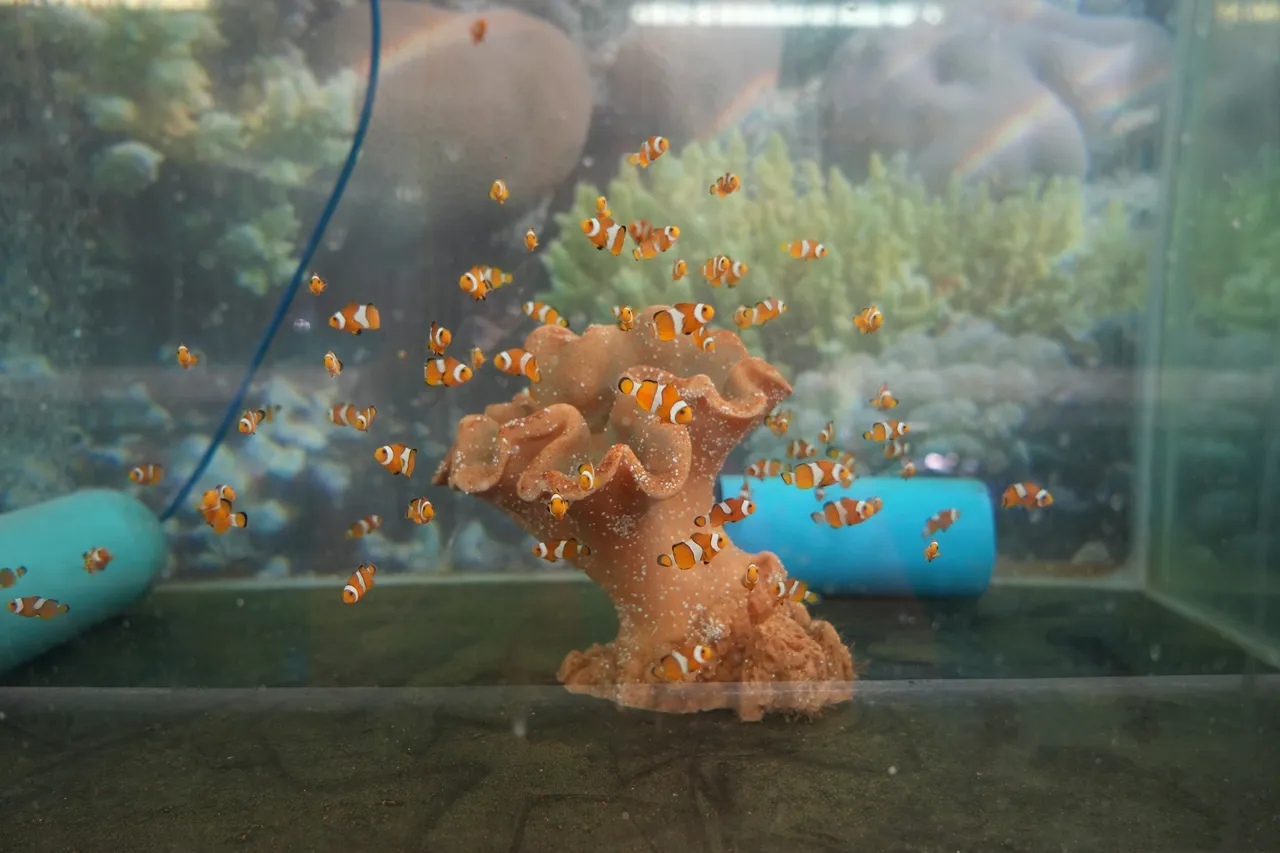
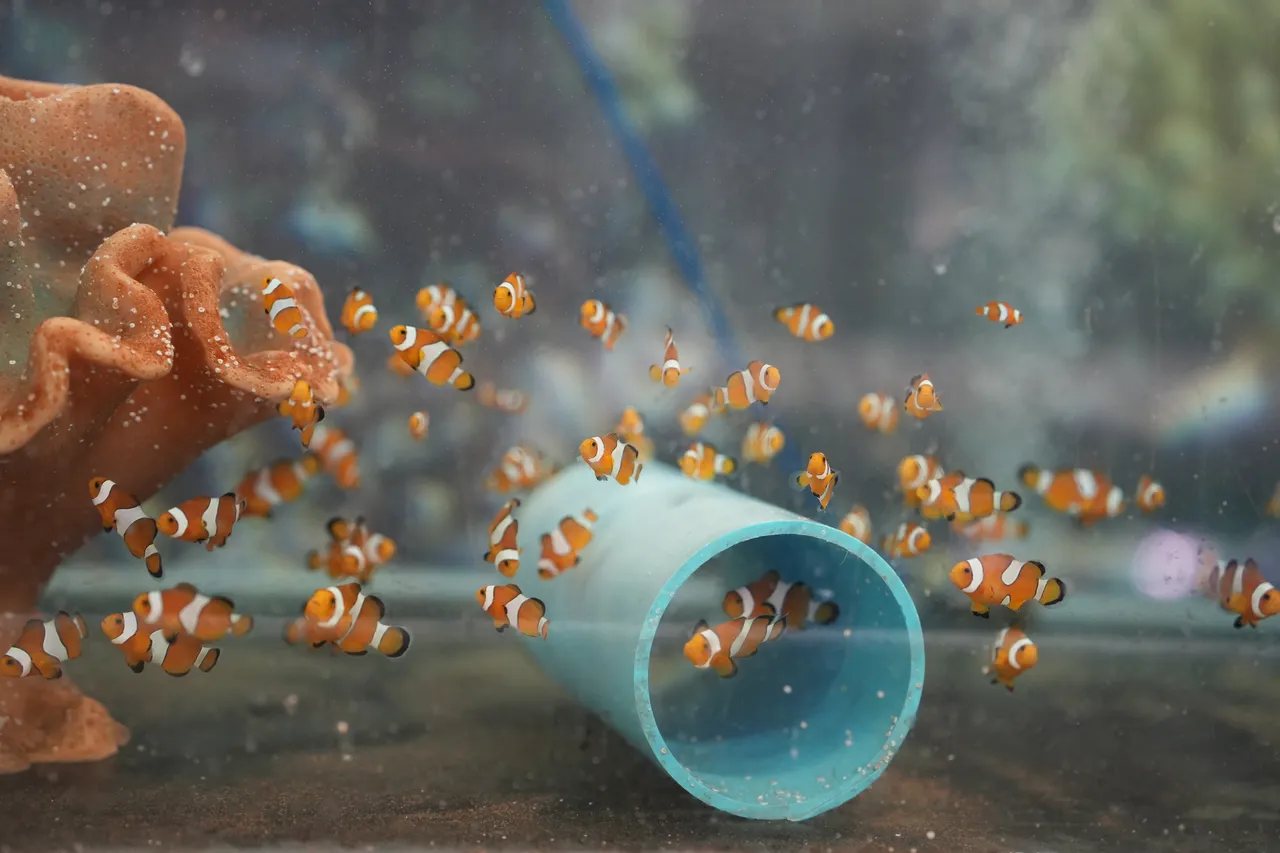
In the wild, clownfish larvae drift with ocean currents before settling into new anemones and forming their own social groups. While our Aquarium-born clownfish won’t face the same journey, our team took great effort in ensuring that their early life stages closely mirrored this natural cycle.
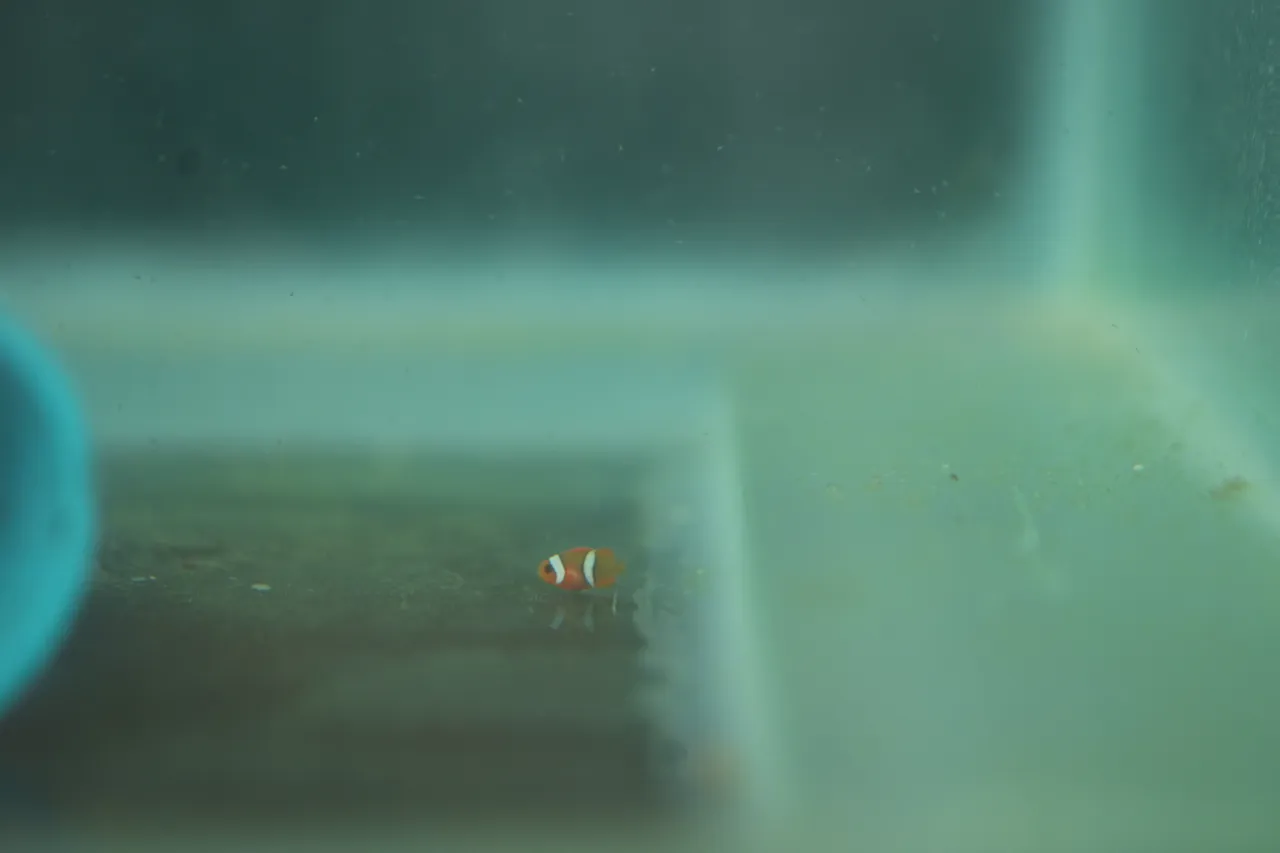
By carefully recreating the conditions clownfish depend on in the ocean, from water quality and feeding to breeding behaviour, our Aquarists have helped ensure the success of this new generation.
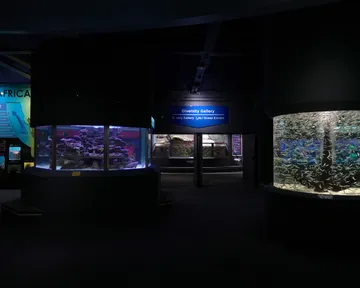
Visitors to the Two Oceans Aquarium can ogle at these adorable new residents in our Diversity Gallery.
Related News

Sign up to our Newsletter
Receive monthly news, online courses and conservation programmes.