Tracking our turtles: Underwater mountain ranges and mystery routes
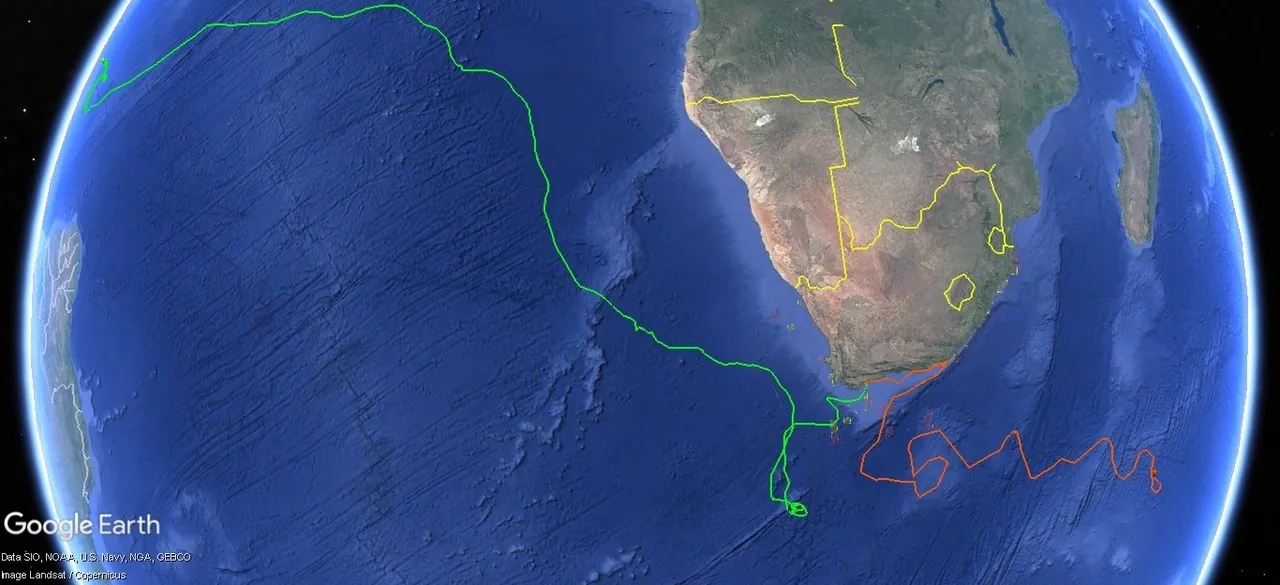
Our Turtle Conservation Centre is currently tracking two rehabilitated and released turtles with very different stories. Kai, a juvenile loggerhead turtle, and Nori, a subadult green turtle, are both fitted with satellite tags that allow us to follow along on their journeys as they explore the ocean.
Through this technology, we are gathering vital data that not only gives us insight into our rehabilitated turtles’ movements, but also contributes to the global database for turtle conservation, helping us to better understand and protect these species and the spaces they call home.
And, of course, it makes for a very exciting moment in the week when we get to check in with our adventurous travelling turtles!
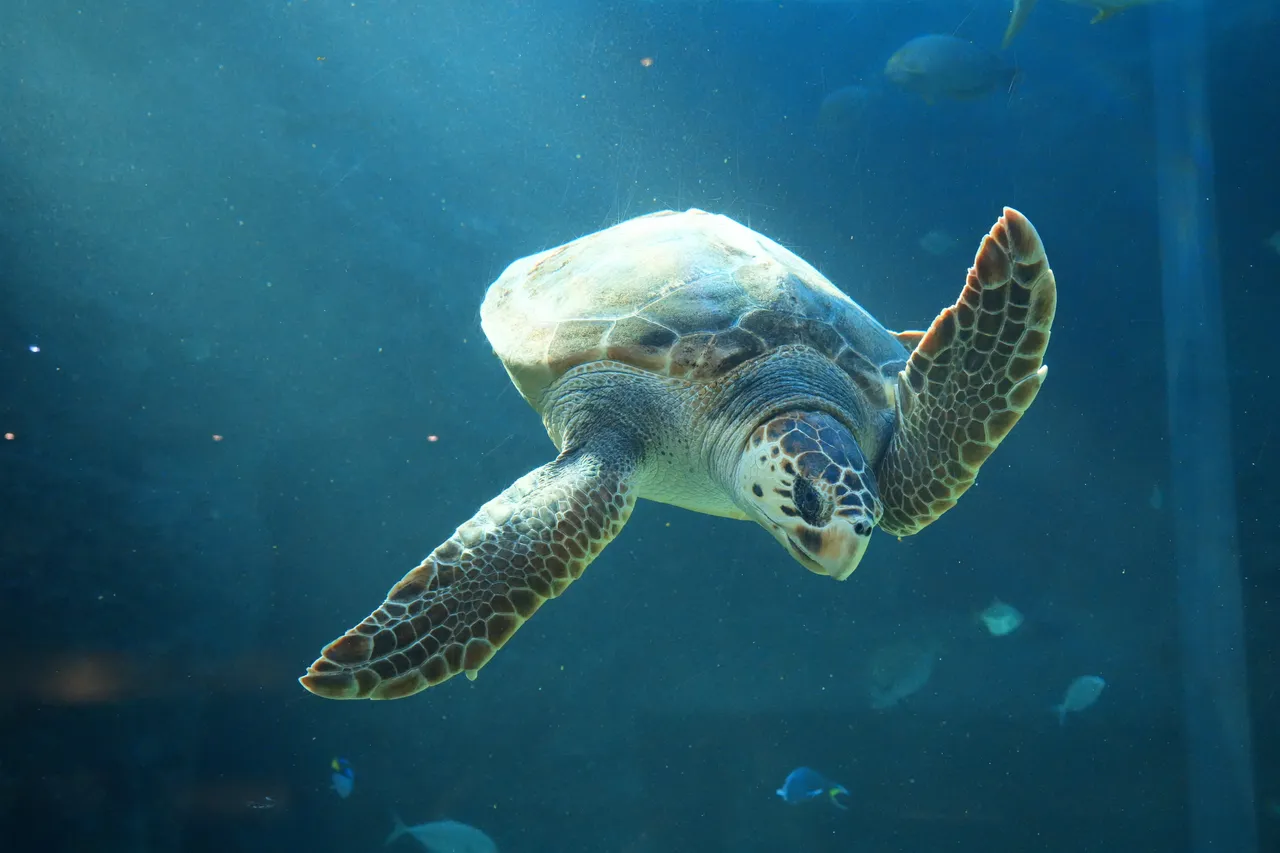
Kai, the loggerhead turtle
Our special loggerhead turtle, Kai, was released into the De Hoop Marine Protected Area in May 2026 after nearly six years in rehabilitation.
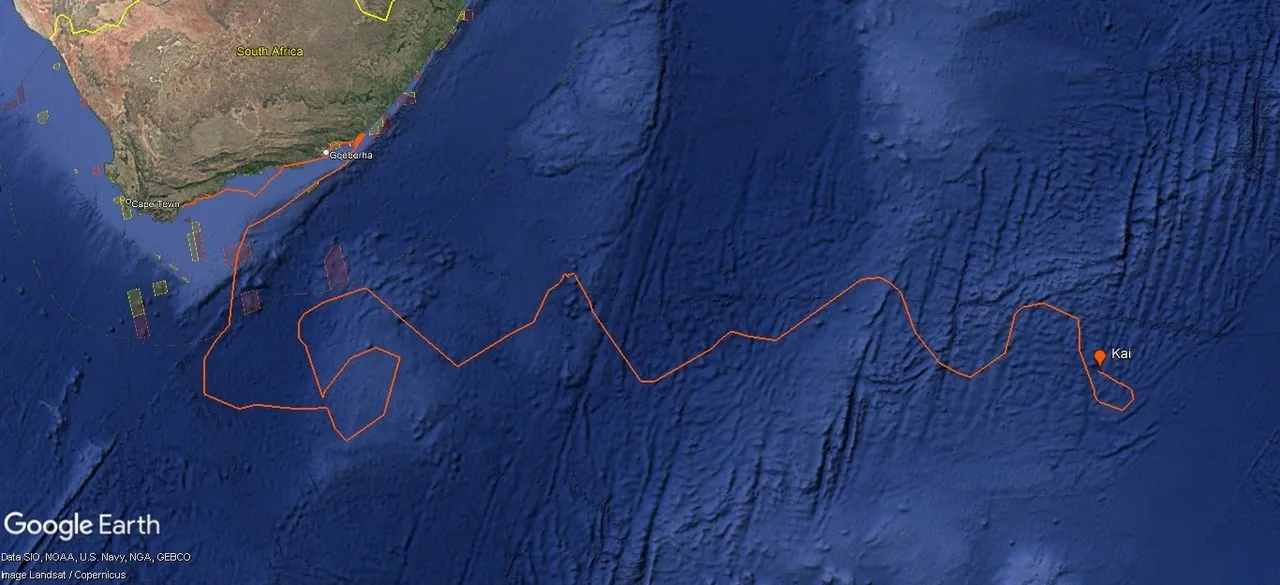
Now, 129 days into his ocean adventure, Kai has travelled an incredible 6 879km, averaging approximately 53km per day!
Kai has continued along his recent trajectory, making steady progress across the southwestern Indian Ocean. The powerful Agulhas Current certainly gave him a helping hand earlier in his journey. This warm, fast-flowing current moves southwards along Africa's east coast before turning back into the Indian Ocean, and can provide an important migratory corridor for sea turtles travelling through the region.
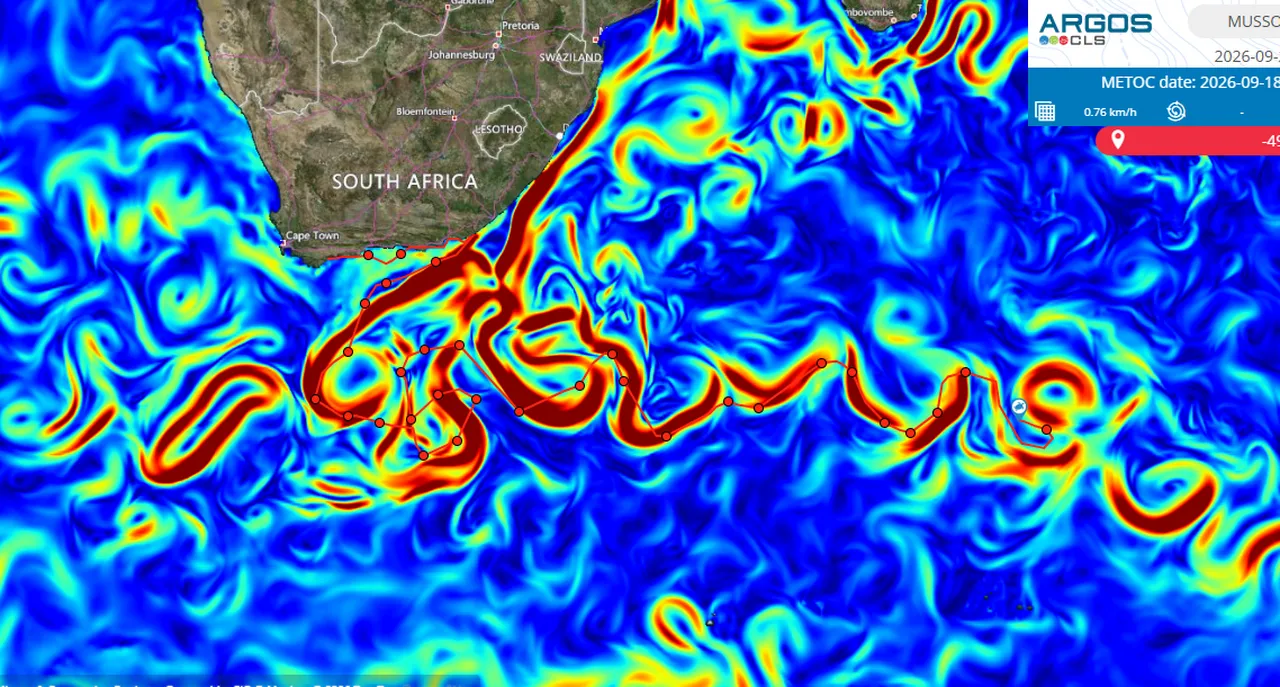
More recently, Kai has crossed the Southwest Indian Ridge – a vast underwater mountain range stretching across the floor of the Indian Ocean. Far beneath Kai, this dramatic landscape is made up of ridges, valleys, and seamounts created by tectonic activity. Some of these deep-sea features support surprisingly diverse ecosystems, despite being thousands of metres below the ocean's surface.
Some of you might remember that our beloved green turtle Bheni took a very intentional turn northwards when she encountered this ridge during her own travels. Kai, however, seems to have different ideas! Instead of following the ridge north, he has continued onwards.
Where exactly he is headed remains a mystery – and that's part of the excitement of following a rehabilitated and released turtle.
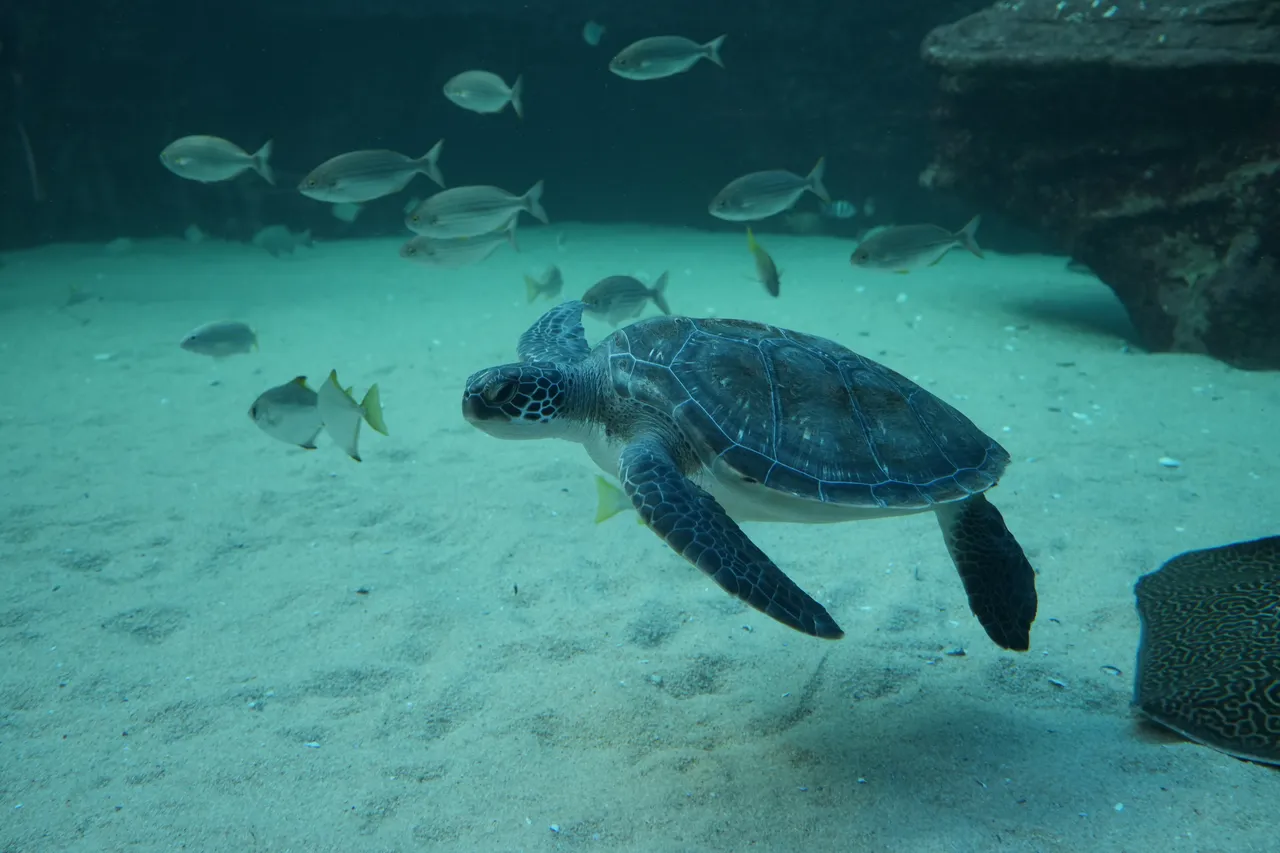
Nori, the green turtle
Meanwhile, Nori has been having quite the Atlantic adventure!
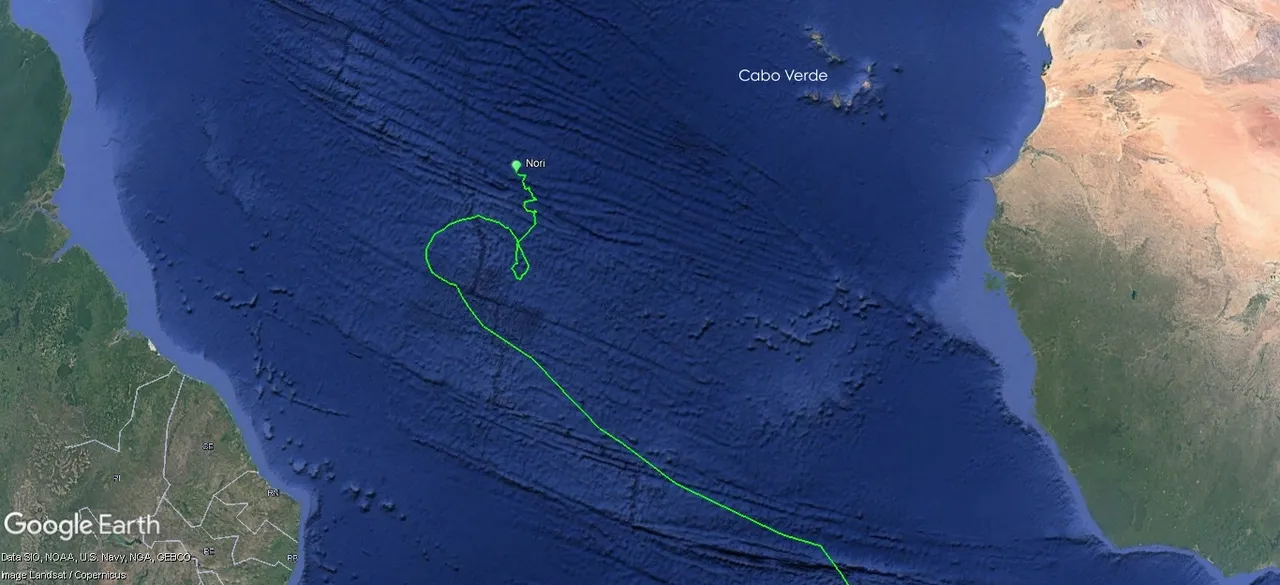
Nori was also released into the De Hoop Marine Protected Area, and in her 299 days at sea, she has travelled an impressive 12 190km, averaging approximately 40.8km per day. For months, Nori travelled steadily through the Atlantic Ocean, heading northwards along the west coast of Africa. But recently, her movements have become a little more interesting: She took a right turn, made a few characteristic turtle "squiggles", and is now heading almost due north!
Nori is currently closest to Cape Verde, an island nation off the west coast of Africa with an important connection to turtles. Juvenile green and hawksbill turtles have been recorded in the islands' coastal waters, while leatherbacks migrate through the wider region. Cape Verde is particularly important for loggerhead turtles, supporting one of the world's significant loggerhead nesting populations.
Interestingly, Cape Verde lies within the wider Canary Current Large Marine Ecosystem, where ocean currents and upwelling help create productive waters. Research on loggerheads in the region has shown that turtles can take advantage of productive ocean fronts where prey becomes concentrated – another reminder that what might look like an enormous stretch of empty blue ocean to us can be a complex and resource-rich habitat for a travelling turtle.
Whether Nori is simply passing through or has found something worth slowing down for, we will have to wait and see!
From Kai crossing a vast underwater mountain range in the Indian Ocean to Nori exploring the waters of the eastern Atlantic, every satellite signal gives us another tiny glimpse into their lives after rehabilitation. We can't wait to see where they go next!
Related News
Sign up to our Newsletter
Receive monthly news, online courses and conservation programmes.