Tracking our turtles: Nori's first satellite tracking update
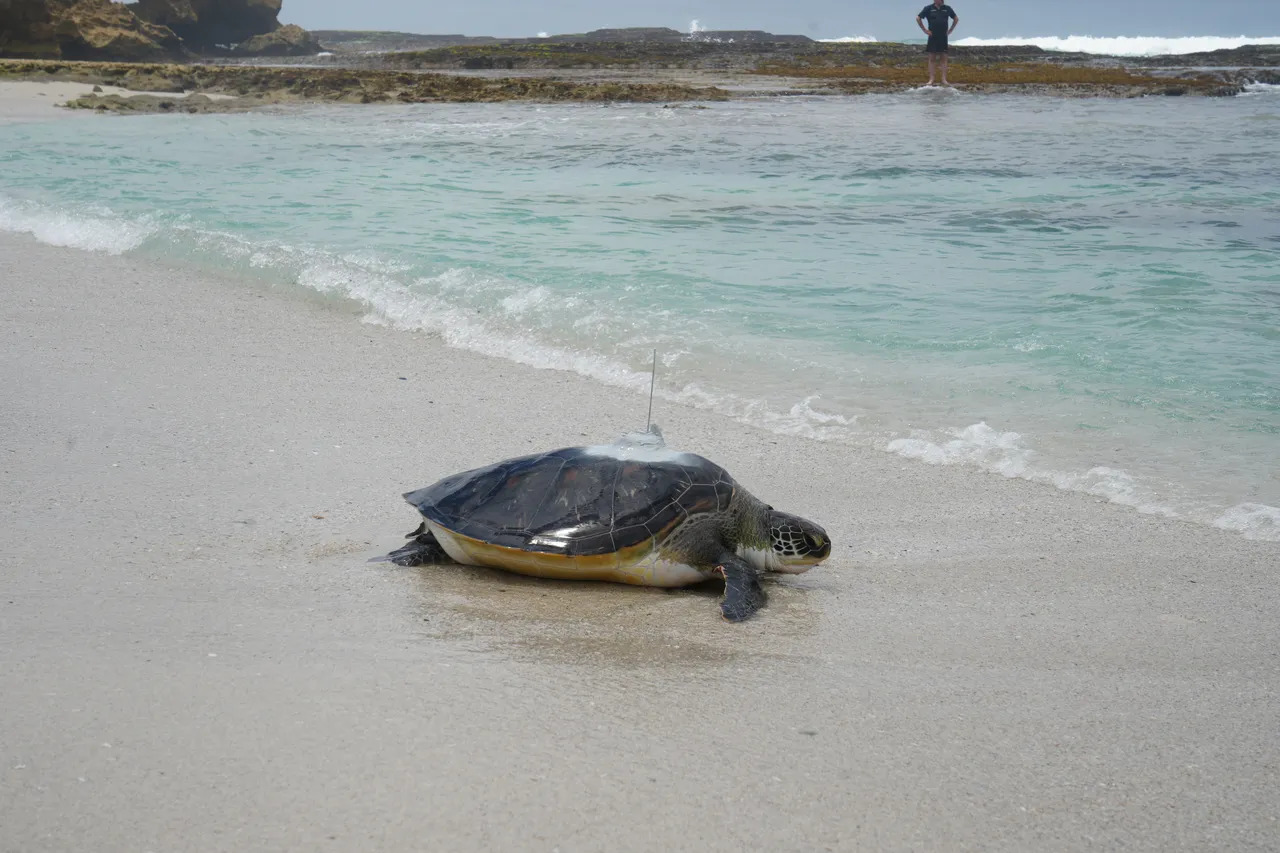
Nori, the green turtle, was recently released into the De Hoop Marine Protected Area alongside her fellow rehabilitation patients from the Turtle Conservation Centre, Stella, Pebbles, and Cinnamon.
It’s been just 20 days since the turtles were sent off into their ocean home, watched over by many caring members of the turtle community. Thanks to her awesome adopters, Morukuru Goodwill Foundation, Nori was fitted with a satellite tag the day before her release. This tag allows the Turtle Conservation Centre team to follow Nori’s journey as she moves through the ocean. As a rehabilitated subadult green turtle, Nori’s post-release oceanic movements are making an important contribution to the global database for turtle conservation.
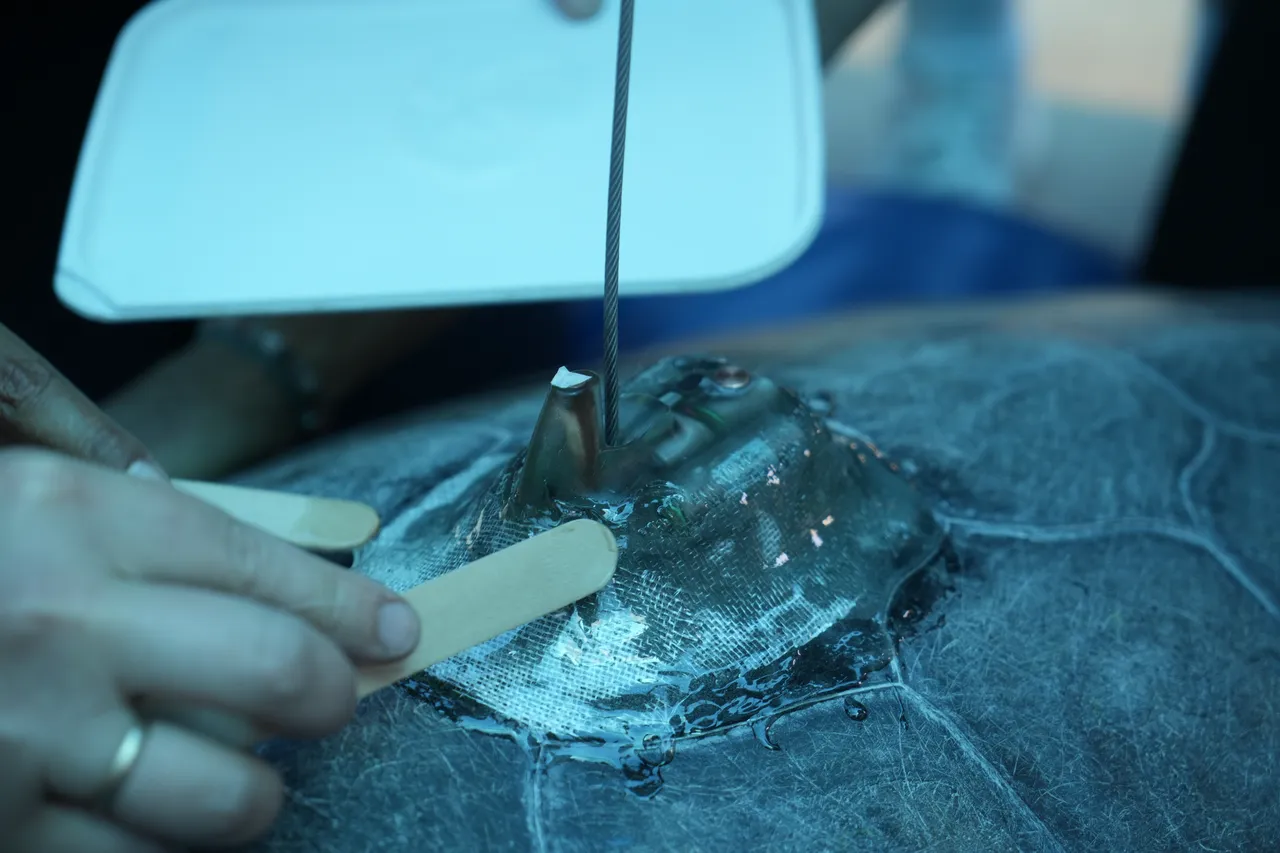
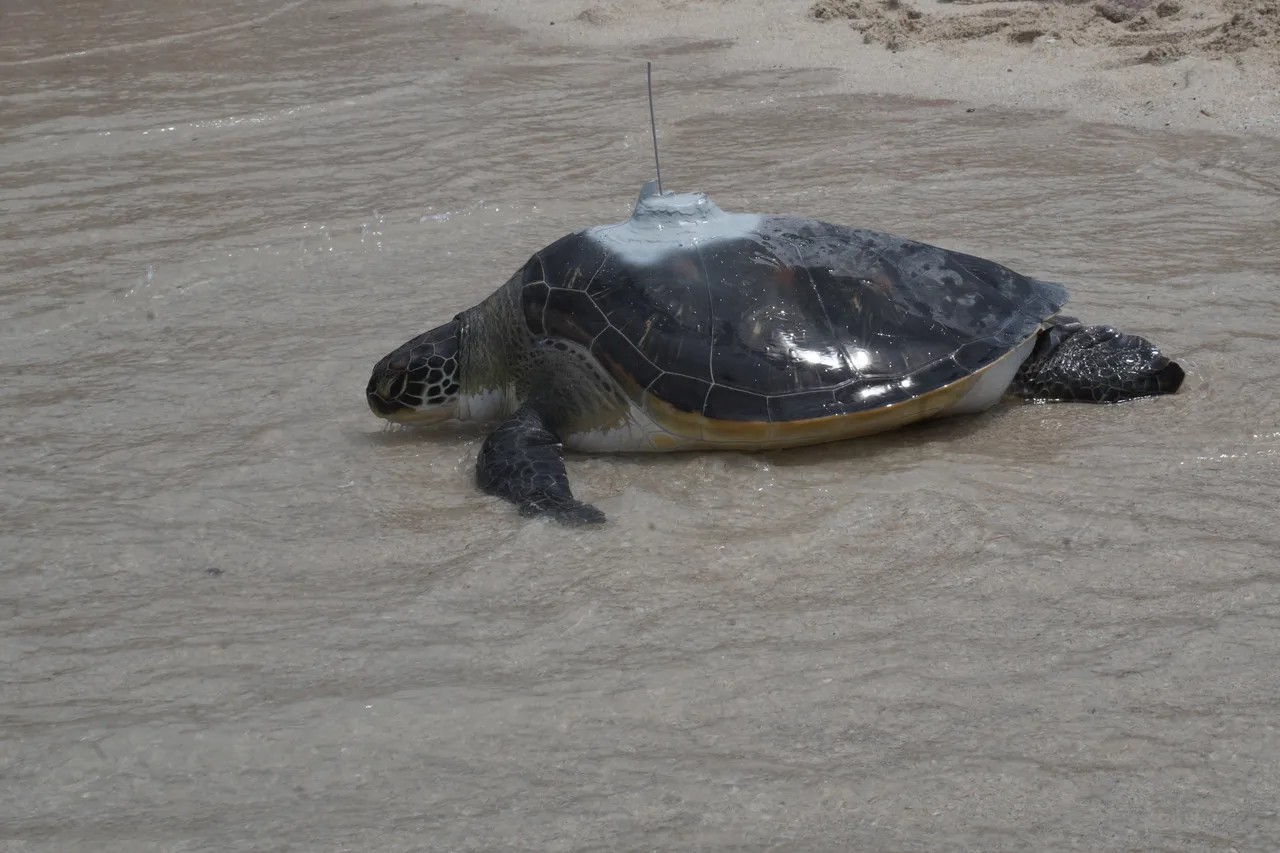
Let's check in on Nori's early ocean travels...
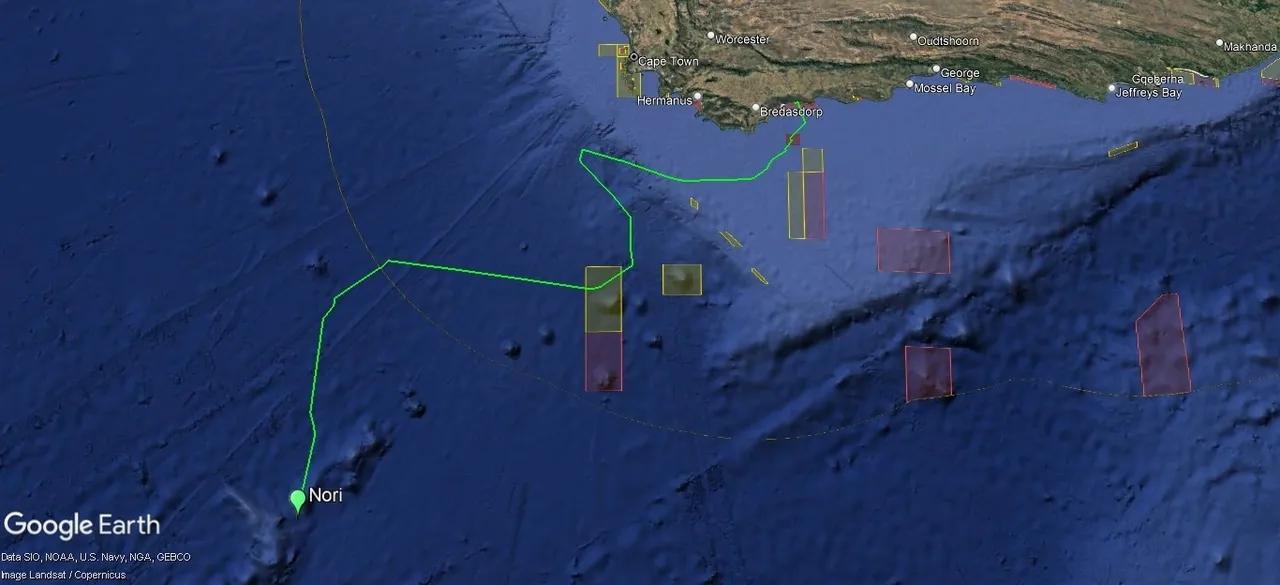
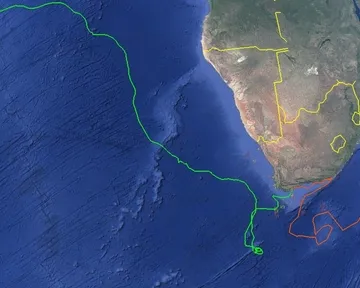
While the Turtle Conservation Centre team suspected that Nori might take some time to recalibrate and acclimatise within the De Hoop MPA before venturing further, she clearly had other plans. Instead, she immediately headed offshore! Her initial movements mirror those of Bheni, the only other satellite-tagged turtle released from this site. Just like Bheni, she moved southwest straight through the Agulhas Mud MPA before being carried westward along the continental shelf. In this first week, Nori covered 144km and averaged about 20km per day.
Since then, nothing about Nori’s reintroduction into the wild has been in the slow lane. In just under three weeks, she has upped the ante, travelling an impressive 1 154km with an average of 58km per day.
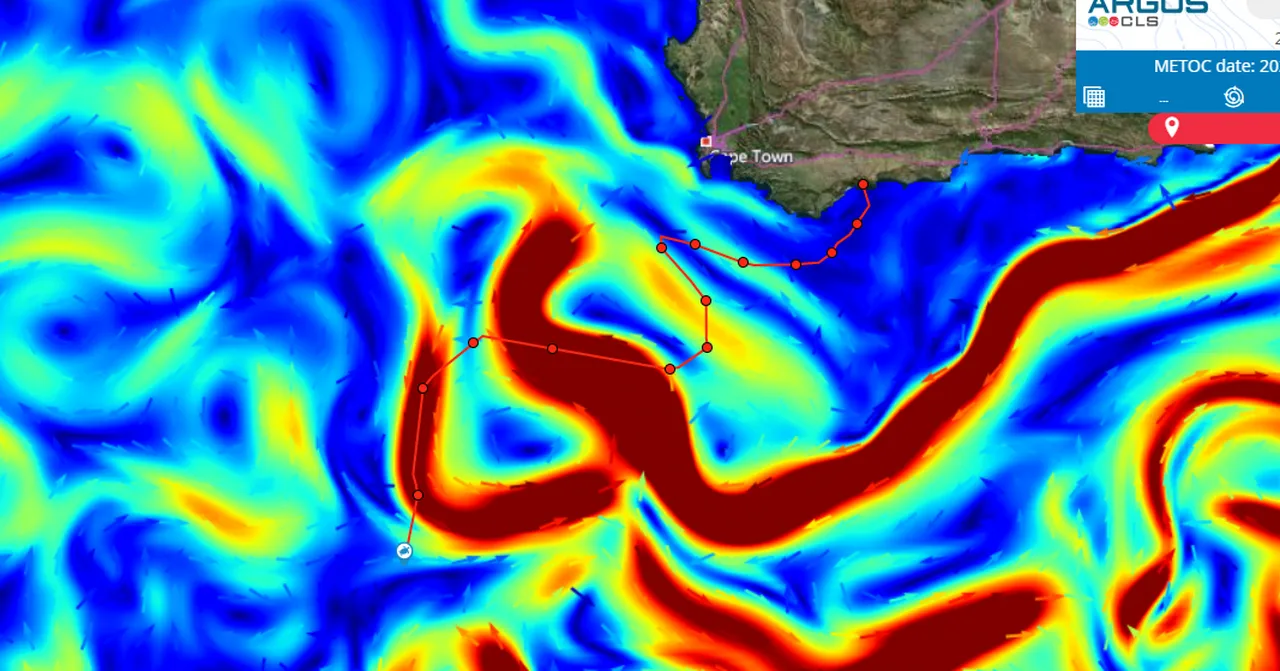
Note: Blue indicates that the current is barely moving, while red indicates that the current is strong and fast.
From the continental shelf, Nori joined the flow of the Agulhas Current as it turned and shifted south, moving through the Southeast Atlantic Seamounts MPA towards South Africa’s Exclusive Economic Zone (EEZ). The EEZ covers the portion of the ocean where our country has jurisdiction. On 11 December, just two weeks after her release, Nori passed beyond this boundary, putting her a remarkable 370km offshore.
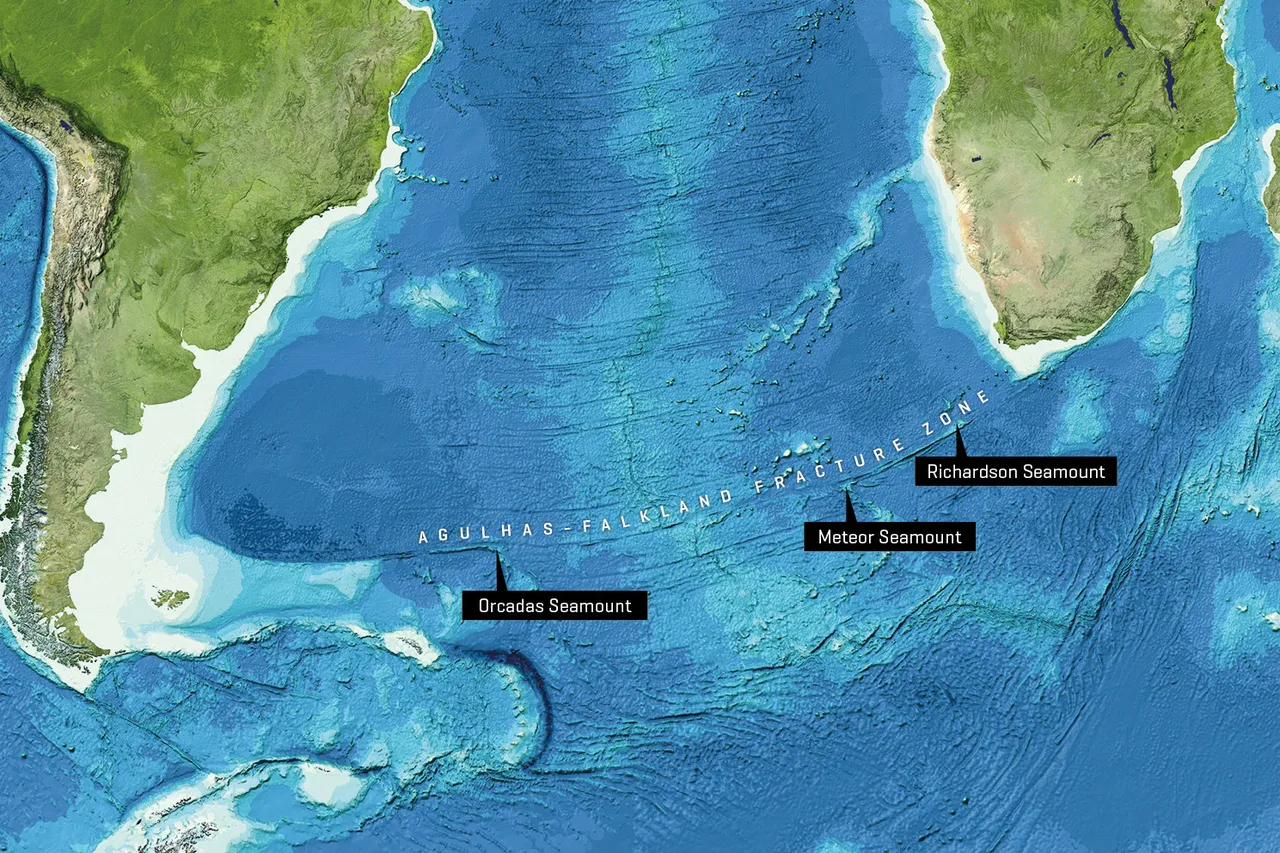
She has continued moving southward within the Agulhas Current towards the Richardson Seamount, which is part of the Agulhas–Falkland Fracture Zone. Along this fracture zone lie two others: The Meteor and the Orcadas Seamounts. These seamounts are believed to have once formed a single volcanic island and create unique marine habitats. Seamounts are typically hotspots of aggregation for marine life – their steep topography forces nutrient-rich waters upwards, creating wonderful feeding opportunities and attracting abundant life like turtles.
These early movements from Nori are incredibly exciting. They show bold exploration and make it clear that she required no adjustment before jumping straight into her oceanic adventures. It’s going to be a real treat to see where Nori decides to go next!
Related News
Sign up to our Newsletter
Receive monthly news, online courses and conservation programmes.