Our Marine Wildlife team rescued a one-ton sunfish on New Year's Day
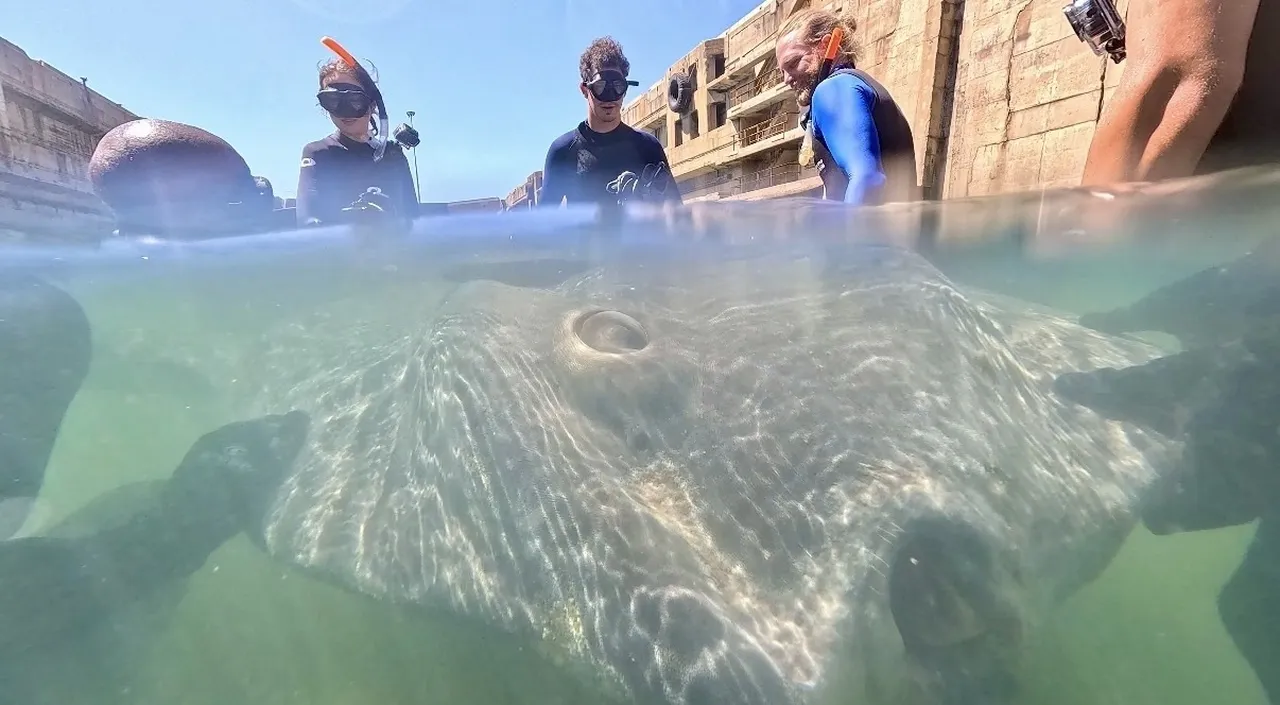
The Two Oceans Aquarium Foundation’s Marine Wildlife Management Programme rang in the new year with our biggest sunfish rescue to date!
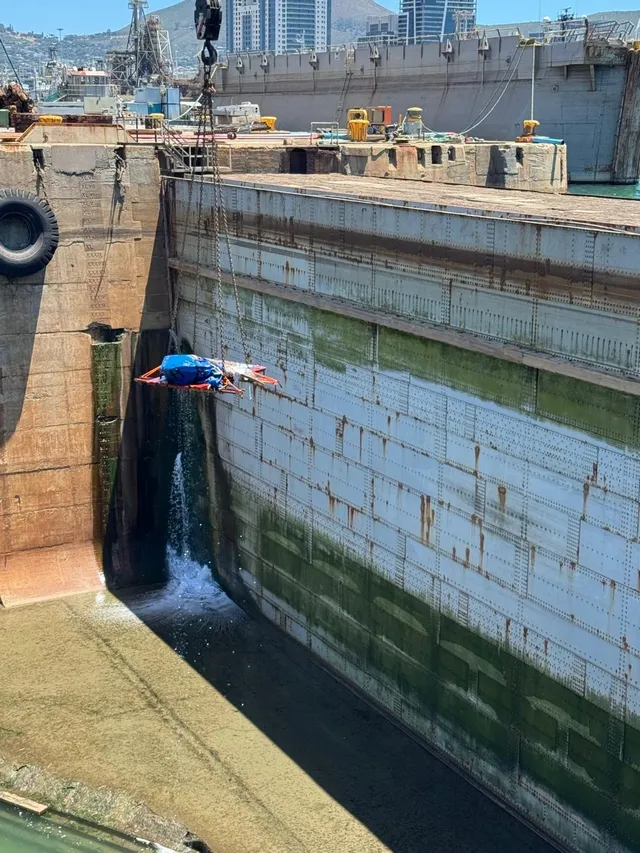
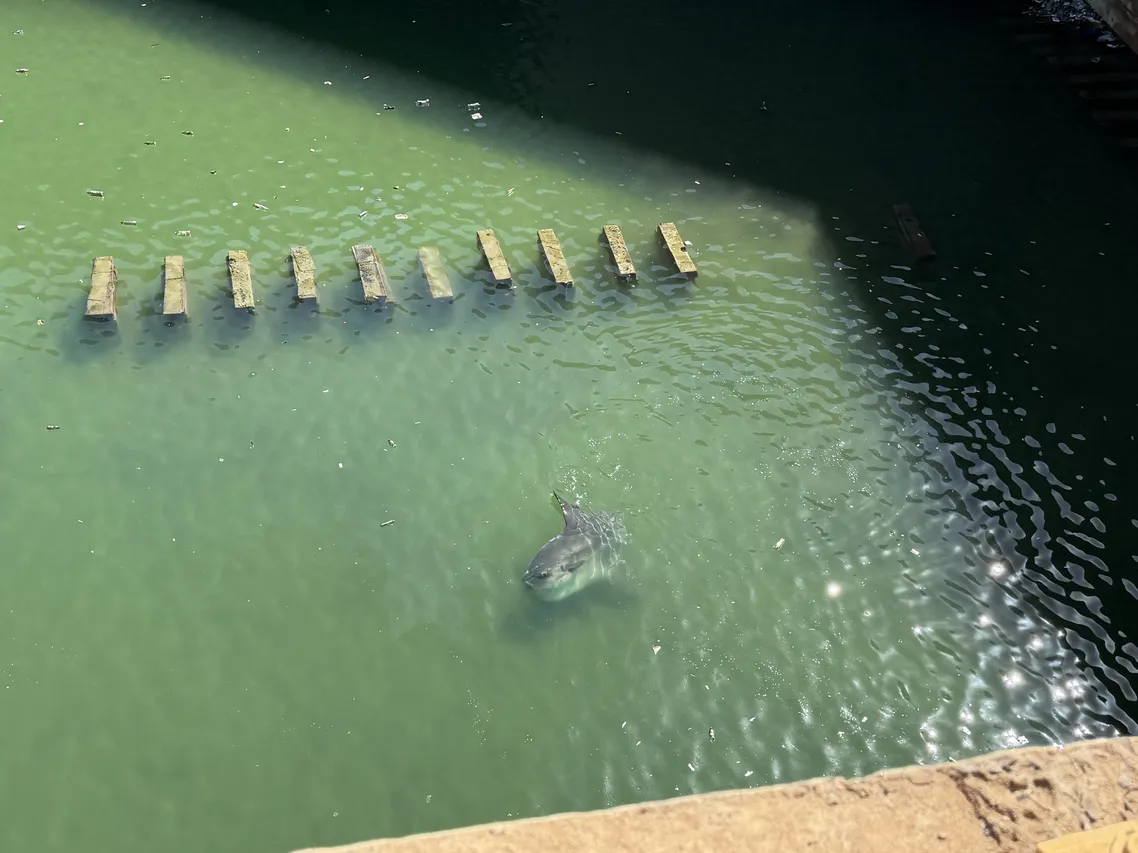
On 31 December 2025, Martine Viljoen (Marine Wildlife Manager) received a call from Dock Master Johan Coetzee, who alerted her that a sunfish had been spotted inside Sturrock Dry Dock. The dry dock had been closed and was draining, but the process was halted once Viljoen had confirmed the sunfish sighting. This would ensure that there was sufficient water for the sunfish to be safe overnight, allowing our Marine Wildlife team to initiate a rescue response the following morning.
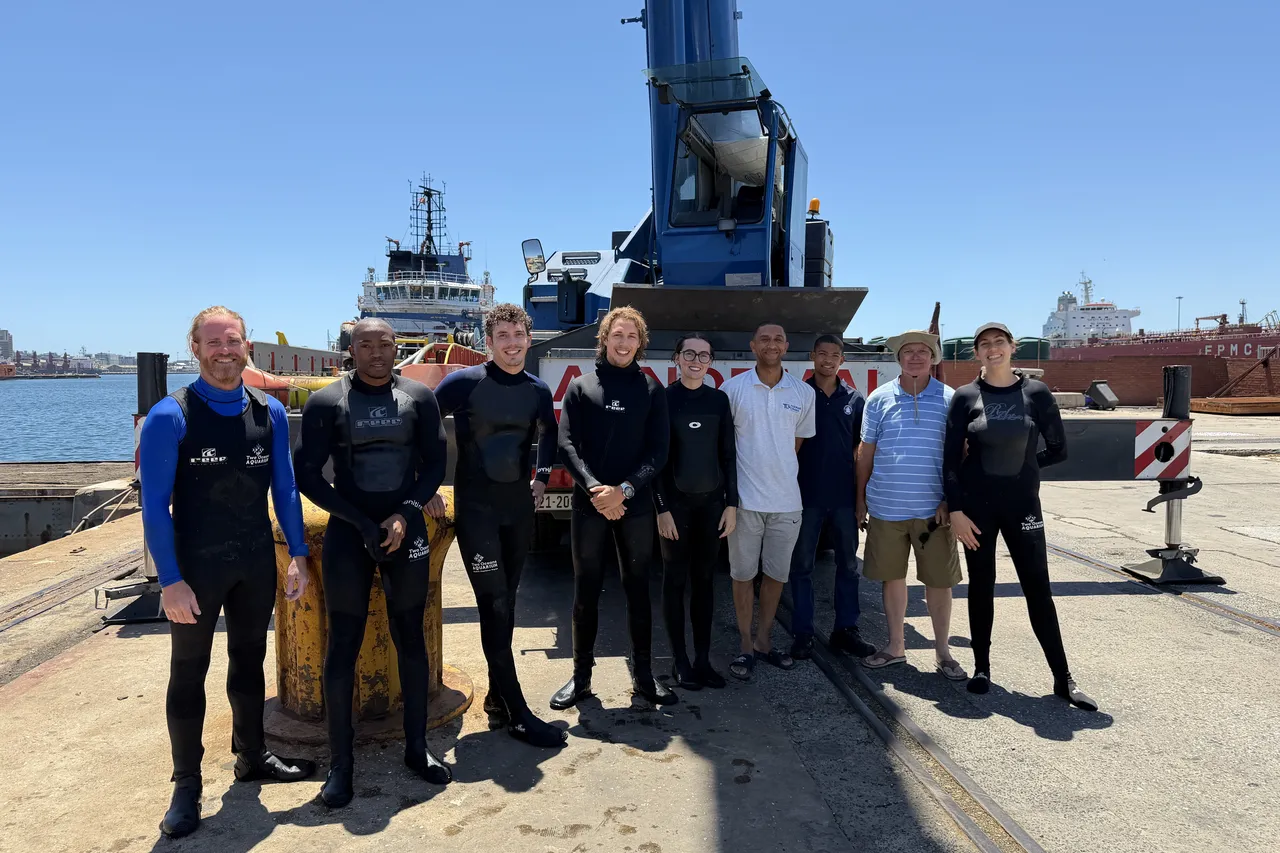
So, bright and early on New Year’s Day, a skeleton crew made up of our Marine Wildlife, Collections, Dive School, and Curatorial teams arrived on site. It quickly became clear that this was an enormous animal, later weighing in at approximately one ton and measuring 2.32m in length and 2.5m from fin tip to fin tip. A record for the team, as it was the largest and heaviest sunfish rescue the Marine Wildlife team has undertaken to date.
“This was a striking reminder of the incredible size these animals grow to, and a powerful way to start the New Year through collective teamwork in support of our marine wildlife rescue efforts,” said Viljoen.
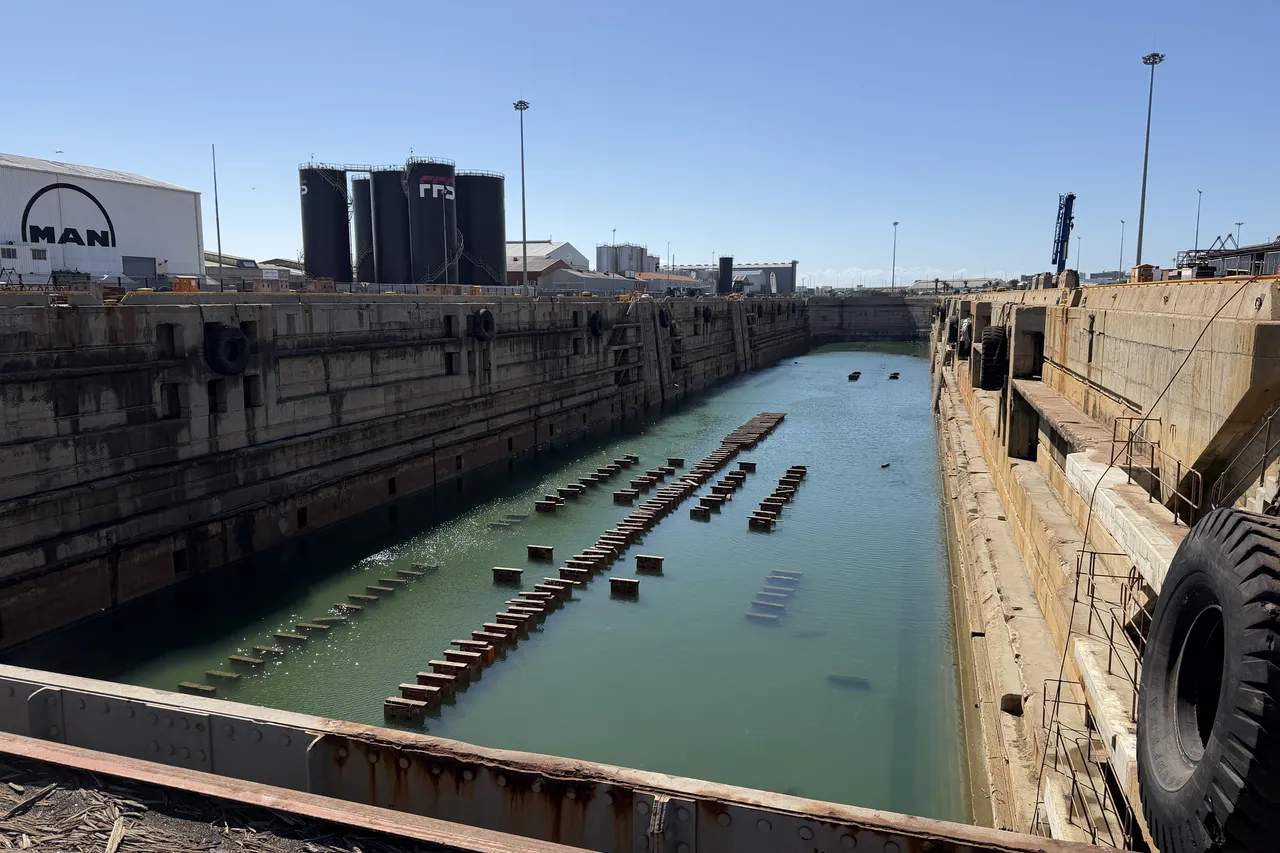
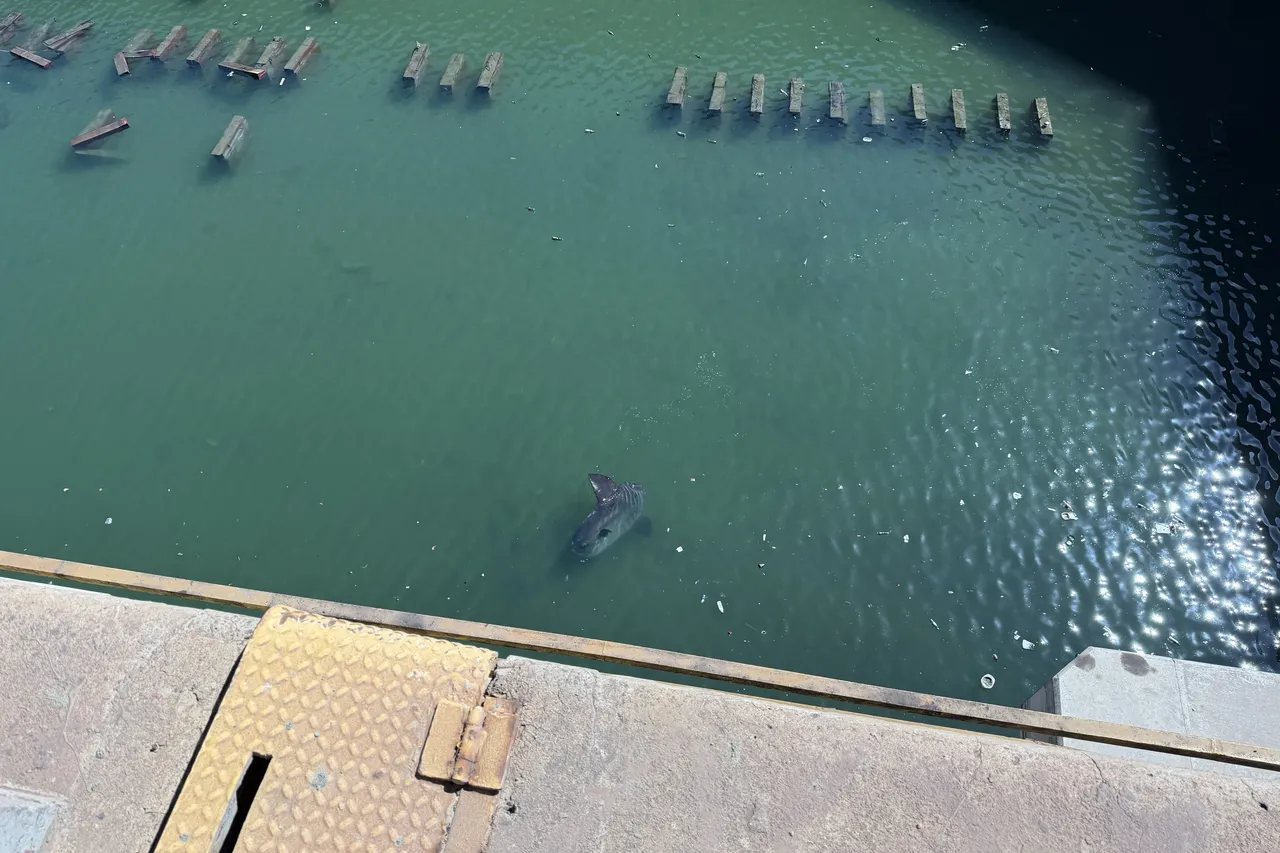
How did the team rescue the sunfish?
Guiding and lifting a one-ton sunfish out of a dry dock is a significant undertaking. Its success relied on quick response, teamwork, and expertise from crane operation to wildlife rescue.
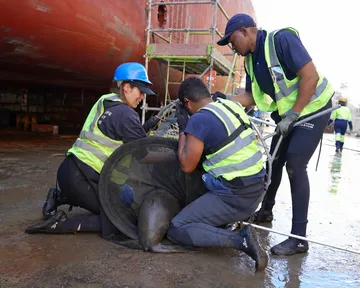
“Due to the sheer size of the sunfish, we had to construct a custom rescue stretcher platform on site, utilising wooden pallets, scaffolding, chains, and other available materials that would be strong enough to support the sunfish,” explained Viljoen. This was done in close collaboration with the dry dock team, whose extensive experience proved invaluable towards constructing the platform. The rescue platform solution was carefully assembled with safety for the rescuers and the sunfish as the highest priority.
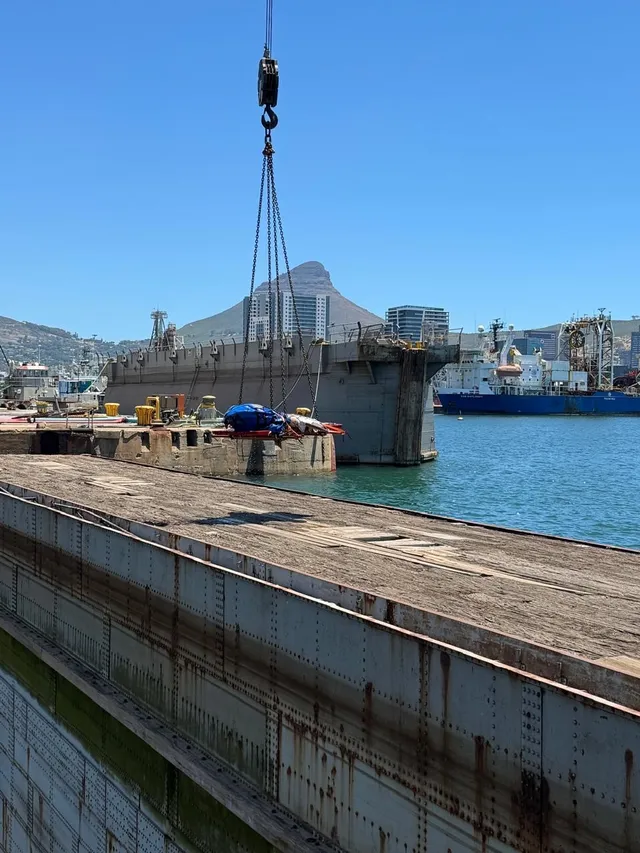
A critical component of this rescue was the incredible support of Teemane Cranes, who generously donated the use of their crane and operator on a public holiday. Without their assistance, this rescue would not have been possible.
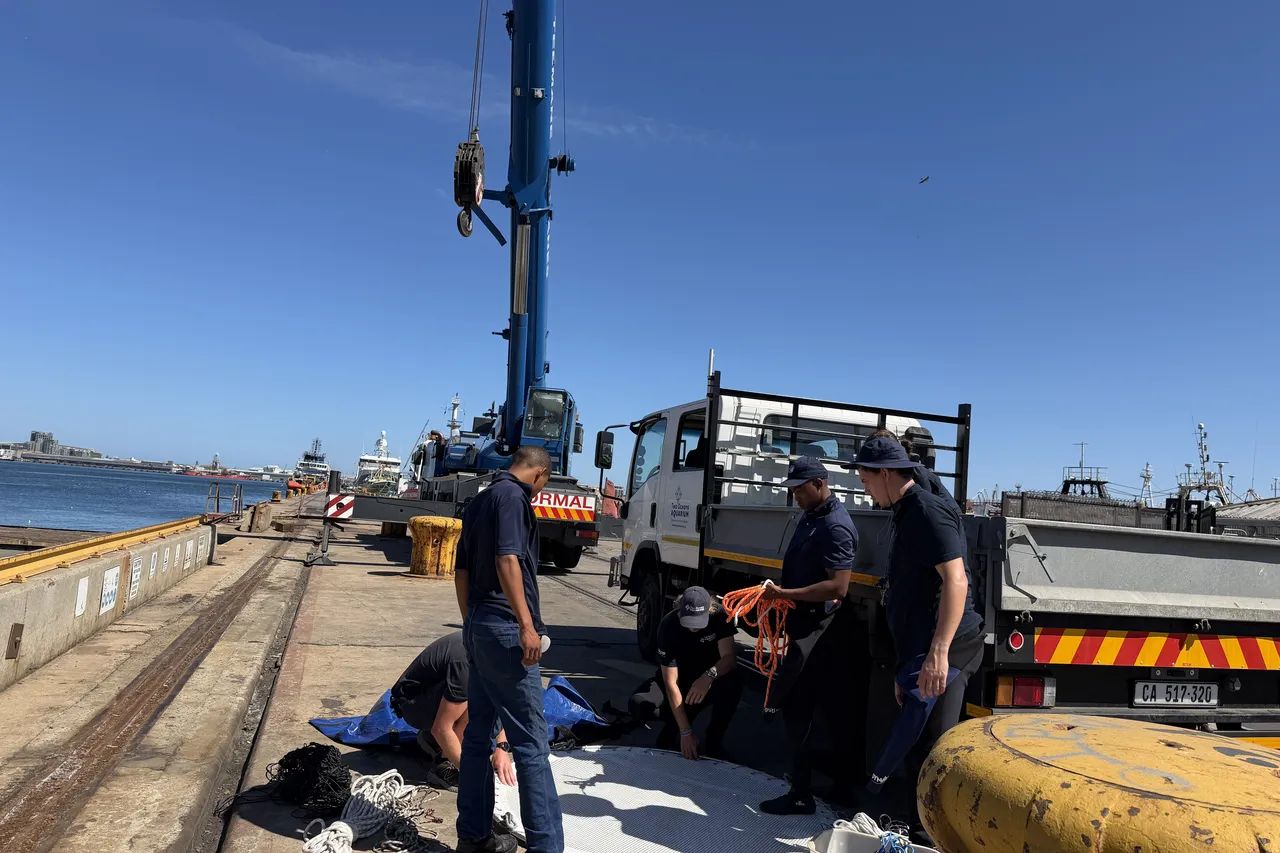
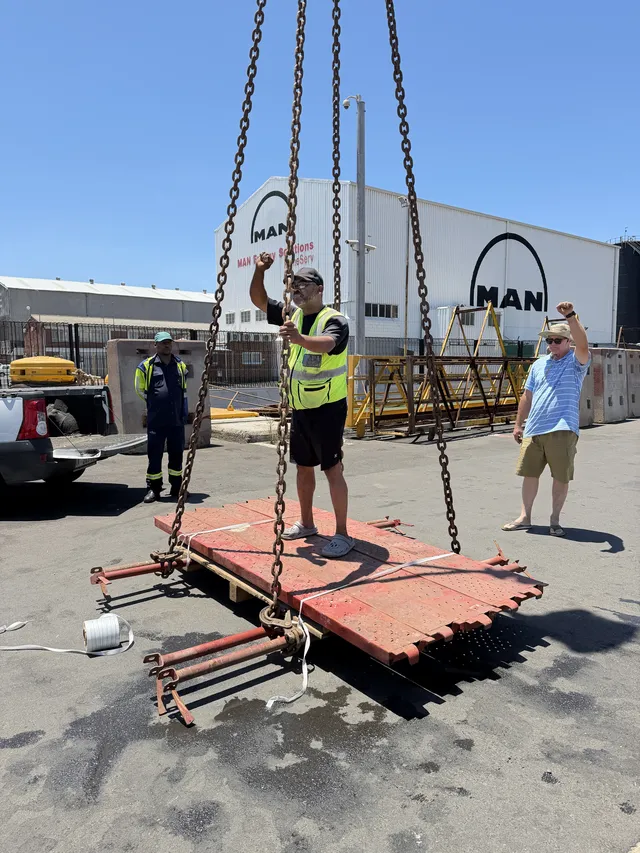
Once the crane was in position, the rescue platform was lowered into the dry dock, where the Aquarium team waited. As the water levels had been lowered to accommodate the rescue, our team was able to usher the sunfish towards the platform and guide it into position to be secured for its flight over the dry dock wall. As part of our Research team’s ongoing genetic study requiring tissue sampling to better understand which sunfish species are present in our waters, the Marine Wildlife team took measurements of the sunfish and collected a small genetic sample. Throughout the process, the sunfish’s breathing was monitored, and the team ensured water was moving across its gills.
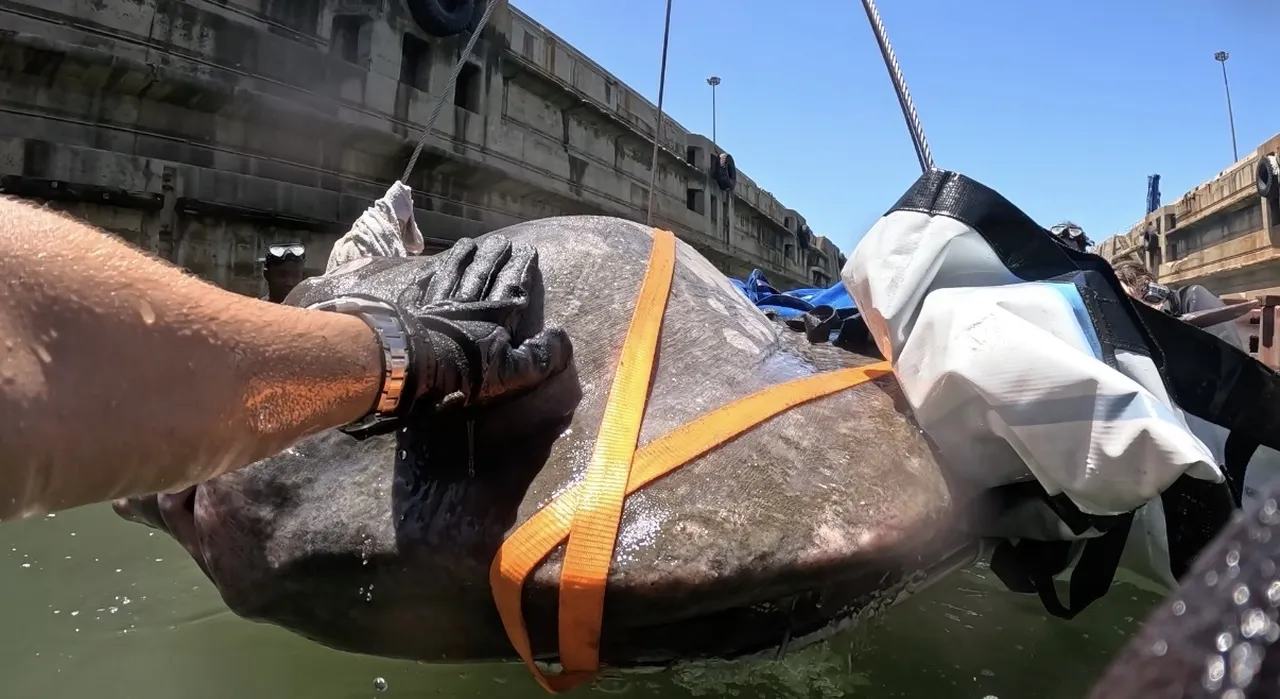
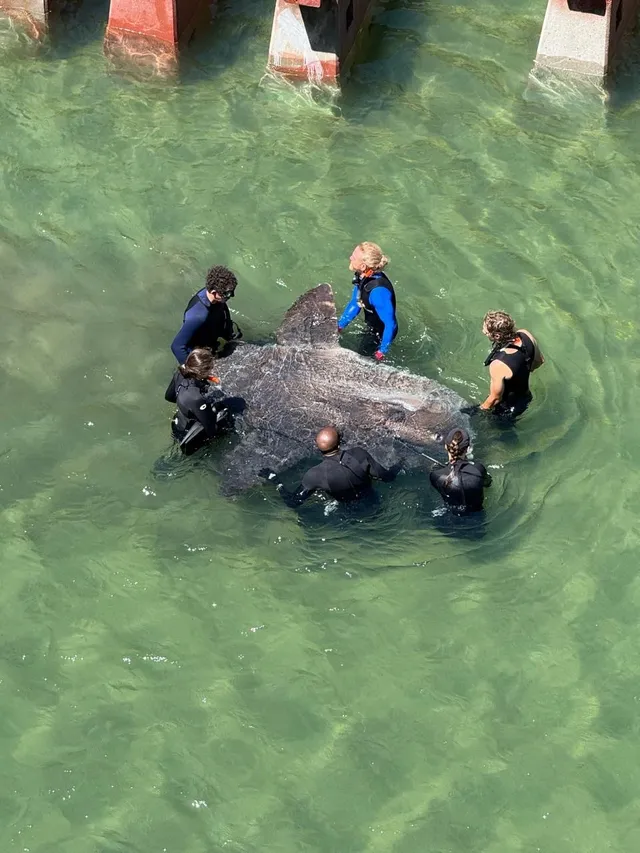
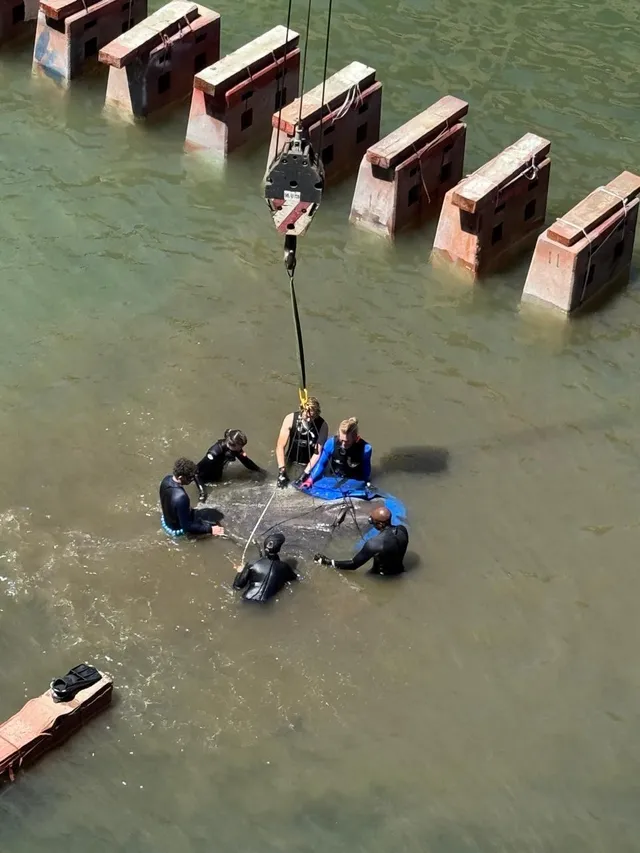
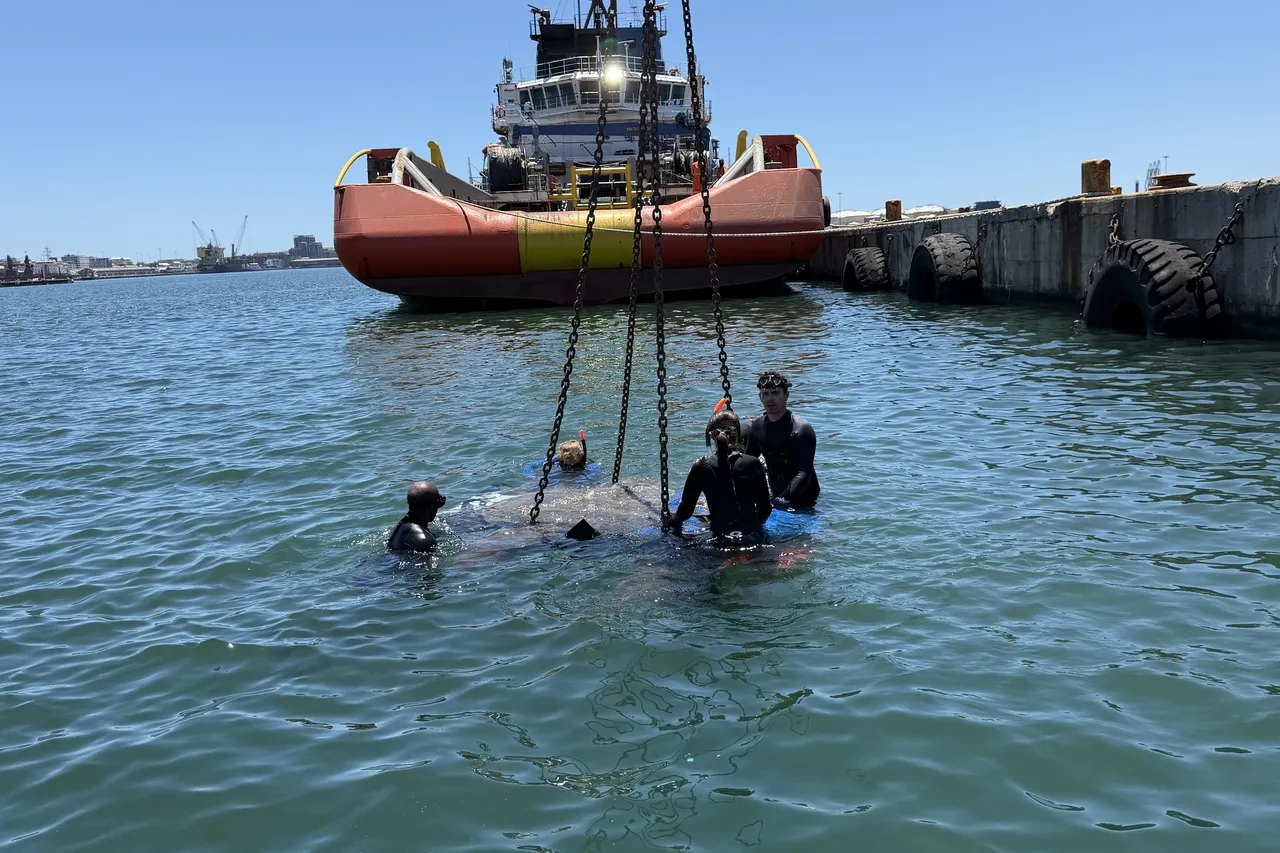
After confirmation was given to the crane operator, the sunfish was slowly and carefully lifted out of the dry dock and lowered back into the water on the other side of the dry dock door. Immediately following the sunfish's flight and re-entry to water, the Aquarium team entered the water themselves to untie the restraints securing the sunfish. They then swam alongside it into deeper water, allowing the rescued sunfish time to reorient itself before safely swimming off.
“I would like to acknowledge Dock Master Johan Coetzee and the dry dock team for alerting us to the sunfish’s presence during dock drainage and for facilitating an effective rescue effort,” said Viljoen. "What a remarkable way to start the New Year - with collaboration for conservation!"
What can I do if I spot a sunfish?
Sunfish are listed as vulnerable on the International Union for Conservation of Nature (IUCN)’s Red List. The greatest threat to this species is being caught as bycatch – while humans don’t eat sunfish, they are still threatened by commercial fishing vessels. In South Africa alone, over 340 000 sunfish are caught as bycatch every year. Plastic litter, mistaken by sunfish as delicious jellyfish, is another huge threat.
Moreover, sunfish may seek calmer waters during storms or rough conditions, which can result in them becoming disoriented or trapped in harbour basins. Every summer, this occurs in the V&A Waterfront and Simonstown harbours. The sunfish typically start appearing in October and are often sighted right through to June the following year.
“We always respond to these calls and try to assist where possible,” said Claire Taylor, Interactive Exhibits & Marine Animal Welfare Specialist for the Two Oceans Aquarium.
The Two Oceans Aquarium Foundation is actively involved in sunfish rescue, research, and citizen science, working to track sightings to improve understanding of species distribution along the coastline.
If you spot a sunfish in a harbour or along the coast, we urge you to report your sighting via WhatsApp (076 092 8573) or email (sightings@aquariumfoundation.org.za). Include as much information as possible, but ideally, any photos/videos you take, a GPS location or map pin, the date and time of your sighting, and any behaviours you observed.
Related News
Sign up to our Newsletter
Receive monthly news, online courses and conservation programmes.