Kid-friendly sustainability: Small habits that make a big difference
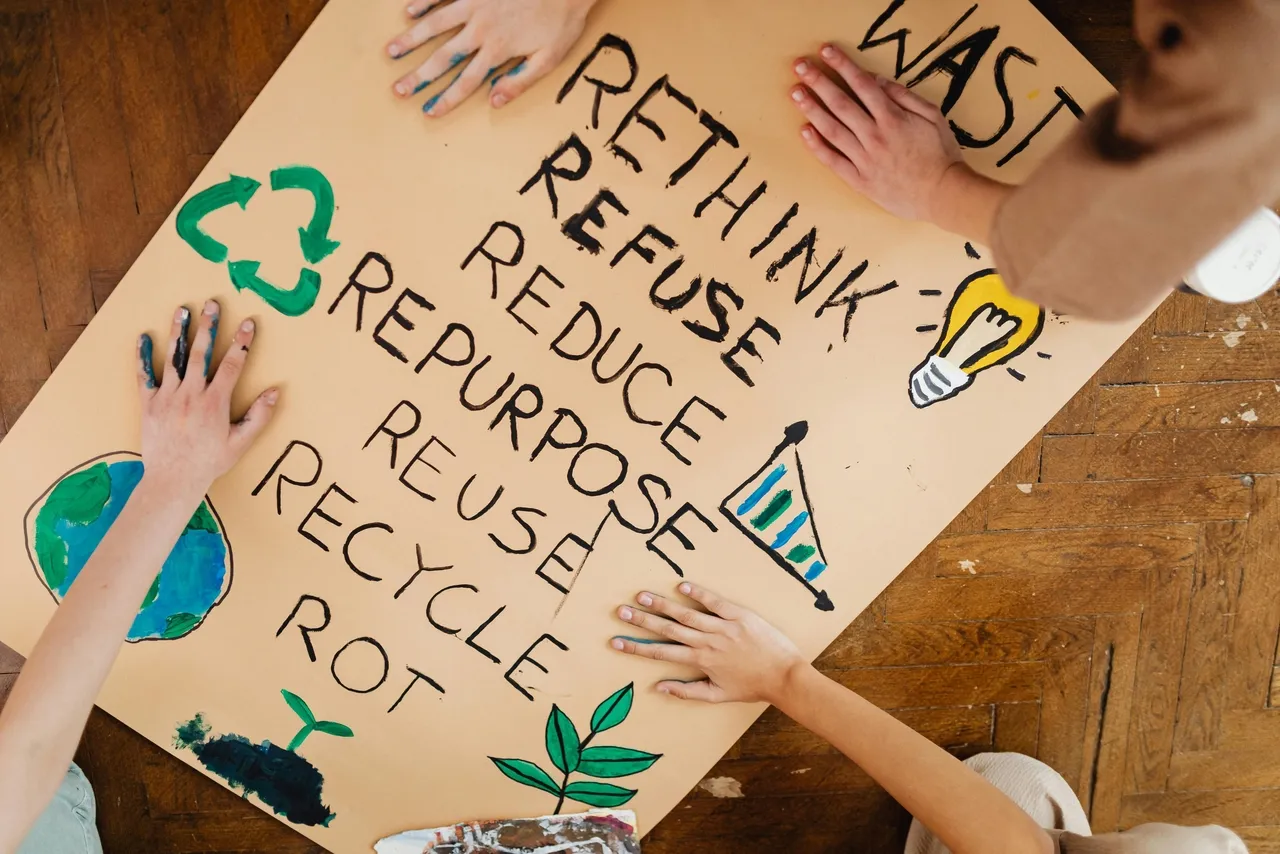
Teaching children to care for the planet doesn’t have to be complicated. In fact, some of the most impactful lessons come from simple habits woven into everyday life. By introducing eco-friendly practices early on, kids learn that their choices matter and that protecting the Earth can be fun!
Here are some easy, kid-friendly sustainability habits every family can start today:
1. Say no to plastic straws
Plastic straws are used for only a few minutes, but can last hundreds of years. They harm the environment and pose serious risks to marine animals when they end up in the ocean. Encourage children to skip them entirely or use reusable alternatives like silicone or stainless steel. It’s a tiny step with a big environmental impact.
2. Recycle together
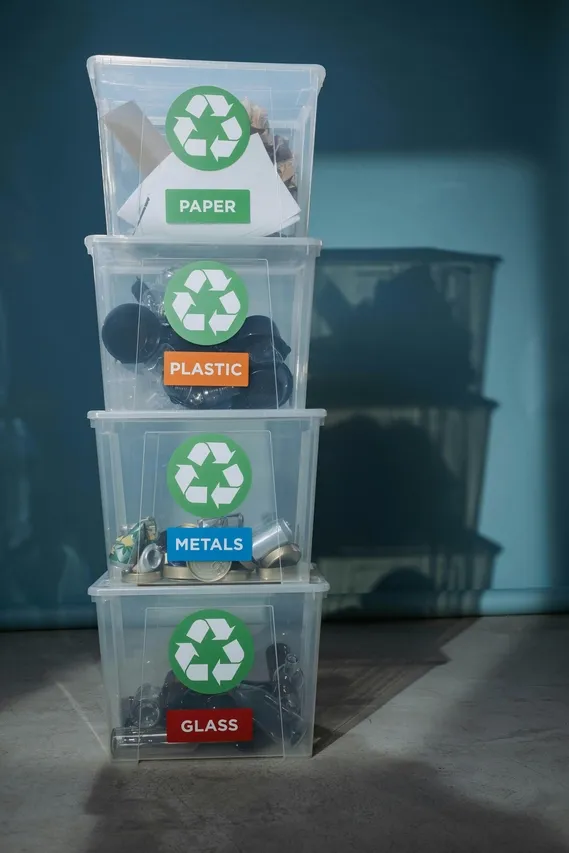
Turn recycling into a team activity! Teach kids how to sort paper, plastic, and glass, and let them decorate labelled recycling bins at home. When children understand where waste goes, they become enthusiastic protectors of the planet, and they get a fun learning activity too.
3. Switch off the lights
Leaving lights on when they’re not needed wastes electricity. Make it a fun family challenge: Who can remember to switch off the lights when leaving a room? This simple habit saves energy and teaches children not to waste resources.
4. Turn off the tap when brushing your teeth
A running tap can waste litres of water in just a few minutes. Show kids how closing the tap while brushing helps save water and the environment. If possible, opt for using a cup when brushing teeth, so that you use the water you will need and do not waste a lot of water.
5. Say no to balloons
Balloons may be colourful and exciting, but they often end up harming wildlife or polluting the ocean. Teach children about safer alternatives like paper decorations, bunting, or bubbles for celebrations. When offered a balloon at a restaurant, encourage them to politely decline - this small action can save an animal’s life.
6. Create recycled art
Empty cereal boxes, bottle caps, cardboard tubes - these everyday items can become amazing crafts. Recycled art teaches kids that creativity can give new life to old materials while reducing waste.
7. Gardening: Caring for plants and nature
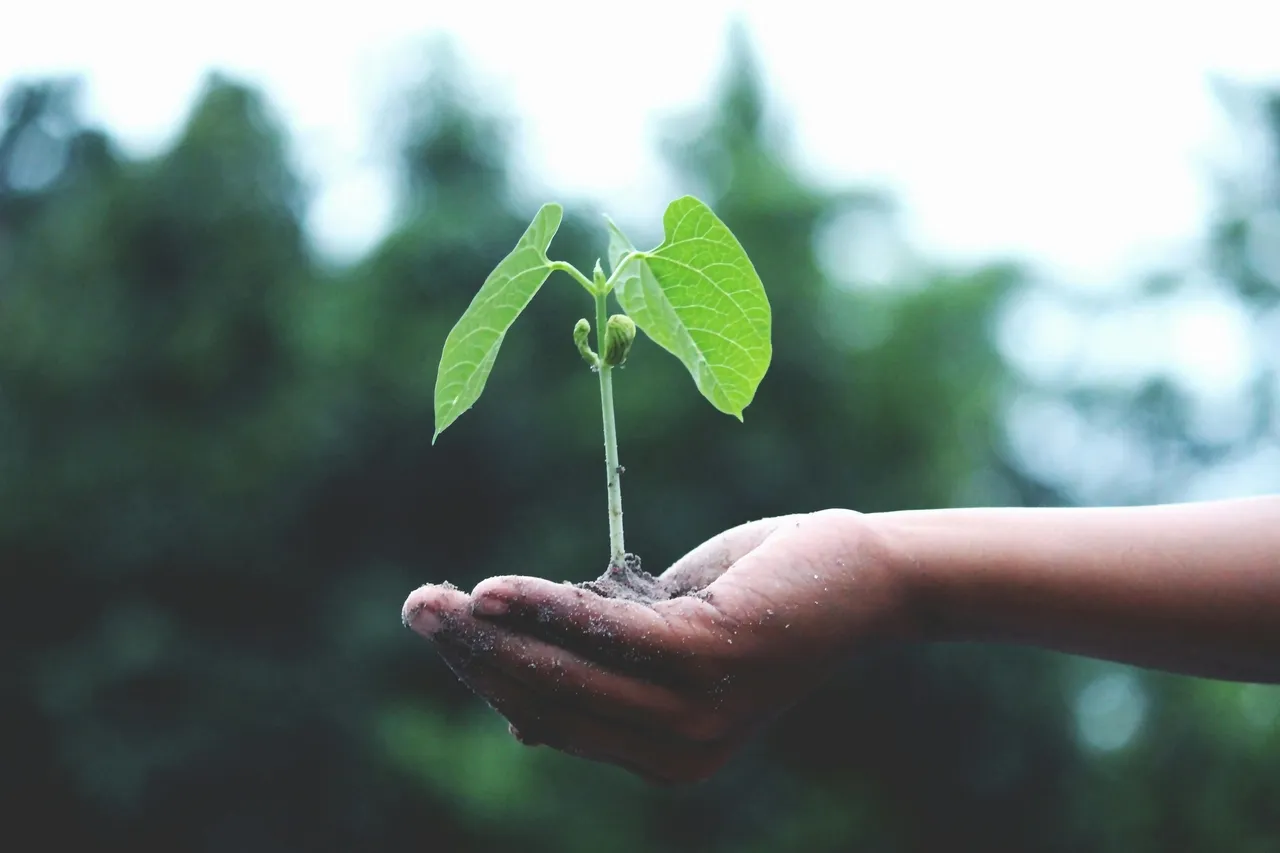
Gardening is one of the best ways to connect children with nature. Planting seeds, watering flowers, and watching veggies grow help them develop a deep respect and love for the environment.
8. Don’t litter
This simple habit makes a huge difference. Teach kids always to throw rubbish in a bin and to safely pick up litter when they see it. Keeping the environment clean protects wildlife and makes communities healthier. Every small act counts.
9. Use a bucket to water plants and wash the car
Instead of spraying water with a hose, use a bucket when watering plants or washing the car. It saves water and teaches children responsibility and care for living things.
10. Outdoor adventures
Spending time outdoors helps kids appreciate the natural world. Walks, hikes, park visits, and beach days give them opportunities to explore and learn, and inspire them to keep these places clean and protected.
Sustainability starts small
By introducing these simple habits, children learn that they have the power to make a positive impact every day. When kids grow up understanding the importance of caring for our planet, they become the environmental heroes of tomorrow.
Related News


Sign up to our Newsletter
Receive monthly news, online courses and conservation programmes.