Celebrating Reverse the Red Day with a win for green turtles
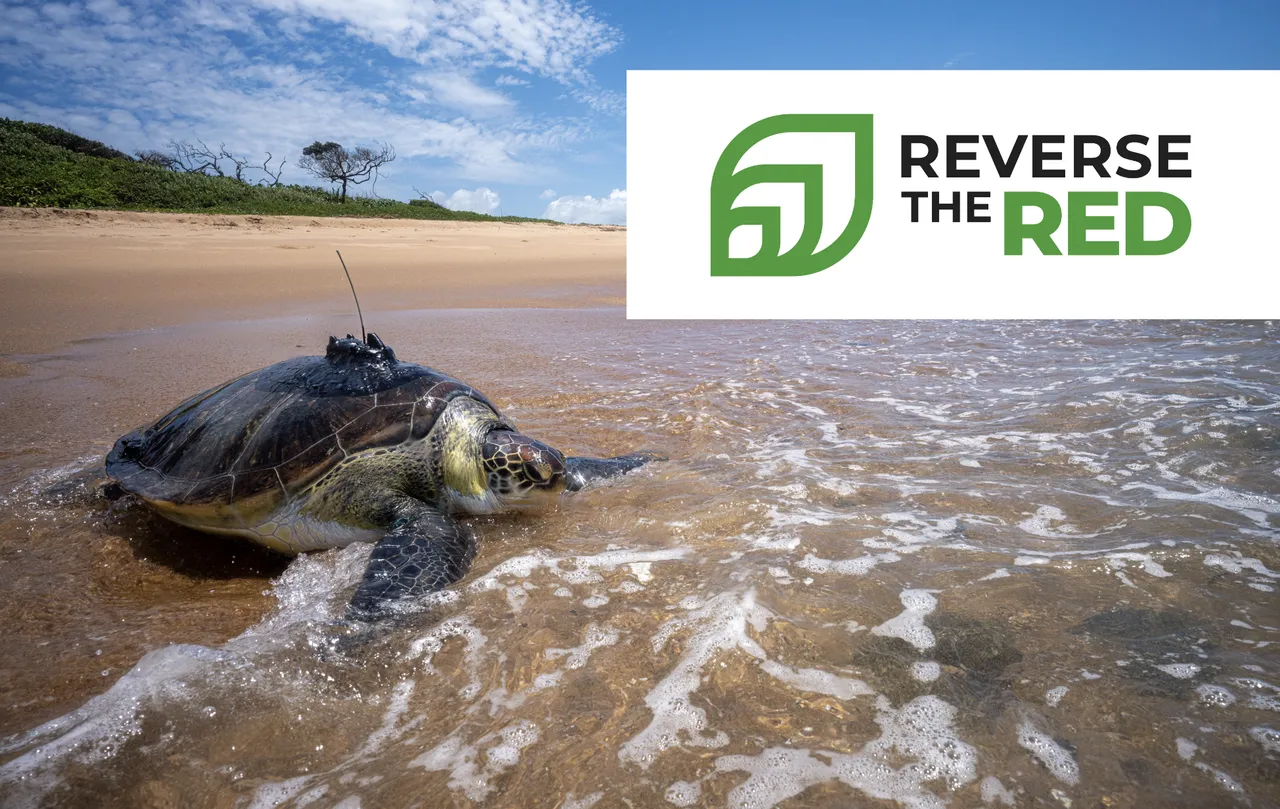
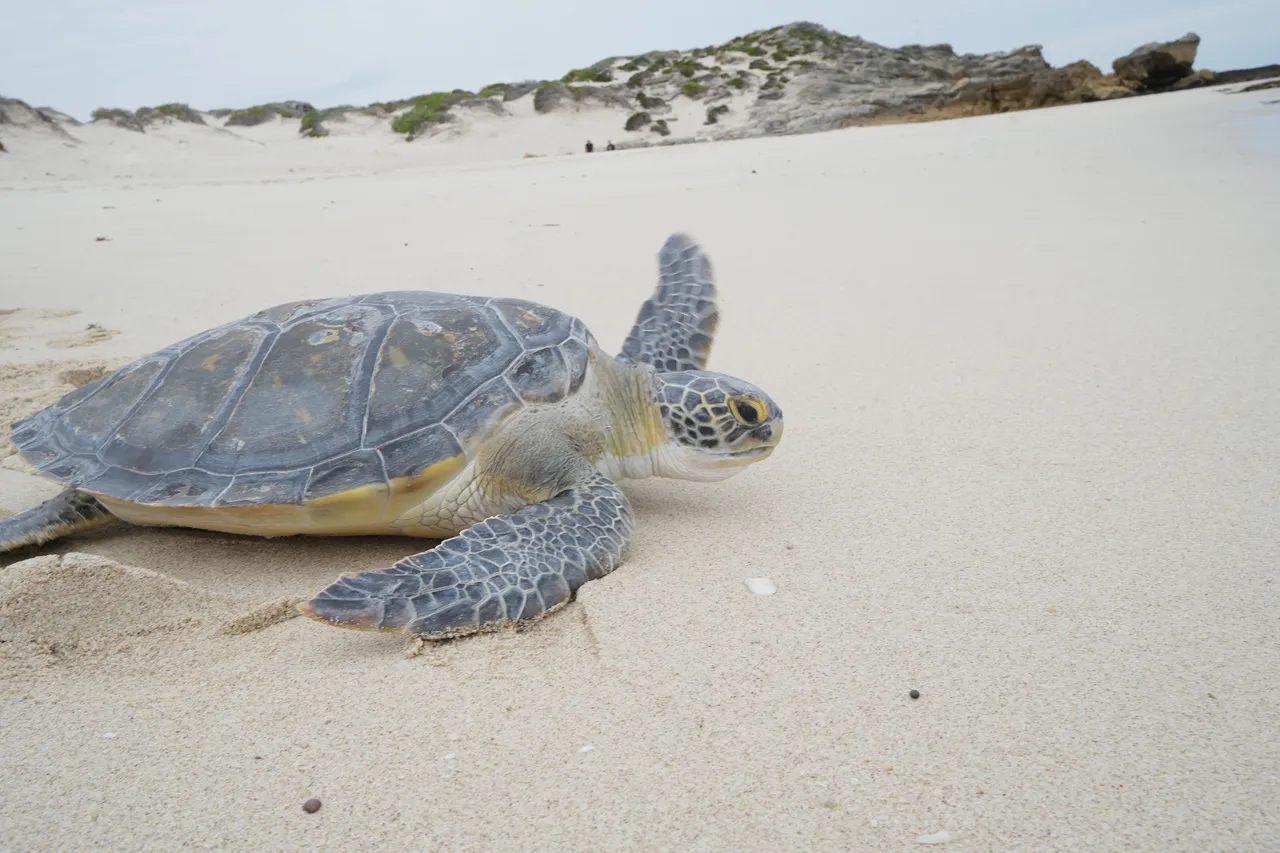
In October 2025, the green turtle’s (Chelonia mydas) global conservation status was changed on the International Union for the Conservation of Nature (IUCN)’s Red List from Endangered to Least Concern. This is a significant success for one of the ocean’s most iconic species, and it is a result of decades of tireless conservation work around the world.
The green turtle’s improved Red List status reflects an incredible, persistent show of coordinated global action, from international trade bans and community-led nest protection to more turtle-friendly fishing practices. This good news story for the green turtle sheds light on the benefit of persistent collaborative work in turning the tide on biodiversity loss. But there is still a lot of work to be done, as countless other species remain under threat. This is where Reverse the Red comes in. This pioneering global movement works to reverse biodiversity loss and showcase positive achievements for species on the brink of collapse by celebrating efforts that bring species back from being endangered.
Today, 7 February 2026, is the fourth Reverse the Red Day!
Reverse the Red brings together like-minded scientists, advocates, and partners to assess, plan, and act for species conservation using science-based approaches. As an action hub, it provides tools and expertise that empower governments, organisations, and local communities to set and achieve conservation targets tailored to their regions, while celebrating and amplifying successes for species.
What is biodiversity loss?
Reverse the Red is dedicated to reversing biodiversity loss. Biodiversity refers to the plants, animals, bacteria, and fungi that make up a particular habitat – basically, every living thing you can imagine. Every ecosystem in the world hosts a myriad of diverse life forms that play vital roles in maintaining the health of these habitats. In turn, these healthy ecosystems provide humans with the air we breathe and the food we eat.
Unfortunately, biodiversity loss is happening at unprecedented rates due to habitat destruction, human consumption, pollution and more. More and more species are becoming extinct, leading to the collapse of valuable ecosystems and the consequent loss of natural resources. For example, cutting down trees for agriculture eliminates shade, temperature and moisture regulation, animal habitats, and nutrient transport services. This is the domino effect that biodiversity loss has on ecosystems.
What is “the Red”?
The IUCN established the Red List of Threatened Species in 1964. It has become the world’s most comprehensive information source on the global extinction risk status of animals, fungi, and plants. This list is a critical indicator of the health of the world’s biodiversity and a powerful catalyst for biodiversity conservation and policy change. The Red List provides species-specific information on range, population size, habitat, ecology, use or trade, threats, and conservation actions. Already, there are more than 46 300 species on this list, which inspired Reverse the Red. The organisations and individuals involved in Reverse the Red are working towards the survival of these species and the prevention of more being added to the list.
What is Reverse the Red doing?
Reverse the Red is building a global social movement fuelled by stories of people taking action for endangered species. Throughout the year, monthly themes spotlight different groups, beginning with an inspiring story of hope, followed by stories of action from communities, aquariums, individuals, and organisations. In this way, a connected community of biodiversity champions is formed.
Driven by data, collaboration, and shared knowledge, Reverse the Red believes species can be saved through collective effort, simple actions, and thoughtful planning. Everyone has a role to play in reversing biodiversity decline, from governments, NGOs, aquariums, and botanical gardens to individual citizens.
How are we boosting biodiversity?
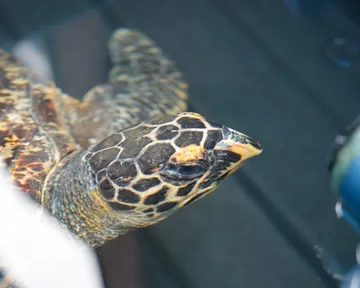
Many of our Aquarium family are familiar with the work of the Two Oceans Aquarium Foundation’s turtle conservation work. The Turtle Conservation Centre works to protect endangered turtles and contribute to the recovery of global turtle numbers, including the green turtle.
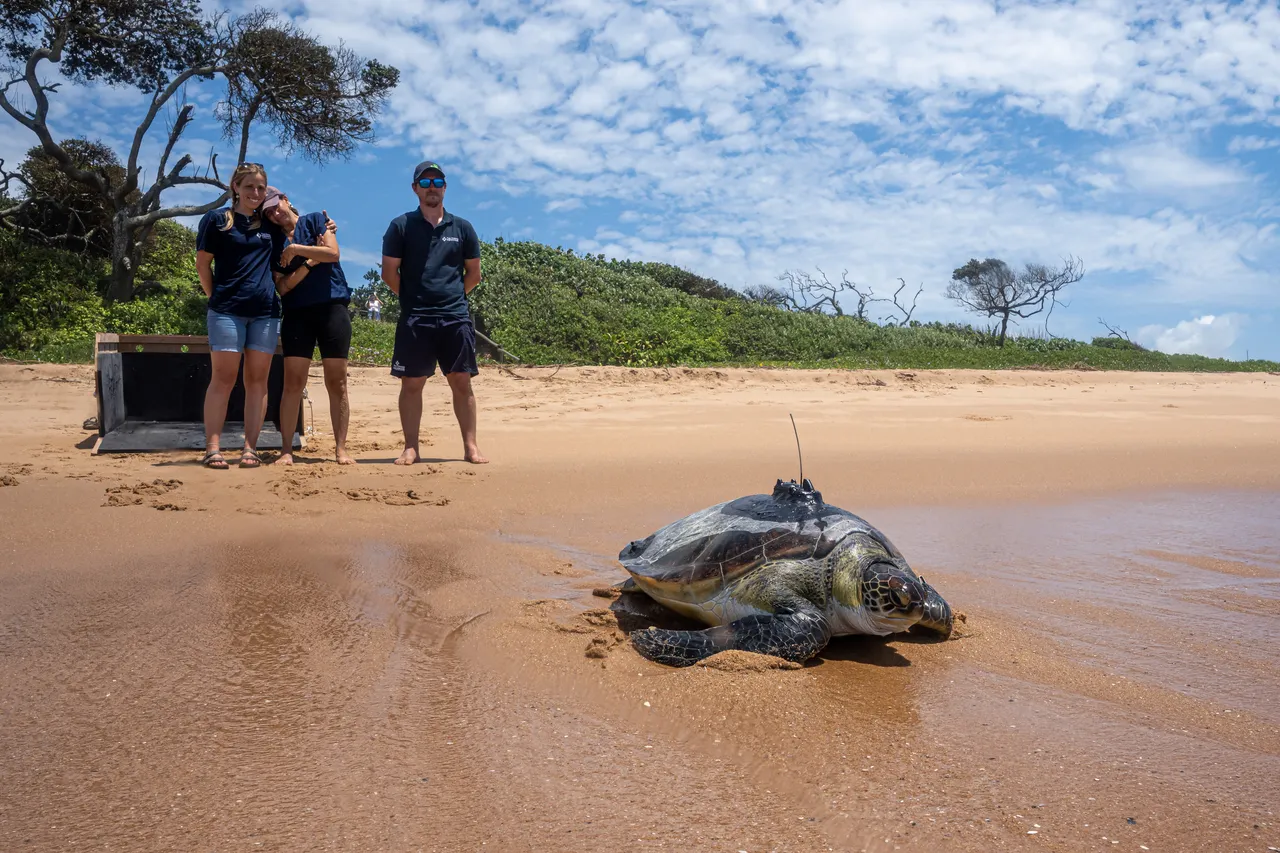
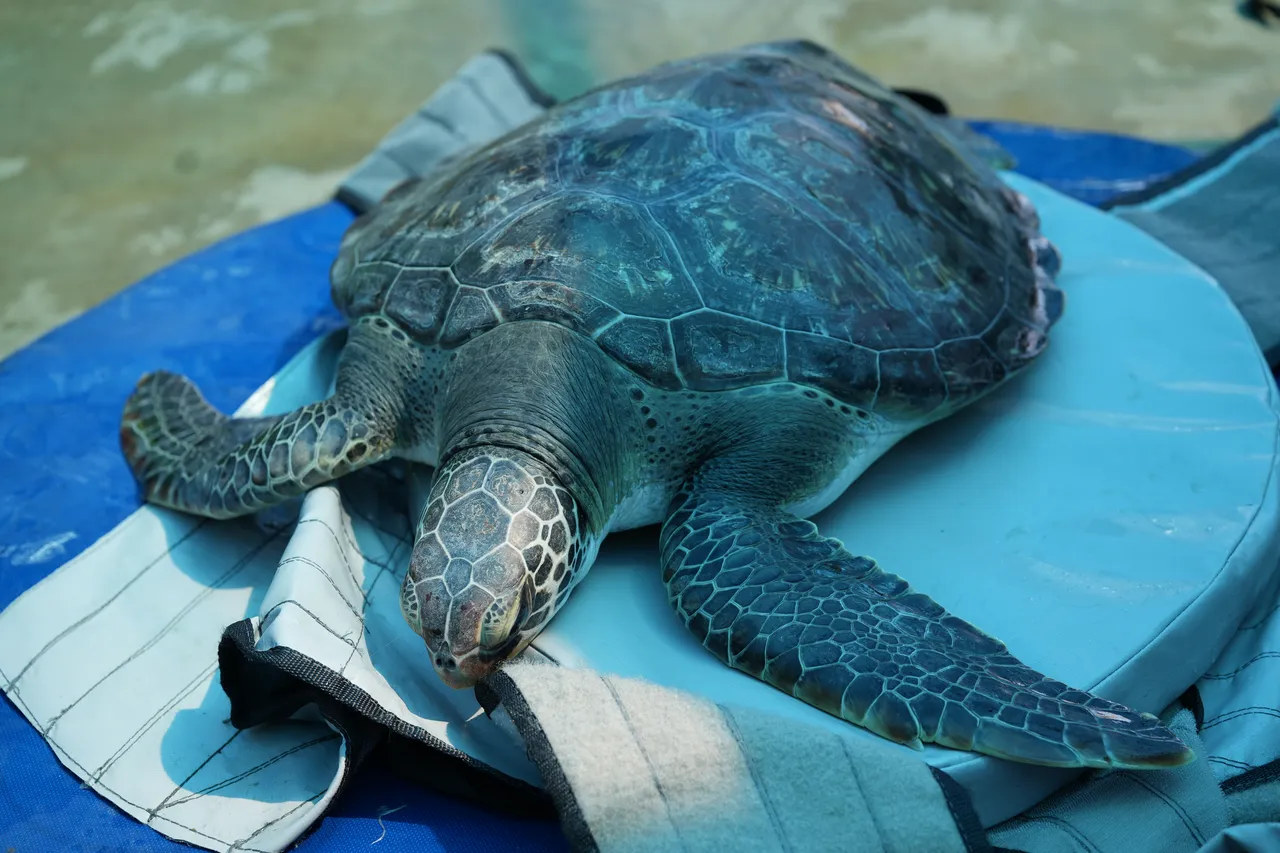
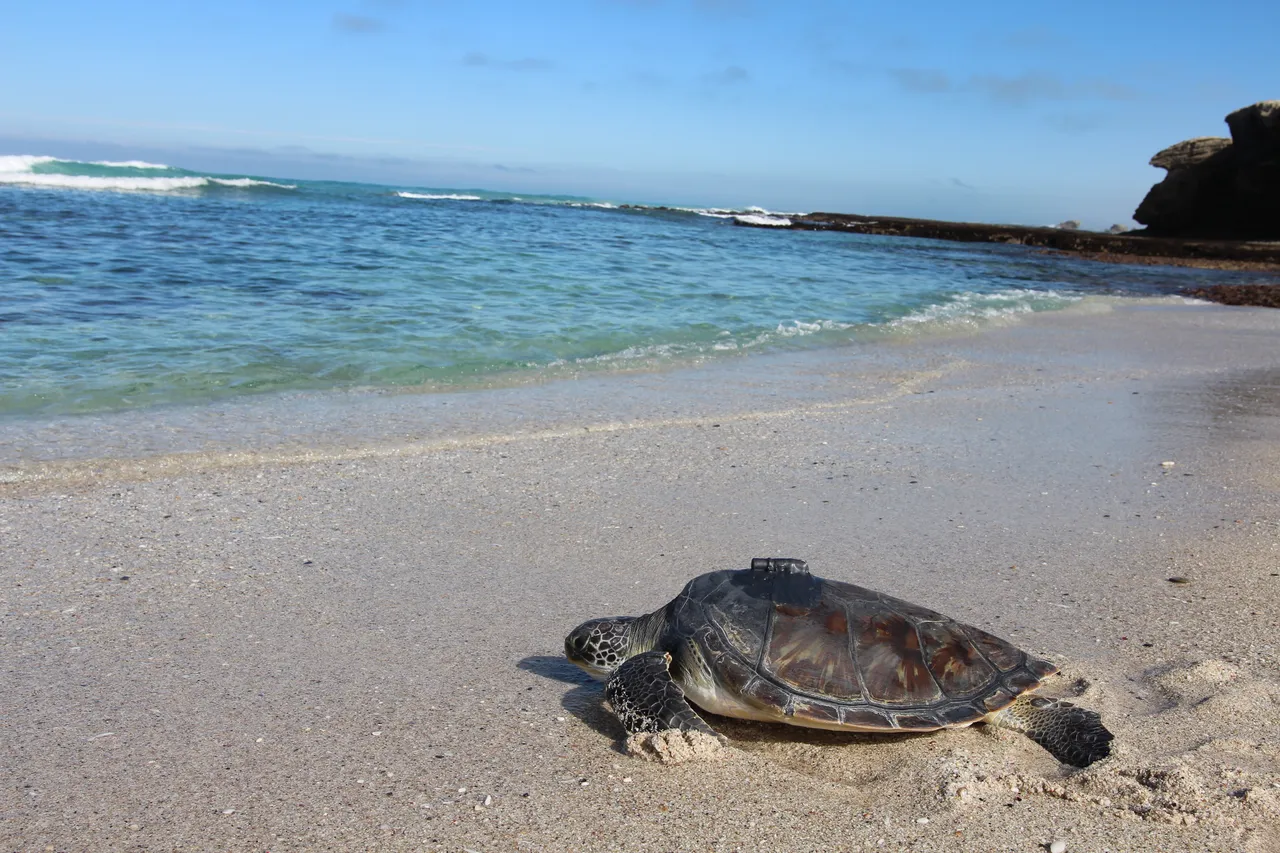
One of our most famous green turtle patients was Bob. She was rescued in 2014 with severe injuries, exacerbated by plastic ingestion, and was initially deemed ‘unreleasable’. The Turtle Conservation Centre team treated her injuries, and after a long period of rehabilitation, introduced her to her temporary home in the I&J Ocean Exhibit. After two years of an intensive environmental enrichment programme, Bob’s regular behavioural assessments and neurological examinations increasingly showed healthy responses, resulting in a decision in 2022 to release her. On 27 January 2023, Bob the green turtle took the plunge into the Indian Ocean, off the KwaZulu-Natal coast, after eight years of rehabilitation.
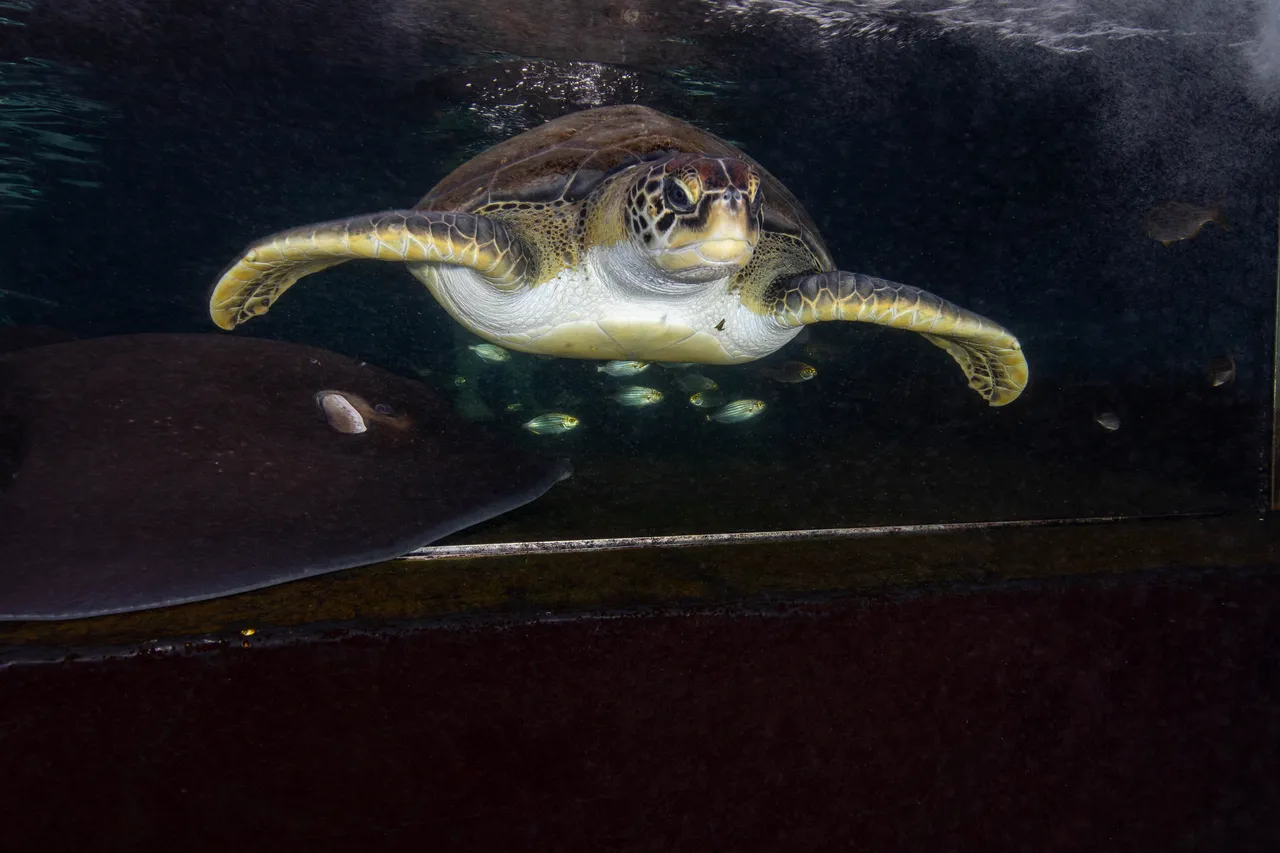
Turtles are indicator species, meaning their abundance, distribution, and health reflect environmental conditions. Essentially, when there are fewer turtles in the ocean, it is indicative that something is wrong in the marine environment. Not only do turtles’ presence indicate marine health, but they are also keystone species. This means that turtles play a crucial role in the ocean ecosystem – without them, ecosystem health would decline or collapse entirely. Turtles keep beach dunes, seafloor habitats, and coral reefs healthy and jellyfish populations in check.
The Turtle Conservation Centre treats and rehabilitates five turtle species of varying ages for a range of ailments, from plastic ingestion to severe injuries and illness. While mortality from predation or disease is a natural occurrence in the wild, the added dangers of plastic pollution, climate change, and other human-induced hazards are causing turtle populations to suffer. This means that our work at the Turtle Conservation Centre is absolutely critical in boosting the ocean’s biodiversity and helping global turtle populations to recover.
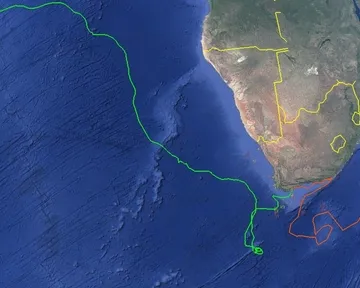
We have been able to record the success of the rescue, rehabilitation, and release programme by tagging our turtles; larger turtles with satellite-tags and hatchlings with microchips. All the data collected from the Turtle Conservation Centre's work contributes to post-graduate studies and publications, as well as the growing global knowledge base of turtle rehabilitation and treatment plans. Most importantly, by rehabilitating and releasing turtles, the Turtle Conservation Centre is giving turtle species a greater chance at surviving into the future.
Inspired by initiatives such as the Reverse the Red movement, the TCC hopes to help move the needle with other turtle species in their care.
What can I do to help?
Biodiversity loss is a bigger deal than we realise. While there are myriad issues facing our environment, you can do quite a lot to save it. Start by being smarter about your waste: Think twice about plastic products and try to get into a recycling routine. Most waste products will end up in marine or terrestrial environments, so you can do your bit to break the cycle. If you’d like to support the work of our Turtle Conservation Centre, think about becoming a donor or adopting a hatchling. Even something as simple as sharing a post about Reverse the Red on your social media will help – the more people are aware of biodiversity loss, the more people can help to reverse it!
You, too, can help to Reverse the Red.
Related News
Sign up to our Newsletter
Receive monthly news, online courses and conservation programmes.