How to help seals in distress this International Seal Day
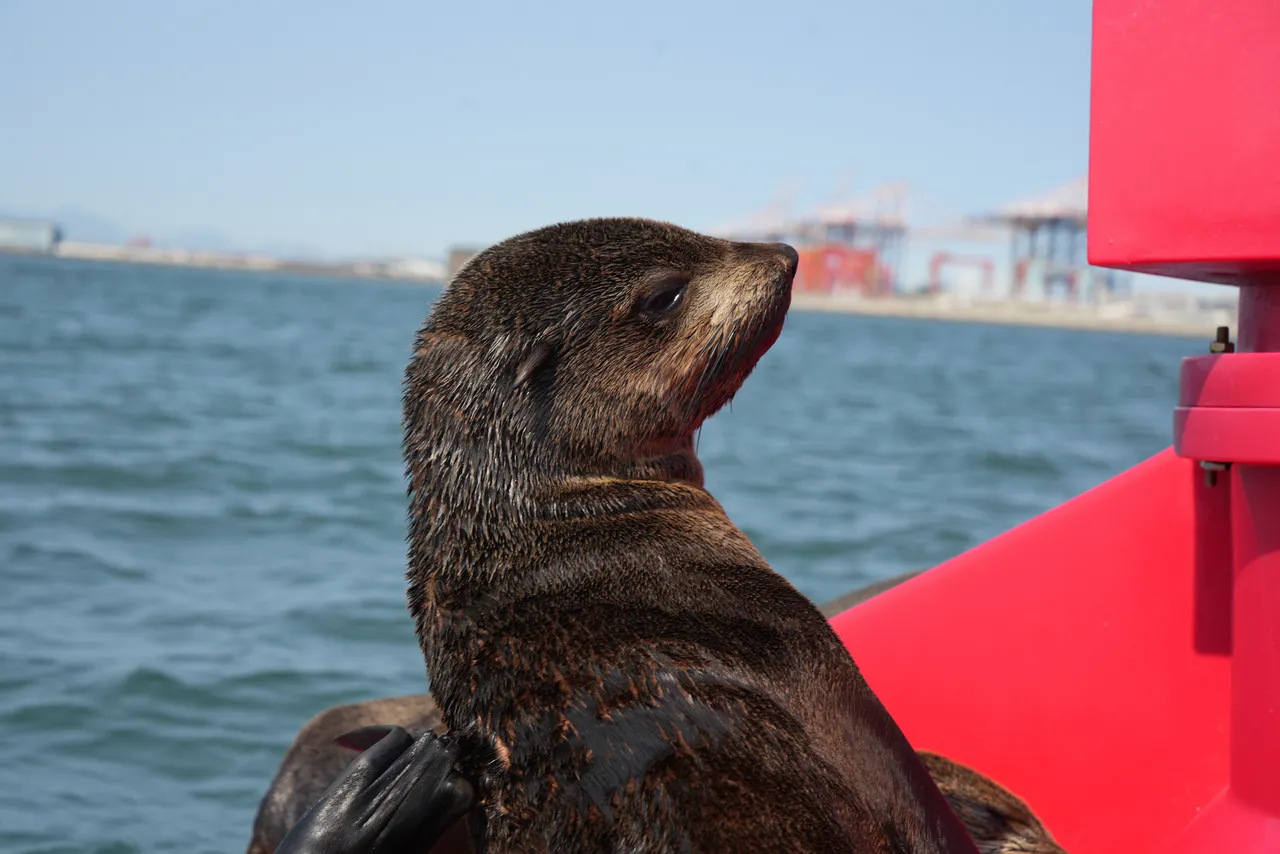
On 22 March, the Two Oceans Aquarium celebrates International Seal Day! This year, we're highlighting ways that members of the public can help protect our beloved Cape fur seals from entanglement along Cape Town’s coastline.
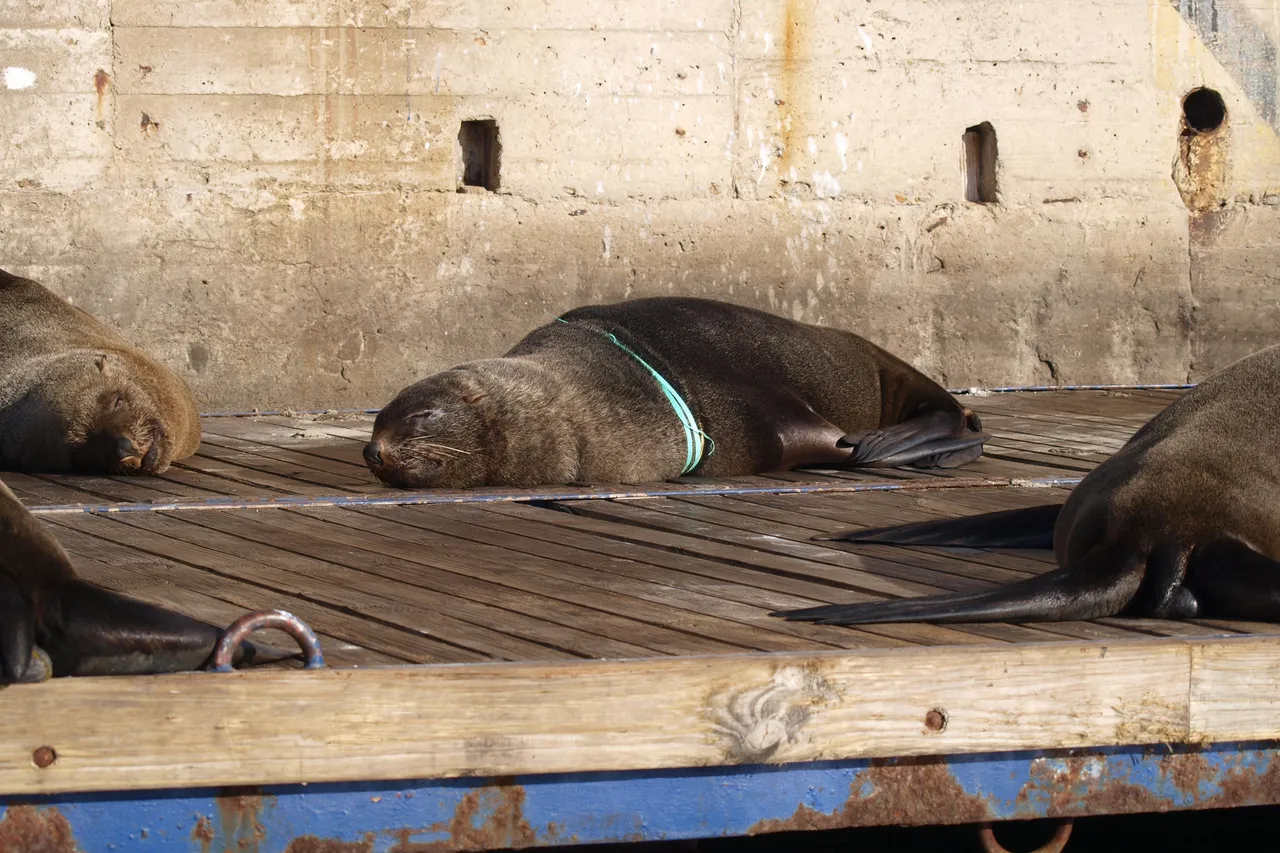
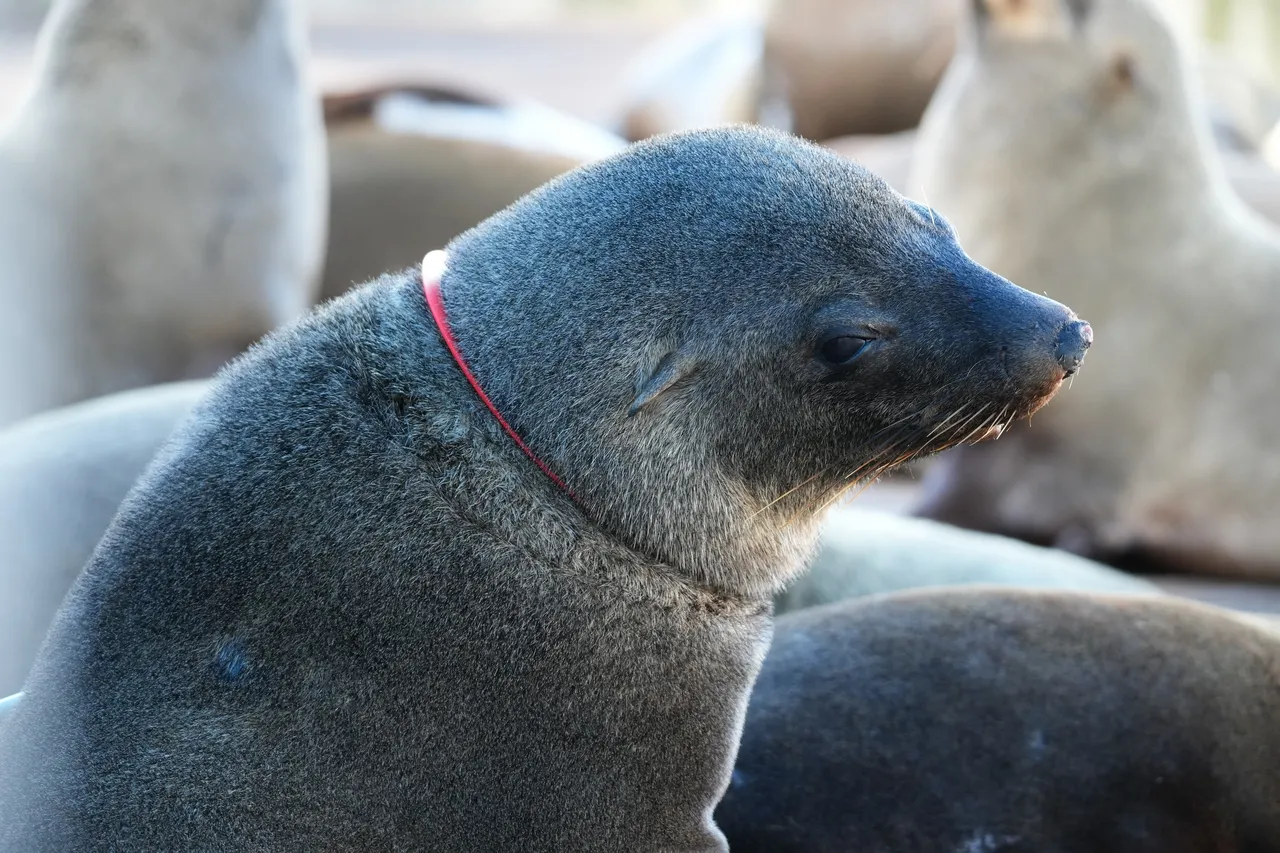
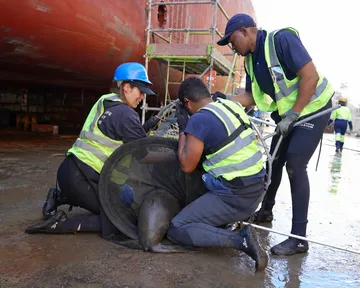
Cape fur seals are curious, charismatic, and a vital part of the city’s ocean ecosystem. However, entanglement in fishing line, plastic, and other marine debris is a serious and growing threat. In response, the Two Oceans Aquarium Foundation's Marine Wildlife Management Programme regularly rescues entangled seals in the V&A Waterfront and, together with the City of Cape Town, empowers the public with the knowledge to report and respond safely to seals in distress.
“These fascinating animals are a common sight in Cape Town, though sometimes we encounter seals that are distressed, injured, or displaying unusual behaviour. These situations often require human intervention, and swift and responsible action is crucial,” said Martine Viljoen, Marine Wildlife Management Programme Manager.
Through the Marine Wildlife Management Programme, the Two Oceans Aquarium Foundation collaborates closely with the City of Cape Town to provide rescue support, veterinary care, and public education. A key focus is helping residents and visitors understand what to do if they encounter an entangled or injured seal. By raising awareness and sharing practical guidance, this initiative enables the public to play an important role in protecting Cape Town’s seals. To support this effort, an essential guide has been compiled to help you take the right action when it matters most.
When should you report a distressed seal?
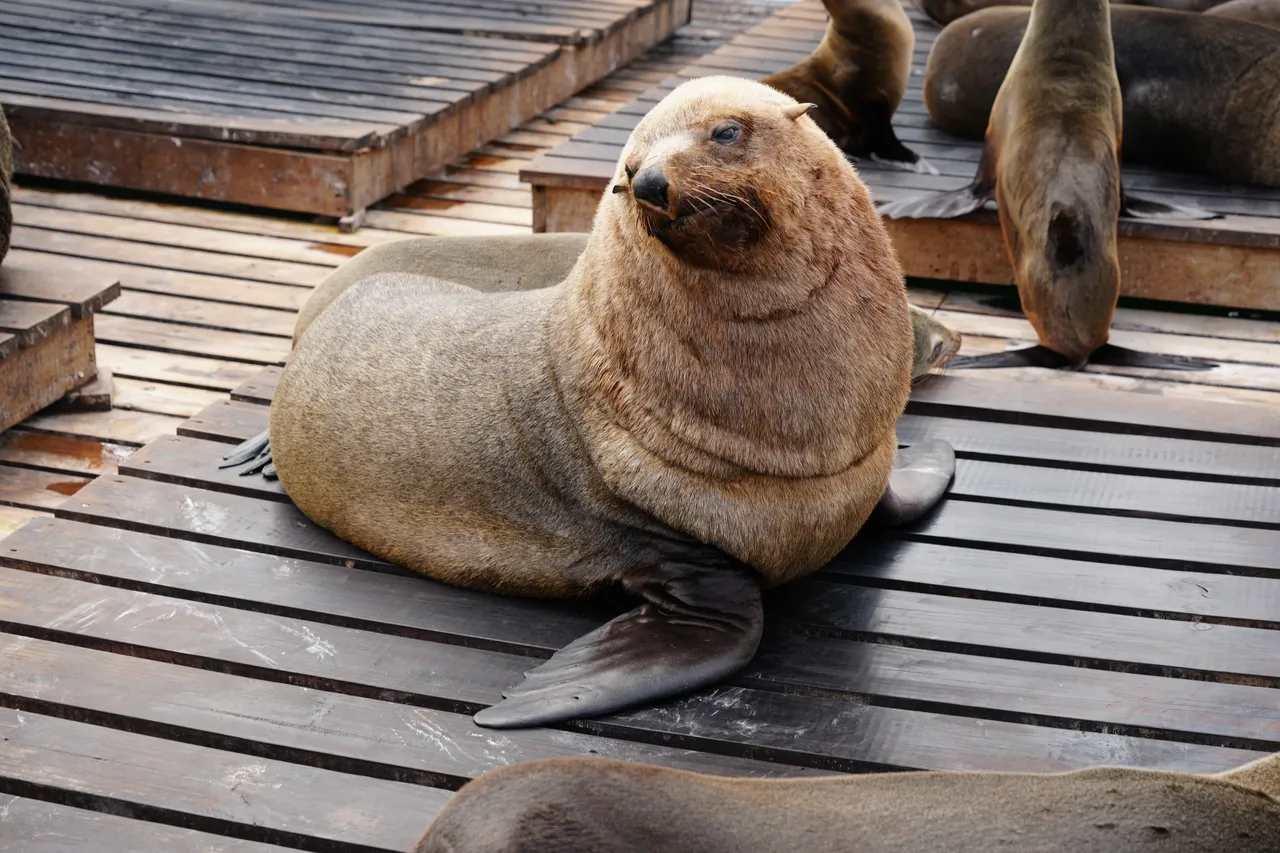
Seals are often found in seemingly unusual locations, which is not commonly a cause for concern as they need to rest on land after hunting at sea. So, when you see a seal lying on a jetty or on one of our Seal Platforms, it is advisable to keep a safe distance and leave the seal alone to rest. DO NOT encourage it back into the water or pour water over it – not only will this cause unnecessary stress, but if forced to return to the water before it is ready, the seal is in danger of fatigue and even drowning.
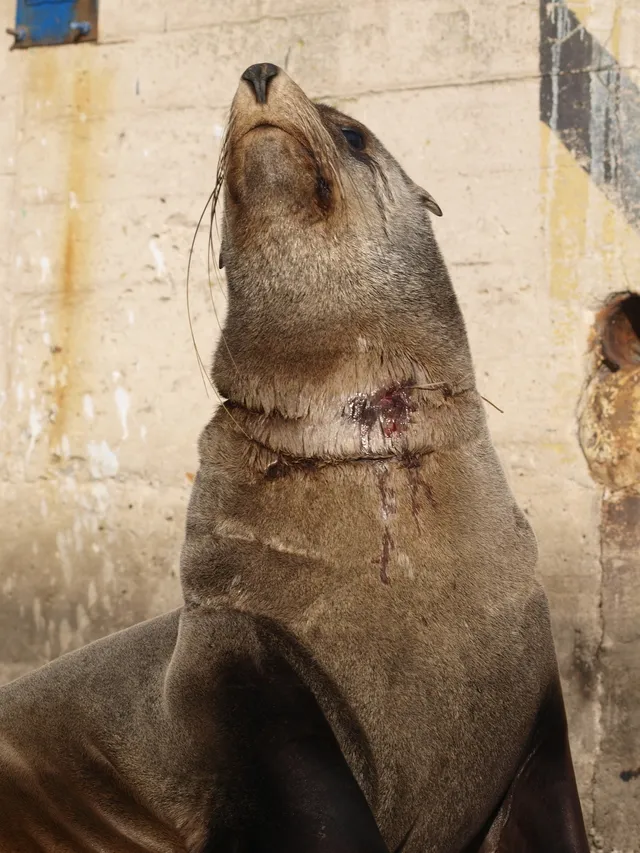
However, there are times when immediate assistance is required. Signs that a seal is in distress could be that they are injured or bleeding, entangled in plastic or fishing gear, hauled up in a dangerous area, or behaving erratically. Further signs could be erratic movement, repetitive thrashing of kelp, unprovoked aggression, or obvious disorientation. In these cases, it's always best to err towards caution and contact the authorities! Your prompt action can make an incredible difference in providing the necessary assistance for a distressed marine animal.
Who should you call to report a distressed seal?
The City of Cape Town has a dedicated system for reporting wildlife incidents and ensuring the appropriate response teams are notified. Below are the essential contact numbers you should keep on hand:
- General wildlife concerns, including stranded or injured animals: City of Cape Town’s Call Centre (021 480 7700)
- Reporting dead animals: Use the City of Cape Town’s online reporting system
- Distressed animals in the V&A Waterfront area: Two Oceans Aquarium (021 418 3823)
- Seal pups and yearlings in distress: Hout Bay Seal Rescue (Amos Lipenga: 062 674 1521/ Tracy Pendlebury: 082 334 4247)
- Southern elephant seals, live strandings, and seals showing signs of aggression: Contact Gregg Oelofse (City of Cape Town Coastal Manager) directly on 083 940 8143.
By saving these contact numbers in your phone, you’ll be ready to act quickly if you encounter a wildlife emergency.
Your report could save a seal's life
In a city like Cape Town, where humans and wildlife intersect, distressed animals often face additional harm due to human activities. Without proper intervention, these situations can escalate. By reporting wildlife incidents, you help authorities respond promptly to protect the animals and prevent further harm.
A wonderful example of this impact in action is via the Aquarium's social media channels. There have been multiple instances in which our Instagram followers have reported entangled seals. These messages are forwarded to our Marine Wildlife team, who can quickly respond to rescue the seal in need. Even the seemingly smallest of actions make a significant impact in safeguarding Cape Town’s marine life.
If you come across a distressed seal, follow these steps while waiting for assistance:
- Do not attempt to move, touch, or feed the animal: Wildlife can be unpredictable, and improper handling can cause further stress or injury.
- Keep a safe distance and avoid drawing crowds: Distressed animals, including seals and seabirds, need space to recover. Crowds can increase their stress, leading to animals potentially harming careless bystanders or unleashed dogs.
- Take a photo and note the exact location: This information will help responders find the animal more quickly.
- Be patient: Response teams may be handling other emergencies, but they will get to the animal as soon as possible. Authorities will guide you on whether it’s necessary to stay with the animal.
By acting responsibly and reporting distress cases to the right organisations, you are contributing to the conservation and welfare of Cape Town’s incredible marine life.
Related News
Sign up to our Newsletter
Receive monthly news, online courses and conservation programmes.