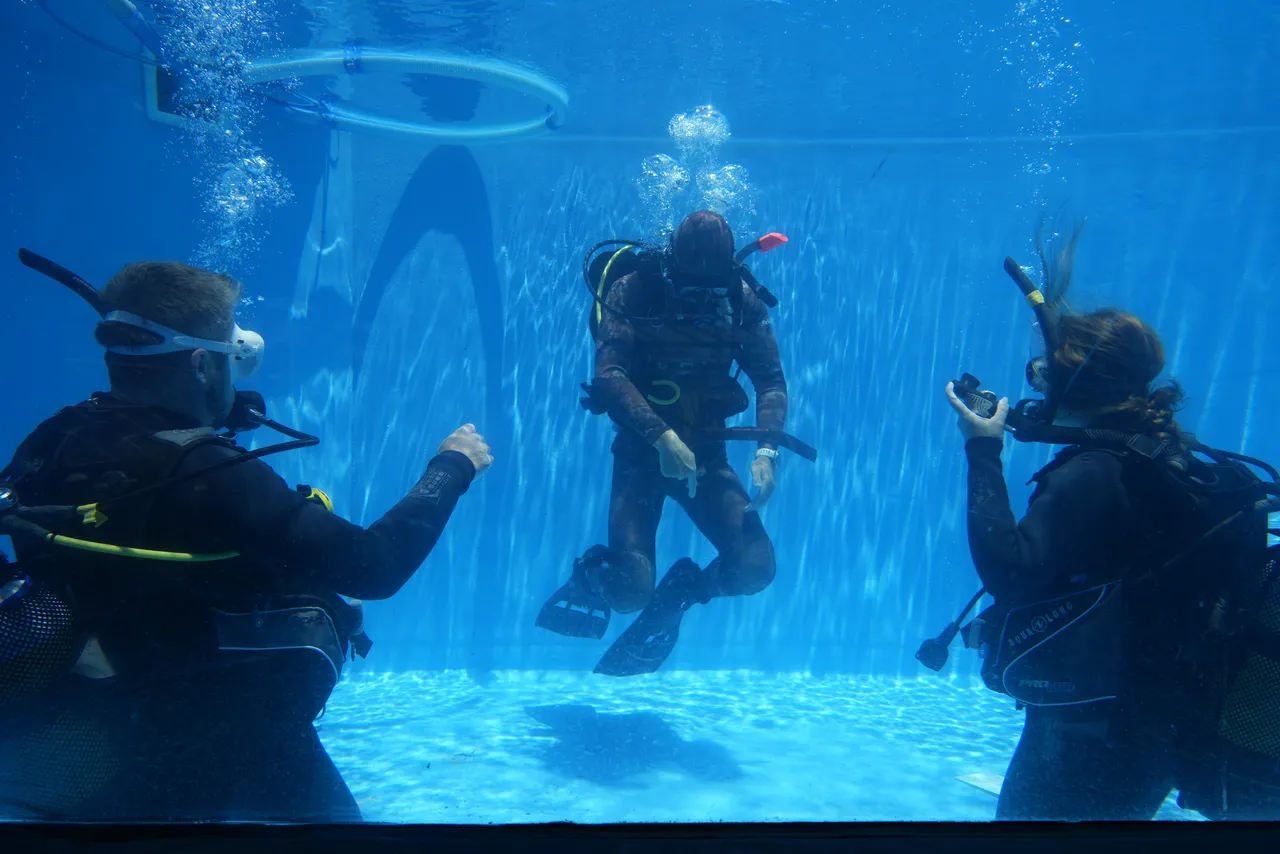
At the Two Oceans Aquarium, it may come as a surprise that not all of our staff members spend their days in a wetsuit. For many staff, donning a wetsuit and dipping below the surface is a rare and exciting experience. That's why we often encourage our staff members to try new ocean-based activities, like scuba diving, rock pooling, and snorkelling. There's no better way to gain a deeper appreciation for our ocean and its inhabitants than immersing oneself in their environment!
Recently, a member of our Marketing department completed her PADI Open Water Diver certification with our five-star Dive School. Let's hear more from Megan about her experience of learning how to scuba dive...
"I wanted to learn to scuba dive to truly connect with the marine life within the Aquarium and experience animals up close, rather than observing them from behind the glass. I was also drawn to the opportunity to photograph underwater. Scuba diving allows me to focus on capturing images without the stress of constantly managing my breath, which can be challenging when snorkelling or freediving."
Day one: Acing the basics
Day one of the PADI Open Water Diver course is held at the Two Oceans Aquarium, where Megan and the other course participants delved into a comprehensive theory session. The theory component covers everything new divers need to know, from an A-Z of scuba diving gear and underwater hand signals to safety tips and buoyancy skills.
"The easiest parts of the theory course were the practical, informational sections because we were able to duplicate them in the diving pool. Being able to read about the skills, watch the videos, and then physically practise them made the information much easier to understand and remember. The most challenging section was the Recreational Diving Planner (RDP) table. At first, it felt like a lot to take in, and I needed some extra revision before I fully grasped how to use it".
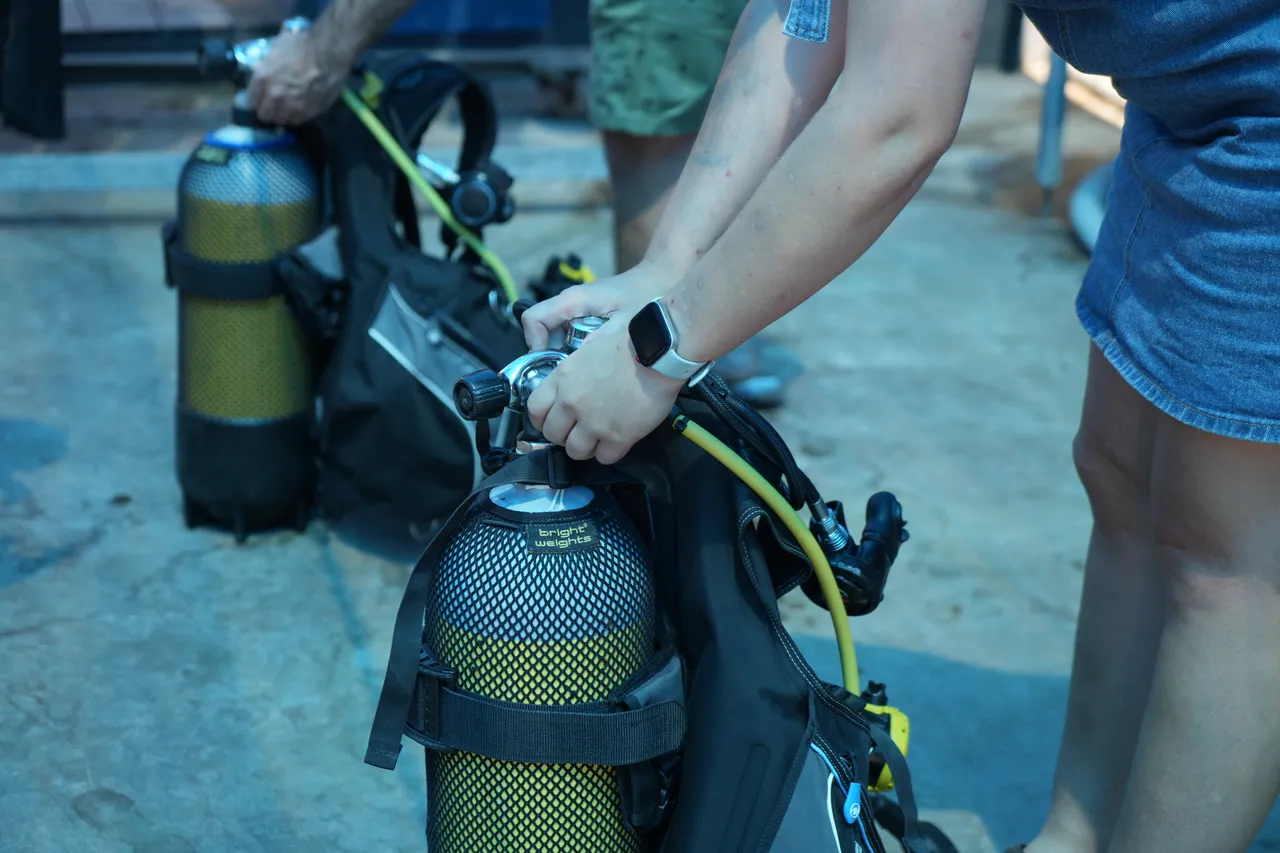
Once Megan and the others had aced the theory section, they got comfortable with setting up and dismantling their own dive gear. The Dive School instructors guided the participants through each step until the process was second nature.
"The course made me feel confident using my dive gear. From the beginning, the instructors encouraged a structured approach to self-sufficiency, allowing us to learn how to put on and set up our own equipment. If there were areas I struggled with, they provided guidance and support, which helped me learn independently and improve my skills. This approach encouraged faster learning, as making mistakes and correcting them built confidence and strengthened my abilities over time".
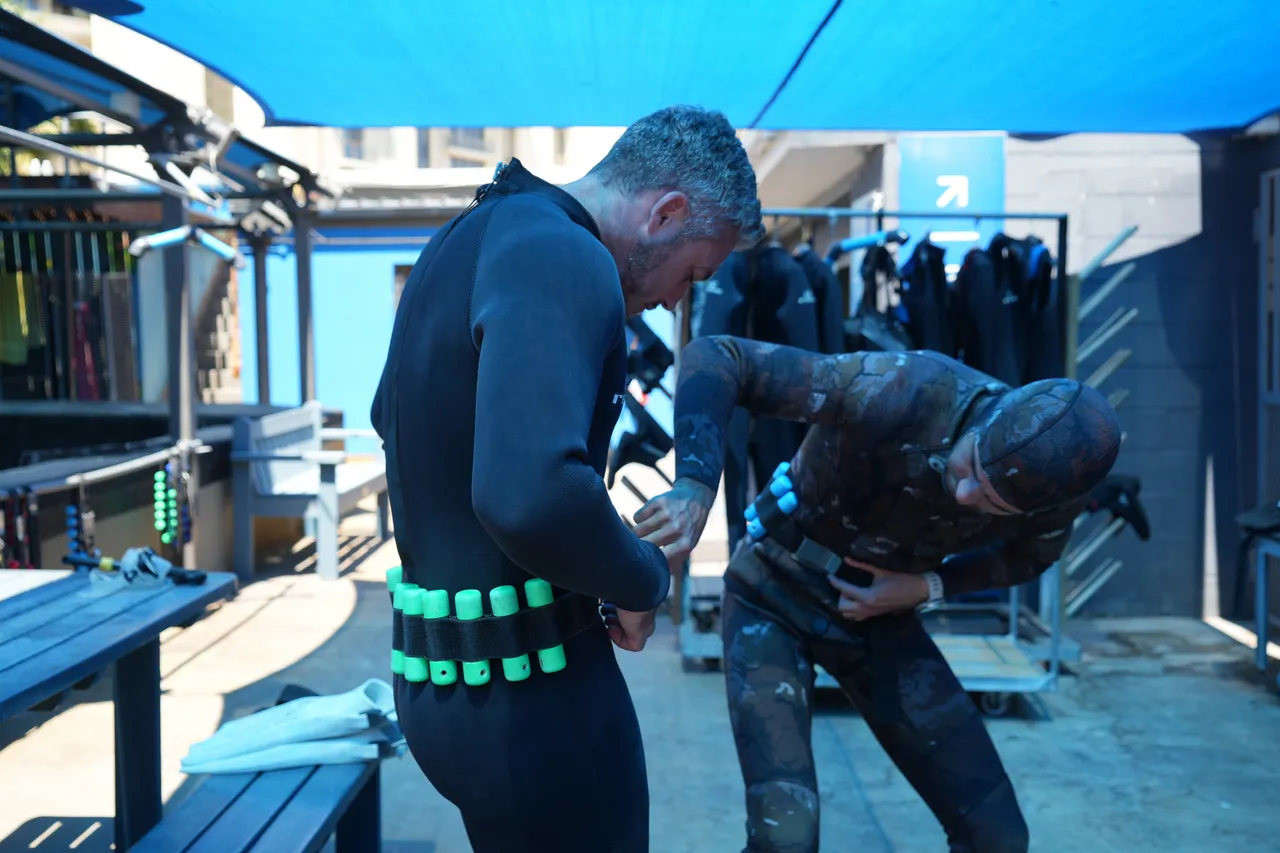
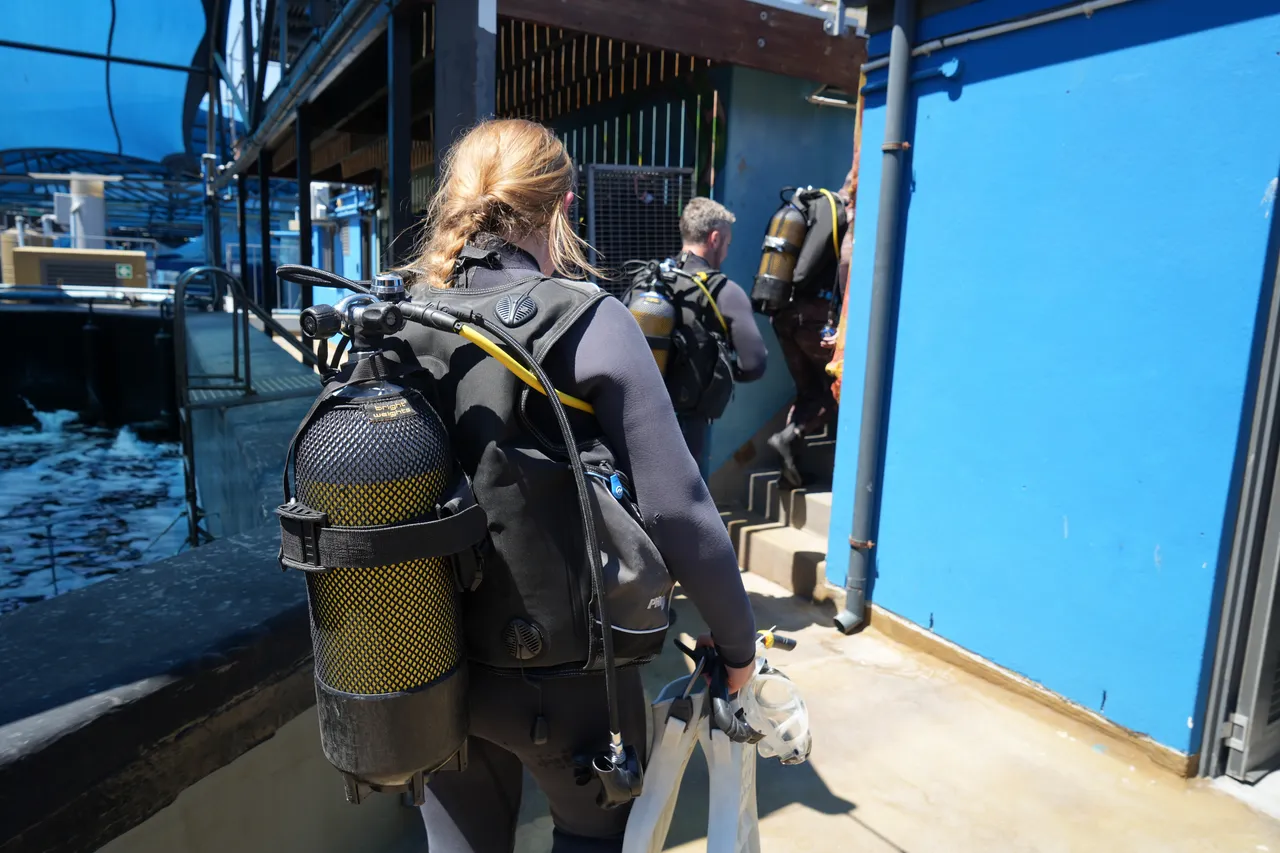
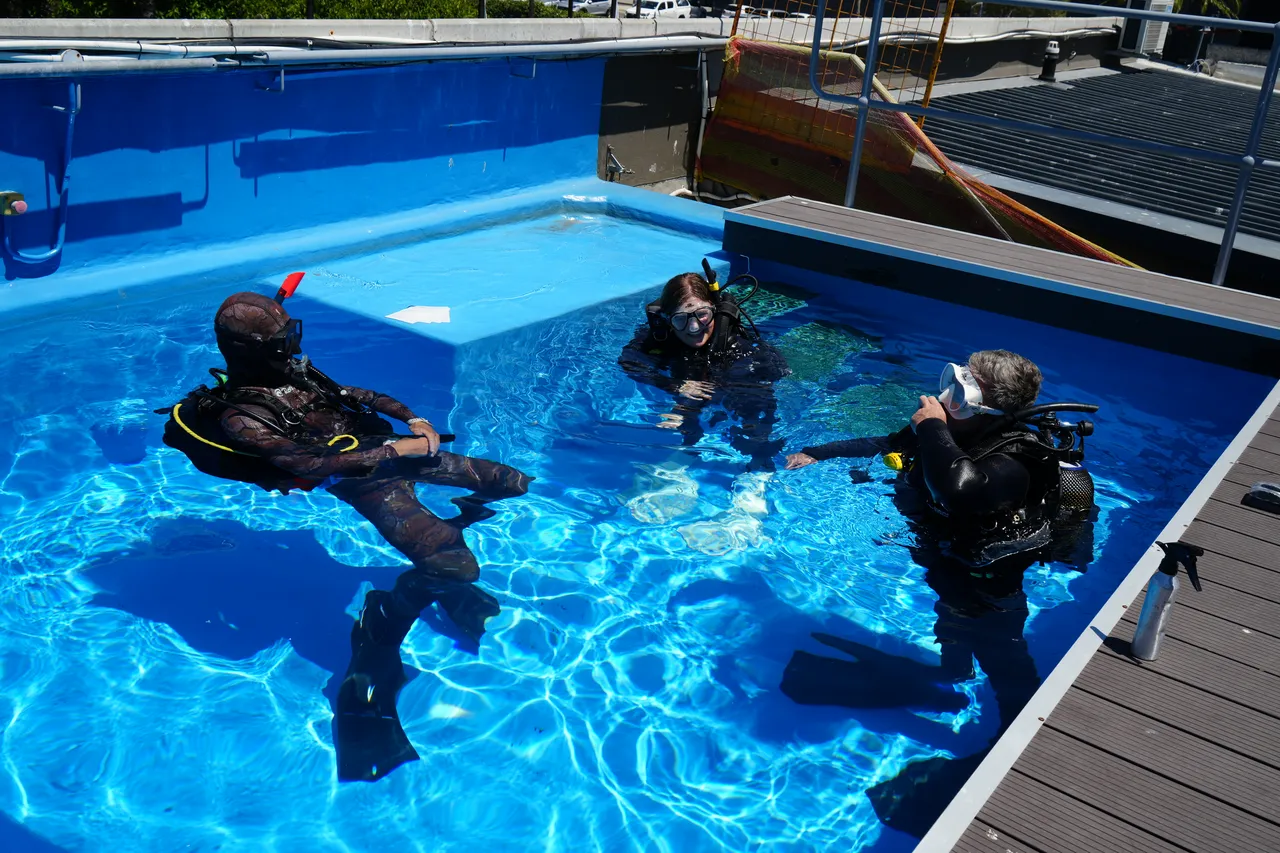
After gearing up with the equipment provided by our Dive School, Megan and the other participants headed to the on-site pool. Here, they put into practice all the techniques that they had learnt in their theory section. These included vital skills like learning how to clear your mask when it floods or how to share air when your buddy's oxygen cylinder has run out. The confined water section of the Open Water Diver course is a crucial space for new divers to get totally comfortable breathing underwater and using their gear. With one of our qualified Dive Instructors by your side, comfort, safety, and fun are guaranteed!
Day two: Going behind the glass
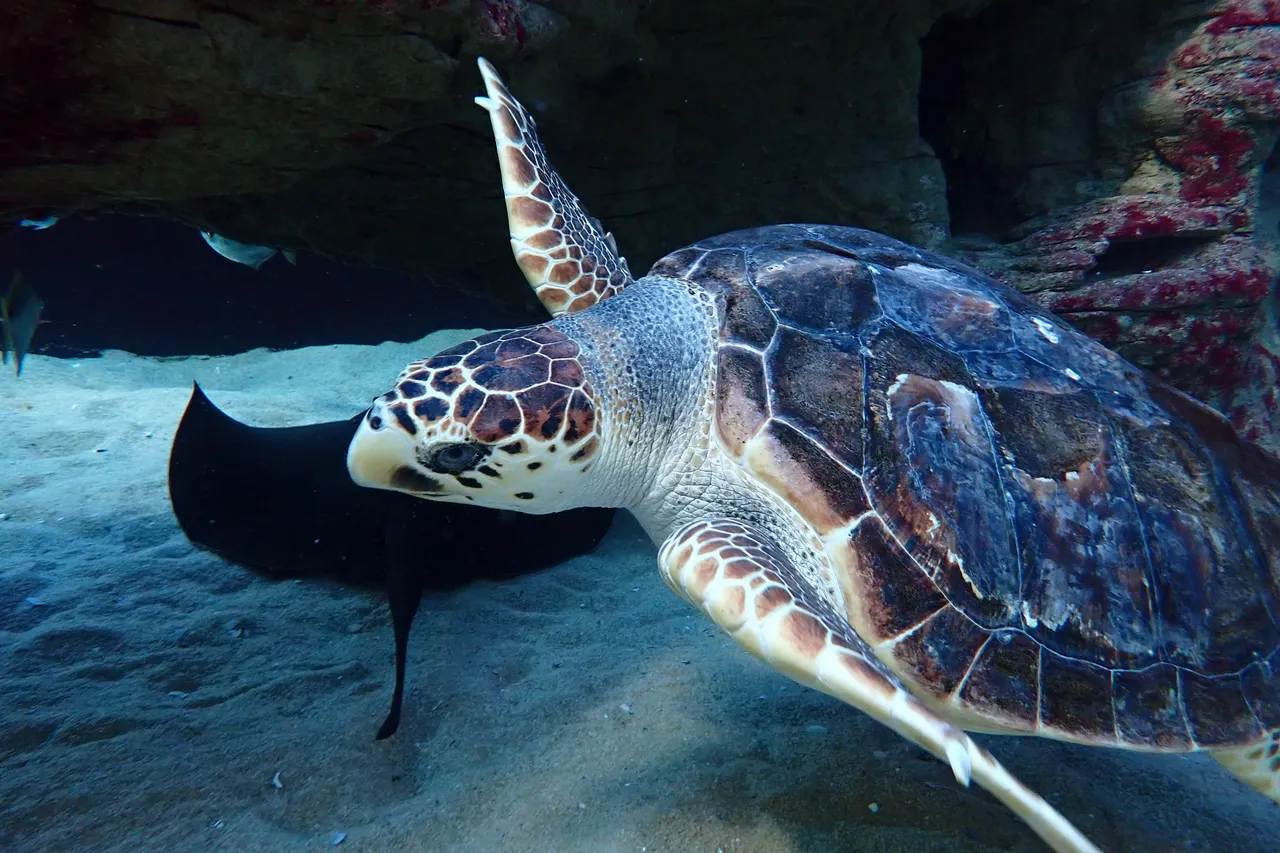
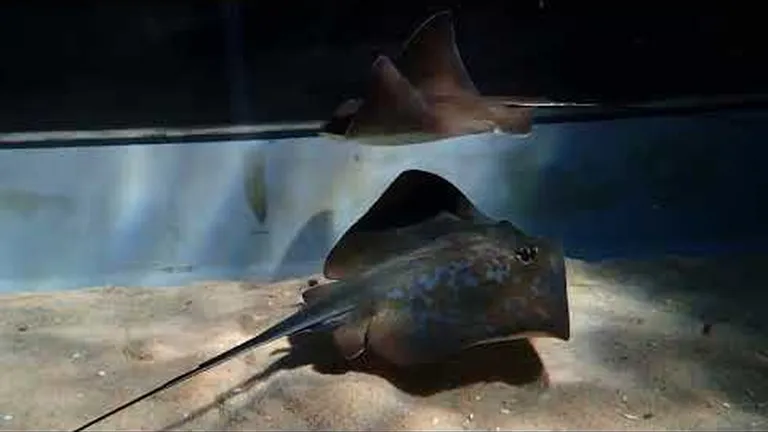
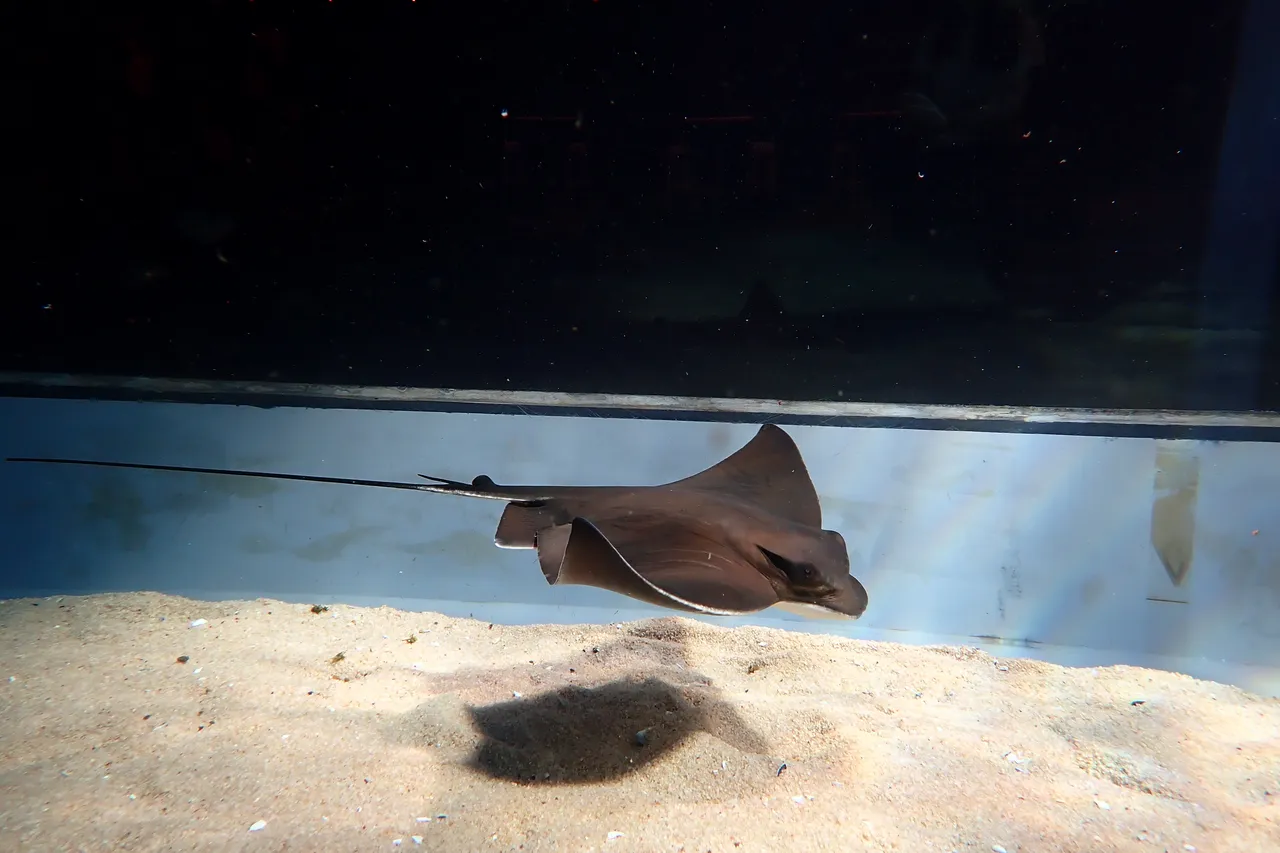
For most Open Water divers, day two is an especially exciting one! This is a unique opportunity to dive inside the actual exhibits at the Two Oceans Aquarium - something many visitors don't get to say they've done. As a keen photographer, Megan was excited to get behind the glass for the first time. The first dive of the day took place in the I&J Ocean Exhibit, where our large ribbontail rays, musselcrackers, and rehabilitated turtles glide.
"I enjoyed diving in both exhibits equally; however, diving in the I&J Oceans Exhibit was particularly special. The experience of diving alongside Kai, the loggerhead turtle, was unforgettable. Being able to observe and share the space with the animals in their own environment made the experience truly incredible and unique".
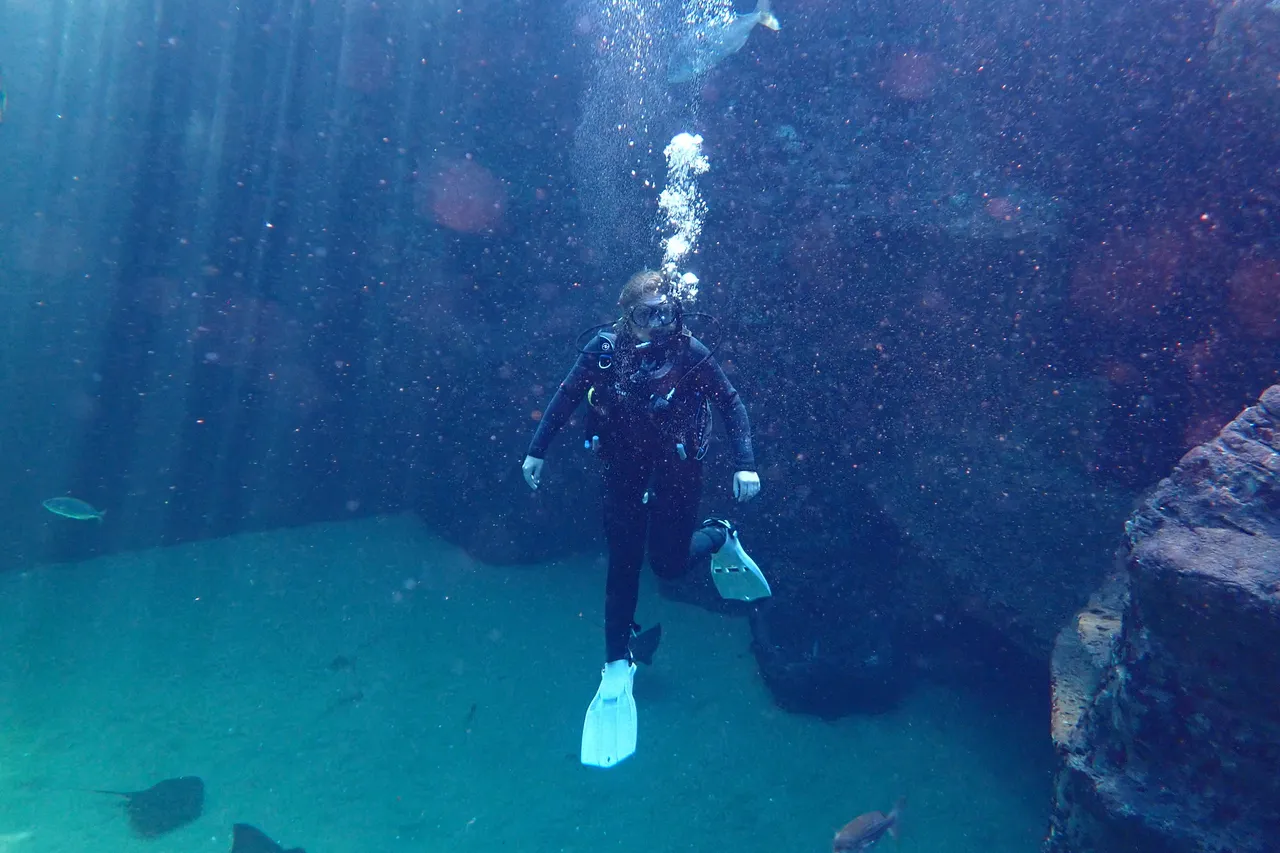
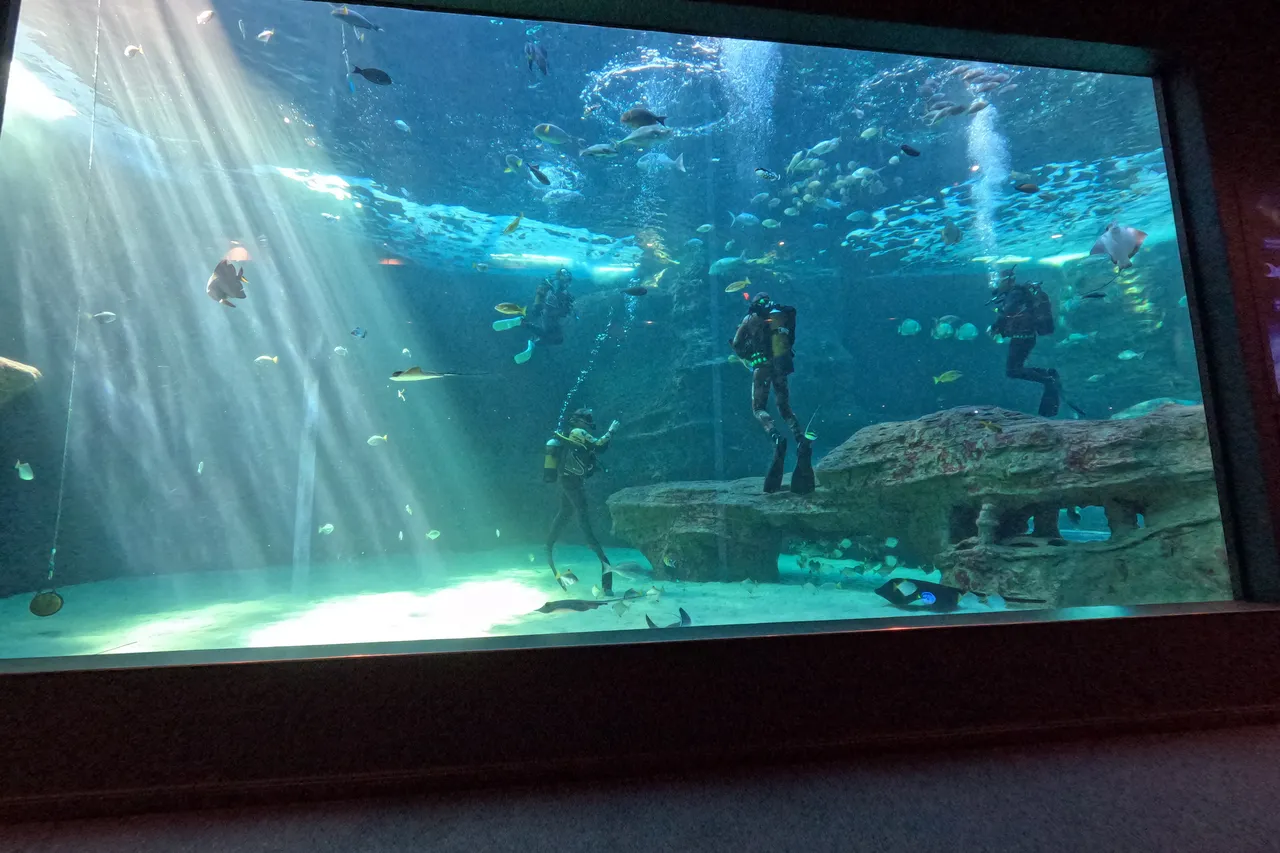
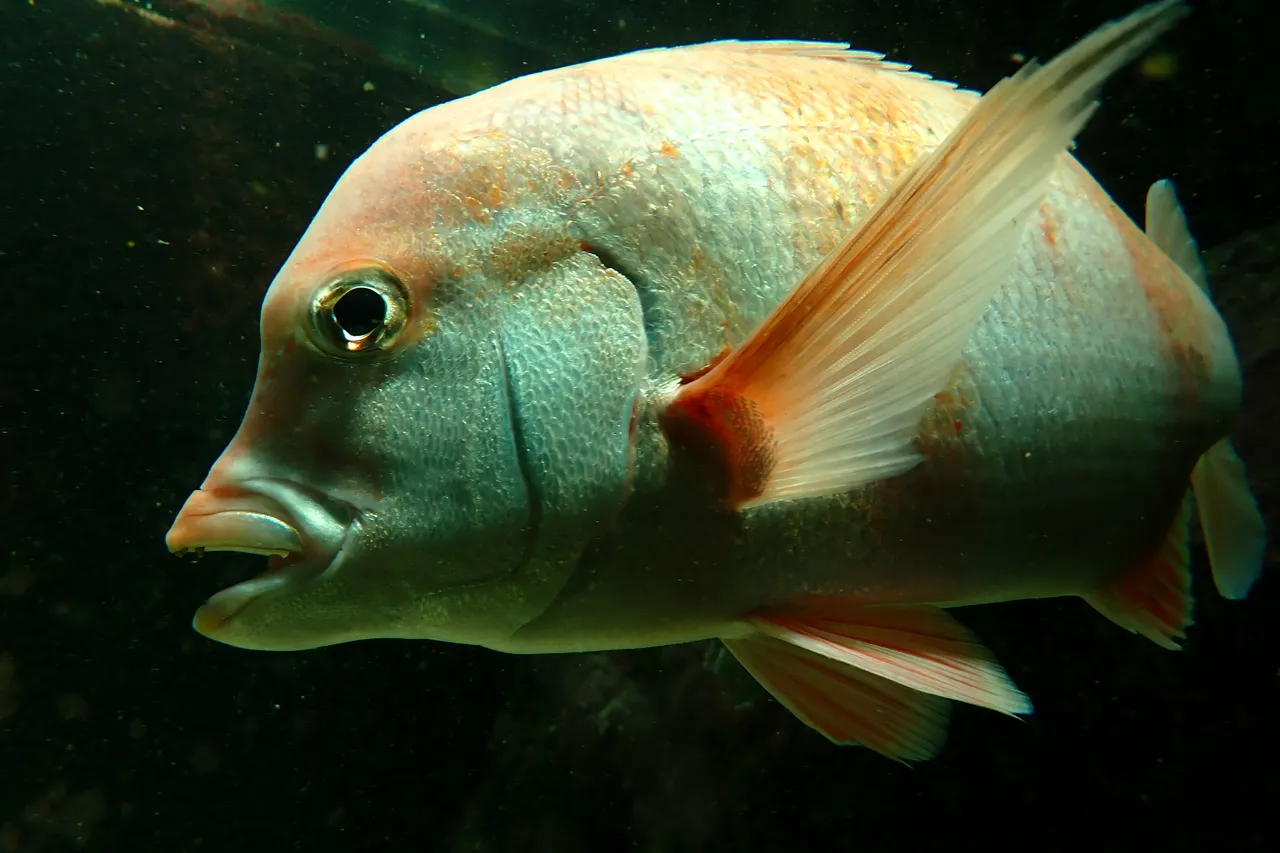
After a surface interval in which participants could relax or grab a snack, they prepared for the second dive of the day. This time, they'd be exploring the Kelp Forest Exhibit - in this colder, tranquil space, Megan and the others got to experience the grace of the gully sharks and the beauty of our living kelp forest up close.
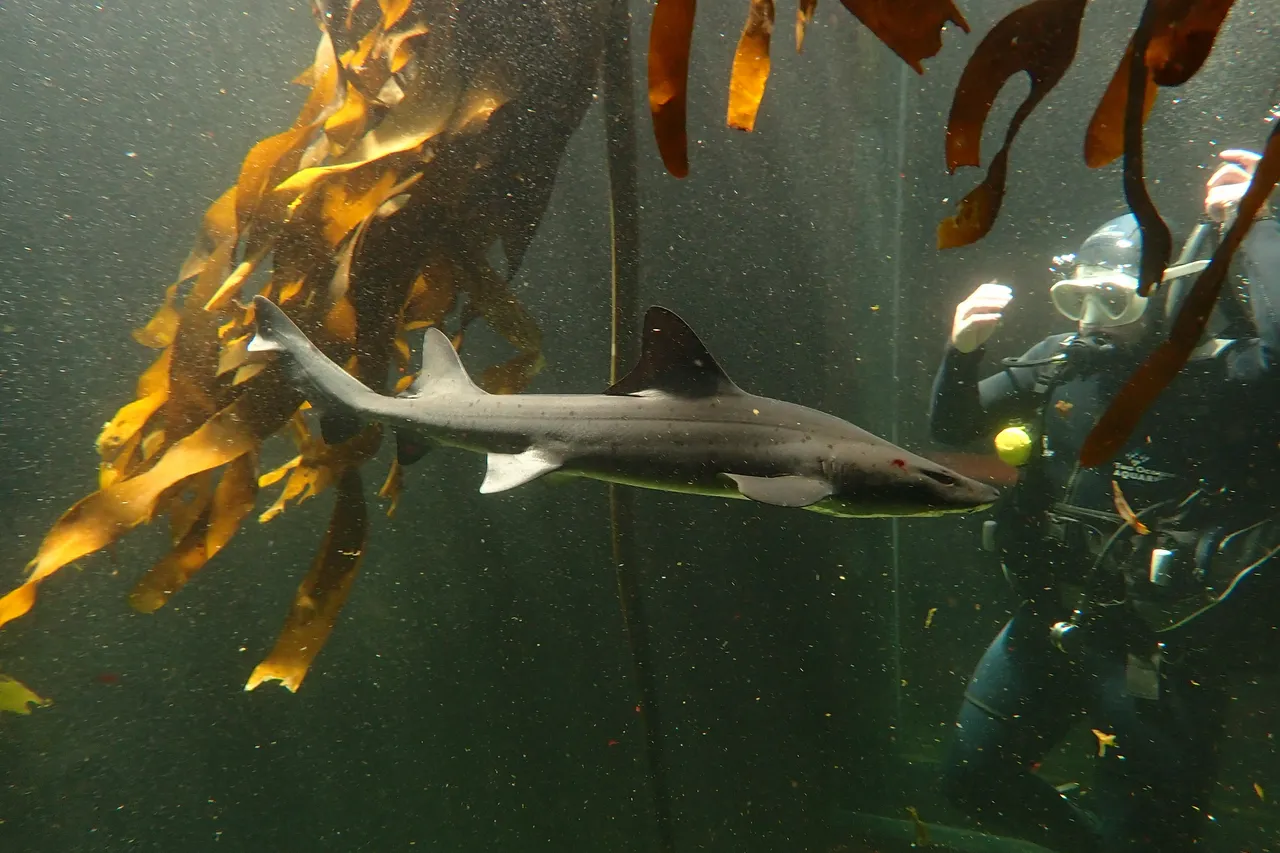
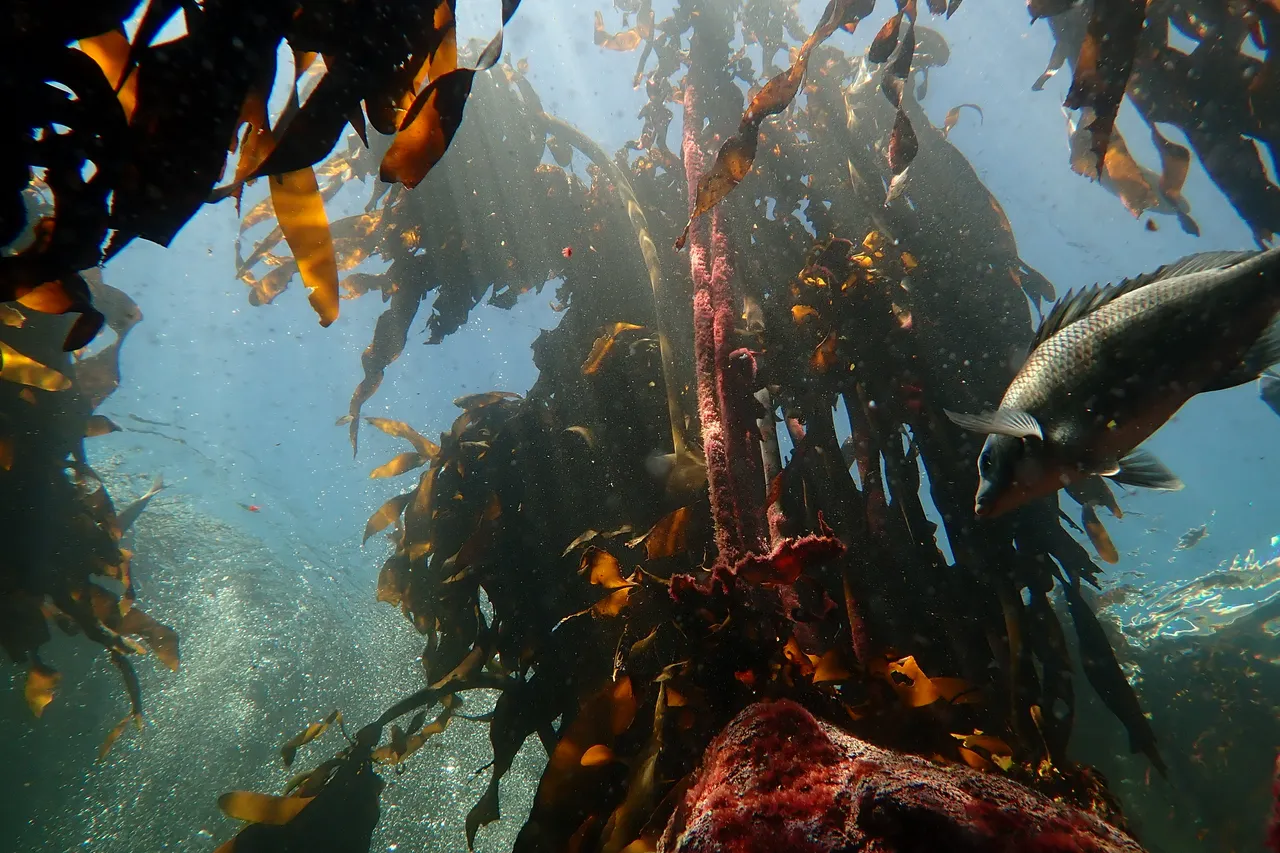
At the start of both dives on day two, the participants ran through several crucial safety skills under the guidance of their Dive Instructor. After these practical aspects had been mastered, the divers got to explore the sites.
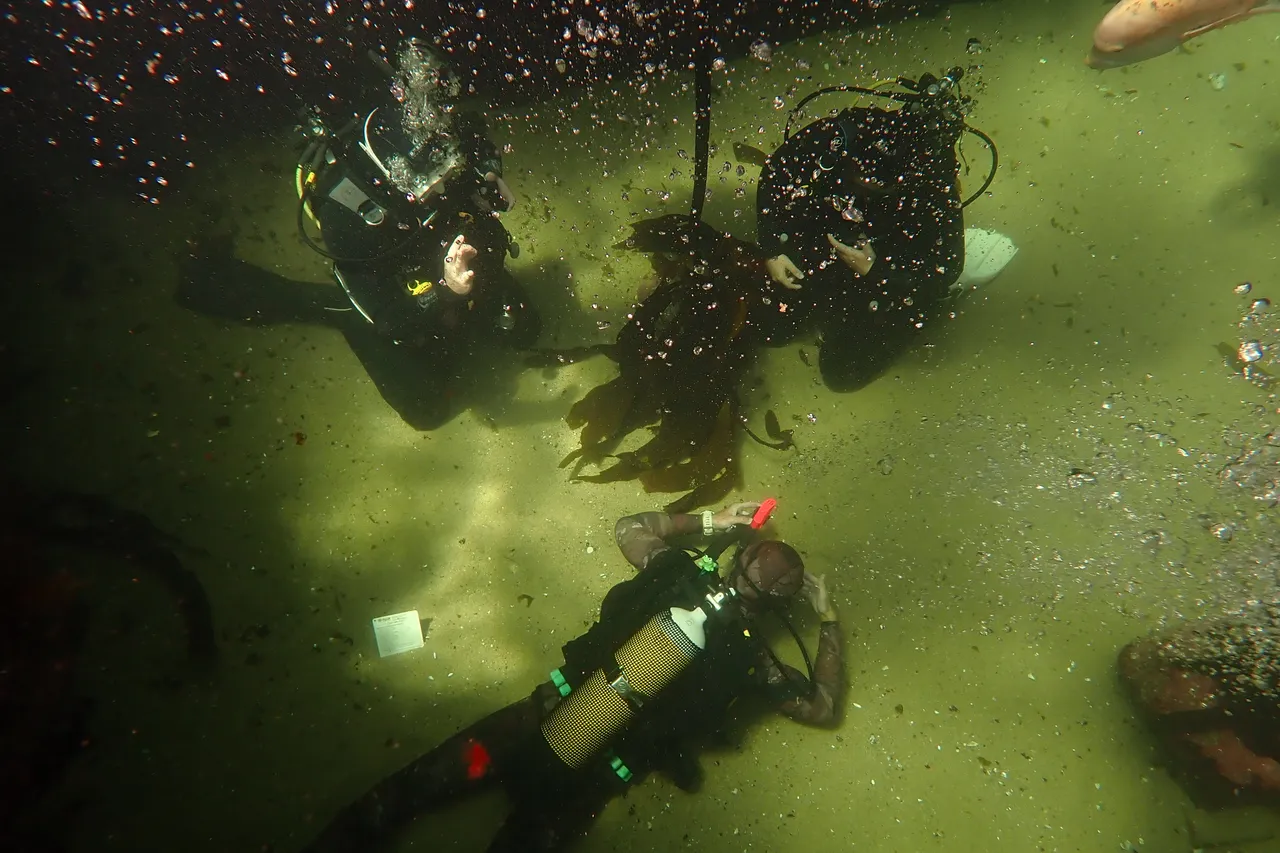
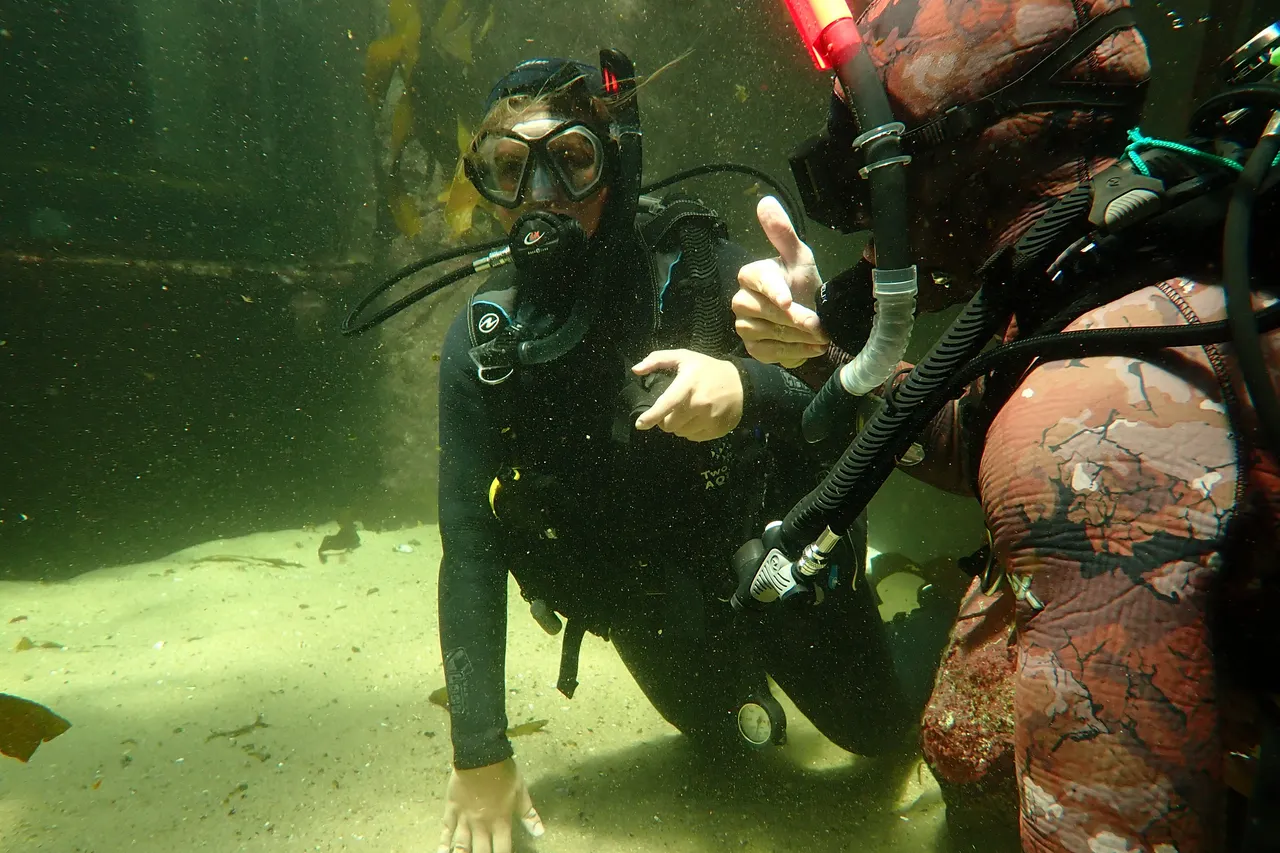
"I enjoyed seeing a wide variety of animals, as each dive offered something different. In the I&J Oceans Exhibit, I especially loved spending time with Kai the loggerhead turtle and the rays. In the Kelp Forest Exhibit, my favourites were the gully sharks and the red stumpnose."
Day three: Wild ocean exploration
Finally, it was time for Megan to head to the open ocean! During the Open Water Diver course, participants enjoy two ocean dives, often at one of Simonstown's stunning underwater sites. In Megan's case, Windmill Beach was chosen for its sheltered and accessible nature. Just like their previous dives, the participants ran through and mastered their core skills before exploring the dive site.
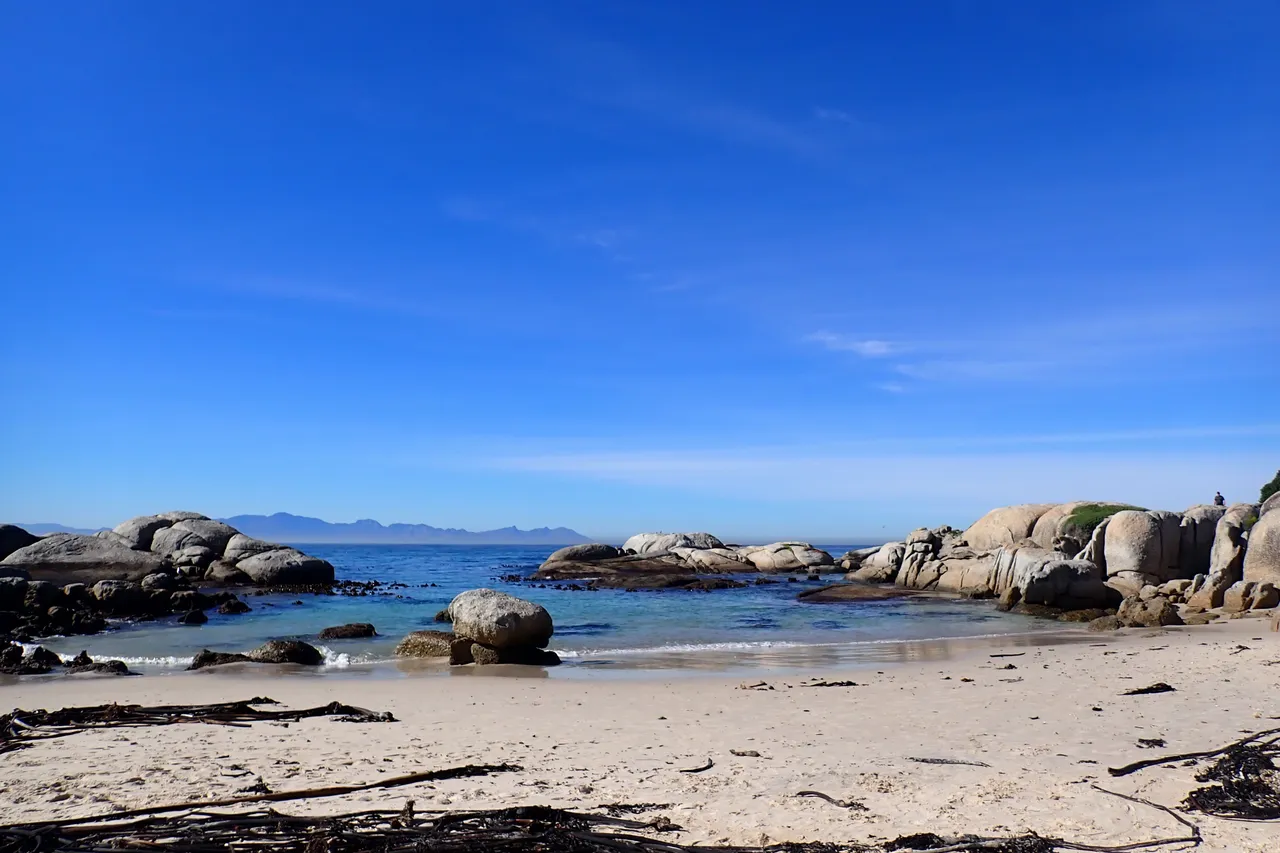
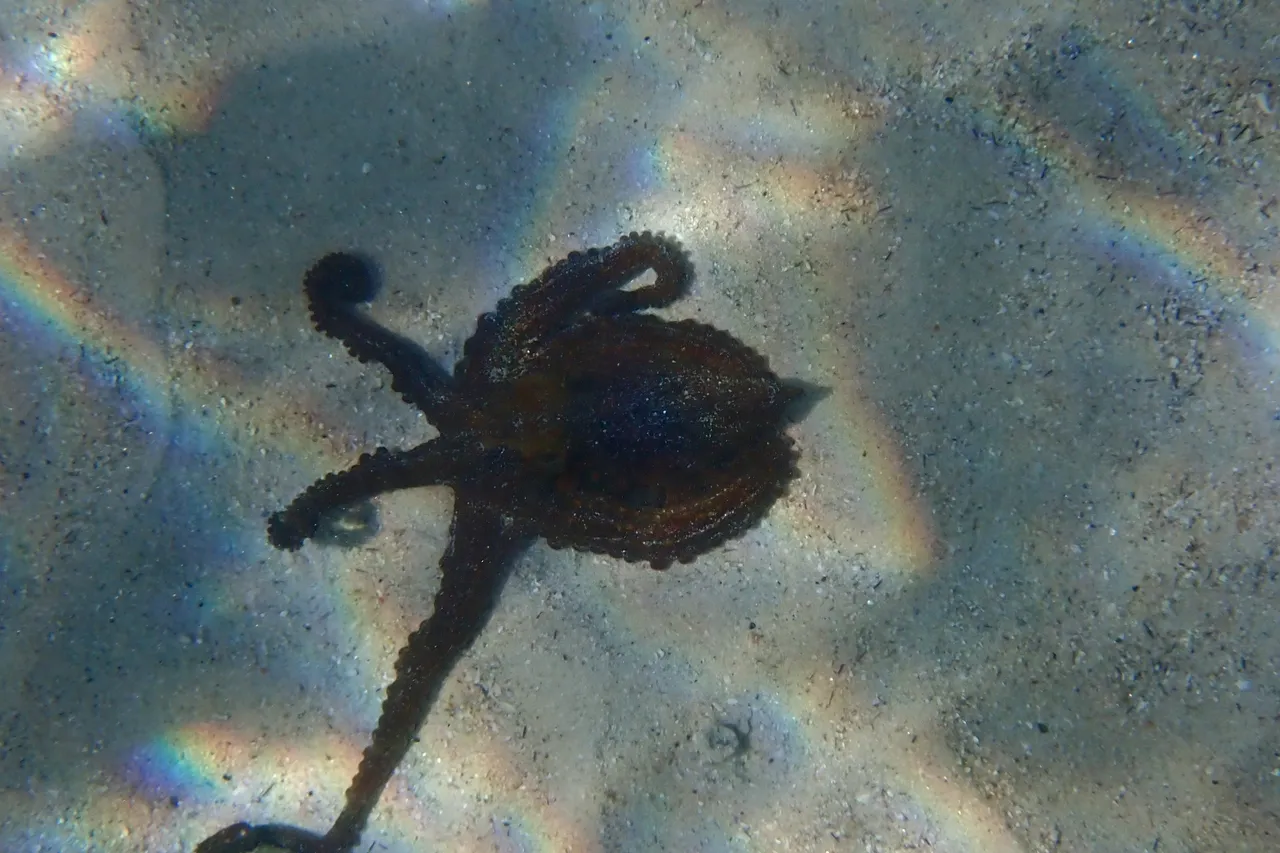
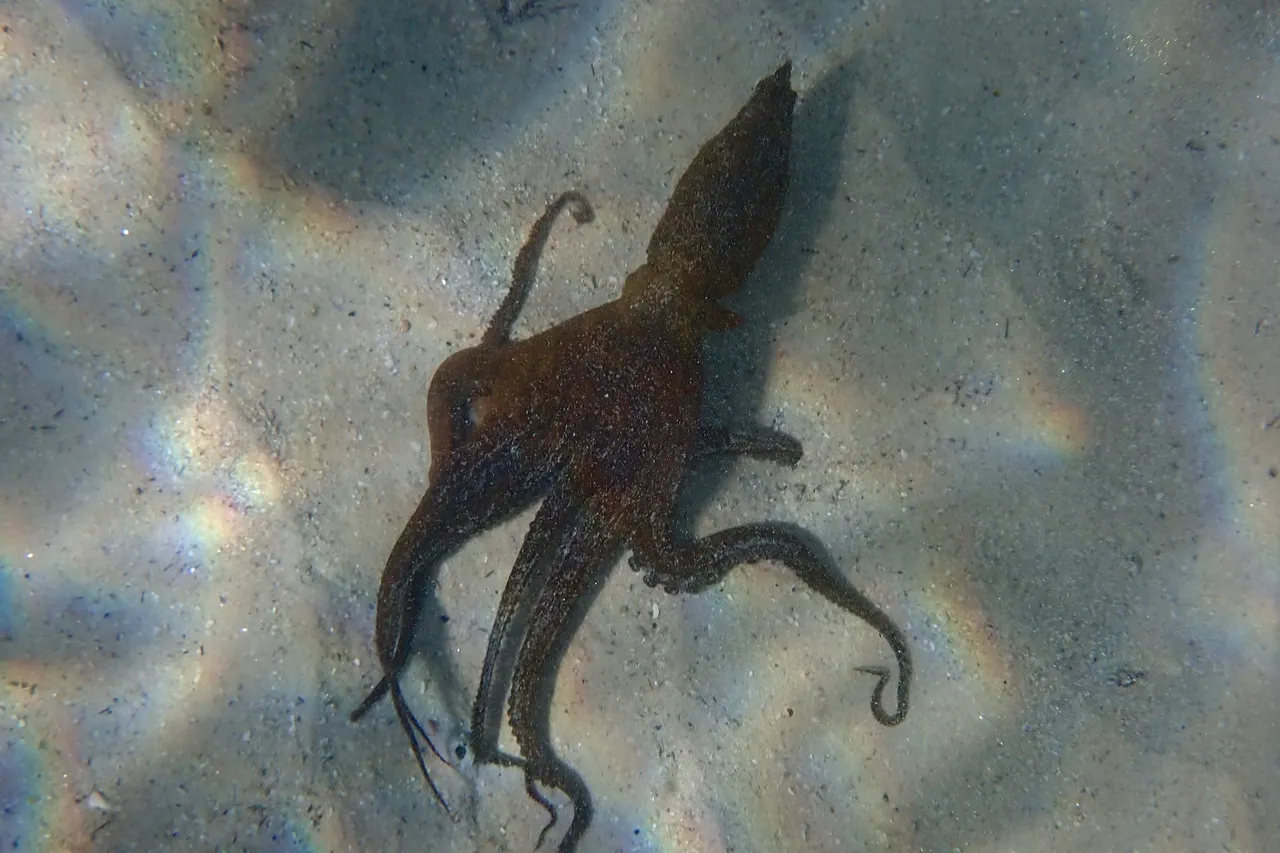
"My favourite part of the ocean dive at Windmill Beach was the second dive on the final day. By that point, I felt much more comfortable in the water, and the focus shifted from the training to enjoying the experience. We were incredibly lucky to see a large octopus, which was a true highlight for me, as I had never seen an octopus in the wild before. This ocean dive was an unforgettable experience."
The PADI Open Water Diver course is truly a gateway to unforgettable underwater adventures! As the world’s leading recreational scuba diving qualification, this fun and rewarding course is recognised globally and completed by hundreds of thousands of ocean explorers each year. Megan's experience showcases how this course builds your skills and confidence while deepening your appreciation for life beneath the surface!
Related News
Sign up to our Newsletter
Receive monthly news, online courses and conservation programmes.