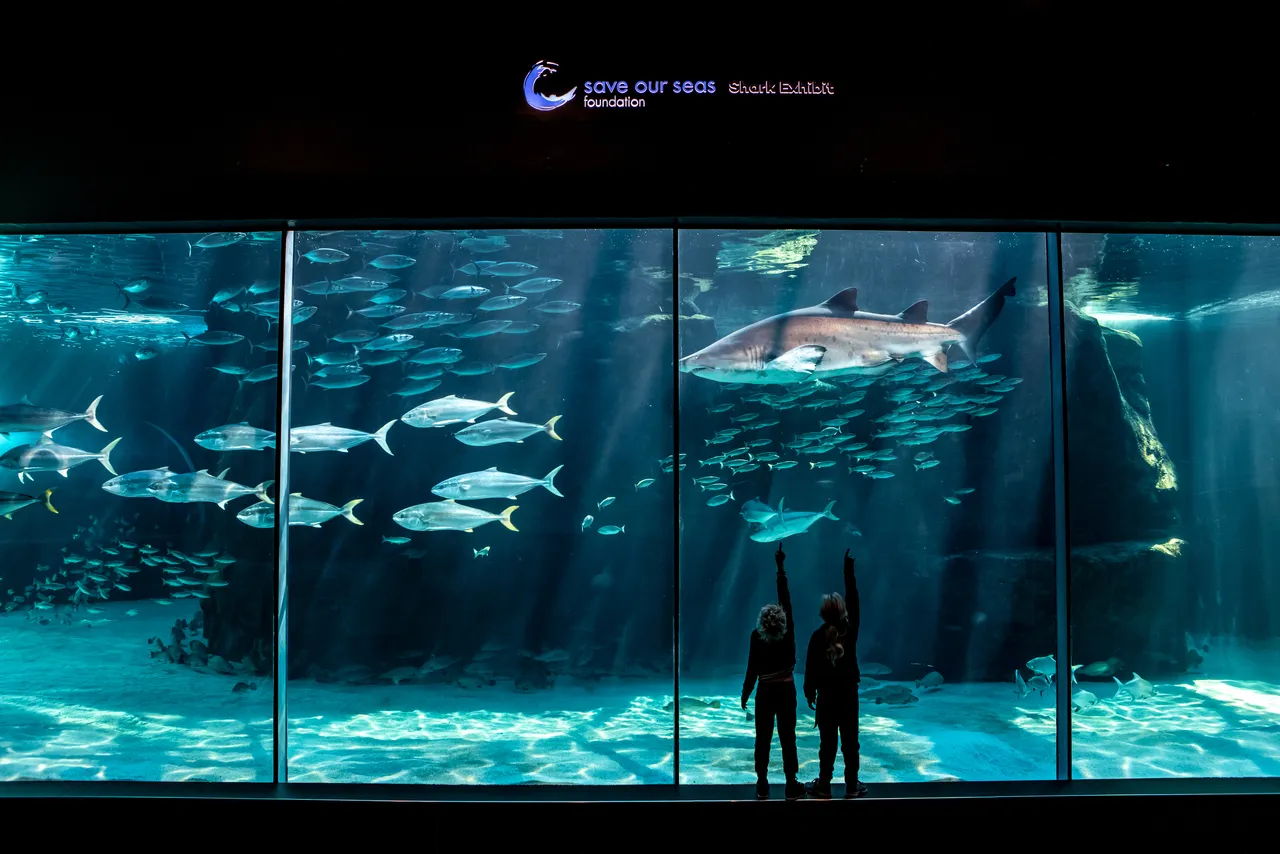
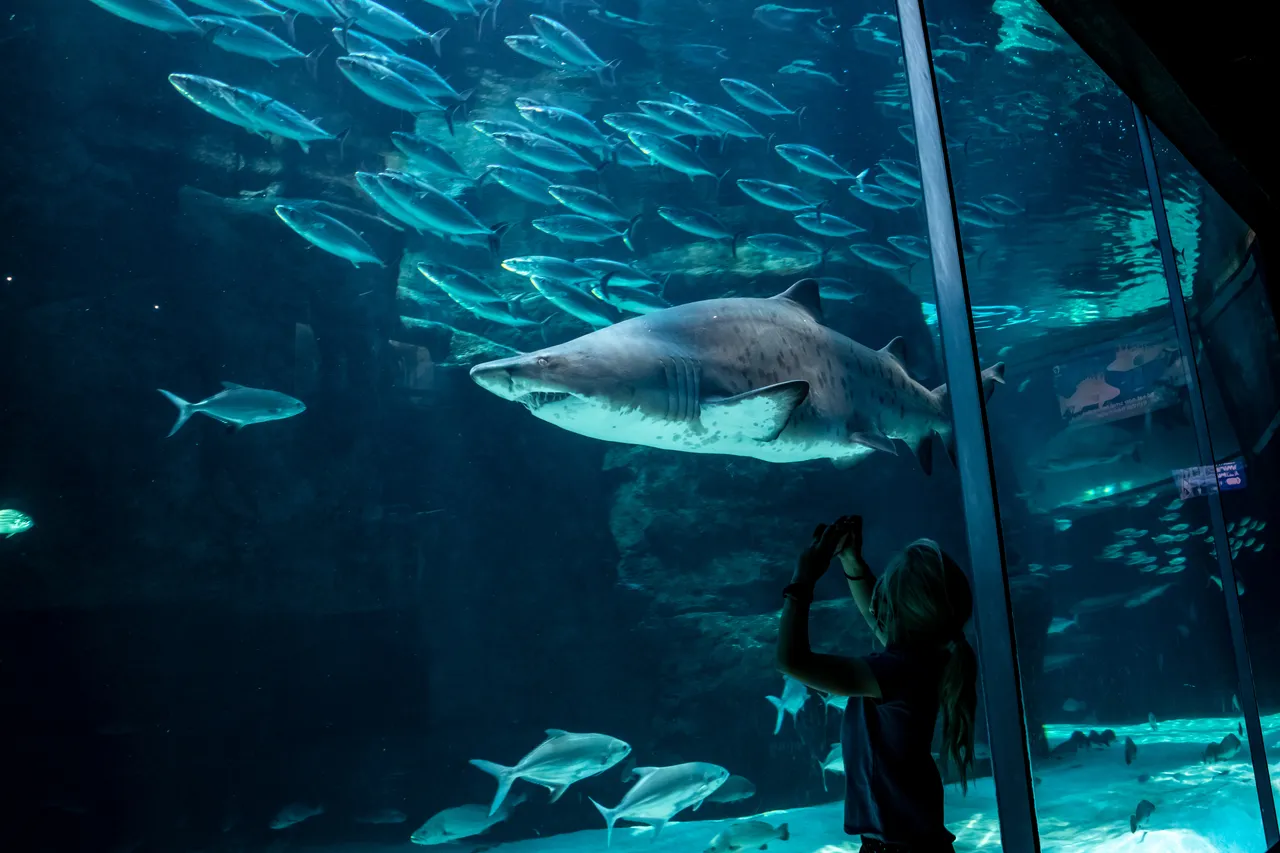
Standing in front of the Save Our Seas Foundation Shark Exhibit is an awe-inspiring experience. As ragged-tooth sharks glide effortlessly through two million litres of seawater, surrounded by schools of fish, it is easy to forget just how much care, planning, and conservation work goes into maintaining one of the Two Oceans Aquarium’s largest exhibits.
Home to a variety of cold-water marine species, the exhibit is more than just a place to admire sharks. It is a carefully managed ecosystem that allows visitors to connect with these often misunderstood predators while supporting their conservation.
A home beneath the waves
Roughly the size of a tennis court and six meters deep, the Save Our Seas Foundation Shark Exhibit is the largest exhibit at the Two Oceans Aquarium. Behind its impressive 28cm-thick viewing panels, ragged-tooth sharks share their home with giant yellowtail, yellowbelly rockcod, spotted grunter, southern mullet, and strepies.
Although many of these animals are predators, they live together peacefully thanks to careful husbandry and feeding practices carried out by the Aquarium’s experienced aquarists.
Meet the ragged-tooth residents
This exhibit is currently home to four female ragged-tooth sharks: Tracey-Lee, Charlie, Harper, and Gemma.
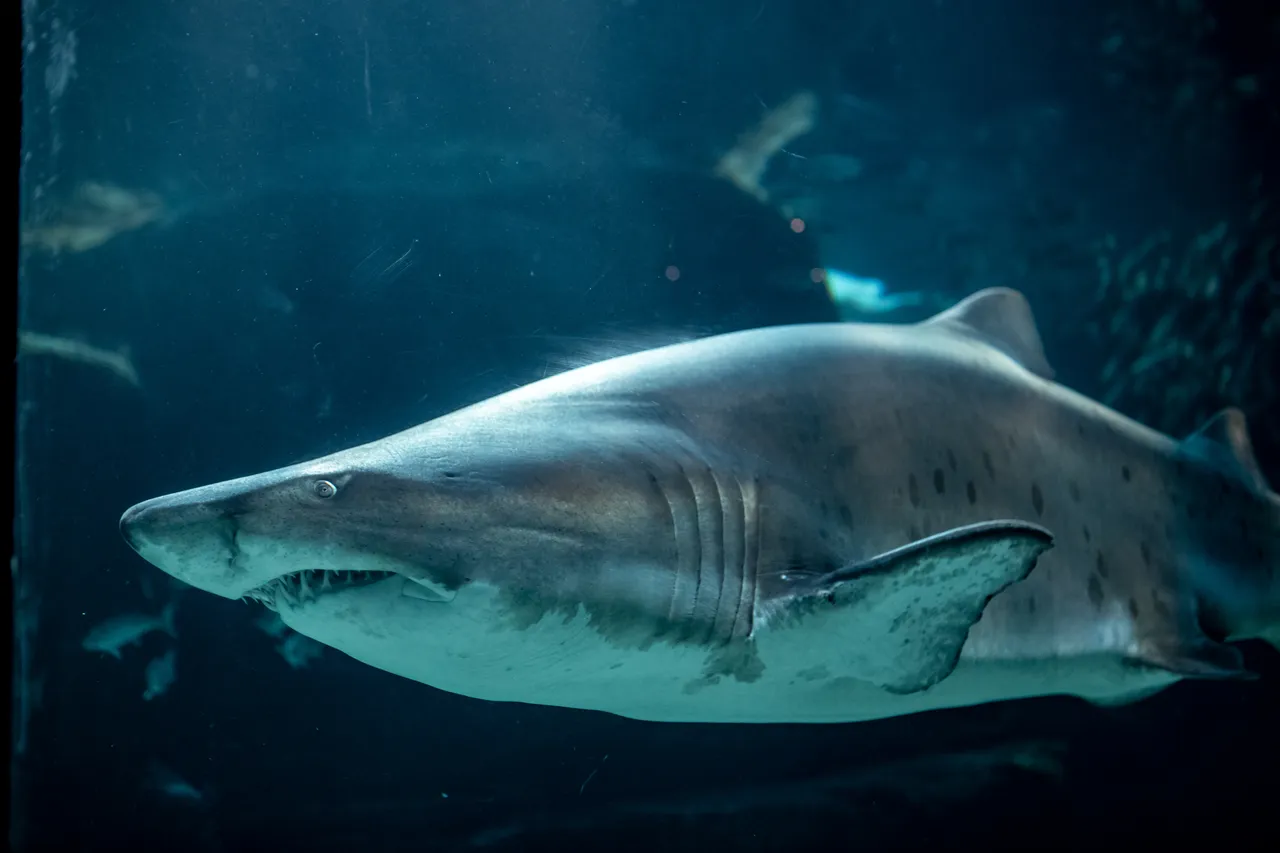
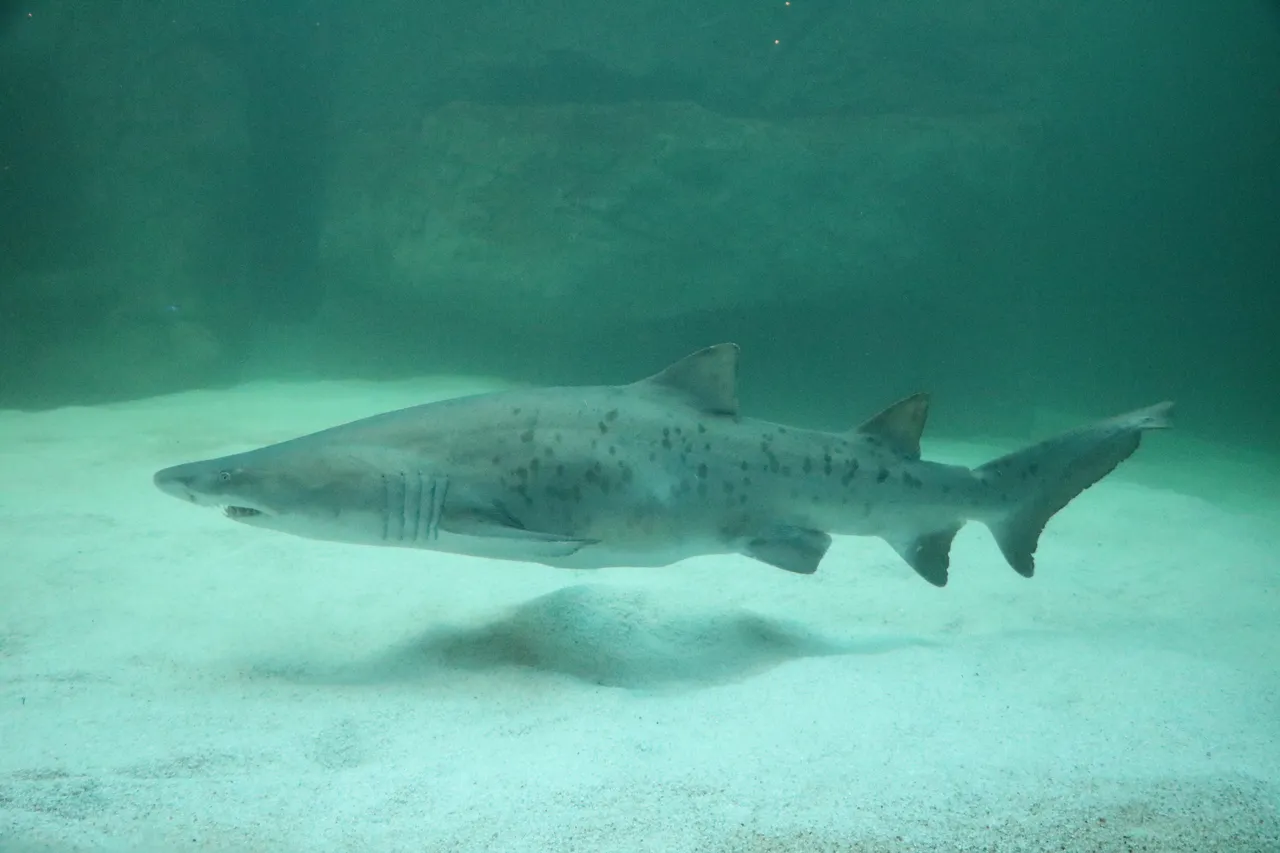
Each shark has a unique pattern of spots along their body, helping aquarists to identify individuals at a glance and monitor their health and behaviour over time. These distinctive markings are much like fingerprints: no two sharks are exactly alike.
Only female ragged-tooth sharks are housed in this exhibit until they reach maturity because adult males become territorial during the breeding season, making it unsafe for divers to enter the exhibit.
How do we feed the sharks?
One of the questions we hear most often is, “Do the divers go into the exhibit with the sharks at feeding time?” The answer is yes!
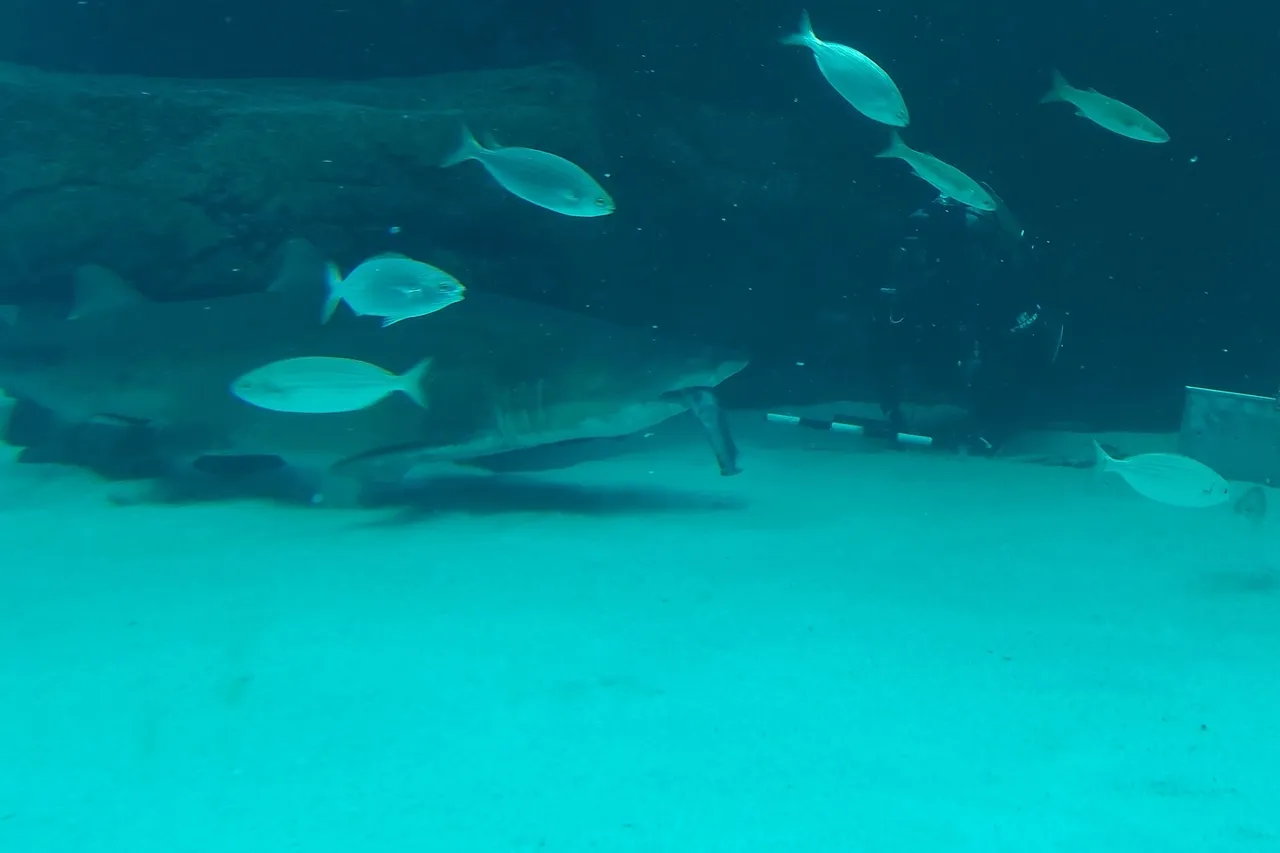
The ragged-tooth sharks are fed by our experienced aquarists every Saturday. Raggies are a naturally docile species, and our team have spent years cultivating an in-depth understanding of shark behaviour in order to safely feed them while scuba diving.
The sharks are target-trained to approach the aquarists at a lower level in the exhibit, where they receive their food. By never feeding them from a higher level, the aquarists always know where the sharks are approaching from, making every feeding session predictable and controlled.
The sharks are fed once a week, every Saturday at 12h00, receiving enough food to keep them healthy and well nourished. As a result, they have little interest in hunting the other fish that share their home.
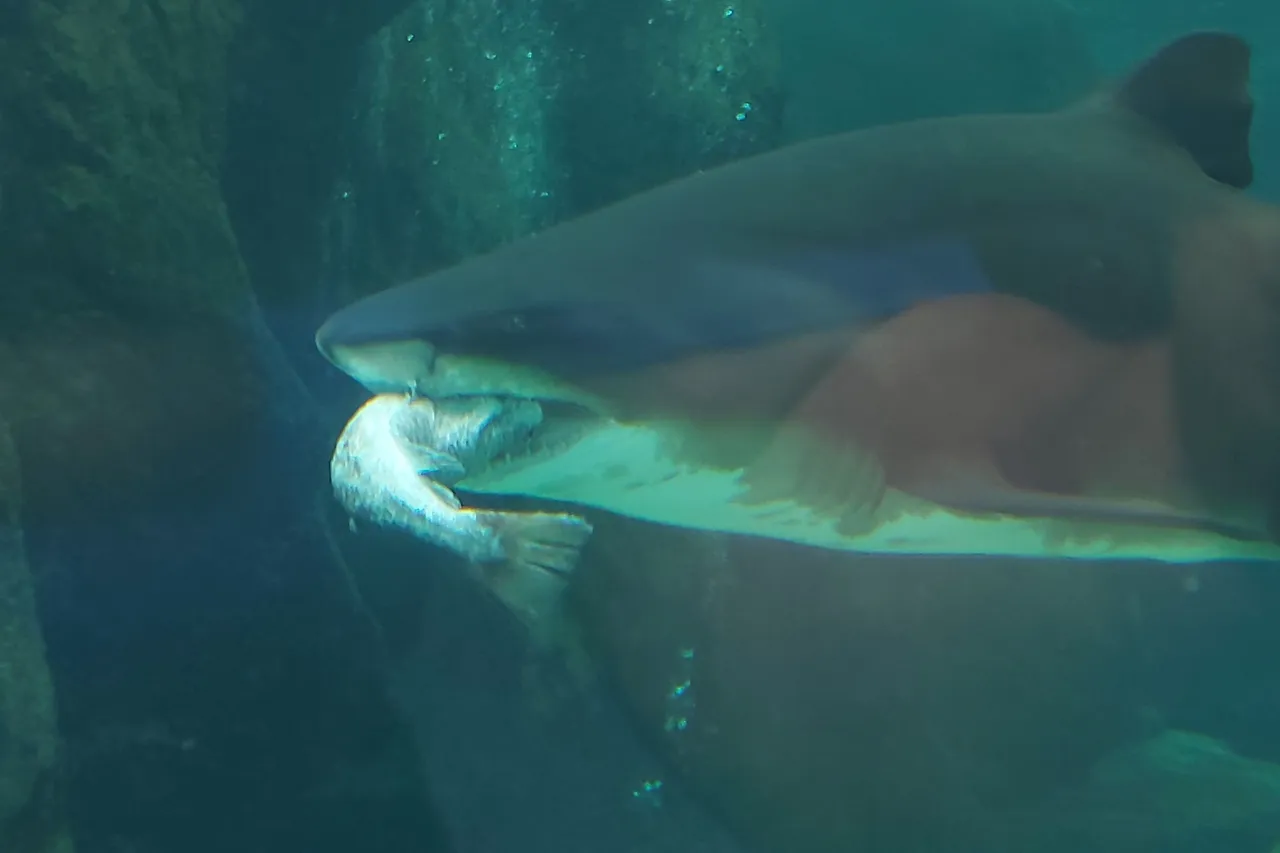
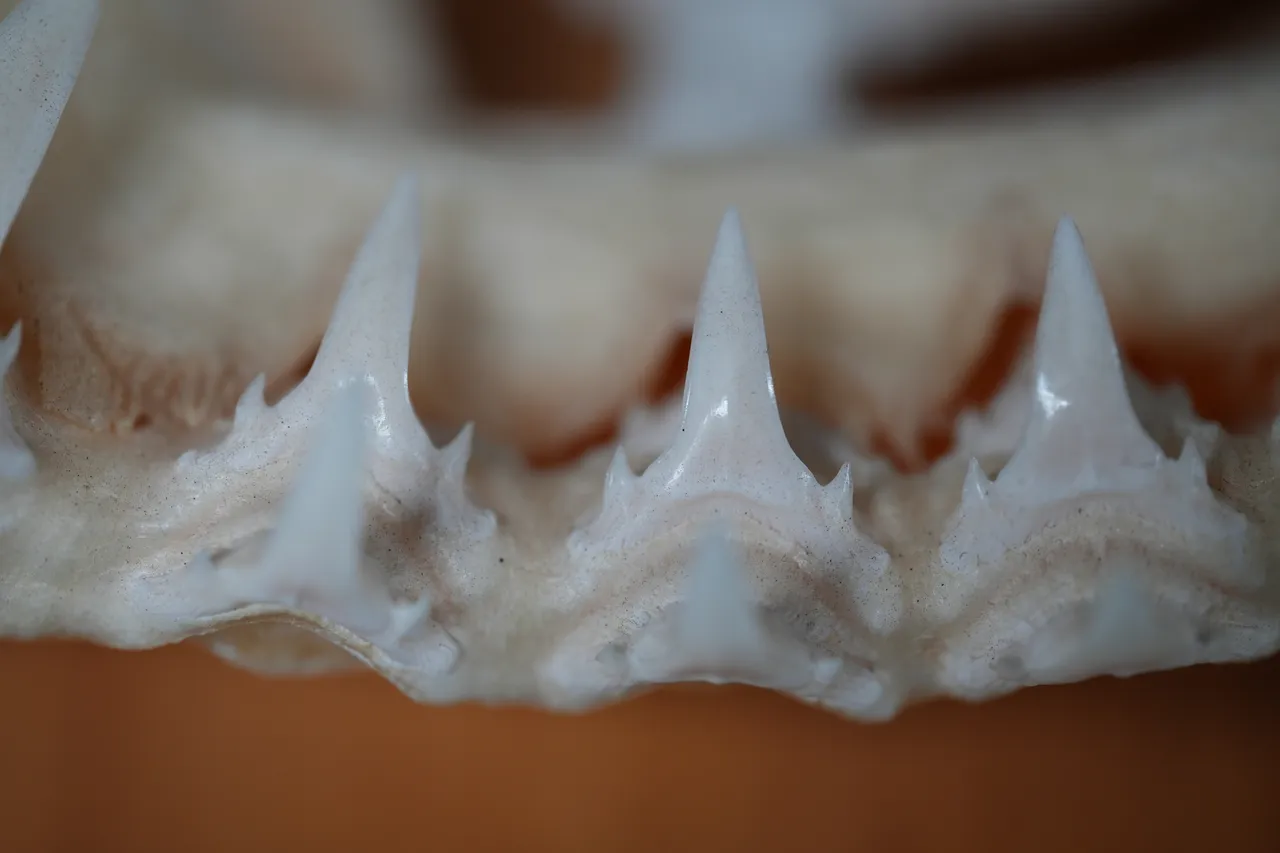
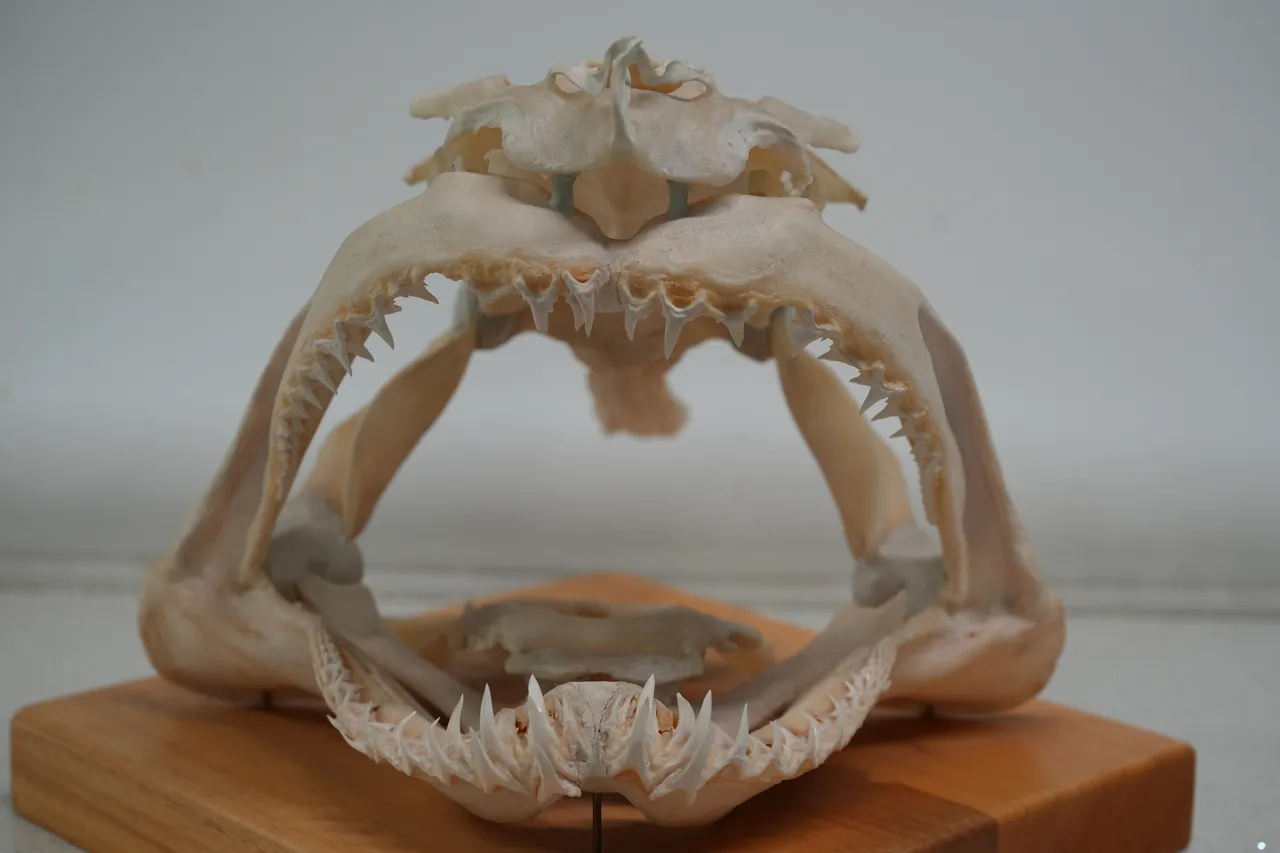
One of the most iconic things about ragged-tooth sharks is their signature toothy grin. Like most shark species, raggies continuously replace their teeth throughout their lives. When one falls out, another is right behind it and ready to move into place. This remarkable adaptation ensures that they always have a full set of teeth in perfect shape for feeding. Qualified divers who book one of our PADI Dive School’s adventure dives in the Save Our Seas Foundation Shark Exhibit may even spot a tooth on the floor!
More than just an exhibit
The Save Our Seas Foundation Shark Exhibit plays an important role in conservation.
Our ragged-tooth sharks spend a few years within the exhibit as ambassadors for their Critically Endangered species, shedding light on the threats facing sharks as well as addressing misconceptions about them. Once the sharks reach a weight of more than 200kg, they are prepared for release into the ocean, where they can contribute to wild populations by breeding. Before their release, most of the Aquarium’s ragged-tooth sharks are fitted with acoustic and spaghetti tags. Together, these tags provide valuable insights into ragged-tooth sharks’ growth, migration, and habitat use. The ocean is increasingly impacted by human activity, so this tagging data is critical for protecting ragged-tooth sharks and the spaces they call home.
Release sites are carefully selected, with Struisbaai typically being the most reliable. This area hosts an existing population of ragged-tooth sharks and has a connection to migration routes along the Agulhas Bank
Every visit to the Save Our Seas Foundation Shark Exhibit offers a glimpse into the fascinating lives of these incredible animals. By learning more about sharks and the important role they play in healthy marine ecosystems, we can replace fear with understanding and inspire more people to protect these remarkable ocean predators.
Related News
Sign up to our Newsletter
Receive monthly news, online courses and conservation programmes.