Marine Sciences FET
Whether you dream of a career in the marine space or simply want to better understand the ocean and its role in sustaining life on Earth, Marine Sciences provides a strong, multidisciplinary foundation.
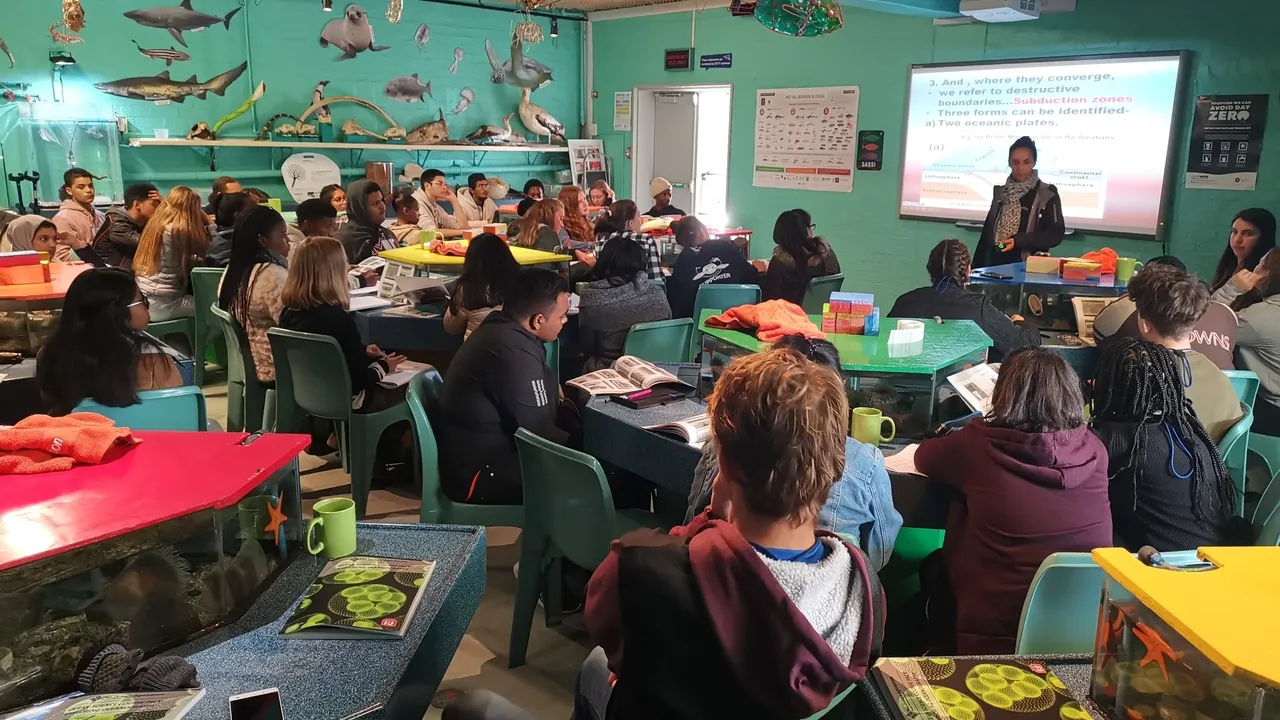
Marine Sciences is an official Grade 10 to 12 school subject offered by the Two Oceans Aquarium Foundation. Written by our Ocean Campus teaching staff and approved by Umalusi and the Department of Basic Education, the curriculum explores marine biology, oceanography, ocean ecosystems, and the relationship between people and the ocean. Through engaging online learning, practical experiences, and expert guidance, learners develop scientific thinking, critical problem-solving skills, and a lifelong connection to the ocean. Marine Sciences prepares learners for university while opening doors to careers in marine science, conservation, education, environmental management, journalism, and many other fields.
Start your journey towards understanding and protecting our blue planet now.
What topics does Marine Sciences cover?
Oceanography: Marine geology, geography, chemistry and physics
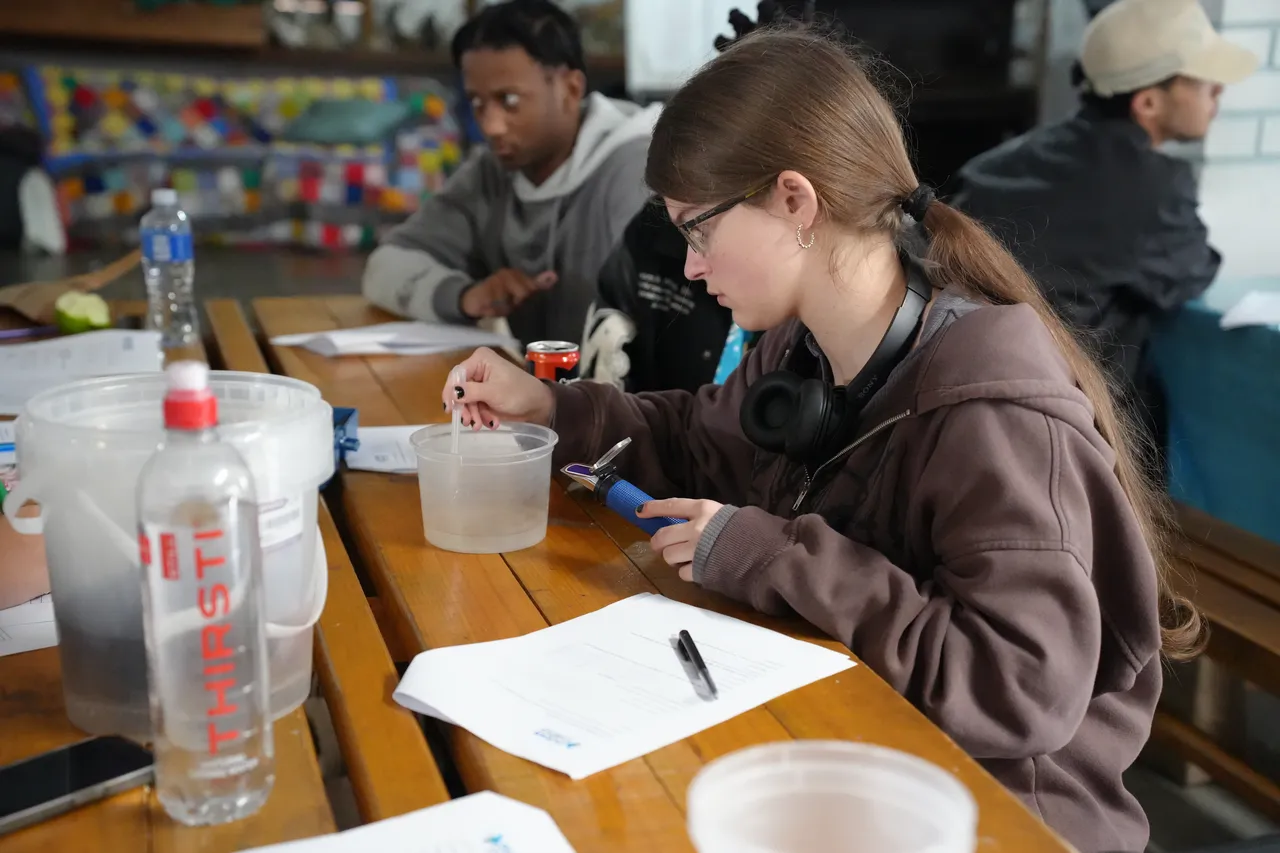
- Chemical composition and properties of seawater and the effects of pollutants on ocean life
- Ways in which the ocean acts as a driver of weather and climate
- Diving science, waves, tides and currents
Marine biology
- Investigates classification, fundamental biology, marine biodiversity, evolutionary processes, and organism adaptations to their environments, incorporating all the major phyla
Ecology
- Introduces ecological concepts
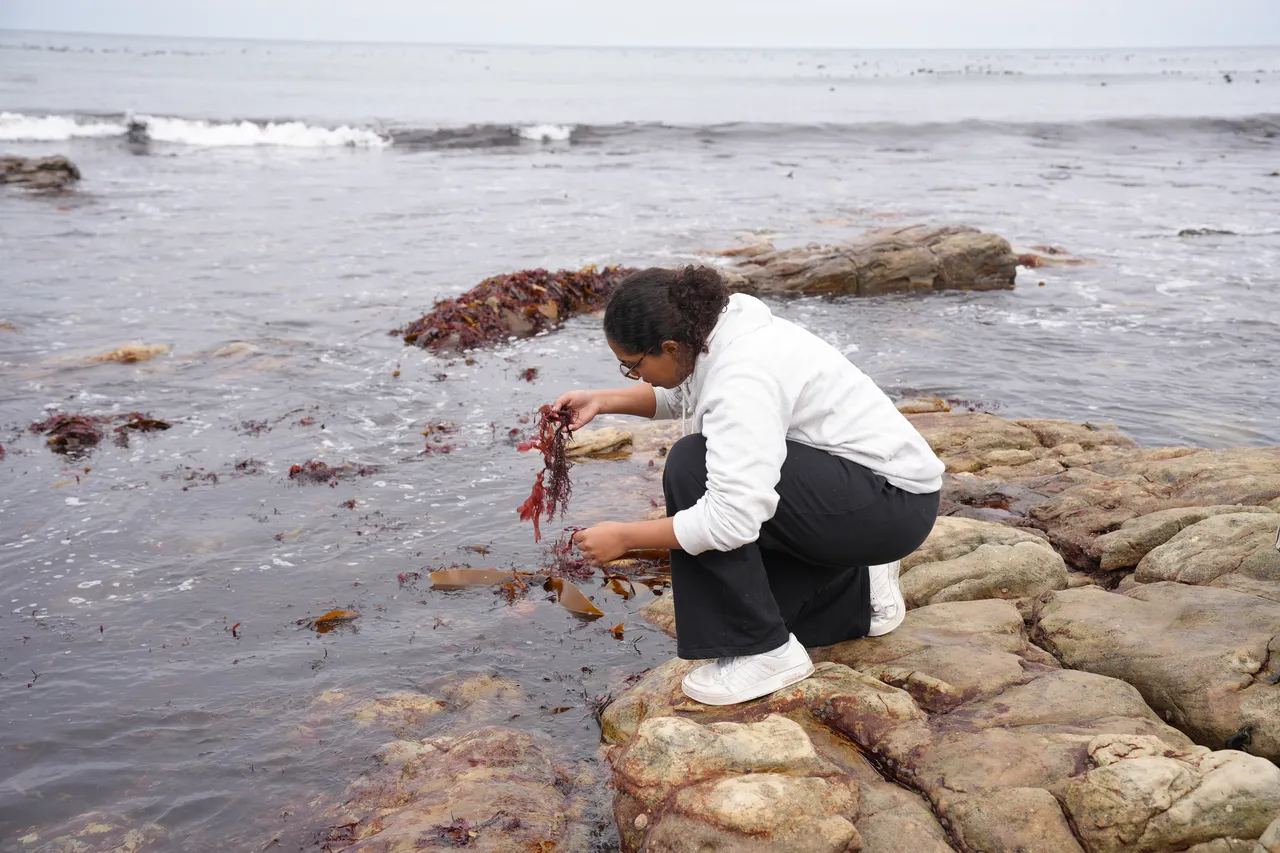
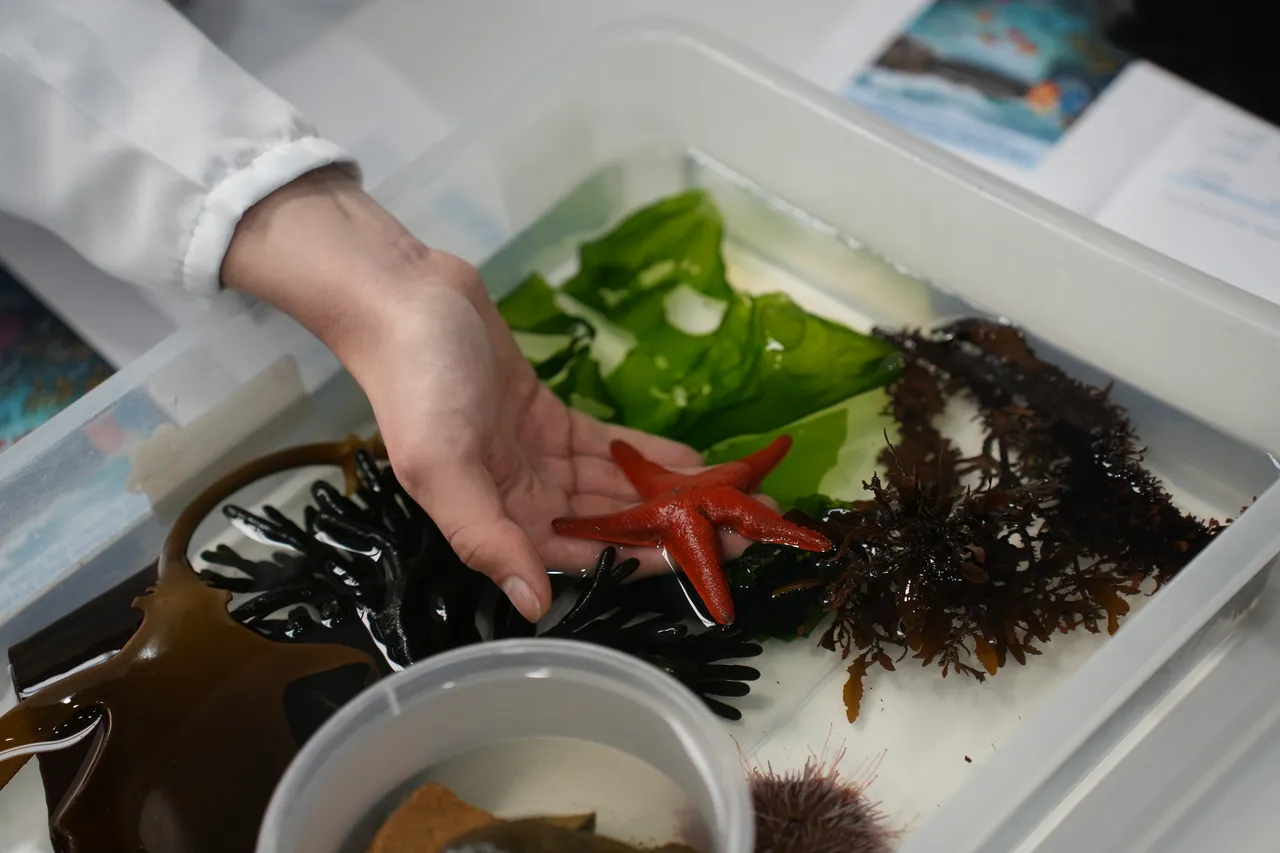
- Explores ecosystems such as rocky shores, kelp forests and sandy beaches through ecological concepts including nutrient cycles and food chains
Humans and the ocean
- Marine careers
- Marine Protected Areas (MPAs) as a model for sustainably managing ocean resources
- Harvesting of renewable and non-renewable ocean resources
- The importance of research in understanding the ocean and the effects of human activities
- Climate change and ocean acidification
Study Marine Sciences: How to apply
The Two Oceans Aquarium Foundation offers Marine Sciences as a three-year online course.
Simply complete the online application form below.
FAQ
Format: Content can be accessed online, followed by self-assessment as well as live tutorials.
Time commitment: Four hours of instruction per week (excluding time needed to complete homework, assignments and prescribed assessments as necessary).
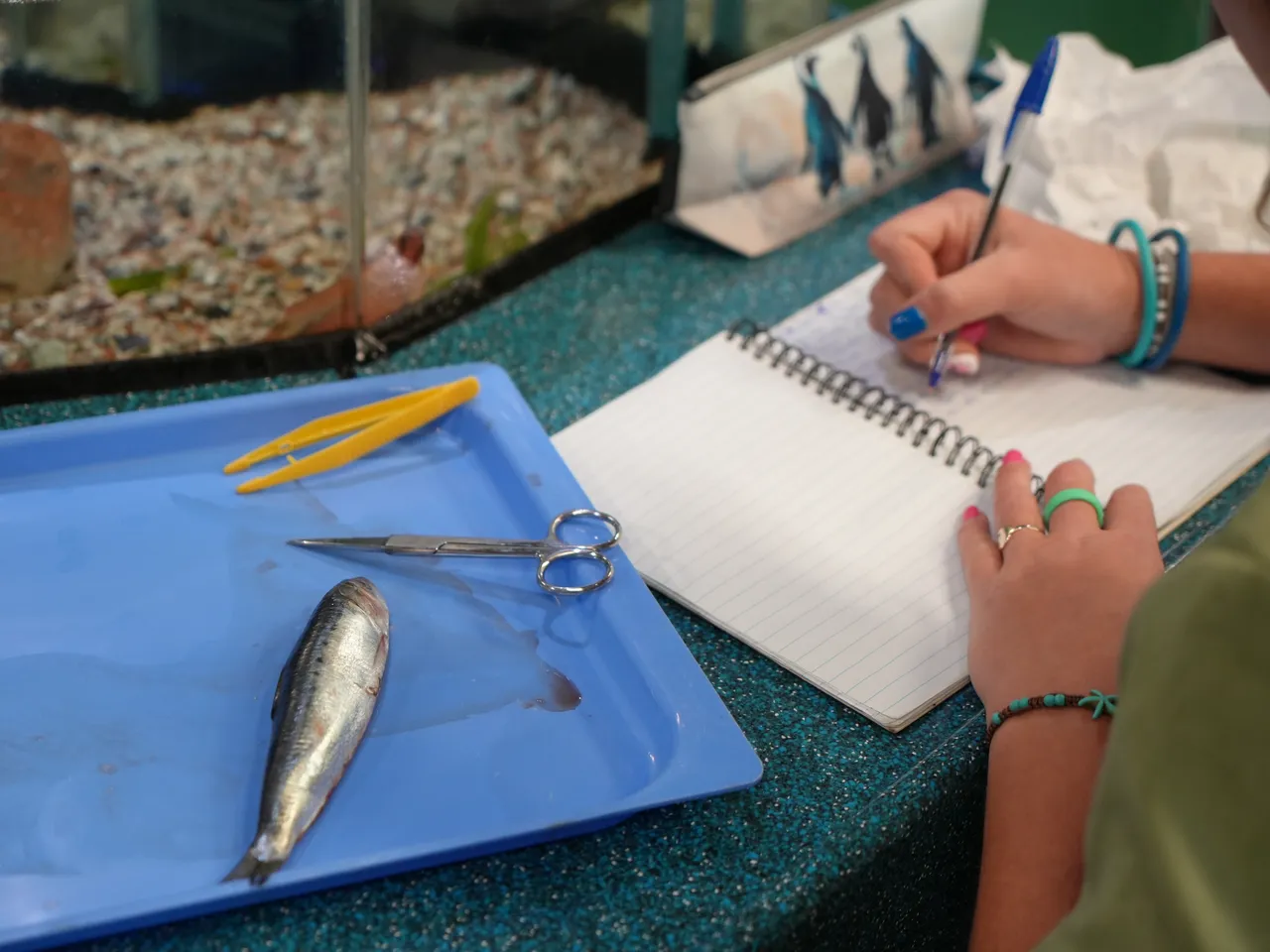
Practical learning: Practical experiences that supplement the course content can be attended during South African public school holidays or weekends.
Assessments and Examinations: Any examinations will be written at official examination centres. Alternative arrangements can be made.
Subject Registration: Anyone interested in signing up for the course must register Marine Sciences as one of their subjects at their school.
Start date: Early January 2027 (to be confirmed)
Cost: TBC for 2027
You can contact us at marinesciences@aquariumfoundation.org.za if you have any questions.
There are no additional requirements to take Marine Sciences with the Two Oceans Aquarium Foundation. However, Life Sciences, Physical Sciences, and Geography will benefit candidates in Marine Sciences.
- Minimum 60% in Natural Science
- Minimum 50% in Maths
- You will need to submit your Grade 9 results as a screening requirement.
Yes! Marine Sciences is an official National Senior Certificate subject for Grades 10, 11, and 12 that explores the ocean, its ecosystems, and the relationship between people and the marine environment.
Marine Sciences is more than just a school subject – it's an opportunity to better understand our blue planet and your place within it. As an official Grade 10 - 12 CAPS subject, it combines marine biology, oceanography, ecology, climate science, and conservation to help you explore how the ocean works and why it matters. Along the way, you'll develop valuable skills in critical thinking, scientific investigation, communication, and problem-solving while gaining practical, hands-on learning experiences. Whether you dream of a career in ocean science, conservation, environmental management, journalism, education, or simply want to make a positive difference for the ocean, Marine Sciences equips you with the knowledge, confidence, and curiosity to shape a more sustainable future.
We strongly recommend students attend all live sessions as it helps to conceptualise content. If students are unable to attend the live sessions, they can access the recordings on our learning platform (Thinkific).
Any examinations will be written at official examination centres. Alternative arrangements can be made.
Practical exposure is provided throughout the course of the year on Saturdays or during school holidays. Dates and logistics will be communicated in advance.
Marine Sciences is a Universities South Africa approved subject. Students need to consult their preferred university's application requirements to determine whether they meet the requirements to study their selected course.
Don't take our word for it...
Hear from past pupils
Our past pupils agreed that Marine Science is the best choice for your future, setting you up with a lifelong dedication to the marine environment and, more importantly, the skills, knowledge, and drive to protect it.
Discover your future with Marine Sciences
This video explores the diverse and exciting careers you can pursue in Marine Sciences as part of your Further Education and Training journey. From marine biology and oceanography to environmental conservation and marine engineering, discover how you can make a splash in these dynamic fields.
Background
In the initial phases of introducing Marine Sciences FET, we sought to answer questions like: How can we produce education programmes of the greatest value? How can we address the disparity of schools in the South African education landscape? How can an informal Education Centre support schools from a position in the formal education sector?
So, we visited schools and spoke to children, parents, school principals, district officials, and curriculum specialists in the Department of Education and universities. Our research established that one of the most meaningful offerings that an Aquarium could make is to offer enrichment programmes and courses. That was the embryonic phase of the South African Marine Sciences Curriculum, which the teaching staff of the Two Oceans Aquarium Foundation has written.
When creating content for these courses, we looked at the gaps universities were experiencing among their marine zoology and oceanography students at first- and second-year levels. Over time, the Aquarium courses were refined, resulting in the content for the Aquarium Marine Sciences Academy. The Academy comprises a series of courses offered from Grades 6 to 11. Content is scaffolded from one year to the next, where components integrate. For example, studying a marine animal requires an understanding of the physical water quality of its habitat, whether temperature, pH, sediment load, or salinity.
After successfully running courses, we were approached by officials from the Western Cape Education Department to use this content to write a formal subject curriculum. This subject, Marine Sciences, consists of four pillars: Marine Biology, Oceanography, Ocean Ecosystems, and Humans and the Ocean. These are split into 85 topics, including marine phyla, water chemistry, sustainable seafood, aquaculture, and marine protected areas. After working with the Department of Basic Education and Umalusi, South Africa’s curriculum quality assurance body, the curriculum was approved for Grade 10 to 12 students as a school-leaving Matric subject. In January 2018, six schools launched Marine Sciences as part of their extramural programmes and, more recently, during school hours for Grade 10 students. The Aquarium teaching staff supported the schools with teaching resources and online content.
With this curriculum, we believe the Two Oceans Aquarium can offer significant value in supporting South African and international education.
Join our Ocean Campus newsletter
Receive regular updates on exciting Ocean Campus happenings.