Tracking our turtles: News from Nori, the green turtle
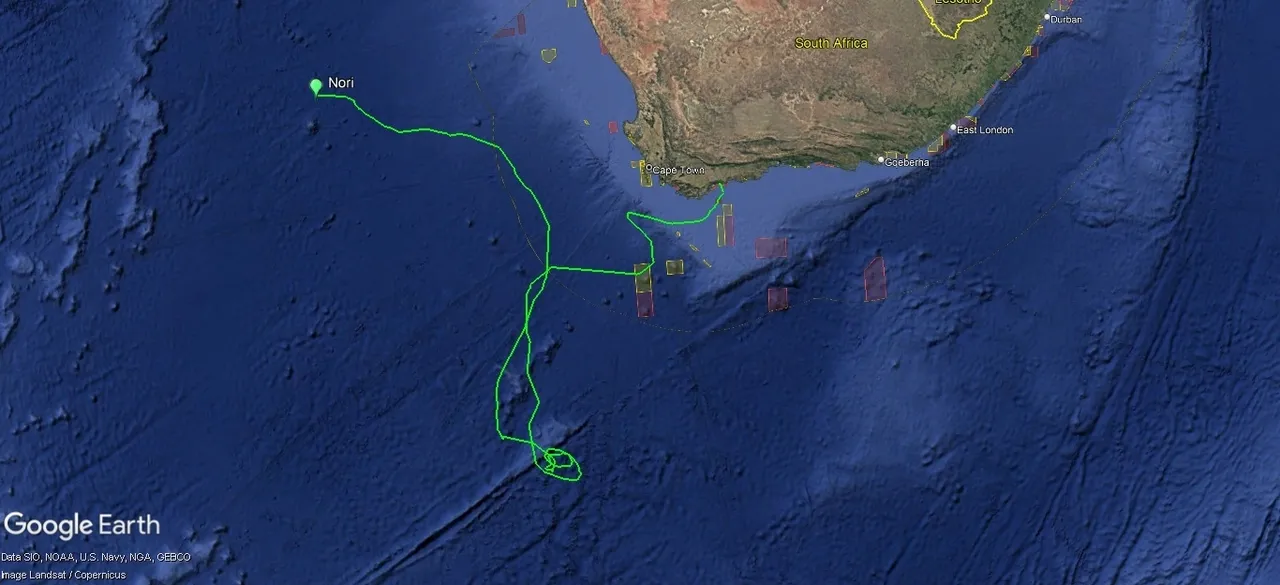
It has now been 75 days since Nori, the green turtle, was released into the wild waters of De Hoop Marine Protected Area.
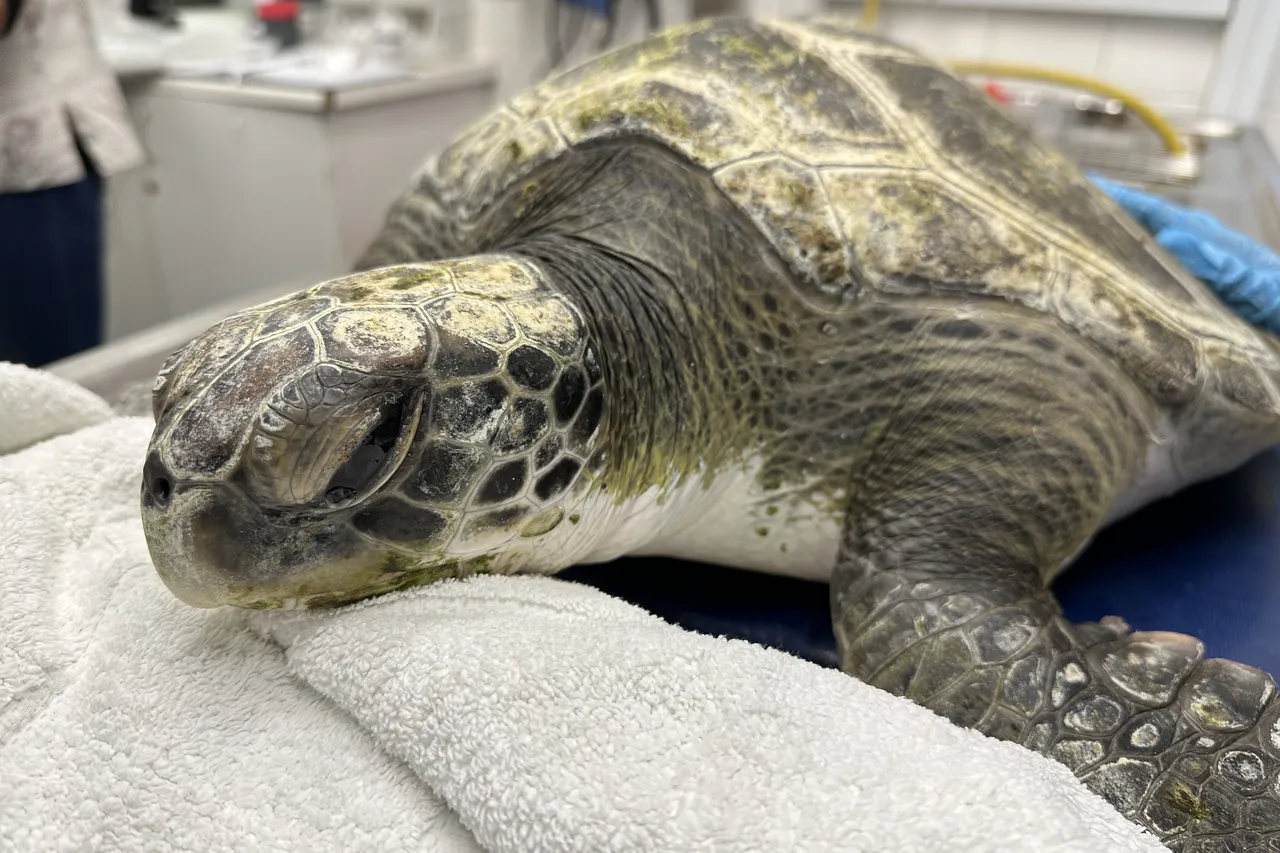
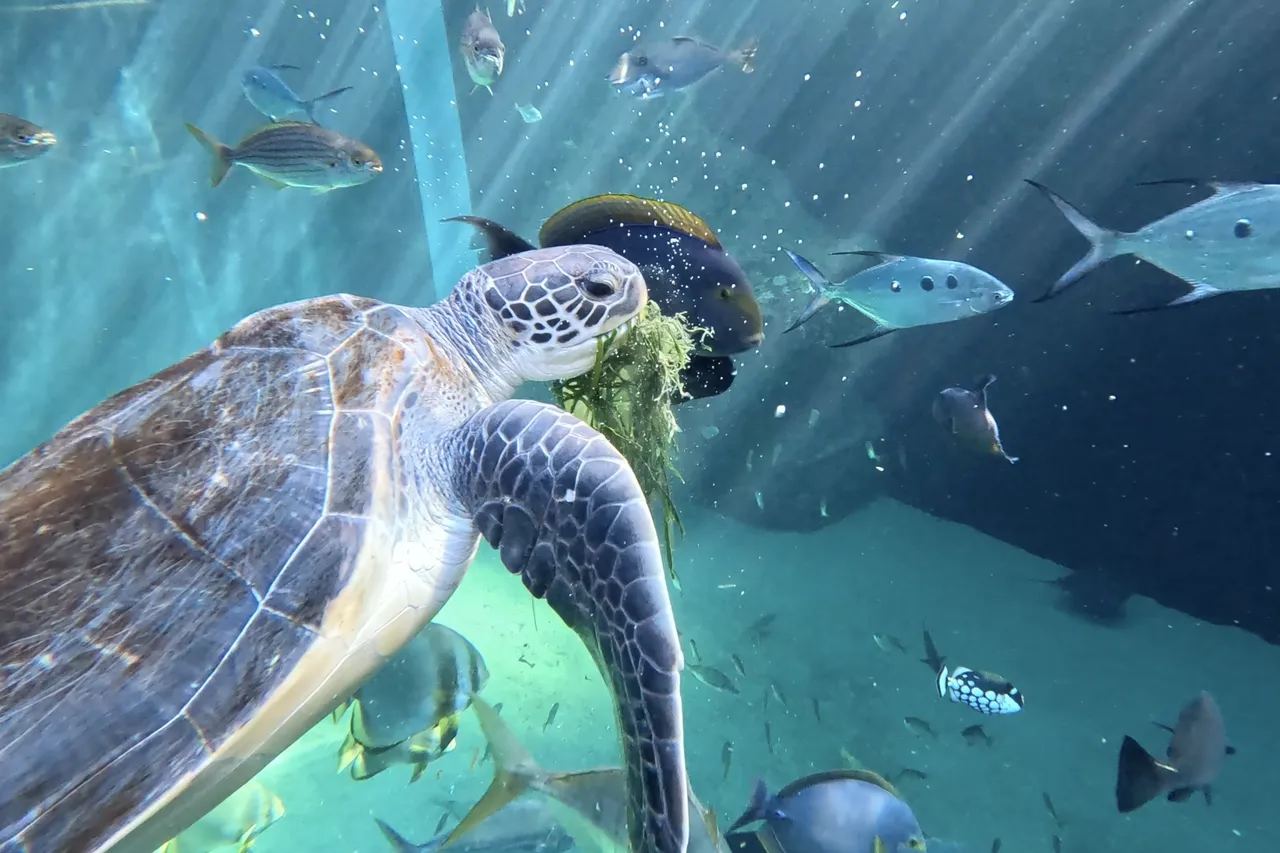
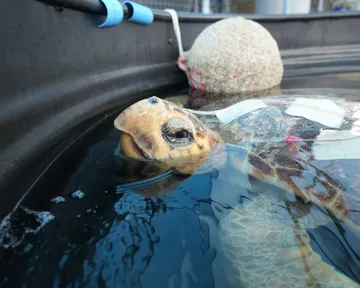
Nori arrived at our Turtle Conservation Centre in 2023 after being rescued in Witsand. While she initially appeared healthy, our team soon discovered that she was suffering from neurological issues. One of the biggest gamechangers for Nori’s rehabilitation was an extensive environmental enrichment programme that encouraged her wild behaviours, provided mental stimulation, and facilitated problem-solving. After two years of rehabilitation, Nori was finally declared ready for release!
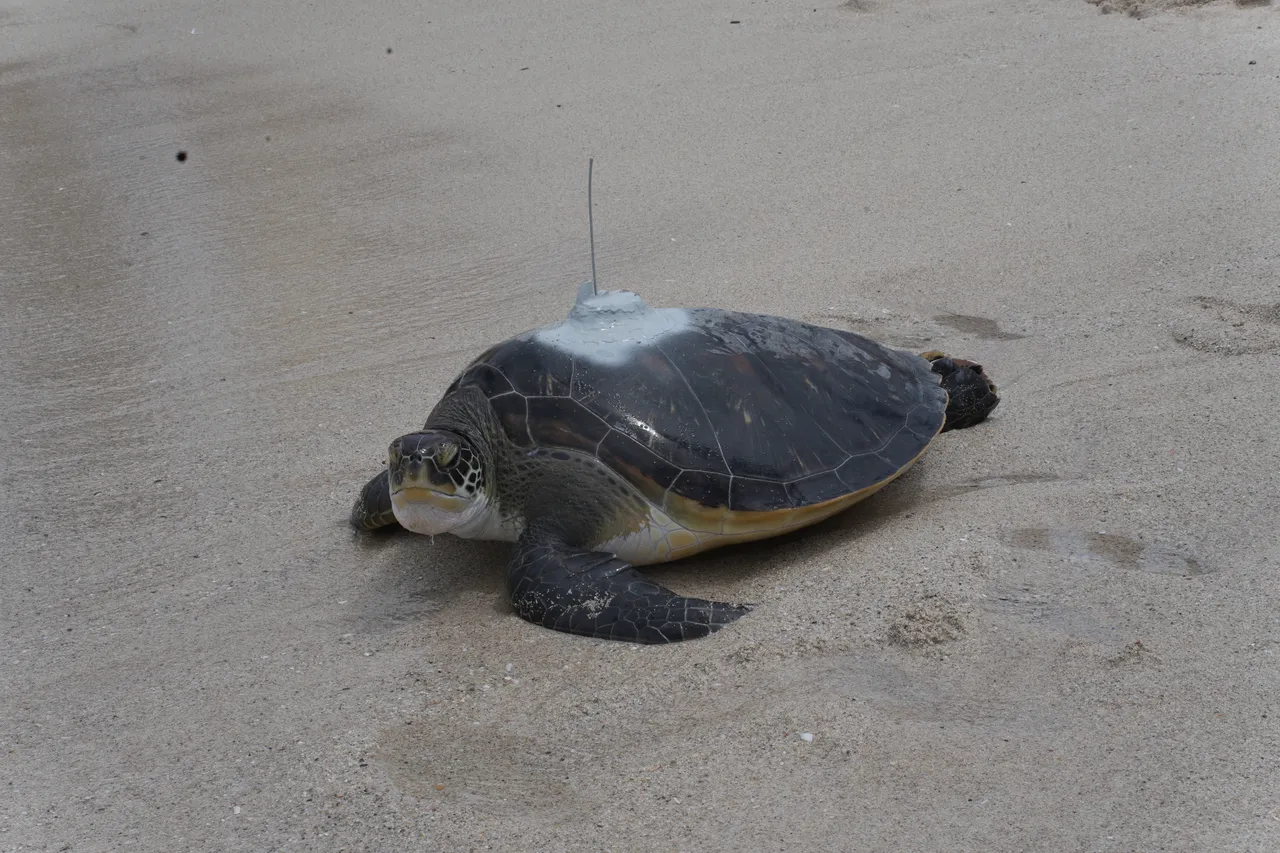
Together with fellow rehabilitation patients, Stella, Pebbles, and Cinnamon, Nori took the plunge into De Hoop MPA on 26 November 2025. Since then, she has travelled an incredible 3 700km, averaging about 49km every single day. For a subadult turtle finding her way in the open ocean, that is seriously impressive.
In the early days after release, Nori headed offshore immediately before beginning to move in wide, looping circles. At first, these might seem like aimless movements, but when Nori’s tracks are analysed together with current movement, productivity data, and ocean topography, a fascinating picture emerges.
Nori’s winding movements show that she was exploring the waters of oceanic seamounts, areas renowned for being feeding hotspots! The steep slopes of these underwater mountains cause the upwelling of nutrients, such as phytoplankton and chlorophyll b – this is what we mean when we say that an area is “high productivity”. We can very easily imagine her taking full advantage of the buffet, likely drifting through swarms of jellyfish that gather in these nutrient-rich zones.
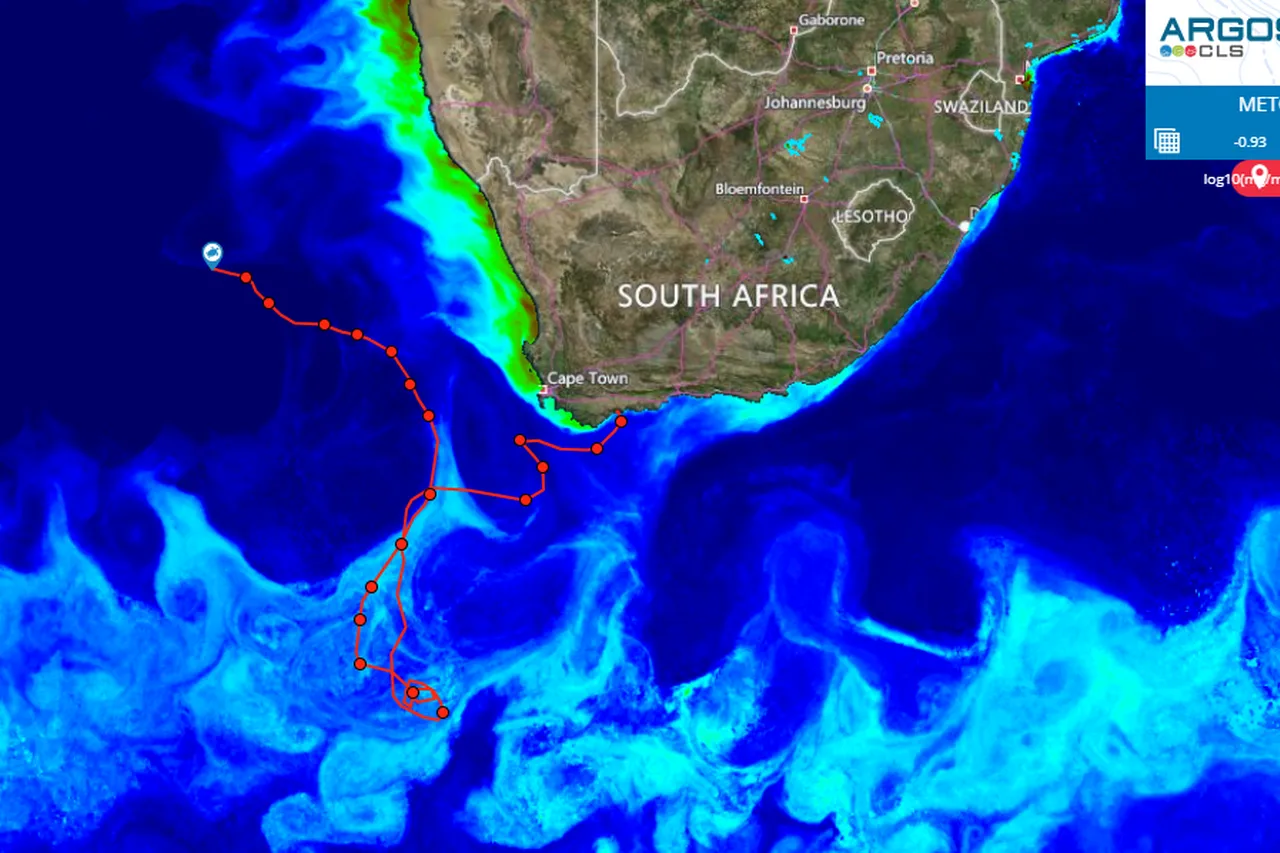
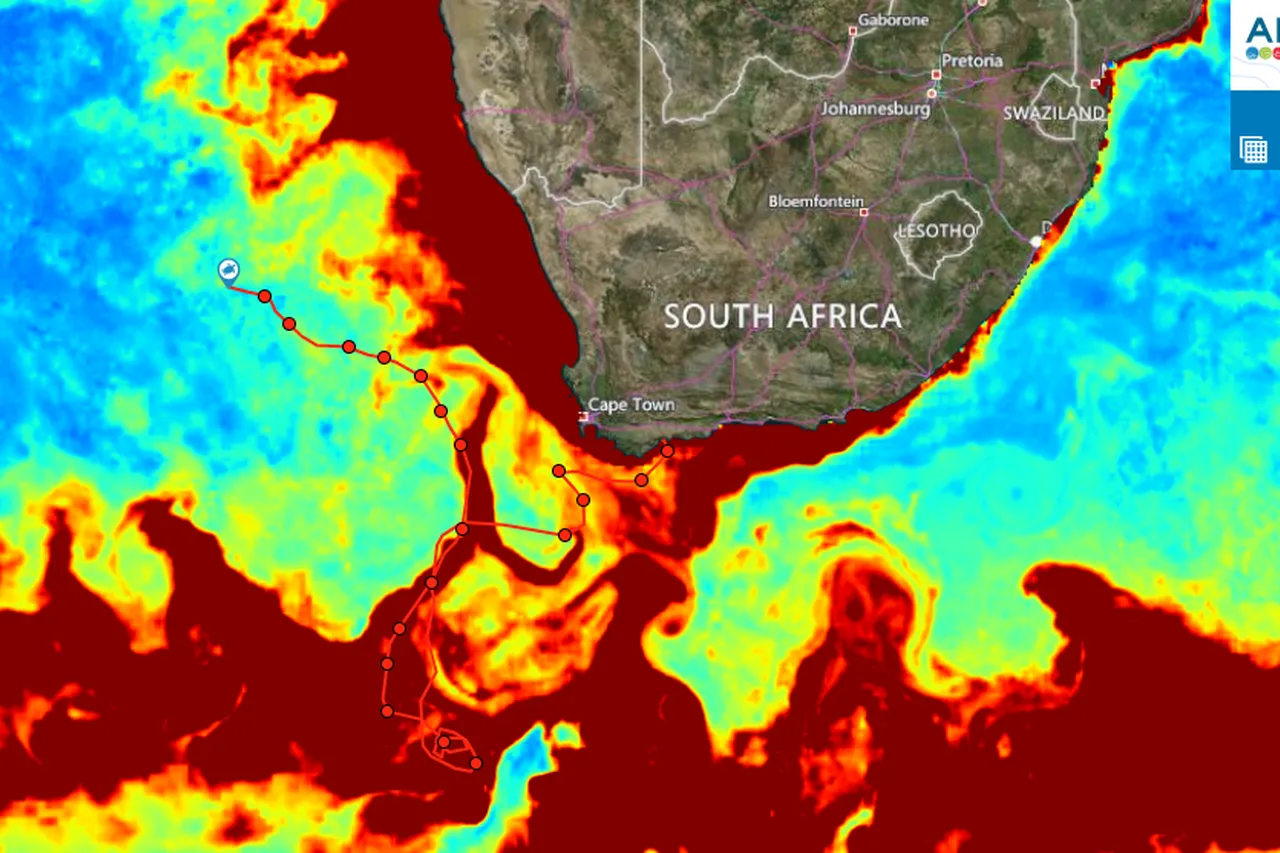
Over the past month, however, Nori’s movement pattern has shifted from foraging to something more purposeful. The looping, exploratory tracks have given way to far more directional travel – as though she has set her sights on a specific destination.
Currently, Nori is moving through less productive waters where the surface currents are weaker, meaning that much of her movement is powered by her own determination rather than strong ocean flow. Even at Nori’s spot about 900km offshore, the surface temperature is a toasty 24°C!
Interestingly, she is about 300km south of the Namibian border – will she continue onwards or surprise us with her next movements?
Related News
Sign up to our Newsletter
Receive monthly news, online courses and conservation programmes.