Happy Father’s Day to all the amazing dads out there! In the animal kingdom, fatherhood can look a little different. Let’s explore some fascinating facts about marine animal dads, many of whom are housed right here at the Two Oceans Aquarium.
When we think of fatherhood, we might picture late-night feeds, teaching children to ride a bike, or mastering the art of dad jokes. Look to the animal kingdom, and the definition of a “good dad” can get a lot more extreme. From braving sub-zero temperatures to giving birth, some animal fathers have evolved incredible, and sometimes bizarre, ways to help the next generation survive.
Here’s a look at how fatherhood takes shape in the big blue.
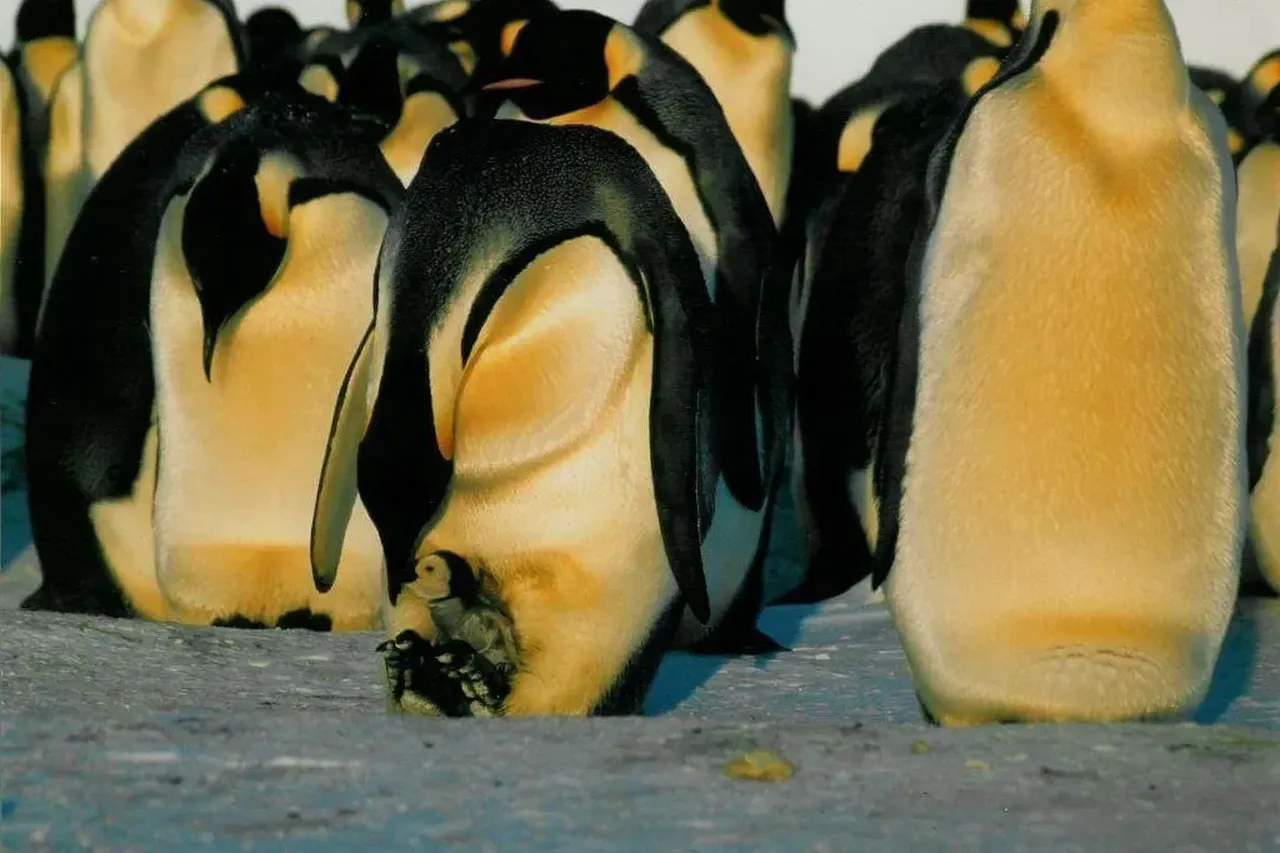
The ultimate incubators: Emperor penguins
While some species share the load evenly, male emperor penguins take on one of the most gruelling parenting shifts on earth. In the middle of the dark, freezing Antarctic winter, the female lays an egg and then heads off on a weeks-long hunting trip. The male is left behind to shelter the egg, balancing it carefully on his feet and covering it with a warm brood pouch.
He stands in the brutal cold, fasting for weeks on end, to keep his future chick safe until his partner returns.
The fierce guardians: Suckerfish
Suckerfish might not be the most famous fathers in the ocean, but they are absolutely relentless in protecting their young. These males have specially adapted pelvic fins that act like suction cups. Once the eggs are fertilised, the male uses these fins to latch onto a nearby rock or surface. He anchors himself right next to his soon-to-hatch offspring, guarding the nesting site from predators until the eggs hatch.
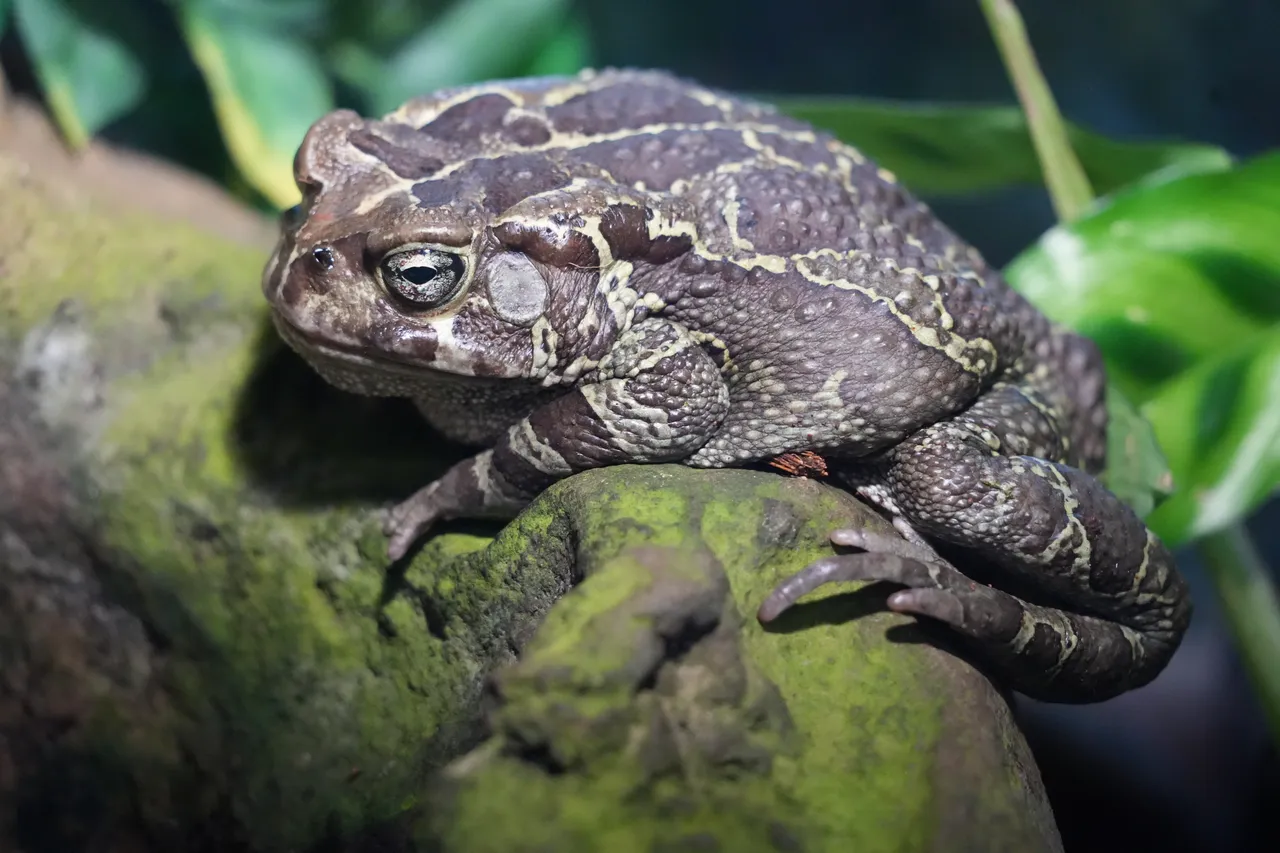
The safe rooms: Frogs and toads
Amphibians have developed some of the most unusual parenting tactics of all. In certain frog and toad species, the father becomes a living sanctuary for his young. Some male frogs scoop up hatched tadpoles and keep them safe inside their mouths, fasting until the tadpoles are mature enough to survive on their own.
In other species, the approach is even closer to home: Spawn are embedded directly into the parent’s skin, keeping the young protected while they develop.
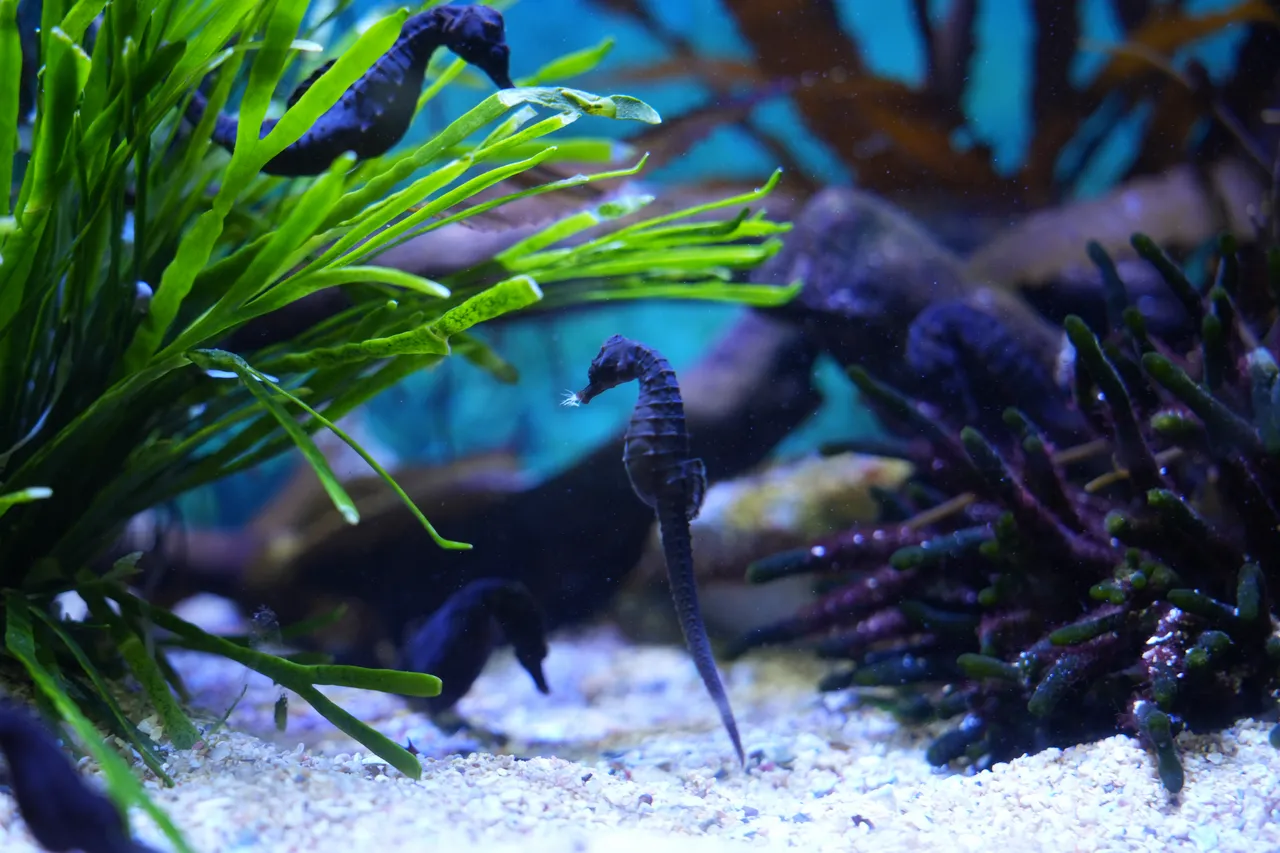
The pregnant patriarchs: Seahorses
When it comes to role reversal, seahorse dadstakes the top prize. Male seahorses have a special brood pouch on their stomachs. The female deposits her eggs into this pouch, where the male fertilises them. He then carries the developing embryos to term.
Eventually, it is the male seahorse who experiences contractions and gives birth, releasing up to 200 perfectly formed miniature seahorses into the water at a time.
The rule breakers: Clownfish and jellies
Of course, nature rarely sticks to a rigid blueprint, and “fatherhood” is not always straightforward.
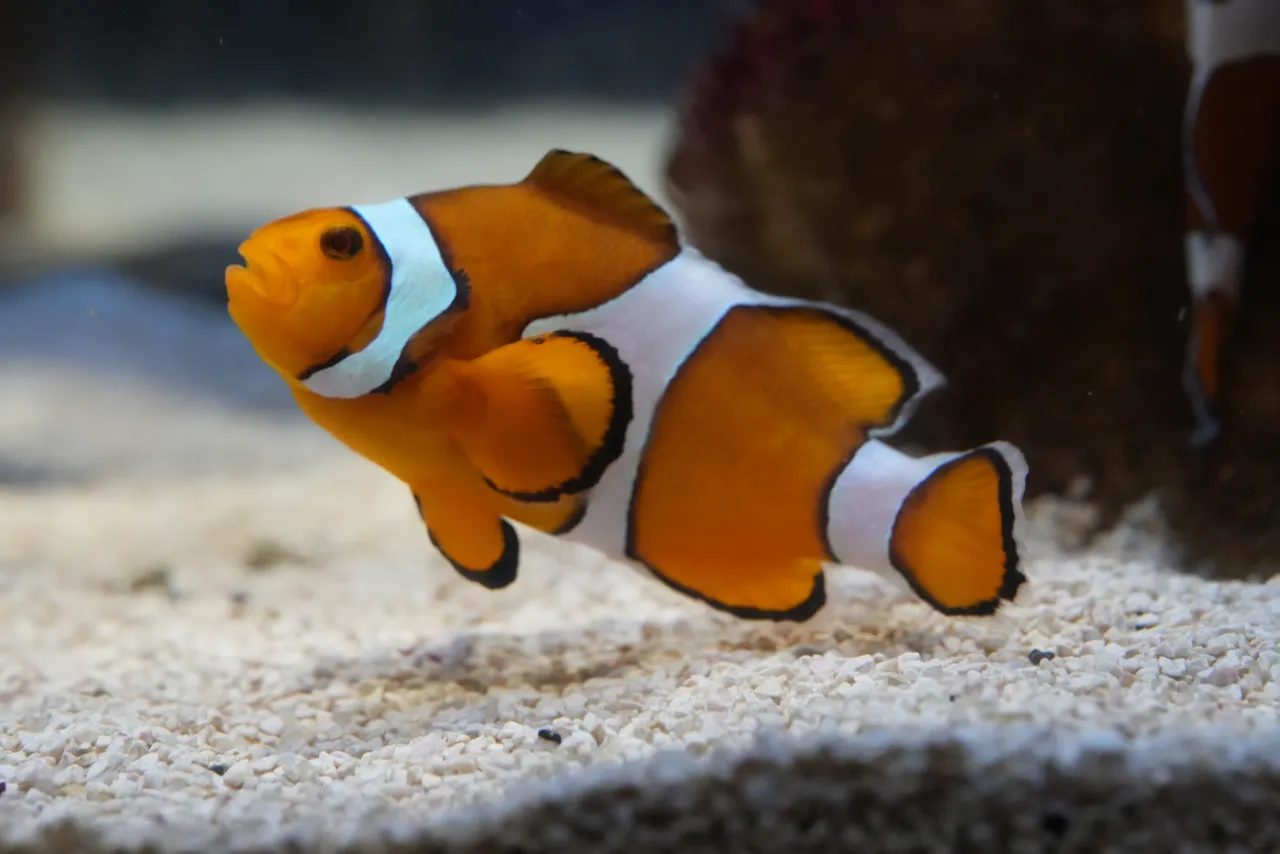
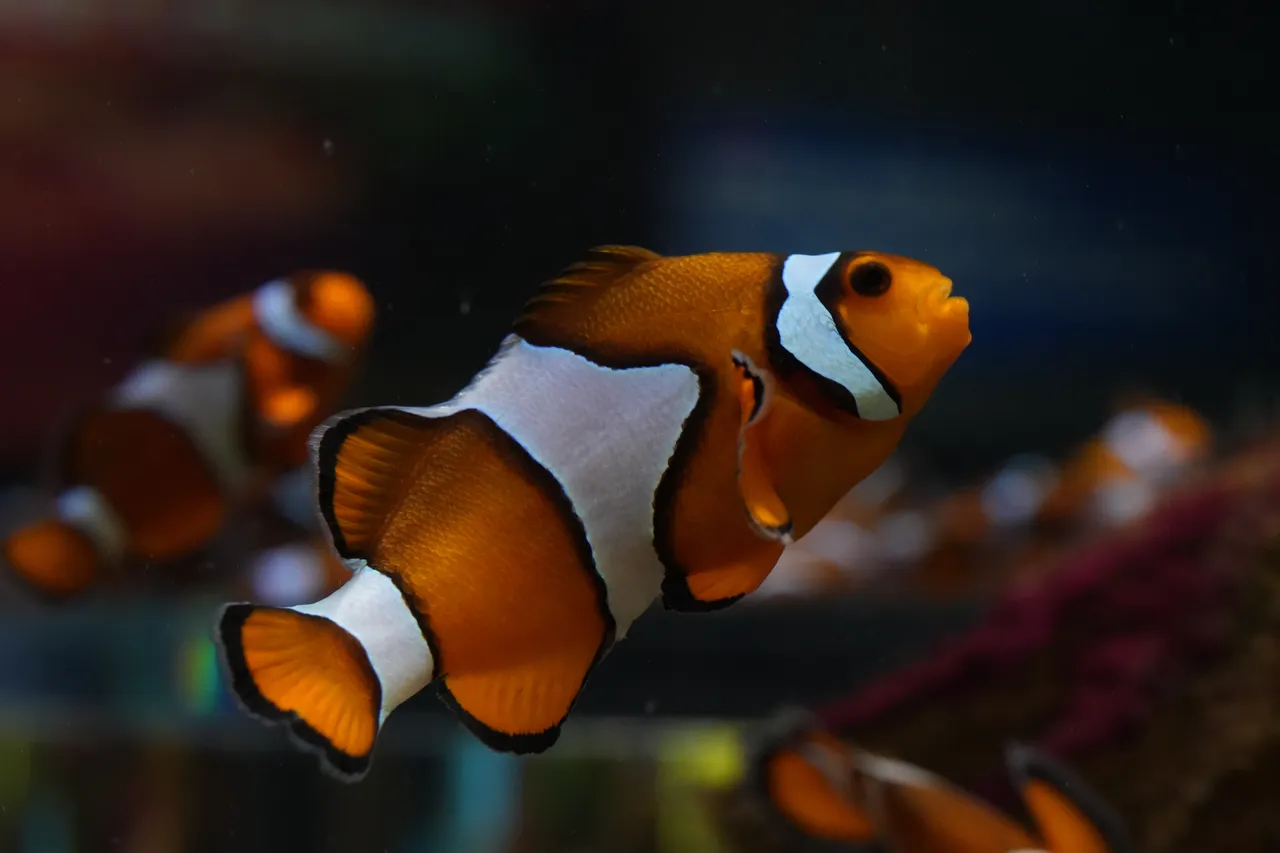
Take clownfish, for example. They live in strict hierarchies governed by a dominant female. If that female dies, the most dominant male will change sex and become female, ensuring the group’s reproductive output continues.
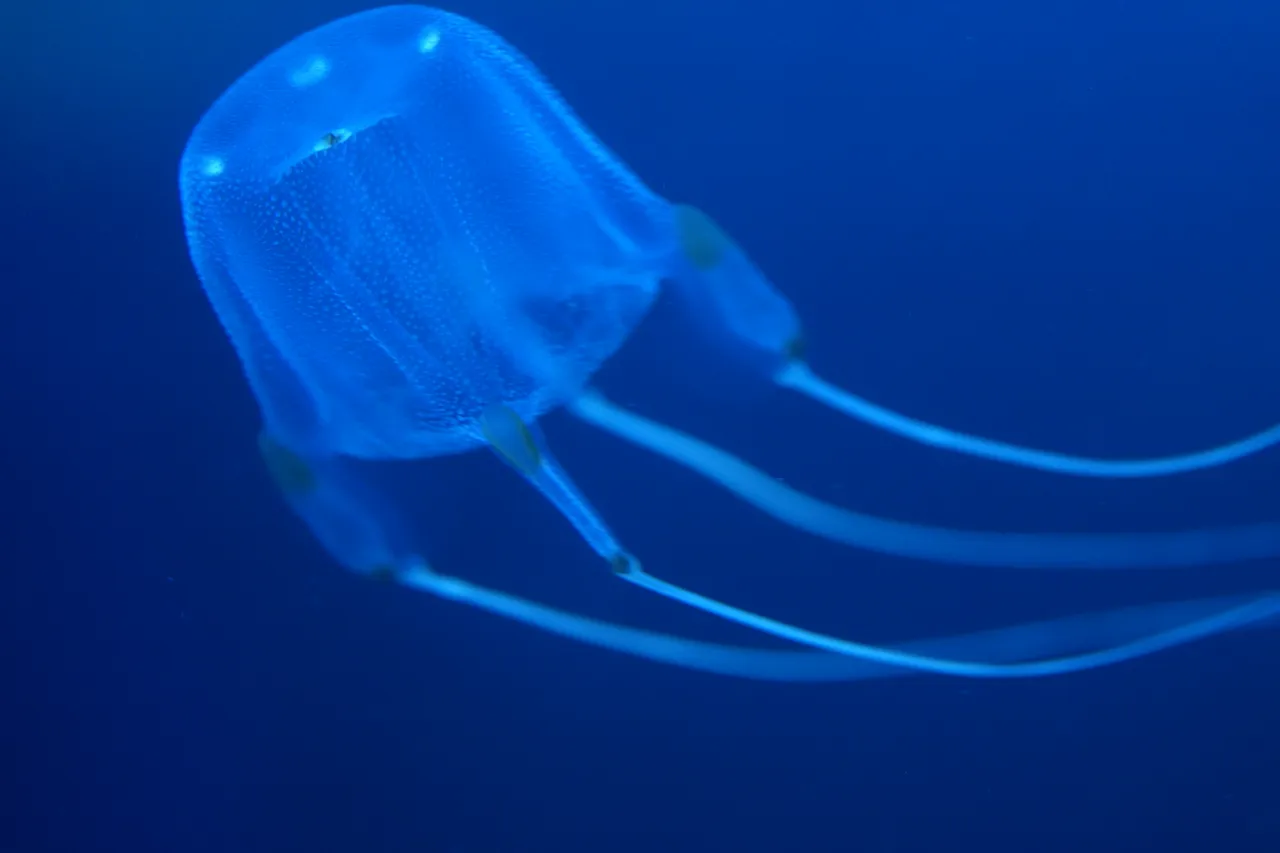
Then there are jellies, which can bypass the traditional male-female dynamic altogether. Depending on their life stage, many jellies can reproduce asexually, cloning themselves to populate the water without needing a mate.
Whether it means fasting for months in the snow or carrying hundreds of babies in a pouch, survival in the wild requires creativity. The next time you see a dad going out of his way for his children, remember: At least he does not have to carry them in his mouth.
Related News
Sign up to our Newsletter
Receive monthly news, online courses and conservation programmes.