Celebrating the importance of wetlands on World Wetlands Day
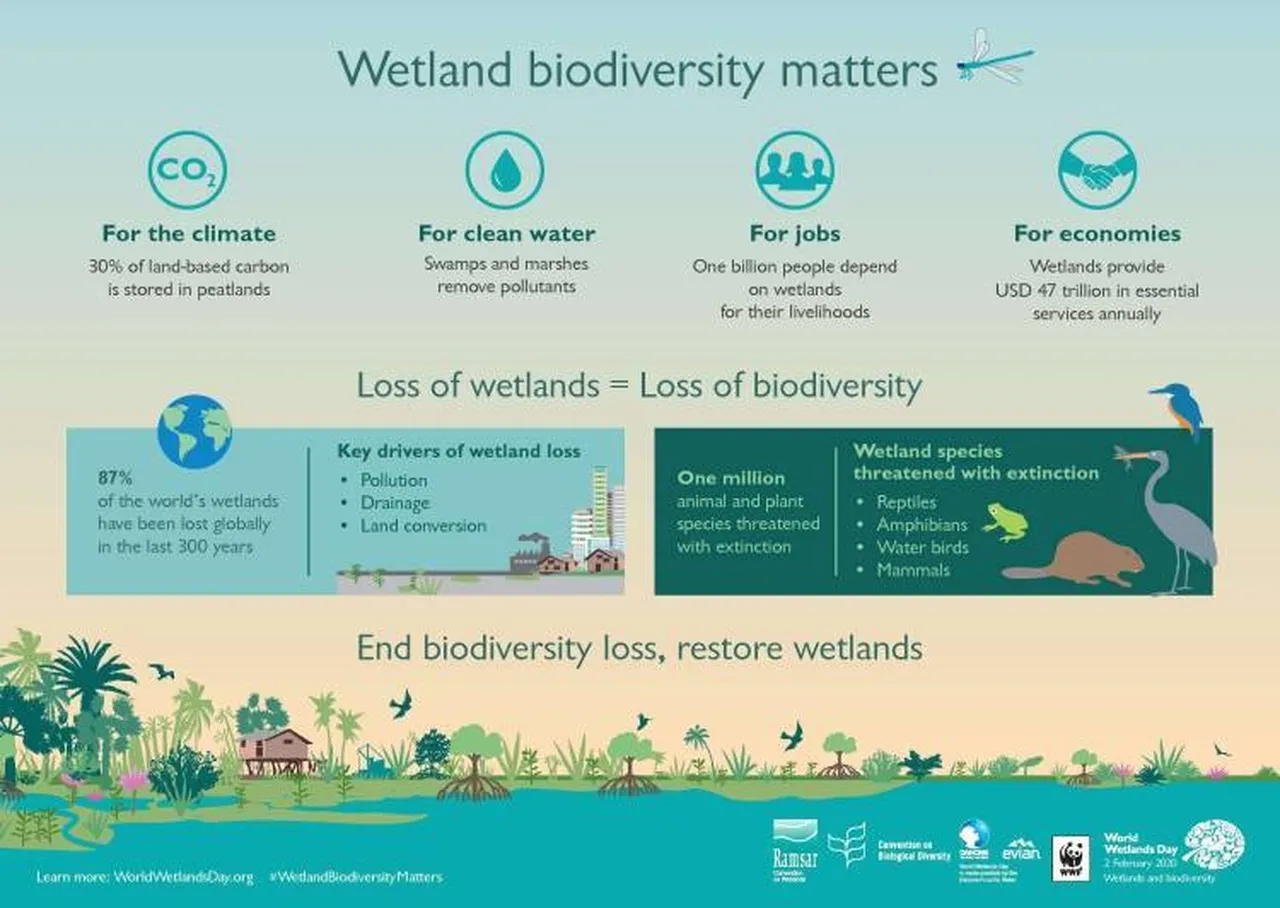
Happy World Wetlands Day! Today, we celebrate one of the most valuable and threatened ecosystems on Earth: Wetlands. These natural areas quietly support life, protect communities, and help keep our planet in balance. Yet they are often overlooked and underestimated.
What are wetlands?
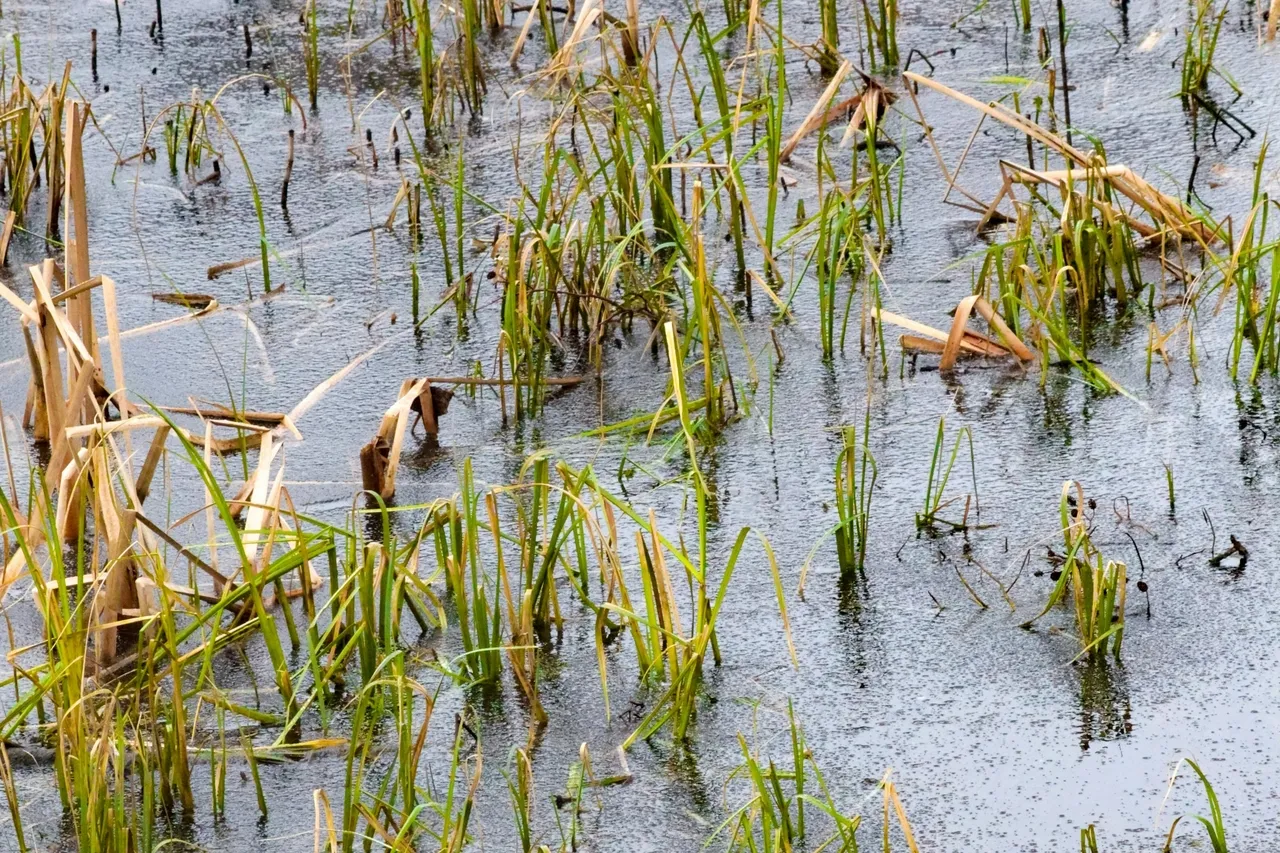
Wetlands are ecosystems where land is permanently or seasonally saturated with water. In these areas, water covers the soil or is present just below the surface, creating unique conditions that support a wide variety of plants and animals.
Wetlands can exist for a few months, many years, or even forever. The water found in wetlands may be freshwater, brackish, saline, or alkaline, depending on their location. Despite their differences, all wetlands share one thing in common: They are biodiversity hotspots and essential for life on Earth.
Wetlands occur in many forms around the world, including:
- Marshes – grassy wetlands often found along rivers, with few or no trees.
- Swamps – wetlands dominated by trees and woody plants.
- Peatlands – muddy wetlands rich in decaying plant material.
- Floodplains – areas next to rivers that flood during heavy rains.
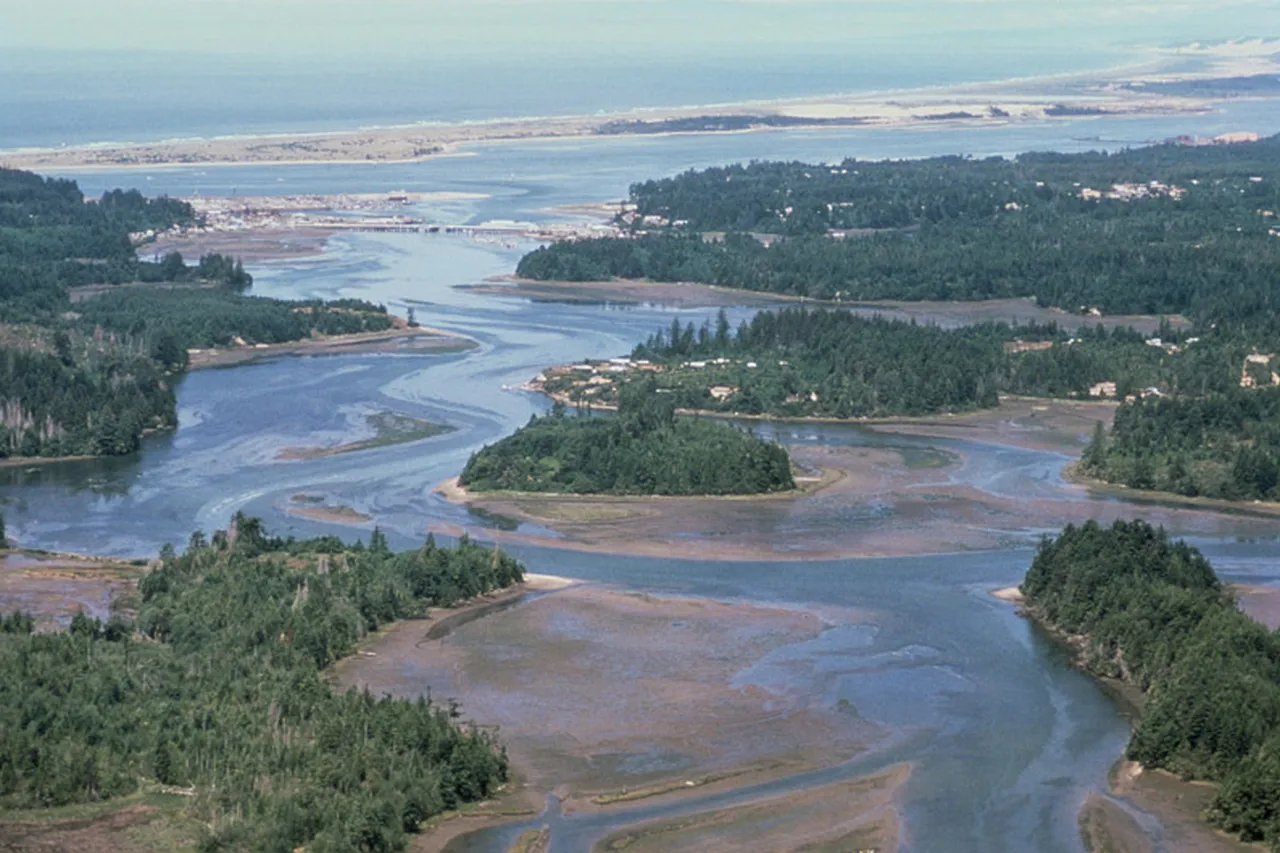
- Estuaries – where freshwater from rivers meets saltwater from the ocean.
- Mangroves – salt-tolerant trees that grow in coastal, saline environments.
Whether they are called marshes, swamps, vleis, bogs, fens, pans, or seepages, wetlands are all vital ecosystems.
Why are wetlands so important?
Wetlands provide countless benefits to both nature and people. Here are some of the key reasons why they matter:
1. Wetlands purify our water
Wetlands act as natural water filters. They trap sediments, absorb pollutants, and improve water quality – often more effectively and cheaply than human-made filtration systems.
2. Wetlands store water
Like giant sponges, wetlands store water during wet periods and slowly release it during dry seasons. This helps ensure water supply during droughts.
3. Wetlands prevent floods
During heavy rains, wetlands absorb excess water and slow its flow. This reduces flood damage and protects downstream communities.
4. Wetlands recharge groundwater
Wetlands allow water to seep into the ground, replenishing underground water reserves that humans rely on for drinking and agriculture.
5. Wetlands control erosion
By trapping sediments and slowing water movement, wetlands help prevent soil erosion, which is especially important in semi-arid countries like South Africa.
6. Wetlands shelter juvenile fish
The calm, shallow waters of wetlands provide safe nursery areas for fish larvae and young fish.
7. Wetlands support biodiversity
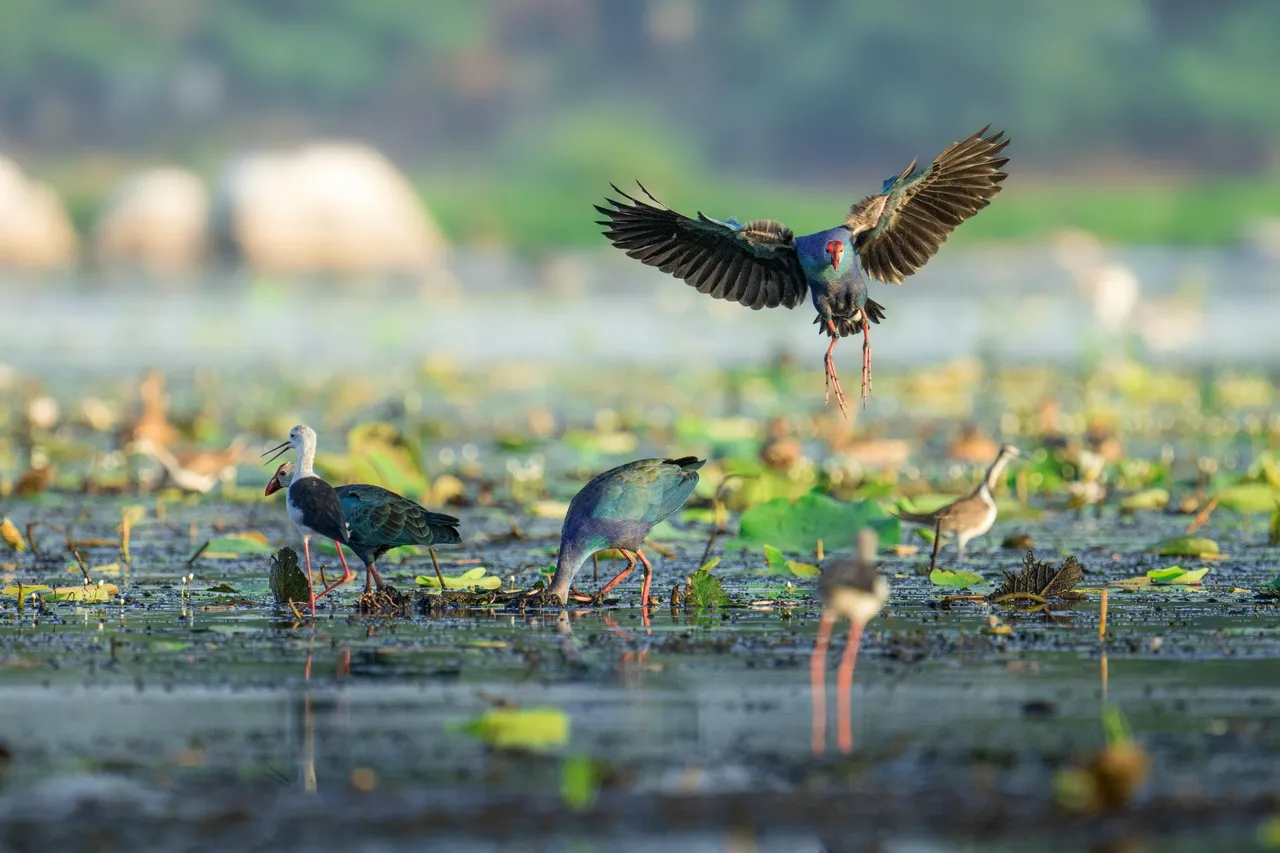
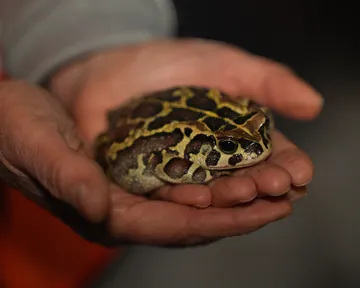
Wetlands are home to fish, birds, frogs, reptiles, insects, and plants. Many species, such as herons, flamingos, and frogs, depend entirely on wetland habitats.
8. Wetlands provide food for livestock
Wetlands offer fertile grazing areas with reliable water sources for livestock.
9. Wetlands protect biodiversity
Wetland ecosystems support complex food webs and specialist species found nowhere else on Earth.
10. Wetlands offer recreational spaces
Wetlands provide beautiful places for people to enjoy nature through birdwatching, fishing, picnics, walking, and sailing.
Wetlands in Cape Town
Cape Town is home to several important wetland types, including:
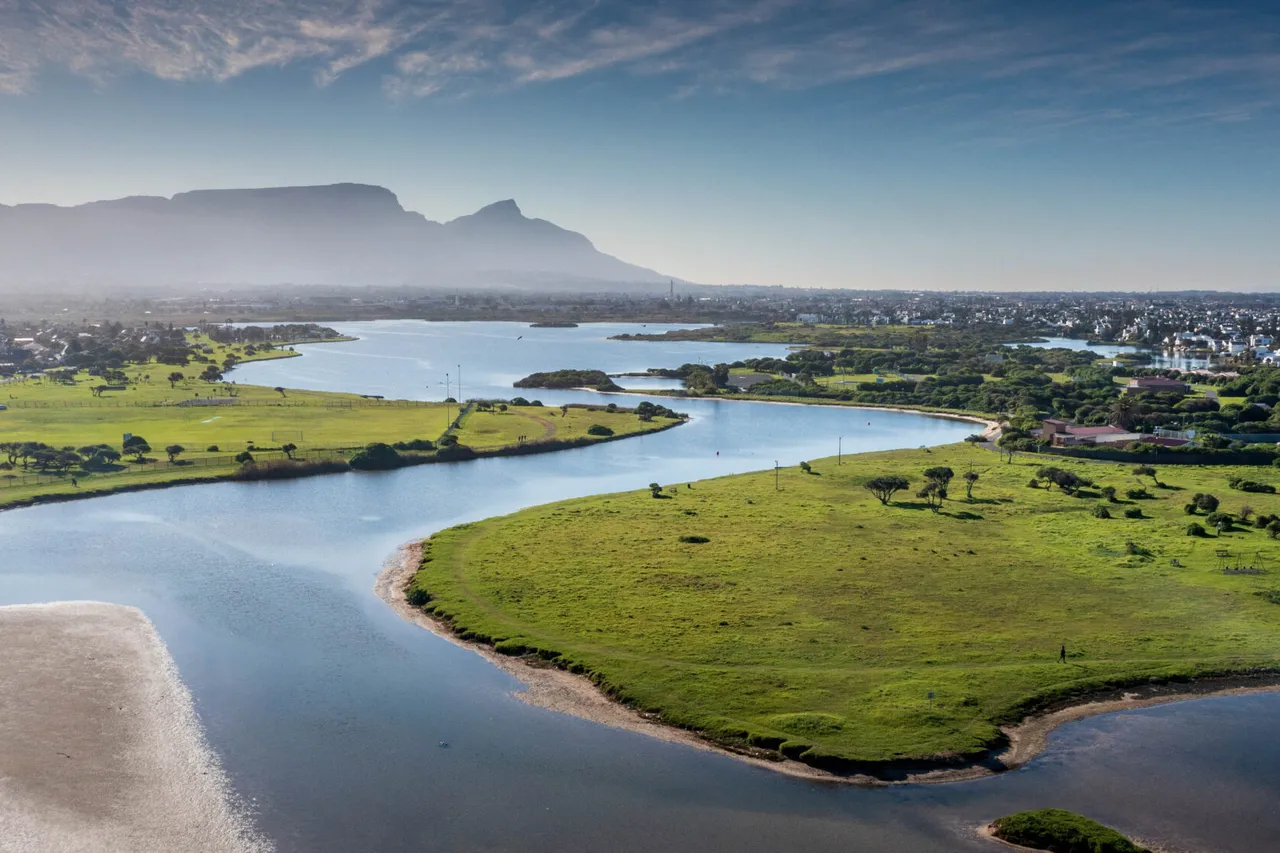
- Vleis such as Zeekoevlei and Rietvlei
- Riverine wetlands along riverbanks
- Estuaries like Sandvlei
- Seasonal wetlands that fill during winter rains
Sadly, some wetlands around the world have already been destroyed. Urban development, pollution, invasive species, and climate change threaten many of South Africa’s remaining wetlands.
Some wetlands you can visit in Cape Town are:
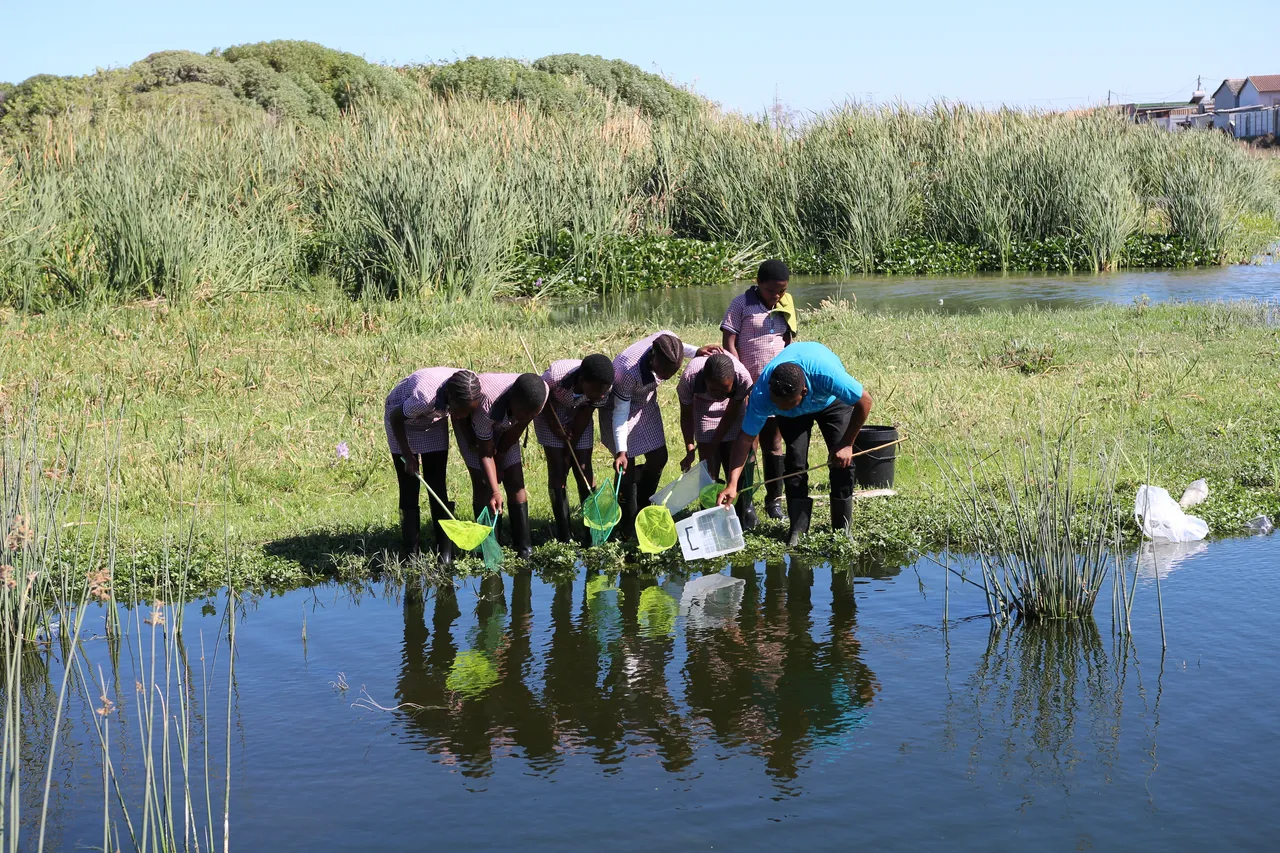
- Khayelitsha Wetlands Park
- Rietvlei Wetland Reserve
- Rondevlei Nature Reserve
- Zeekoevlei Nature Reserve
- Zandvlei Estuary Nature Reserve
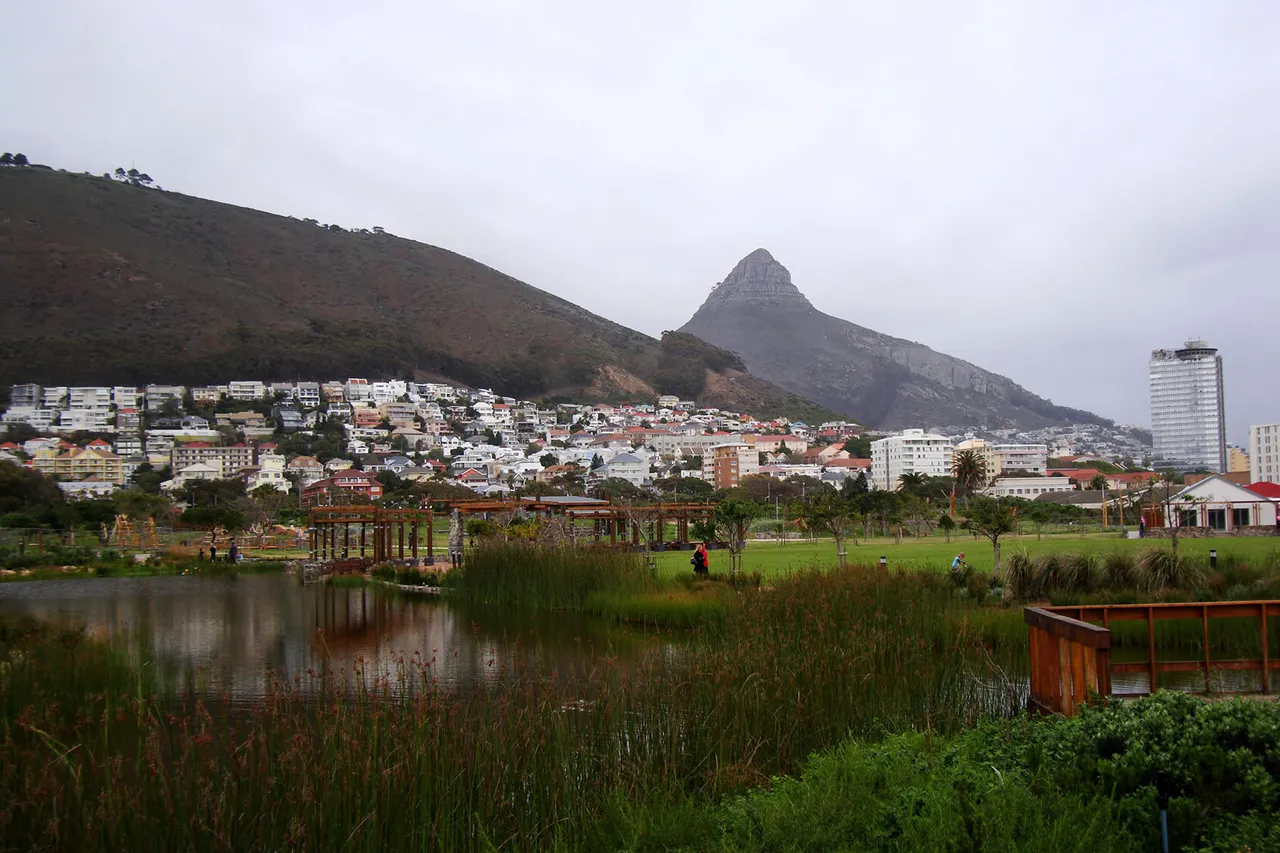
- Green Point Urban Park
World Wetlands Day and conservation
World Wetlands Day is celebrated every year on 2 February, marking the adoption of the Ramsar Convention in 1971. This international agreement aims to protect wetlands of global importance. Protecting wetlands helps mitigate climate change, reduce floods and droughts, protect biodiversity, and support human survival.
What can you do?
You can help protect wetlands by:
- Visiting and supporting protected wetland areas
- Using biodegradable and eco-friendly products
- Saving water – every drop counts
- Reducing pollution in your home and garden
- Sharing knowledge about the importance of wetlands
A hope for the future
We hope that future generations will continue to experience wetlands in their natural beauty, not just through photographs or aquariums. By protecting wetlands, we protect our water, our wildlife, and ourselves. If we protect wetlands, we protect our planet.
Related News
Sign up to our Newsletter
Receive monthly news, online courses and conservation programmes.