Entangled Cape fur seal rescue in Cape Town: What it reveals about ocean health
Sensitive content warning: This blog contains graphic images that some readers may find distressing. Viewer discretion is advised.
Cape fur seals are a common (and iconic) sight in Cape Town, where they live alongside us in harbours, marinas, and other coastal spaces, offering locals and tourists alike a memorable glimpse into the rich lives of our urban wildlife. However, coexisting with people in an urban environment exposes seals to many human-induced hazards.
Where there are people, there is often pollution, and curious seals are the frequent victims of entanglement. When seals inspect unfamiliar objects with their noses, they can become trapped in nooses of box bands, fishing lines, raffia cords, and other materials. As the seal grows, these nooses tighten, cutting deeper into the animal’s neck and ultimately proving fatal if left unattended.
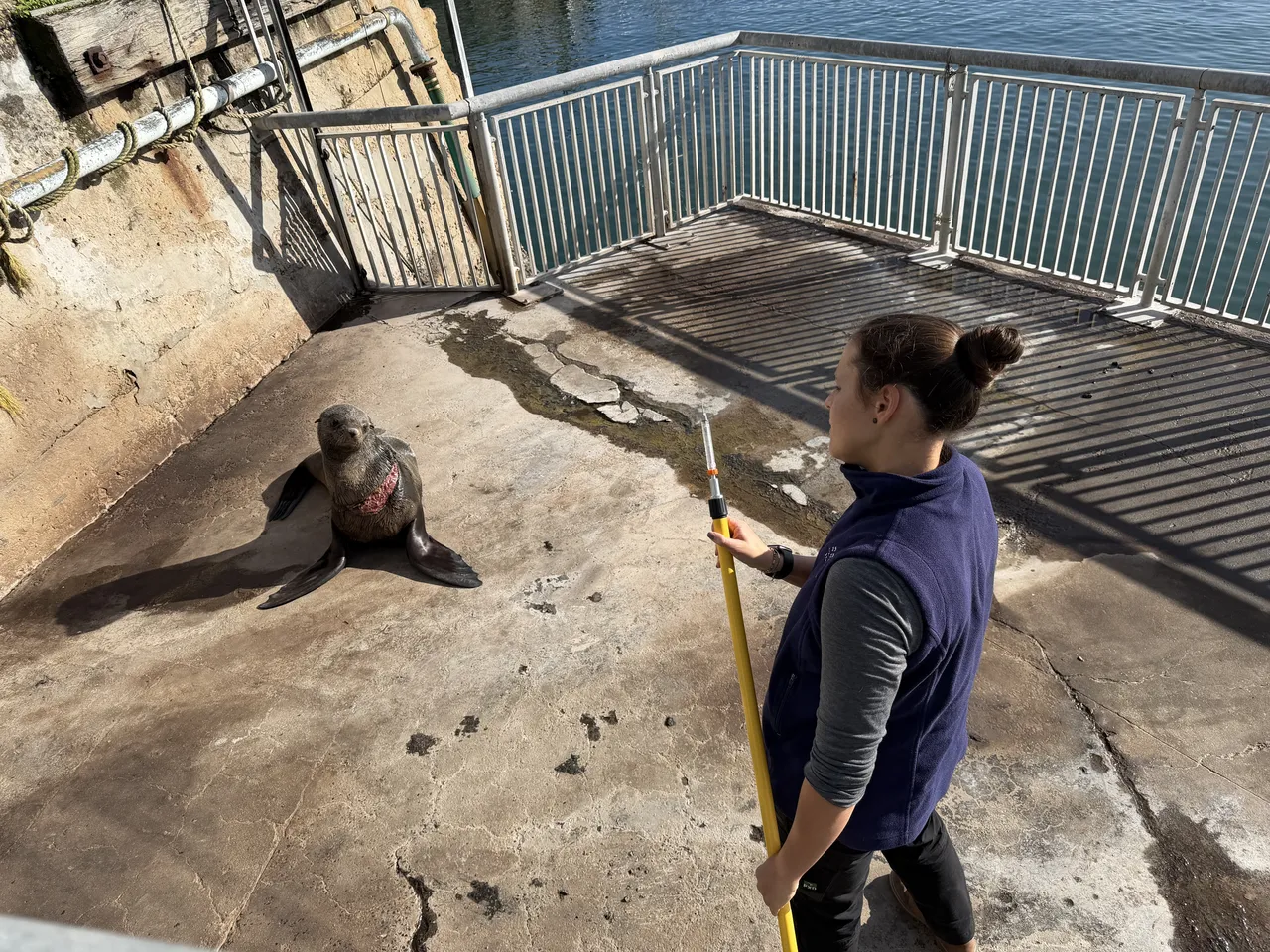
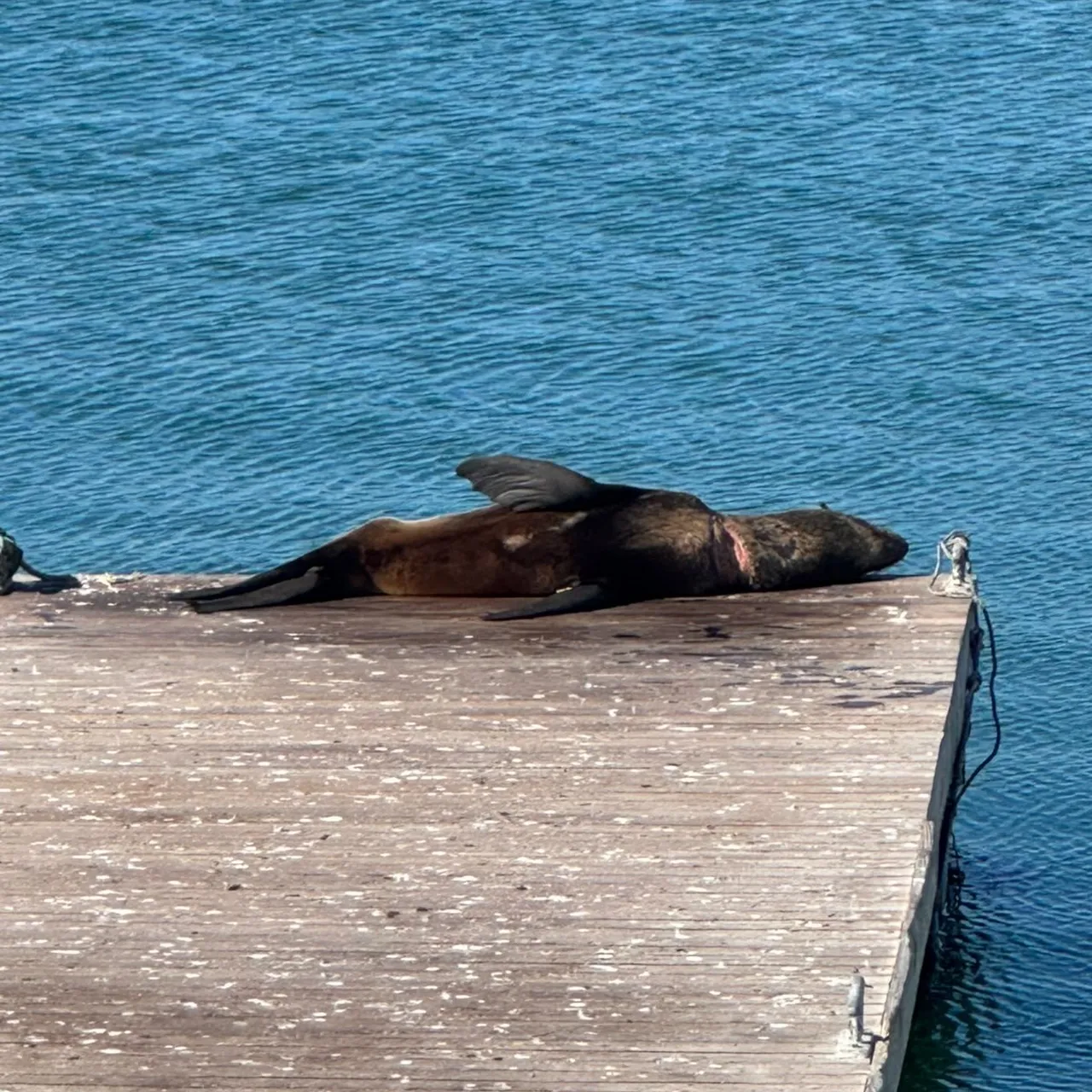
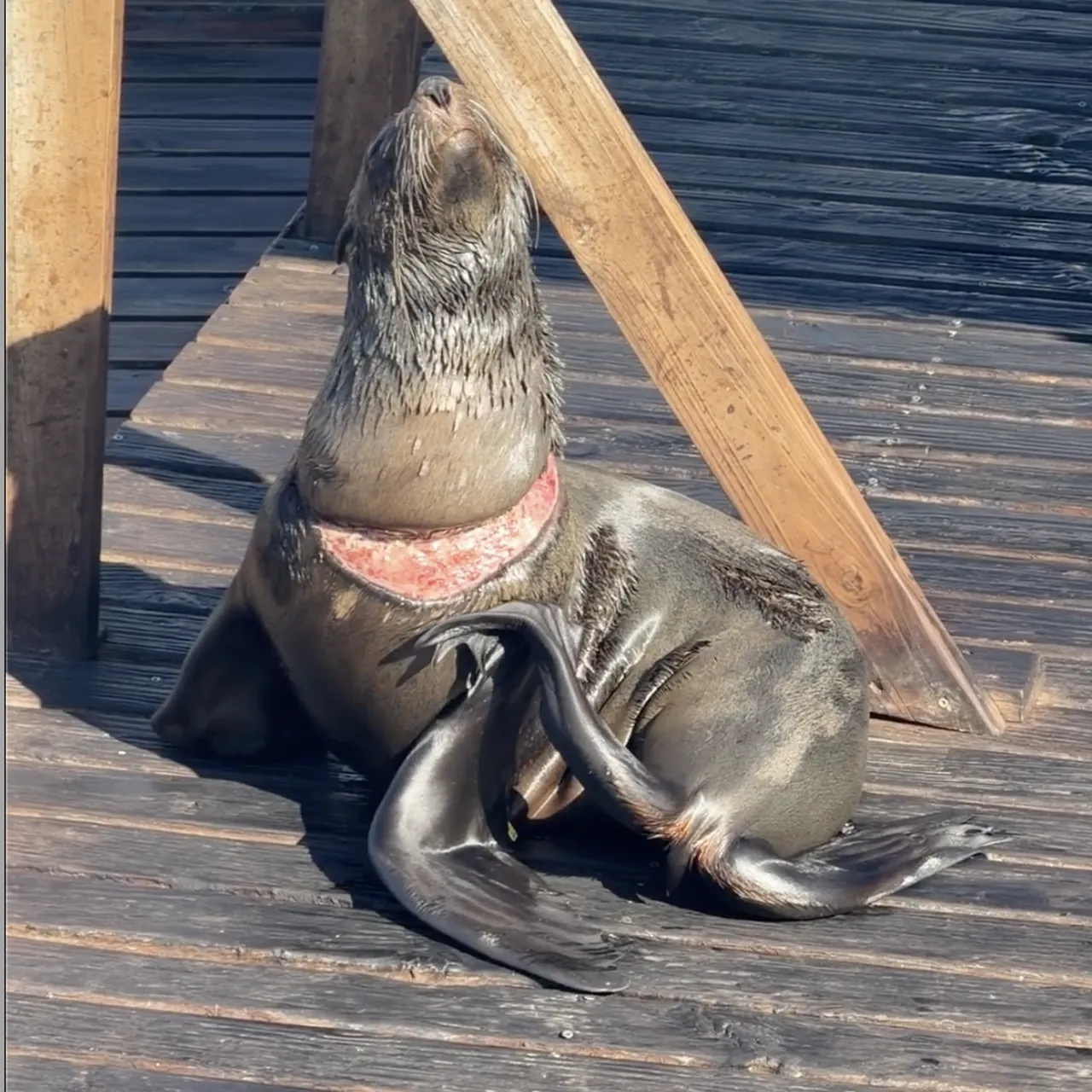
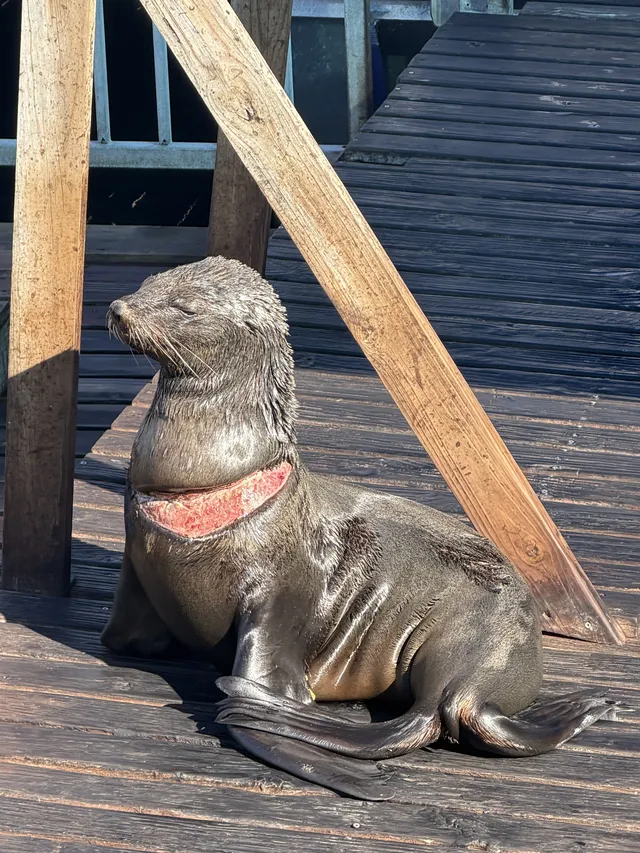
The Marine Wildlife Management Programme (MWMP) works to preserve the welfare of Cape fur seals in the V&A Waterfront precinct by actively patrolling the area, identifying entangled animals, and safely removing entanglements. On 29 June 2026, the team responded to a particularly severe entanglement case: A juvenile male seal with a horrendous neck wound at the Nelson Mandela Gateway.
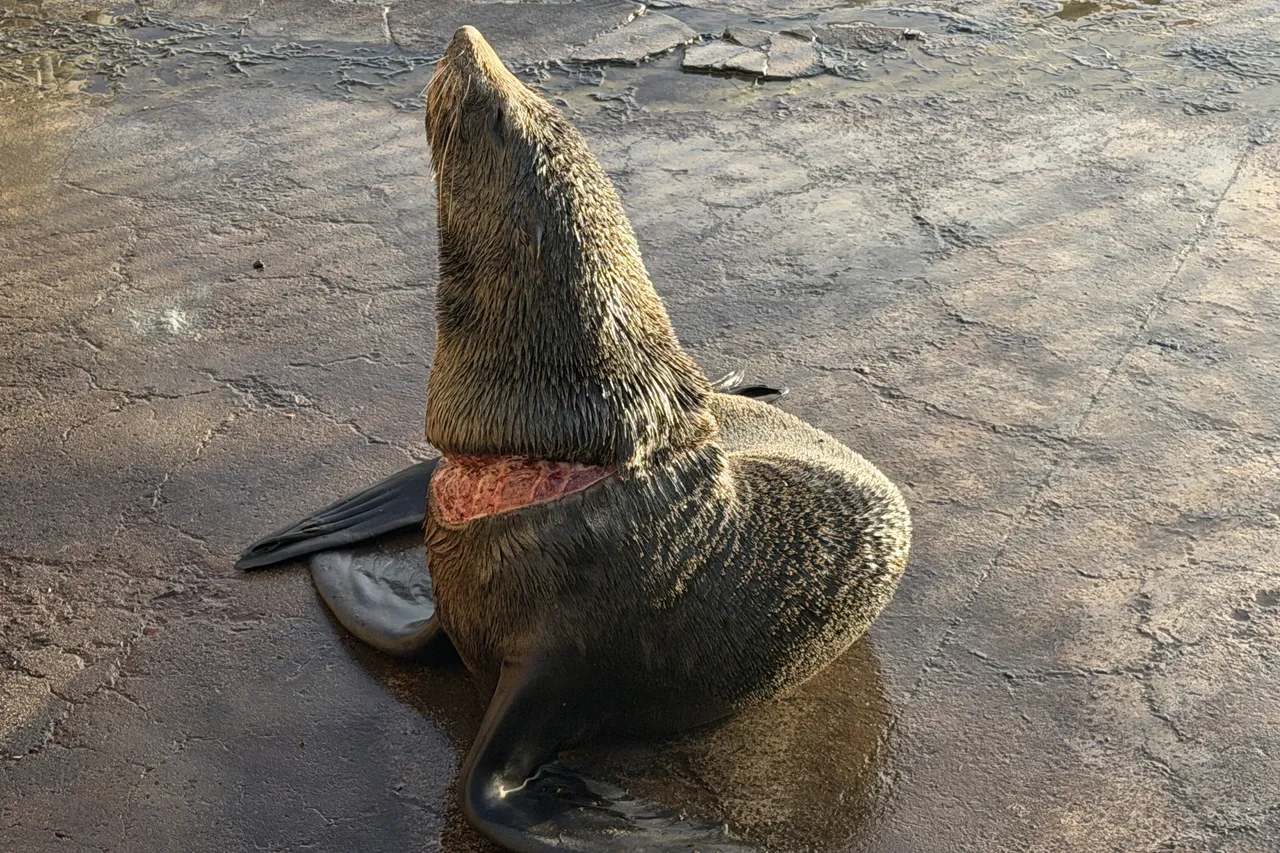
How did we help the seal?
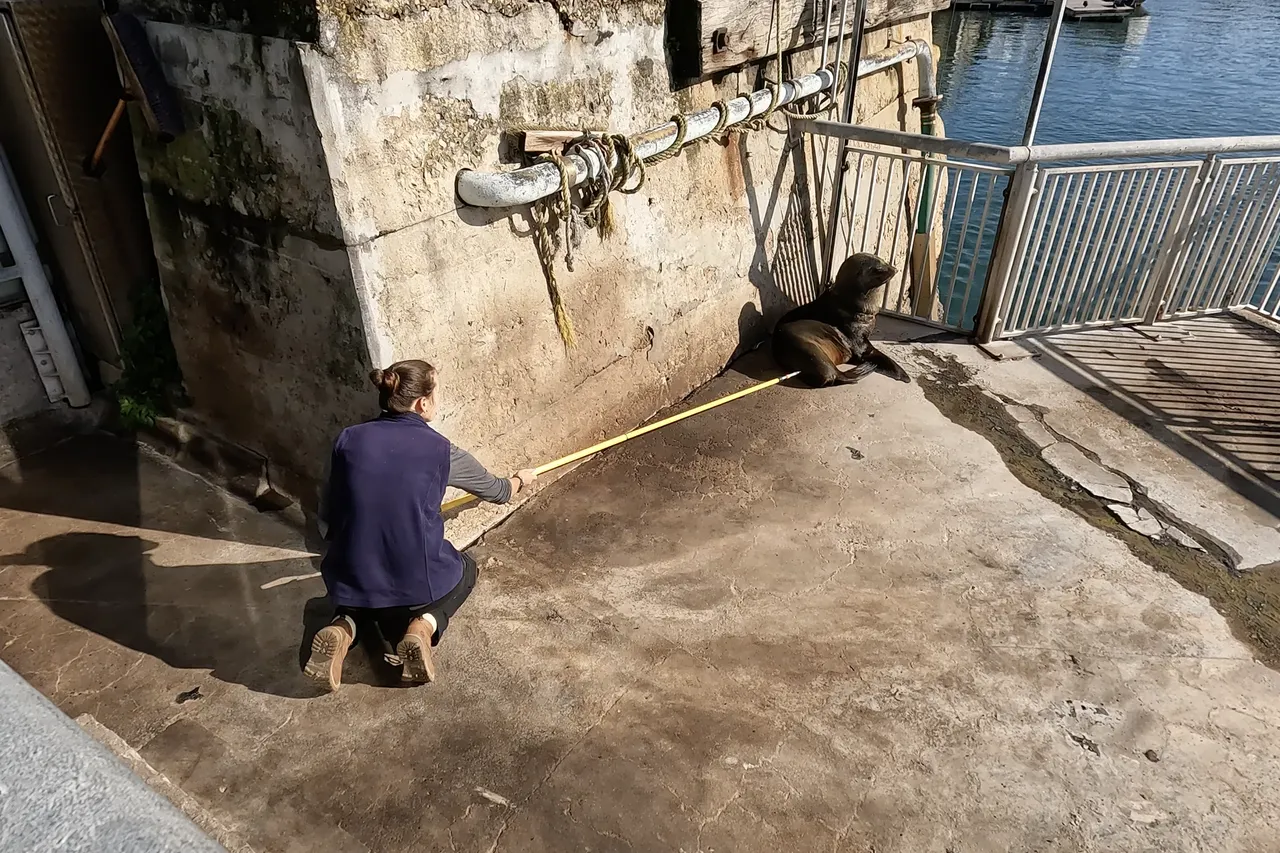
The rescue began with a report from staff at the V&A Waterfront's security control room. Recognising that the seal was in distress, they quickly closed off the platform where he was resting, allowing the MWMP team to respond before he could return to the water.
Cape fur seals are naturally wary of people, and entangled seals are often even more cautious because they are already stressed and vulnerable. Over the years, the MWMP team has developed specialised techniques and purpose-built equipment to rescue entangled seals in almost any situation. Their priority is always to remove the entanglement as safely as possible while causing the animal as little stress as possible. In this case, the severity of the seal's injuries meant that sedation was the safest option for all parties.
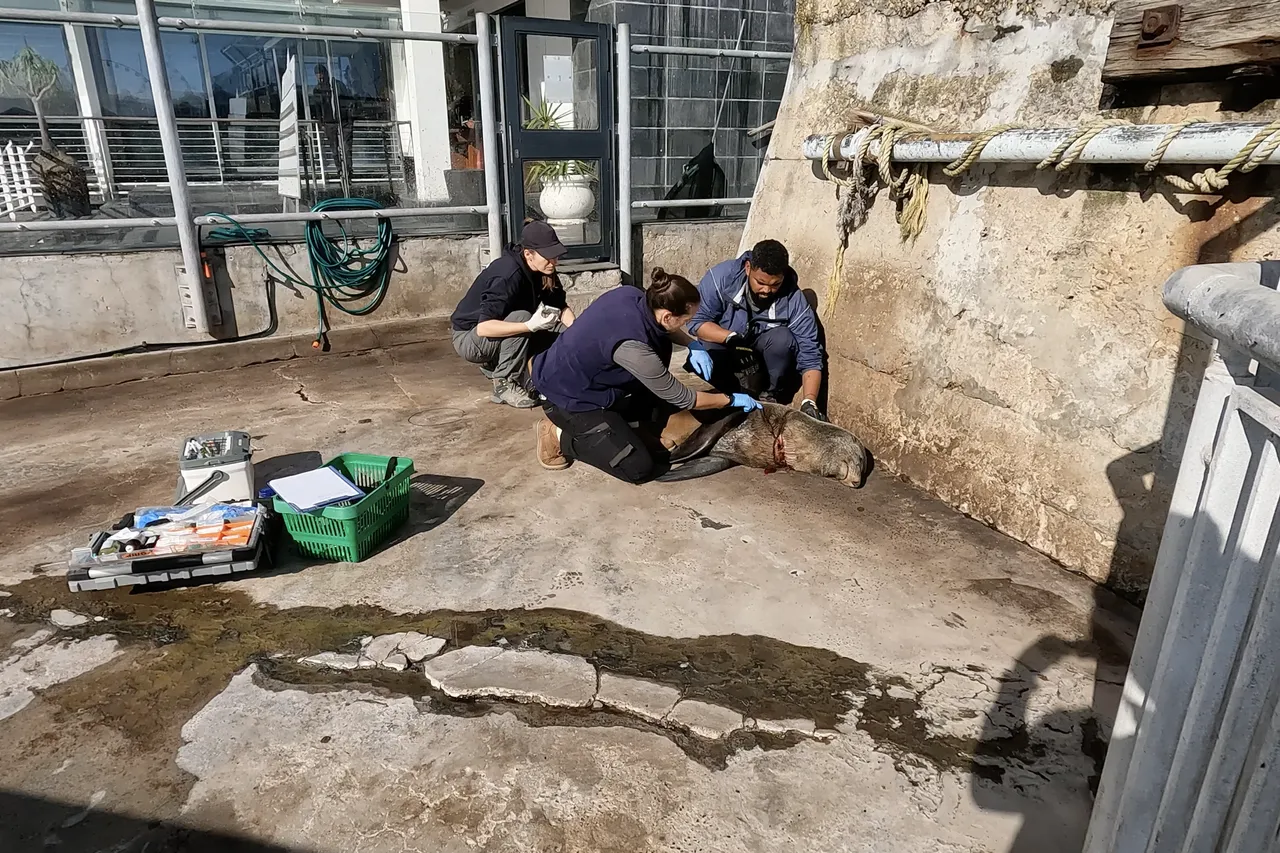
After assessing the seal from a distance, our veterinarian, Dr Ilse Jenkinson, used a specially designed "darting pole" to administer a sedative. Once the seal was asleep, the team could safely approach.
Maintaining a close eye on the seal's breathing, the team approached to inspect the entanglement site: A nylon fishing cord looped extremely tightly around his neck. The advanced state of this wound indicates that the seal had been struggling with the entanglement for an extended period. The injury’s severity suggests that the seal only recently entered the precinct after becoming entangled elsewhere. As the MWMP patrols the V&A Waterfront precinct every day, the team would have spotted and assisted this seal long before the wound reached this stage, had it been in the area. In most cases, the team is able to intervene before an entanglement causes anything more than a slight indentation or a superficial cut in the seals’ bodies.
The team uses specific tools and cutters according to each disentanglement. This time, the Leatherman Raptor Shears were perfectly suited to this close-range situation. Martine Viljoen, MWMP Manager, carefully cut and removed the cord, which was deeply embedded in the seal’s flesh.
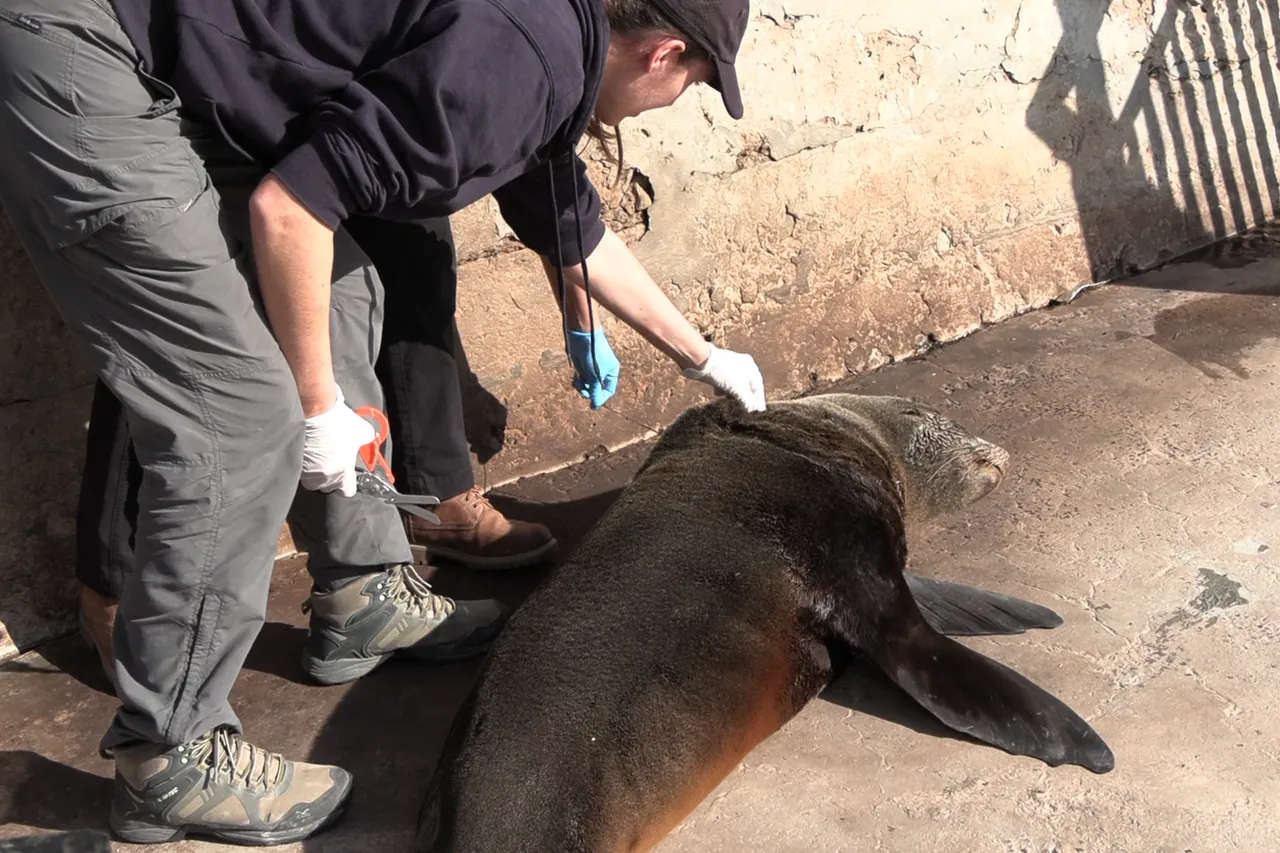
Once the entire entanglement had been removed, Dr Ilse flushed the site with fresh water and F10 veterinary disinfectant. She also took blood samples for later assessment, provided antibiotics, and administered a rabies vaccination.
Seals have a remarkable ability to heal naturally, which is why Dr Ilse rarely stitches entanglement wounds like this. Stitches would also require the seal to be sedated again so that the sutures could be assessed and later removed. Because sedating wild Cape fur seals carries inherent risks, it is reserved as a last resort and only used in the most severe cases. Instead, providing preventative care with disinfectants and antibiotics has consistently proven to be an effective treatment.
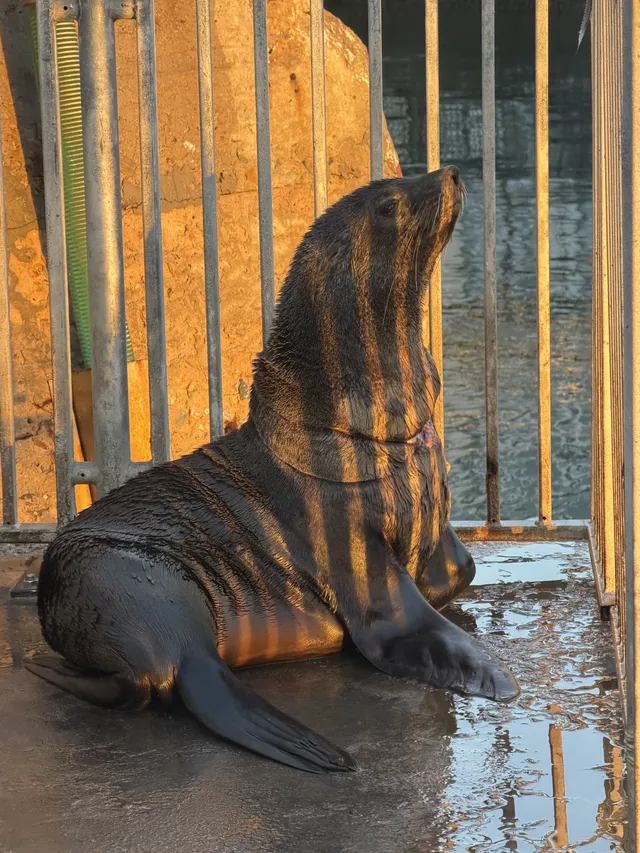
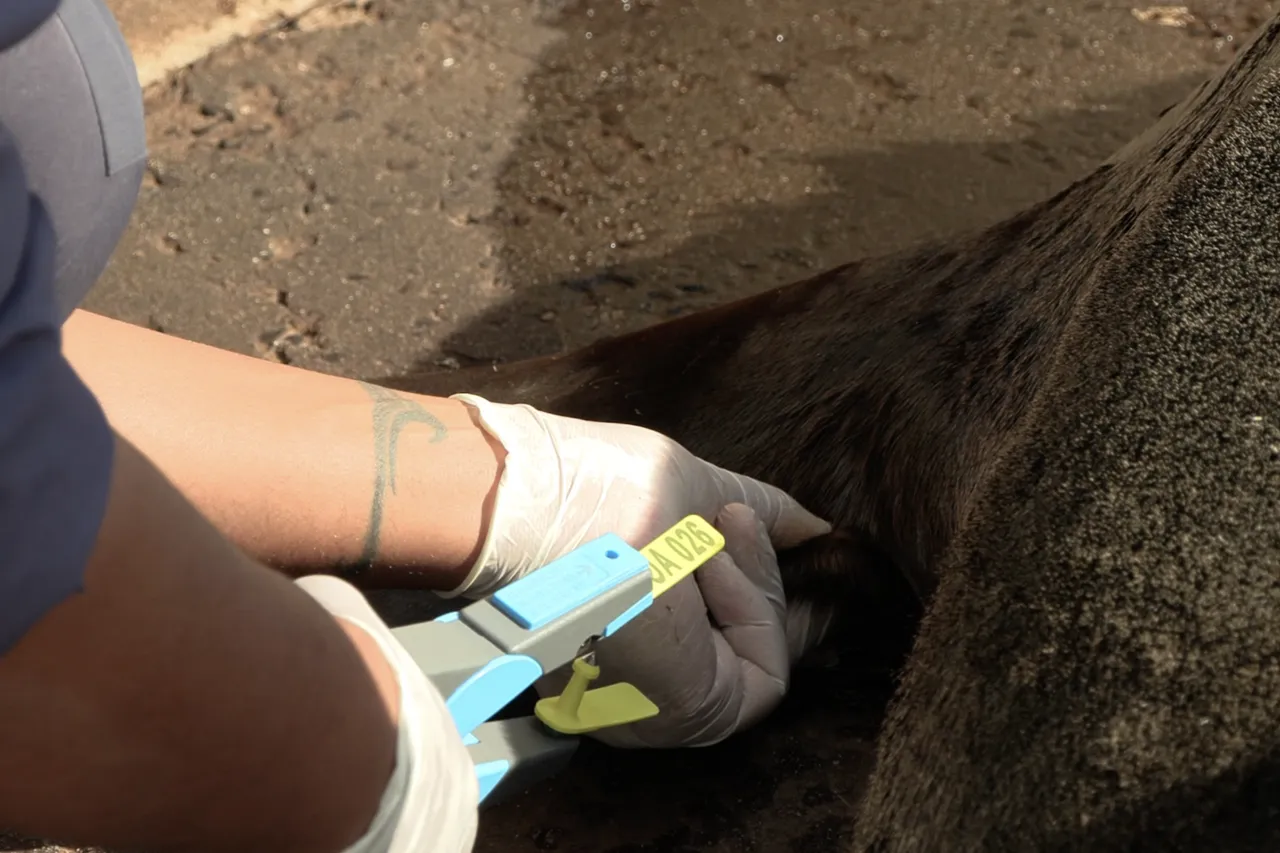
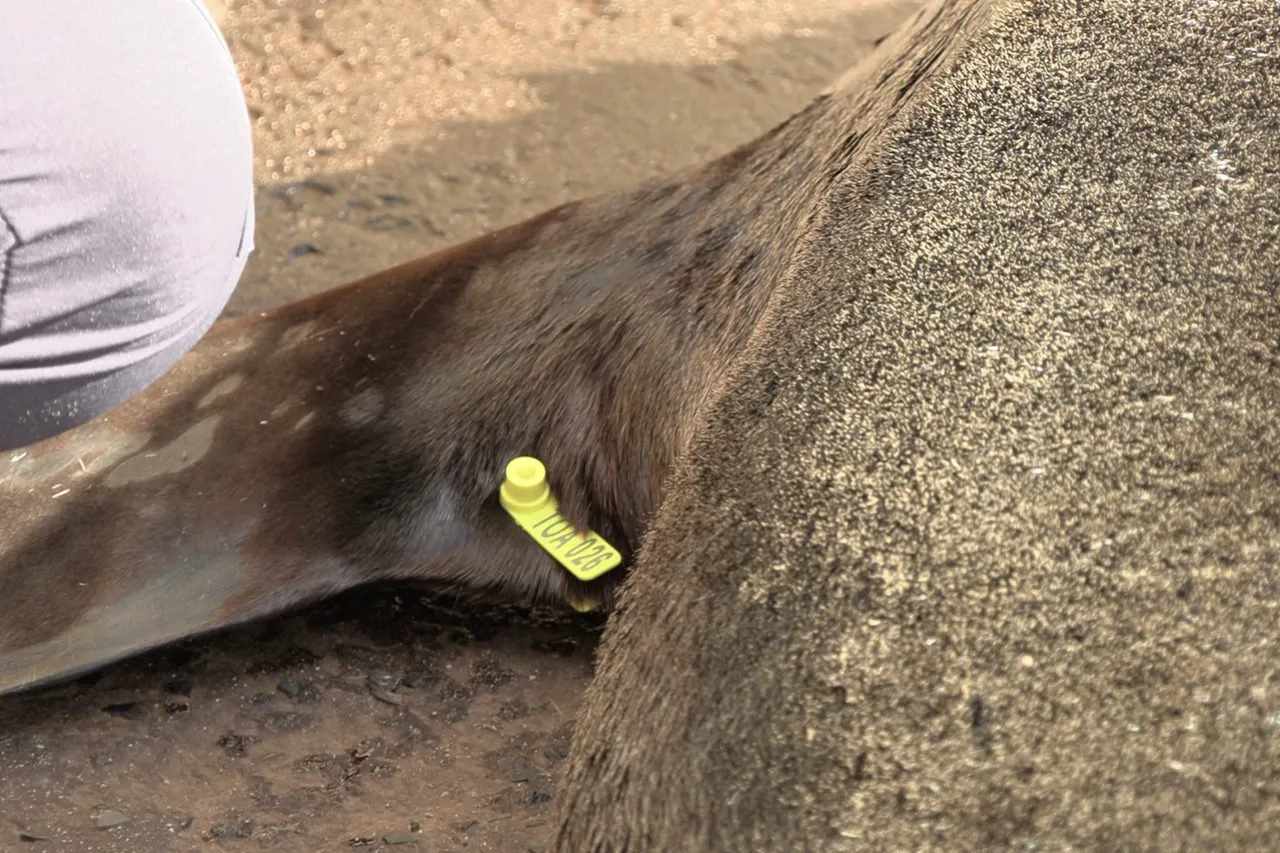
Before Dr Ilse reversed the sedative, Wildlife Monitor Abdullah Abrams flipper-tagged the seal. The yellow tag’s unique numeric code indicates that the seal has been darted and allows our team to monitor its movements and behaviour following the rescue.
In the days following the disentanglement, our MWMP team has observed the seal as he moves around the harbour. In comparison to his stiff movements before being disentangled, he looked much more comfortable and was even seen scratching his shoulder on the Seal Platform outside the Two Oceans Aquarium, something he could not do beforehand. According to Dr Ilse, new tissue is already growing over the wound with no obvious signs of infection. It is expected to take up to four months to fully heal.
Where did the entanglement come from?
The entanglement itself is of significant interest. The materials that entrap seals often provide deeper insight into where the seal was venturing or what industry the material came from.
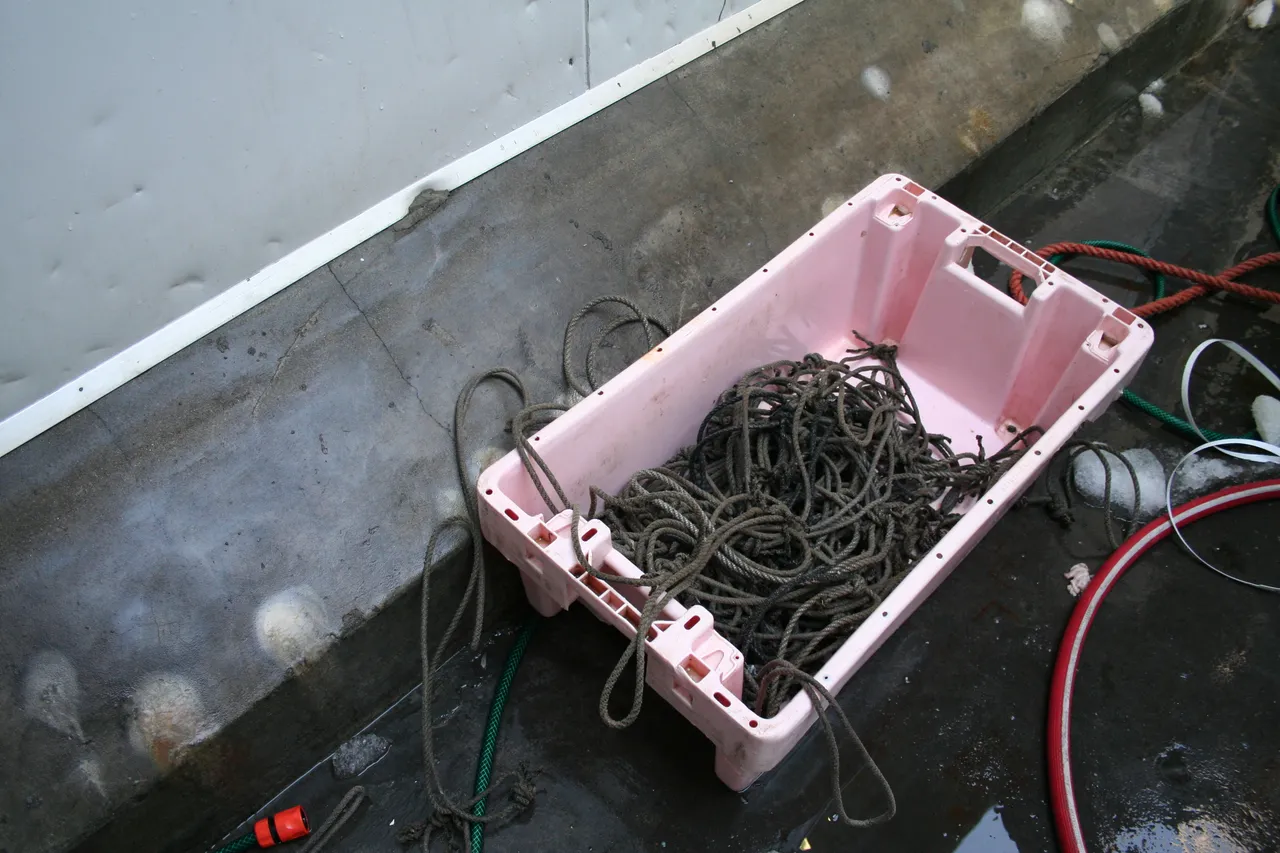
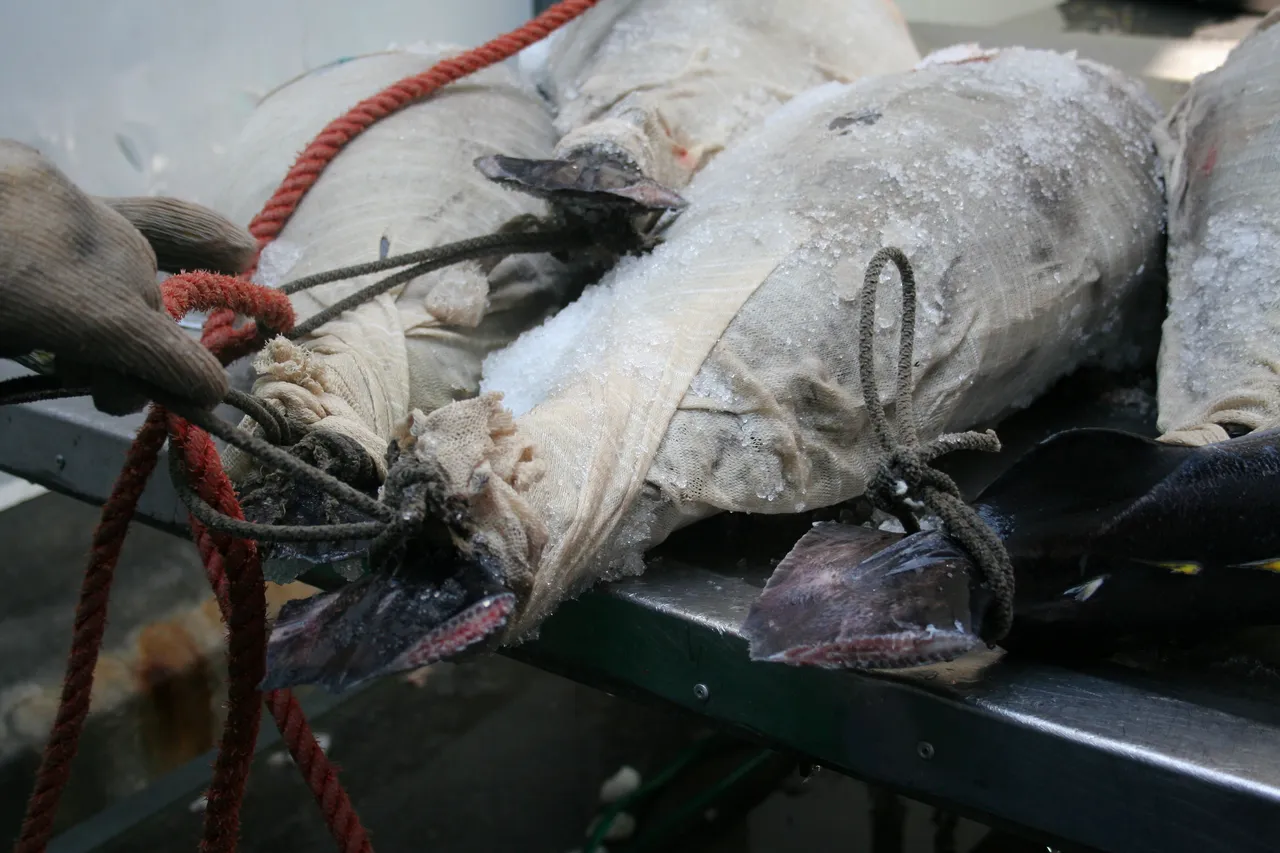
This particular entanglement was immediately recognisable as a “tuna strop”: Heavy-duty nylon with a distinctive knot that is used in longline fisheries to hang their catch up by their tails. Pelagic longline fishing is a commercial fishing technique. Thousands of baited hooks are placed at intervals along a main line that floats at the surface of the ocean, intended to catch tuna and swordfish. Several years ago, members of the MWMP visited a longline fishing vessel where they witnessed tuna strops in action.
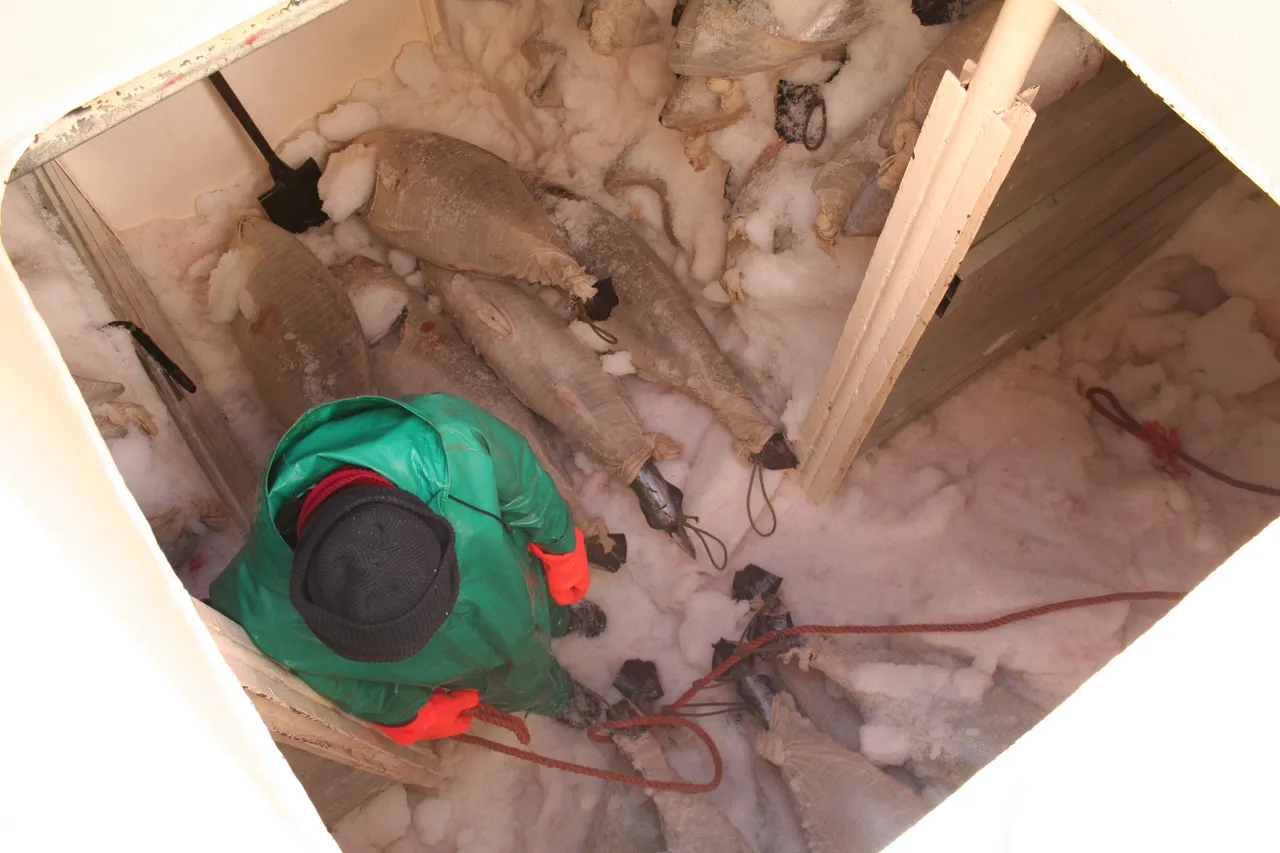
Once the tuna have been caught and brought on board, loops are placed around their tails so the fish can be lifted in batches. These loops make it possible to move several tuna at a time when hanging them in blast freezers or offloading them at the harbour.
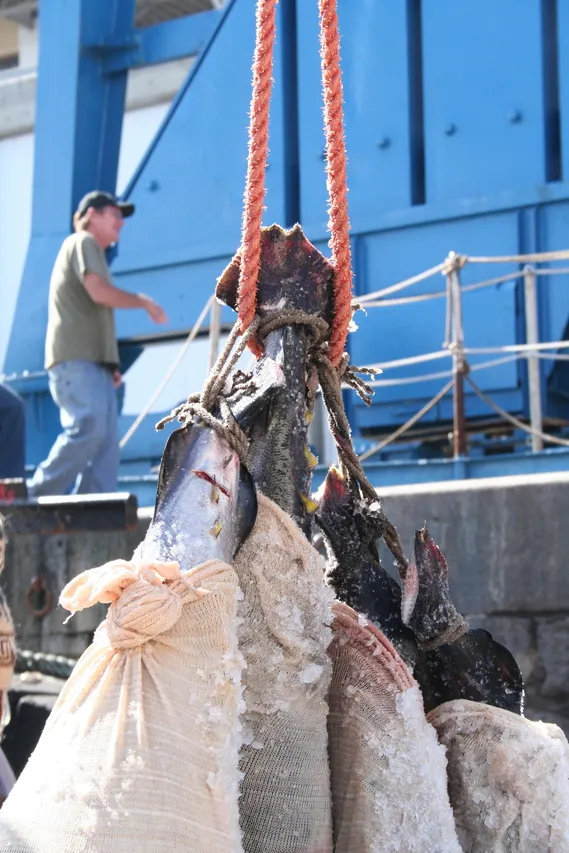
These nylon loops are made in great numbers to prepare for an upcoming fish haul, and often end up in the ocean after breaking off, being cut, or during clean-up of the docks. Unfortunately, this is when marine animals, like our entangled seal, are impacted by these nooses.
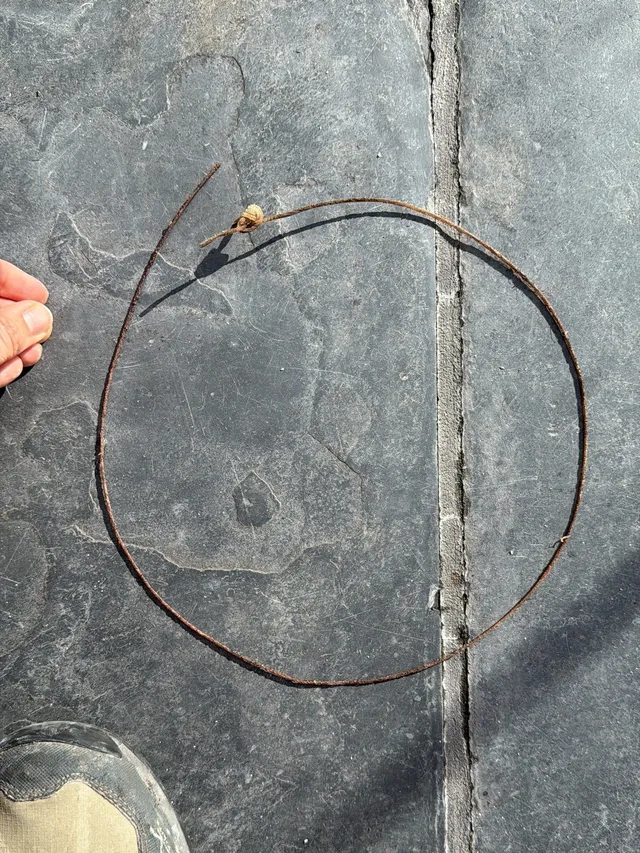
The strop had been around the seal’s neck for so long, absorbing the moisture within his flesh as it cut deeper into his neck, that the nylon had started to degrade. In fact, it had hardened into an almost wire-like loop.
This recent disentanglement highlights the devastating impact of a single piece of human debris. “Had this seal not appeared in the V&A Waterfront precinct, where we were able to disentangle him, he would certainly have met an agonising end,” says Viljoen.
Countless other marine animals are not so fortunate: Seals, dolphins, turtles, sharks, rays, and seabirds are injured or killed every year through entanglement in fishing gear and marine debris, vessel strikes, and bycatch. Destructive fishing practices have the power to destroy entire ecosystems. What our MWMP witnesses on a daily basis is a microcosm of the much bigger challenges facing our ocean.
While our MWMP works around the clock to give animals like this seal a second chance, lasting change depends on more than rescue efforts alone. Protecting marine life requires healthy ocean ecosystems, responsible waste management, sustainable fishing practices, and strong conservation policies. Rescue teams can respond to the consequences, but preventing these incidents in the first place requires collective action from industry, governments, organisations, and everyone who benefits from a healthy ocean.
You can help by cutting every looped material before throwing it away or placing it in your recycling – the tabs on bottle caps or the tags on your new T-shirt, for example. Cutting that loop can prevent it from becoming a deadly noose for marine wildlife. Just as importantly, dispose of your rubbish responsibly and never litter – remember that all rivers eventually lead to the ocean.
Every successful disentanglement is a moment worth celebrating, but our goal at the Two Oceans Aquarium and Foundation is an ocean where marine life no longer needs rescuing from preventable human impacts.
Related News
Sign up to our Newsletter
Receive monthly news, online courses and conservation programmes.