Three layers of ocean protection around Cape Town: From MPAs to community stewardship
Today is World Ocean Day, a reminder that protecting the ocean starts with understanding it. At the Two Oceans Aquarium, we help people connect with the ocean on their doorstep and learn how different forms of conservation work together to support a healthier ocean for us all to enjoy, now and into the future.
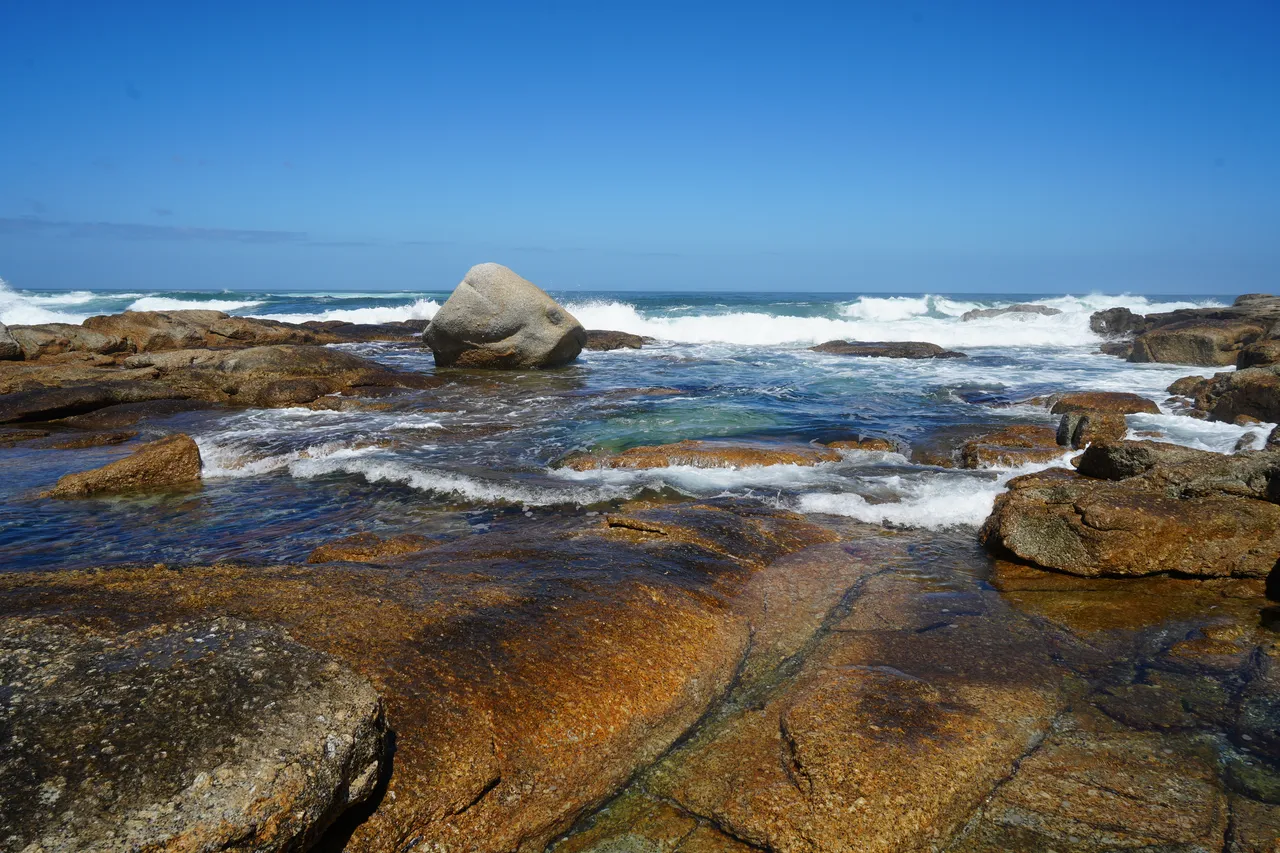
Cape Town is famous for its spectacular coastline, from the kelp forests of False Bay to the cliffs of Cape Point and the beaches of the Atlantic Seaboard. But while many Capetonians know and love these special places, they may not have given much thought to how they are protected, or what those different forms of protection actually mean.
It's easy to imagine a conservationist drawing a line on a map and saying, "Nope, you can't do that here". While protected areas are an important piece of the puzzle, looking after the ocean usually involves a range of approaches working together. Around Cape Town, three very different stewardship models help safeguard marine ecosystems and coastal habitats: The Table Mountain National Park Marine Protected Area (MPA), the False Bay Hope Spot, and Blue Flag beaches and marinas.
Each plays a different role in supporting a healthy ocean. Let's take a closer look.
Protection through law: Table Mountain National Park MPA
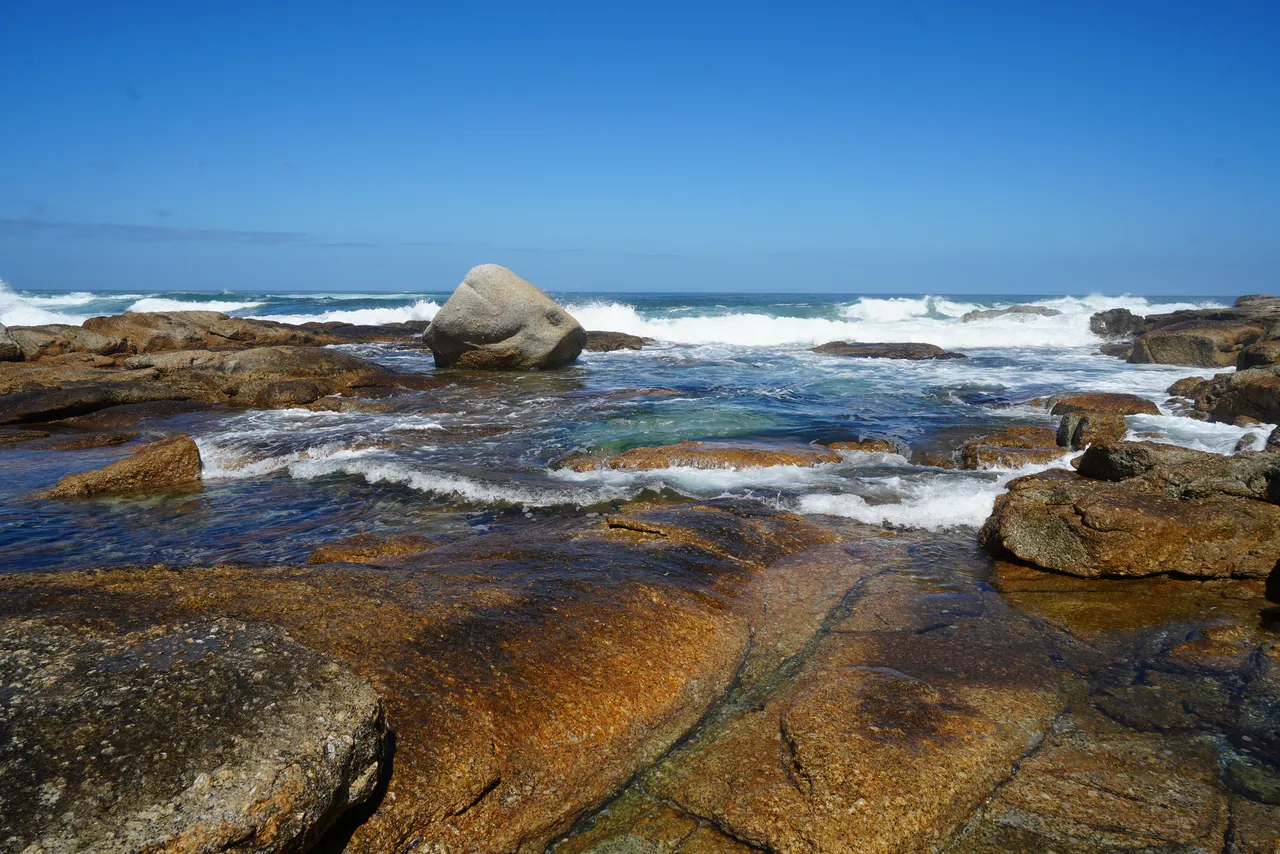
The most formal layer of ocean protection around Cape Town is the Table Mountain National Park MPA.
Marine Protected Areas are sections of the ocean where human activities are managed to protect biodiversity, habitats, and marine life. South Africa’s network of MPAs is one of the country’s most important conservation tools from a legal standpoint. By regulating human activity across the MPA (from restricted "no-take" areas to controlled zones), our MPAs help safeguard ecosystems while allowing scientists to better understand how marine environments function when they’re given space to recover.
The Table Mountain National Park MPA covers much of the Cape Peninsula’s coastline, from the Atlantic Seaboard around Cape Point and into False Bay past Simon’s Town. The interaction of the cold Benguela Current and the warmer Agulhas Current in this area helps create one of the most biologically diverse marine environments in Southern Africa.
In simple terms, MPAs answer one big question: How do we legally protect important marine ecosystems and species?
Protection through people: The False Bay Hope Spot
While MPAs rely on legislation, Hope Spots focus on something just as important: People.
The False Bay Hope Spot forms part of a network of important marine sites identified by Mission Blue, the global ocean conservation initiative founded by marine biologist Dr Sylvia Earle. Hope Spots recognise places around the world that are critical to the health of the ocean and deserving of extra attention and care.
Unlike an MPA, a Hope Spot is not a legal distinction. It doesn’t require new laws or introduce additional regulations. Instead, it serves to bring together science, education, advocacy, and (most importantly) community action - all centred around a place that matters to the people who surround and rely on it.
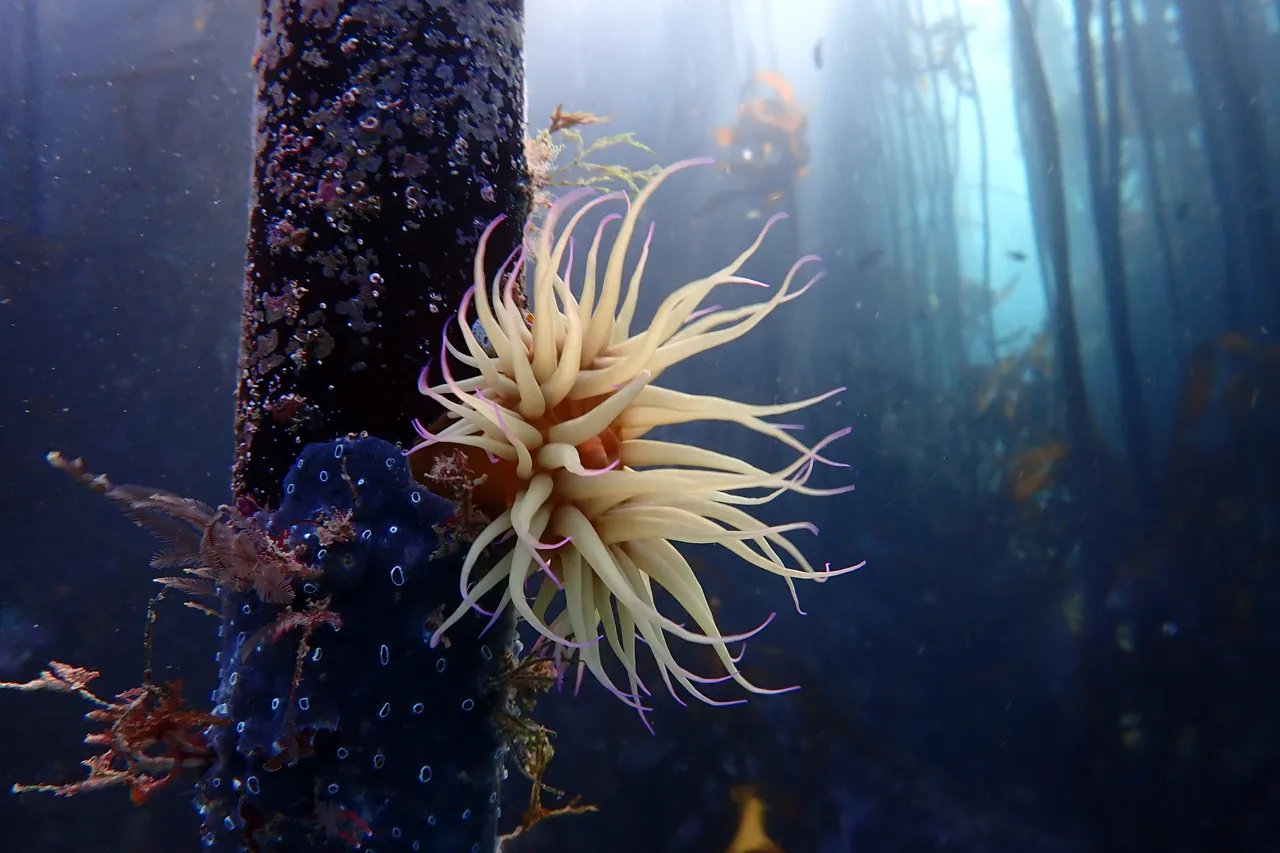
False Bay is rich in biodiversity, from its thriving kelp forests to the vibrant reef communities found beneath its surface. It is a place where people live, work, dive, fish, learn, and explore. Protecting it, while also enabling people to use it sustainably, takes a community that understands its value and is willing to stand up for it as stewards.
Hope Spot initiatives often support citizen science projects, conservation education, marine research, and public engagement programmes. They build awareness, inspire stewardship, and create opportunities for people to actively get involved in ocean conservation.
In many ways, Hope Spots answer a different question: How do we help people care about, and speak up for, the places that matter?
Protection through standards: Blue Flag beaches and marinas
The third layer of protection is one many residents and visitors come across all the time, even if they don’t realise it.
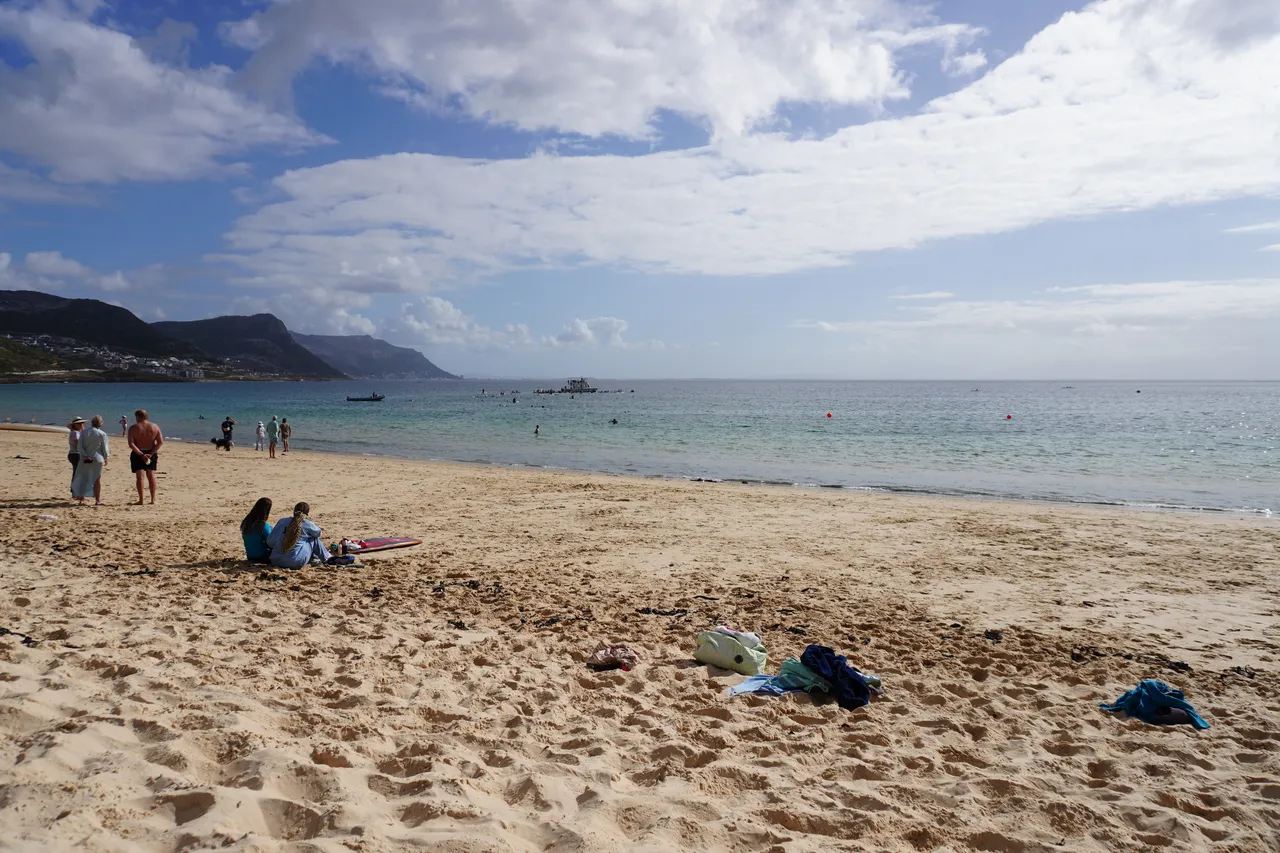
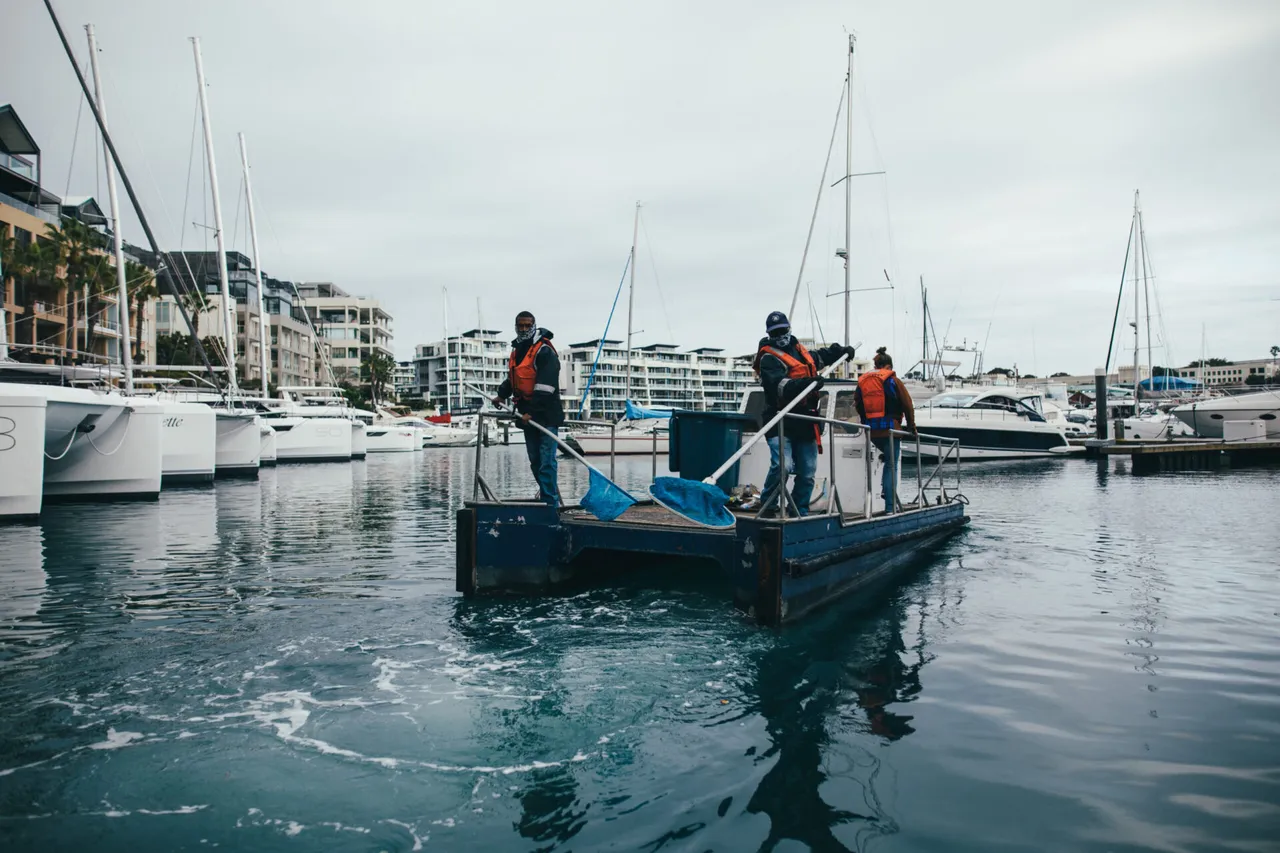
Blue Flag is an internationally recognised environmental certification awarded to beaches and marinas that meet strict standards for water quality, environmental management, safety, accessibility, and environmental education. In South Africa, Blue Flag status is monitored by WESSA. Several Cape Town beaches hold Blue Flag status, including popular destinations such as Camps Bay, Muizenberg, Fish Hoek, Clifton 4th Beach, and Llandudno. The V&A Waterfront marina is also a Blue Flag marina.
Unlike an MPA, Blue Flag isn’t focused mainly on protecting marine biodiversity. And it’s not a place-based community movement like a Hope Spot, either. Instead, Blue Flag is about how coastal spaces are managed. To earn Blue Flag status, beaches and marinas must go through regular inspections and monitoring. Water quality is independently tested, safety measures must be maintained, environmental information must be available to the public, and facilities must meet established standards.
That creates a visible, transparent system of accountability. In other words, if you’re visiting a Blue Flag site, you can feel confident it’s being actively managed according to internationally recognised criteria.
Blue Flag answers another important conservation question: How do we make sure people can enjoy coastal spaces responsibly while maintaining high environmental standards?
Why do we need all three layers?
These three approaches are very different - and that’s the point.
The Table Mountain National Park MPA provides legal protection for important marine habitats and species. The False Bay Hope Spot builds awareness, scientific engagement, and community stewardship around a place people care about. Blue Flag beaches and marinas help ensure some of Cape Town’s busiest coastal spaces are managed responsibly and held to high standards.
As pressures on the ocean continue to grow, ocean conservation will increasingly depend on layered protections like this. Protecting the ocean is about building a culture of stewardship that stretches from government and conservation organisations to local communities, businesses, residents, and visitors alike.
And in Cape Town, that layered approach is already helping to shape a healthier future for the ocean on our doorstep.
Did we miss anything?
These are three of the most widely known examples of the many ways Cape Town’s ocean and coastline are cared for. Many other forms of protection work in the background too, even if they are less visible to the public.
For example:
- Integrated Coastal Management (ICM) helps guide how the shoreline is developed, accessed, and maintained, creating a broader framework for looking after the coastal zone.
- Fisheries regulations control what can be caught, when, and in what quantities, helping to protect vulnerable species and support long-term sustainability.
- Wetlands, estuaries, and nature reserves around the city also play an important role by protecting the habitats that connect land and sea, while international designations such as Ramsar highlight the importance of wetlands to the health of the wider coastal environment.
- WESSA’s Green Coast initiative adds another layer by recognising less-developed coastal sites with high biodiversity value and encouraging municipalities, civil society, and local businesses to co-manage them through agreed standards, monitoring, environmental education, and low-impact tourism.
Together, these quieter layers of governance and conservation help support the health of our coastal systems as a whole.
So, while Marine Protected Areas, Hope Spots, and Blue Flag sites offer three easy ways to understand ocean protection, they’re part of a much bigger network of care - one that stretches from policy and enforcement to community action and ecosystem management. At the Two Oceans Aquarium, we are proud to be a part of the incredible community acting for the ocean and our collective future.
Related News
Sign up to our Newsletter
Receive monthly news, online courses and conservation programmes.