Sharks
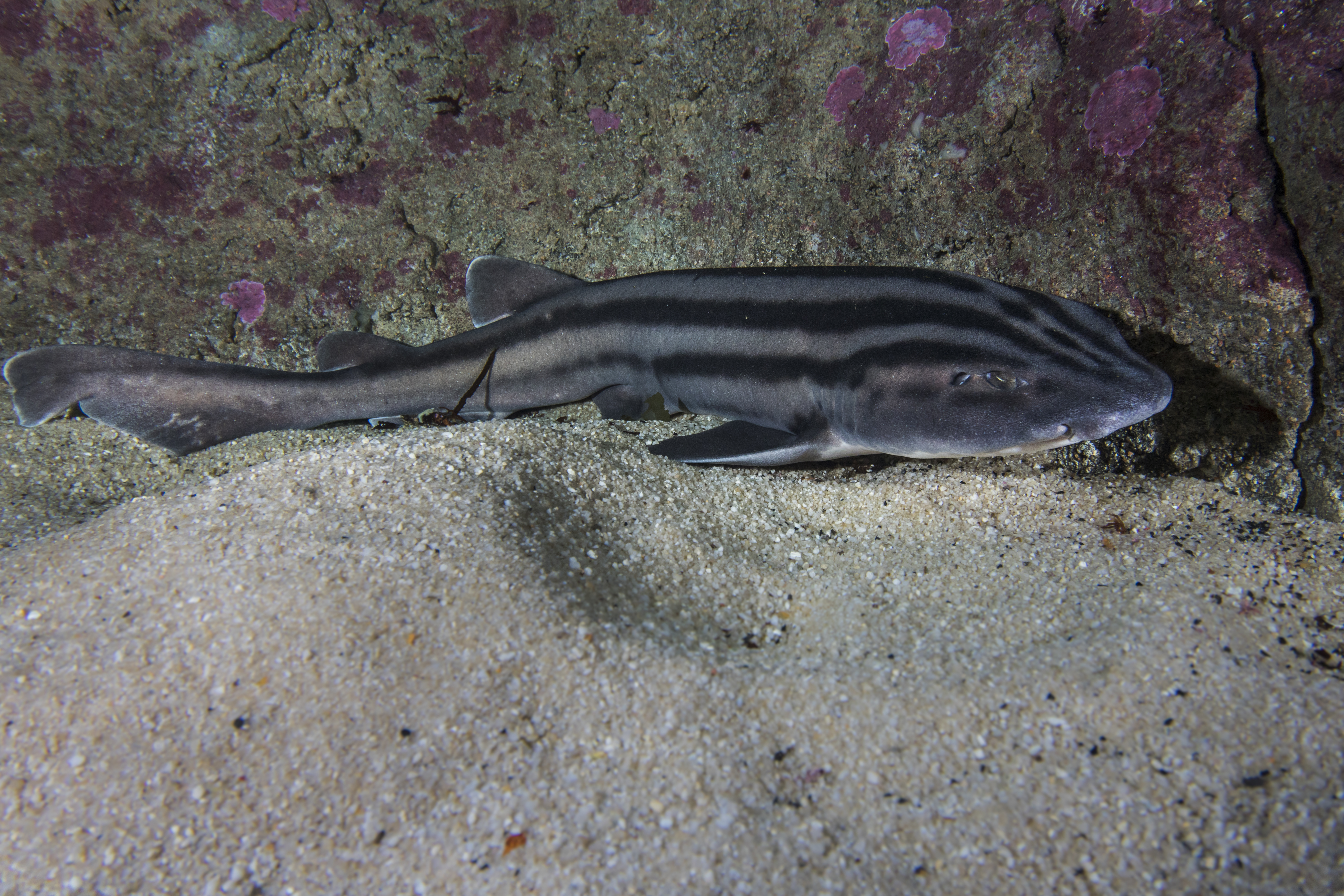
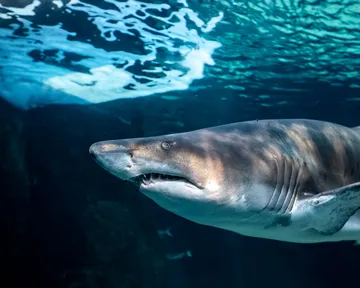
South Africa is home to over 100 species of sharks – about a quarter of the world’s shark diversity. From the large, impressive ragged tooth shark to the smaller, more elusive pyjama catshark, sharks are a vital part of South Africa’s coastal ecosystem, regulating the biodiversity and abundance of other species.
At the Two Oceans Aquarium, you can break your shark misconceptions at the Save Our Seas Foundation Shark Exhibit, meet the camouflaged sharks of the Kelp Forest Exhibit, and discover the intricacies of shysharks' eggs.
Shark Gallery
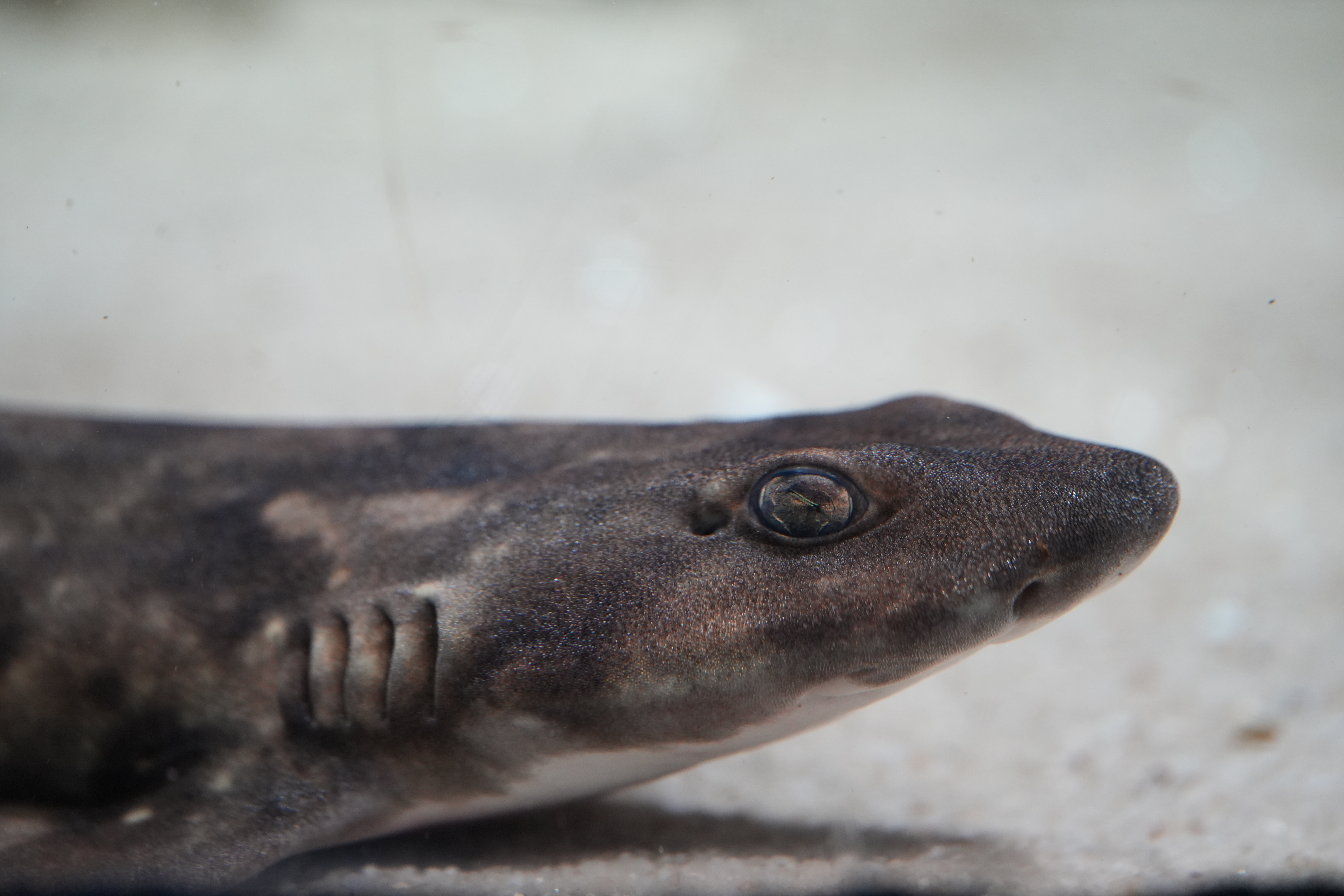
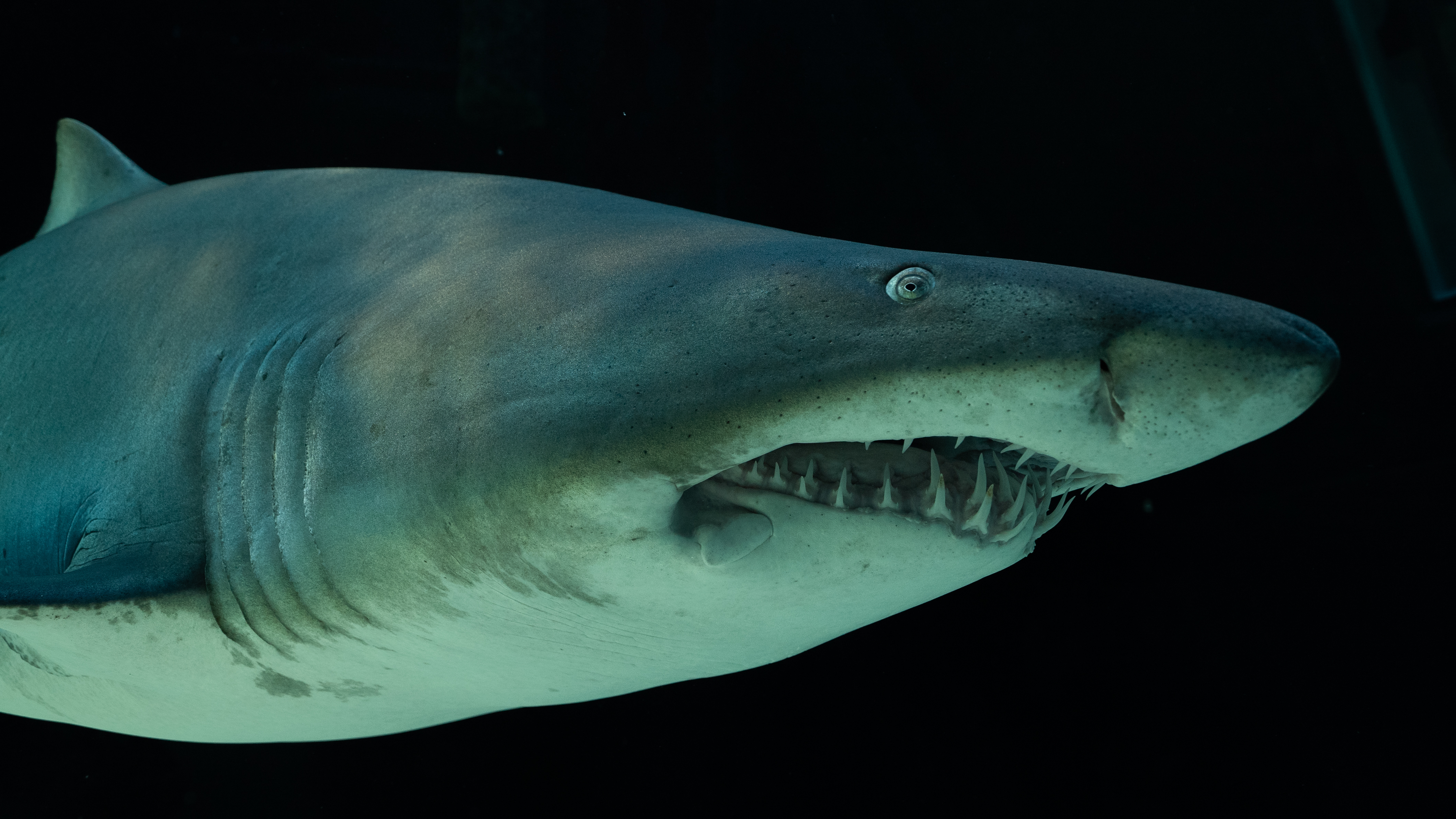
Fun facts about sharks
What is a shark?
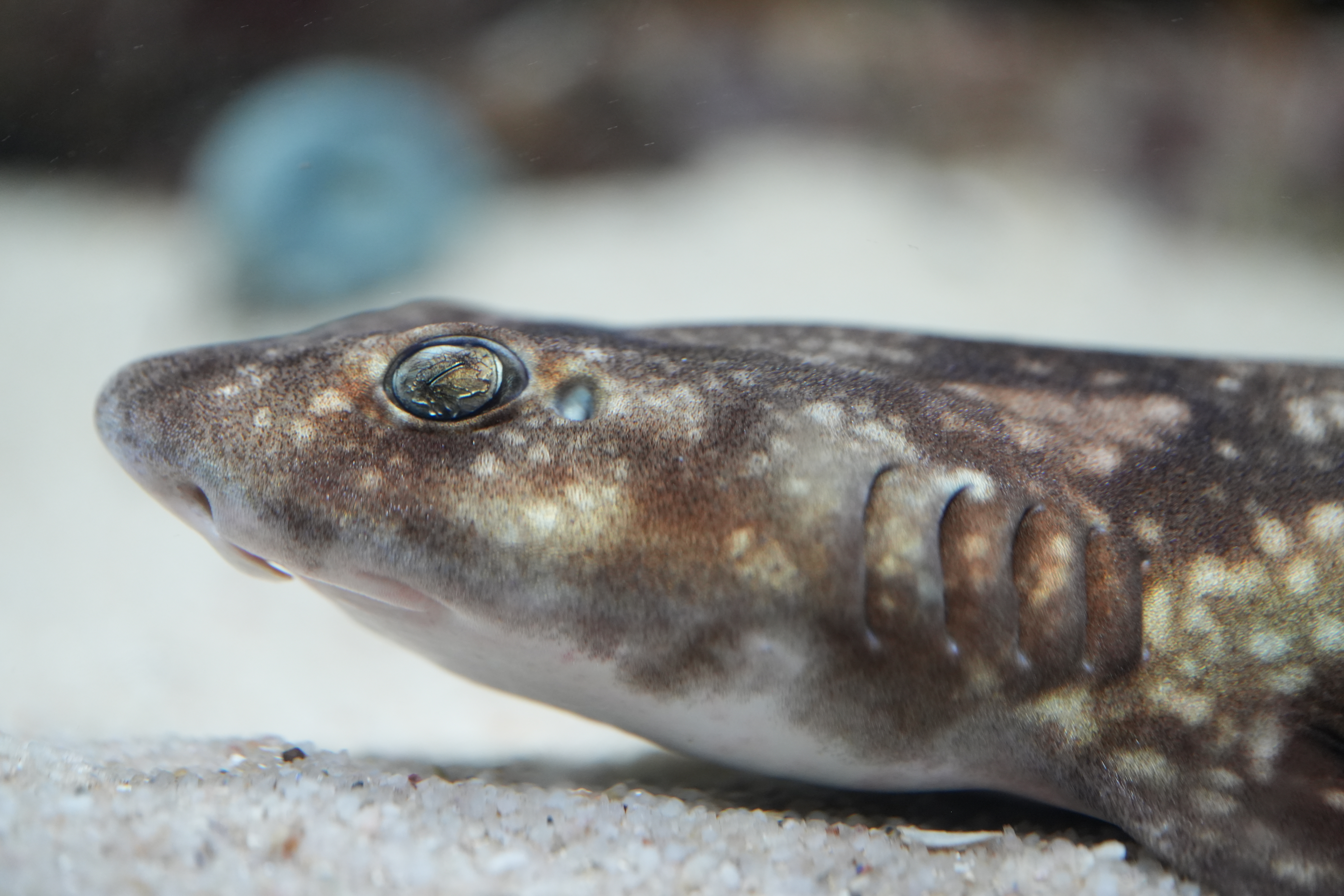
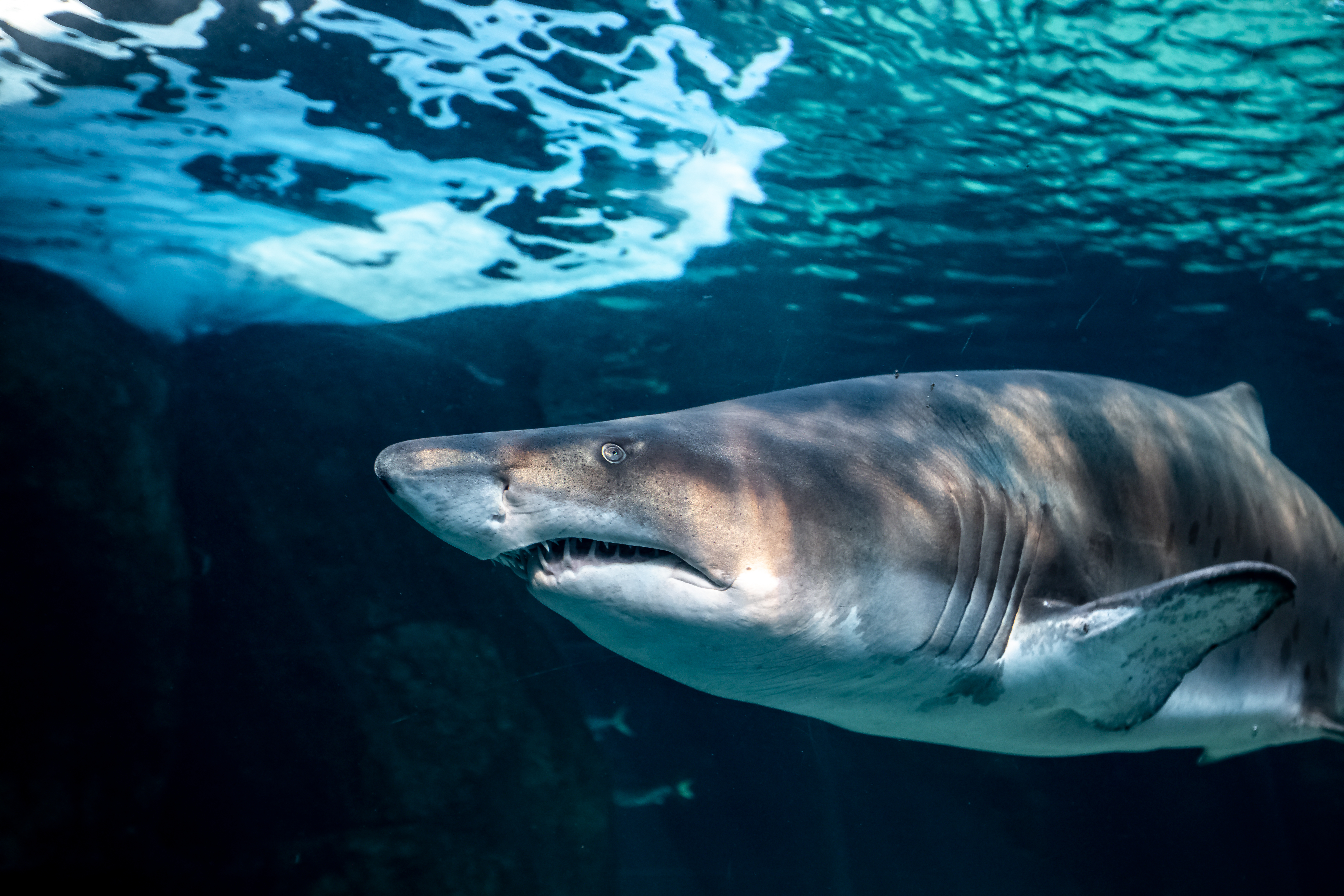
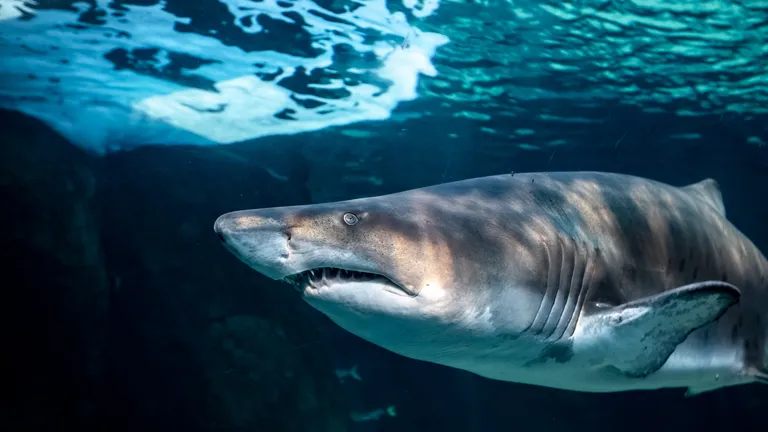
Sharks are “elasmobranchs”: Fish whose skeletons are made of cartilage instead of bone. Most shark species have several incredible adaptations, such as armoured skin covered in denticles, the ability to shed teeth and grow new ones, excellent senses of smell, pressure, and electricity, and a great degree of intelligence. Using all these traits, sharks have evolved to fill a wide variety of ecological niches – enormous whale sharks wander the ocean feeding on microscopic food, our local ragged-tooth sharks use stealth and special teeth for hunting fish, and tiny shysharks look for edible molluscs on the reef.

Habitats and lifestyles
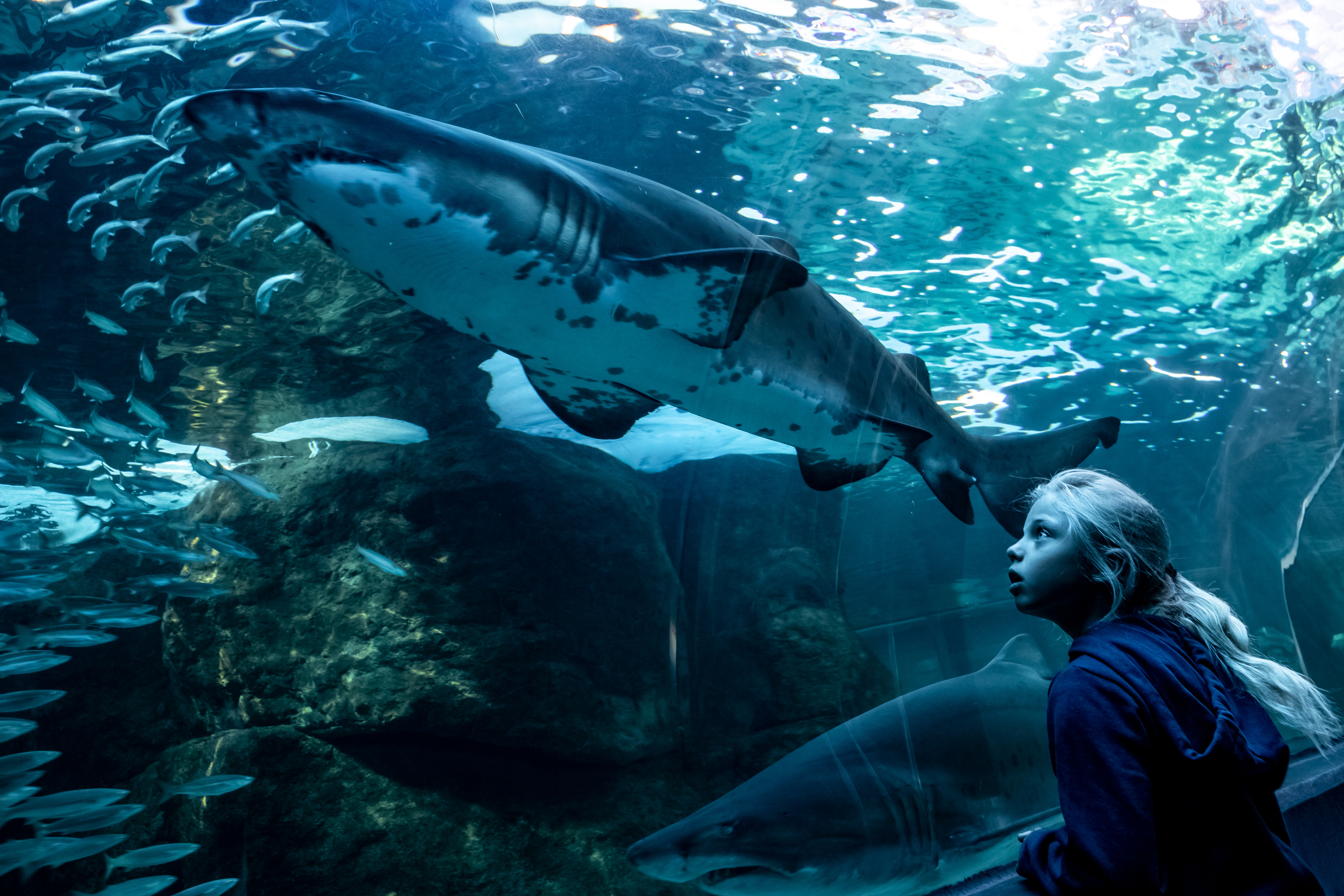
Sharks have different diets depending on their shape and size. Smaller sharks tend to be bottom feeders, hanging around reefs or the ocean floor where they can scavenge or collect the detritus that falls from the surface. Larger shark species typically live closer to the surface, where they hunt a variety of bigger prey, like pelagic game fish and seals. Ragged-tooth sharks have a unique adaptation that helps them ambush prey – they gulp air at the surface, allowing them to be perfectly buoyant and glide completely silently at night!
Breaking misconceptions
Sharks are often portrayed in popular culture as mindless killers, but the reality is very different. In fact, humans kill an estimated 100 million sharks every year. As apex predators, sharks play a vital role in maintaining the health and balance of marine ecosystems. By regulating populations lower down the food chain, they help keep ocean ecosystems resilient and functioning effectively. When shark populations decline, the consequences can ripple throughout the ecosystem, disrupting natural balances, threatening biodiversity, and even impacting our food security, livelihoods, and economic opportunities. Protecting sharks helps safeguard the ecosystems that support life in our ocean and, ultimately, life on Earth. By challenging misconceptions, fostering understanding, and supporting shark conservation, we can help ensure a healthier future for both sharks and people.
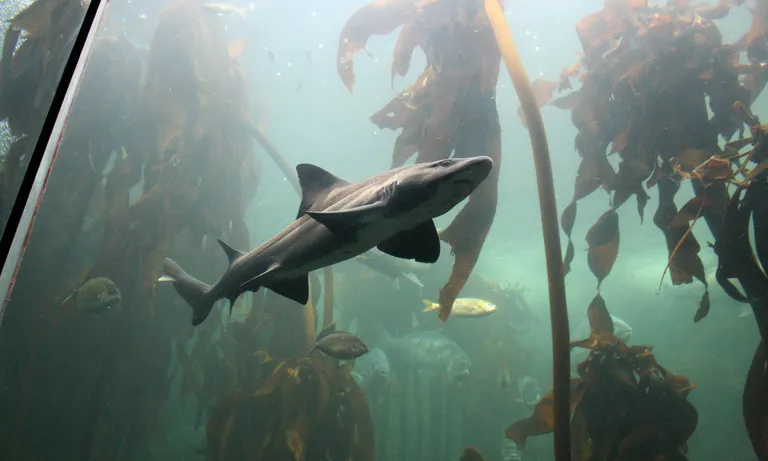
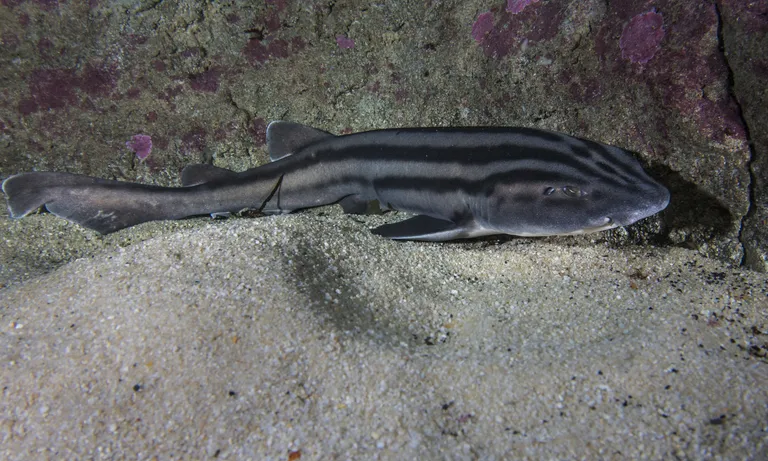
Two Oceans Aquarium ragged-tooth shark conservation programme
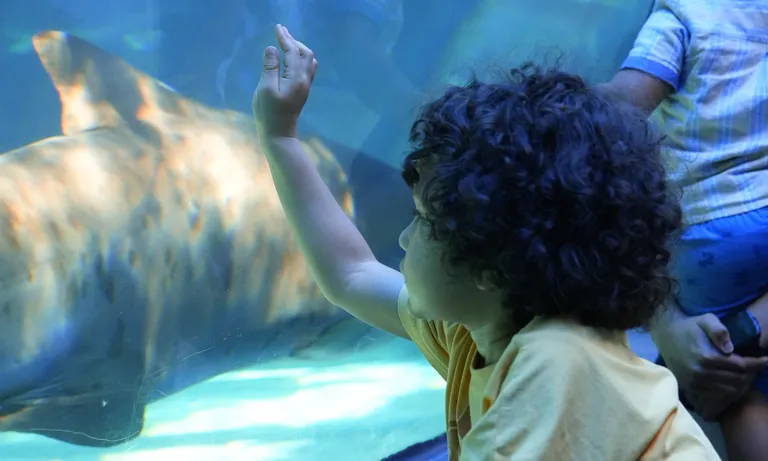
At the Two Oceans Aquarium, our ragged-tooth shark conservation programme centres around education and conservation, with our sharks playing a valuable role as ambassador species. By temporarily including these sharks in our exhibits, we help visitors discover the wonder of the ocean and challenge common misconceptions about sharks. The message these sharks deliver is not to fear them, but to be in awe and wonder of these complex animals.
As ambassadors for their Critically Endangered species, the ragged-tooth sharks in the Save Our Seas Foundation Shark Exhibit have helped thousands of visitors better understand and appreciate sharks. After a few years at the Aquarium, all our ragged-tooth sharks are tagged and released back into their ocean home, where they can continue contributing to healthy ocean ecosystems.
Why tagging matters
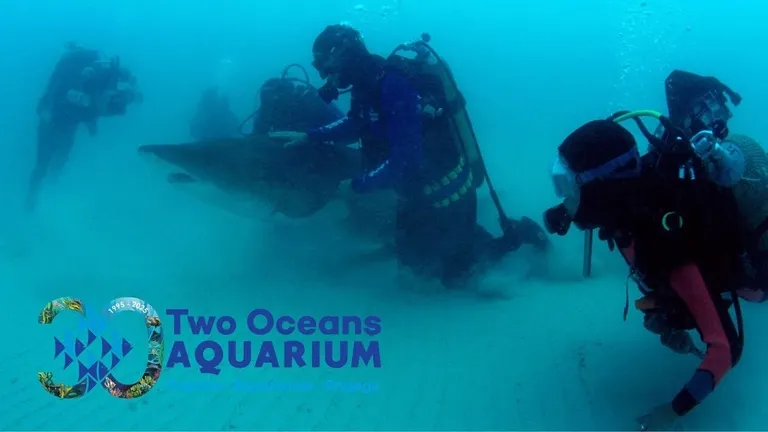
Before their release, most of the Aquarium’s ragged-tooth sharks are fitted with acoustic and spaghetti tags. Together, these tags provide valuable insights into ragged-tooth sharks’ growth, migration, and habitat use. The ocean is increasingly impacted by human activity; this tagging data is critical for protecting ragged-tooth sharks and the spaces they call home.
Despite their wide distribution, raggies are vulnerable to population decline due to their slow reproductive rate. Combined with their preference for shallow coastal areas and nearshore habitats, this makes them especially susceptible to fishing pressure, habitat disturbance, and accidental capture. In an ocean where millions more sharks are killed by humans than vice versa, research and conservation efforts are more important than ever. By releasing these sharks back into the wild, the Aquarium contributes to long-term research efforts while giving them the opportunity to continue their natural role in the marine environment.
Through education, research, and conservation, our work helps advance global understanding of ragged-tooth sharks and supports the protection of this remarkable species.

Save Our Seas Foundation
Shark Exhibit
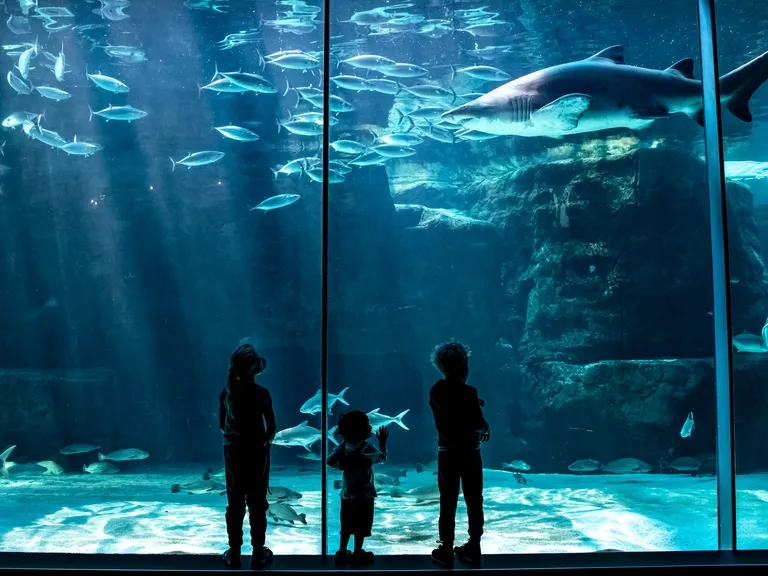
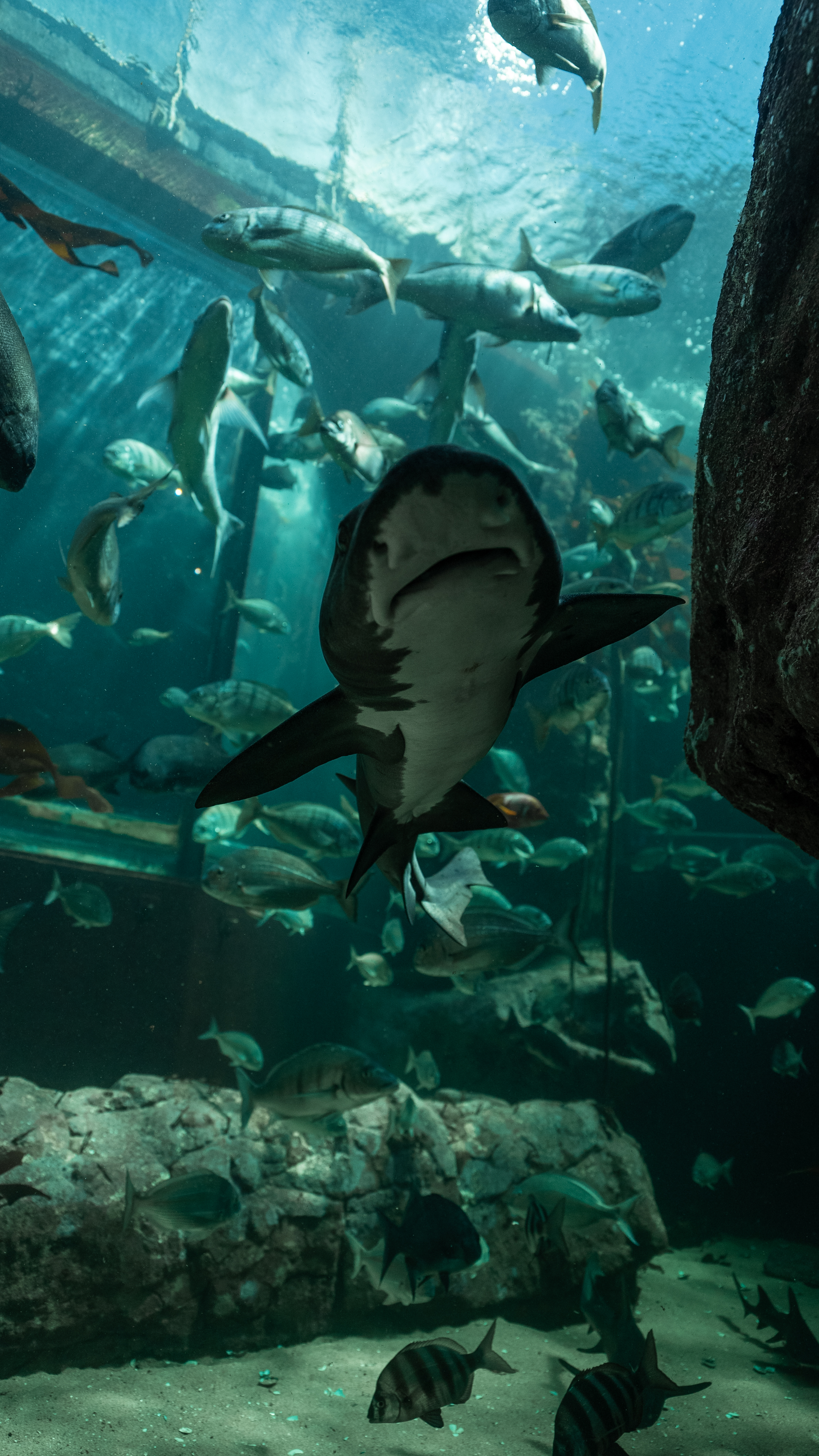
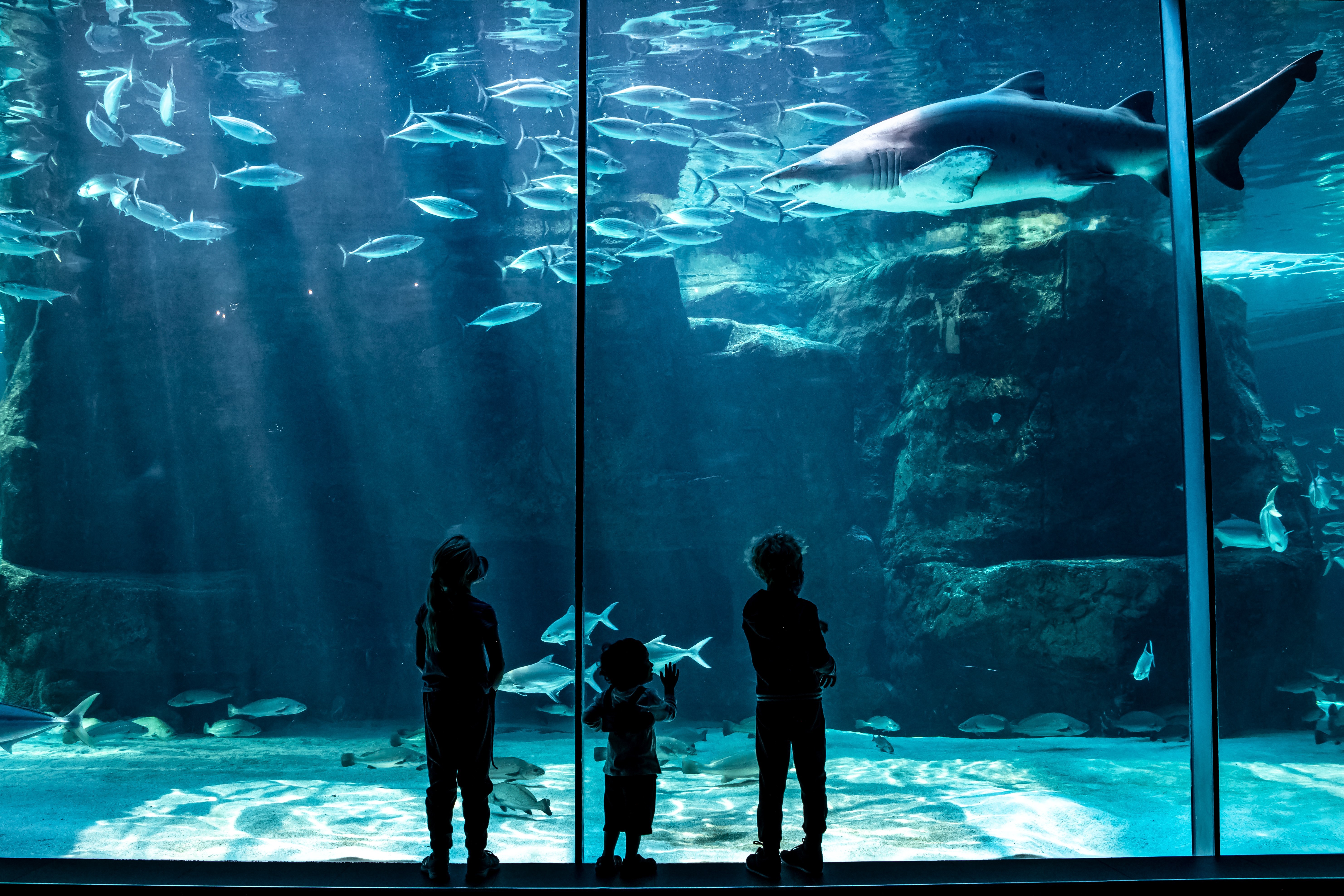
The exciting Save Our Seas Foundation Shark Exhibit gives you the chance to experience a close encounter with some of the most misunderstood species in South Africa's oceans. Meet the shiver of ragged-tooth sharks, watch schools of giant yellowtail hunt for their next meal, and see the curious but territorial yellowbelly rockcod stand its ground with much larger predators. Whether you relax in front of the exhibit's large window or spiral around the accessible viewing ramp, there is an awesome underwater world to discover.
Experience Sharks
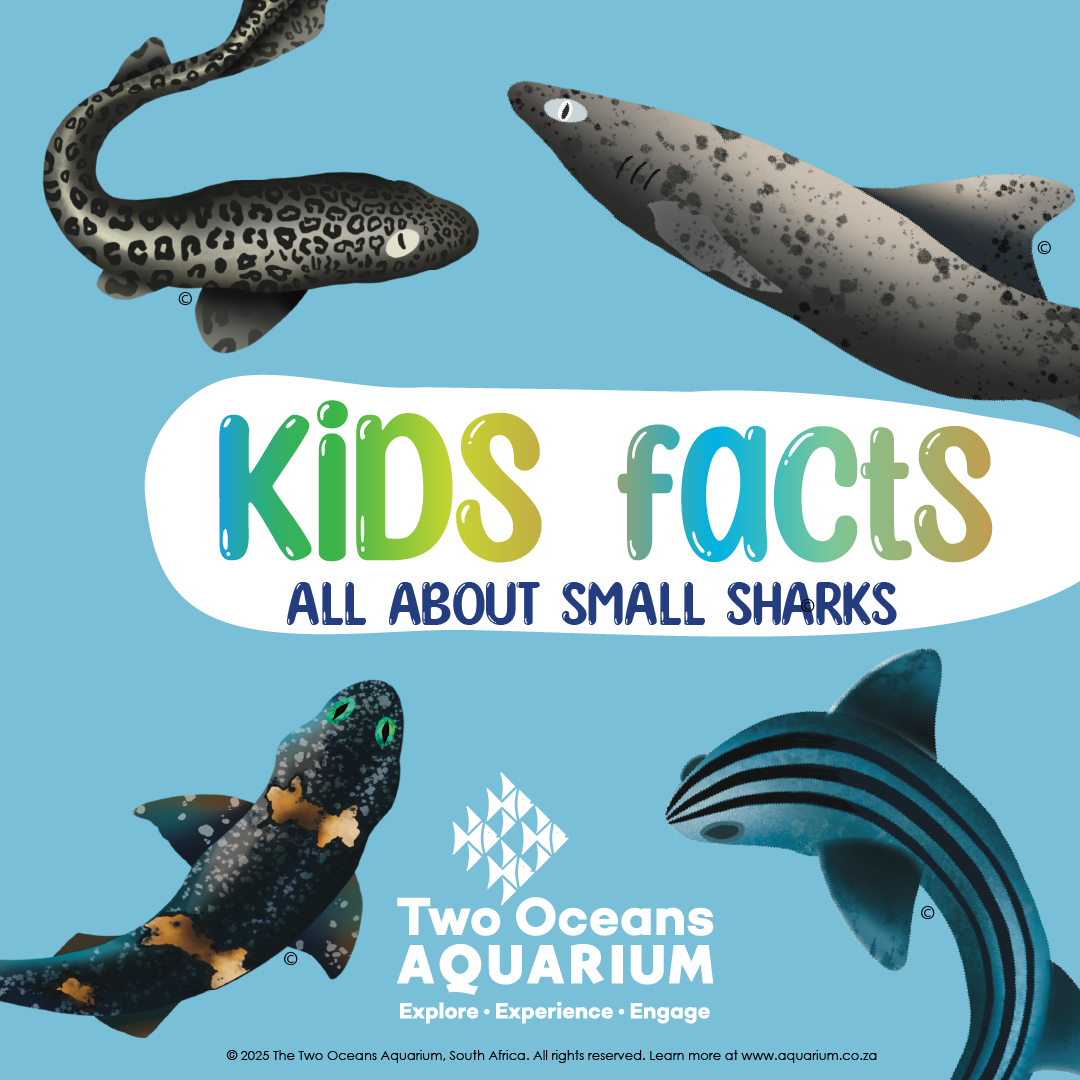
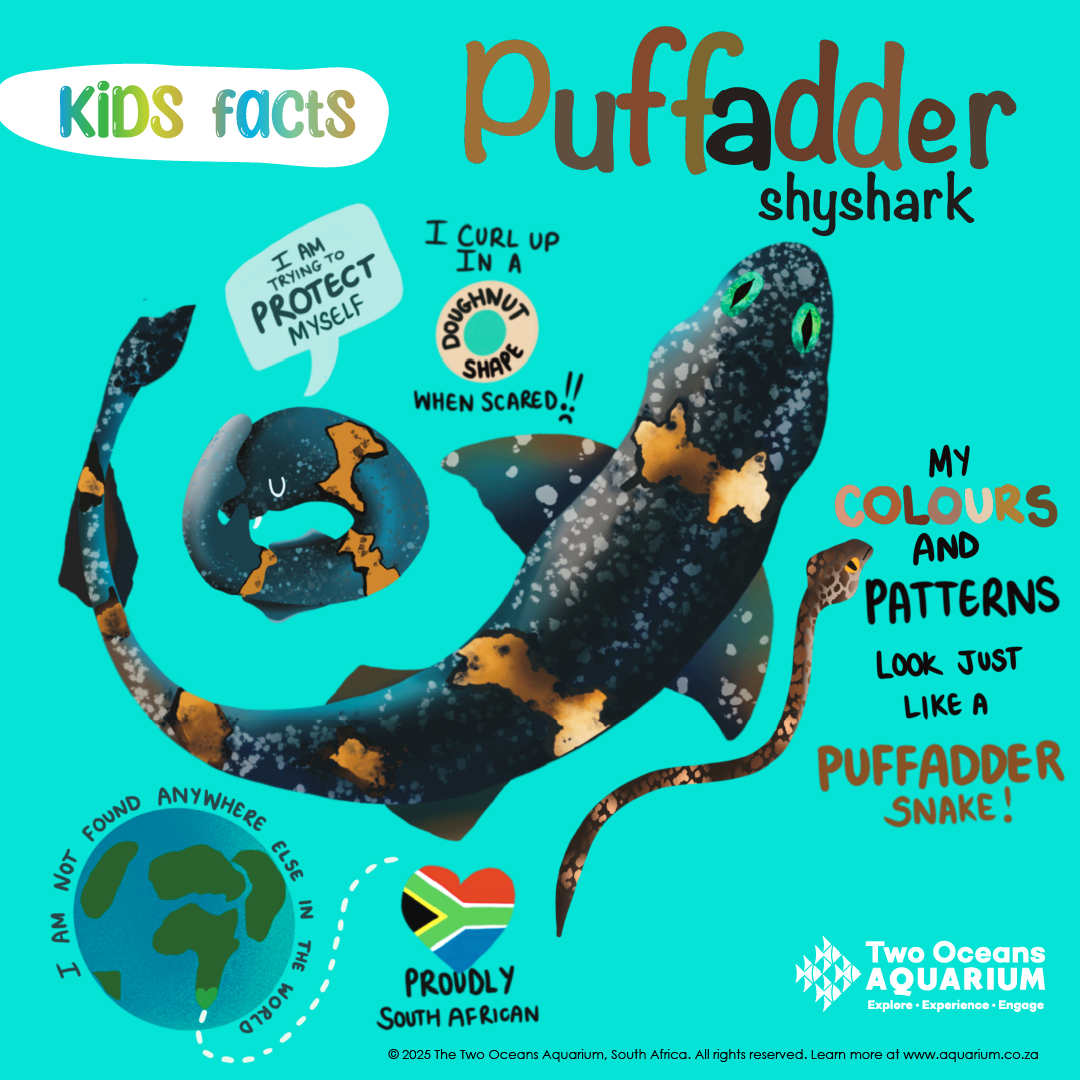
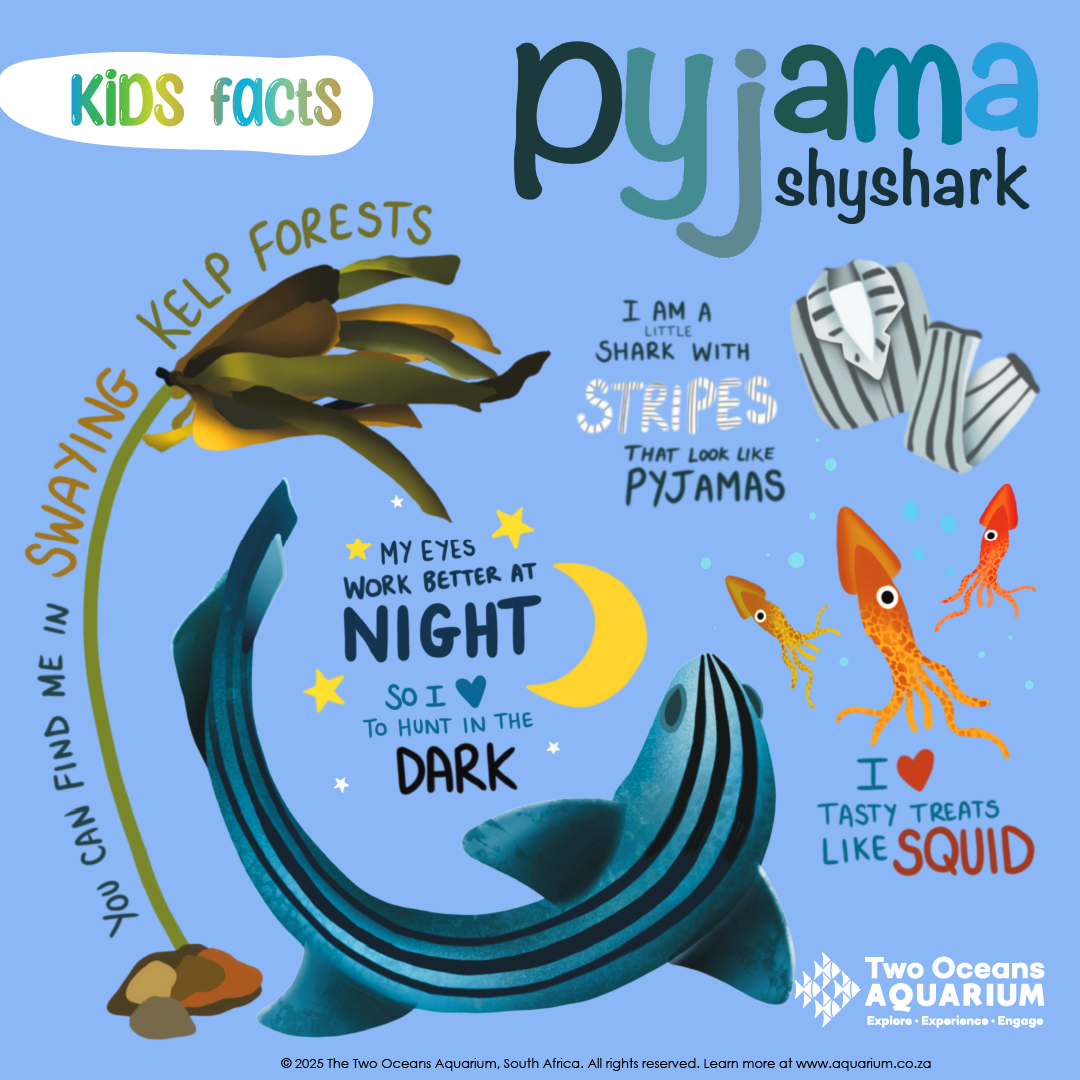
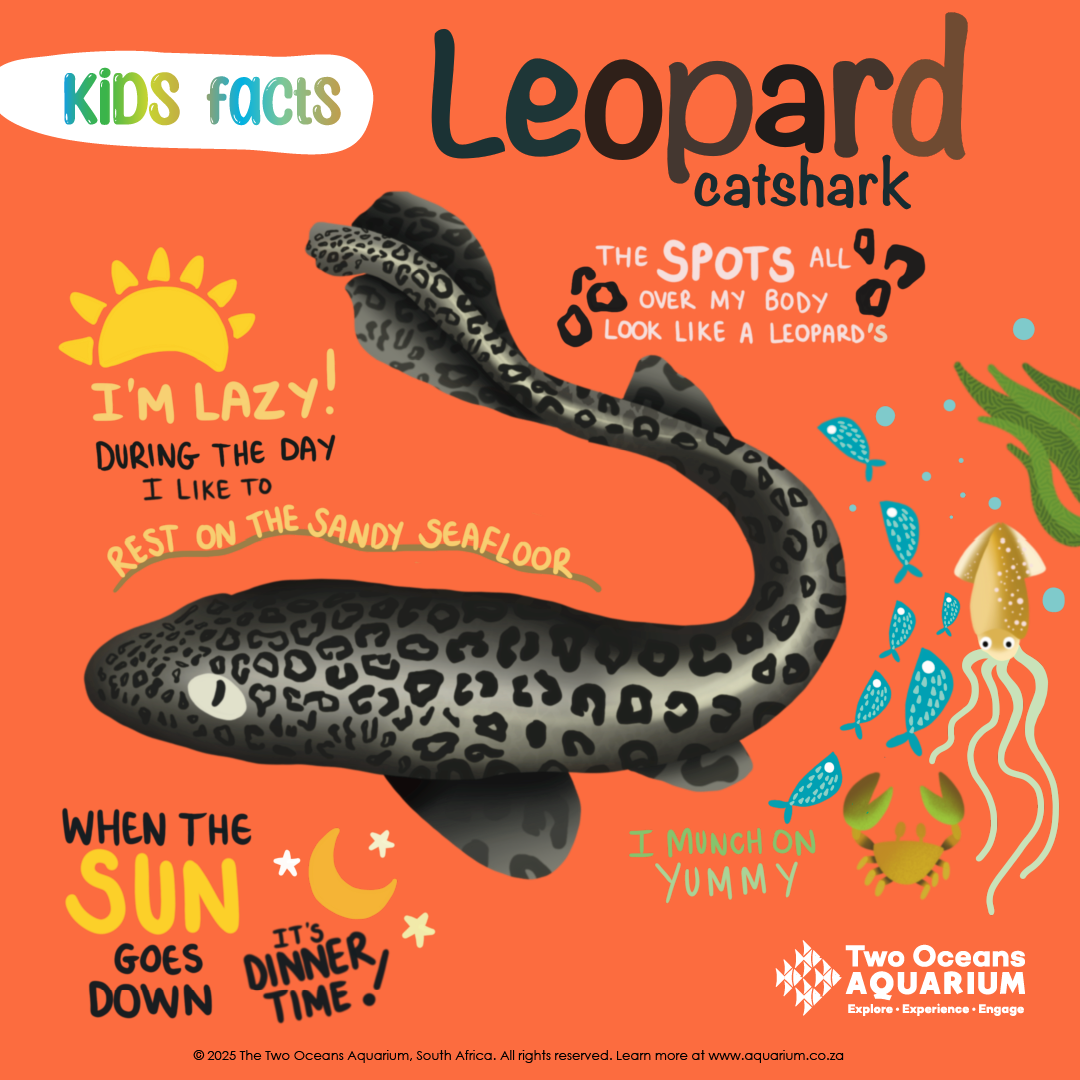
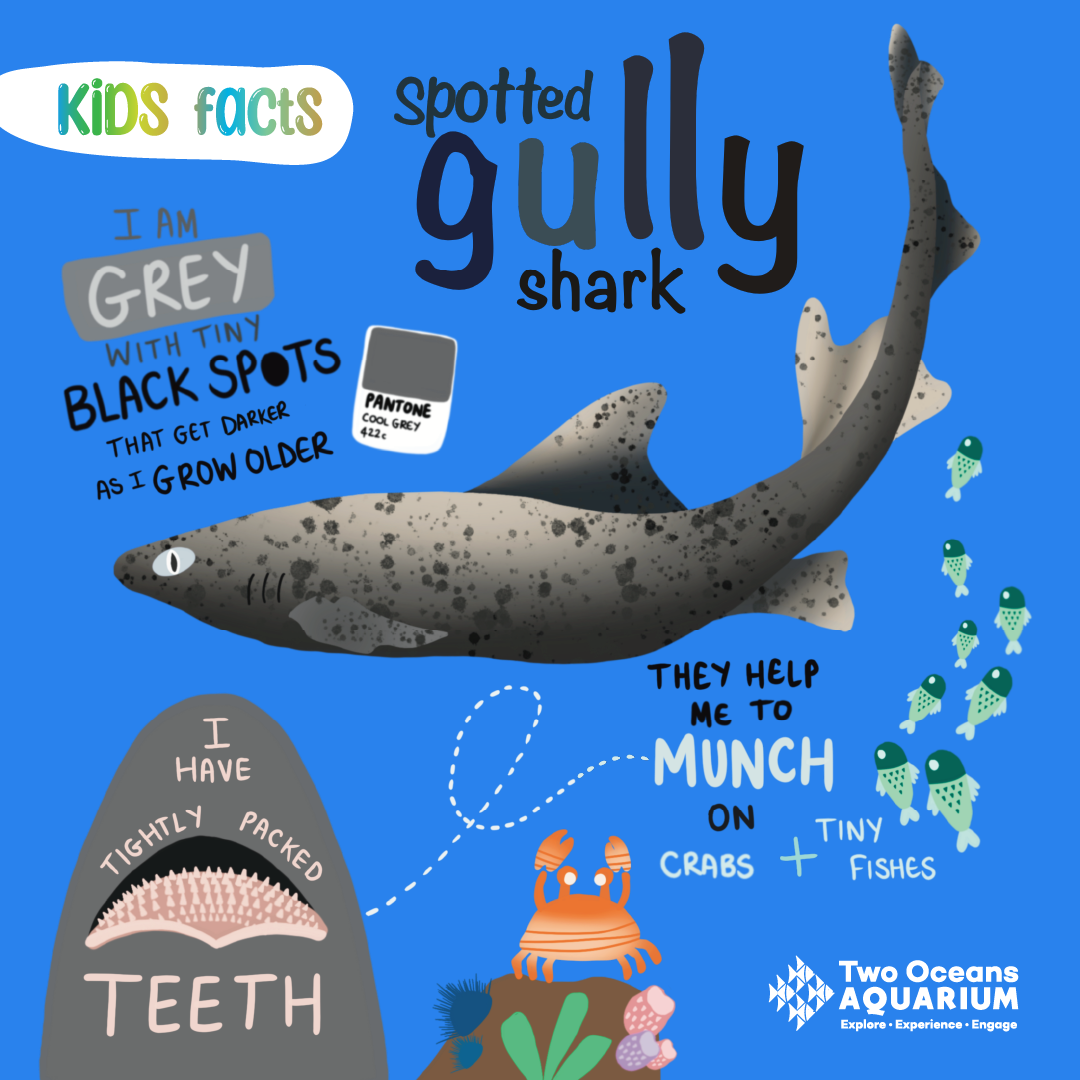
Kids facts: Small sharks