How the Two Oceans Aquarium cares for our Western leopard toads
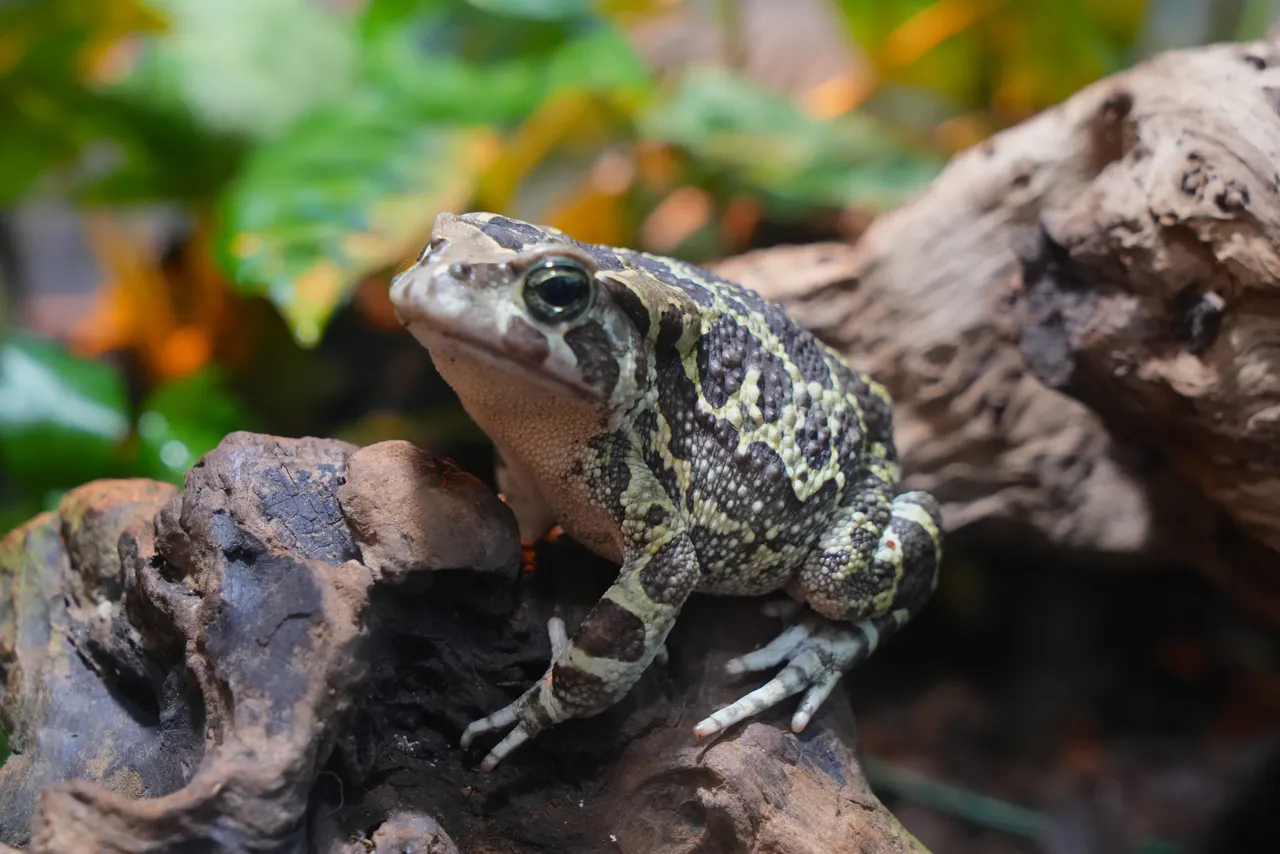
Meet our western leopard toads
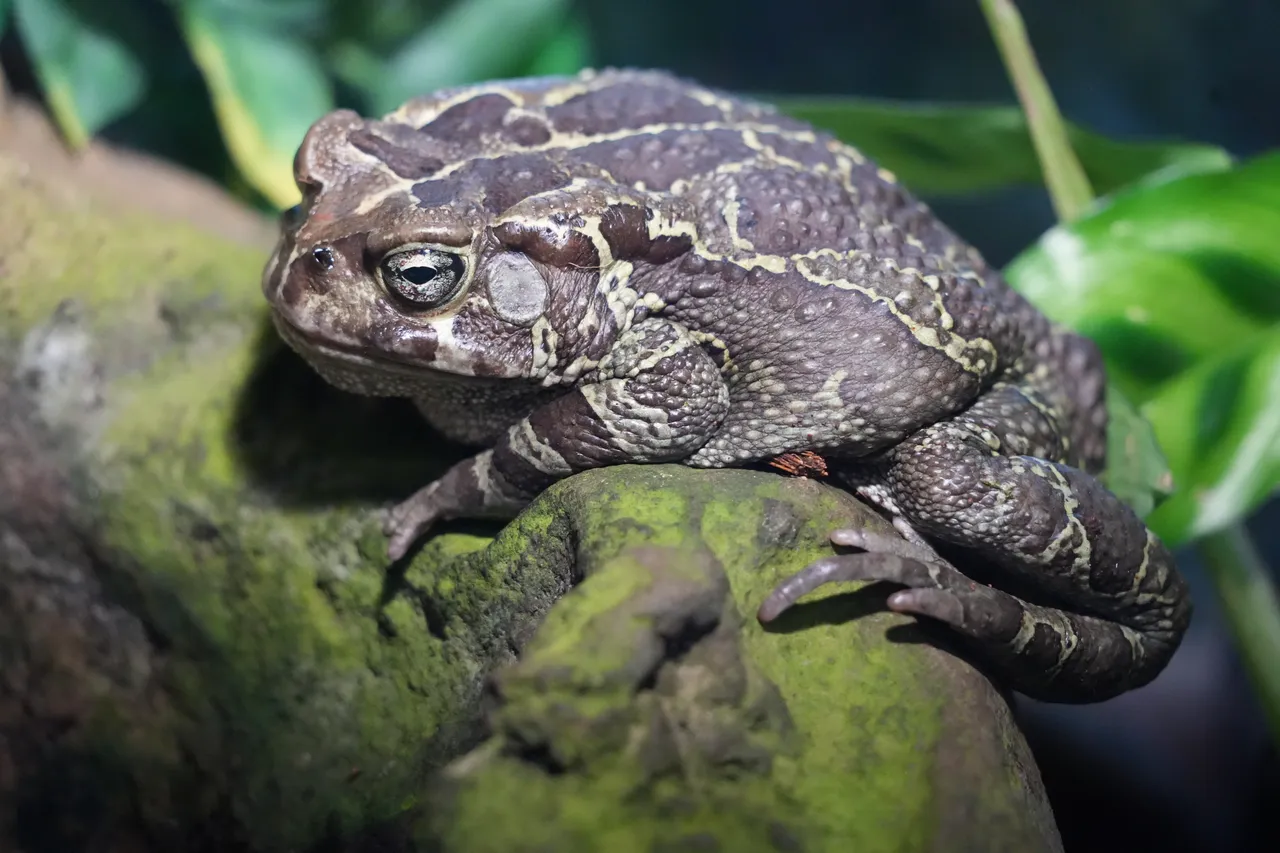
At Two Oceans Aquarium, we are proud to care for four very special western leopard toads: Morgan, Lego, Charlie, and Todd. This beautiful species is endemic to the Western Cape, meaning these toads do not live naturally anywhere else in the world. Western leopard toads are an important part of our local ecosystem, and we are honoured to provide a safe, enriching home for these remarkable survivors.
Each of our toads has a unique story. All four were rescued after unfortunate accidents that left them unable to survive in the wild. Although they can no longer be released, they now live comfortably at the Aquarium, where their health, safety, and well-being are our top priority.
What is animal enrichment?
All the animals at the Aquarium participate in enrichment activities designed by our dedicated aquarists. But what exactly is animal enrichment?
Animal enrichment refers to activities or environmental enhancements that encourage animals to display their natural behaviours. These activities support both physical and mental well-being. In the wild, animals spend much of their time searching for food, exploring their surroundings, avoiding predators, and interacting with their environment. Enrichment helps replicate some of these natural behaviours and challenges in a safe and controlled way.
For our Western leopard toads, enrichment plays a vital role in keeping them active, engaged, and healthy.
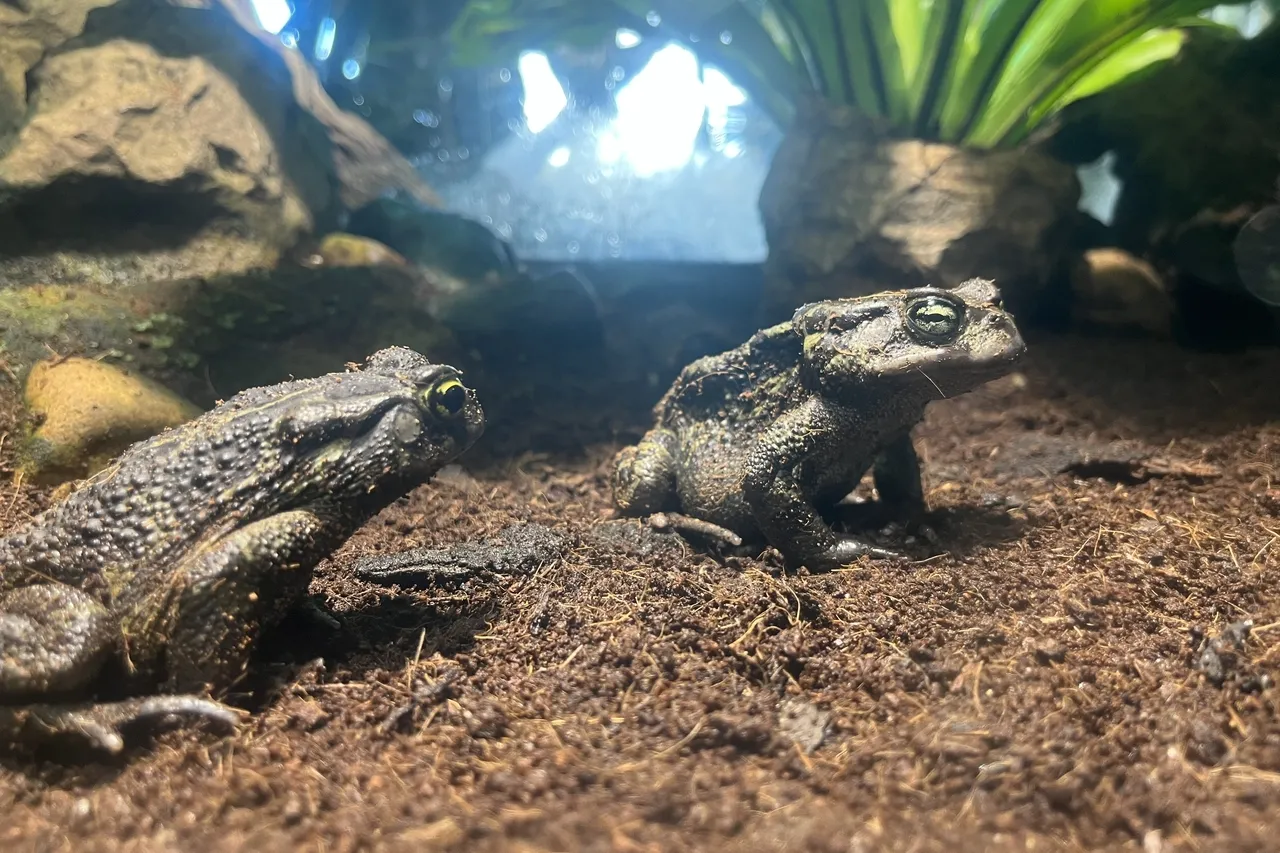
Their rescue stories
Each of our toads carries a story of survival.
- Morgan, who is missing an eye, was hit by a car while crossing the road.
- Lego, who is missing a leg, was also injured in a road accident.
- Charlie was bitten by a dog.
- Todd was sprayed with insecticides, which resulted in ongoing neurological issues.
In the Cape, Western leopard toads migrate to their breeding grounds during the rainy winter months. During this time, they are especially vulnerable to road traffic and other urban dangers. Sadly, these threats are common in areas where human development overlaps with their natural habitat.
Because of their injuries and lasting conditions, Morgan, Lego, Charlie, and Todd would not be able to defend themselves, hunt effectively, or migrate successfully in the wild. The Aquarium is now their permanent home, where our aquarists carefully monitor their health and ensure their needs are met.
Feeding time: A key part of enrichment
Feeding time is one of the most important enrichment activities for our toads.
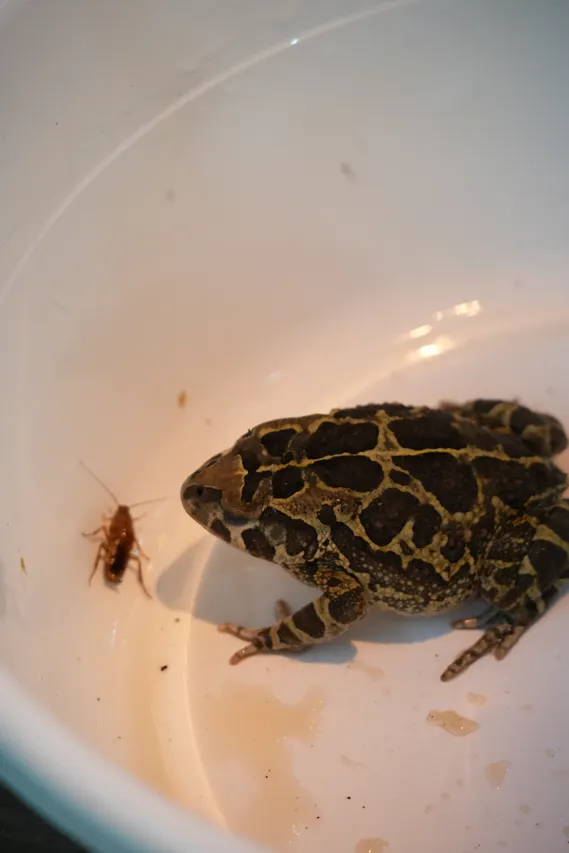
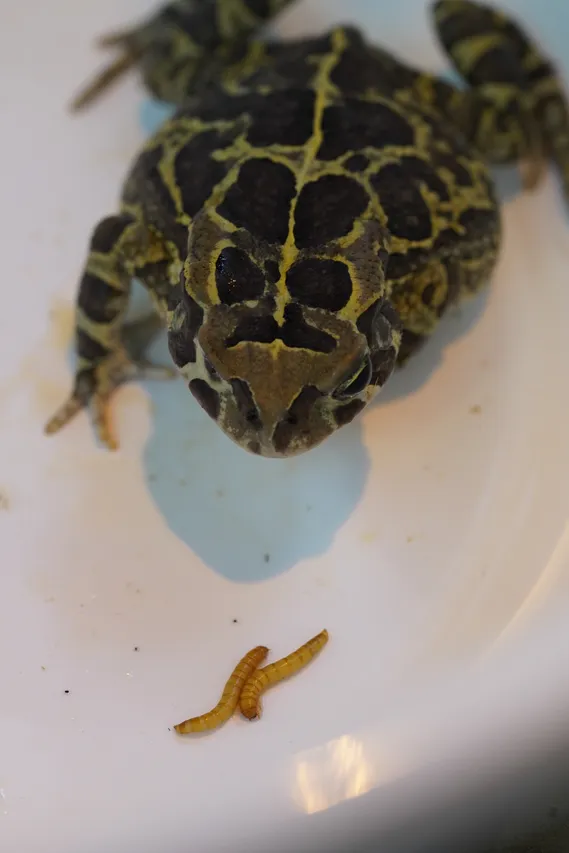
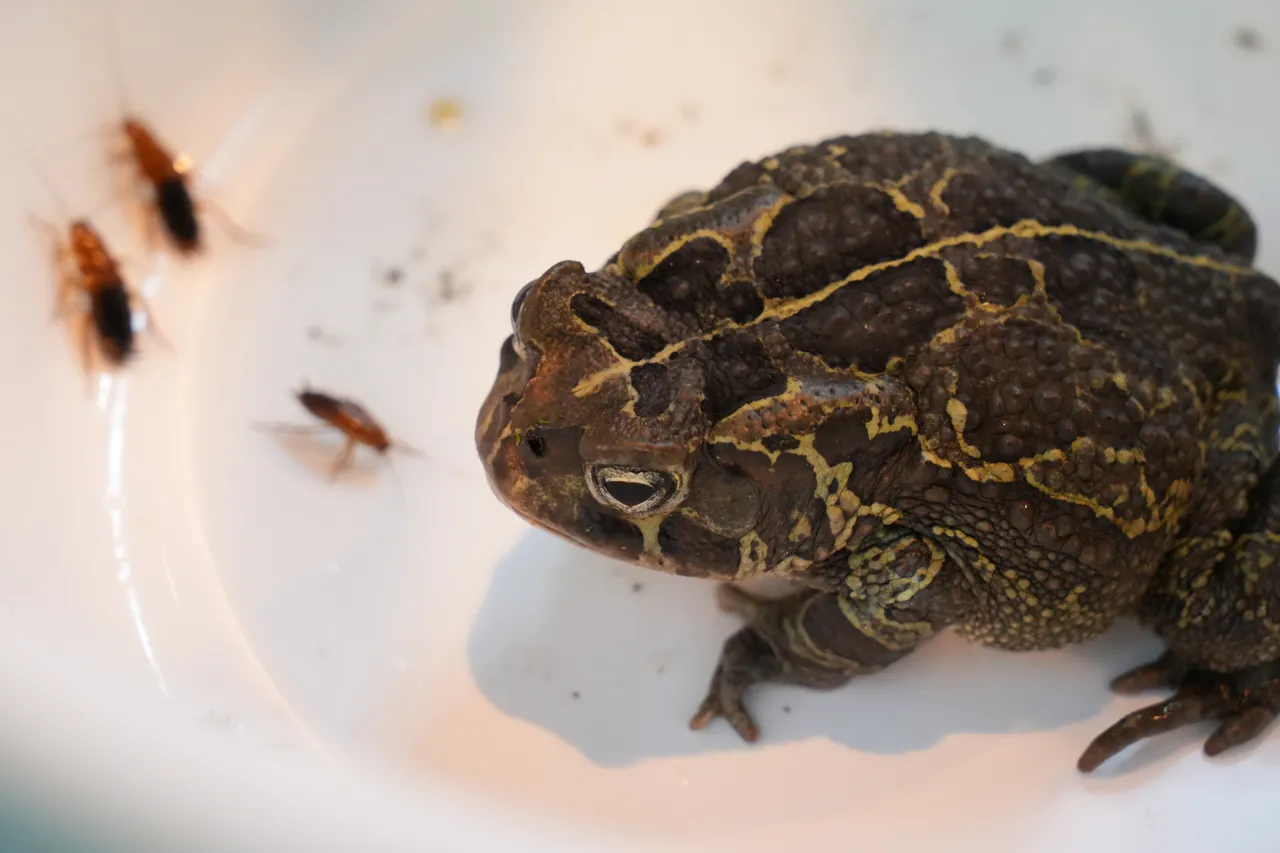
To prevent live insects from breeding inside their exhibit, the toads are fed outside their exhibit space. Each toad is placed in an individual bowl during feeding to ensure they all receive the correct amount of food and to prevent competition.
Their diet consists of live insects such as worms, cockroaches, and crickets. Feeding live prey is important because it allows the toads to engage in natural hunting behaviours. They rely heavily on movement to detect food: If a worm doesn’t move, the toads are unlikely to go for it. In the wild, they feed on live, moving insects, so this approach closely mimics their natural feeding behaviour.
Morgan, because she is missing one eye, receives a bit of extra assistance. Her food is carefully positioned in front of her good eye so she can clearly see it and catch it successfully. This small adjustment helps ensure she remains confident and capable during feeding time.
The toads are weighed once a month to monitor their health and ensure they are maintaining a healthy weight. This also helps aquarists adjust feeding amounts if necessary to prevent underfeeding or overfeeding.
Although they are wild animals, our toads are harmless to humans and tolerate gentle handling when necessary for health checks.
Toads versus frogs: What’s the difference?
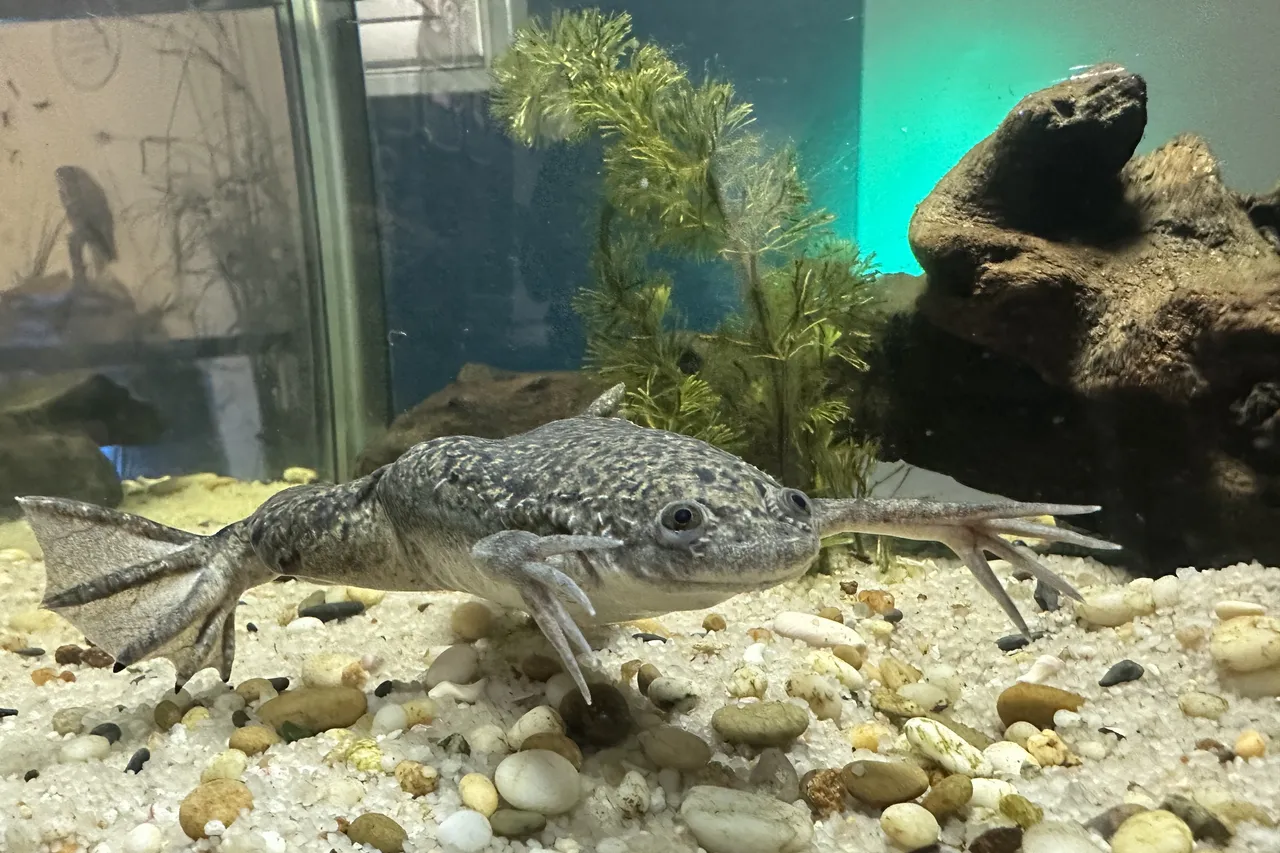
People often use the words “frog” and “toad” interchangeably, but there are differences between them.
Toads are generally more terrestrial, meaning they spend most of their time on land. They have drier, bumpier skin and are adapted to survive away from water for longer periods. While they still require access to water, especially during breeding season, they do not need to remain in water constantly. Frogs, on the other hand, typically have smoother, more moist skin and are more closely tied to aquatic environments.
Western leopard toads are also burrowing animals. They naturally seek out dark, moist places to hide during the day. In their exhibit, they enjoy resting under leaves, inside caves, or in shaded areas that mimic their natural habitat. Providing hiding spots is another important part of their enrichment, as it allows them to feel safe and display natural behaviours.
Migration and conservation
During the rainy winter season, Western leopard toads migrate to breeding sites, sometimes travelling distances of up to 10km in a single day. These migrations are crucial for the survival of the species, but they also place the toads at significant risk, particularly from road traffic.
Urban expansion has reduced and fragmented much of their natural habitat, making conservation awareness incredibly important. By caring for Morgan, Lego, Charlie, and Todd, the Aquarium aims to educate visitors about the challenges this endemic species faces and the importance of protecting local wildlife.
A safe and enriching home
While their journeys have been difficult, Morgan, Lego, Charlie, and Todd now live in a safe environment where they receive specialised care, proper nutrition, and daily enrichment.
Their stories remind us of the impact human activity can have on wildlife, but also of the difference compassion and conservation efforts can make.
Next time you visit the Two Oceans Aquarium, take a moment to meet our Western leopard toads and learn more about this incredible Western Cape species.
Related News
Sign up to our Newsletter
Receive monthly news, online courses and conservation programmes.