Appearance and lifestyle:
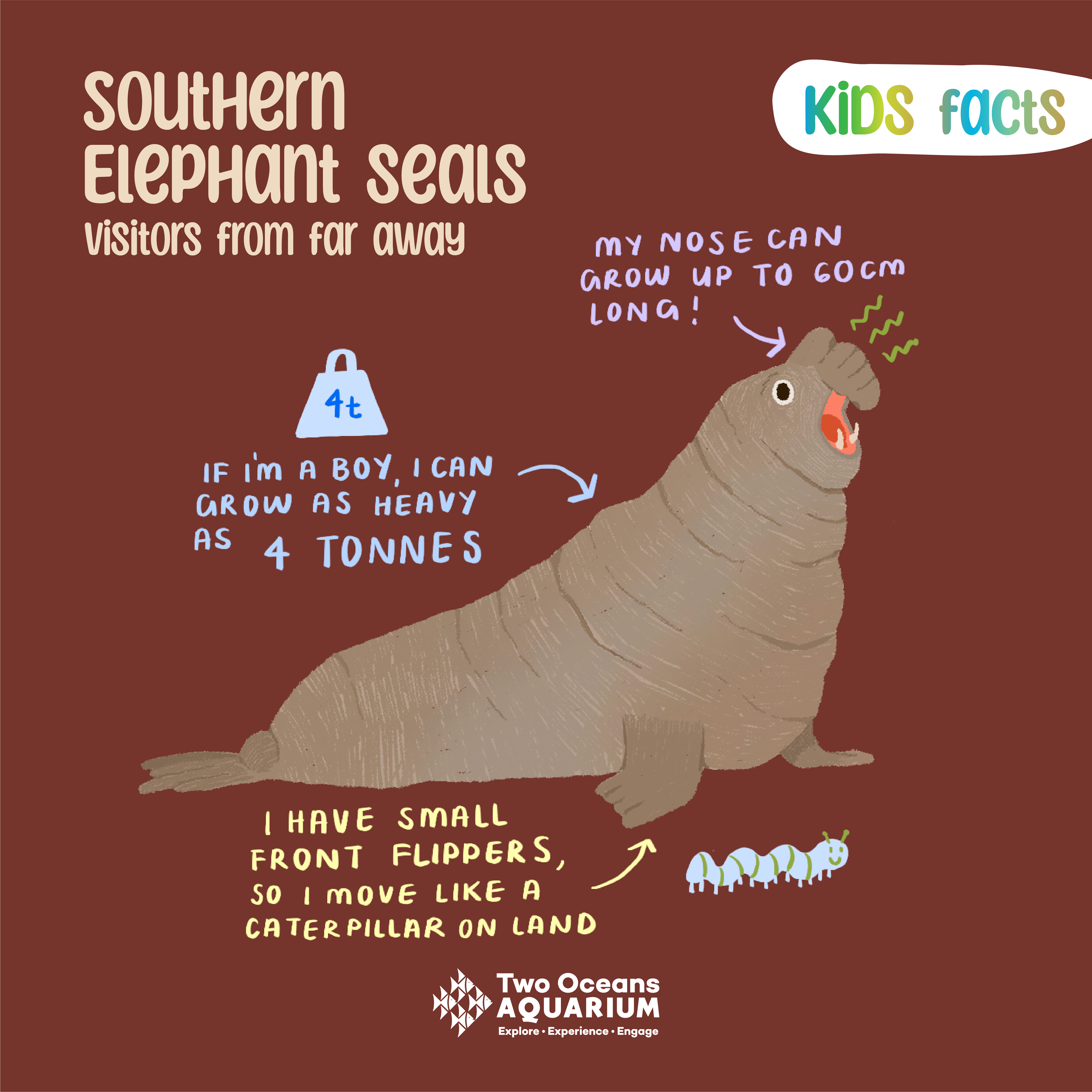
The southern elephant seal (Mirounga leonina) is the largest seal species in the world. Adult males can grow up to seven metres in length and weigh as much as 5 000kg, while females are considerably smaller, reaching around three metres in length and weighing up to 900kg. Males are easily recognised by their enormous size and distinctive inflatable proboscis, or trunk-like nose, which resembles an elephant's trunk and gives the species its name.
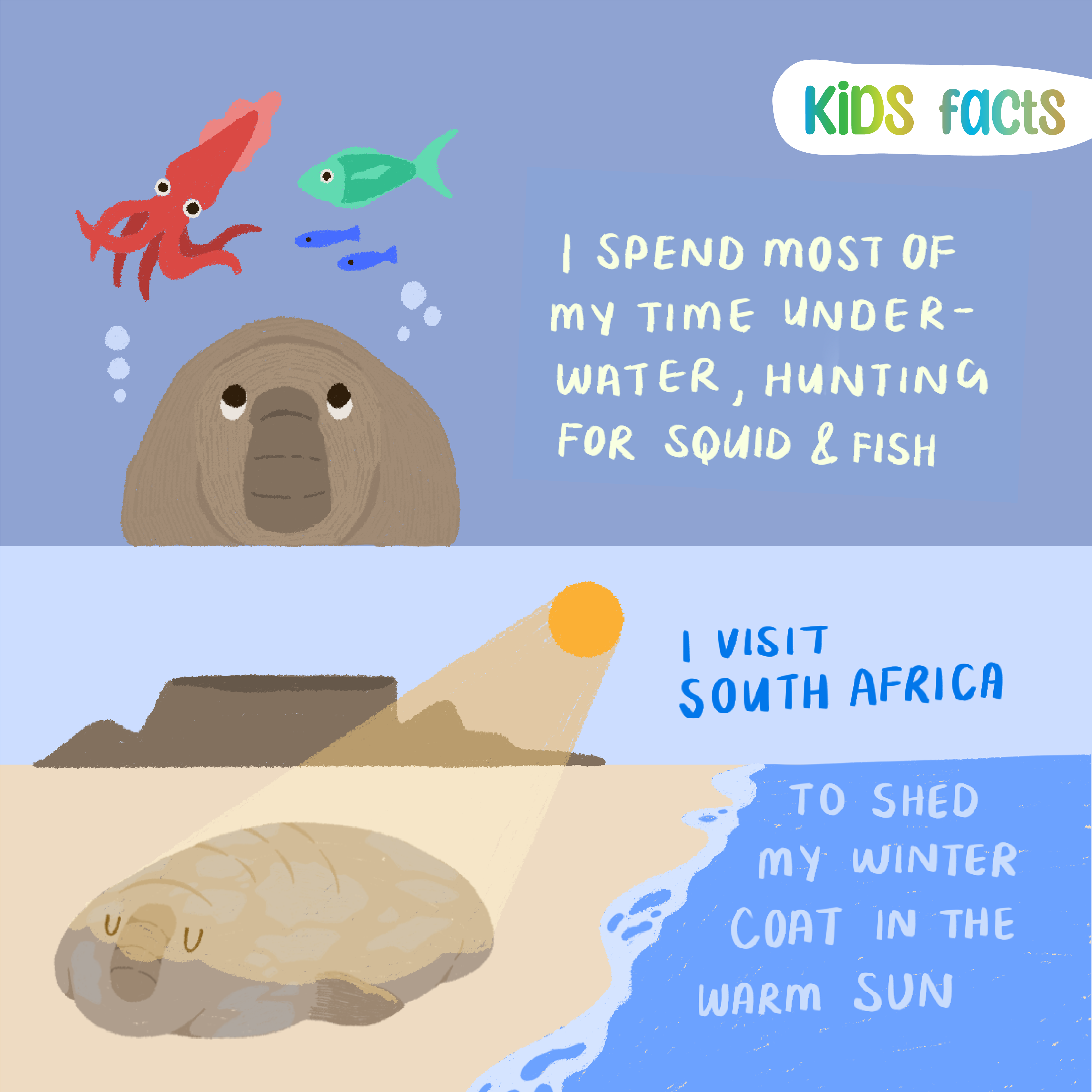
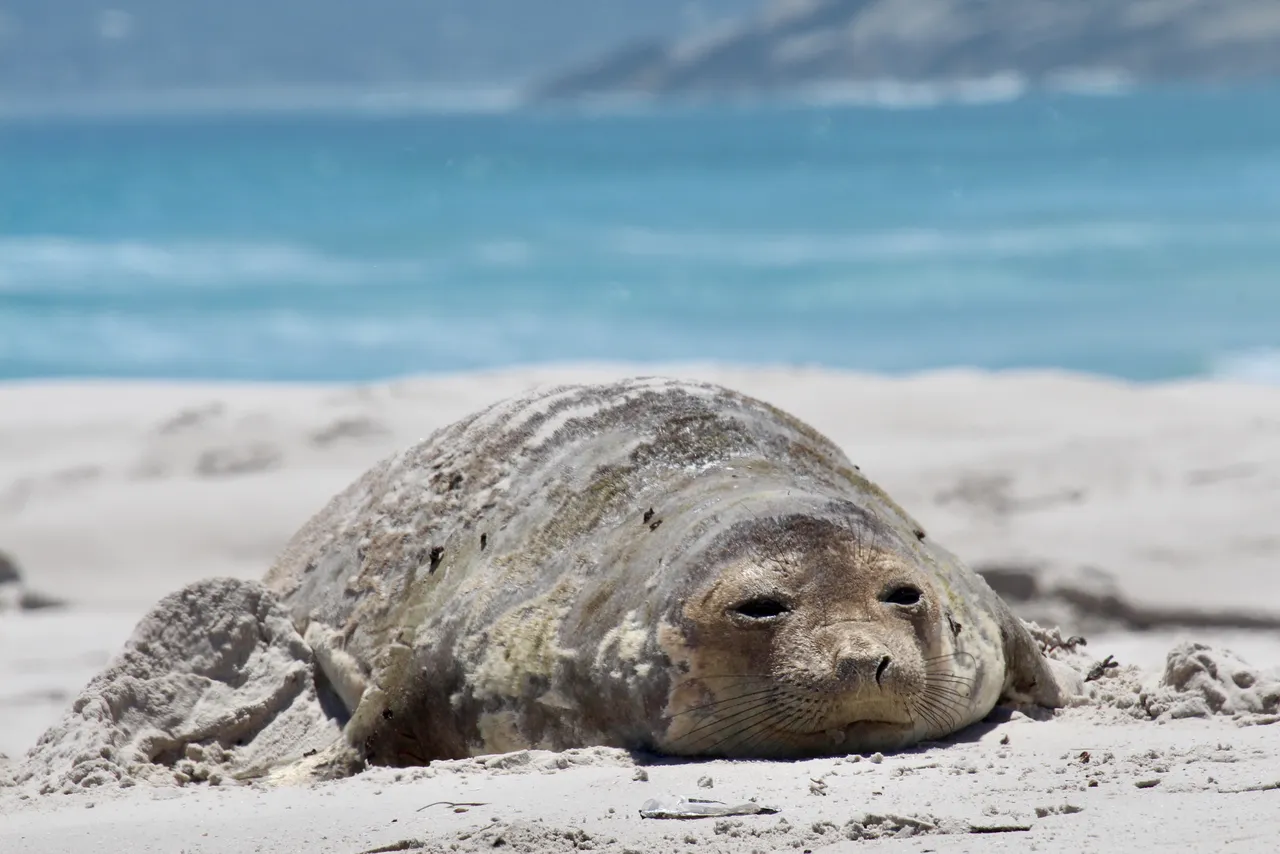
Southern elephant seals spend most of their lives at sea, returning to land only to breed, give birth, and moult. During their annual moult, they shed their outer layer of skin and fur in a process known as a catastrophic moult. This process is physically demanding and requires the animals to spend extended periods resting ashore.
These remarkable marine mammals are among the deepest-diving seals in the world. They are capable of diving to depths of more than 2 000m and can spend long periods underwater while searching for food.
Habitat:
Southern elephant seals are found throughout the Southern Ocean and have a circumpolar distribution around Antarctica. They breed and moult on subantarctic and Antarctic islands, including Marion Island, South Africa's closest breeding colony.
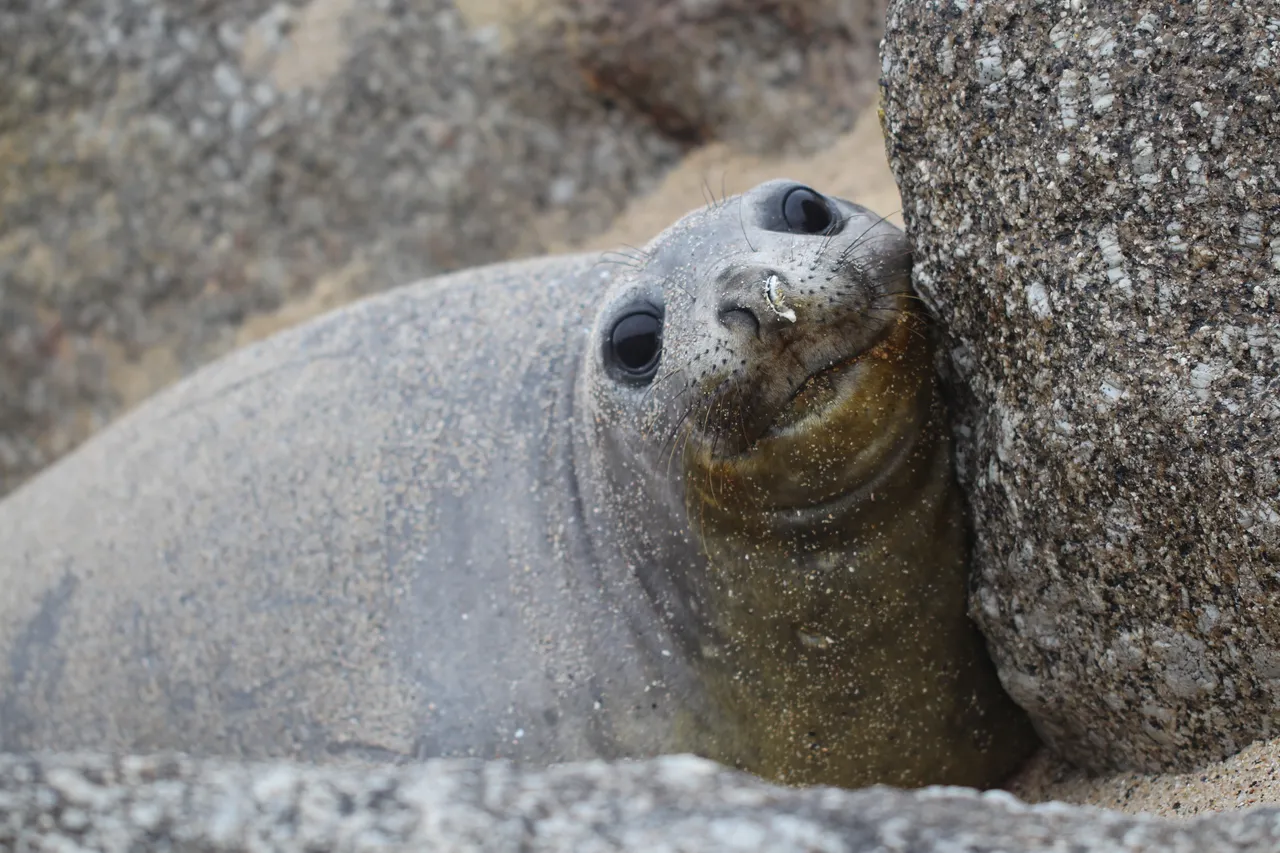
Although they are not commonly found along the South African coastline, individual seals occasionally travel far beyond their normal range and haul out on beaches around Cape Town and the broader Western Cape. These animals are known as vagrants and often come ashore to rest or moult before returning to sea. Their occasional visits provide a unique opportunity for people to observe one of the Southern Ocean's most iconic marine mammals.
Visiting Cape Town's shores
In recent years, several southern elephant seals have become familiar visitors to the Western Cape coastline. One particularly well-known individual, affectionately named Bakkies, has been sighted multiple times after being tagged by researchers as part of a collaborative monitoring effort. Tracking these visiting seals helps scientists better understand their movements and the role that vagrant individuals play within the wider population.
The appearance of elephant seals on local beaches provides a valuable opportunity for public education and awareness. Their visits remind us of the incredible connections between South Africa's coastline and the remote Southern Ocean ecosystems that support these extraordinary marine mammals.
Diet:
Southern elephant seals are powerful predators that forage far offshore in the open ocean. Their diet consists mainly of squid, fish, rays, sharks, and other marine prey found in deep waters. Using their exceptional diving abilities, they can access food resources that are unavailable to many other marine predators. They spend the majority of their lives feeding at sea and undertake extensive migrations across the Southern Ocean in search of prey.
Threats:
Southern elephant seals are currently listed as Least Concern on the IUCN Red List. However, like many marine species, they face threats associated with changing ocean conditions, pollution, and human disturbance.
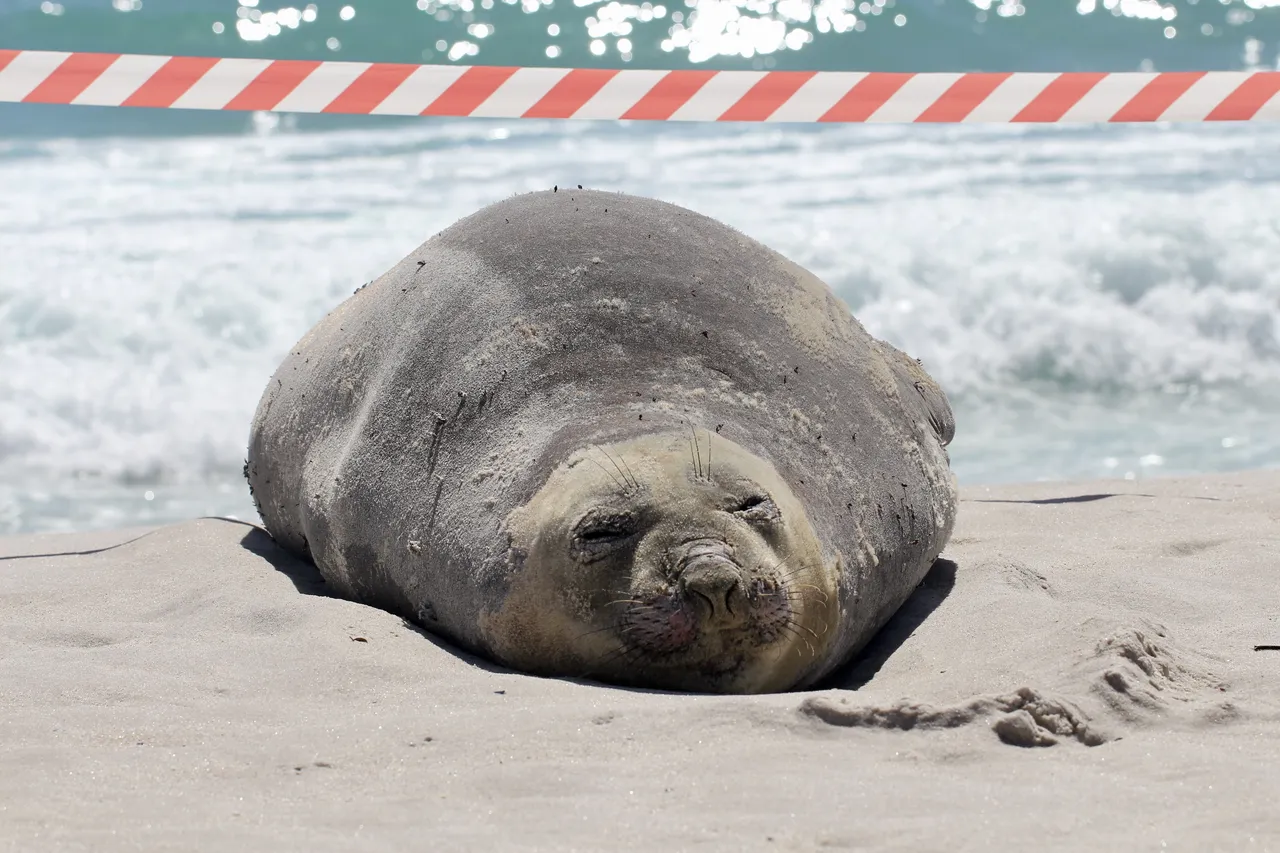
When elephant seals haul out on beaches, particularly during moulting, they are vulnerable to disturbance from people and domestic animals. Approaching or harassing a resting seal can cause unnecessary stress and may interrupt important resting or moulting behaviour. Members of the public are encouraged to admire elephant seals from a safe distance and to follow the guidance of conservation authorities when these animals visit local beaches.
Monitoring programmes and research initiatives help scientists better understand elephant seal movements, population trends, and the health of Southern Ocean ecosystems.
Kids facts: