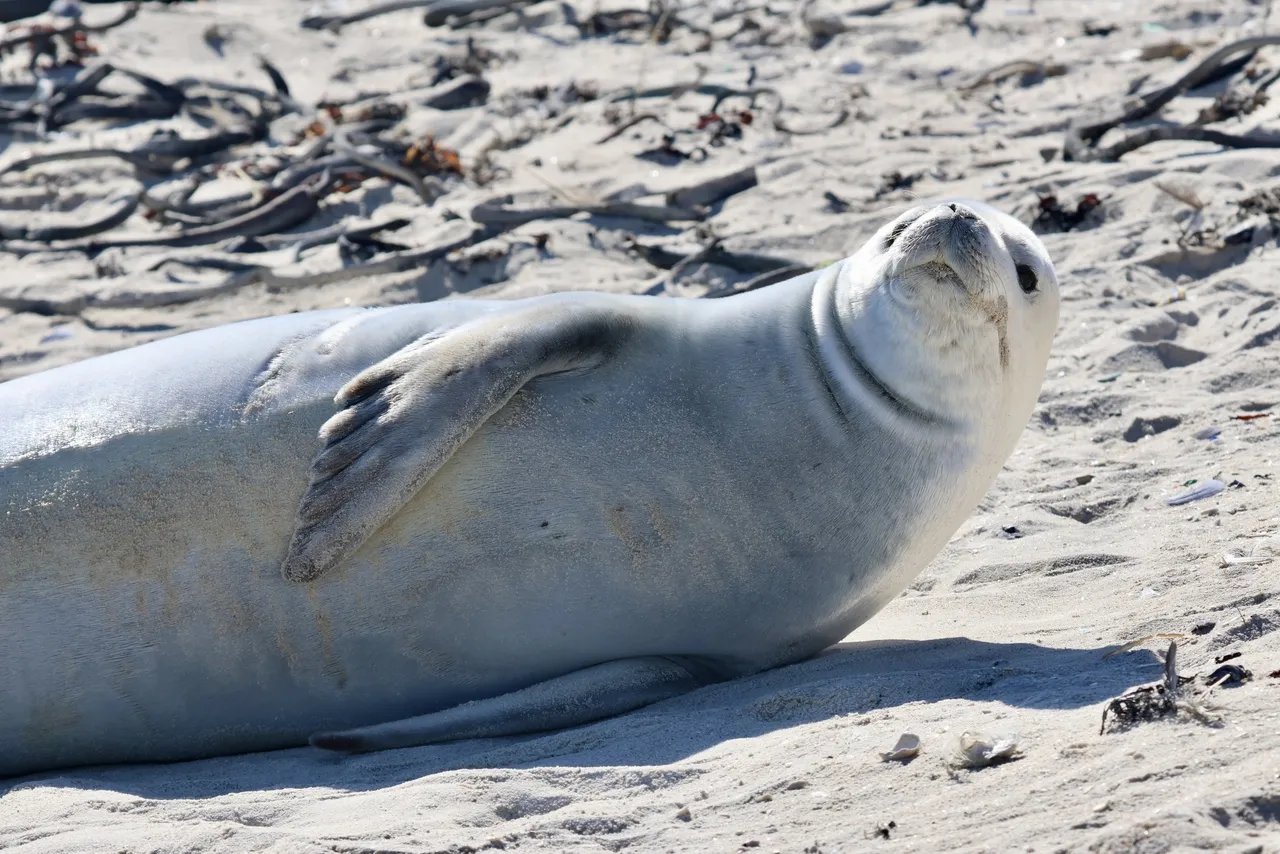
Appearance and lifestyle:
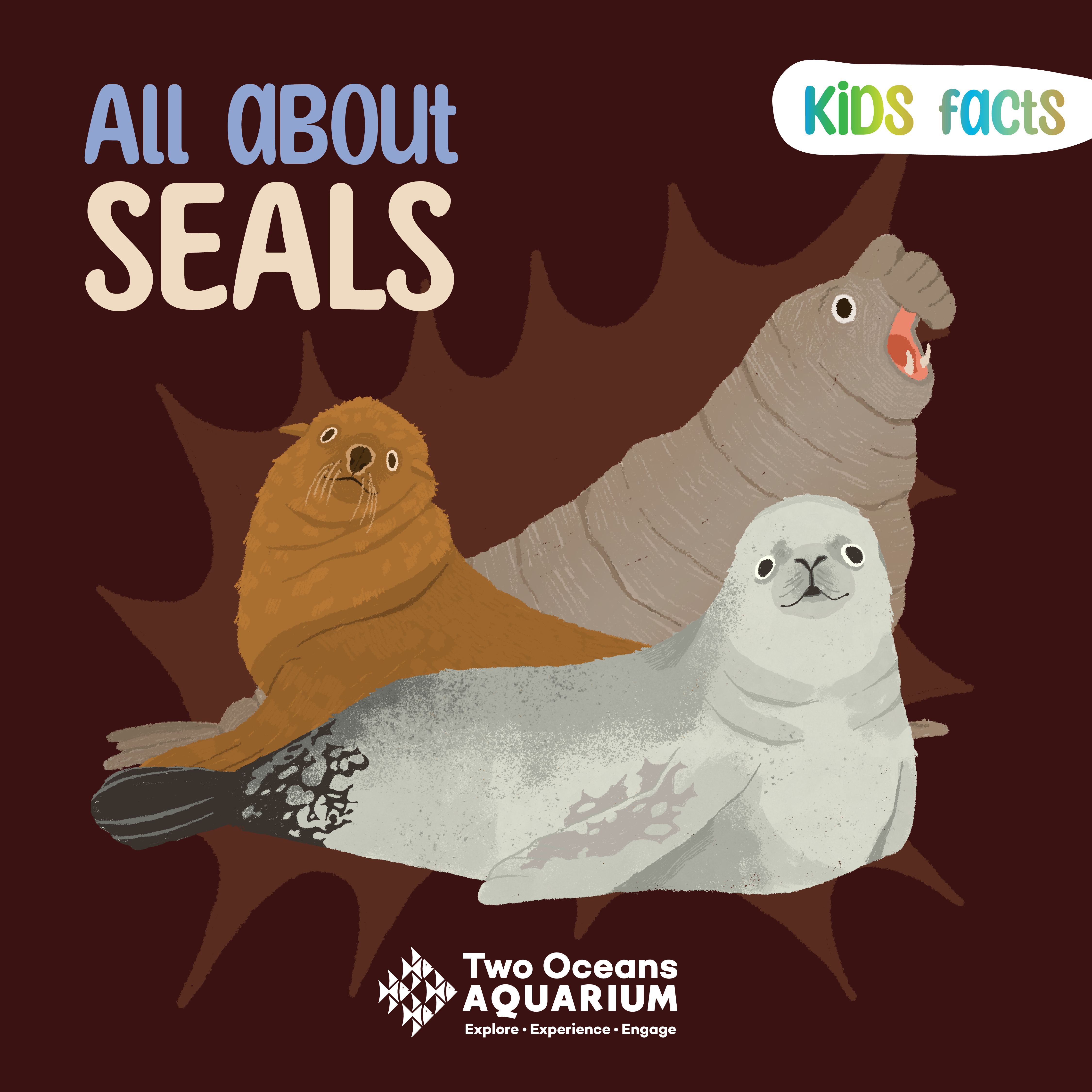
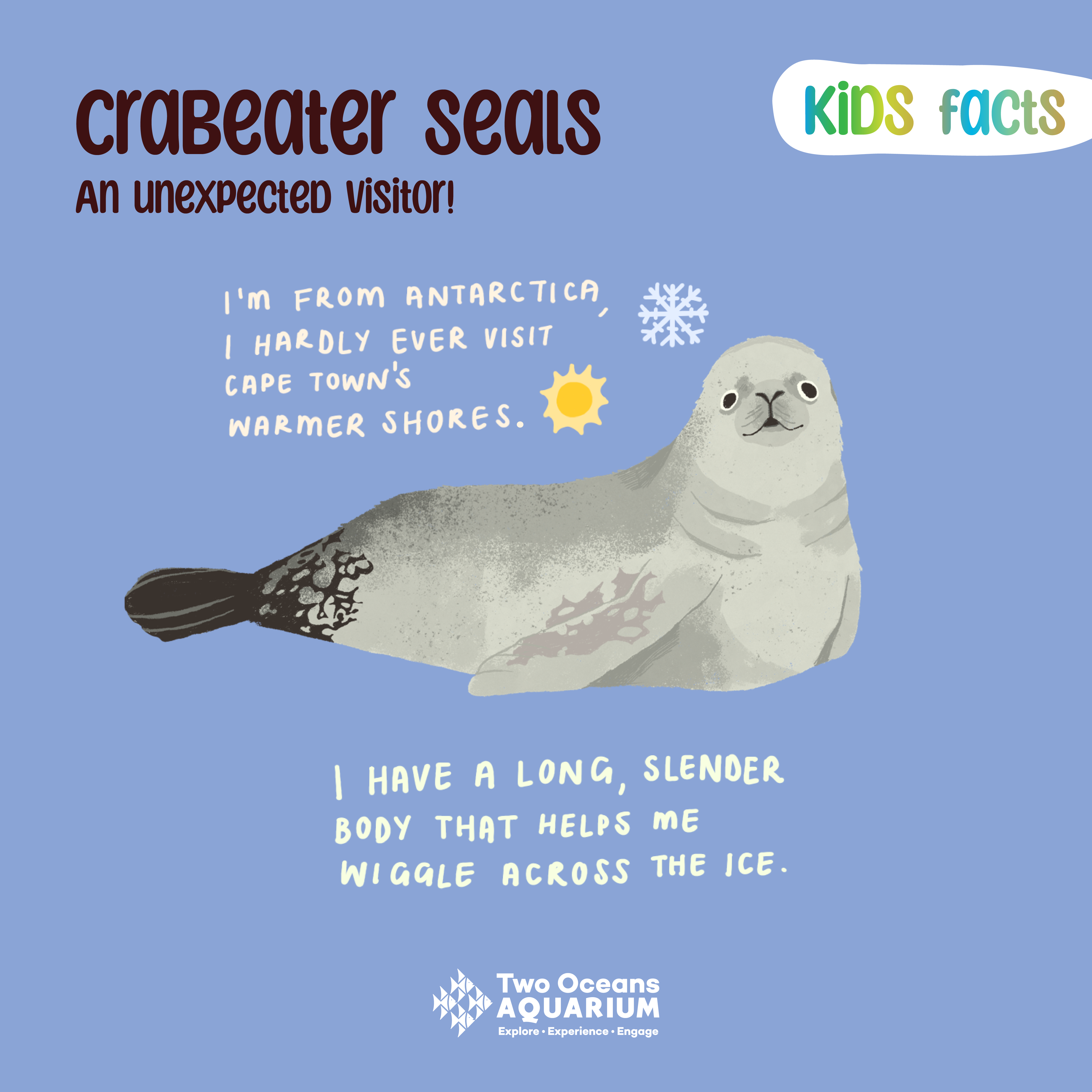
The crabeater seal (Lobodon carcinophaga) is one of Antarctica's most abundant marine mammals and, despite its name, does not eat crabs. Adults typically grow to between 2m and 2.6m in length and can weigh up to 300kg.
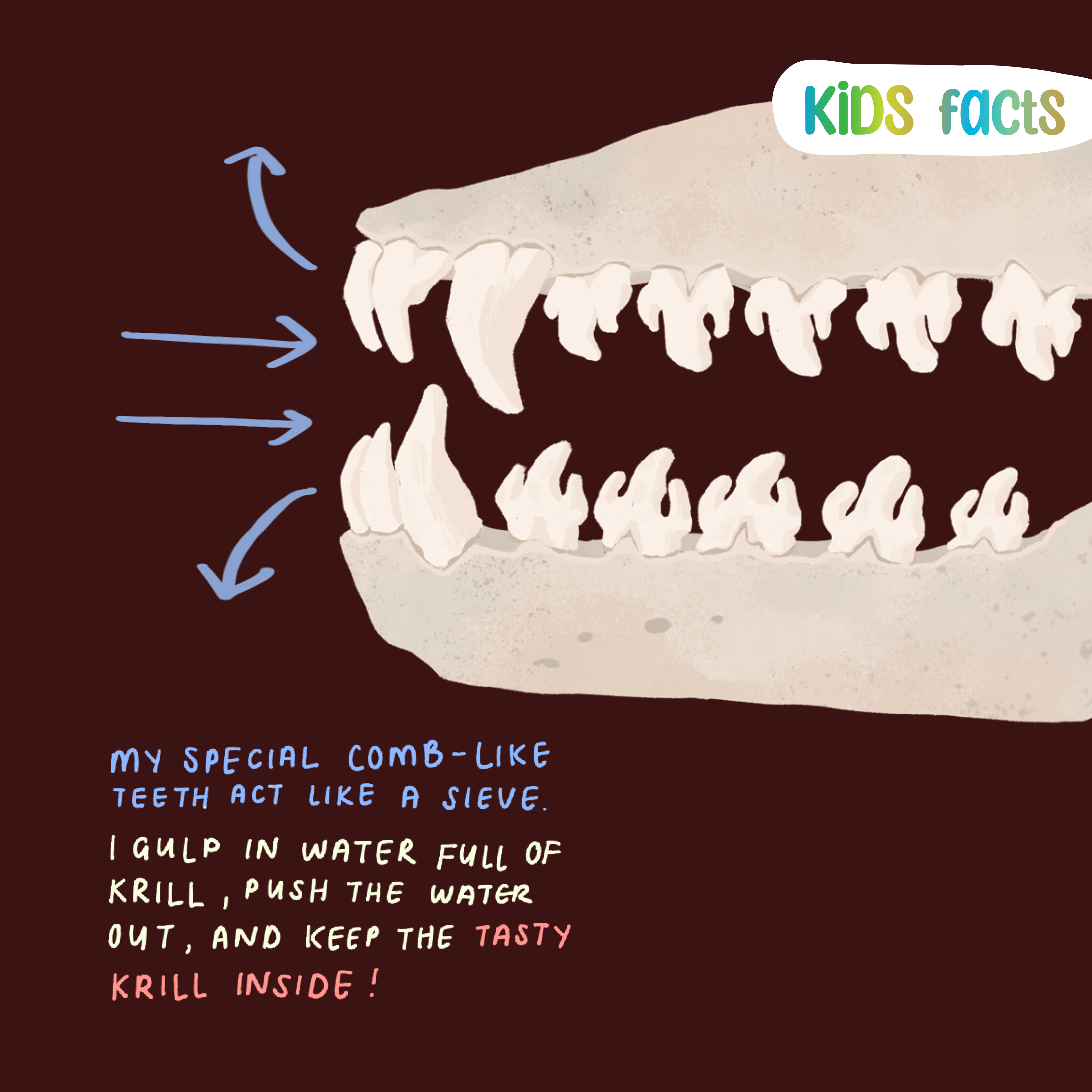
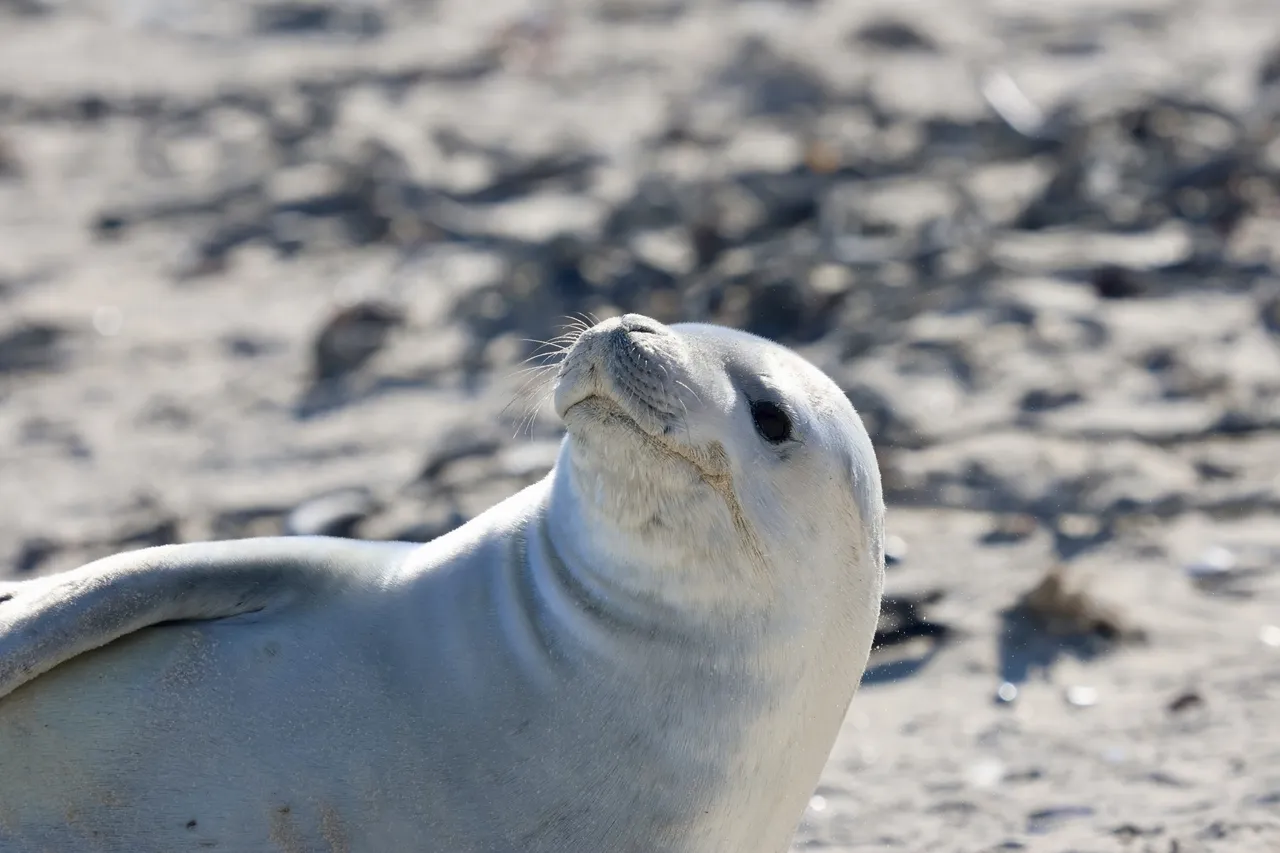
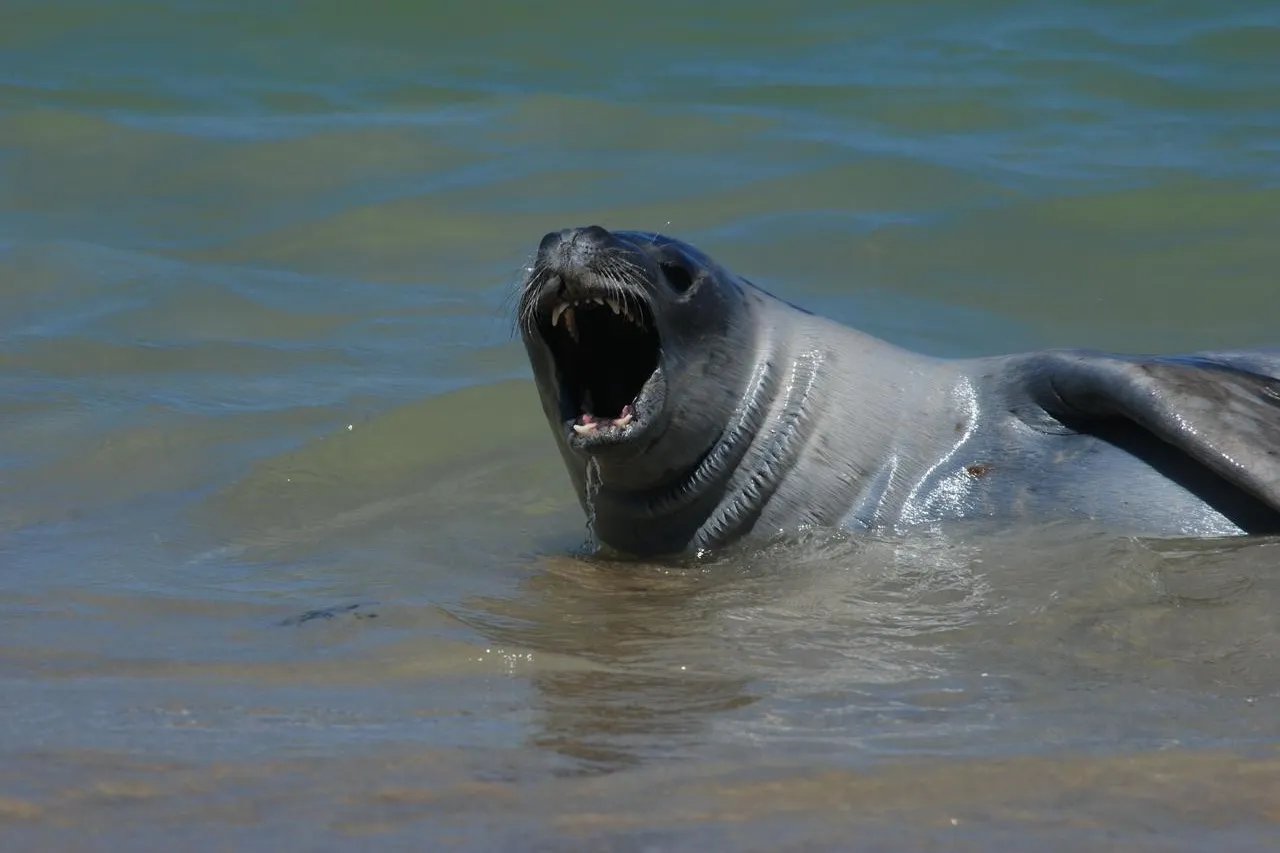
Crabeater seals have slender bodies, long snouts, and pale silver-grey coats that often become marked with scars from encounters with leopard seals during their younger years. Their most distinctive feature is their uniquely shaped teeth, which interlock to form a sieve-like structure used to filter tiny prey from the water.
These seals spend much of their lives on Antarctic pack ice, where they rest, breed, and raise their pups. Although generally solitary or found in small groups, large aggregations can sometimes occur on the sea ice. They are strong swimmers and can travel vast distances across the Southern Ocean.
While crabeater seals are common in Antarctica, sightings along the South African coastline are exceptionally rare. In 2026, a female crabeater seal travelled an estimated 4 500km from Antarctica to Cape Town's shores, providing a remarkable reminder of the connections between the Southern Ocean and South Africa's marine environment.
Habitat:
Crabeater seals have a circumpolar distribution around Antarctica and are most commonly found on the seasonal pack ice that surrounds the continent. They depend on this floating ice for resting, breeding, and access to their feeding grounds.
Unlike southern elephant seals, crabeater seals are rarely seen on South African beaches. Occasional sightings occur when individuals stray far beyond their normal range, likely carried by ocean currents or undertaking long-distance movements through the Southern Ocean.
The rare appearance of a crabeater seal along the Cape coastline highlights the vast journeys some marine animals can undertake and provides valuable opportunities for scientists and conservationists to monitor these unusual visitors.
Diet:
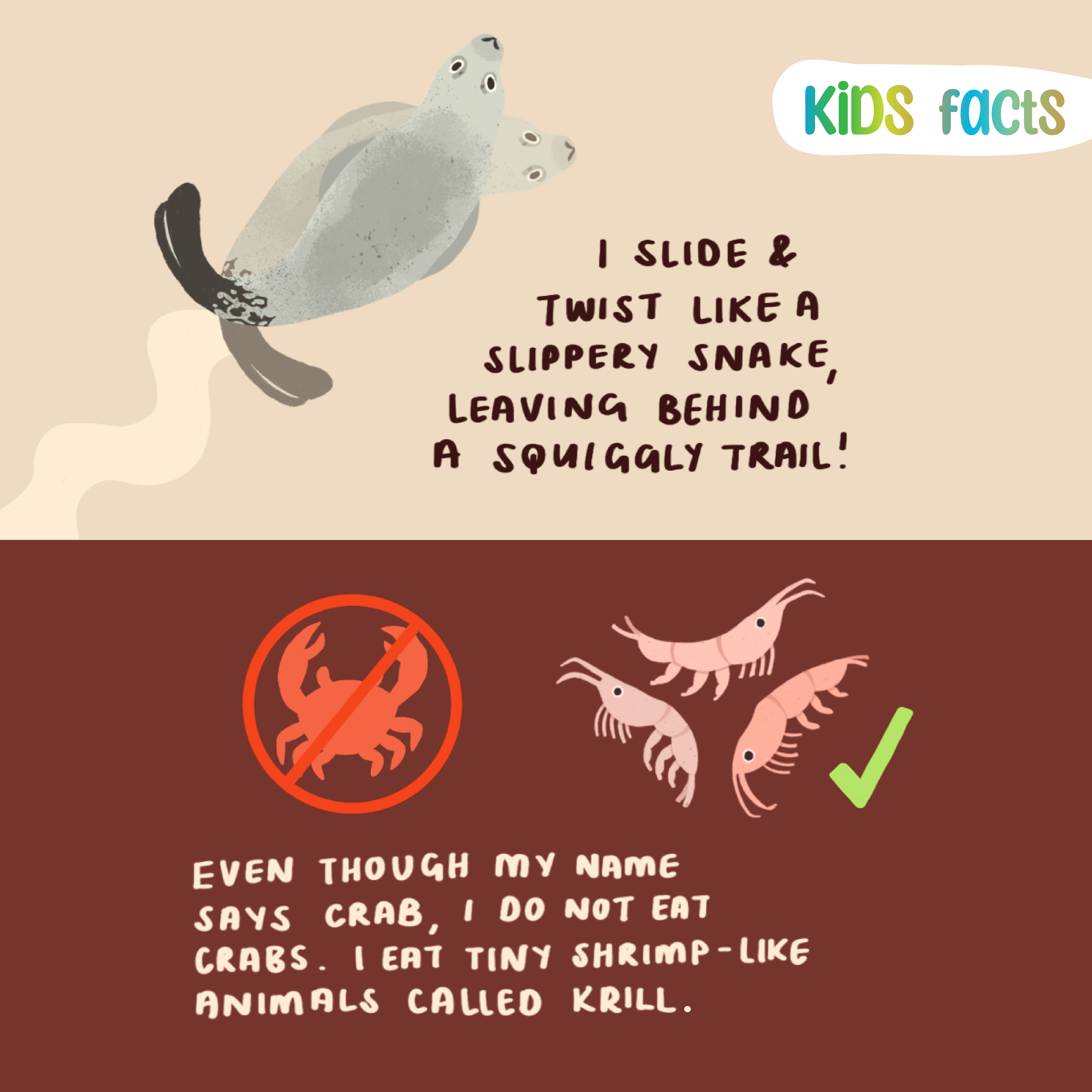
Despite their common name, crabeater seals do not feed on crabs. Instead, they are specialist feeders that consume mainly Antarctic krill — small shrimp-like crustaceans that form the foundation of the Southern Ocean food web. Krill make up more than 90% of their diet.
Their highly specialised teeth act as a natural filter, allowing them to strain enormous quantities of krill from the water. They may also occasionally feed on small fish and squid. The abundance of krill in Antarctic waters has helped make crabeater seals one of the most numerous seal species on Earth.
Threats:
Crabeater seals are currently listed as Least Concern on the IUCN Red List and are considered one of the most abundant seal species in the world.
However, because they depend heavily on Antarctic sea ice and krill populations, they may be vulnerable to the effects of climate change and shifts in Southern Ocean ecosystems. Changes in sea ice patterns could affect breeding habitat and food availability.
Young crabeater seals also face significant natural predation from leopard seals, with many individuals bearing scars from attacks that occurred early in their lives. Killer whales are another natural predator.
When crabeater seals occasionally visit South African shores, human disturbance can become a concern. These animals often come ashore simply to rest, and conservation authorities encourage the public to admire them from a safe distance, keep dogs leashed, and avoid approaching or interacting with them. Giving these rare Antarctic visitors space is the best way to ensure their well-being.
Kids facts: